Running Shoes
Nike Alphafly 3 After 200 Miles: What Holds Up and What Doesn't
After 200 training and racing miles plus a marathon, here's how the Nike Alphafly 3 is wearing, whether the foam still pops, and who this super shoe really suits.
Introduction
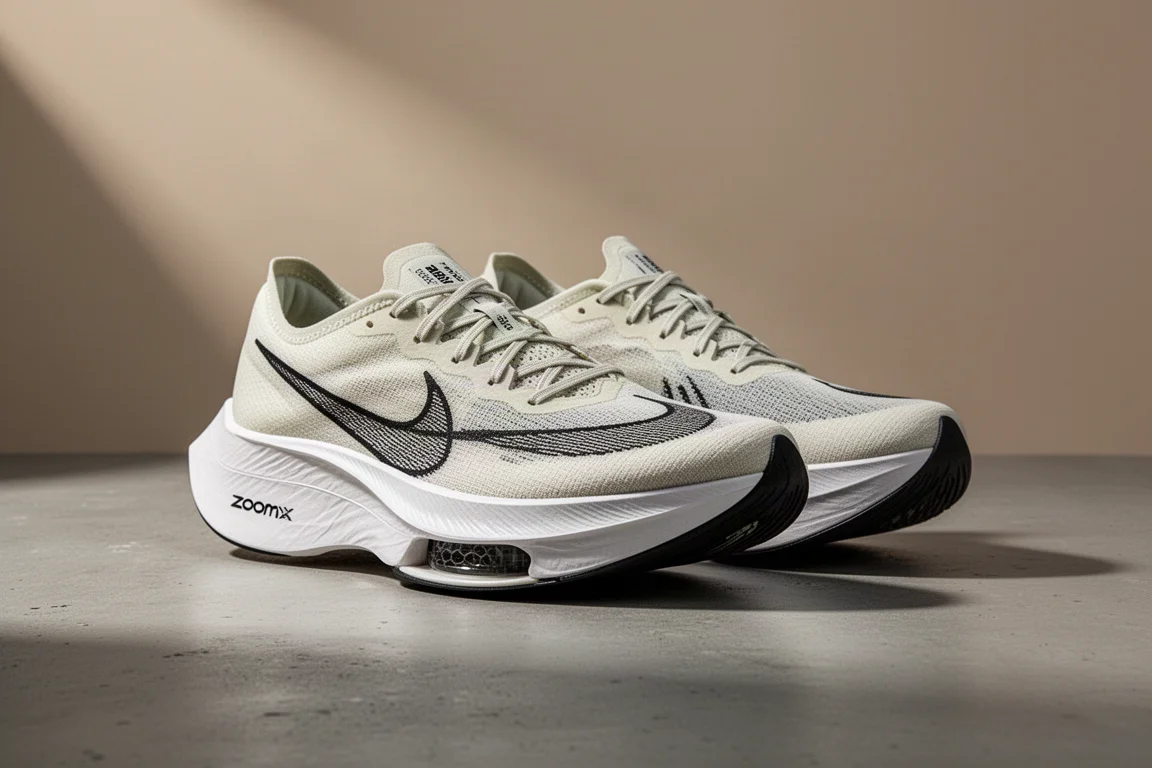
The Nike Alphafly 3 has now covered 200 training and racing miles in one pair, plus a marathon in Berlin in a second pair, and the verdict is refreshingly positive. This is a road racing super shoe that has quietly proven to be far more durable than the usual 100-mile warning suggests, and it has become the go-to race shoe over the Vaporfly 3 after the update.
The headline questions here: how well does the shoe hold up after two centuries of miles, does the foam still feel lively, and can everyday runners genuinely benefit, or is it only for elites? Given that both the men’s and women’s marathon world records were broken in Chicago in the Alphafly 3, the shoe has plenty of credibility at the front of the field. But the real answer for most runners is more interesting.
Key Specs and Updates from Version 2
The Alphafly 3 arrived with a complete redesign. In a UK size 12 it came in at 269g, roughly 30g lighter than version 2. The stack sits at 40mm at the heel, right at the legal limit, with an 8mm drop. It is a neutral shoe with a Atomknit upper, Nike’s flagship ZoomX midsole, two Air Zoom pods under the forefoot for extra propulsion, and a full-length carbon plate with a wider footprint for added stability.
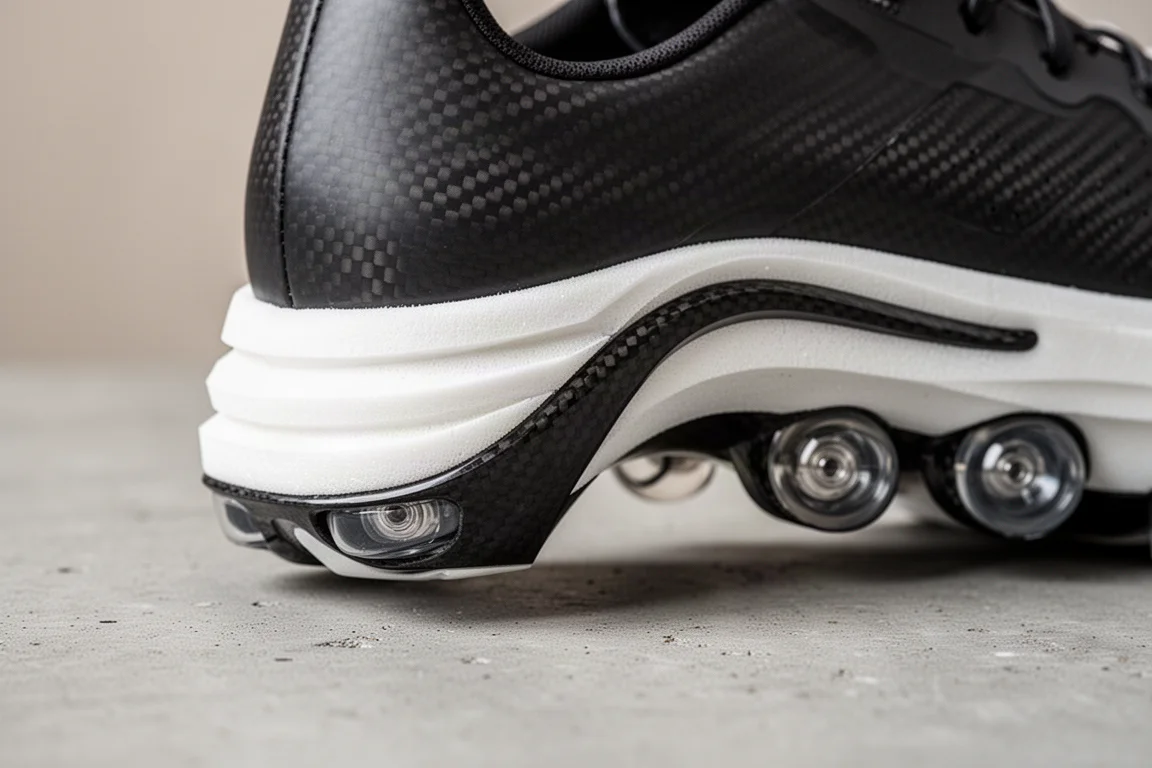
The most welcome changes are under the arch and through the midfoot. Version 2 caused hot spots and arch soreness for some runners; the pronounced arch is now much softer, and the continuous midsole makes the foot strike noticeably smoother. The outsole carries plenty of rubber at the front for forefoot and midfoot strikers, while heel strikers get only small rubber units at the rear, so rearfoot grip is more limited. There are no width options, but men’s and women’s fits exist, and the shoe ran true to size.
Comfort and Ride Quality
Three things stand out. First, the ride: the continuous midsole delivers a buttery, smooth transition through the foot strike, far less slappy than earlier versions, and heel strikers in particular get a much smoother roll. Second, the comfort at all paces. Earlier Alphafly versions felt clunky on easy runs, but version 3 stays comfortable whether warming up or cruising, with a sock-like, breathable Atomknit upper and solid lockdown, no blisters or hot spots even deep into a marathon.

Third, stability. For a maximum-stack shoe, the wide carbon plate inspires real confidence when cornering, including through 180-degree turnarounds in races. Grip through wet aid-station zones was solid, though the shoe has not been fully tested in sustained rain yet. Not everything is perfect: the shoe is still a little noisy on the tarmac, and the midfoot remains slightly narrow, though both issues improved versus version 2.
Durability: The Surprising Truth After 200 Miles
Here is the surprising part: durability has been genuinely good. The 200-mile pair, used for training into Berlin and raced in a marathon, still feels fantastic. A side-by-side speed session of 7x3-minute reps at 10K to half marathon pace compared the 200-mile pair against a nearly new pair, and the difference was marginal at most. The newer pair felt slightly more stable with a touch more life in the Air Zoom pods, but the older pair still pops.
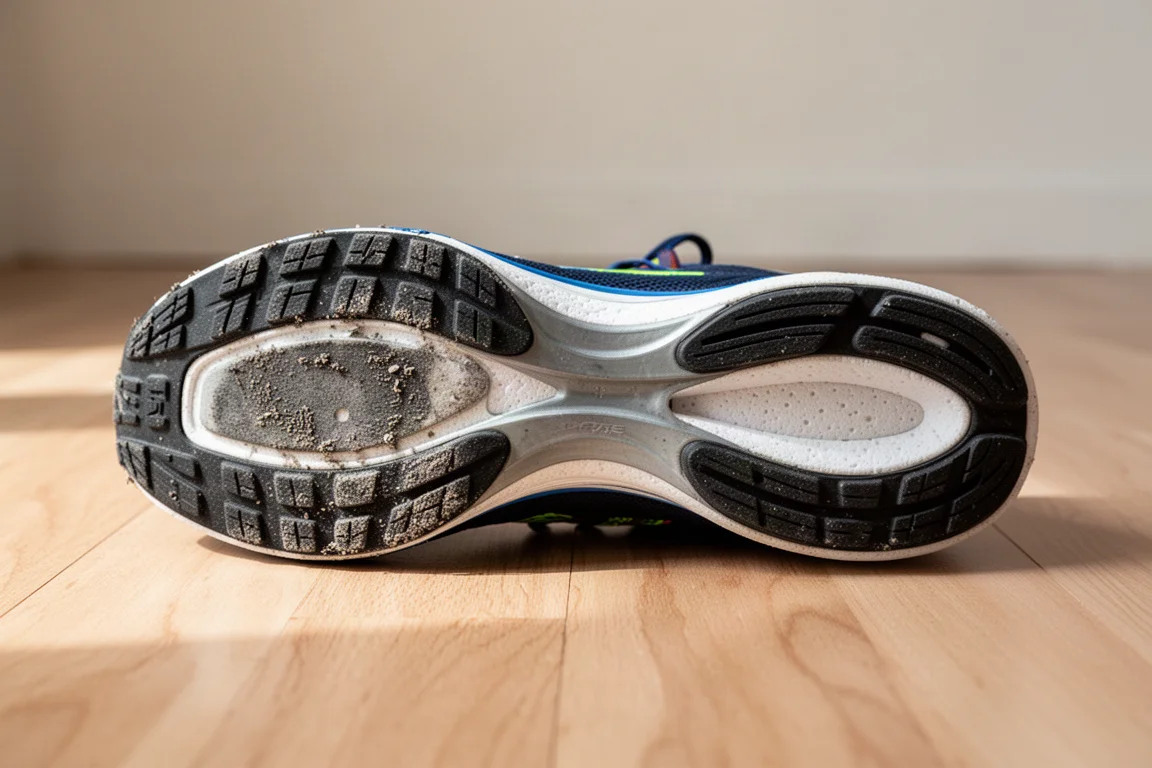
Wear on the outsole is limited to a little smoothing at the forefoot where the runner lands and rolls inward. The foam, which is what actually matters, still has plenty of life. The idea that super shoes die at 100 miles simply did not hold up here; most runners could comfortably get 300 to 400 training and racing miles from a pair.
There is value in that too. At around £285 in the UK, the shoe is expensive, but a 200-mile pair that still races well stretches that price considerably. Lightly used pairs with 100 miles or so could be found on resale platforms and would still feel excellent.
Who This Shoe Is For
Because the Alphafly 3 is smooth, comfortable, and not overly aggressive, intermediate runners can genuinely benefit. Many carbon shoes are so stiff and firm that they demand elite-level leg strength to unlock; this one does not. There is no real break-in period, and it suits marathon runners across a wide range of abilities. Its sweet spot is the marathon and half marathon, where it shines as a cruiser.
Building a Shoe Rotation Around the Alphafly 3
For a two-shoe Nike rotation, pair it with something like the Vomero 17 or Pegasus Plus for everyday runs, keeping the Alphafly 3 for key workouts and races. With a bigger budget for a three-shoe rotation, the Vaporfly 3 adds a lighter, snappier option for fast 5K and 10K work. Alternatively, a max-cushion trainer like the Invincible 3-style daily shoe could dial up recovery runs.
Conclusion
After 200 miles, the Nike Alphafly 3 remains one of the most complete marathon super shoes available: faster than the Vaporfly 3 for the tester, comfortable at all paces, stable for a max-stack shoe, and far more durable than expected. Yes, it is pricey, it is a touch noisy, and the midfoot is slightly narrow, but it is an easy recommendation, especially for intermediate marathon runners who want elite-level technology without elite-level demands.
Product link
View more details for Nike Alphafly 3
This product is mentioned in the review. Check the specifications, options, and compatibility before buying.
View more details for Nike Alphafly 3Further reading
Related Reviews

Running Shoes
Best Road-to-Trail Running Shoes: Three Versatile Options for Mixed Terrain
A practical guide to three road-to-trail running shoes that handle both pavement and mild trails, with clear strengths and trade-offs for different runner types.

Running Shoes
Best Running Shoes for Achilles Tendonitis: Three Options Explained
Three running shoes with different heel drops and support features designed to help reduce Achilles tendon pain during walking and running.

Running Shoes
Best Running Shoes for Women: Five Top Choices Ranked
A ranked guide to five women's running shoes, from versatile daily trainers to high-performance racing options, with real strengths and trade-offs for each.