Running Shoes
Nike Alphafly 3 First Run Review: Lighter, Smoother, and More Approachable
A first-run take on Nike's lightest Alphafly yet, with a continuous midsole, reworked Air Zoom pods, and changes aimed squarely at earlier complaints.
Introduction
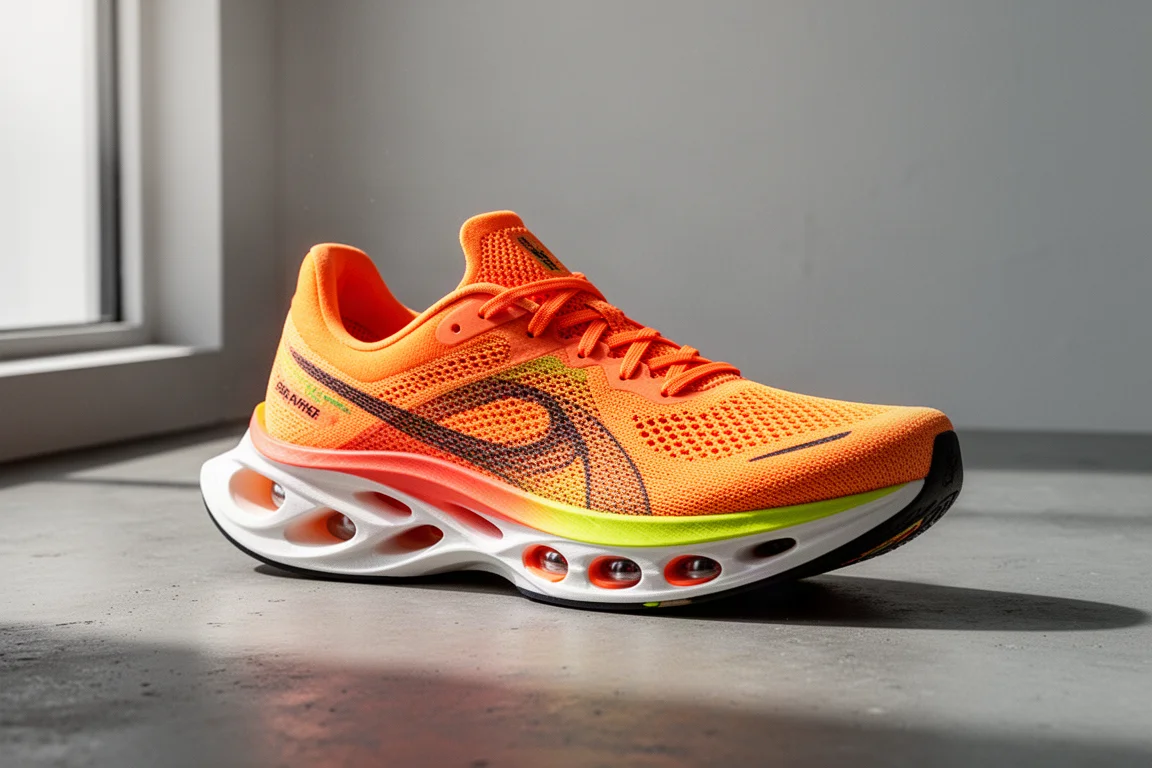
The Alphafly 3 arrives as Nike’s latest flagship marathon racer, and the headline is simple: it is the lightest Alphafly ever. In a UK size 9 / US 10 it weighs 220g, a substantial drop from the original Alphafly in the high 220s and the Alphafly 2 pushing towards 250g. It launches at £285 or $285, another price increase over the previous version, though not the feared jump past the £300 / $300 mark.
It keeps the 8mm drop of the Alphafly 2 and a stack height listed just under 40mm in a US 10, keeping it within World Athletics regulations. The shoe has already been raced by elite athletes, including a marathon world record at the Chicago Marathon, so expectations were high before the first run.
What Has Changed
The most interesting changes sit in the midsole. It is now one continuous piece of foam, removing the huge cutout that almost split the midsole in two on the first two versions. Nike says the continuous design creates a smoother heel-to-toe transition no matter your foot strike, so it should suit runners of all levels. Sculpted cutouts in the foam help shave weight, which is where much of the reduction comes from.
The Air Zoom pods under the forefoot, the feature that separates the Alphafly from the Vaporfly, have been reworked for more engagement with the foam. The full-length carbon flyplate remains, widened slightly on the medial side to help with stability.
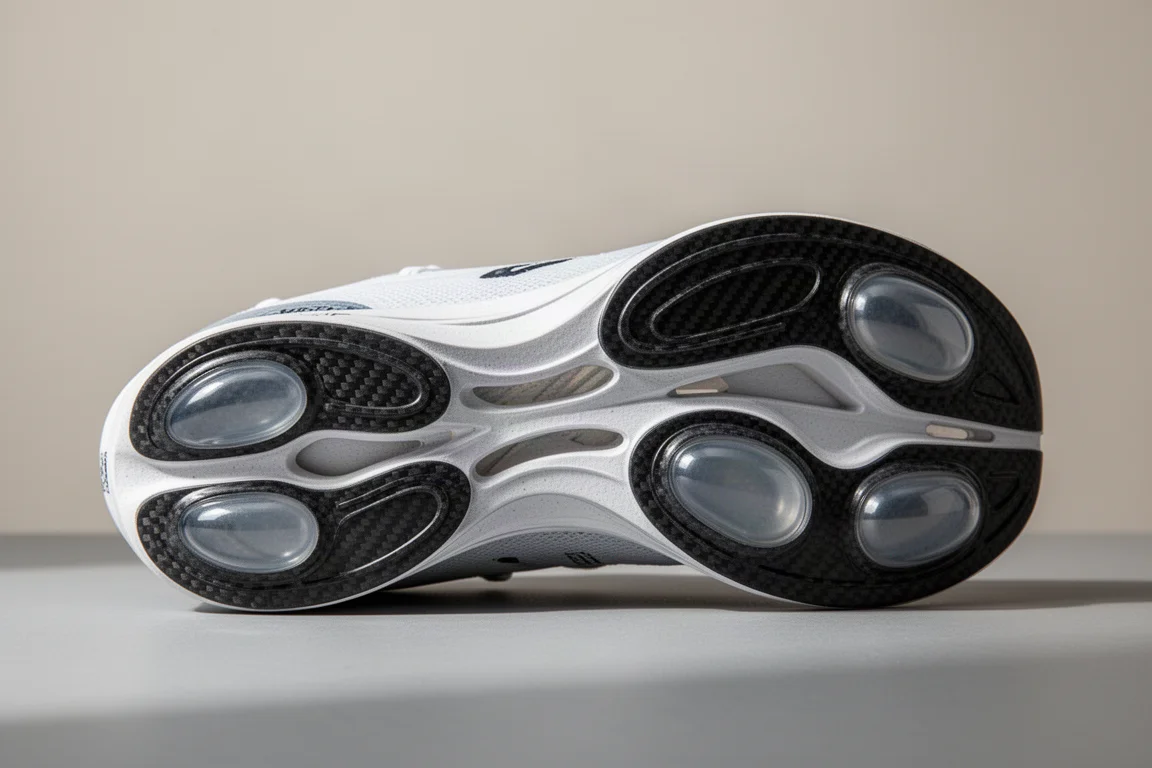
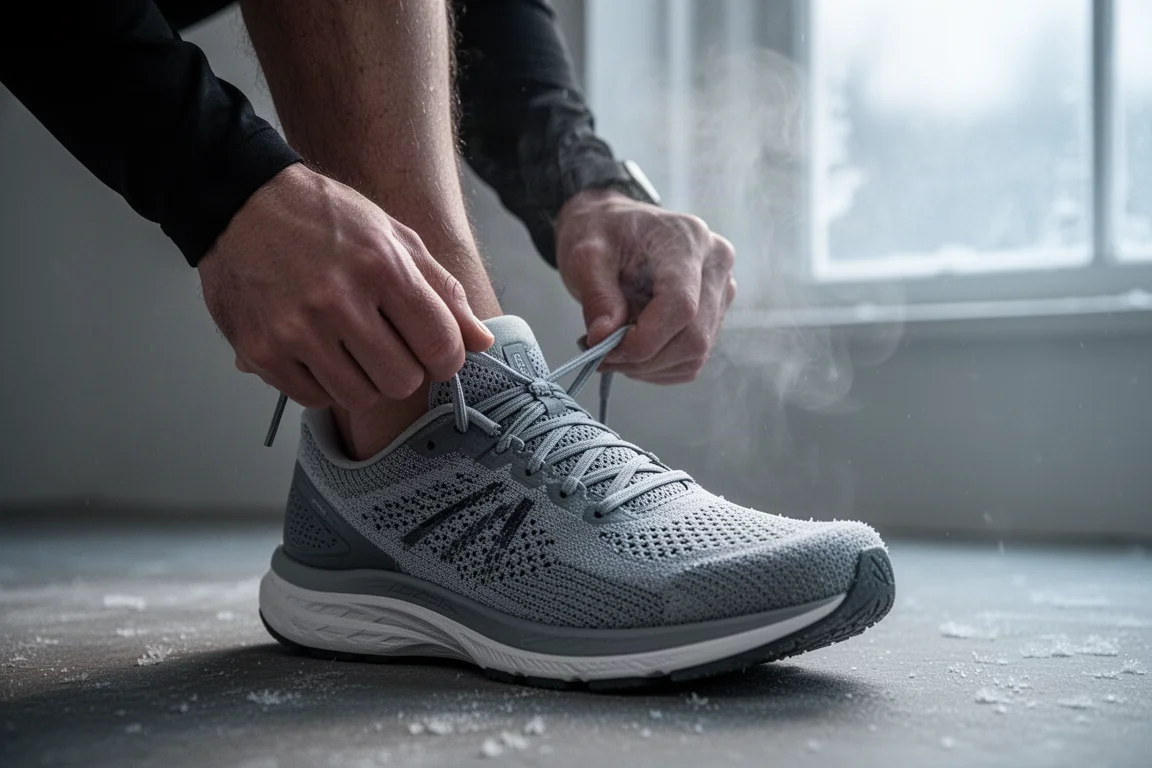
The upper is the Atomknit 3.0, a breathable open weave with a bootie-style fit and plenty of padding around the ankle, riding high at the back for a locked-in racing feel. The lace stays are now integrated into the upper to reduce pressure when cinching the shoe tight, and a new last is claimed to reduce arch pressure, a known complaint with earlier generations. The outsole uses fast-shot rubber with minimal coverage plus two heel sections for extra durability, and Nike says its testing saw the shoe exceed 200 miles for all its testers, an unusually strong durability claim for a racing shoe.
How It Felt on a Steady 10K
The first run was a warm-up followed by a steady, feel-based 10K on flat roads, pushing towards marathon pace. It delivered. The shoe keeps the big bouncy, propulsive feel of earlier Alphaflys, but the lighter weight shows up most on the turns back into the wind: better pickup, quicker turnover, and a noticeably more tip-forward sensation than previous versions.

The feel sits somewhere between the old Alphafly and the Vaporfly, more nimble and aggressive than the Alphafly 2 while still delivering that unmistakable bounding bounce. Pushing onto the Air Zoom pods gives a firmer, more noticeable engagement before the shoe rebounds on toe-off. Marathon pace felt controlled, and the run ended feeling fresh and eager for more.
One small carry-over: the shoe is still loud, with a big landing noise and some squeaking. It does not bother everyone, but it is worth knowing if that kind of thing does.
Fit and On-Foot Feel
The Alphafly 3 is easier to get on than the Alphafly 2, which will please plenty of runners. The fit in normal running shoe size is genuinely good, consistent with sizing across every Alphafly generation and other Nike running shoes. There is a good amount of room in the toe box, and the hold around the midfoot and heel is secure when running hard and cornering.
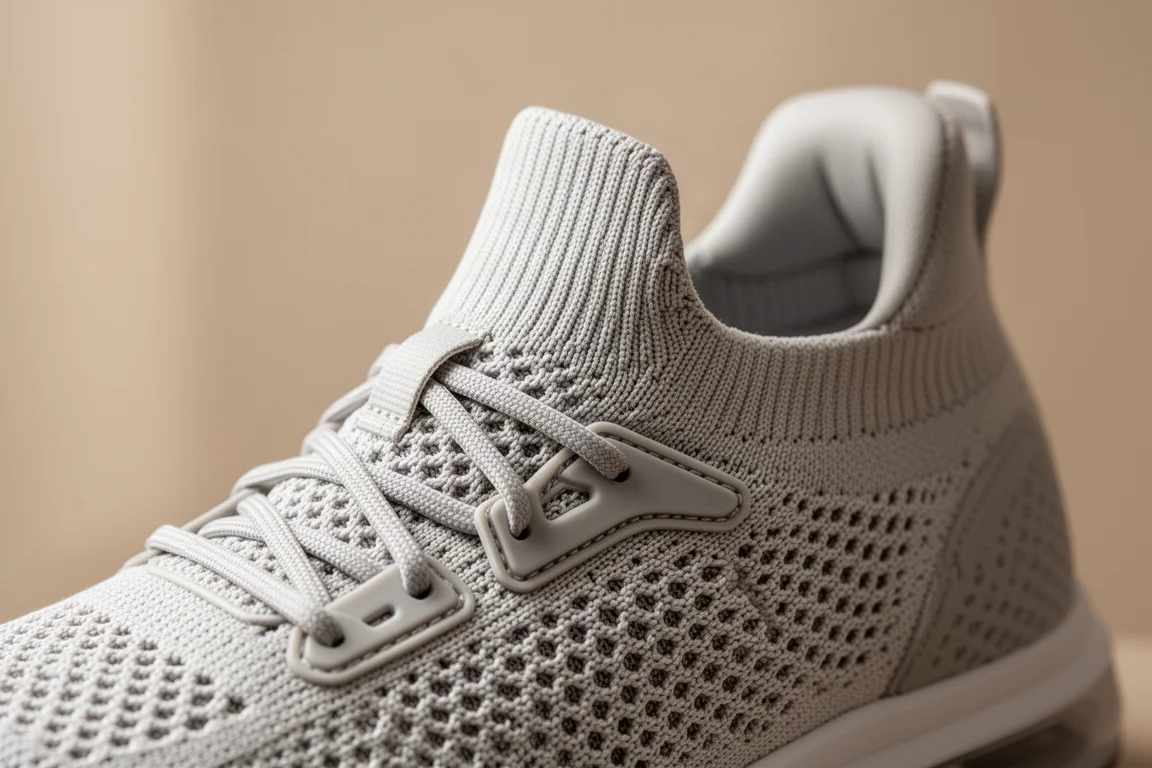
The integrated lace stays were a small concern at first, but pulling the laces hard for a racing fit produced no lace bite at all, and it was simpler to get a secure fit than in many other racing shoes. No arch problems showed up on this run, though without regularly experiencing that issue in older versions it is hard to say how much the new last improves things.
Buying Advice
This looks like a crowd-pleasing update. Nike appears to have identified the main complaints about the Alphafly 2, weight above all, and addressed them without losing the bouncy character that made the shoe so effective in the first place. Runners who loved the lighter, more nimble feel of the Alphafly 1 should find a lot to like here, now in an even lighter package.
At £285 / $285 it is a premium racing shoe, and with more testing and racing still to come, early impressions suggest it will be more popular than the Alphafly 2. If you race marathons and want maximum bounce with easier turnover, it deserves a spot on your shortlist.
Conclusion
The Alphafly 3 takes the best of the previous two generations, cuts meaningful weight, smooths out the ride with a continuous midsole, and keeps the Air Zoom pods and carbon plate that define the line. It is still loud, still expensive, and still very much a race-day shoe. On first impressions, though, it may be the most complete Alphafly yet.
Product link
View more details for Nike Alphafly 3
This product is mentioned in the review. Check the specifications, options, and compatibility before buying.
View more details for Nike Alphafly 3Further reading
Related Reviews

Running Shoes
Best Road-to-Trail Running Shoes: Three Versatile Options for Mixed Terrain
A practical guide to three road-to-trail running shoes that handle both pavement and mild trails, with clear strengths and trade-offs for different runner types.

Running Shoes
Best Running Shoes for Achilles Tendonitis: Three Options Explained
Three running shoes with different heel drops and support features designed to help reduce Achilles tendon pain during walking and running.

Running Shoes
Best Running Shoes for Women: Five Top Choices Ranked
A ranked guide to five women's running shoes, from versatile daily trainers to high-performance racing options, with real strengths and trade-offs for each.