Running Shoes
Nike Alphafly 3 Review: 250 km of Marathon Racing and Training
After 250 km of base building, long runs, and race-pace workouts, the Alphafly 3 has gone from feeling too aggressive to feeling like the most dialed-in shoe in the rotation.
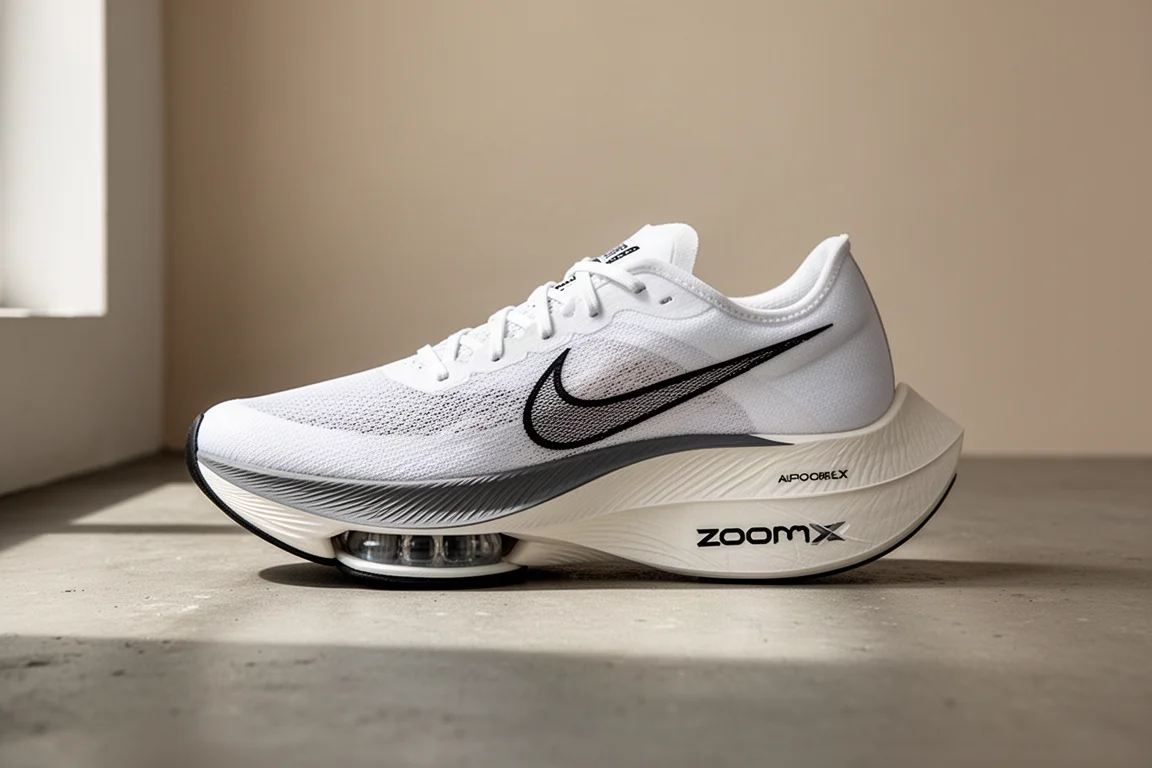
Introduction
The Nike Alphafly 3 is Nike’s flagship marathon racing shoe, and this review comes after roughly 250 km, or about 155 miles, of running in it: base-building miles, long runs with marathon pace work, and a quarter-mile interval session on rolling roads. First impressions were mixed. The shoe initially felt too aggressive, almost forcing an unnatural forefoot landing. Fast forward a year and well over a hundred miles, and it has become one of the most trusted and enjoyable shoes in the entire rotation.
Who This Product Is For
Nike built the Alphafly 3 for runners chasing race-day performance, and the sweet spot is clearly faster running. At 7-minute mile pace and quicker, it locks in and feels effortless, which is why it works so well for sub-2-hour half marathon and sub-3-hour marathon efforts. It is also simply a fun shoe: the combination of ZoomX foam, air pods, and a carbon plate makes faster paces feel natural without much thought. Runners going 4 hours or longer at a relaxed effort may prefer something with more conventional padding, but plenty of people across most pace ranges have raced in it successfully, and it was by far the most popular shoe at the Chicago Marathon.
What Makes the Alphafly 3 Different
The signature feature is the pair of forefoot air pods paired with a carbon fiber plate set into ZoomX foam. Push on the pods and they compress, but they do not collapse like soft foam. The ride is bouncy rather than plush: the ZoomX here is softer than a typical training shoe foam but not as soft as the latest foams from Adidas or Saucony.
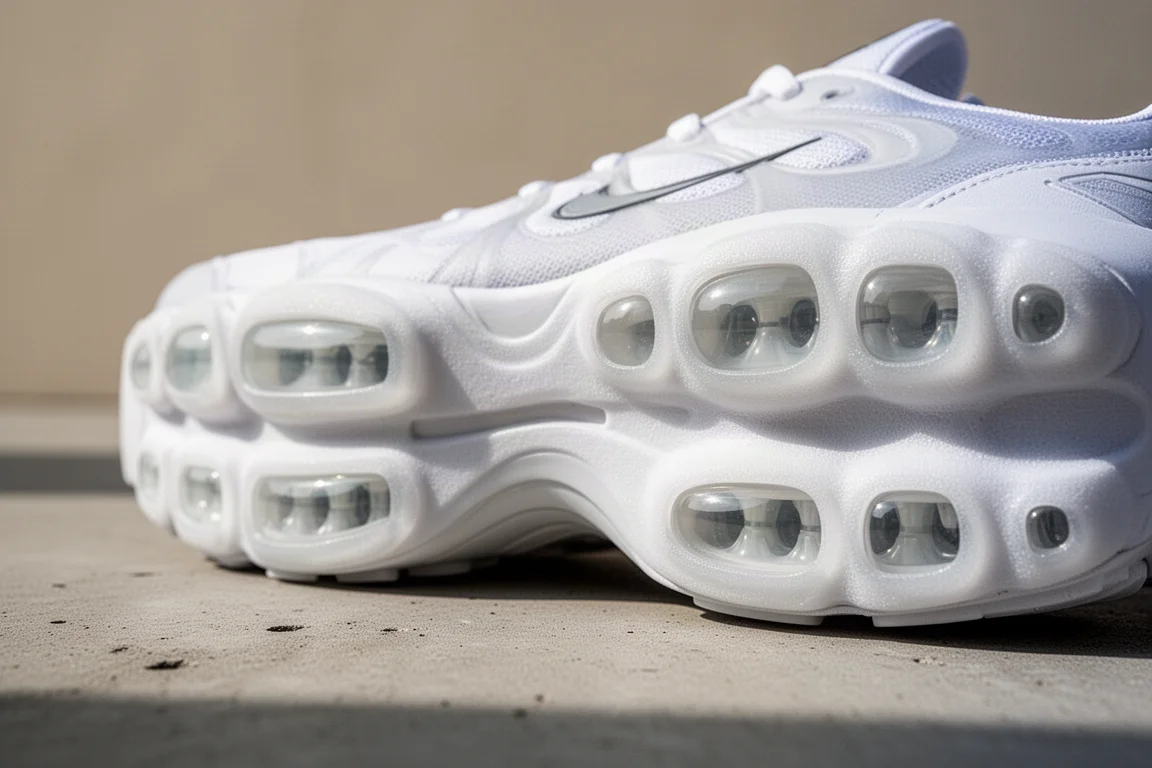
The geometry is also distinctive. A pronounced heel bevel encourages a midfoot-to-forefoot landing, and the wide forefoot and reasonably wide rearfoot give it better stability than most super shoes. The wide base, controlled compression, and firm structure underfoot mean the shoe compresses without spilling out sideways and creating a wobbly sensation.
How It Rides at Different Paces
This is a shoe that rewards pace. At easy, slow paces it feels harsh and aggressive, and that was the biggest complaint in the first weeks of use. Around 30 to 40 miles in, something changed: either the shoe broke in or the stride adapted to it, and it started to click.

Once up at marathon pace or faster, the air pods come alive. During a recent workout of quarter-mile reps at 10K effort with steady-zone recoveries, the shoe made holding 6:40 marathon pace feel like gliding. The firmness of the pods is tuned almost perfectly, the rocker is excellent, and it is easy to hold a groove once a pace is found. Some of the best workouts of a Chicago Marathon training block happened in this shoe.
Comfort, Fit, and Upper
The Atomknit upper is arguably the best race shoe upper tested. It is a one-piece, sock-like construction that cinches down perfectly with no rubbing or hot spots, and there is a good amount of padding at the heel for a racing shoe. The shoe is light, coming in around 220 grams in this configuration, and the build quality feels like it justifies its price.
Durability at 250 km
The big question at this mileage is whether the shoe loses its race-day pop. ZoomX is not known as a durable racing foam, and Nike’s own Vaporfly models have felt flat by 80 miles. There is some doubt about whether this pair still feels as lively as it did out of the box, though part of that may be the shoe simply feeling dialed in after months of use.
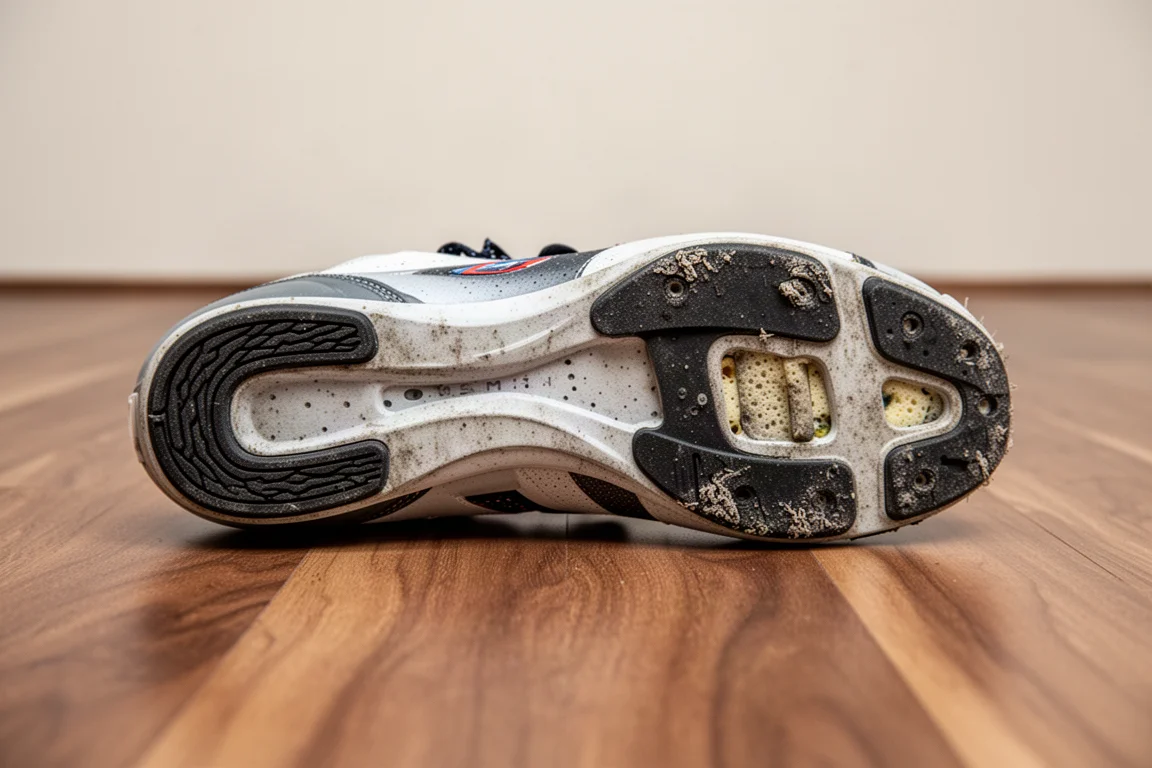
At 250 km, the wear is reasonable. There is some exposed foam at the heel from heel striking, some side wear in exposed foam areas, and typical ZoomX creasing, but the upper looks untouched, with no yellowing and no brown discoloration. The insole markings are almost laser-etched rather than screen-printed, so they have not rubbed off. Grip is solid, and rubber coverage in the forefoot is decent for a racing shoe. That puts it roughly halfway through the commonly assumed 300-mile usable life of a running shoe while still performing well as a training partner.
Buying Advice
This is an expensive shoe, and the honest answer is that nobody needs it. For runners whose goal is a time on race day, though, the math changes: people already spend thousands on a major marathon trip plus months of training, and having the best tool for the day can make sense. If the goal is simply to finish comfortably, a durable, cushioned trainer at a friendlier price will do the job better.
Things to Consider Before Buying
The Alphafly 3 has a demanding character. It needs pace, a certain amount of strength, and a midfoot-to-forefoot stride to perform at its best. Runners who do not get up on the forefoot and load the pods will not extract the biggest benefit. It is also not the most comfortable choice for very long, relaxed runs compared with softer, chunkier alternatives.

On the other hand, it offers surprisingly decent stability, real protection over long distances, and an anecdotal reputation for better recovery after hard efforts, possibly thanks to the pods and ZoomX foam. If the mindset is wanting a fun, fast ride and pushing yourself, it is easy to have a good time in this shoe.
Conclusion
The Nike Alphafly 3 started out as a shoe that felt too aggressive to trust and ended up as the highest-mileage, most reliable racing shoe in the rotation. The foam may no longer be the softest or most energetic on the market, but the total package, including the bouncy air pods, excellent rocker, wide platform, and outstanding Atomknit upper, is still a banger. For faster runners chasing race goals, it remains one of the best options available, and for anyone who simply wants a genuinely fun shoe to push the pace in, it is hard to beat.
Product link
View more details for Nike Alphafly 3
This product is mentioned in the review. Check the specifications, options, and compatibility before buying.
View more details for Nike Alphafly 3Further reading
Related Reviews

Running Shoes
Best Road-to-Trail Running Shoes: Three Versatile Options for Mixed Terrain
A practical guide to three road-to-trail running shoes that handle both pavement and mild trails, with clear strengths and trade-offs for different runner types.

Running Shoes
Best Running Shoes for Achilles Tendonitis: Three Options Explained
Three running shoes with different heel drops and support features designed to help reduce Achilles tendon pain during walking and running.

Running Shoes
Best Running Shoes for Women: Five Top Choices Ranked
A ranked guide to five women's running shoes, from versatile daily trainers to high-performance racing options, with real strengths and trade-offs for each.