Running Shoes
Nike Alphafly 2 vs Vaporfly 3: Which Nike Racer Should You Buy?
Nike's two current carbon racing shoes compared on cushioning, fit, weight, durability and race-day performance.
Introduction
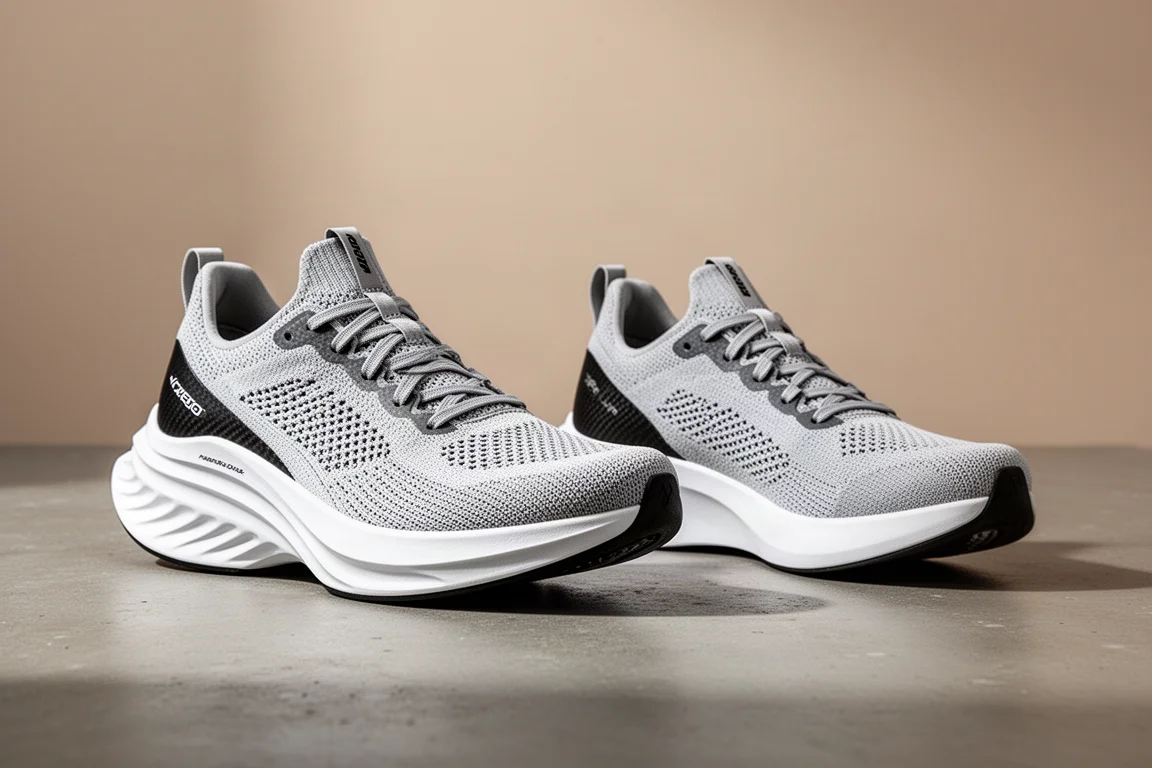
Nike’s two current-generation racing shoes, the Alphafly 2 and the Vaporfly 3, share the same ZoomX foam and full-length carbon plate recipe but deliver noticeably different rides. The Alphafly 2 leans towards the marathon, while the Vaporfly 3 positions itself as the all-distance racer. Both are genuinely good at all distances, though, which makes this a closer call than many comparisons suggest.
This comparison looks at how each shoe is built, how they fit, how they feel at race pace, and where each one earns its place in a racing rotation.
Design and Construction
The Alphafly 2 uses an Atomknit upper with a fair amount of heel reinforcement to add stability, a ZoomX foam midsole, and a full-length carbon plate running through it. Under the forefoot there are also Air Zoom pods, which return even more energy than the ZoomX foam alone. The outsole has a couple of rubber strips at the back, good forefoot coverage, not too much exposed foam, and a large cutout showing off the carbon plate in the middle of the shoe.
The Vaporfly 3 pairs a Flyknit upper, notably open at the front, with an internal heel counter that is not quite as supportive at the back as the Alphafly 2. There is a full-length ZoomX midsole with no Air pods at all, plus a scooped carbon plate and a couple of midsole cutouts to reduce weight. One of Nike’s big changes from the Vaporfly 2 was thinning the outsole rubber slightly to free up a few millimetres of space for extra ZoomX foam, adding more cushioning to the midsole.
Neither shoe has an officially published stack height for the first time, but both sit right up against the 40mm limit set by World Athletics.
Weight, Price and Fit
The Alphafly 2 is the heavier shoe, weighing 247g (8.7oz) in UK size 9, while the Vaporfly 3 comes in at 206g (7.3oz) in the same size. On price, the Vaporfly 3 is the cheaper shoe at £235 in the UK and $250 in the US, versus £270 and $275 for the Alphafly 2.
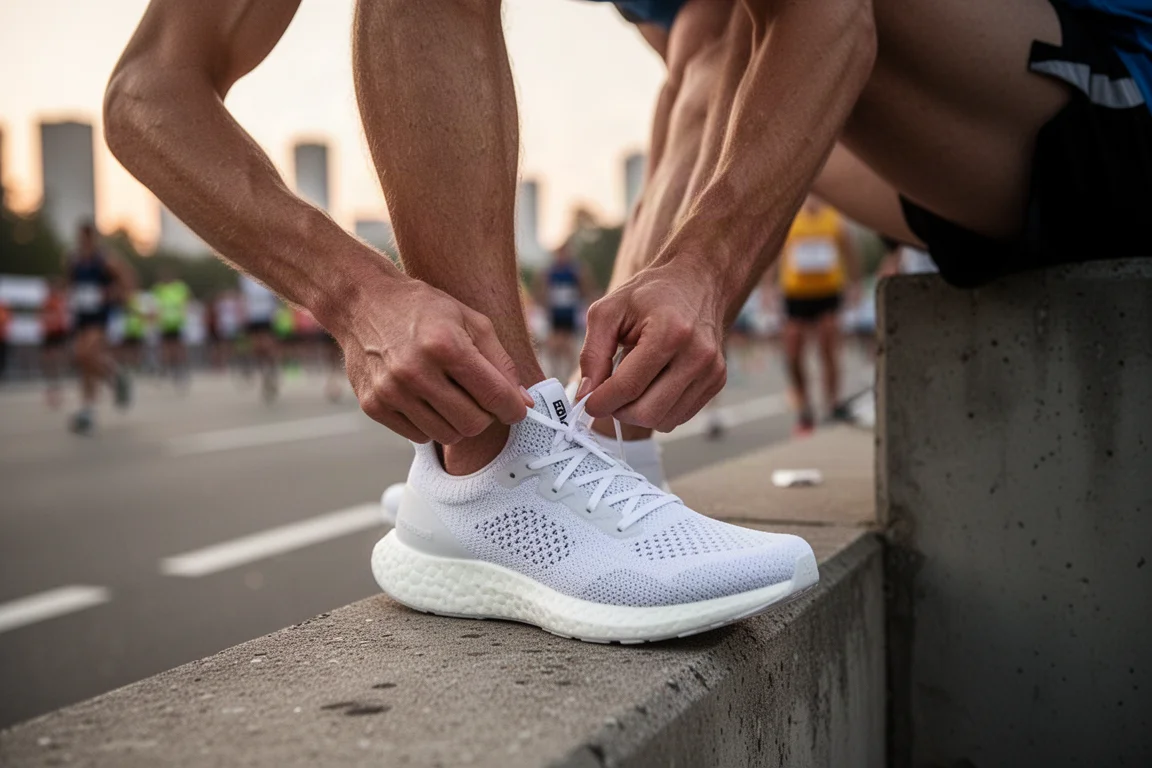
On fit, going true to size is the recommendation for both. Expect a roomier fit around the toe box in the Vaporfly 3, while the Alphafly 2 is more locked in, hugging and tighter across the whole foot with just a little space at the toes. The Vaporfly 3 offers more wiggle room, arguably at the cost of a little security, so if you like a really tight, secure fit the Alphafly 2 delivers more of that sensation. Both shoes have proven comfortable in a normal running shoe size, with the Alphafly feeling very supportive and comfortable and the Vaporfly feeling lightweight and stripped back while still holding the foot well around the heel and midfoot.
Marathon Performance
The Alphafly 2 feels like the shoe with more cushioning in the midsole even though stack heights are similar in theory. It is the more propulsive shoe: on a good surface and a straight road it delivers a big, booming bounce that suits long-haul racing. It has also proven itself over shorter efforts, with a five mile PB and strong 10K performances reported in it, but it shines as a steady, rolling, rhythmic shoe you can bounce along in.
Over the marathon distance, the Alphafly 2 has supported a 2:29 at the Valencia Marathon, feeling controlled and manageable throughout, including the final 6K when fatigue set in and the size of the shoe never became a problem.

The Vaporfly 3 is a different but similar experience. You still get ZoomX bounce and propulsion underfoot, but the lighter weight helps turn the feet over, which is particularly valuable in the shuffling later stages of a marathon. A 2:33 at the London Marathon was run in the Vaporfly 3 on limited marathon training, splitting 1:18 in the first half and holding around target pace for a 1:15 second half even while getting very tired at the end. The shoe feels like it keeps tipping you forward and keeps you moving no matter how ragged your form gets late in a race.
Shorter Races and Cornering
Down at shorter distances the Vaporfly 3 has a clear appeal. It is lighter, nimbler and better when attacking corners than the Alphafly 2. It is not a notably stable shoe, but its lightness inspires confidence through tight bends and makes accelerating out of them easy, letting you pick your feet up and turn over very quickly. It also has slightly more cushioning than the Vaporfly 2, which shows in longer sessions.
The Alphafly 2 is less ideal for quick changes of pace or dashing around a final corner, and at the end of shorter races you almost have to settle into the rhythm the shoe dictates. If your race course involves lots of tight cornering, from a 5K up to a marathon, the Vaporfly 3 is the better match. The Vaporfly 3 also keeps a bit more connection with the ground than the high-stack Alphafly.

Durability
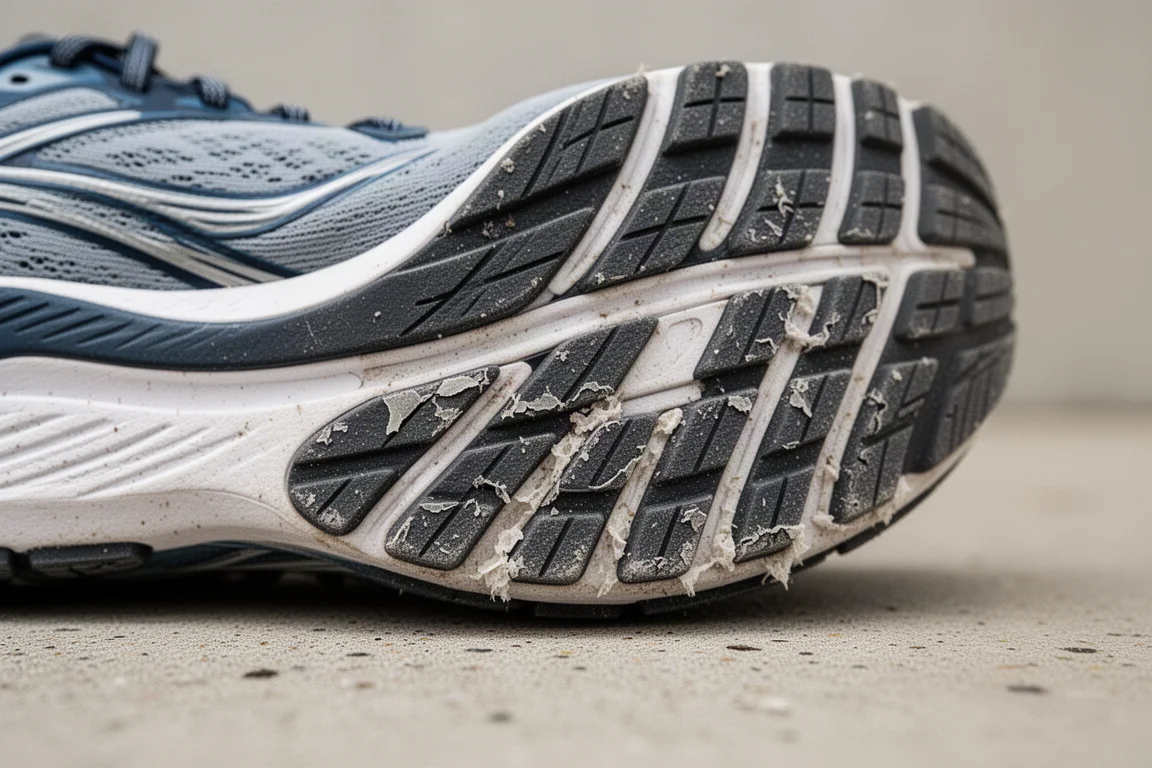
Durability is one area where the Alphafly 2 should have the edge. After around 230km of running it shows very little beating, especially around the back of the shoe, which is a typical wear zone. The Vaporfly 3’s thinner rubber and slightly reduced coverage means flaking has appeared on one shoe after just 100km, enough that it may not match past Vaporfly versions. It is not expected to compromise performance, and the Vaporfly 3’s midsole still feels as good as new, but the Alphafly 2 simply feels more resilient and is likely to deliver a few more miles. That resilience means a good year of racing from the Alphafly 2, whereas the jury is still out on the Vaporfly 3’s long-term outsole.
Head-to-Head Verdict
A side-by-side run with one shoe on each foot highlighted how the Vaporfly 3 now feels much less different to the Alphafly 2 than the Vaporfly 2 did. The Vaporfly 3 is much softer than its predecessor and has moved closer to the Alphafly’s cushioning platform, though it remains slightly more compact underfoot, landing and releasing quicker. The Alphafly is the punchier shoe, softer underfoot, and arguably less stable because of it, but more springy and energy-rich overall.
The Alphafly 2 also has a wider base of ZoomX foam in both the forefoot and heel, giving it the upper hand when things go wrong late in a long run or race: more protection if you rock back on your heels. The Vaporfly 3 has narrowed that gap considerably compared with the Vaporfly 2, but the Alphafly still offers marginally more cushioning insurance.
Which One Should You Buy?
Both are good marathon and half marathon shoes, and you could happily race a 10K in either. The Alphafly 2 is arguably the better marathon race shoe, returning more spring and energy, more cushioning protection, and a dialed-in race fit that feels secure over the full distance. If chasing a marathon PB is the priority, the Alphafly 2 gives a little more back.
The Vaporfly 3 is the cheaper, lighter and slightly more versatile shoe, better for tight, twisty courses and shorter, faster efforts like 5Ks, 10Ks and short intervals. If you dislike the tight, locked-in feel, its roomier fit is a genuine reason to choose it. If you can only have one carbon racing shoe and lean towards marathons, the Alphafly 2’s durability and all-distance competence make it the safer pick.
Conclusion
The Alphafly 2 and Vaporfly 3 are both excellent Nike racers, and the gap between them has narrowed with the Vaporfly 3’s added cushioning. The Alphafly 2 remains the bouncier, more protective and more durable marathon specialist, while the Vaporfly 3 counters with lower weight, a friendlier price and superior agility over shorter races and corner-heavy courses. Choosing between them comes down to fit preference, race distance and how much you value durability over versatility.
Product link
View more details for Nike AlphaFly 2
This product is mentioned in the review. Check the specifications, options, and compatibility before buying.
View more details for Nike AlphaFly 2Further reading
Related Reviews

Running Shoes
Best Road-to-Trail Running Shoes: Three Versatile Options for Mixed Terrain
A practical guide to three road-to-trail running shoes that handle both pavement and mild trails, with clear strengths and trade-offs for different runner types.

Running Shoes
Best Running Shoes for Achilles Tendonitis: Three Options Explained
Three running shoes with different heel drops and support features designed to help reduce Achilles tendon pain during walking and running.

Running Shoes
Best Running Shoes for Women: Five Top Choices Ranked
A ranked guide to five women's running shoes, from versatile daily trainers to high-performance racing options, with real strengths and trade-offs for each.