Running Shoes
Nike Alphafly 2 vs Alphafly 1: First Run Impressions and What Has Changed
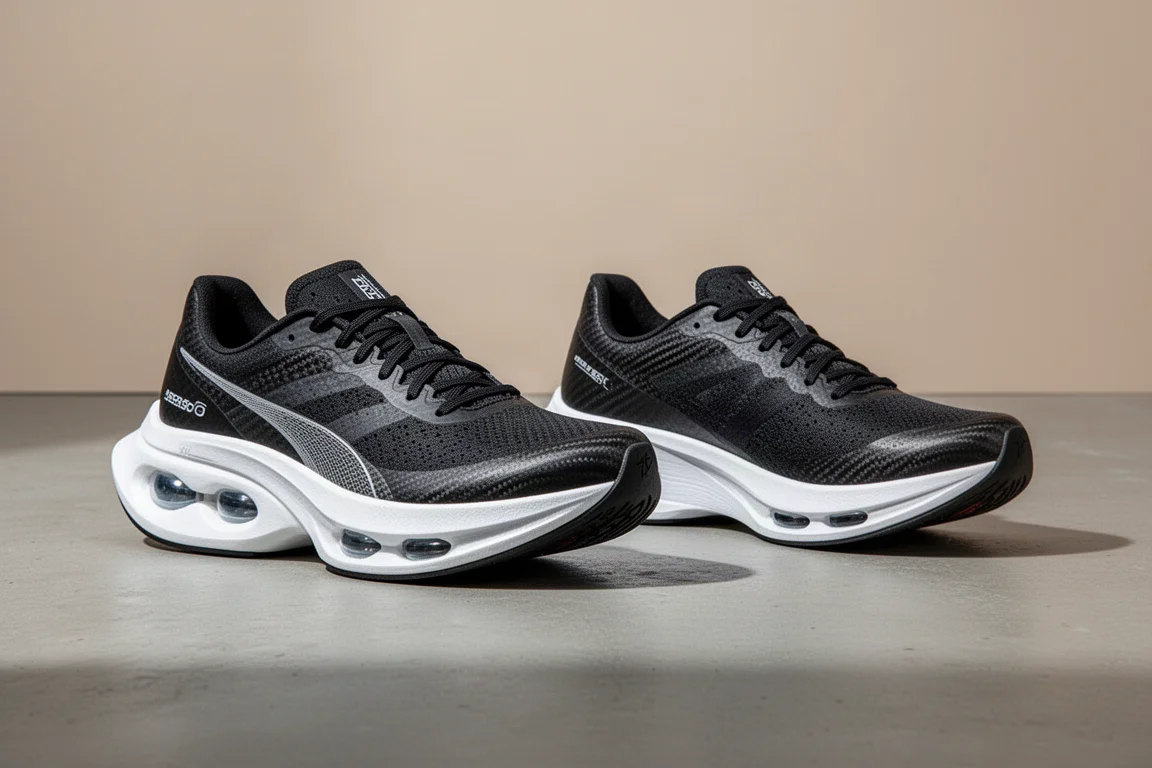
A first speed session in the Nike Alphafly 2, compared directly against the outgoing Alphafly 1 on comfort, stability, fit and ride.
Introduction
The Nike Alphafly 2 arrived for testing completely unrun, and the obvious way to break it in was a proper speed session. With a Berlin marathon build-up underway and some real speed work long overdue, a six-by-1k interval session on the Liverpool waterfront seemed like the right way to get a genuine first read on the shoe, and to compare it directly against the outgoing Alphafly 1 still sitting in the kit bag.
The headline number first: the Alphafly 2 costs 280 pounds, which is an eye-watering price for a pair of racing shoes. But price aside, the early impressions are genuinely positive, and the changes Nike has made address several of the original shoe’s biggest complaints.
First Run in the Alphafly 2
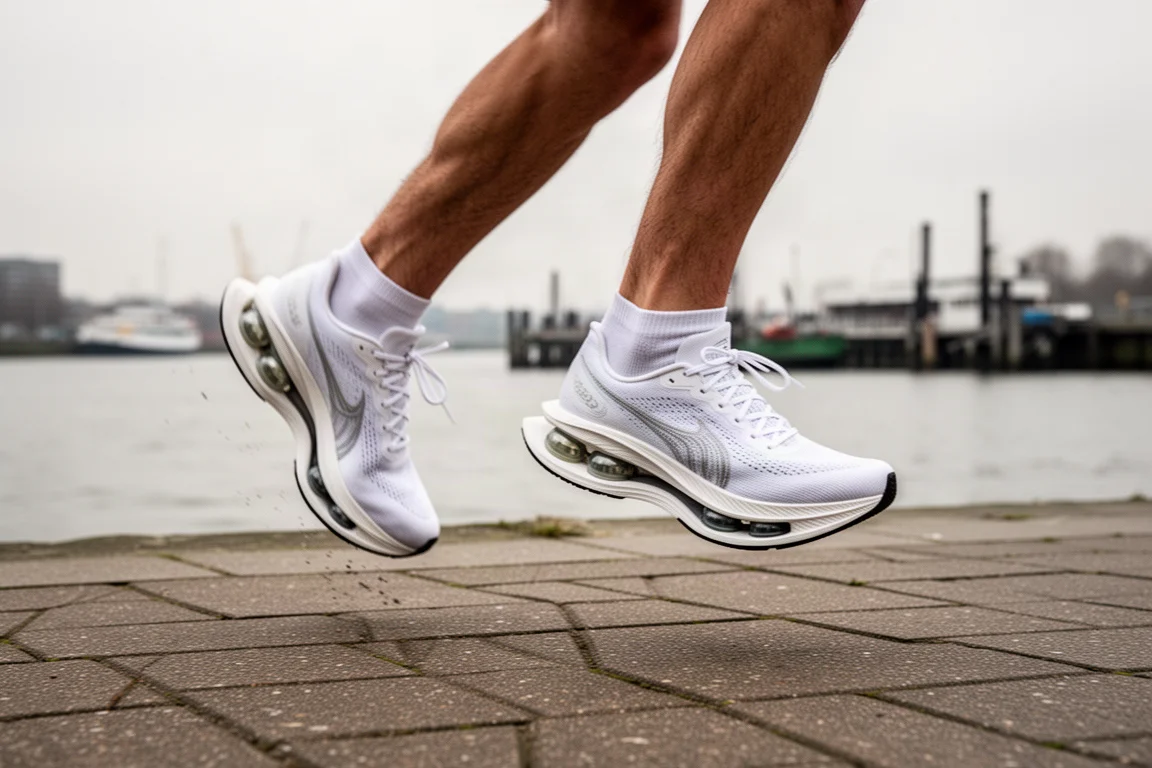
Straight out of the box and into a three to four kilometre warm-up, the first thing that stands out is comfort. The Alphafly 1 was famously fast but famously uncomfortable, a shoe that dug into the midfoot and punished anyone whose foot was not narrow. The Alphafly 2 feels noticeably wider through the midfoot section, and the overall fit is far more forgiving from the very first steps.
During the session itself, the shoe felt quick and smooth at 5k to 10k effort, with the reps landing between roughly 3:12 and 3:40 per kilometre depending on which way the wind was blowing. That is not the intended use case, of course. This is a marathon and half marathon racing shoe first and foremost, and the real verdict will need longer efforts at true marathon pace.
The Session and Conditions
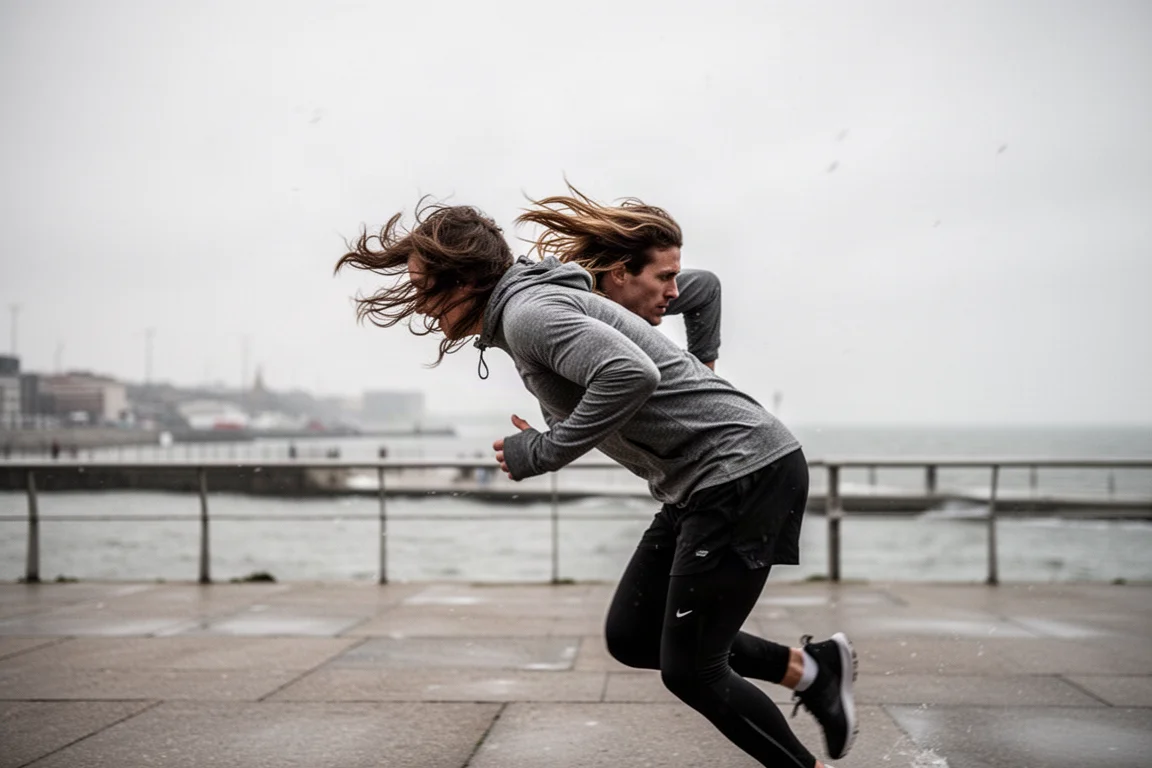
Anyone who has ever tried to run intervals in coastal wind will understand the splits. Gusting wind from constantly changing directions meant the pace figures jumped wildly: 3:16 with a tailwind, 3:35 grinding straight back into it, then 3:14, 3:13 and a 3:12 final rep that was the fastest of the day. Effort stayed consistent even when the splits did not, which is the honest way to read any windy session.
For the final rep, a swap into the Alphafly 1 provided a direct back-to-back comparison within the same session. The difference was immediate and not subtle. The older shoe digs in around the midfoot and simply is not as comfortable, even for someone with quite narrow feet. The newer shoe’s extra room in that area is a real, noticeable change rather than a marketing tweak.
What Has Changed Under the Foot
Several concrete differences separate the two versions:
- The Alphafly 2 feels a little heavier, though the shoes still need a proper weigh-in on scales for exact figures.
- The heel-to-toe drop is higher, up at around 8mm in the new version versus 4mm on the outgoing model.
- Nike has added extra foam underneath the air pods, which helps the ride and makes the shoe noticeably more stable through the transition of the foot.
- The rubber outsole is a little thinner on the new version.
- The midfoot is wider, doing away with the pressure point that made the original painful for wider-footed runners.
- The carbon plate appears to be exactly the same in both shoes.
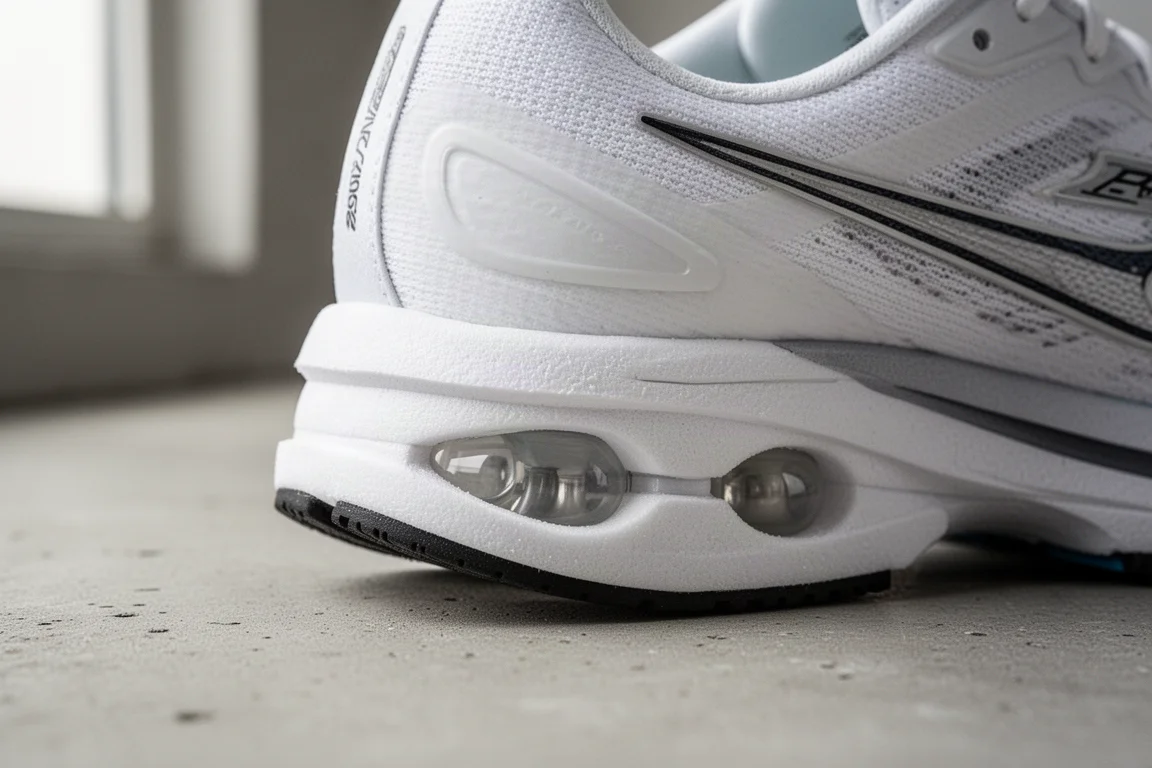
One thing that has not changed is the noise. The Alphafly has always been a loud, slappy shoe, and despite people suggesting the new version is quieter, the verdict is that this is still very much a noisy shoe. That quirk stays.
Which One Makes More Sense?
On the evidence of a first session, the Alphafly 2 looks like a clear win. The pace on the reps was identical between the two shoes, so there was no measurable performance penalty, and the comfort advantage is significant. For a shoe that people will race in for two-plus hours at marathon effort, comfort over that duration matters enormously.
The important caveat is that this session is not the shoe’s natural habitat. The Alphafly line is designed for the half marathon, marathon and longer distances, not kilometre repeats. Proper testing at true marathon distance, on long runs, will be needed before a final verdict, but the early signs all point in the right direction.
The trade-off remains the price. At 280 pounds, this is firmly positioned at the top end of the racing shoe market, and buyers will need to decide whether the comfort improvements justify that outlay. For anyone who found the original too narrow or uncomfortable, the answer is likely yes.

Conclusion
The Nike Alphafly 2 keeps the speed of the original while fixing its most glaring flaw: an uncomfortable, narrow midfoot fit. A higher drop, extra foam under the air pods, a wider midfoot and better stability make it a noticeably more livable marathon racing shoe, even if the price has gone in entirely the wrong direction. More long-run testing will confirm the full picture, but as a first impression, this is a promising evolution rather than a revolution.
Product link
View more details for Nike Alphafly 2
This product is mentioned in the review. Check the specifications, options, and compatibility before buying.
View more details for Nike Alphafly 2Further reading
Related Reviews

Running Shoes
Best Road-to-Trail Running Shoes: Three Versatile Options for Mixed Terrain
A practical guide to three road-to-trail running shoes that handle both pavement and mild trails, with clear strengths and trade-offs for different runner types.

Running Shoes
Best Running Shoes for Achilles Tendonitis: Three Options Explained
Three running shoes with different heel drops and support features designed to help reduce Achilles tendon pain during walking and running.

Running Shoes
Best Running Shoes for Women: Five Top Choices Ranked
A ranked guide to five women's running shoes, from versatile daily trainers to high-performance racing options, with real strengths and trade-offs for each.