Running Shoes
Nike Alphafly Next% 2 vs Adidas Adizero Prime X Strung: Which Super Shoe Wins?
Two flagship carbon-plated racers go head to head on stack height, ride feel, stability, comfort and price.

Introduction
The Nike Alphafly Next% 2 and the Adidas Adizero Prime X Strung sit at the top of their respective brand ranges as the most cushioned carbon-plated racing shoes in each lineup. Both are built to deliver maximum propulsion for long-distance racing, and both pack bounce and energy return by the bucketload. But they take very different routes to get there, and the differences matter more than you might expect.
Having run extensively in both, including half marathons, full marathons, track sessions and plenty of training miles, the similarities and contrasts between them become quite clear. This comparison breaks down where each shoe excels and where it falls short.
How They Compare on Paper
Both shoes are premium-priced. The Alphafly Next% 2 costs 270 pounds in the UK or 275 dollars in the US, while the Prime X Strung costs 230 pounds in the UK but 300 dollars in the US, making it one of the most expensive shoes on the US market. That pricing disparity is worth keeping in mind depending on where you shop.
The Alphafly is the lighter shoe at 247 grams (8.7 oz), against 266 grams (9.4 oz) for the Prime X Strung. Drop is close at 8mm versus 8.5mm. The crucial difference is stack height: the Alphafly is race legal under World Athletics limits, coming in under 40mm, whereas the Prime X Strung tops out at 49.5mm at the heel, putting it above the legal limit for sanctioned competition.
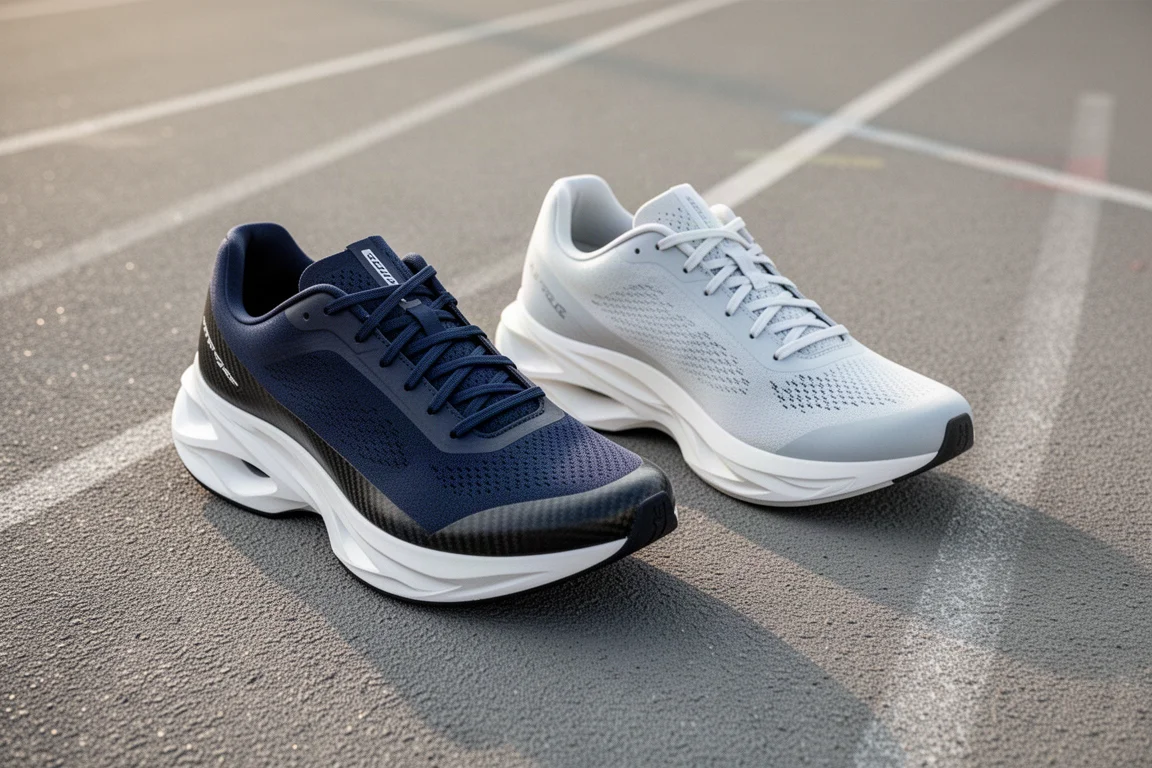
Both shoes run true to size. The Alphafly comes up a little snug and can be hard to get on if you have high insteps or wider feet, but once on, the fit is locked in and secure. The Prime X Strung offers a bit more room in the toe box, though the heel design caused real problems with rubbing.
Nike Alphafly Next% 2
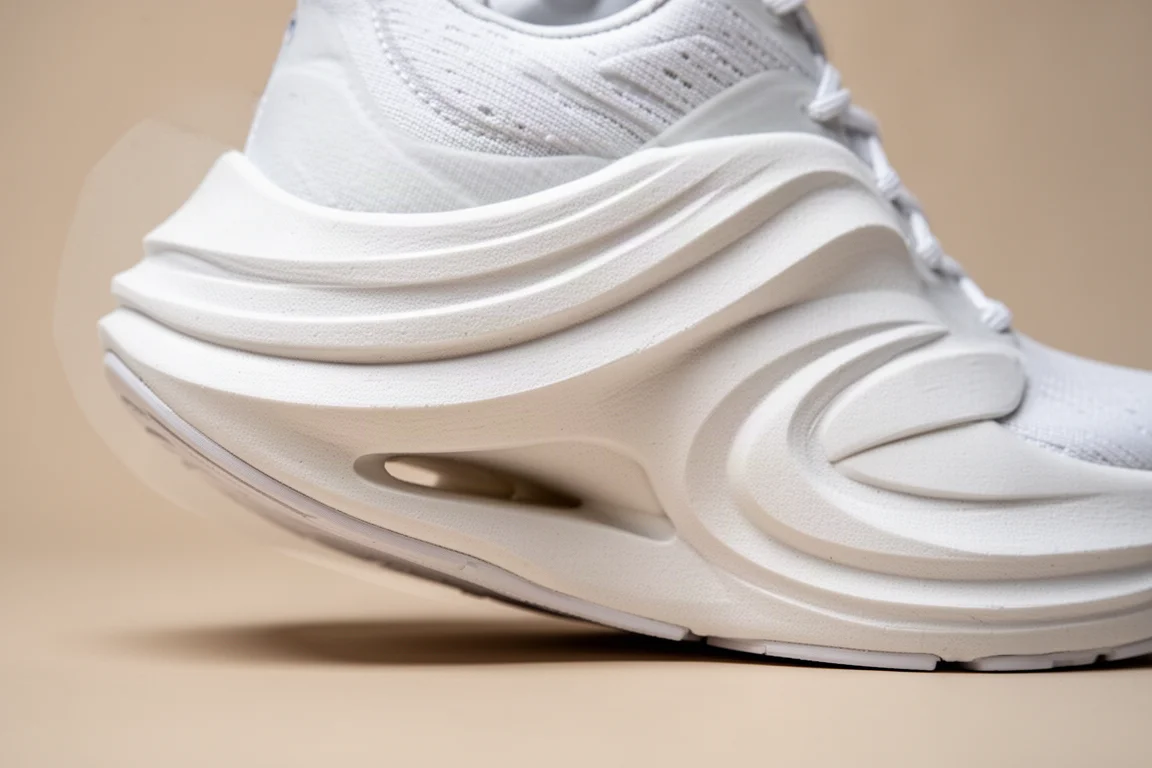
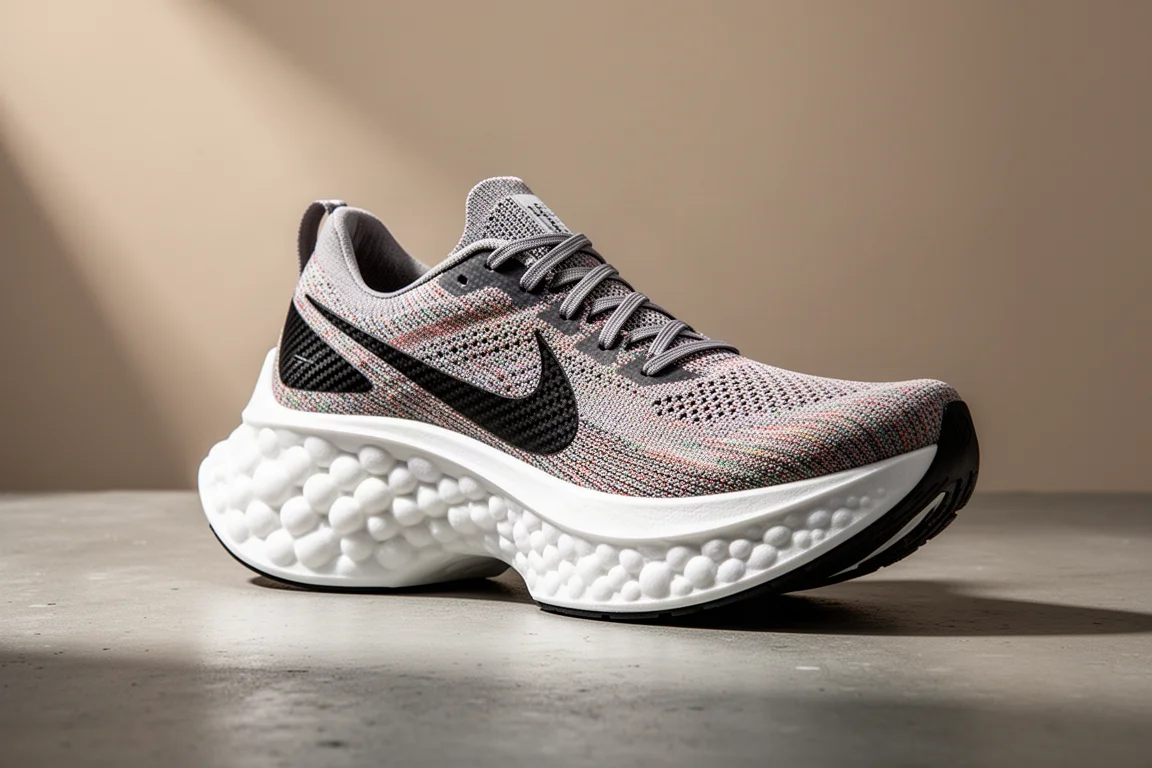
The Alphafly uses an Atomknit 2.0 upper, a structured knit with extra support around the heel to keep the foot from slipping. The midsole is full-length ZoomX foam with a full-length carbon plate, and Air Zoom pods sit under the forefoot for additional energy return and a slightly firmer forefoot feel. The outsole uses two rubber strips at the heel with good forefoot coverage.
On the run, the ZoomX foam feels softer and more compressive, and the foot feels almost cradled in the foam. The plate activates through the whole stride, and there is extra width through the midfoot that makes the platform noticeably more stable. That stability pays off late in long races: on tired legs, including the final kilometres of a marathon, the shoe stays controlled and forgiving rather than wobbling all over the place.
It has raced well too, including a 2:29 marathon, and it handles easy-paced training comfortably without the heel problems that plague its rival.
Adidas Adizero Prime X Strung
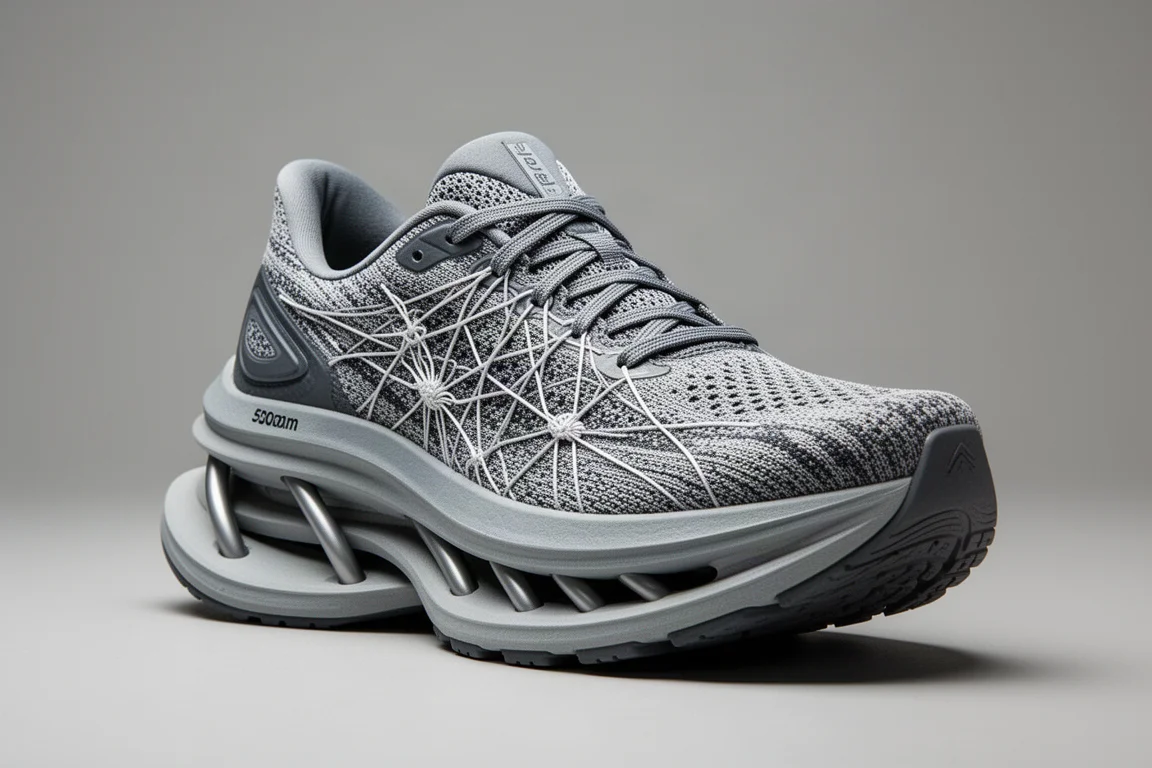
The Prime X Strung features the distinctive Strung upper, where yarns are layered individually to create support exactly where needed. Underneath sits a massive midsole of Lightstrike Pro foam with carbon energy rods in the forefoot, a small carbon plate at the rear, and three TPU energy blades under the forefoot for extra pop. A Continental rubber outsole provides grip with good forefoot coverage.
The ride is distinctly firmer and punchier. Lightstrike Pro feels like a denser block of propulsive foam, and the extra foam in the heel gives a strong forward kick if you land with any heel contact. It is playful, joyful and fun in a way the Alphafly is not.

The downsides are real, though. The heel design caused nasty rubbing on several runs despite heel locking, the platform is narrower heel to toe and more skittish, and the foot can slide off the platform and need readjusting. It is not unusable, and tight corners at speed felt okay when running well, but it demands more attention with foot placement, especially when tiring.
Ride and Performance
Both shoes deliver enormous propulsion, producing big booming bounds more than pretty much any other shoe on the market. The resiliency is impressive in both: the bounce you feel at the start of a run does not fade, with no bottoming out even at the end of long efforts, and the faster you run, the more bounce you get. Progression runs and 5K-pace efforts feel genuinely rewarding in both.
They are both at their best on long straight roads. Neither loves cornering or short races, and both feel heavy and less nimble in that context. For 5K racing, nippier all-rounders would do a better job while still handling the marathon well.

The 20-gram weight difference between the two is barely noticeable. Where they separate is stability: the Alphafly feels more secure at the heel, while the Prime X Strung is narrower there and a little squirrely when you rock back on tired legs.
Which One Should You Buy?
If you race in sanctioned events and want to stay within World Athletics rules, the Alphafly is the obvious pick, since the Prime X Strung exceeds the legal stack height. Those rules mainly matter for elites, but for many runners it is a deciding factor anyway.
On performance the two are remarkably close, especially over longer events dominated by straights. In the UK the Prime X Strung is cheaper, which makes it a genuine value proposition if you are happy racing in it. In the US, the Alphafly is both the better shoe and the cheaper one, making it a clear pick.
The Alphafly wins on stability, race legality and upper comfort for repeated use. The Prime X Strung wins on overall comfort with a roomier fit and edges the fun factor. Both are outstanding marathon racers and can absolutely help you chase a personal best.
Conclusion
These are two of the most polished, cushioned cruisers for long-distance racing available today. Both spare tired legs late into long races and both make you feel like it is race time the moment you put them on. The Alphafly Next% 2 takes the overall verdict thanks to its race-legal stack, better stability and more forgiving ride, while the Prime X Strung remains a superb, playful alternative for those who love its fit and ride and are not bound by stack-height rules.
Further reading
Related Reviews

Running Shoes
Best Road-to-Trail Running Shoes: Three Versatile Options for Mixed Terrain
A practical guide to three road-to-trail running shoes that handle both pavement and mild trails, with clear strengths and trade-offs for different runner types.

Running Shoes
Best Running Shoes for Achilles Tendonitis: Three Options Explained
Three running shoes with different heel drops and support features designed to help reduce Achilles tendon pain during walking and running.

Running Shoes
Best Running Shoes for Women: Five Top Choices Ranked
A ranked guide to five women's running shoes, from versatile daily trainers to high-performance racing options, with real strengths and trade-offs for each.