Running Shoes
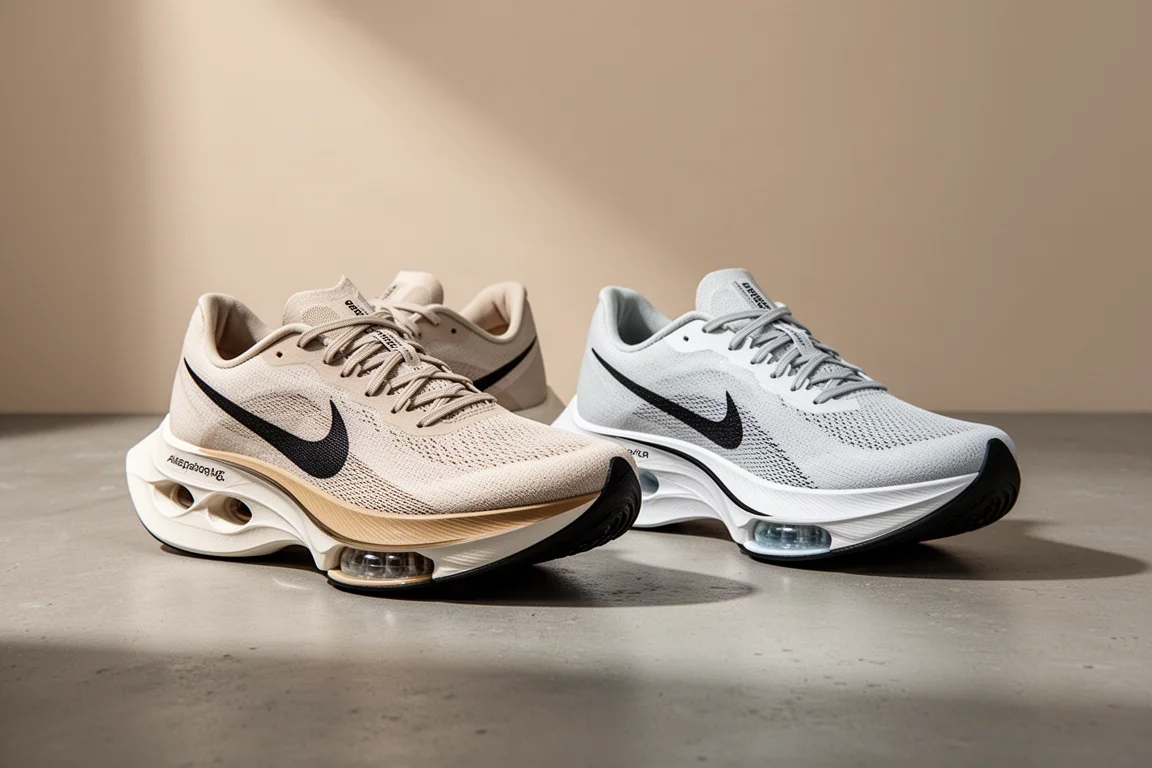
Nike AlphaFly 2 vs AlphaFly 1: Is the New Version a Real Upgrade?
A closer look at the Nike AlphaFly 2's overhauled upper, updated midsole geometry, and heavier build, and why some marathon racers still prefer the original.
Introduction
The Nike AlphaFly 2 arrived as one of the most anticipated racing shoes for marathoners, and expectations were sky high. The original AlphaFly had been a go-to race day shoe for many runners, including athletes chasing personal bests all the way down to the 2:48 range. The big question: does the sequel carry that magic forward?
The short answer is that this is not a minor refresh. It is a complete overhaul with substantial changes to the upper, midsole geometry, and outsole. Whether that overhaul is an improvement depends heavily on what you loved about the first version.
A Substantially Better Upper
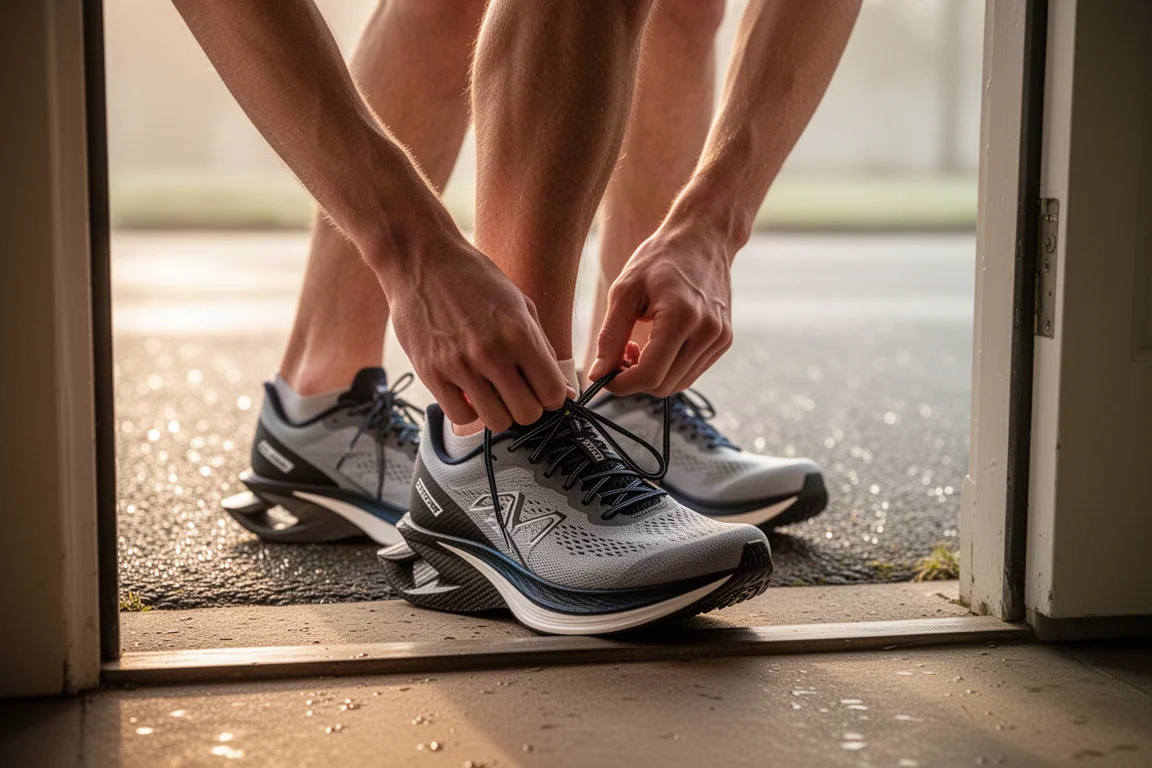
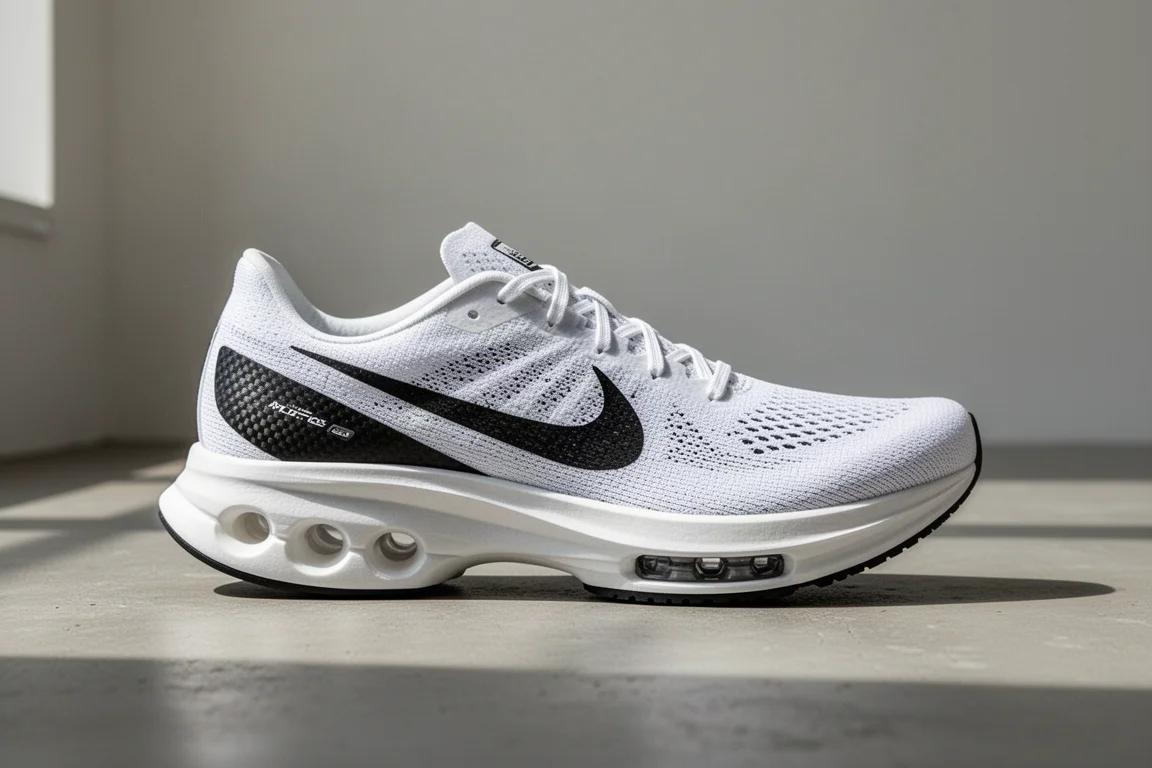
The new upper is a genuine highlight. It is very thin but structured where it needs to be, and the fit is noticeably better than on the original. The gaping around the ankle that bothered some runners is gone.
Nike added nice padding through the heel, making the heel counter a major improvement. Another welcome touch is extra material underneath the laces, so cinching them down tight no longer puts the same pressure on the top of the foot. Overall, this is a substantially better upper than on the original AlphaFly.
Midsole, Stack Height, and Stability
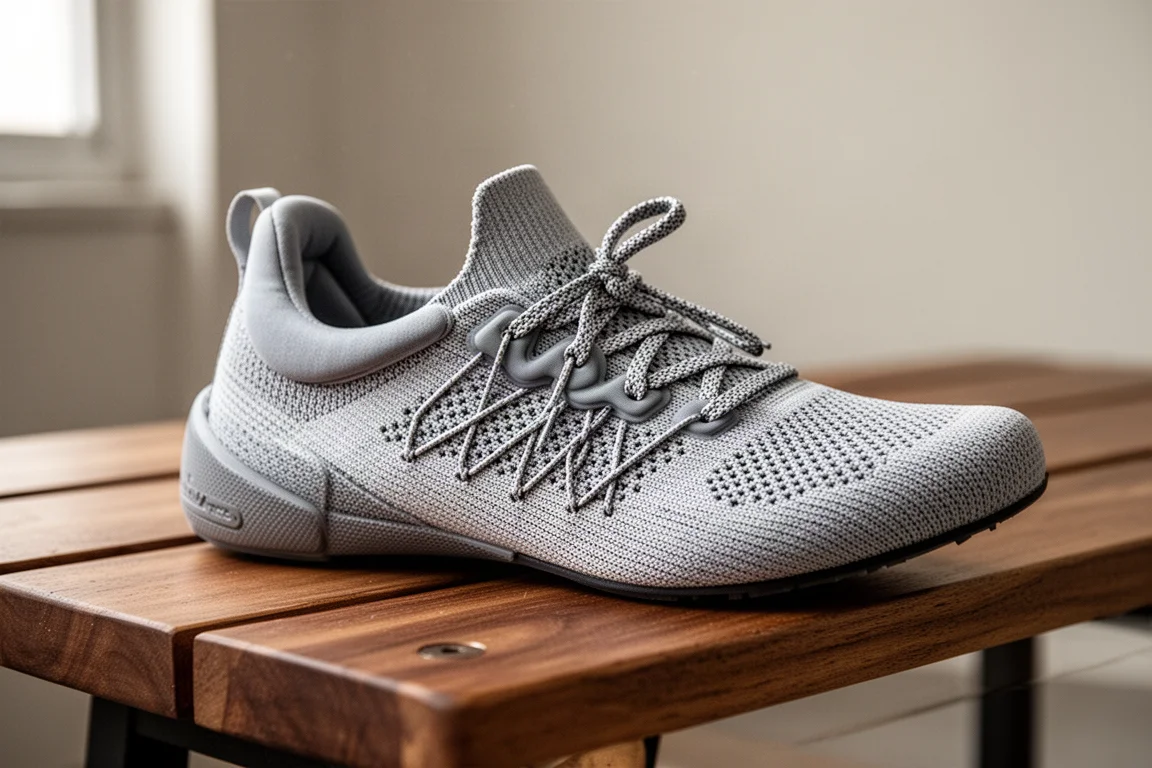
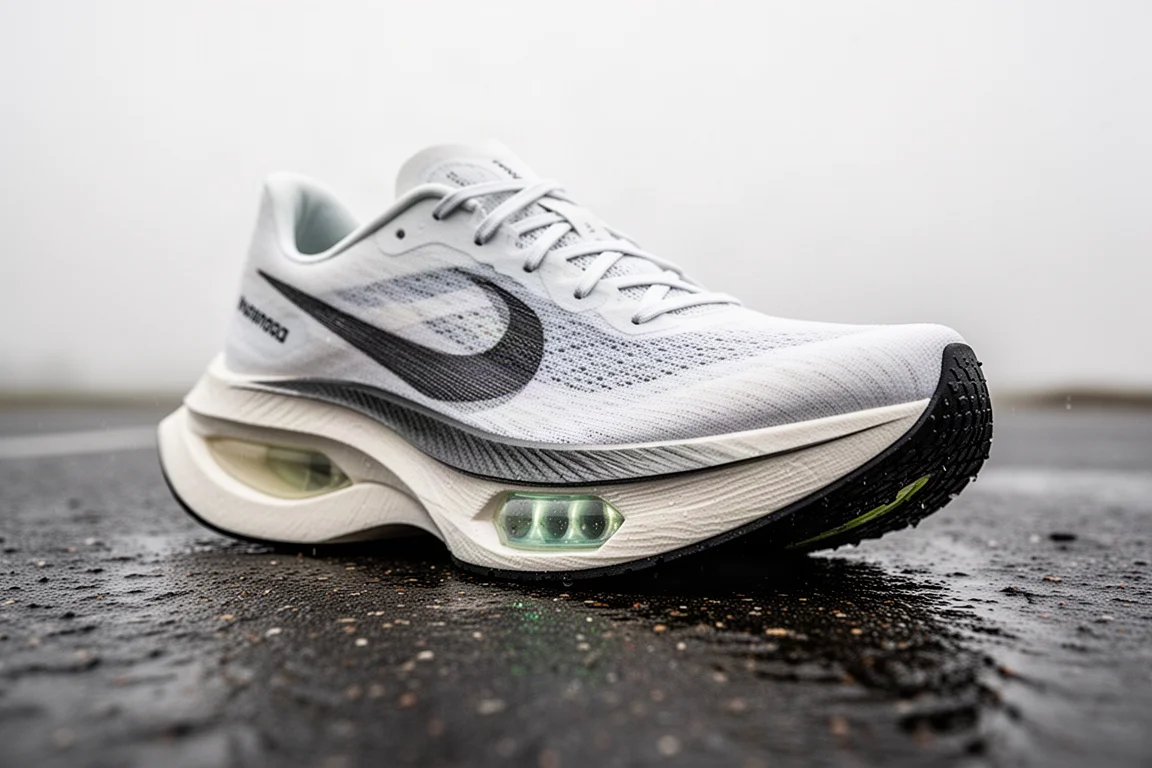
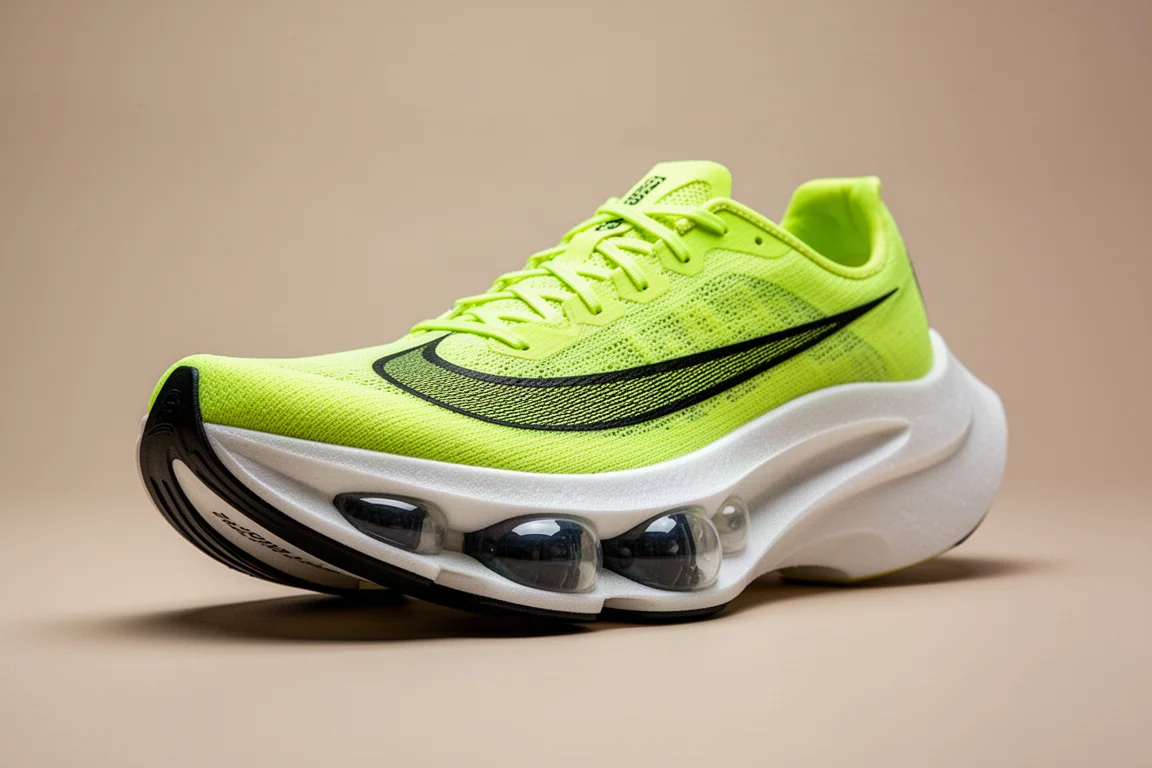
The midsole still uses the ZoomX foam runners know and love for its energy return and bouncy feel, but the geometry has changed. The drop has gone from 4 mm to 8 mm, some extra foam has been added underneath the forefoot air pod, and the heel is now wider. That wider heel is aimed at stability, since many felt the original’s high stack and narrow build made it unstable.
Midfoot strikers who found the first version plenty stable may see this change as unnecessary, but runners who wanted more confidence in a high-stack shoe will appreciate it.
The Ride: Different, Not Better
Here is where opinions split. The familiar bounce off the toes that made the original feel special is harder to find in the AlphaFly 2. It runs a little flatter, with less excitement and less pop, and the exaggerated sensation from the forefoot air pods that helped drive turnover in v1 is toned down. The result is a more traditional running shoe feel, with a more apparent arch sensation underfoot.
That may suit some runners perfectly. The added stability and smoothness could make the v2 the preferred pick for people who found the original too lively. But for those chasing that airy, flying feeling, the first version still holds the advantage. As one take put it: this is not a bad update, it is just a different super shoe, and the magic is missing.
Weight and Durability
The update comes with a weight penalty. The AlphaFly 2 gained roughly half an ounce, with a men’s size 10.5 coming in around 8.8 ounces (250 grams) and a women’s size 7.5 at 6.4 ounces (181 grams). For a race day shoe, moving toward nine ounces when lighter options exist is a meaningful consideration, since every extra gram costs energy over a full marathon.
Durability, however, has never been the problem. The AlphaFly has proven capable of holding up well across 300 to 400 miles, a combination of the foam and plate working together. The new outsole is a completely new compound rather than traditional rubber, and it delivers noticeably more traction on the roads while feeling more durable than before.

Which One Should You Buy
One thing has not changed: the price. The AlphaFly 2 still retails for $275, which sits at the higher end of the super shoe market. That makes the decision between versions even more important.
If you value stability, a smoother ride, and a better upper, the AlphaFly 2 is the logical choice. If you loved the original’s bounce and that pop off the toes, it may be worth hunting down remaining pairs of the v1. Even dedicated fans of the first shoe have said they would go back and buy the previous version rather than upgrade, which says a lot about how different the ride really is.
Conclusion
The Nike AlphaFly 2 is a great shoe, but it is not automatically an improvement over its predecessor. The upper and heel are excellent, the wider build improves stability, and the outsole grips better while holding up over long mileage. What it trades away is the bouncy, energetic ride that made the AlphaFly 1 so special, while adding weight in the process. Try both if you can, because the right choice comes down entirely to which feel you want on race day.
Further reading
Related Reviews

Running Shoes
Best Road-to-Trail Running Shoes: Three Versatile Options for Mixed Terrain
A practical guide to three road-to-trail running shoes that handle both pavement and mild trails, with clear strengths and trade-offs for different runner types.

Running Shoes
Best Running Shoes for Achilles Tendonitis: Three Options Explained
Three running shoes with different heel drops and support features designed to help reduce Achilles tendon pain during walking and running.

Running Shoes
Best Running Shoes for Women: Five Top Choices Ranked
A ranked guide to five women's running shoes, from versatile daily trainers to high-performance racing options, with real strengths and trade-offs for each.