Trail Running Shoes
Nike Air Zoom Terra Kiger 8 Review: A Trail Shoe That Feels Like a Step Backwards
The Terra Kiger 8 returns with a forefoot Air Zoom unit, but heavier weight, a snug fit, and shaky gravel traction make this update hard to recommend.
Introduction
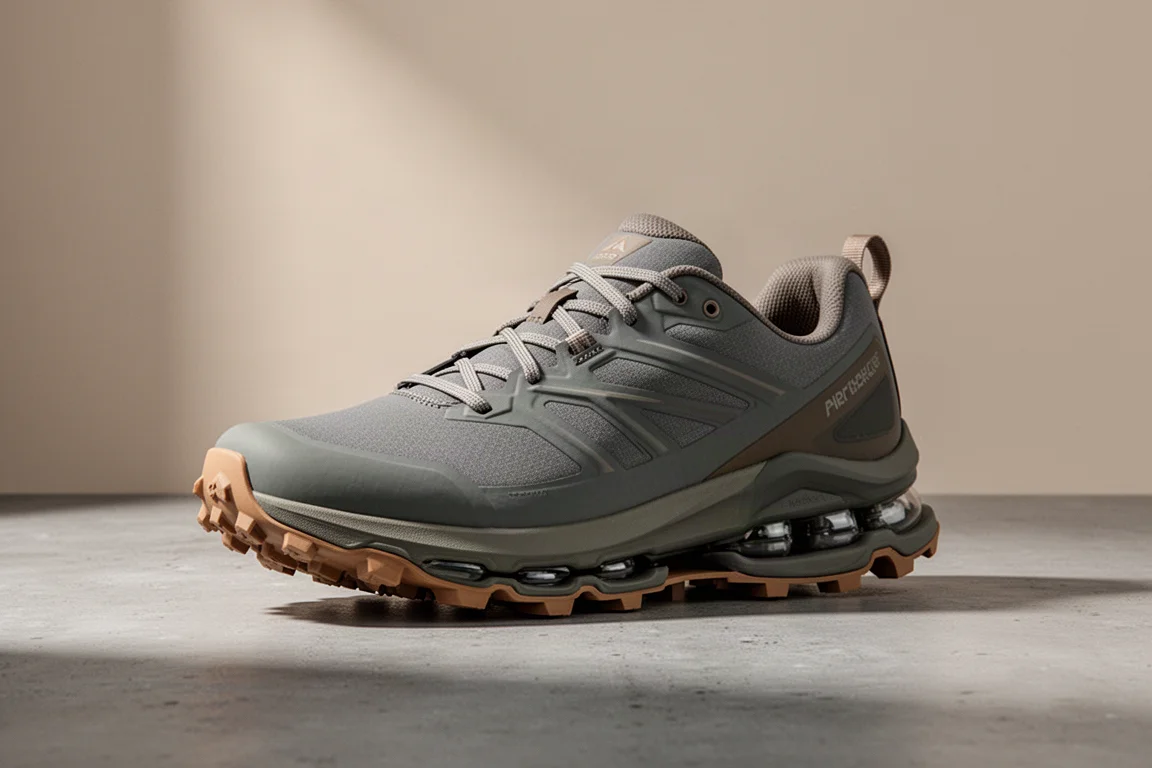
The Nike Air Zoom Terra Kiger 8 is aimed at rough, rugged, uneven paths rather than roads. It is a shoe line that used to feel nimble and simple, with a low-profile design that allowed plenty of play and flexibility in the ankle. This eighth version, however, feels like a misstep in some important ways.
In a UK size 11 (US 12), the Terra Kiger 8 weighs in at 341 grams or 12 ounces, which is heavy for what has traditionally been a lighter, more nimble trail option. The typical UK retail price is 125 pounds, though it has often been seen discounted.
Who This Shoe Is For
The Kiger series has traditionally been about a slightly lighter, more nimble trail shoe. This iteration suits runners with a faster cadence, a more mid-to-forefoot strike, and a quicker pace. If previous versions of the Kiger have been favourites, there is probably quite a bit to like here.
On the other hand, runners with more voluminous feet will struggle with the mid-to-forefoot section, and anyone on technical trails will want more protection than this shoe offers.
Main Strengths
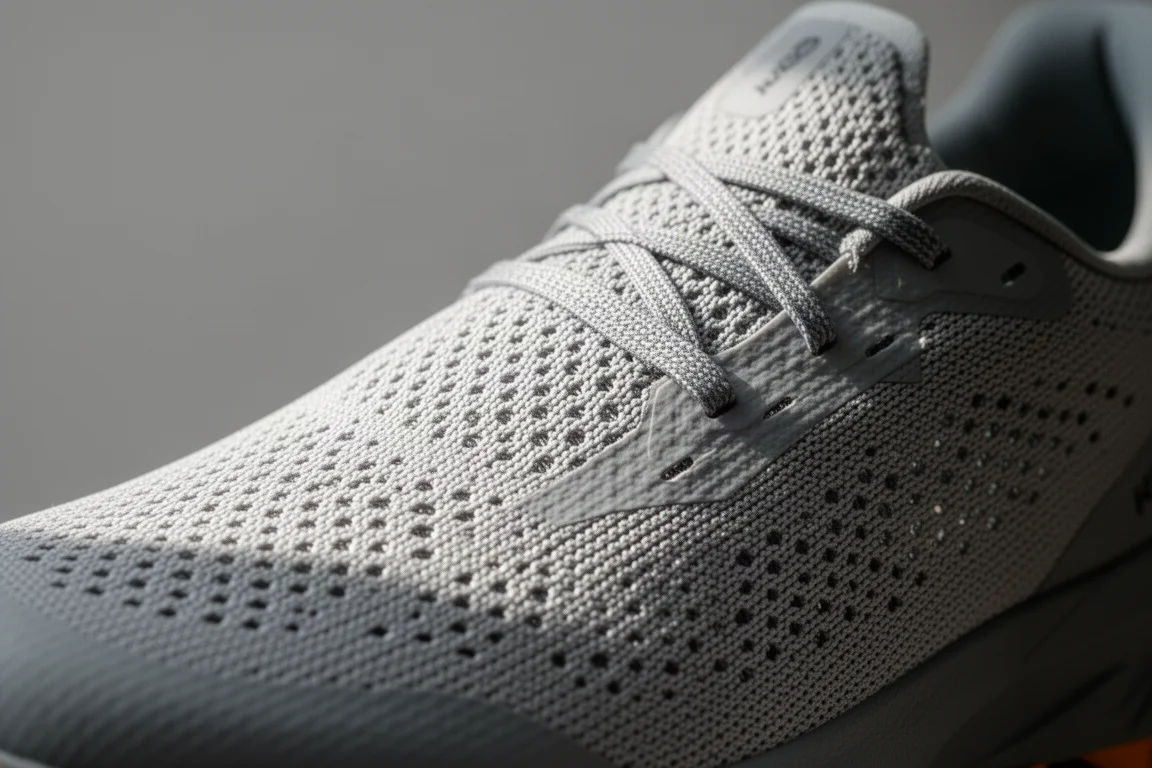
The upper uses the same mesh found on the Vaporfly Next%, running from the midfoot through to the toe box. It is very flexible and has a glove-like profile around the first few lace loops. The lacing system works a treat, delivering a solid lockdown across the top of the foot without needing a runner’s knot.
An inner bootie construction, similar in material to that found in the recently released Air Jordan 1 Element, acts like an inner sock to stop debris and dirt getting into the shoe. It works reasonably well, though debris can still enter from the back. There are no waterproof qualities, which is arguably a good thing: if water comes in, it gets out. The shoe is very breathable, so runners in warmer climates may find it a strong fit.
The midsole uses a firmer React foam, not as squishy as the material in the Pegasus Trail 3. Nike has also switched things up this year with an Air Zoom unit in the forefoot, and there is a rock plate visible in the heel. The result is a more responsive ride with a slightly less cushioned feel underfoot, plus a little more pop in the mid-to-forefoot. The insole is another interesting touch, with an almost tacky underside that grips to the interior of the shoe.
Things to Consider Before Buying
There are real problems here. The fit is snug with normal-width feet, so wider feet could have an issue. The upper is unfinished out of the box: on the test pair, the medial eyelet of the right shoe had not been punched out at all, which is a shoddy standard of quality control at this price.
The upper is also so flexible that it offers little protection. Reinforced sections exist around the front of the shoe, but the rest is super soft, and a caught branch on top of the foot would have caused serious discomfort had it been sharp. Expect minimal protection from loose rocks and branches.
The forefoot Air Zoom unit is a divisive sensation. It occupies a large section of the forefoot, very obviously there underfoot, almost like teetering on top of an air-filled football. Some people will love it, some will hate it, and it gives an aggressive forefoot feel reminiscent of the AlphaFly. The midsole setup also seems to have gone backwards compared to the Terra Kiger 5, where the air unit sat in the rear.
Outsole and Traction
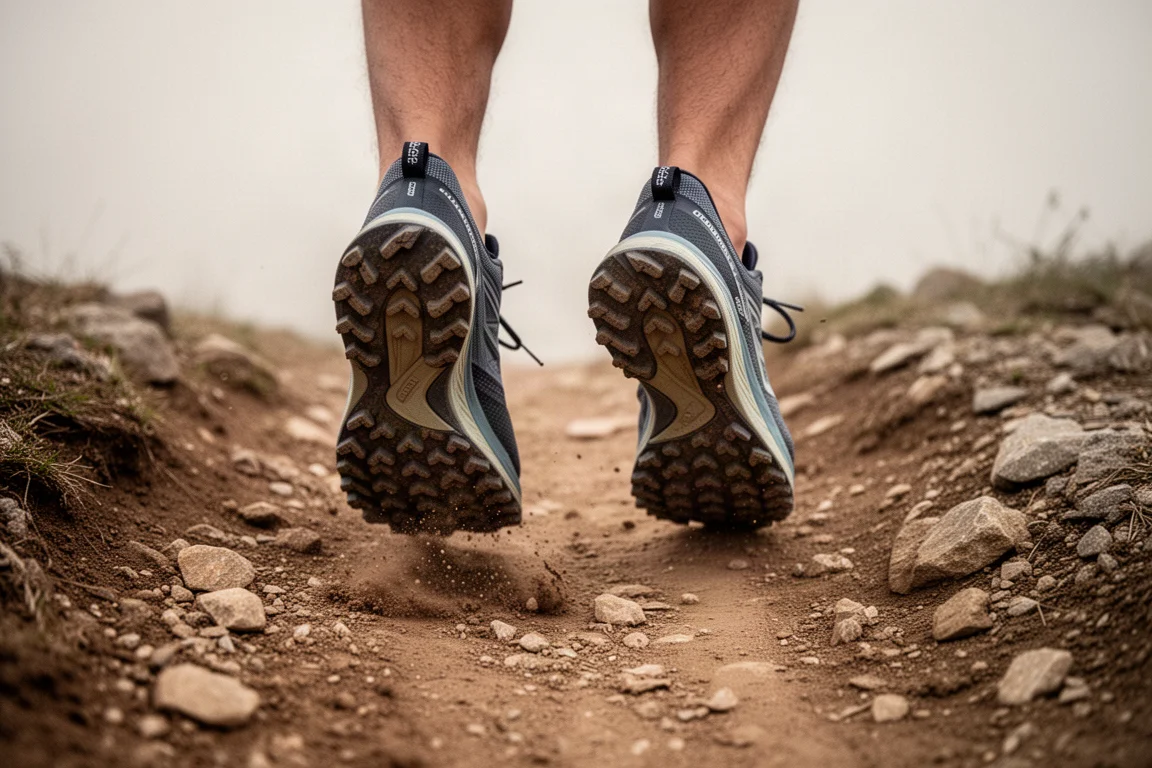
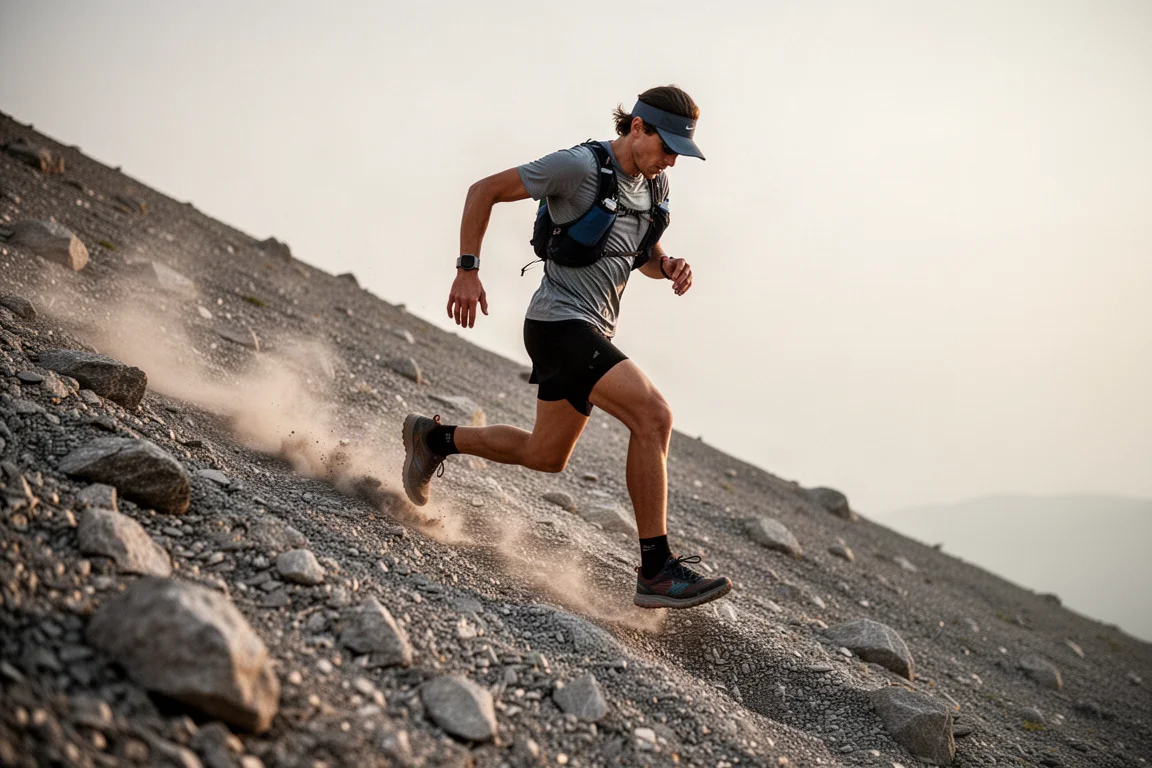
On dry dirt trails, grip was fine. On gravel, problems started: the almost curved outsole profile felt unstable, with one wrong foot strike on a rock threatening a tumble. Whether that comes down to lug depth, lug spacing, or the forefoot air unit, the overall sensation was like running on a rubber ball rather than feeling in control.
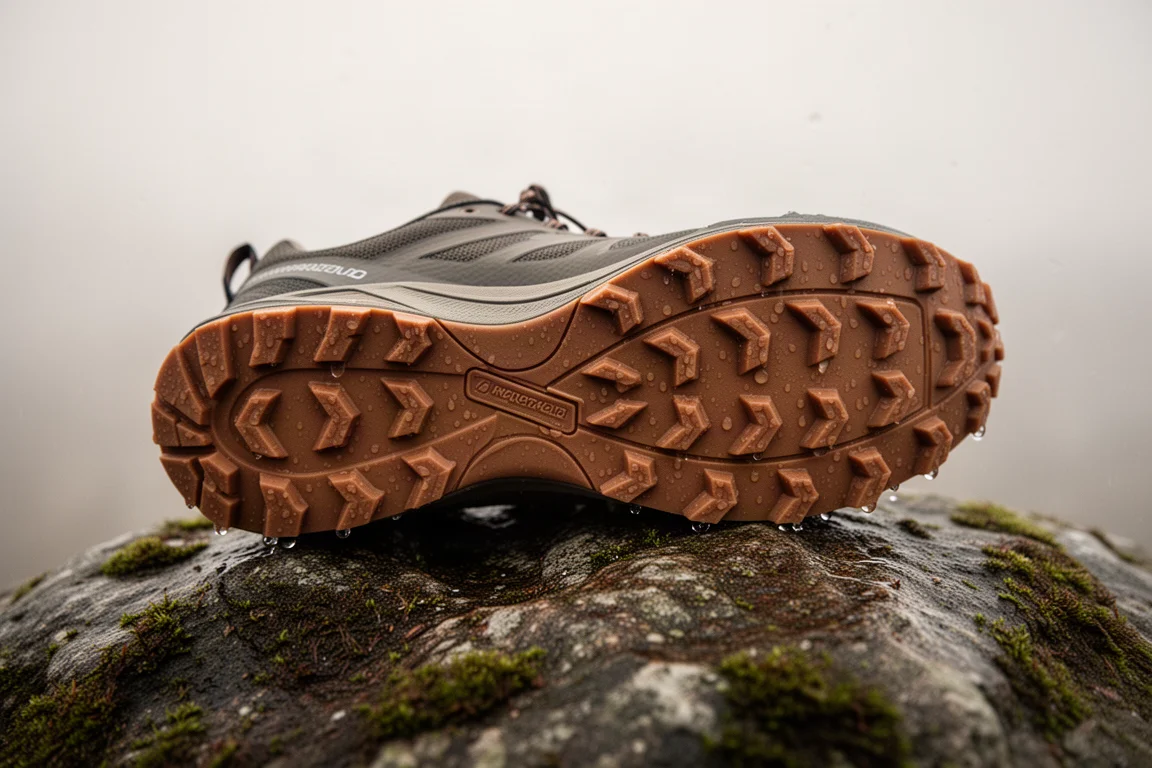
Oddly, the shoe felt more assured going uphill than downhill, especially on gravel. On soaked paving slabs, traction was slightly better than the Pegasus Trail 3, but the rubber pattern on the lugs visibly wore down after about 50 miles. It handled muddy patches and grass reasonably, but the rubber is not up to the durability standard of the better trail models on the market. Wet traction still needs work.
Buying Advice
At 125 pounds, a shoe that feels not quite finished out of the box is a hard sell, though it is a reasonable trail option if the Pegasus 39 on trails is not enough for you. It is lighter than the Pegasus Trail 3 and more nimble, without a big price difference between the two, but it is too trail-focused to double as an everyday shoe. For most people it will probably be too heavy for racing, and lacking in stability and cushioning for pure training use.
If you can grab it discounted and the fit works for you, there is value here in the durable React midsole and the strong upper lockdown. If you are looking for a well-rounded trail shoe at full price, there are better places to spend your money.
Conclusion
With initial scores totalling a low 12 out of 12 points across the upper, midsole, outsole, and value categories weighted toward underwhelming marks, the Terra Kiger 8 is hard to recommend. It feels like a completely unnecessary update, and Nike needs to work on its quality control. The React foam is very durable and the upper lockdown is good, but the heavier weight, divisive forefoot Air Zoom, sketchy gravel traction, and unfinished upper make this a step backwards, or at least sideways, for the line.
Product link
View more details for Nike Air Zoom Terra Kiger 8
This product is mentioned in the review. Check the specifications, options, and compatibility before buying.
View more details for Nike Air Zoom Terra Kiger 8Further reading
Related Reviews
Trail Running Shoes
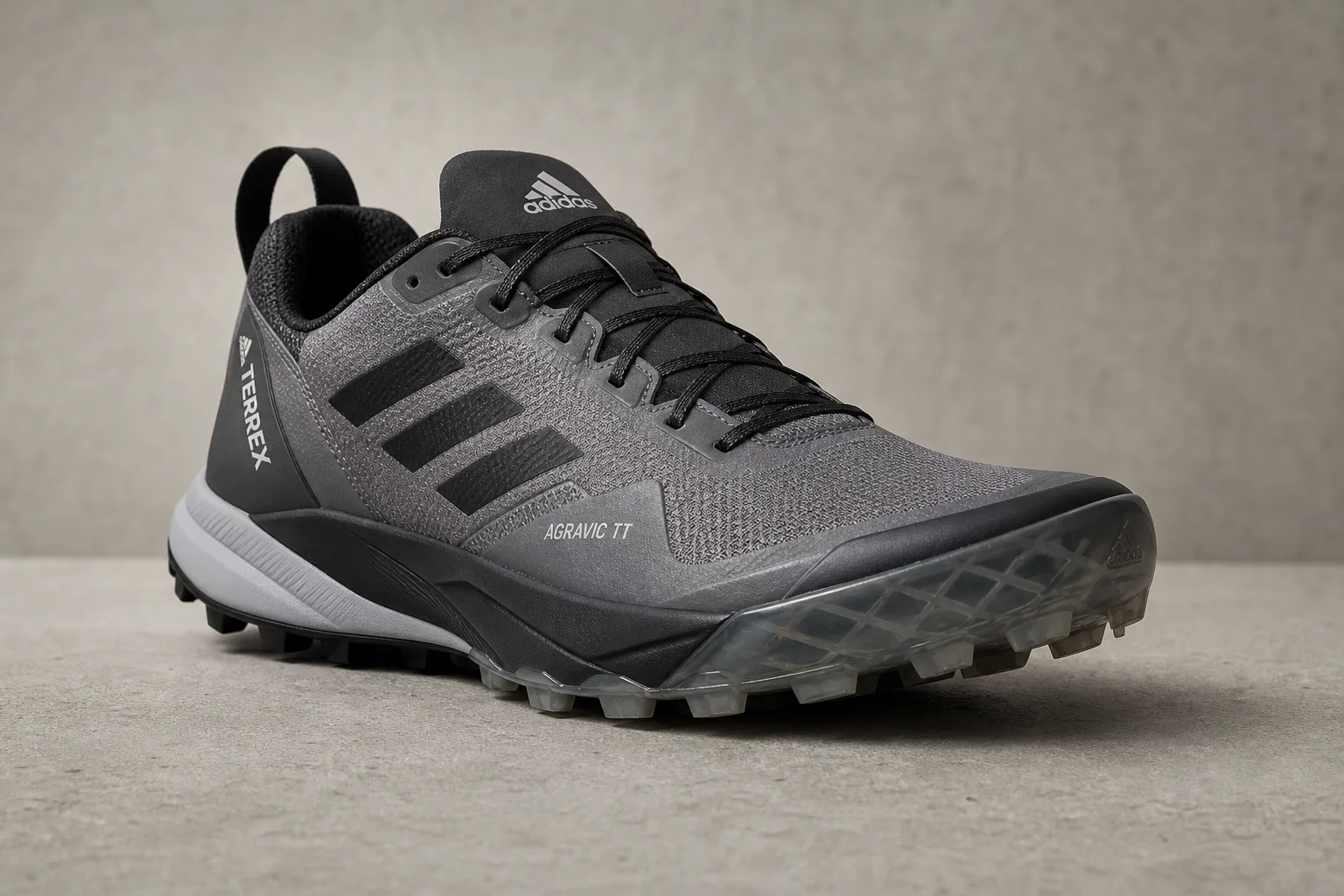
Adidas Terrex Agravic TT Review: A Technical Trail Shoe Built for Rocky Terrain
The Adidas Terrex Agravic TT combines a full-coverage rock plate with a firmer midsole to deliver protection and stability on technical, rocky trails. A capable choice for runners who prioritize underfoot defense over lightweight cushioning.
Trail Running Shoes
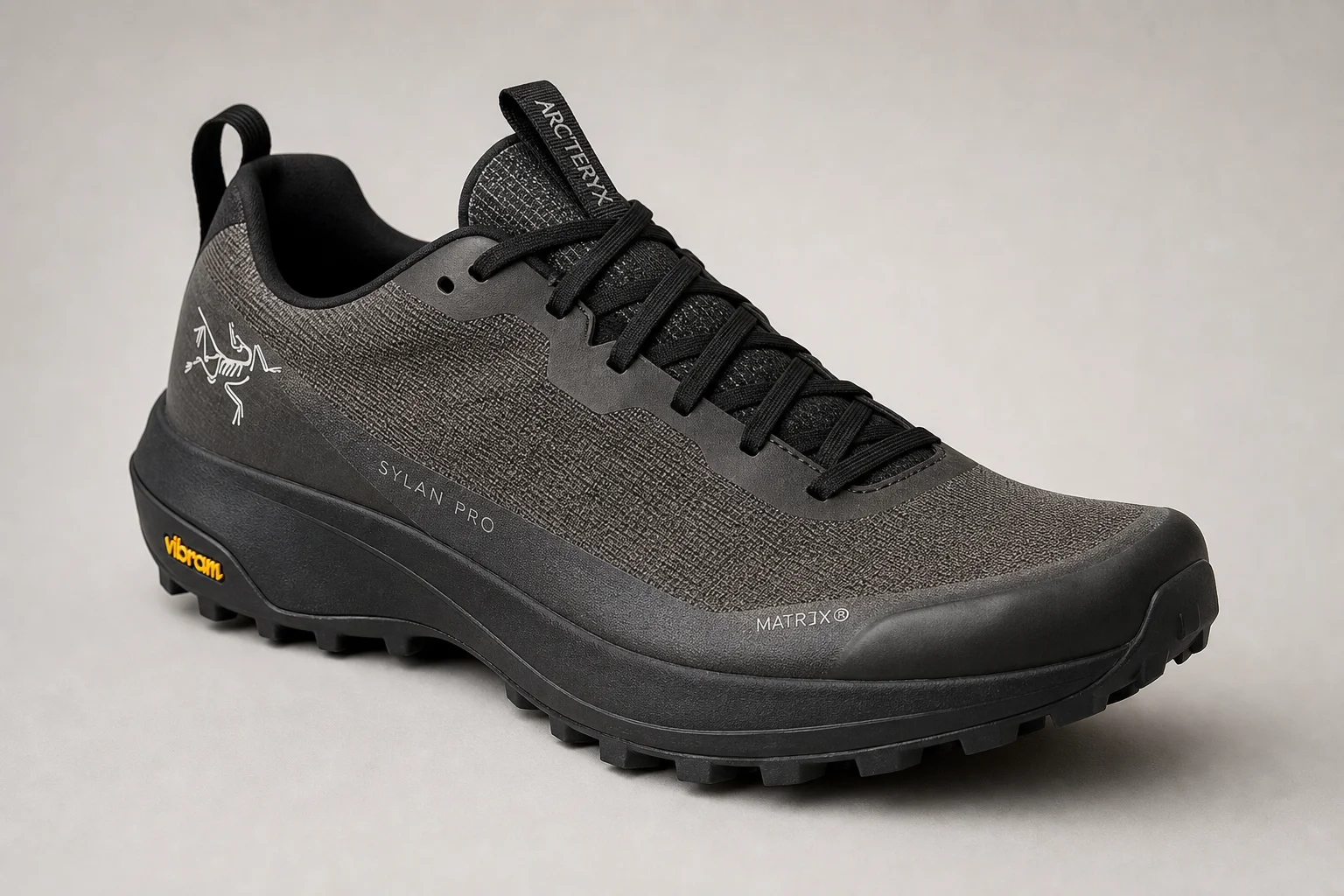
Arc'teryx Sylan Pro Review: A Rocker-Focused Mountain Running Shoe Tested on 20 Miles
The Arc'teryx Sylan Pro brings a pronounced rocker geometry and secure fit to mountain terrain. We tested it on a 20-mile Sawtooth loop to evaluate its climbing efficiency, protection, and handling of technical descents.
Trail Running Shoes
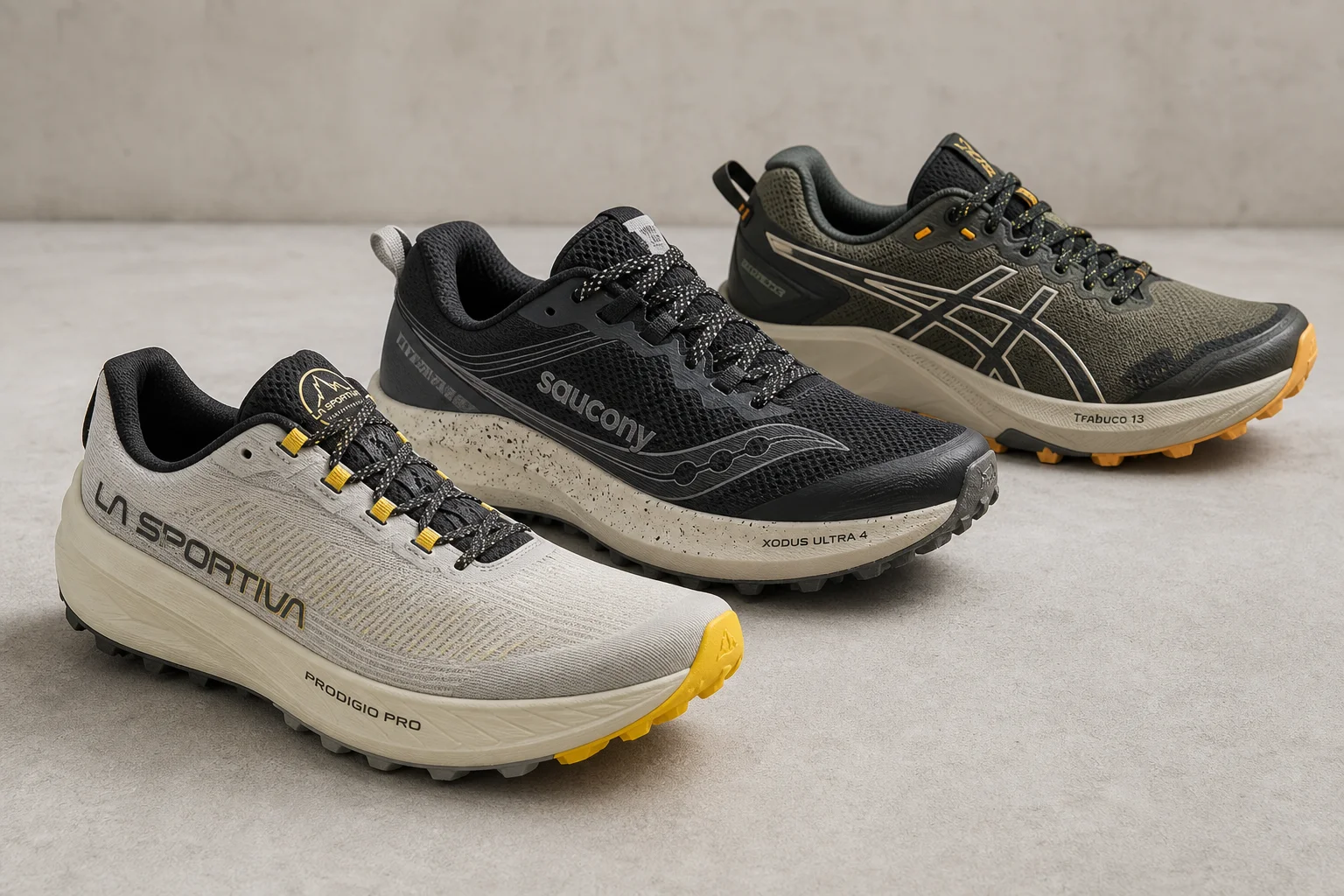
Best All-Mountain Trail Running Shoes: Three Versatile Options for Any Trail
A focused roundup of three all-mountain trail running shoes that handle technical terrain, long distances, and variable conditions with real strengths and practical trade-offs.