Running Shoes
Nike Air Zoom Tempo Next% vs Alphafly Next% 2: Which Nike Super Shoe Makes More Sense?
Two Nike racers built on similar ingredients, separated by a carbon plate, an ounce of weight, and around one hundred pounds. Here is where each one fits.
Introduction
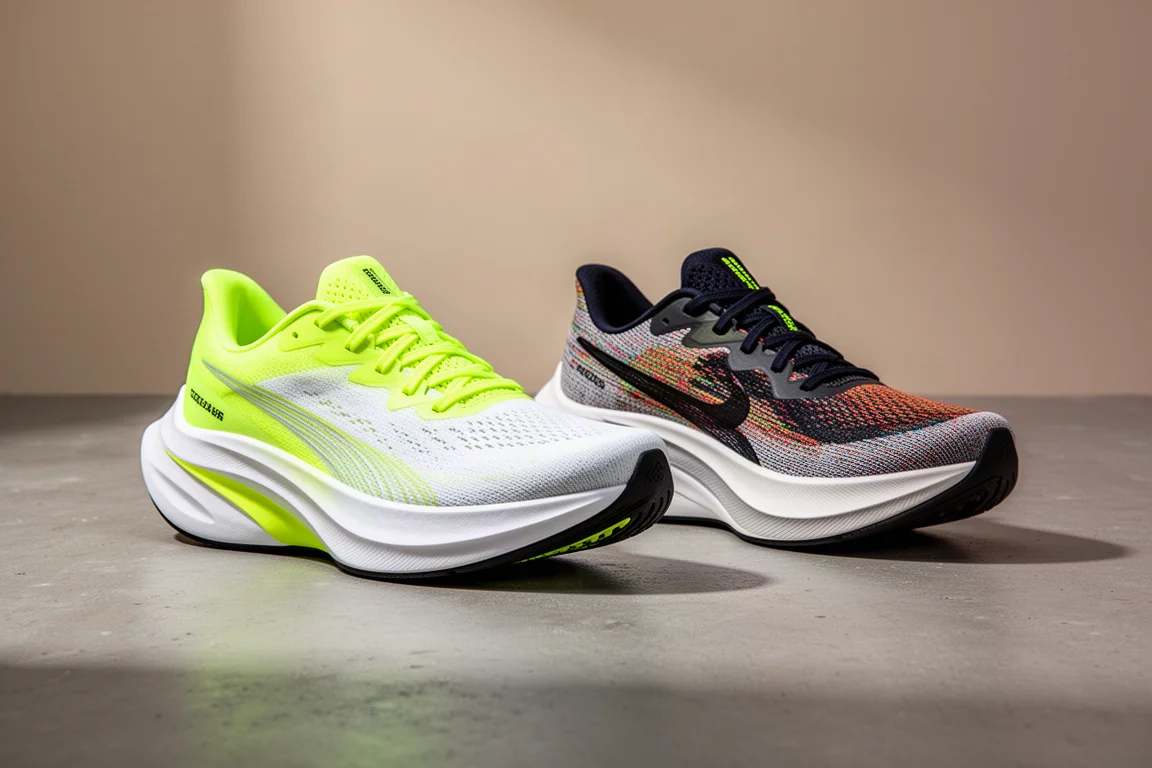
The Nike Air Zoom Tempo Next% has quietly stayed on sale for years while most of the running conversation moved on to the Vaporfly and Alphafly. It is still listed on Nike’s own site with regular new colourways, and at £189 in the UK it sits in an awkward but interesting position: cheaper than the Alphafly Next% 2, but not what most people would call budget.
The question worth asking is simple. Is the Tempo a lower-cost Alphafly, or is it something altogether different for a different kind of runner? On paper they look like siblings. Underfoot, they behave like two shoes with two different jobs.
Where the £100 Difference Goes
Put the two side by side and the Alphafly Next% 2 is the shoe with the Air Zoom pods in the forefoot and a ZoomX-dominant midsole. The main thing separating the Tempo from it is the React foam in the heel. Internally, though, there is more ZoomX in the Tempo than most people assume, with React limited largely to the heel section.
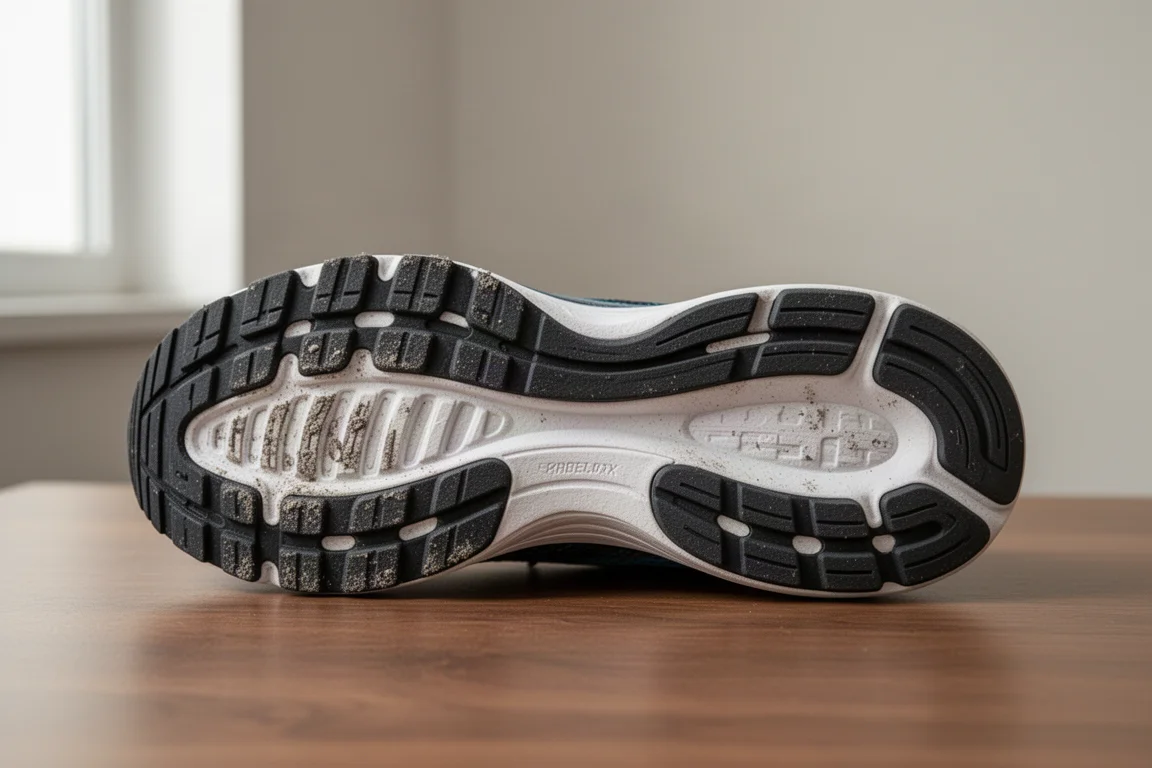
Both shoes carry a plate. The Alphafly uses a carbon plate, while the Tempo gets a nylon version. The Tempo also wins on rubber: a substantial slab spreads back across the rear outsole, where the latest Alphafly has been trimmed down to a perforated layer. The Tempo’s upper is a touch coarser in hand, while the Alphafly’s is smoother, and the heel construction is very similar in both, including the fact that both models are famously awkward to get on.
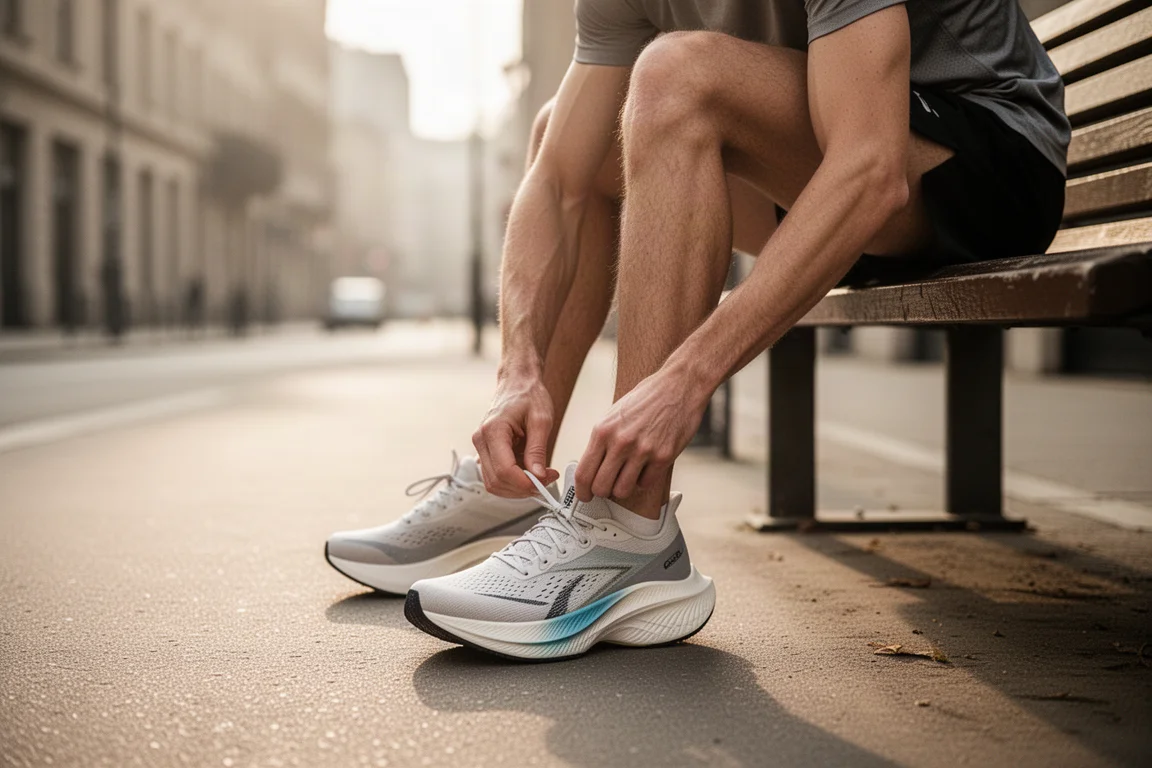
Then there is the price. At £290 for the Alphafly Next% 2 and £189 for the Tempo, the gap is roughly £100, and it is fair to say the Alphafly’s retail price is hard to justify on materials alone. If that figure makes you wince, the Tempo suddenly looks like a very rational purchase.
Weight, Stack Height and Foam
The Tempo Next% in UK size 11 comes in at about 308 grams, with the Alphafly Next% 2 at roughly 278 grams in the same size. The Alphafly is about an ounce lighter on foot and has a wider heel base made purely of ZoomX.
Measured with a durometer, the ZoomX foam in both shoes sits around 20 for softness. The React in the Tempo’s heel reads closer to 33, so the Tempo offers a slightly softer-feeling heel, though the plate stiffens things up in practice. That firmer, denser React may actually work in the Tempo’s favour rather than against it.
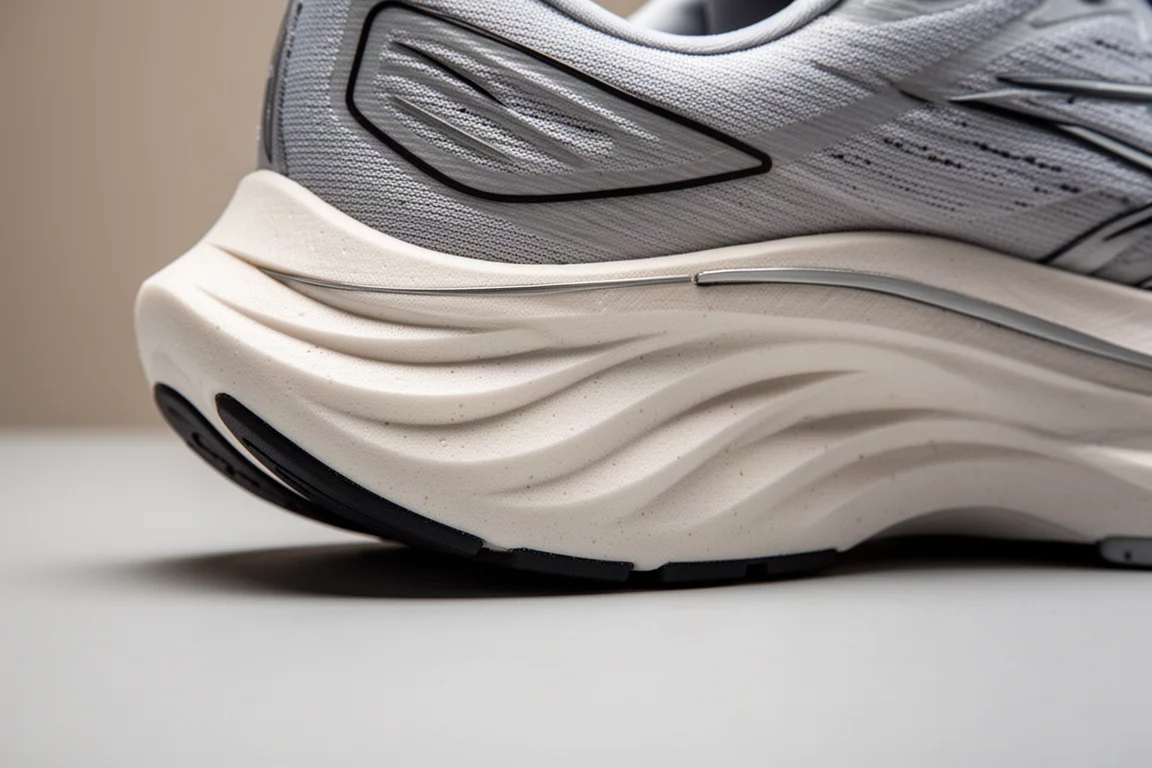
One thing the Tempo has been treated unfairly on is heel stack height. Early complaints claimed it was an illegal racer, but measured heel stacks in UK size 11 come out practically identical between the two shoes. The Tempo measures around 10 millimetres of drop heel to toe, while the Alphafly measures closer to 6 millimetres, not the 8 Nike originally claimed. If legality worries you, do not let it.
On-Foot Feel and Fit
The uppers of both shoes are very similar: a close, foot-hugging profile with asymmetrical lacing and the classic pull tab at the heel. Both are hard to pull on, so patience is required either way.
Underfoot, neither is a plush cruiser. The Alphafly’s Air Zoom pods are tough and responsive, and the forefoot there feels a touch firmer, likely because there is less foam above the air units and that thin perforated rubber outsole. The Tempo’s ride feels a little more stable in the heel, tuned more for pushing pace than for absorbing marathon distance impact.

Which Shoe Is for Which Runner
These are not really training-versus-racing shoes. They are shoes for different people. Despite being the heavier model, the Tempo is arguably the better pick for fast running. Every time you lace it up, it wants to go. It feels tuned for pace, with more heel stability than the very thick application of ZoomX in the Alphafly, which reads more like protection built to carry you through a full marathon.
The Alphafly remains the king of marathon shoes: the same intent as the Tempo but with a lot more squash in the heel. The Tempo looks best suited to racing a half marathon all the way through, where its firmer, more stable platform pays off. It may be one of Nike’s best models of the last few years, and it deserves more attention than the relative silence around it suggests.
Longevity and Value
Durability is where the Tempo quietly wins. The broad rubber outsole holds up impressively, and a well-used pair can look almost new after months of running. That is hard to say about most modern super shoes, and it makes the £189 asking price easier to swallow.
The shoe has been manufactured since October 2020 with no update, no Tempo Next% 2, and no hint of change. That sounds like a negative until you remember Nike keeps producing new colourways and still stocks it in physical retail, which is increasingly rare for a racing model this old. Nothing has changed because nothing needed to.
Conclusion
The Alphafly Next% 2 is the marathon weapon, and if racing 26.2 miles at your absolute limit is the goal, it remains the pick, if you can live with the price. The Tempo Next% is the smarter buy for everyone else: a shoe that costs around £100 less, rewards fast running, outlasts most of its rivals, and has been quietly doing all of this for three years. If it is one you have not tried, it is still very much worth your attention.
Product link
View more details for Nike Air Zoom Tempo Next%
This product is mentioned in the review. Check the specifications, options, and compatibility before buying.
View more details for Nike Air Zoom Tempo Next%Further reading
Related Reviews

Running Shoes
Best Road-to-Trail Running Shoes: Three Versatile Options for Mixed Terrain
A practical guide to three road-to-trail running shoes that handle both pavement and mild trails, with clear strengths and trade-offs for different runner types.

Running Shoes
Best Running Shoes for Achilles Tendonitis: Three Options Explained
Three running shoes with different heel drops and support features designed to help reduce Achilles tendon pain during walking and running.

Running Shoes
Best Running Shoes for Women: Five Top Choices Ranked
A ranked guide to five women's running shoes, from versatile daily trainers to high-performance racing options, with real strengths and trade-offs for each.