Running Shoes
Nike Air Zoom Pegasus 40 Review: A Familiar Formula That Still Works
The Pegasus 40 keeps the same midsole and outsole as the Pegasus 39 but adds a more breathable, forgiving upper. Here is how it performs, weighs up, and who it suits.
Introduction
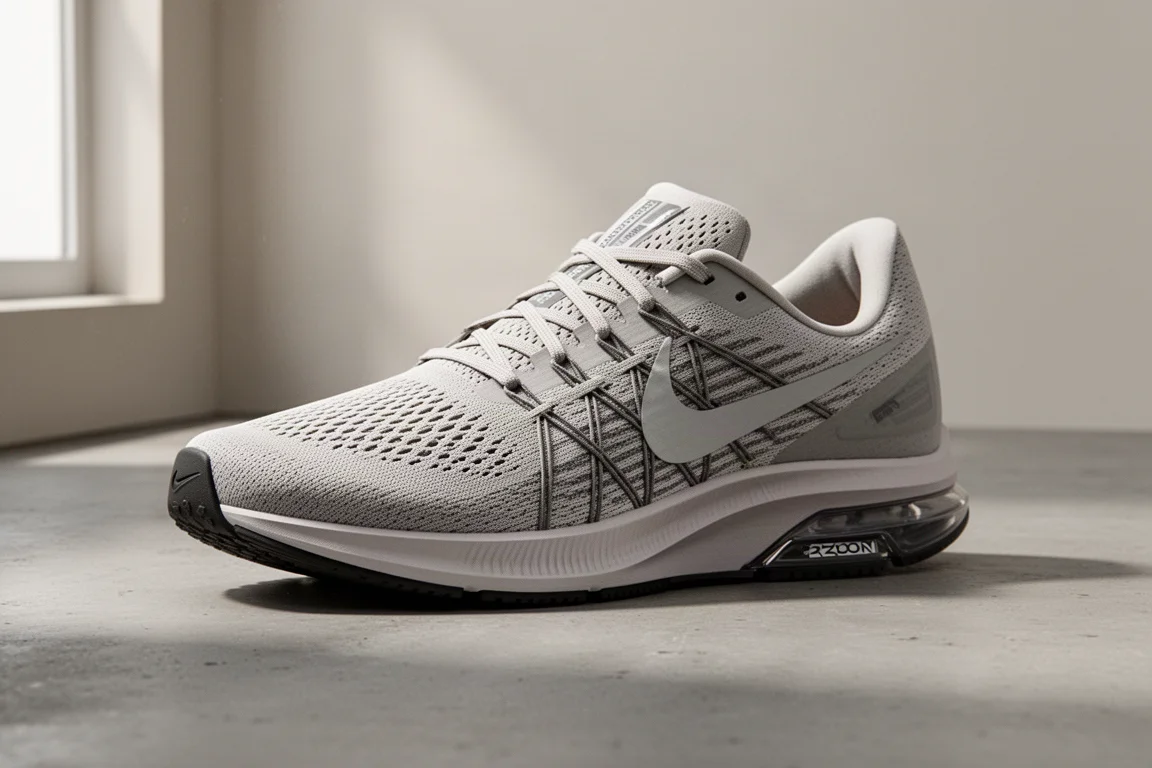
Every year the Nike Air Zoom Pegasus gets recrafted and re-released for just about every kind of runner, and every year the same question comes up: did Nike make this version better or take a small step back? For the Pegasus 40, the answer is a bit of both. The midsole and outsole carry over unchanged from the Pegasus 39, which some will see as unambitious, but the upper takes a clear step forward in breathability and fit. That combination still adds up to a daily trainer that does a lot of things well without any single headline feature.
Weighing in at around 332 g in a UK size 11 (about a US 12), roughly 11.7 oz, the Pegasus 40 is about 22 g heavier than the 310 g Pegasus 39. That is a little disappointing, especially since the Pegasus 38 before it was even heavier at around 345 g. The trend is going in the wrong direction, and it is worth knowing before you buy.
Fit and Sizing
The Pegasus 40 fits true to size, so go with your standard Nike size. The upper is a slightly more complex beast than last year: very perforated and very flexible in the toe box, with that breathability stretching around the medial and lateral midfoot. If you found the Pegasus 39 warm, this version is a genuine improvement, and the reinforced mesh around the toe box and heel counter keeps the structure where it matters.
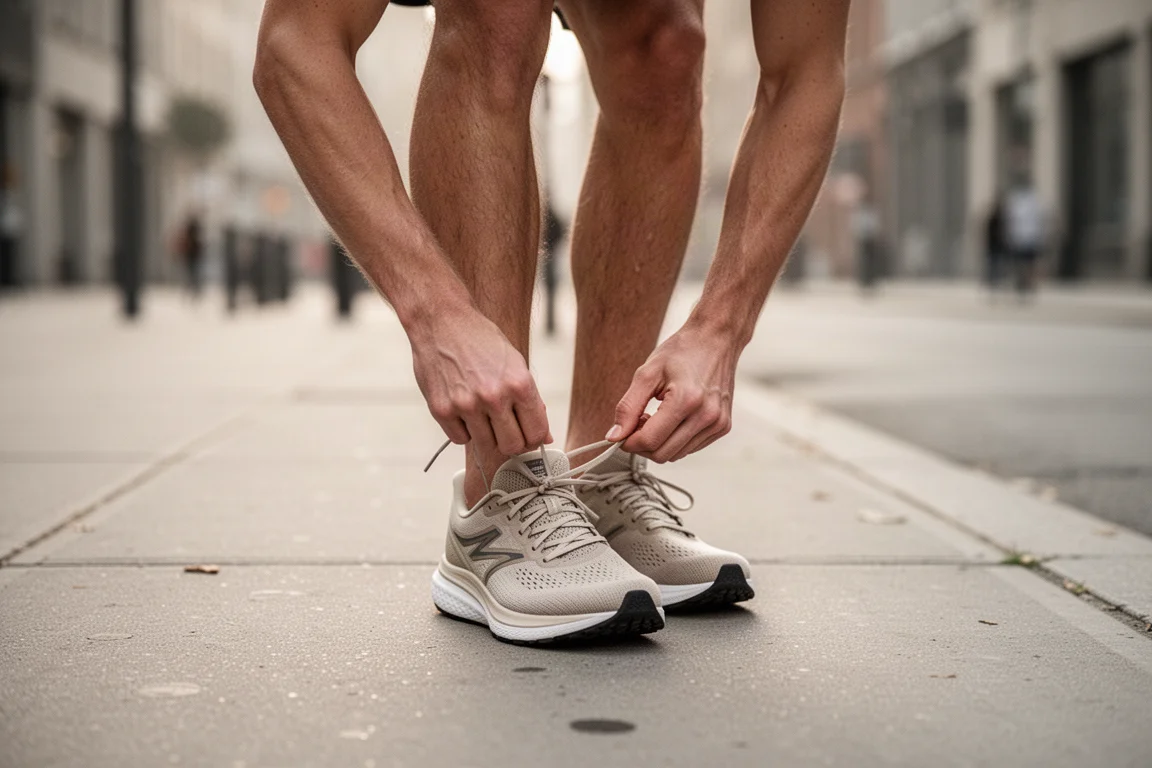
The heel area has a reasonably low profile around the ankle with a noticeable cutaway, so there is none of that exaggerated flare from older Pegasus models jutting into the Achilles. No rubbing or digging in showed up during testing, and the shoe promotes a good range of movement back there. The midfoot band returns for lacing, now paired with a more padded tongue, which likely contributes to the weight gain but does a very good job of negating lace pressure on top of the foot. Lockdown is excellent, and cinching the laces pulls your foot right onto the top of the forefoot air unit, giving a strong, connected feel.
The toe box is a touch more forgiving this time, with a little more width and height, so toes are less restricted. A wide version is also available at many retailers. The one real gripe is lace length: if you like a runner’s knot, there is barely enough lace to tie a single knot, let alone a double for security. Otherwise, no real fit issues emerged over the initial runs.
Midsole and Ride
Underfoot, nothing has changed. The midsole and outsole are the same unit found in the Pegasus 39, with the same React formula. That means around 36 mm of heel stack in the tested size, roughly 26 mm in the forefoot, and about a 10 mm drop. There are two air units in the midsole, one under the heel and one in the mid to forefoot area, so a durometer reading of around 33 is useful only as a reference point.
The ride is more of an up-for-it experience than a pure recovery-day cruiser. It has a responsive, slightly firmer feel that suits steady runs, tempo work, and even some repeats or intervals. The React foam is not a super-soft premium cushioning material, so newer runners or anyone after maximum plushness may find it a little firm. This is a jack-of-all-trades shoe sitting somewhere in the middle.
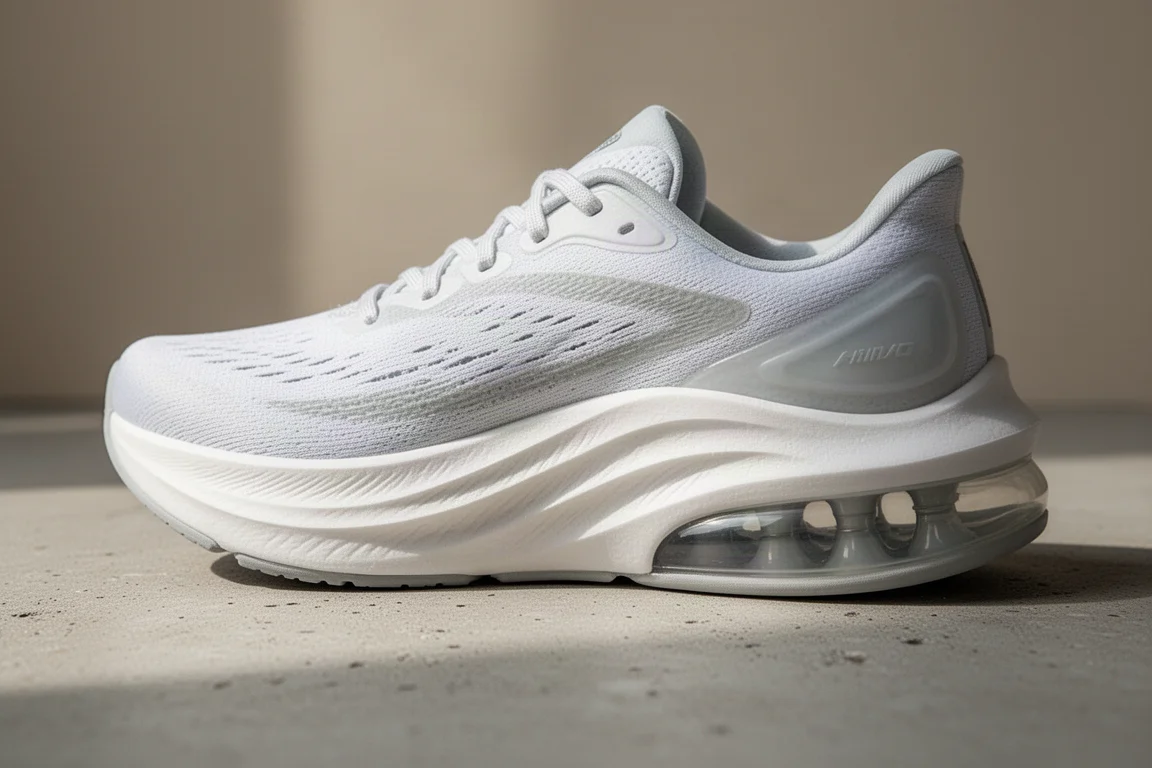
What React does deliver is resilience. It is reliable, pretty durable, and you are not going to get big chunks hanging off it. That durability is exactly why Nike keeps the Air Zoom units here: foam compounds can diminish quickly, but the air units keep going. The forefoot flexes nicely where the air unit segments and ends, while the rear air unit feels a bit more solid thanks to the larger mass of foam around it. At a marathon pace around 7:30 per mile, it feels pretty good, and it is noticeably more responsive on foot than something like the Floatride Energy 5 or the Velocity Nitro 2.
Outsole and Durability
The outsole carried over with barely any wear visible at 100 miles in the Pegasus 39, and the same story applies here. Nike is back with a stretch waffle design that works great on road and concrete and is usable on lighter trails, though dirt and debris can collect in a few spots over time. A hard bristle brush clears most of it without much effort.
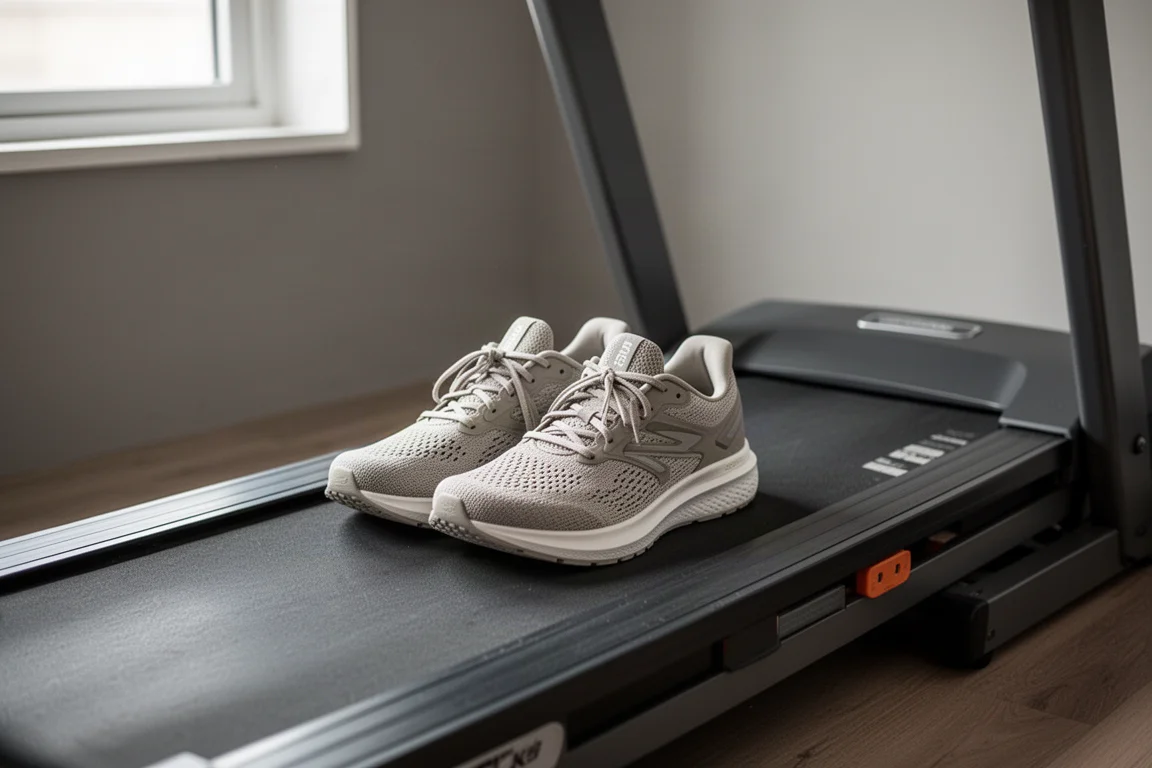
Some might question the lug depth given the added weight, and less rubber could probably be used if you are light on outsoles. Traction is good, the profile is versatile, and the grip handles just about anything aside from the sloppiest trails. One odd quirk: the outsole around the forefoot sits slightly concave near the forefoot air unit, possibly because less foam is present where the rubber is applied. It is not noticeable on foot, just a strange observation. Overall, this is a good, durable, multi-surface outsole.
Value and Buying Advice
Retailing at £115 in the UK, the Pegasus 40 is a little over a hundred pounds for a daily run-of-the-mill shoe, and that pricing is part of why it is so popular and widely available. Picked up on discount at £90, the value feels even easier to swallow. Cheaper alternatives exist, but they do not quite match it this time: the Floatride Energy 5 feels lower in stack and a bit too soft for some, while the Pegasus line remains a more resilient option for heavier runners.
Compared to the Velocity Nitro 2, the Pegasus 40 offers a wider, more accommodating forefoot with more room for toes to splay, a more breathable upper, and a broader range of pace use, though the Puma’s softer Nitro midsole may suit easy and recovery running better. Build quality is generally strong: no dodgy stitching or shoddy finish, though there is some glue residue on the top of the tongue and a few gluey marks on the outsole. Scores came out to 2.8 for the upper, 2.8 for the midsole, 2.8 for the outsole, and 2.7 for value, totalling 11 out of 12.

If you want a dependable daily shoe that handles steady and faster work, lasts well, and fits a wide range of feet including wide versions, the Pegasus 40 is a pretty decent option. If you want maximum cushioning, look elsewhere. One caveat worth noting: this is likely the last React and Air unit Pegasus, with the formula expected to change in the next version, so if you love this combination, this may be the time to buy into it.
Conclusion
The Nike Air Zoom Pegasus 40 does not reinvent anything, and the weight gain over the Pegasus 39 is a genuine knock. But the more breathable upper, forgiving toe box, excellent lockdown, and the proven durability of React plus dual Air Zoom units make it a versatile daily trainer that fulfils its job well. For runners who want one shoe that covers steady miles, tempo work, and the occasional faster session without falling apart after a couple hundred miles, it remains a very sensible pick, especially on discount.
Product link
View more details for Nike Air Zoom Pegasus 40
This product is mentioned in the review. Check the specifications, options, and compatibility before buying.
View more details for Nike Air Zoom Pegasus 40Further reading
Related Reviews

Running Shoes
Best Road-to-Trail Running Shoes: Three Versatile Options for Mixed Terrain
A practical guide to three road-to-trail running shoes that handle both pavement and mild trails, with clear strengths and trade-offs for different runner types.

Running Shoes
Best Running Shoes for Achilles Tendonitis: Three Options Explained
Three running shoes with different heel drops and support features designed to help reduce Achilles tendon pain during walking and running.

Running Shoes
Best Running Shoes for Women: Five Top Choices Ranked
A ranked guide to five women's running shoes, from versatile daily trainers to high-performance racing options, with real strengths and trade-offs for each.