Running Shoes
Nike Air Zoom Pegasus 39 vs Nike React Infinity Run 3: Which One Should You Buy?
Two Nike cushioned daily trainers built for different jobs. We compare fit, ride, durability and value to help you pick the right one.
Introduction
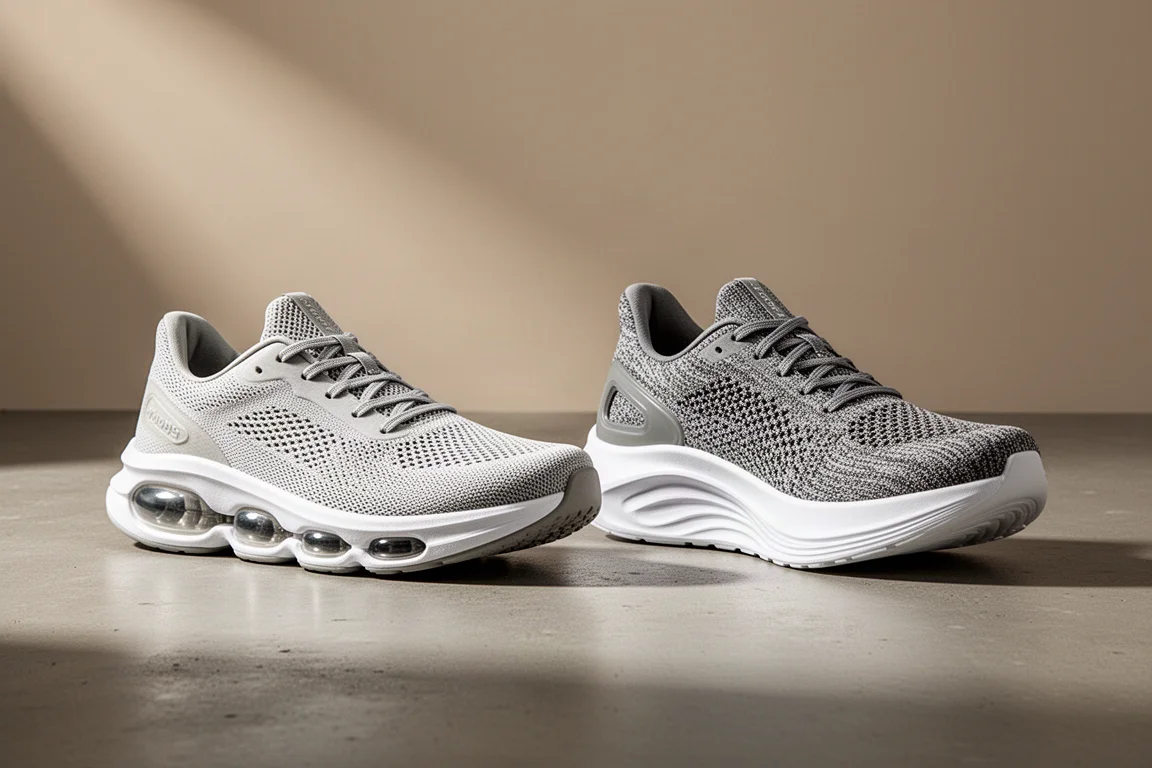
The Nike Air Zoom Pegasus 39 and Nike React Infinity Run 3 sit close together in Nike’s cushioned trainer range, but they are built for slightly different purposes. The Infinity is more of a cruiser with some stability elements, made for easy work. The Pegasus is designed as a more versatile daily trainer, and it comes in at a clearly lower price: £109.95 in the UK or $120 in the US, versus £144.95 in the UK and $160 in the US for the Infinity.
This comparison walks through how each shoe is built, how they fit, how they ride, and which runner each one suits best.
Two Cushioned Trainers, Two Different Jobs
Both shoes use a lot of Nike React foam in the midsole, and both carry Nike’s Flywire system around the laces for midfoot hold. Beyond that, they diverge. The Pegasus is the lighter shoe of this pairing: 279 grams (9.8 oz) in a UK 9, a big drop from the previous version’s 310 grams. The Infinity weighs 310 grams (10.9 oz) in a UK 9, and that line has actually been getting heavier with each edition.
Price and weight both tip the value argument toward the Pegasus, but the Infinity brings its own strengths, which we cover below.
Design and Build: React Foam, Air Zoom Pods and Flyknit
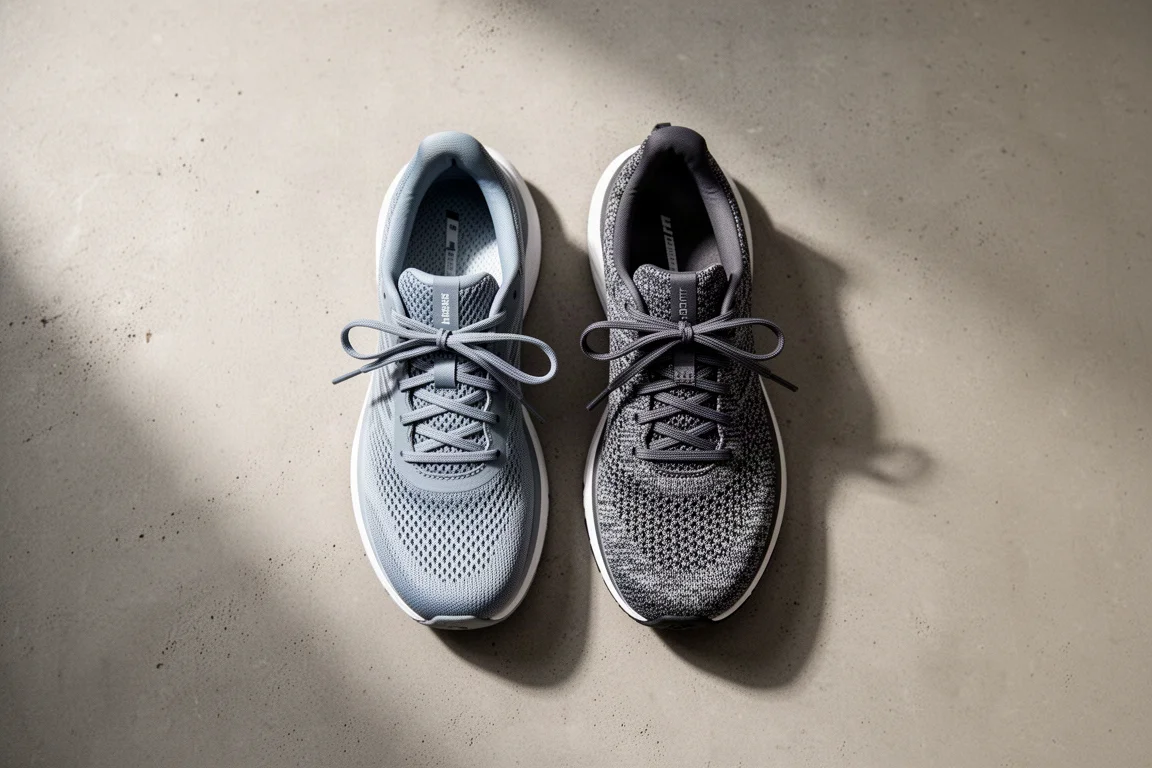
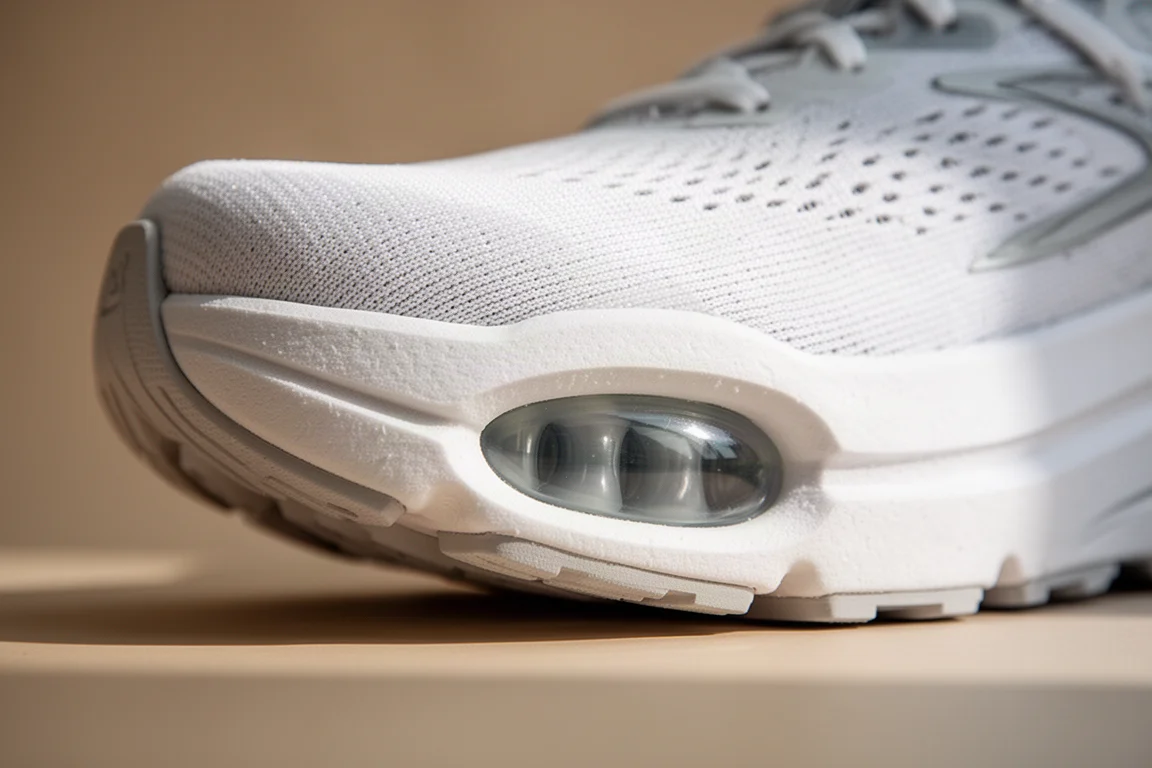
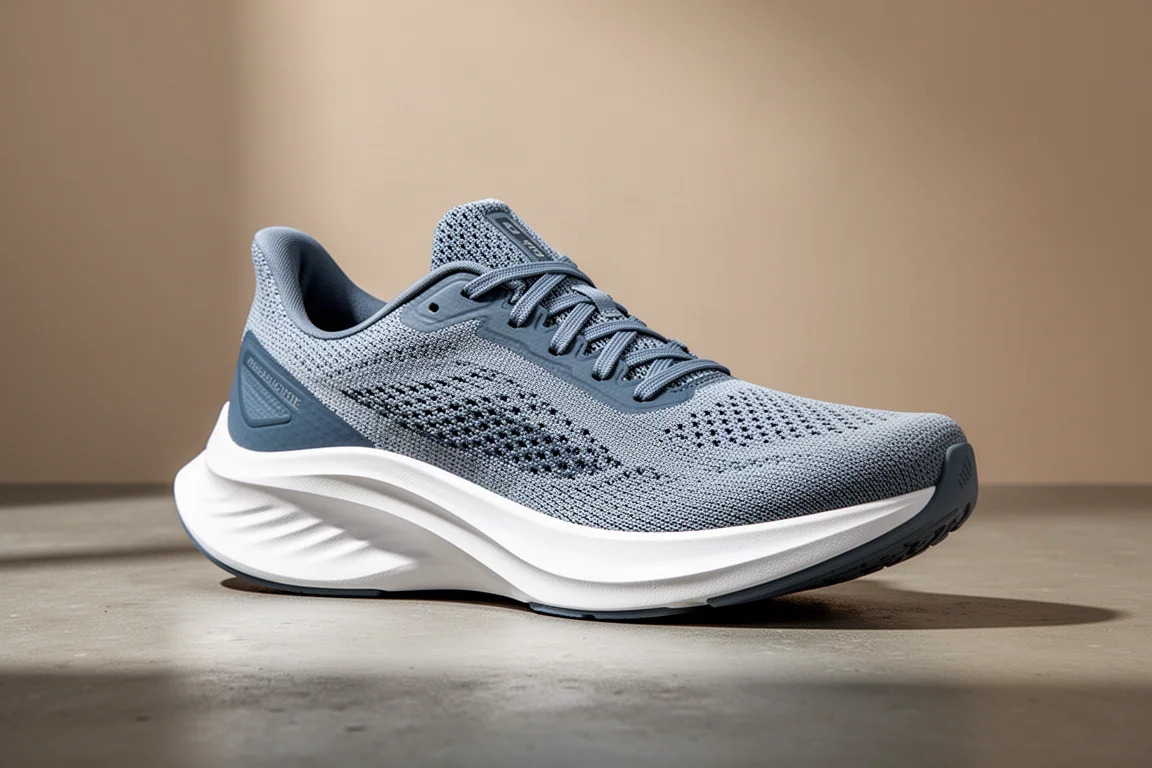
The Pegasus uses a trimmed-back mesh upper with a Flywire system around the laces to hold the foot in place across the midfoot, plus a good amount of padding around the tongue and heel. The midsole is React foam with two Air Zoom pods, one under the forefoot and one under the heel, designed to firm up the ride slightly and add responsiveness while cutting weight compared with a full React midsole. The outsole carries a generous layer of thick rubber with strong traction on roads and light trails, and it is built to last.
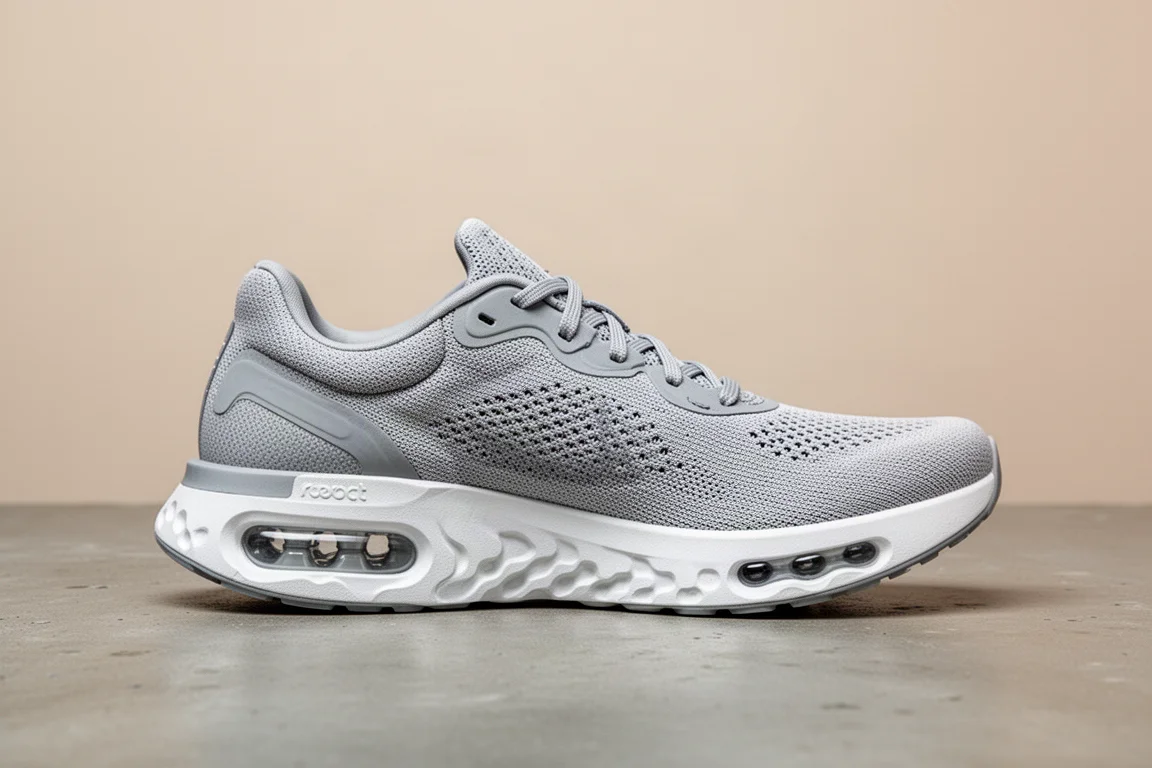
The Infinity Run 3 uses a Flyknit upper, again with Flywire built in, though it is harder to see woven into the knit. Padding around the heel and tongue is generous, slightly more than the Pegasus, which hints at its easier-going character. Support around the heel is stronger too: a full plastic heel clip with extended support up the heel, sitting on a very wide base. Nike does not sell it as a stability shoe, but it clearly has some stability elements while remaining neutral in the main.
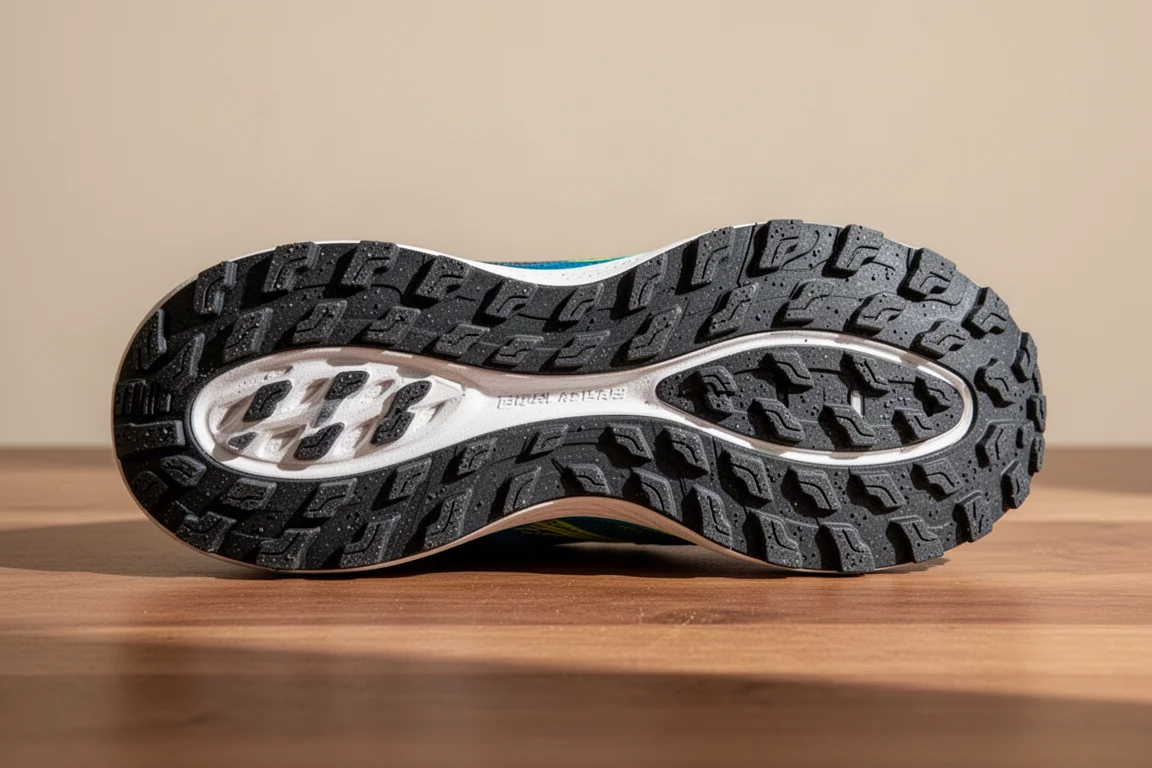
Its midsole is entirely React foam with a very clear rocker profile, which changes the feel of the ride compared to the Pegasus’s more traditional heel-to-toe transition. The outsole has a splotchy pattern that might look gimmicky, but it grips well and has proven very long-lasting across all three editions of the shoe.
Fit and Sizing
These two fit very differently despite both being the same size on test. The Infinity has a much wider toe box and a roomier overall fit, closer to Nike’s big toe box shoes. The Pegasus has a thinner, lighter upper but comes up longer in the foot, closer to an old-school fit. It may feel big out of the box, but it is probably true to size compared with earlier versions.
Both testers found the shoes fit true to size, with good toe box room and a secure lockdown around the midfoot and heel. Neither needs sizing down: both are designed for everyday long miles, where a little extra room is preferable.
Nike React Infinity Run 3: The Protective Cruiser
Tested first this year, the Infinity Run 3 proved very similar to the past two editions, which is no bad thing. Changes to the upper are barely noticeable on the foot, though the tongue appears more securely attached, which matters because tongues were a known weakness on the previous version.
The ride is best for easy, steady and especially recovery runs. There is a big stack of foam that reads as fairly firm and, thanks to the added stability elements, quite stable. The rocker geometry delivers a nice rolling motion, so despite the big stack it feels a little lighter on the foot and never harsh. It is a protective, smooth shoe for easy miles, and a shoe to reach for during busy marathon training blocks when legs feel creaky. More exciting, softer shoes can be too squishy in those periods; this one is duller but protective.

It can handle a bit of speed work, but it is not well suited to purposeful intervals or long tempo runs. It is heavy and cruisy, and when you step the pace up it can fall out of sync with that smooth rolling motion and feel a little awkward.
Nike Air Zoom Pegasus 39: The Versatile Daily Trainer
The Pegasus 39 is the more versatile shoe of the pair. The ride has not changed massively from the Pegasus 38; the React foam is comfortable and the heel Air Zoom pod feels very similar underfoot, with the heel unit arguably a bit too buried in foam to change the ride much. The real key change is weight: this version is substantially lighter, and that makes it more versatile and better for faster running.
The geometry is built for a traditional, snappy transition rather than a rolling motion, which helps when moving to faster paces. It suits easy to steady runs that finish quickly, held up fine for one track session at slower race paces, and worked for short periods at those paces. At sprints of 200 and 300 meters it still feels big and bulky, and there are certainly all-rounders that are faster, but on versatility it has a slight edge over the Infinity.
The Pegasus also has the better outsole of the two: a slightly more aggressive profile that grips better on light trails, almost working as a road-to-trail shoe in warmer months. That thick rubber also helps durability, though the Infinity is a very long-lasting shoe in its own right, and React foam holds up well in both.
Overall Buying Advice
If you are buying only one shoe, the Pegasus 39 is the pick. It is clearly the better value at £109.95 or $120, and it is a big improvement over the Pegasus 38 mainly because of the weight drop. It covers easy runs comfortably, handles faster paces better than the Infinity, and does long easy miles almost as well. Beginners and one-shoe runners get the most out of it, and faster runners with a separate racing shoe will likely save money by choosing the Pegasus for long runs.
The Infinity Run 3 earns its place differently. If you need extra support, it offers more than the Pegasus even though Nike does not market it as a stability shoe. If you have an extensive rotation and want one clearly defined easy-day cruiser to protect your legs through high-mileage weeks, it does that job very well and will last a long time. Pair it with a couple of faster shoes and it slots in neatly.
One more value note: both shoes often appear in Nike sales. On the Infinity, you could also consider the previous edition for an equally good experience, as long as you avoid the known tongue issue. On the Pegasus, the latest version is meaningfully better than the Pegasus 38 purely because it is lighter, so it is worth getting the current one.
Conclusion
Both are solid, well-cushioned shoes that use Nike’s technologies in quite different ways. The Infinity Run 3 is the better easy-day cruiser, protective and stable, but less versatile and harder to justify on value. The Pegasus 39 is lighter, snappier, more versatile and significantly cheaper, which makes it the pick for most runners, especially anyone buying a single daily trainer. Decide based on whether you want one adaptable shoe or a dedicated cruiser for your easy miles.
Further reading
Related Reviews

Running Shoes
Best Road-to-Trail Running Shoes: Three Versatile Options for Mixed Terrain
A practical guide to three road-to-trail running shoes that handle both pavement and mild trails, with clear strengths and trade-offs for different runner types.

Running Shoes
Best Running Shoes for Achilles Tendonitis: Three Options Explained
Three running shoes with different heel drops and support features designed to help reduce Achilles tendon pain during walking and running.

Running Shoes
Best Running Shoes for Women: Five Top Choices Ranked
A ranked guide to five women's running shoes, from versatile daily trainers to high-performance racing options, with real strengths and trade-offs for each.