Running Shoes
Nike Air Zoom Alphafly Next% 2: A 100-Mile Review That Ends in Retirement
After 100 miles, this super shoe is being pulled from rotation. Supremely cushioned, but an unpredictable arch problem makes it hard to recommend.
Introduction
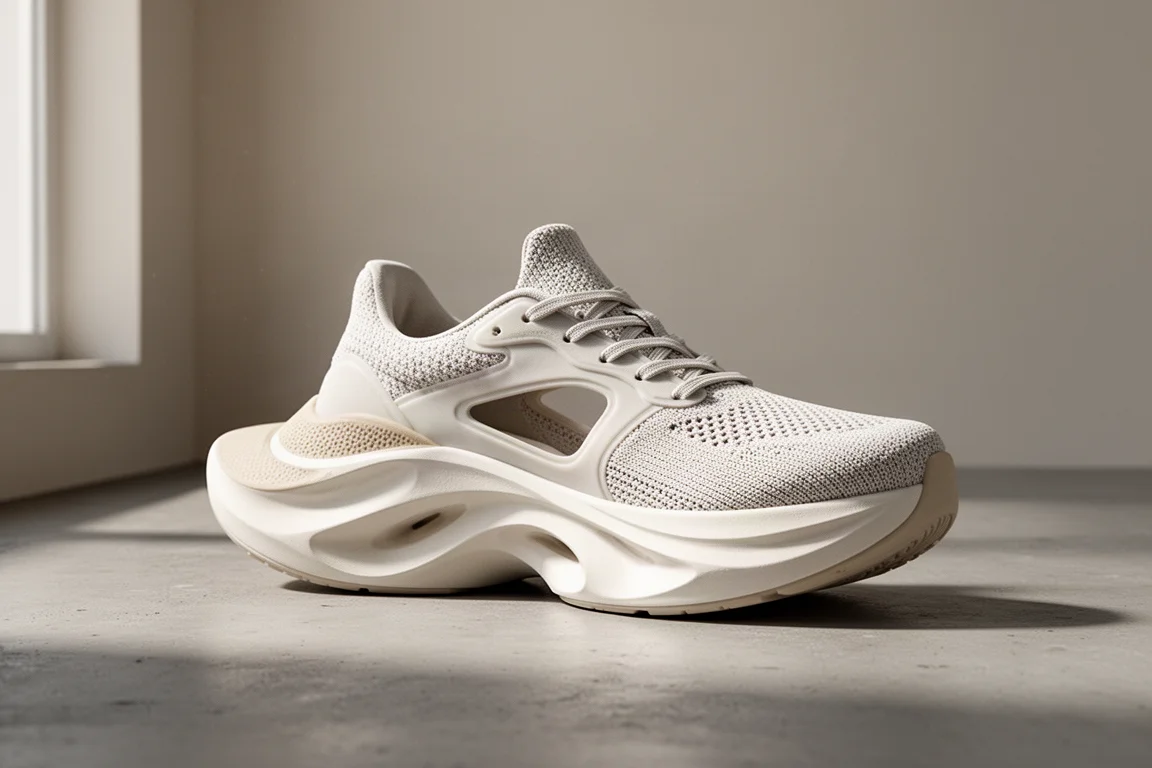
Some shoes earn a permanent spot in a rotation. Others, after enough miles, quietly get moved to the back of the shelf. The Nike Air Zoom Alphafly Next% 2 falls into the second category here: after 100 miles of use, it is being retired entirely, and not for racing either.
Purchased with hard-earned cash, this shoe started with genuine promise. Some early threshold sessions and short interval repeats in it were outstanding. But over time, a persistent and unpredictable problem emerged that no amount of lace tweaking or sock swapping could fix. Here is the full breakdown of what worked, what did not, and whether this shoe deserves a place in anyone’s marathon plans.
After 100 Miles: Why It Is Being Retired
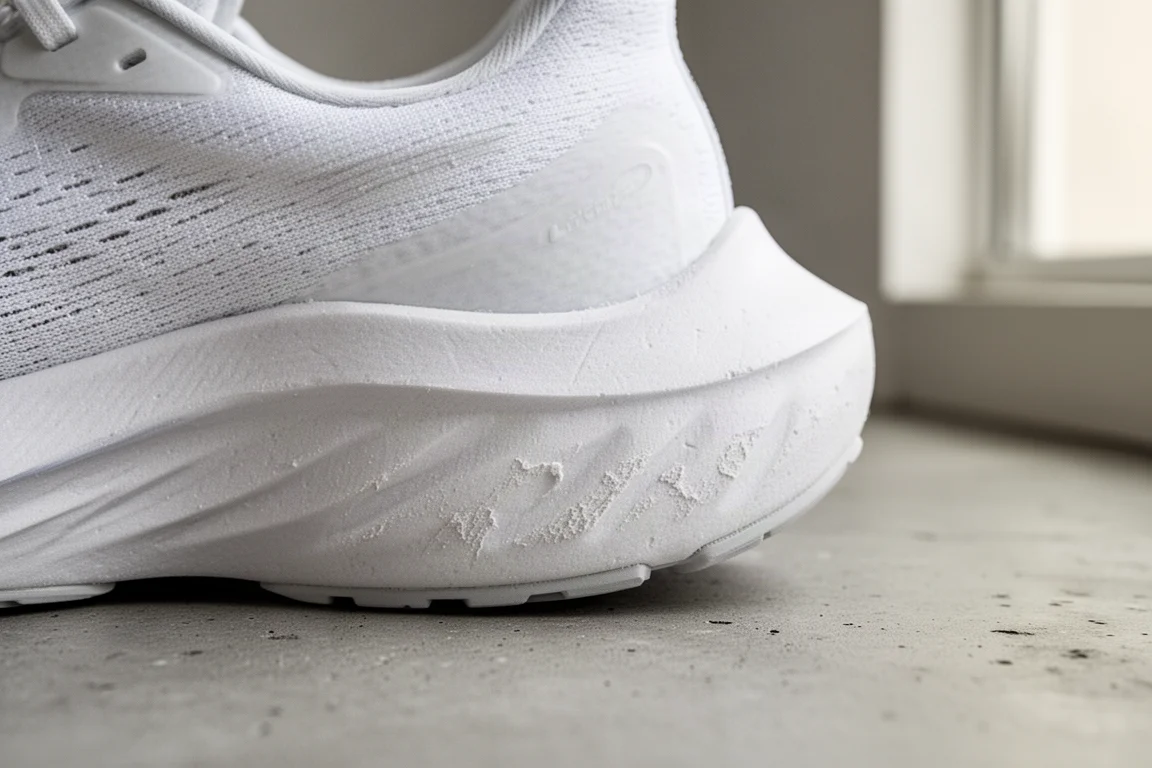
The core issue is arch pain, specifically in the right foot. It appeared out of nowhere and struck at all sorts of speeds and paces: easy runs, tempo sessions, long efforts. One run would be perfectly fine, and the next would bring rubbing and digging into the arch that made the shoe genuinely unpleasant to wear. The problem worsened noticeably after roughly 60 miles of use.
What makes this particularly frustrating is the contrast with the original Alphafly. The first version never once caused arch pain across tempo runs, long runs, half marathons, 5Ks, and easy efforts. This second version simply cannot be trusted in the same way, and a marathon is too precious an occasion to gamble on a shoe that might turn on you mid-race.
Upper and Fit: More Changes for Change’s Sake
The upper is hard to figure out. It is difficult to see what advantage it offers over the first version, which is still available at heavy discount. The mesh does not feel like a meaningful improvement, and the fit has loosened with time rather than settling in comfortably. The substantial padding around the heel and ankle feels too present compared to the V1, which just fits better.
One genuine highlight is the Flyknit-like material across the top of the foot. It is stretchy, gives nicely, and provides excellent protection from lace pressure. But the toe box is no better than the original either. Lace tension needs constant fiddling, and numerous sock combinations failed to prevent the arch pain.
Midsole and Outsole Durability
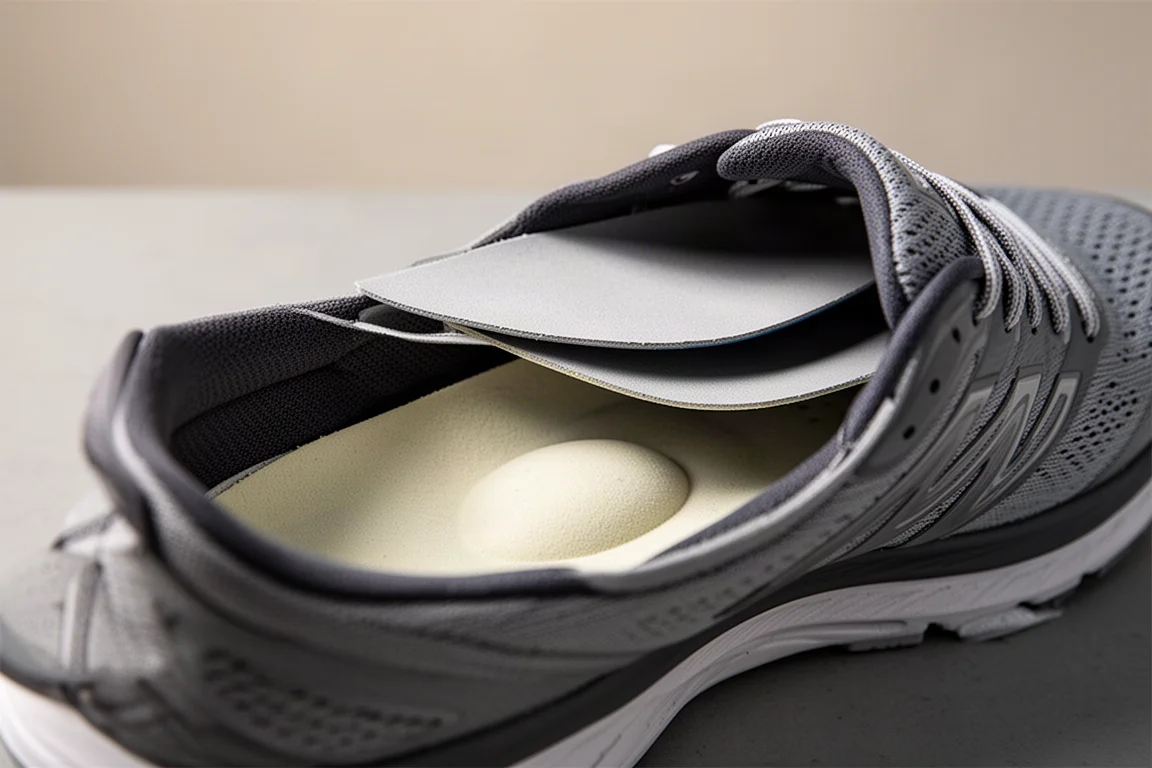
Durability has been a mixed picture. The midsole has held up reasonably well, even in very wet conditions, though Zoom X foam never loves being soaked. Typical Zoom X creasing is visible, and there is minor surface flaking around the heel cutout, but the foam itself has not degraded badly.
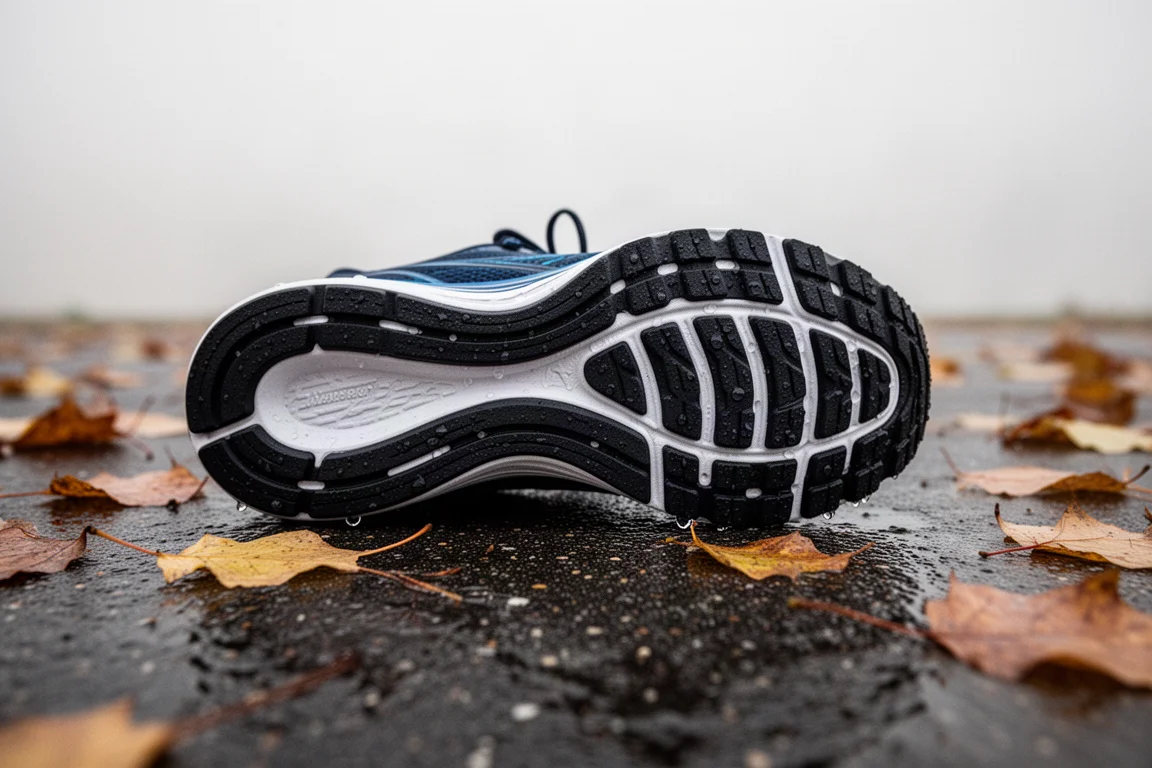
The outsole is arguably the shoe’s strongest area. Traction has been solid on nearly every surface thrown at it: slushy conditions, wet leaves, muddy paths with debris. The increased surface area of the outsole seems to help. Heel wear is early but manageable thanks to extended rubber sections at the back, and the mid-to-forefoot rubber looks almost brand new.
A longer-term concern: many pairs of both versions have been seen splitting in the midfoot where the two halves are glued together. Neither version inspires confidence in longevity.
Should You Buy the Alphafly Next% 2?
No. The recommendation here is a clear one, and it is not in this shoe’s favor. Anyone who had slight arch issues in the V1 will almost certainly get them in this version. The thin insole supplied to cover the arch area does not fix the problem; if anything, it makes more contact with the foot and amplifies it.
Runners with wider or flatter feet should be especially cautious, and even a reasonably high arch does not escape the issue. At its steep retail price, the money would go further on several discounted models from other brands, building a more versatile and enjoyable rotation. The Saucony Endorphin Pro 3 or Adidas Adios Pro 2 or 3 would be preferred for the marathon.
Conclusion
The Alphafly Next% 2 is supremely cushioned, but plenty of shoes are these days. What it cannot offer is consistency, and that matters most in a race day shoe. Unpredictable arch pain, an upper that feels like change for change’s sake, and a premium price make this one of the bigger running shoe disappointments in a long time. Better value and more dependable options exist elsewhere.
Product link
View more details for Nike Air Zoom Alphafly Next% 2
This product is mentioned in the review. Check the specifications, options, and compatibility before buying.
View more details for Nike Air Zoom Alphafly Next% 2Further reading
Related Reviews

Running Shoes
Best Road-to-Trail Running Shoes: Three Versatile Options for Mixed Terrain
A practical guide to three road-to-trail running shoes that handle both pavement and mild trails, with clear strengths and trade-offs for different runner types.

Running Shoes
Best Running Shoes for Achilles Tendonitis: Three Options Explained
Three running shoes with different heel drops and support features designed to help reduce Achilles tendon pain during walking and running.

Running Shoes
Best Running Shoes for Women: Five Top Choices Ranked
A ranked guide to five women's running shoes, from versatile daily trainers to high-performance racing options, with real strengths and trade-offs for each.