Trail Running Shoes
Nike ACG Zegama Trail Review: Finally the Trail Shoe ACG Was Meant to Make
High-stack ZoomX comfort, a completely reworked upper, and real control on rugged terrain. Here is why this update feels like the Zegama Nike always intended.
Introduction
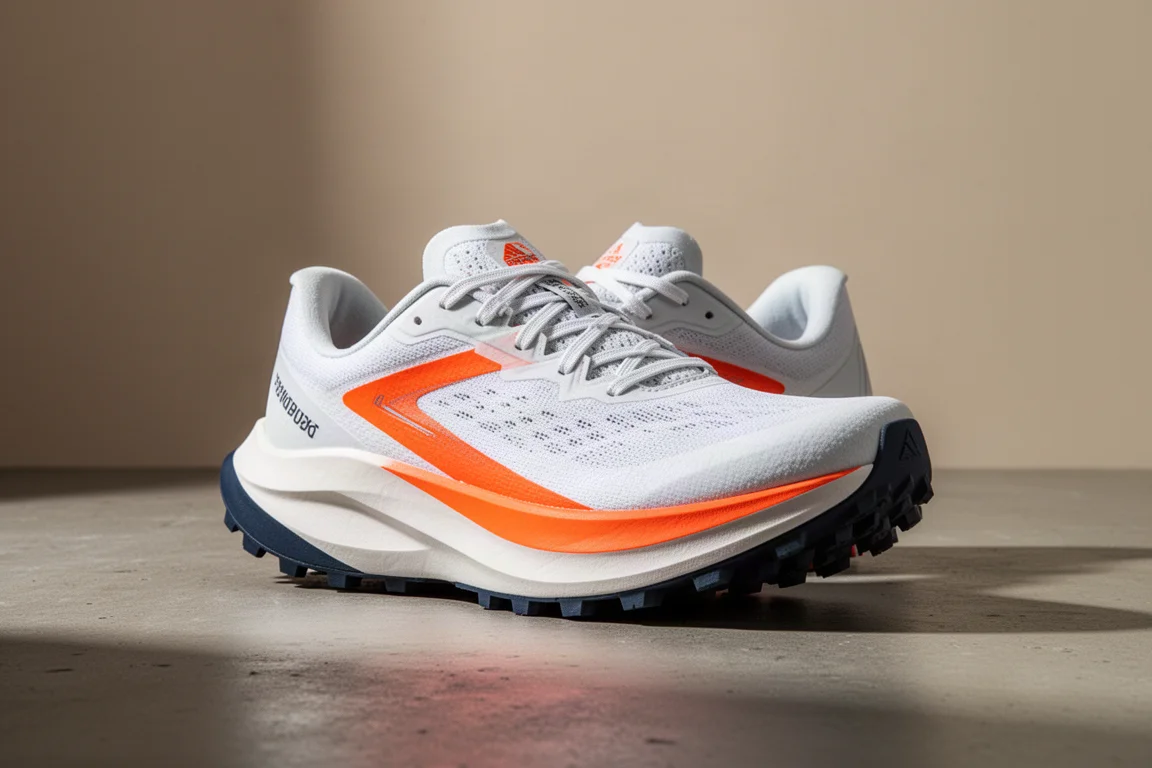
ACG stands for All Conditions Gear, and over the past few years Nike has been working hard to position it as a premium outdoor line. The problem with the previous Zegama versions is that they were essentially glorified road-to-trail shoes: they felt great underfoot, but the upper never offered the security to back up the trail claims. This new Nike ACG Zegama Trail finally brings the two halves of the package together.
What the Zegama Trail Claims to Fix
The shoe promises high-stack comfort and cushioning while being built for rugged terrain and long distances. That is a demanding combination, and previous models fell short on the fit and lockdown side of it. This time, the upper is where Nike delivered.

Upper and Fit: Where Nike Nailed It
The upper keeps the semi-booty construction above the ankle collar, but almost everything else has been overhauled. It is now a multi-layered system: a soft, highly breathable mesh on the outside and a second soft liner inside that helps keep out dust and debris, an important first line of defense on rugged terrain. Cushioned bulges in the heel collar and a uniquely broad, squared-off tongue complete a fit package that locks in comfortably. Nothing got inside the shoe during testing, and comfort was never an issue.
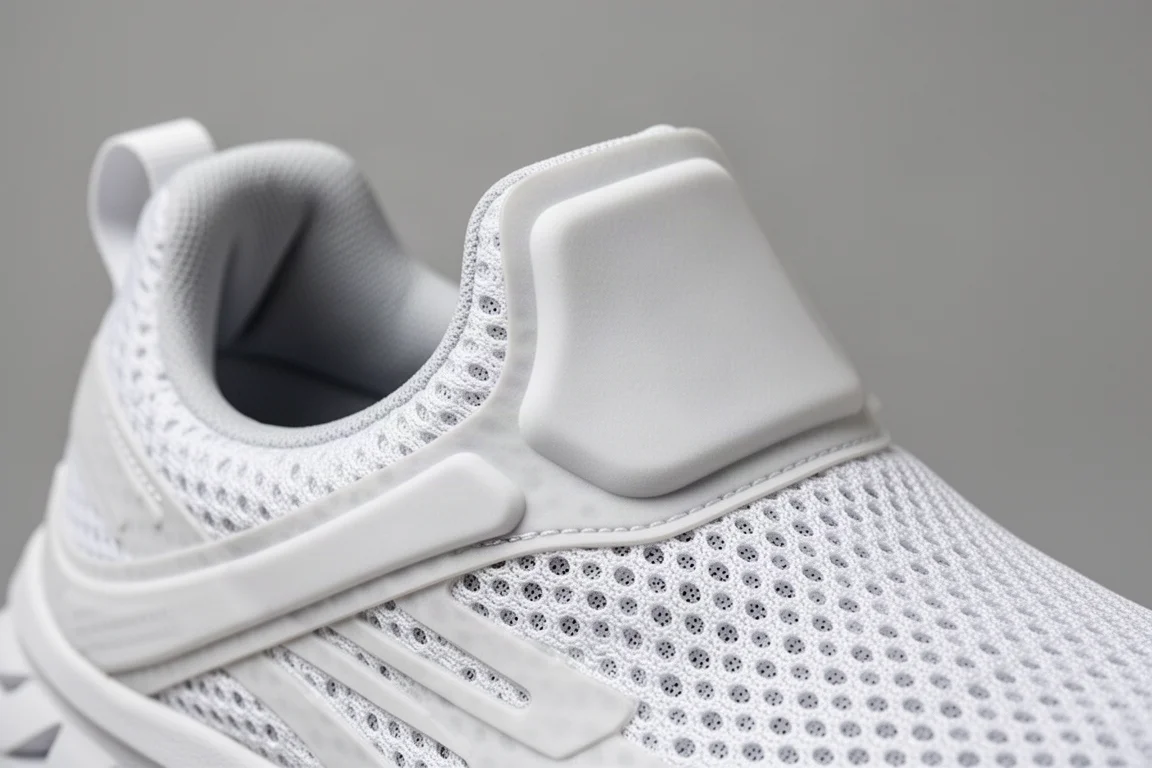
The one cost is weight: all of that added structure makes this a heavier shoe than before, at 11.9 oz for a US men’s 10. On foot it does not feel as heavy as it does in hand, and the performance gains feel worth it.
Fit is also a reason for lacing skeptics to look again. Nike now uses a specific trail last. Width feels average rather than wide, but forefoot volume is greater than ever, so runners who previously found Nike shoes too tight have a genuine reason to try this one. Heel slippage appeared initially with casual lacing, but threading the laces through the upper eyelets pulled the heel into its well-structured cushioned pocket, and it stayed there. The midfoot adds supportive wings between the gusset and the outer mesh layer, creating a layered lockdown that works with the tongue. The result is arguably the best combination of comfort and lockdown among high-stack trail shoes.
Midsole and Ride: ZoomX With a Safer Layer
Underfoot, Nike moved from the previous rim-and-core construction to a traditional two-layer system. That allowed a bathtub construction, so you sit slightly down into the midsole, a proven recipe for high-stack trail shoes that still need control. It also means more ZoomX foam sits right underfoot, and ZoomX is special: highly cushioned, energetic, and lively.
Because ZoomX alone would be too unstable for trails, a second layer of Cushlon 3.0, described as the softest version of that material yet, adds structure. Combined with a wider base than ever and a subtle forefoot rocker, the result is a shoe that can handle rocky technical terrain without losing smoothness on easier ground. It even feels good on pavement.
Outsole: Less Rubber, But It Works
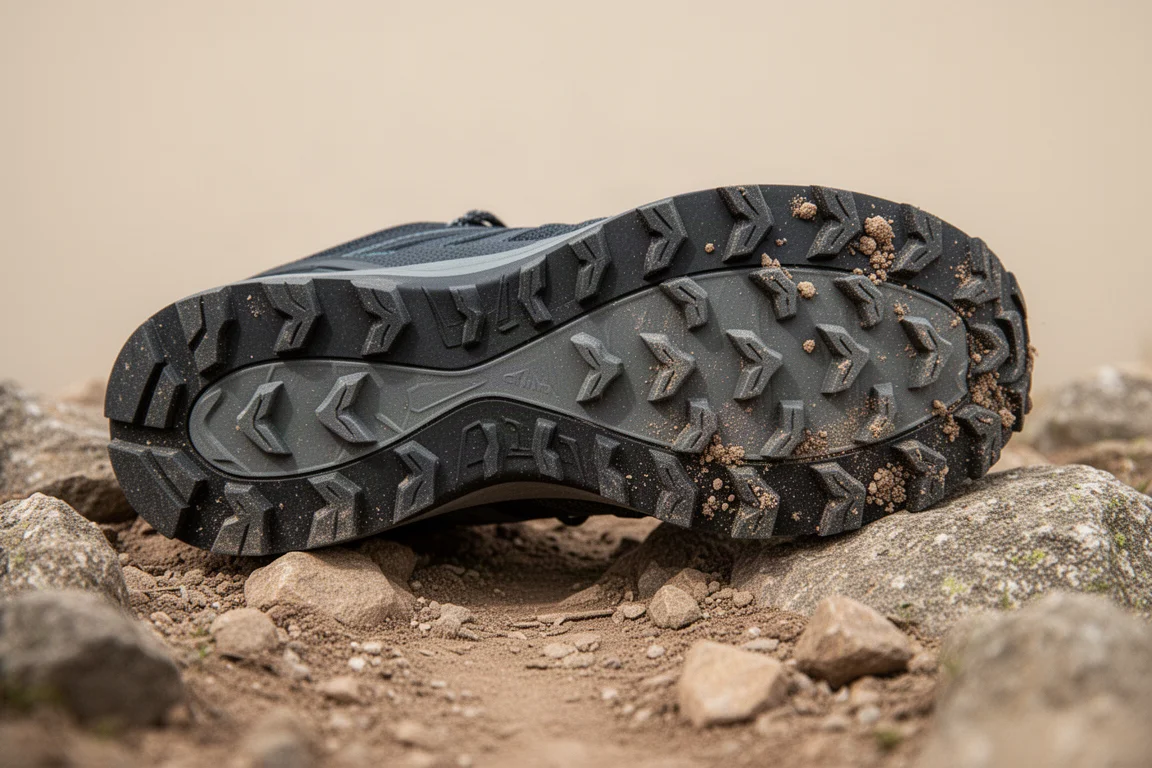
Vibram Megagrip with micro-traction, multi-shaped lugs mapped to high-impact foot strike zones does the job, and some people will still grumble about the partial rubber coverage on a rugged-terrain shoe. But the exposed midfoot allows a touch of ground feel that most high-stack shoes simply cannot offer. Grip on rocky, hard-packed, and wet surfaces was consistently strong, and durability so far shows no concerns. Nearly 50 miles of mixed road, hardpack singletrack, and rugged rocky trails left no chunks missing from the outsole.
How It Compares
The Zegama Trail does not have a one-to-one rival. It feels like a merger of the Salomon S/Lab Ultra Glide 2’s rolling technical capability with the Prodigio Pro’s unique underfoot ride, or the Kiprun Kip Summit Max’s underfoot sensation paired with the fit and function of the North Face VECTIV Infinite 3. Add a hint of the Hoka Mafate Speed 4 mixed with the efficient ride of the On Cloud Ultra Pro, and you get something close to what Nike has built here.
Durability, Specs, and Price
Key specs: a 38 mm heel to 34 mm forefoot stack, meaning genuinely high cushion, yet the shoe remains proficient across pavement, ridges, and technical rock. That versatility is rare in this category. At $170, the price sits within the common $150 to $180 range for high-stack trail shoes, and given the design and performance, it reads as fair value. Durability expectations are healthy too: this is the kind of package that could plausibly go 300 to even 500 miles while retaining much of its character.

Verdict
Design earns an A, held back only by the weight gain from a near-top score. Performance earns an S, because this is one of very few high-stack shoes that can genuinely handle rugged terrain while keeping the foot locked in and comfortable. Value lands at an A for what you get at $170. Overall, the Nike ACG Zegama Trail earns an S. It has been a long time since a shoe delivered this much fun mile after mile, and it holds its own against recent category leaders like the Norda 005 and La Sportiva Prodigio Pro.
Conclusion
If you want high-stack cushioning that does not fall apart the moment the trail gets rocky, the Nike ACG Zegama Trail is finally the shoe the line was always meant to be. The extra weight is the trade-off, and it is a reasonable one for the lockdown, comfort, and confidence you get in return.
Product link
View more details for Nike ACG Zegama Trail
This product is mentioned in the review. Check the specifications, options, and compatibility before buying.
View more details for Nike ACG Zegama TrailFurther reading
Related Reviews
Trail Running Shoes
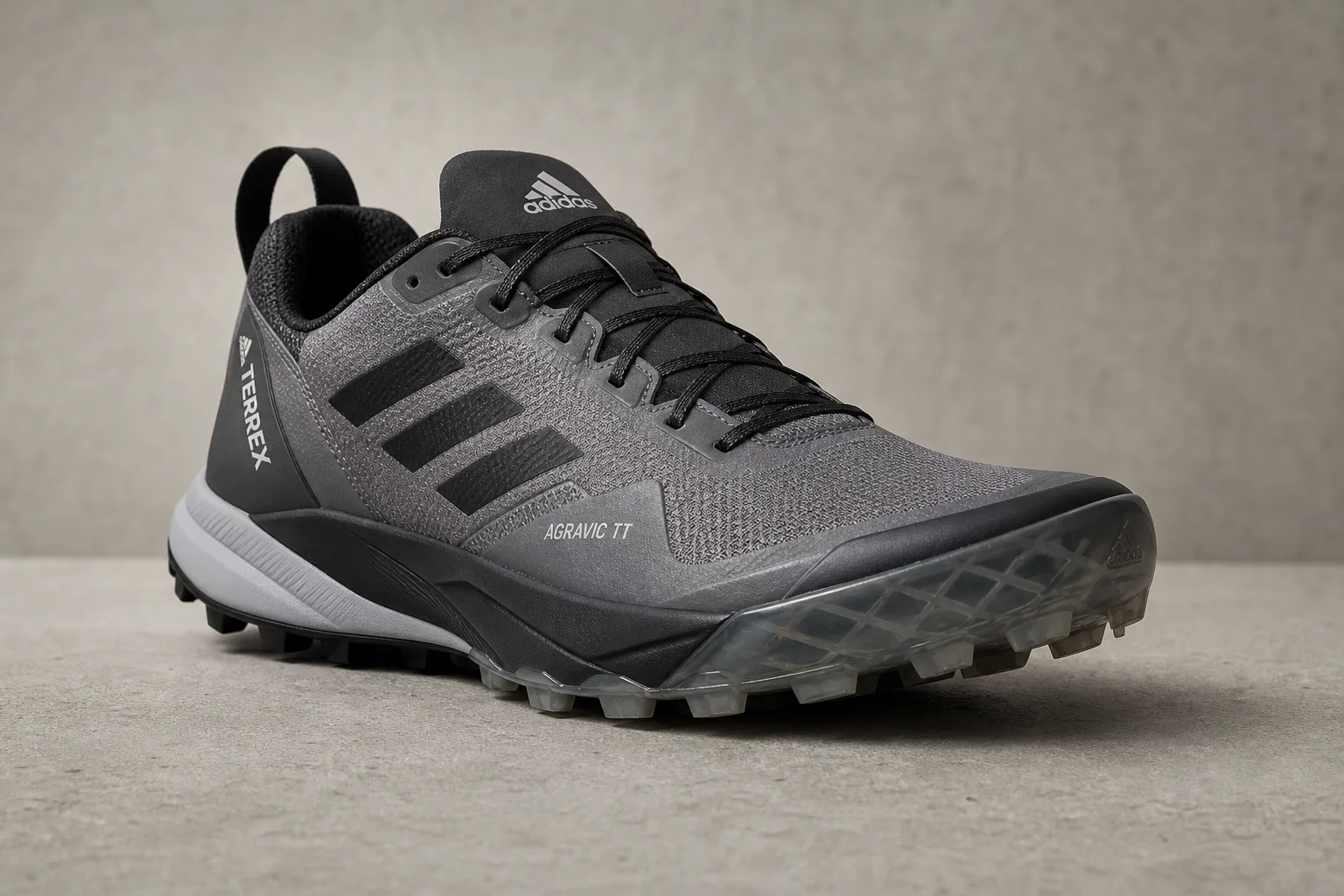
Adidas Terrex Agravic TT Review: A Technical Trail Shoe Built for Rocky Terrain
The Adidas Terrex Agravic TT combines a full-coverage rock plate with a firmer midsole to deliver protection and stability on technical, rocky trails. A capable choice for runners who prioritize underfoot defense over lightweight cushioning.
Trail Running Shoes
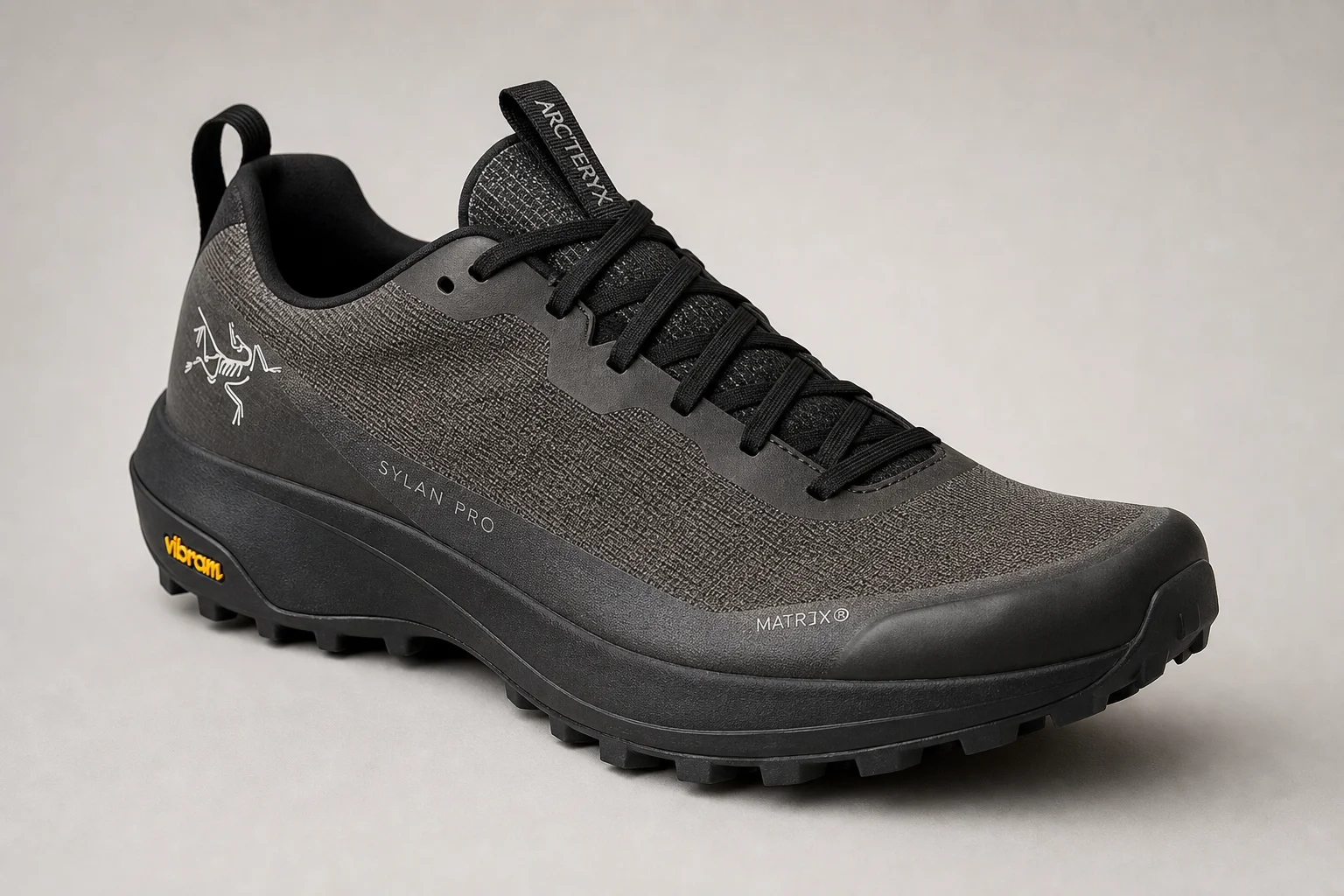
Arc'teryx Sylan Pro Review: A Rocker-Focused Mountain Running Shoe Tested on 20 Miles
The Arc'teryx Sylan Pro brings a pronounced rocker geometry and secure fit to mountain terrain. We tested it on a 20-mile Sawtooth loop to evaluate its climbing efficiency, protection, and handling of technical descents.
Trail Running Shoes
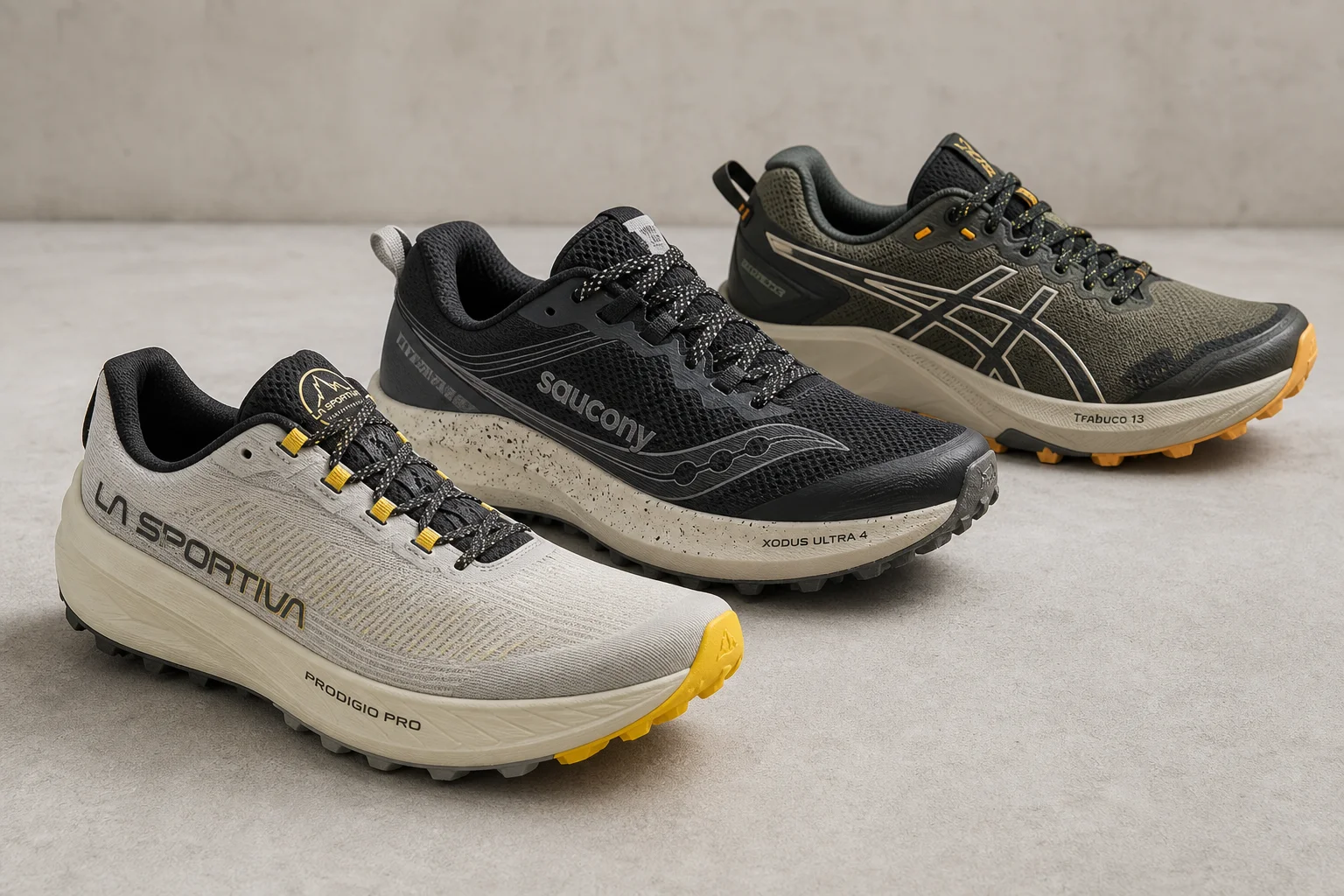
Best All-Mountain Trail Running Shoes: Three Versatile Options for Any Trail
A focused roundup of three all-mountain trail running shoes that handle technical terrain, long distances, and variable conditions with real strengths and practical trade-offs.