Trail Running Shoes
Nike ACG Ultrafly Review: A Gorgeous Trail Racer That Demands Patience
The Nike ACG Ultrafly looks like the future of trail racing, but a firm plate, steep drop, and narrow terrain window mean it needs the right runner and the right trails.
Introduction
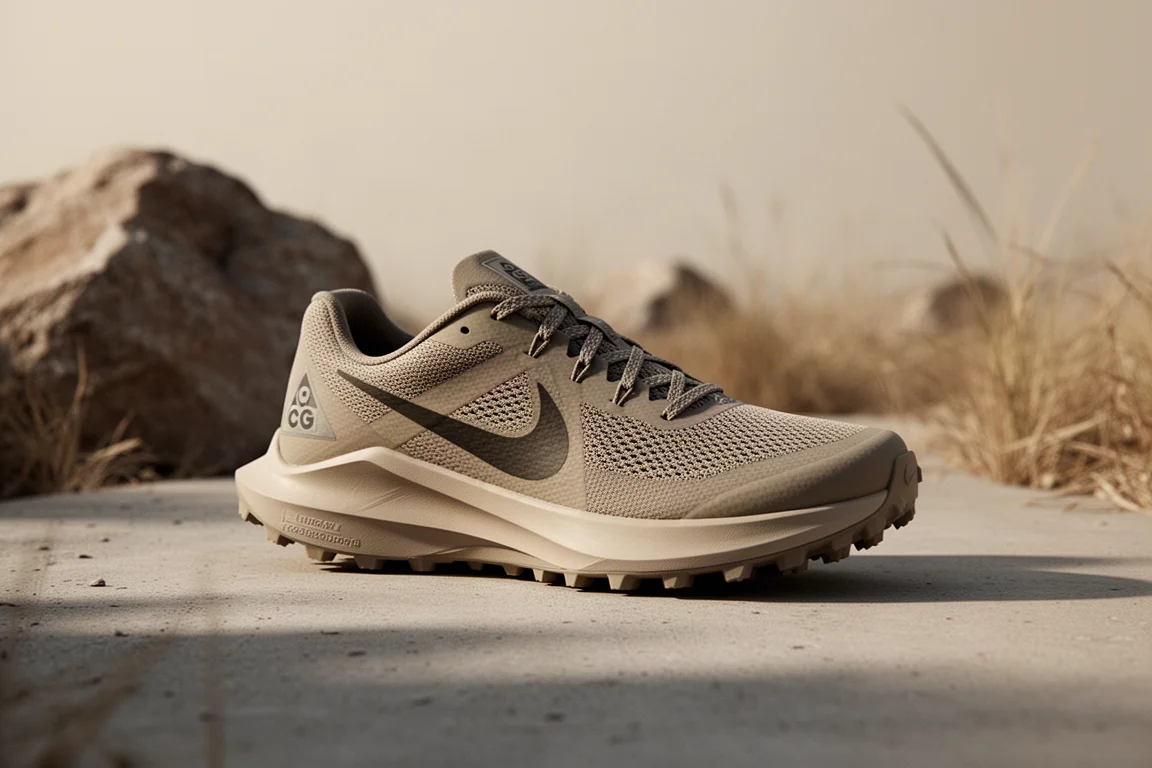
Few trail shoes arrived with more anticipation than the Nike ACG Ultrafly. The marketing has been superb, the design language even better, and on the shelf it looks like exactly the kind of shoe that should take over your racing rotation. Both of us wanted it to be that shoe. After putting real miles on it, the honest answer is more complicated: this is a genuinely fast, genuinely beautiful shoe that only sings in a fairly narrow band of terrain, and it takes real breaking in before it gets there.
Who This Shoe Is For
The runner most likely to love the Ultrafly is a road runner crossing over from road marathoning. The ride feels close to the Vaporfly experience, with a firm, unilateral responsiveness that road racers already know how to use. If you are comfortable with a road racing style translated to the trail, this shoe makes a lot of sense.

It is also a shoe for people who like a snug, structured fit and are patient enough to let the foam and plate break in. If you expect a set-and-forget, super-soft racing experience from the first step, this is not that shoe.
The Strengths
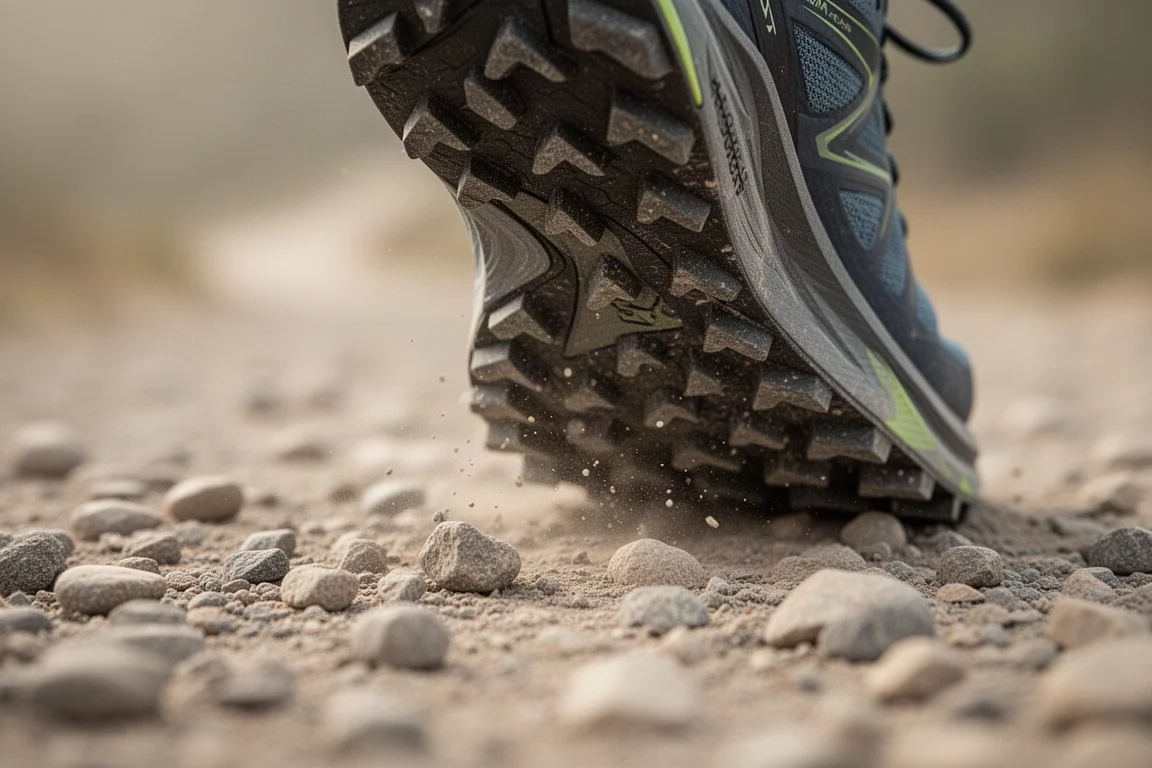
The Megagrip outsole is the headline. The lugs are small and shallow, which sounds like a knock but is actually the point: on smooth singletrack, gravel roads, and light trail, this shoe is genuinely fun and fast. Door-to-trail runs and undulating buffed-out routes are where it sings.
The upper is another standout. A really technical engineered mesh offers a snug, breathable fit, with small perforations that help with water drainage. The forefoot is slightly broader than most Nike road shoes, though not by much, and the midsole overlay that wraps the foam adds subtle stability while protecting what is quite a soft midsole material. The structured, padded heel follows a trend seen in shoes like the Hoka Rocket X Trail and OnCloud Ultra Pro, and once you work with it, it locks down securely.
There is also an unsung efficiency here. Once the shoe broke in, pace at a given effort was faster than expected, especially on gravel and light trail.
Things to Consider Before Buying
This is a shoe that needs breaking in, which is rare these days. The foam has to soften and the full-length plate has to start flexing, and the plate is very firm out of the box, particularly in the midfoot. That rigidity pushed pressure into the midfoot, arches, and calves on uphills for both testers, even a smaller runner under 120 pounds.

The geometry is aggressive too: roughly 30 mm at the heel tapering to a 29.5 mm forefoot, an 8.5 mm drop that is steeper than the 3 to 6 mm range most trail shoes sit in. Combined with the high stack, that made us noticeably more cautious on descents. It never felt outright unstable, but we did not trust it enough to run technical downhills the way we would in more secure-feeling shoes.
Fit is more structured than the previous version and slightly slimmer. One tester took half a size up from their usual Nike size and it worked, but the heel took real effort to lock in early on, and the stock insole was extremely difficult to remove. One more small but real gripe: no quick-pull race laces on a race day shoe, from the brand that started the trend.
Buying Advice
Nike markets this for anything from light to technical trail racing, and that is where the disappointment lives. On moderate to technical terrain, the plate does not conform the way split-plate designs like the Hoka Tecton X3 do, and the ride bounces you where the plate wants to go rather than where the trail does. Take the marketing at its narrowest reading instead: this is a light trail, gravel, and road-to-trail racing shoe.
Ease into it. One tester ran about 26 miles over two days and needed time off afterward with sore calves and aggravated tendons. Rotate it in gradually rather than stacking big miles immediately. The claimed price is $259.95, which sits at the top of the current trail racing field alongside shoes like the Norda 325. Longevity is unproven at this mileage, but if the plate keeps softening as the foam breaks in, the value case improves with every run.
Conclusion
The Nike ACG Ultrafly earns a B overall: an S-tier design and an A-tier look wrapped around a performance profile that only delivers in the right conditions. For road-to-trail racers who love Nike fit and are willing to break the shoe in, it is one of the better options in that specific category. For technical trail racing, look elsewhere until the next iteration, ideally a lower, more forgiving version that deserves the all-conditions name.
Product link
View more details for Nike ACG Ultrafly
This product is mentioned in the review. Check the specifications, options, and compatibility before buying.
View more details for Nike ACG UltraflyFurther reading
Related Reviews
Trail Running Shoes
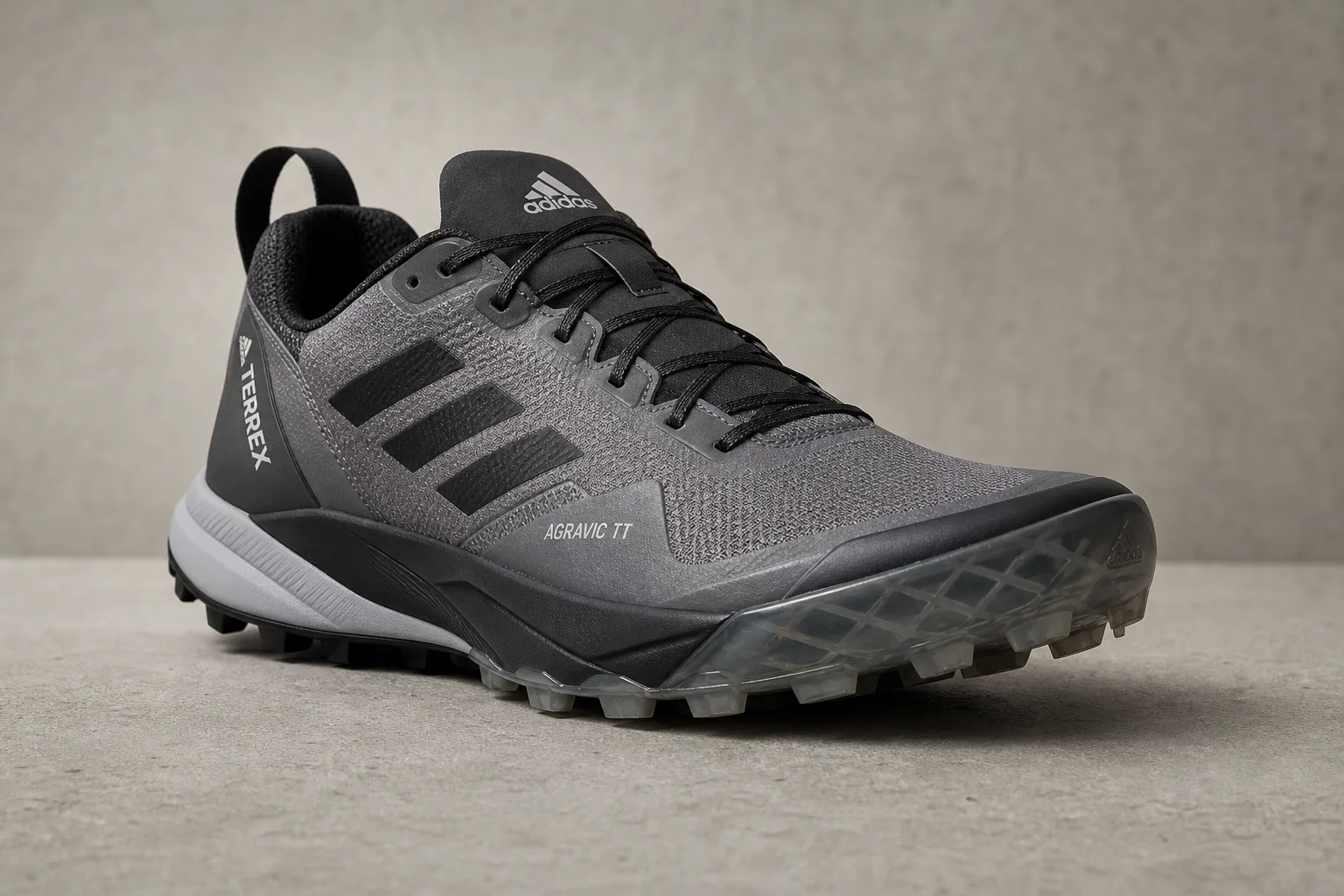
Adidas Terrex Agravic TT Review: A Technical Trail Shoe Built for Rocky Terrain
The Adidas Terrex Agravic TT combines a full-coverage rock plate with a firmer midsole to deliver protection and stability on technical, rocky trails. A capable choice for runners who prioritize underfoot defense over lightweight cushioning.
Trail Running Shoes
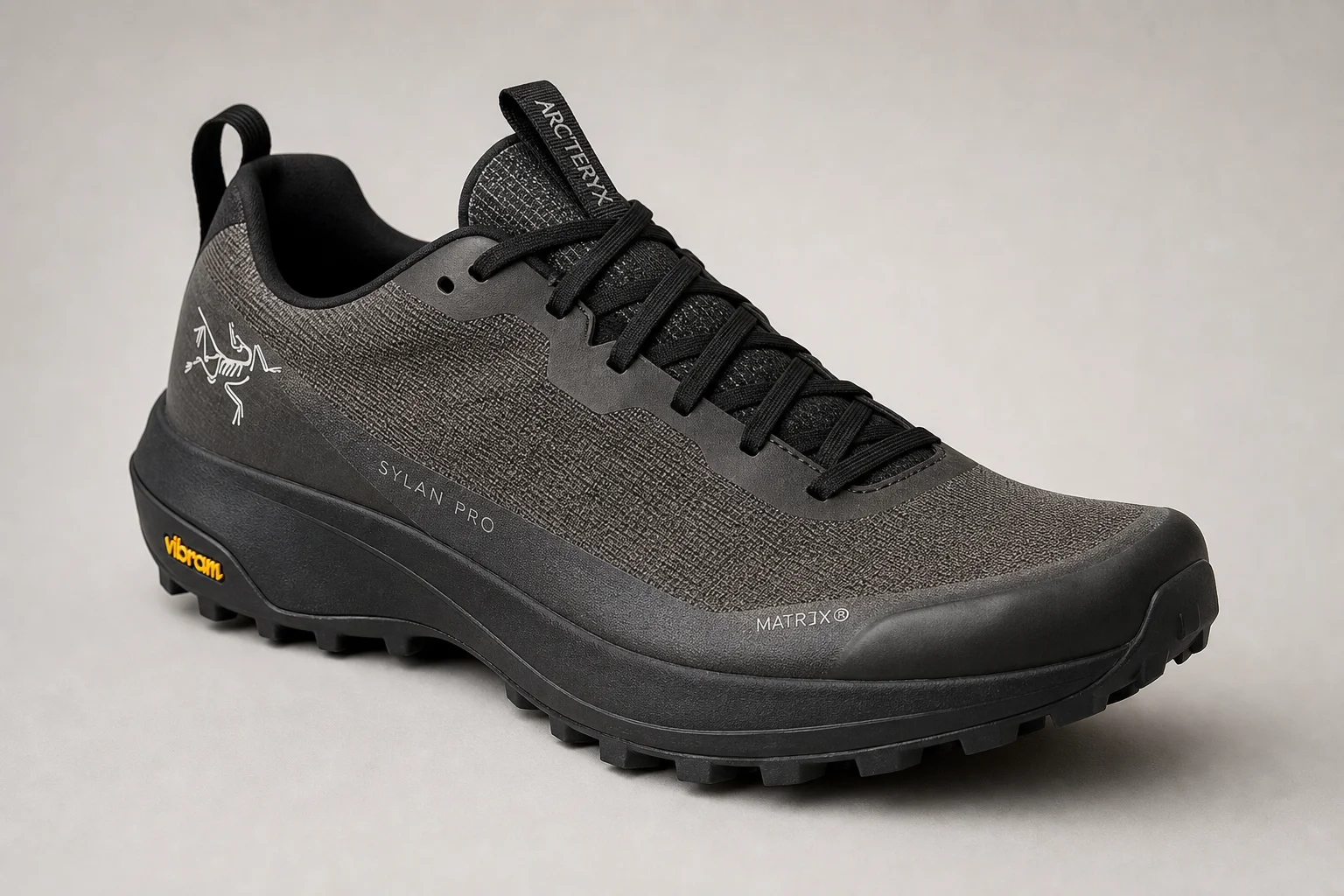
Arc'teryx Sylan Pro Review: A Rocker-Focused Mountain Running Shoe Tested on 20 Miles
The Arc'teryx Sylan Pro brings a pronounced rocker geometry and secure fit to mountain terrain. We tested it on a 20-mile Sawtooth loop to evaluate its climbing efficiency, protection, and handling of technical descents.
Trail Running Shoes
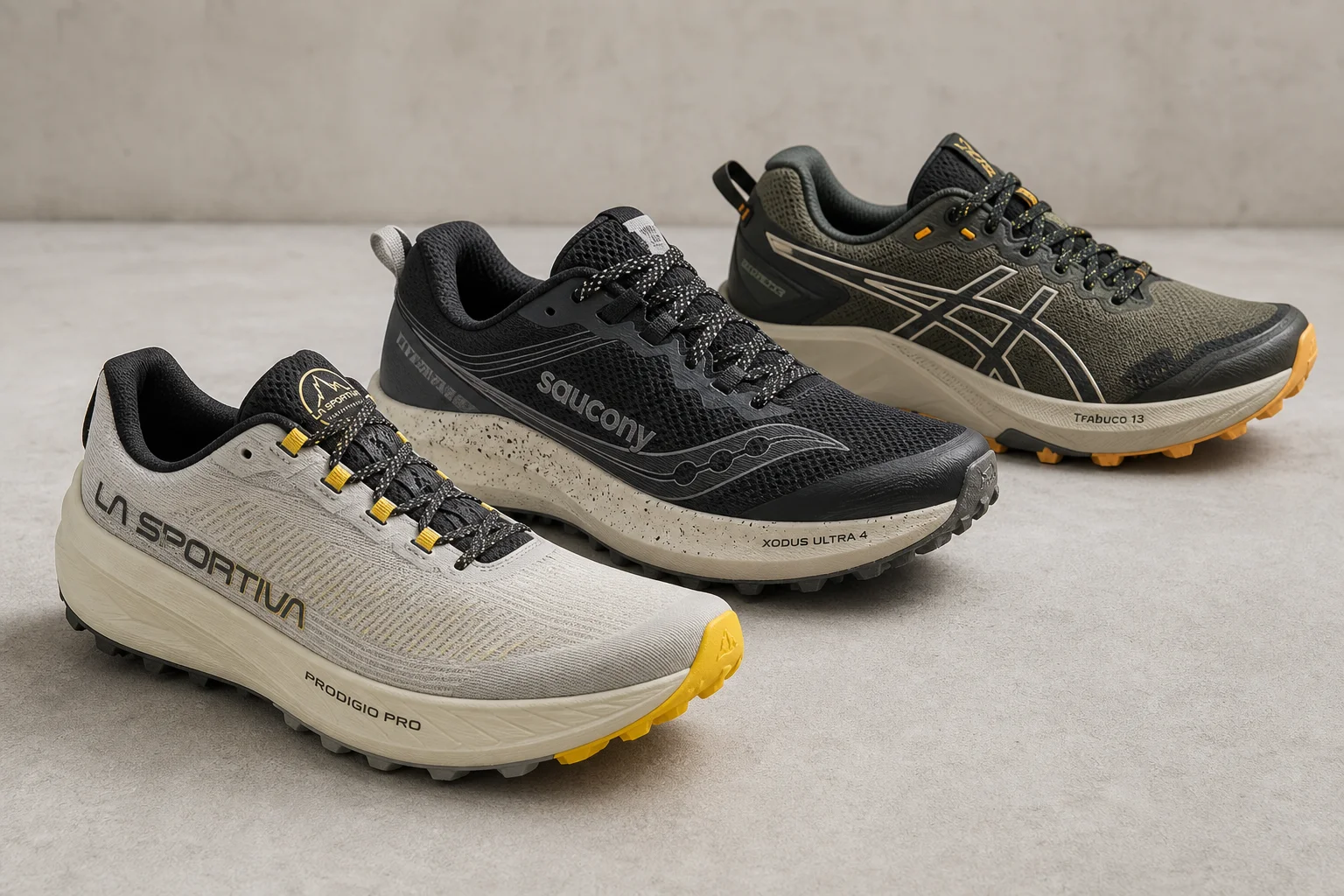
Best All-Mountain Trail Running Shoes: Three Versatile Options for Any Trail
A focused roundup of three all-mountain trail running shoes that handle technical terrain, long distances, and variable conditions with real strengths and practical trade-offs.