Trail Running Shoes
Nike ACG Ultrafly First Run: An Efficiency-First Trail Racer
A first-run look at the Nike ACG Ultrafly, a ZoomX-cushioned ultra-distance trail racer built for efficiency rather than flashy pop.
Introduction
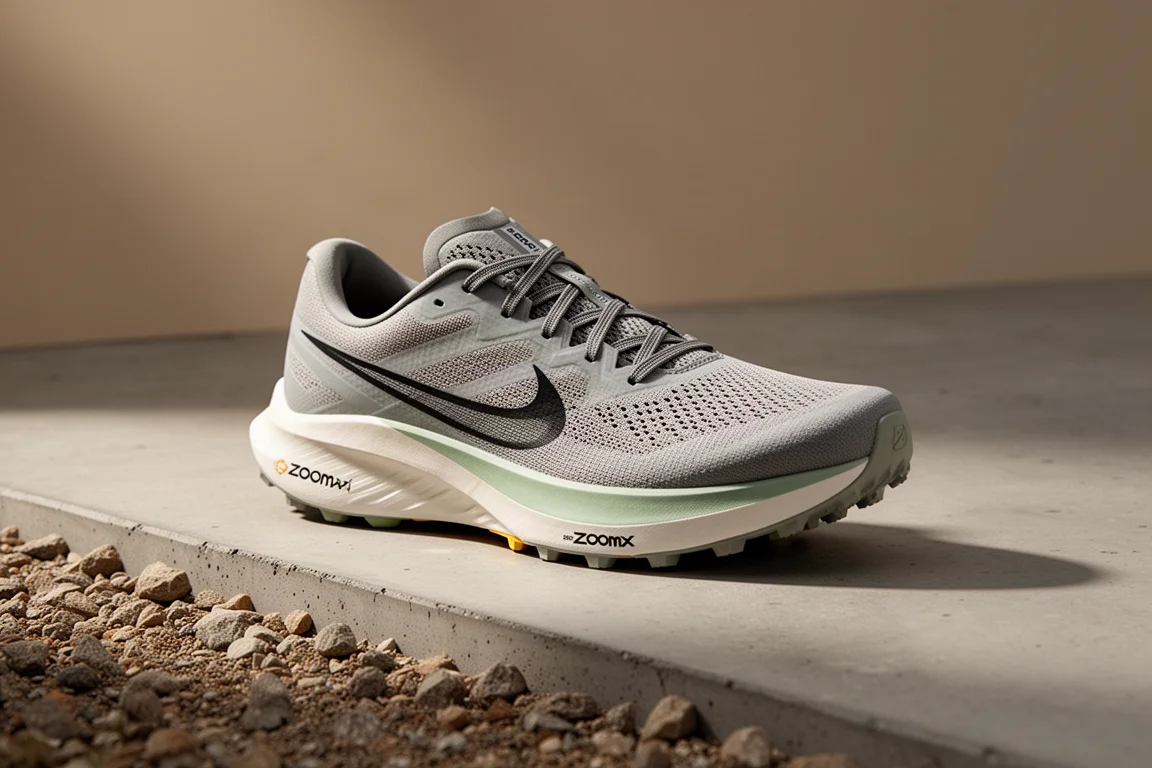
The Nike ACG Ultrafly, sometimes referred to as the ACG Ultrafly 2 though Nike is particular about branding it as the ACG all conditions Ultrafly, is one of the most anticipated trail shoes of the year. After a first run, it is easy to see why. This is an update that keeps a lot of what worked in the first version while rethinking and overhauling many of the details around it.
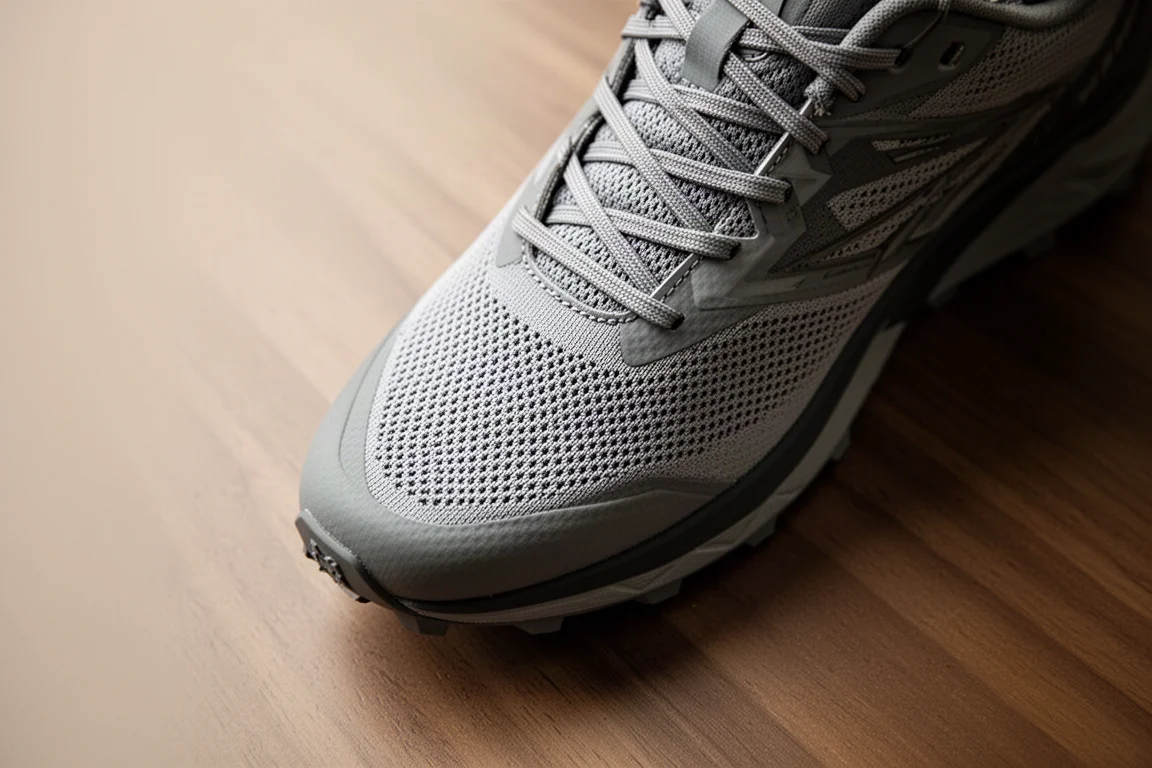
The formula will feel familiar: a ZoomX midsole with the forefoot wrapped in an overlay rather than exposed mesh, a lightly engineered mesh upper, and a Vibram Mega Grip outsole with subtle lugs. The result is a shoe aimed squarely at efficient ultra-distance racing rather than exciting, bouncy speed.
First Impressions: Familiar Formula, Refined Execution
Right out of the box, the biggest surprise is the firmness. Pressing into the ZoomX at the heel feels very good, but the forefoot reads much firmer because it is wrapped in that overlay, which is there to add stability to the front of the shoe. Overall the ride feels medium density, not as soft as expected, and a touch firmer than the first version.

The Ride: Firm, Medium Density, Surprisingly Fast
The Ultrafly is oriented toward efficiency rather than exciting speediness, and that shows in a category trend: shoes like the Cloud Ultra Pro and Hoka Rocket X Trail also lean on efficiency above all. Nike clearly wants this to be a super efficient ultra-distance racer.
The evidence showed up quickly on a route that mixed a gravel road, single track, and a stretch of pavement. Without pushing the pace or picking it up at all, the shoe was holding sub-7-minute pace effortlessly. There is no overly exciting toe-off or bouncy foam here; it just feels really good and quietly fast. Runners who enjoy that Vaporfly-style efficiency on race day should feel right at home on the trails.
Fit and Toe Box: Slimmer Than the First Version
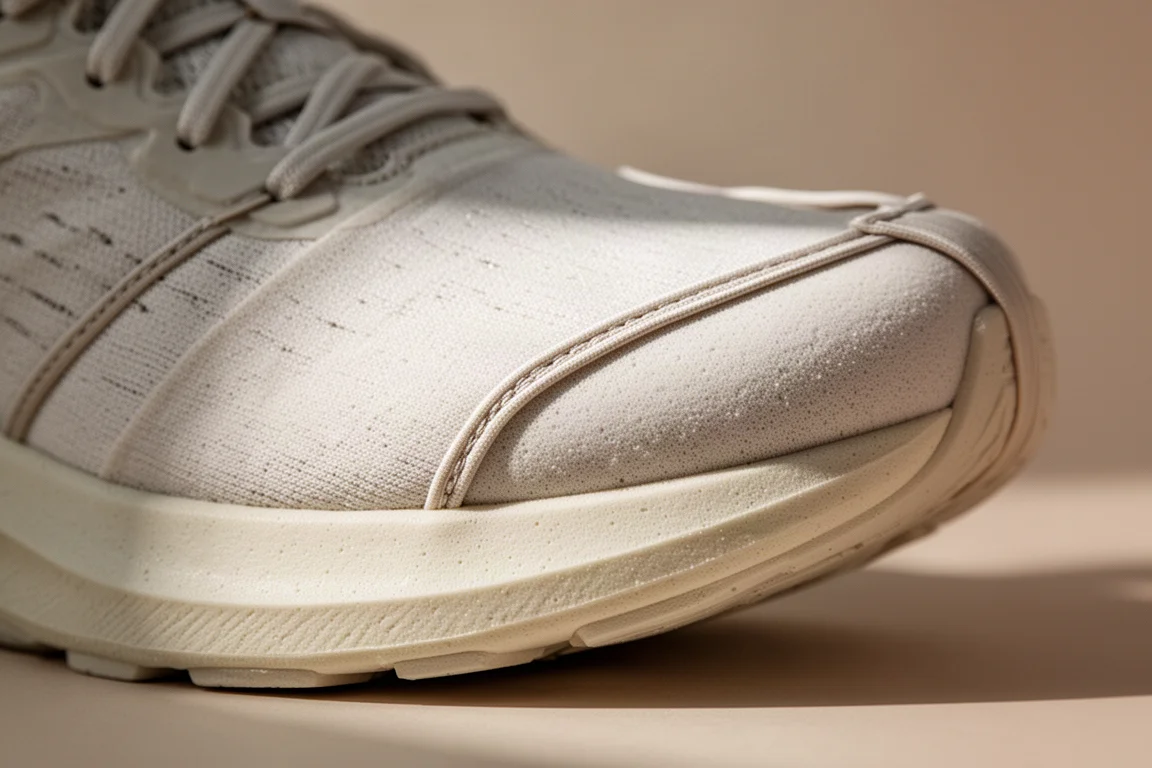
The toe box is the most noticeable change from the first version. The original accommodated more foot shapes, while this one is true Nike: much slimmer and more pointed. That taper was felt throughout the run, and it delivered a really nice fit for the tester. The structured, padded heel also returns, which is a welcome feature in a trail racer.
Outsole and Traction: Built for Dry Efficiency
The Vibram Mega Grip outsole carries over with subtle, low-profile lugs that are barely visible. On a mostly dry first run with a little ice and snow here and there, there was no slippage anywhere, and the shoe performed very well.
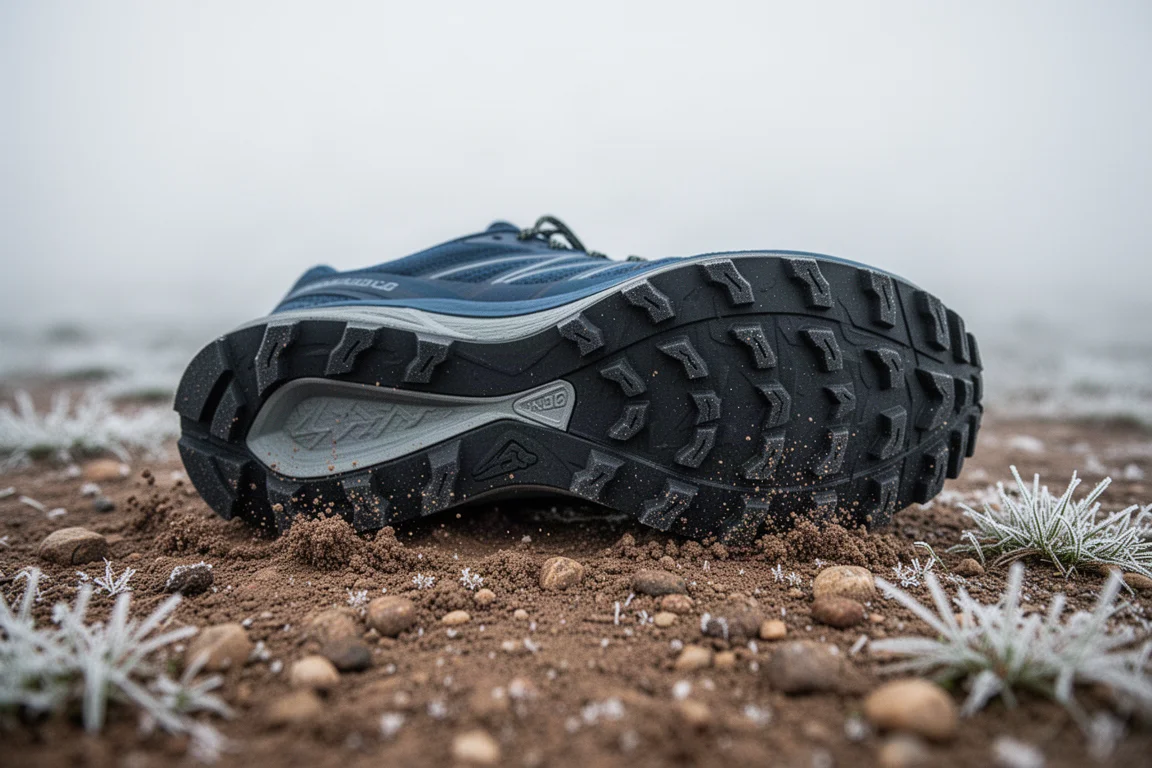
The shallow lug depth does raise a reasonable question: on wetter terrain, softer ground, or sandy areas, traction could become a problem. For dry, hard-packed routes, though, the outsole did everything asked of it.
Things to Consider Before Buying
This is a firm, medium-density shoe, so runners expecting plush ZoomX softness should temper expectations. The slimmer, pointier toe box will not suit everyone, and the subtle lugs limit confidence on wet, soft, or sandy surfaces. None of these are flaws so much as deliberate trade-offs in a shoe built for efficient ultra racing.
Conclusion
The Nike ACG Ultrafly impressed in ways that were not expected: an efficient, quietly fast ride, a refined fit, and reliable dry-ground traction. It is not the softest or most exciting shoe, but as an ultra-distance trail racer it makes a compelling case, and there are plenty more miles to come in this one.
Product link
View more details for Nike ACG Ultrafly
This product is mentioned in the review. Check the specifications, options, and compatibility before buying.
View more details for Nike ACG UltraflyFurther reading
Related Reviews
Trail Running Shoes
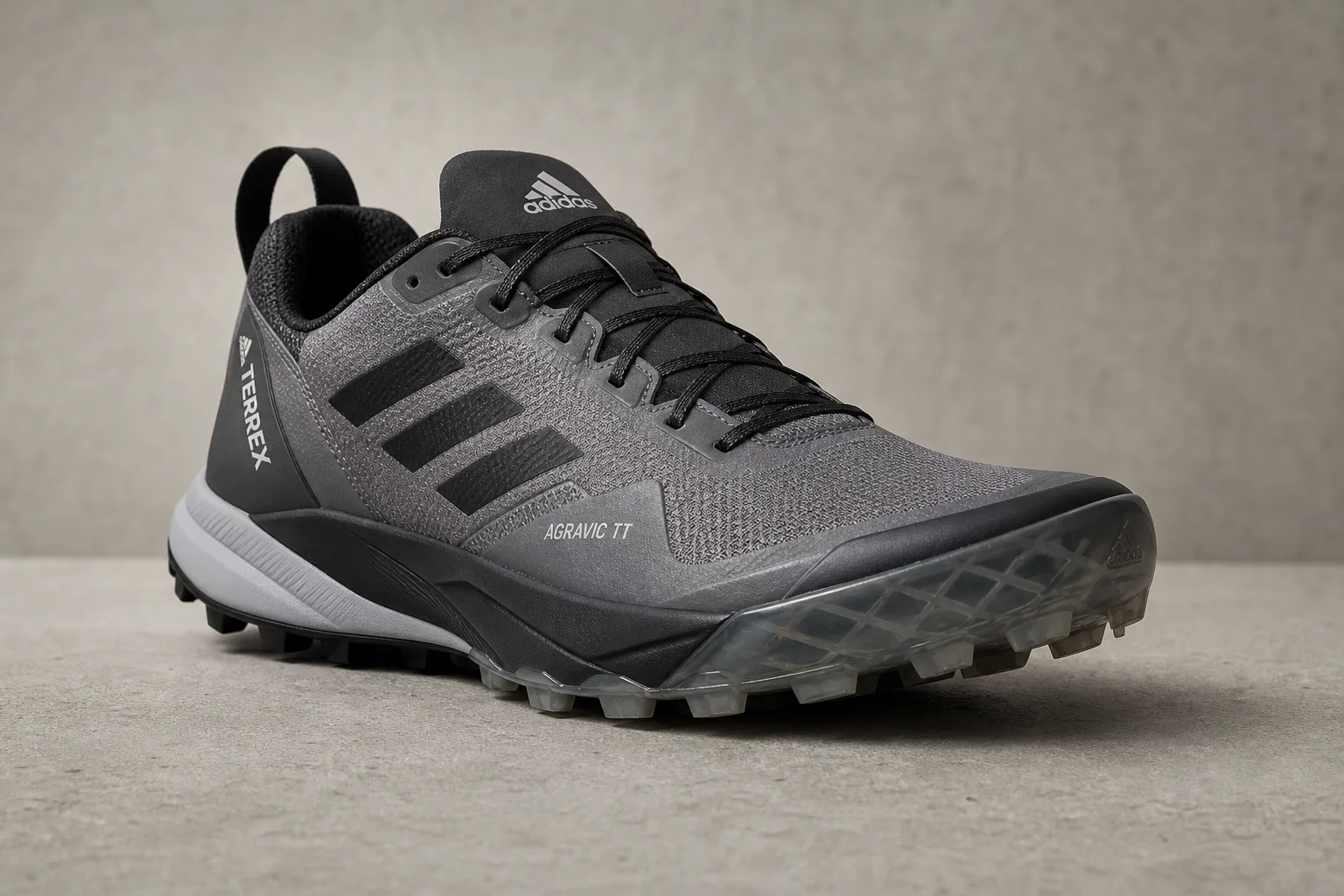
Adidas Terrex Agravic TT Review: A Technical Trail Shoe Built for Rocky Terrain
The Adidas Terrex Agravic TT combines a full-coverage rock plate with a firmer midsole to deliver protection and stability on technical, rocky trails. A capable choice for runners who prioritize underfoot defense over lightweight cushioning.
Trail Running Shoes
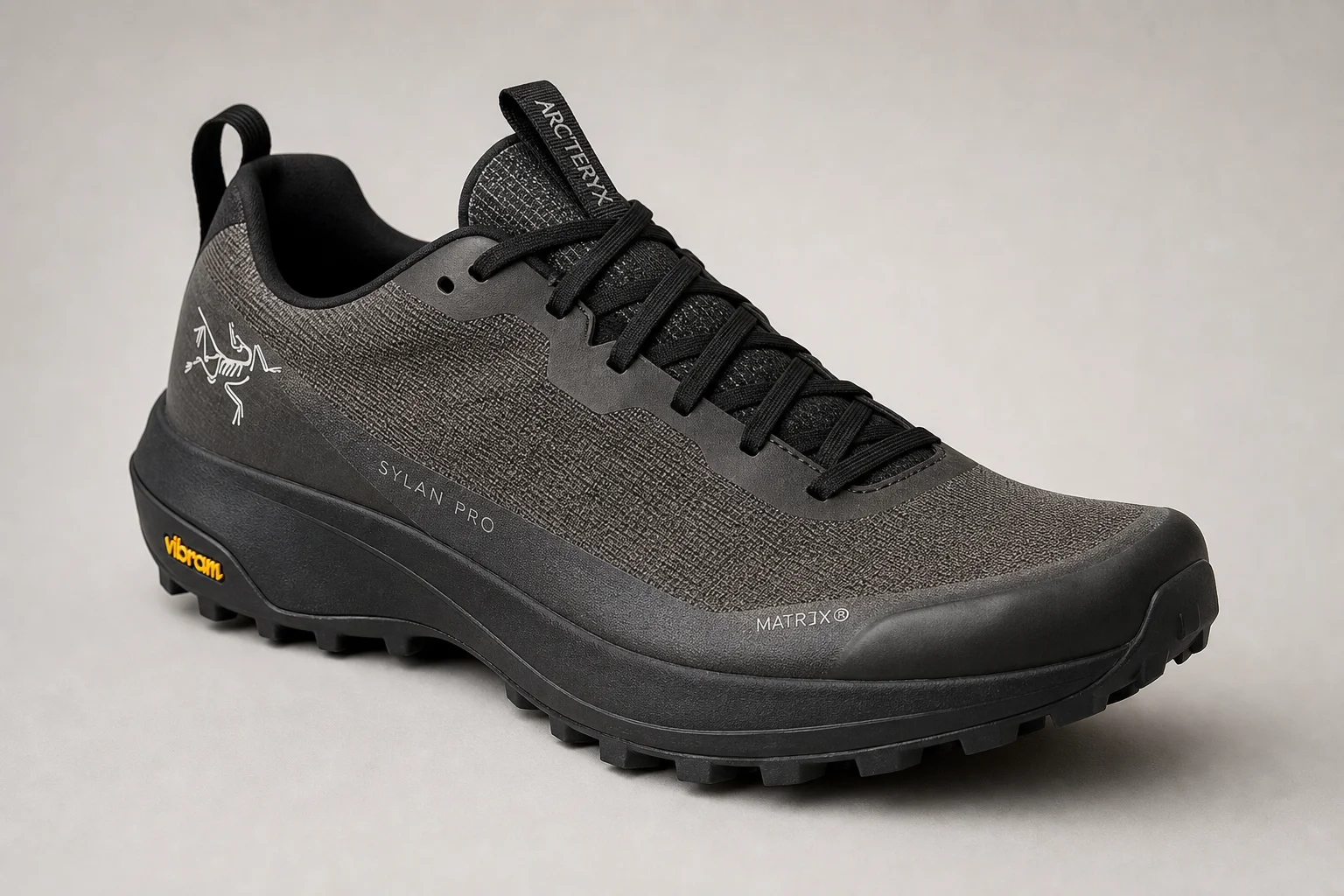
Arc'teryx Sylan Pro Review: A Rocker-Focused Mountain Running Shoe Tested on 20 Miles
The Arc'teryx Sylan Pro brings a pronounced rocker geometry and secure fit to mountain terrain. We tested it on a 20-mile Sawtooth loop to evaluate its climbing efficiency, protection, and handling of technical descents.
Trail Running Shoes
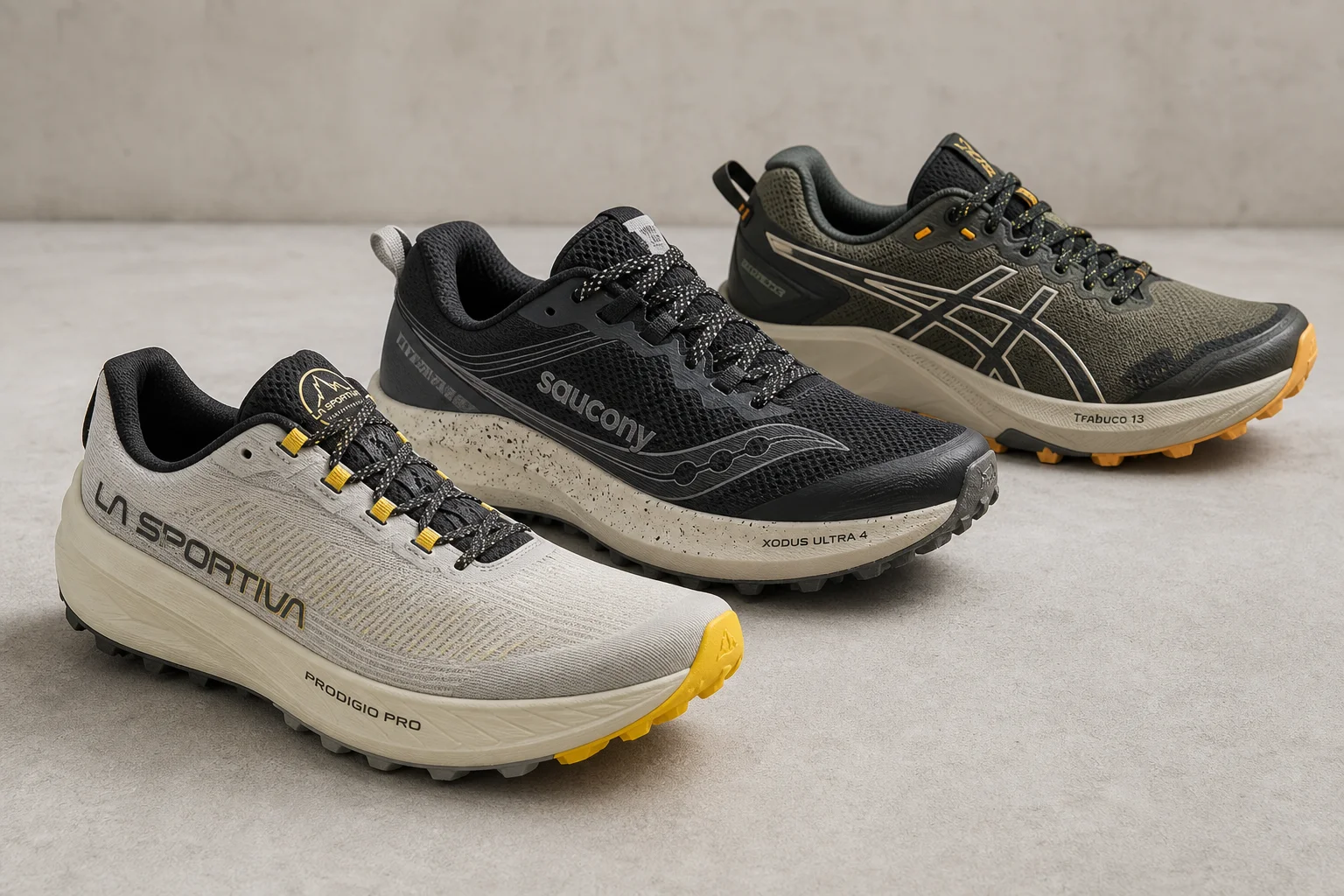
Best All-Mountain Trail Running Shoes: Three Versatile Options for Any Trail
A focused roundup of three all-mountain trail running shoes that handle technical terrain, long distances, and variable conditions with real strengths and practical trade-offs.