Trail Running Shoes
Nike ACG Pegasus Trail Review: Nike's Road-to-Trail Staple Finally Gets It Right
A broader fit, a more stable base, and genuinely dependable all-conditions traction make this the most versatile Pegasus Trail yet.
Introduction
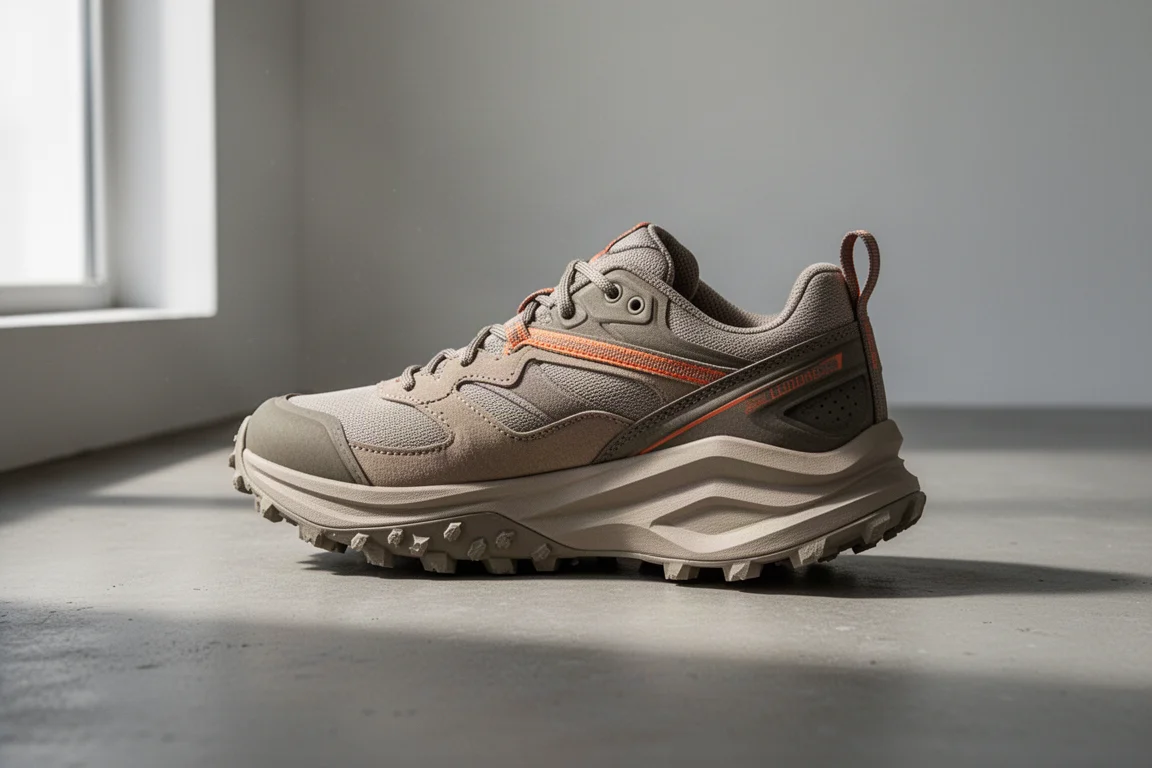
The Nike ACG Pegasus Trail has long been Nike’s most consistent performer on the trail side, and it is the brand’s most popular trail shoe. That is not entirely surprising given its roots: it is built directly on the Pegasus, Nike’s tried-and-true road staple with close to 50 iterations. This version follows the old-school recipe for a trail shoe: add more tread, reinforce the upper a bit, and call it good. For the most part, that works well in its intended road-to-trail role, covering pavement, gravel, and light trail.
What is different this time is the ACG treatment, and it changes more than the styling.
What the ACG Treatment Changes
The most meaningful update is the upper. Following the direction Nike took with the Zegama and the Ultra Fly, the ACG Pegasus Trail has a noticeably broadened upper that adds volume, particularly in the forefoot. It is not a wide shoe, but a borderline-wide forefoot with an otherwise average fit sits comfortably inside it. That should win over people who previously stayed away from the Pegasus Trail because of the fit.
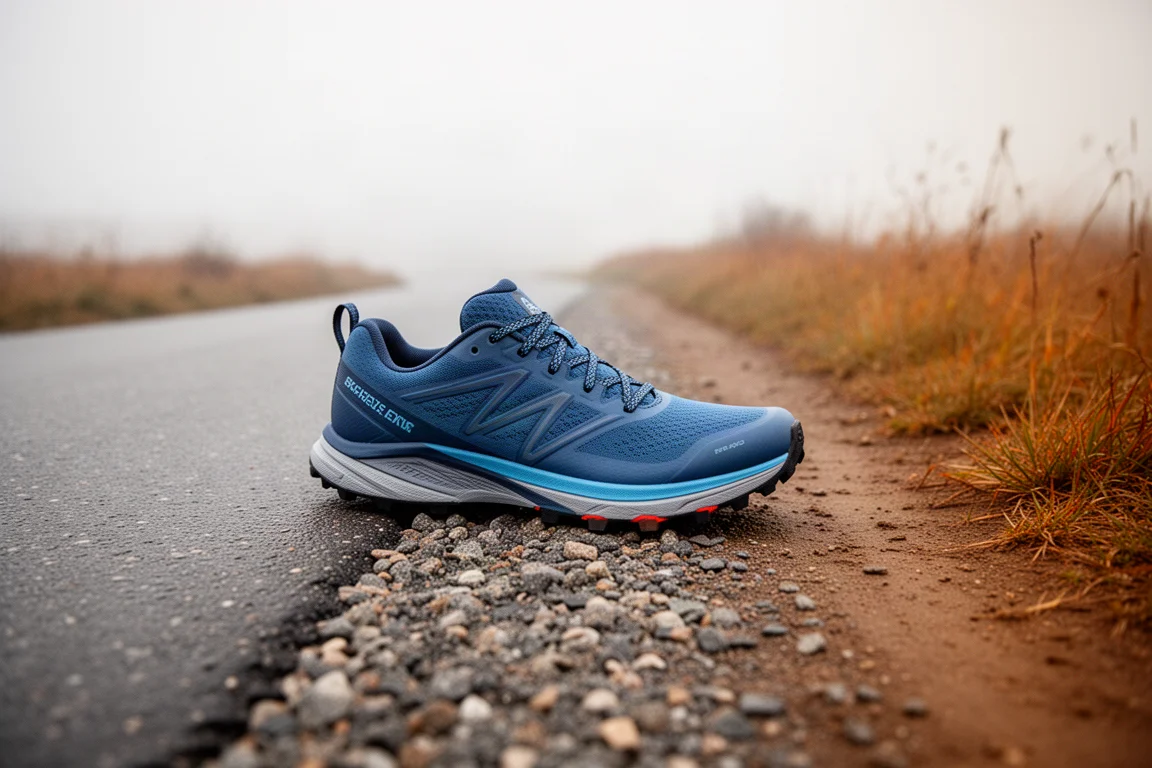
The fit details extend further. There is a more reinforced lacing chain, a very stout padded heel counter, and a comfortable step-in feel. Traditional lacing is retained, with the option of using two extra eyelets for a more locked-in fit, the kind of attention to fit that earns appreciation on trail shoes. For anyone wanting to cinch the fit down for light to moderate trails, this version does that better than any previous Pegasus Trail model.
The Underfoot Ride Needs Patience
Underfoot, the shoe uses ReactX, a dense midsole foam with a good amount of softness but not much bounce or character. The initial impression is blocky and firmer than expected compared to previous models. The spec is a 39 mm heel to a 31 mm forefoot, an 8 mm drop, which puts a big hunk of React foam in the heel. It felt stiff from the midfoot through the heel out of the box.
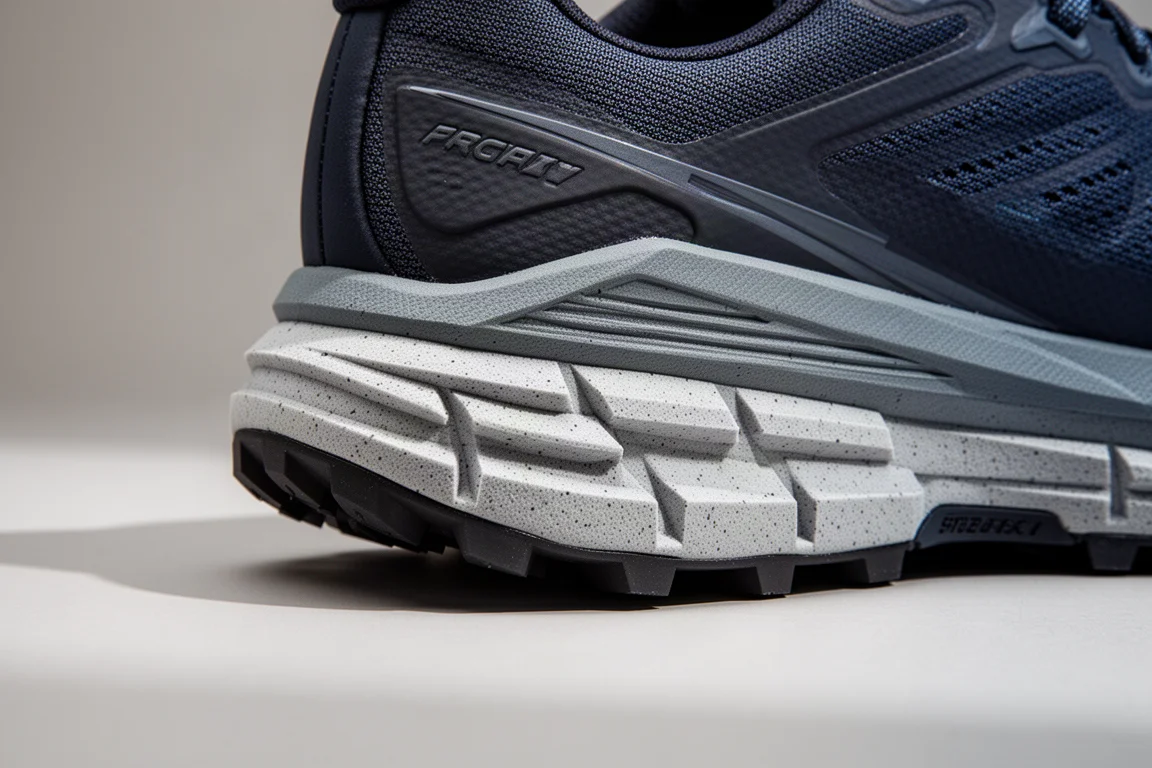
That stiffness softened up quickly. Even in the first run, which mixed singletrack, pavement, and gravel, the ride loosened up, and it kept improving over roughly 25 miles of testing, becoming more flexible and less blocky in the heel. It is a rare case where a shoe genuinely needs a break-in period rather than peaking straight out of the box.
Stability and Versatility Beyond Pavement
Stability is a clear improvement. Past Pegasus Trail models never felt particularly stable, but broadening the fit also widened the base, and that helped noticeably through the midfoot. The shoe separates itself from the road model a little more here and feels more trail ready as a result.

The combination of the better-fitting upper and the improved midsole means this version handles moderate trails comfortably, something earlier Pegasus Trail models could not manage. It is less limited than before and more versatile than first impressions suggested, making it a legitimate option when adventure calls beyond the light-trail label.
All-Conditions Traction Delivers
The ACG badge stands for all-conditions gear, and the traction holds up. Durability has been good so far, with no visible wear and tear. Testing in genuinely poor conditions, rain, snow, and puddles everywhere, showed the outsole doing its job across varied terrain, including slippery rocks. Past Pegasus Trail models had a poor reputation on this front, but this time the grip is something that works.
Buying Advice
Choose the Nike ACG Pegasus Trail if your running mostly lives on pavement, gravel, and light trails, with the occasional detour onto moderate terrain. Expect a dense, stable ride that rewards a short break-in period, and a roomier, more secure upper than previous versions. If you need a soft, lively foam feel from the first step, this is not the shoe for that.
Conclusion
The ACG Pegasus Trail is the most versatile and comfortable version of Nike’s road-to-trail staple to date. A broadened upper, a more stable base, and dependable all-conditions traction make it a stronger trail shoe than any previous iteration, and a pleasant surprise overall.
Product link
View more details for Nike ACG Pegasus Trail
This product is mentioned in the review. Check the specifications, options, and compatibility before buying.
View more details for Nike ACG Pegasus TrailFurther reading
Related Reviews
Trail Running Shoes
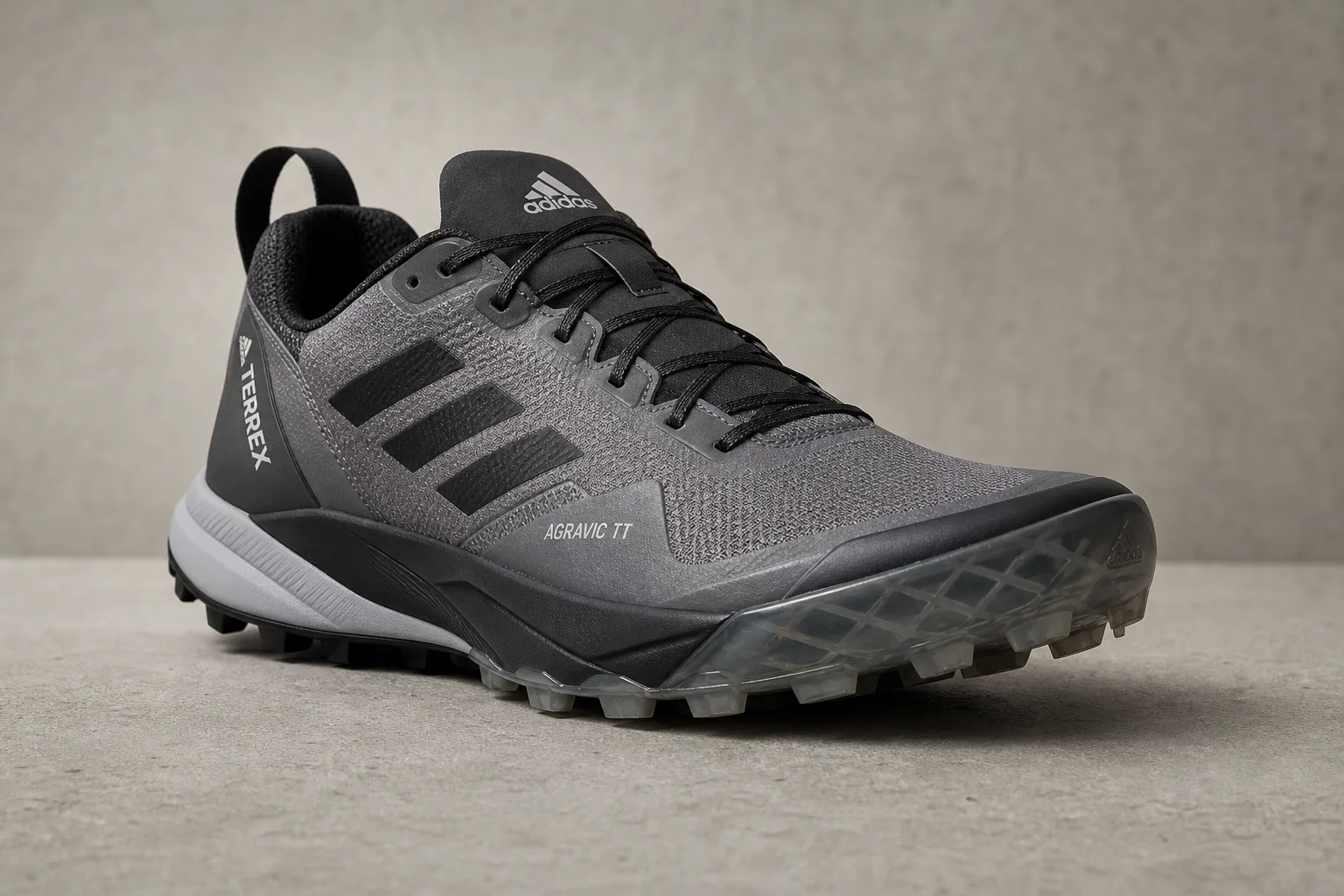
Adidas Terrex Agravic TT Review: A Technical Trail Shoe Built for Rocky Terrain
The Adidas Terrex Agravic TT combines a full-coverage rock plate with a firmer midsole to deliver protection and stability on technical, rocky trails. A capable choice for runners who prioritize underfoot defense over lightweight cushioning.
Trail Running Shoes
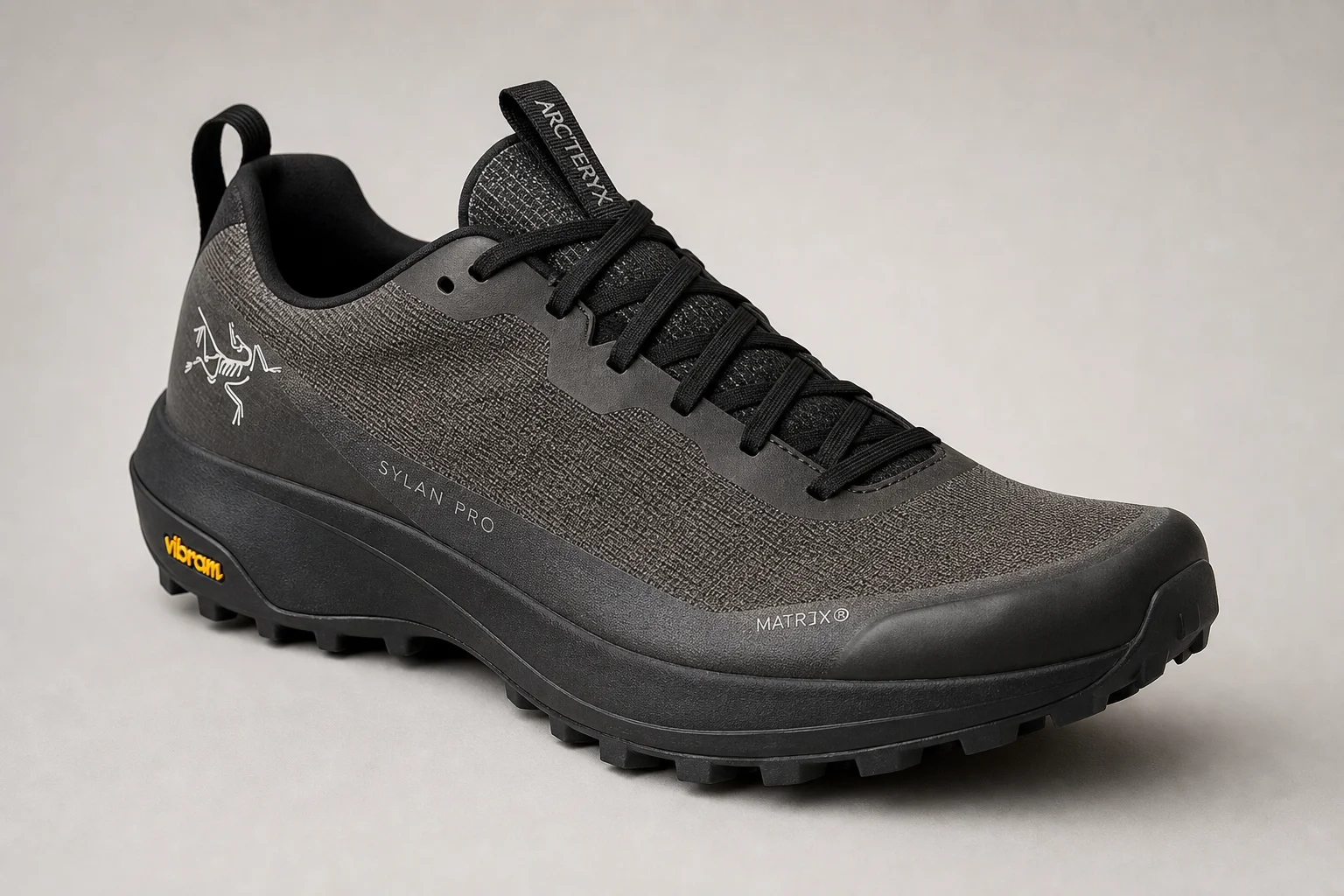
Arc'teryx Sylan Pro Review: A Rocker-Focused Mountain Running Shoe Tested on 20 Miles
The Arc'teryx Sylan Pro brings a pronounced rocker geometry and secure fit to mountain terrain. We tested it on a 20-mile Sawtooth loop to evaluate its climbing efficiency, protection, and handling of technical descents.
Trail Running Shoes
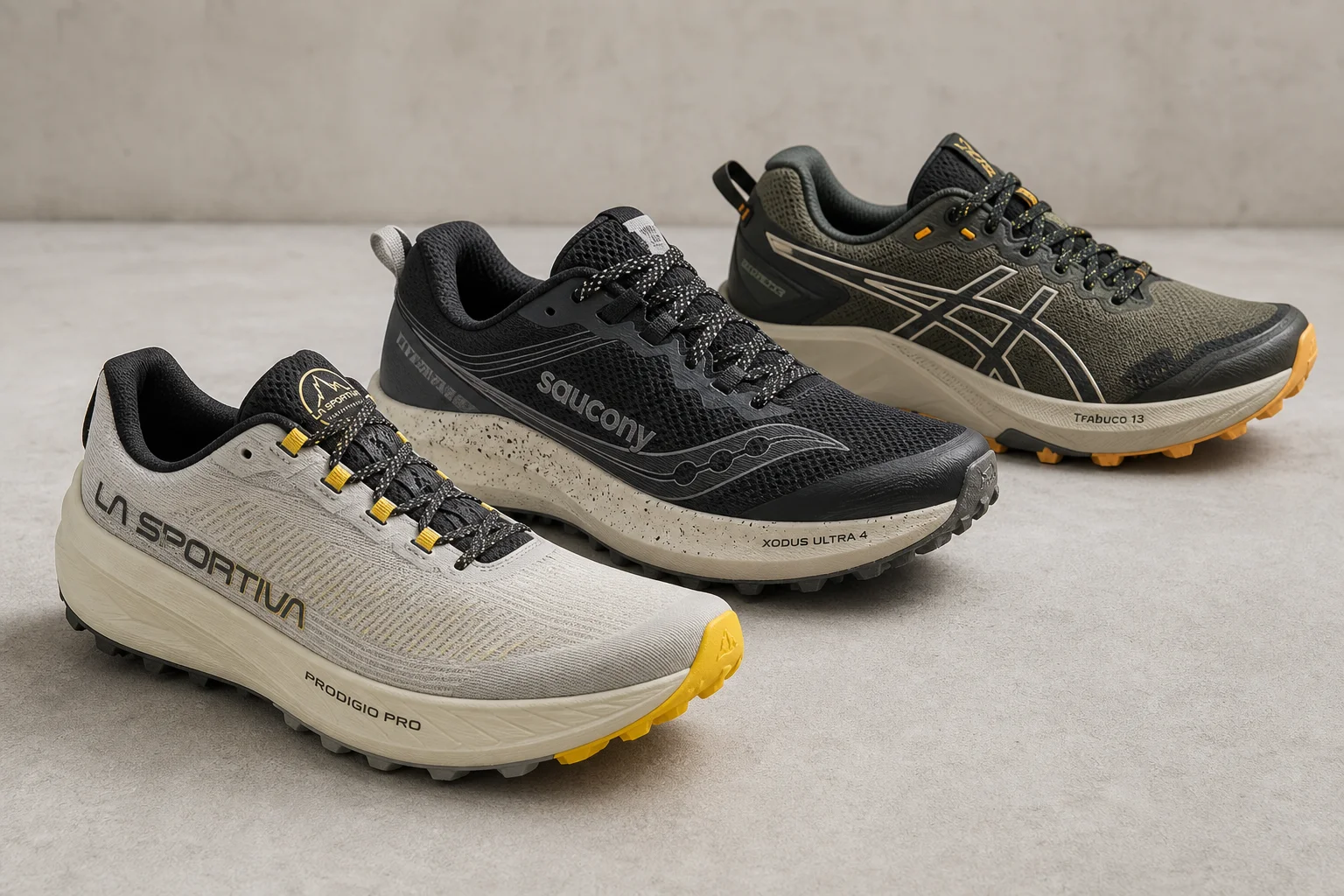
Best All-Mountain Trail Running Shoes: Three Versatile Options for Any Trail
A focused roundup of three all-mountain trail running shoes that handle technical terrain, long distances, and variable conditions with real strengths and practical trade-offs.