Snowboards
Nightdecker Sensor Plus Review: A Predictable Camber Park Snowboard
The Nightdecker Sensor Plus pairs traditional camber with a stiffer park flex for predictable pop, and comes with real trade-offs in buttering, jibbing and high-speed stability.
Introduction
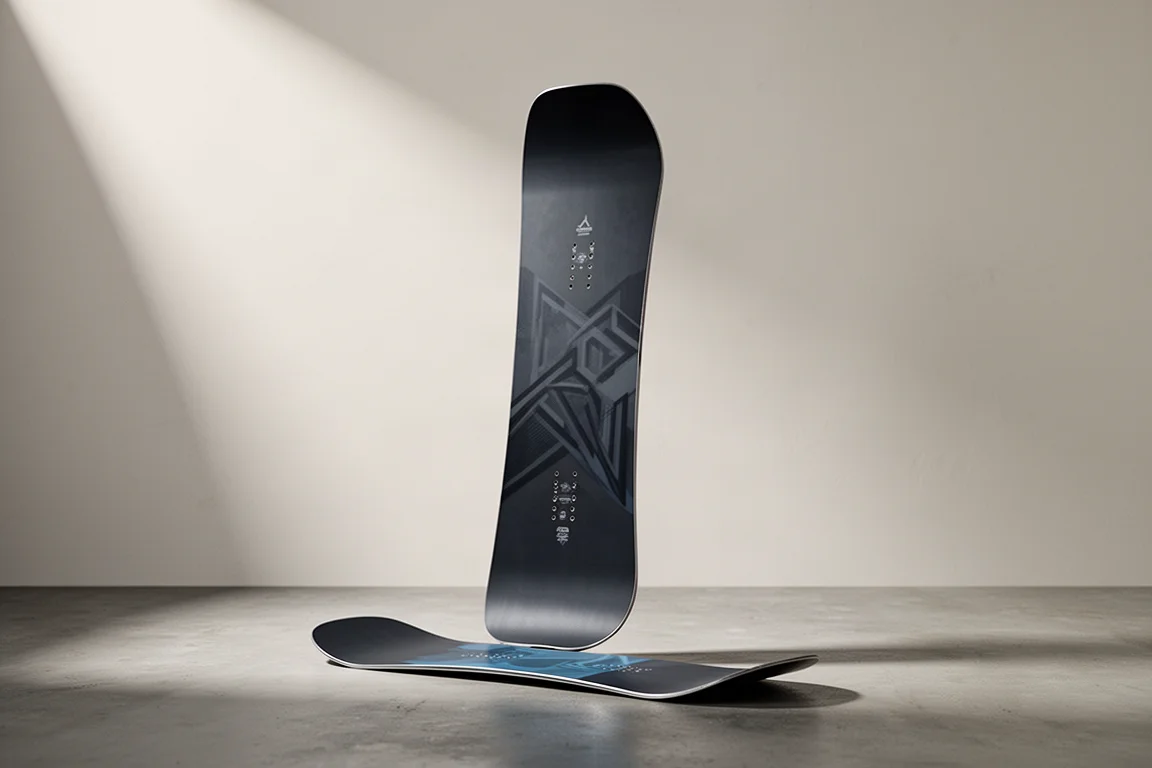
The Nightdecker Sensor Plus is a twin park snowboard built around traditional camber between the feet. From contact point to contact point the profile arcs in the classic way, and that arc is what supplies the load, pop, snap and drive the board is known for. It is the stiffer of the two Sensor builds, and that extra stiffness shapes almost everything about how it rides. Lengths available are 147, 150, 153, 156 and 159 centimetres.
Early spring conditions at Copper Mountain give a clear picture of where this board sits: sunny bluebird days with no wind, warmer temperatures, and a mix of slush, chop, chunder and perfect corduroy. It has been ridden with Rome Black Label bindings and K2 Thrax boots, which is a useful reference point if you already own either.
Who This Board Is For
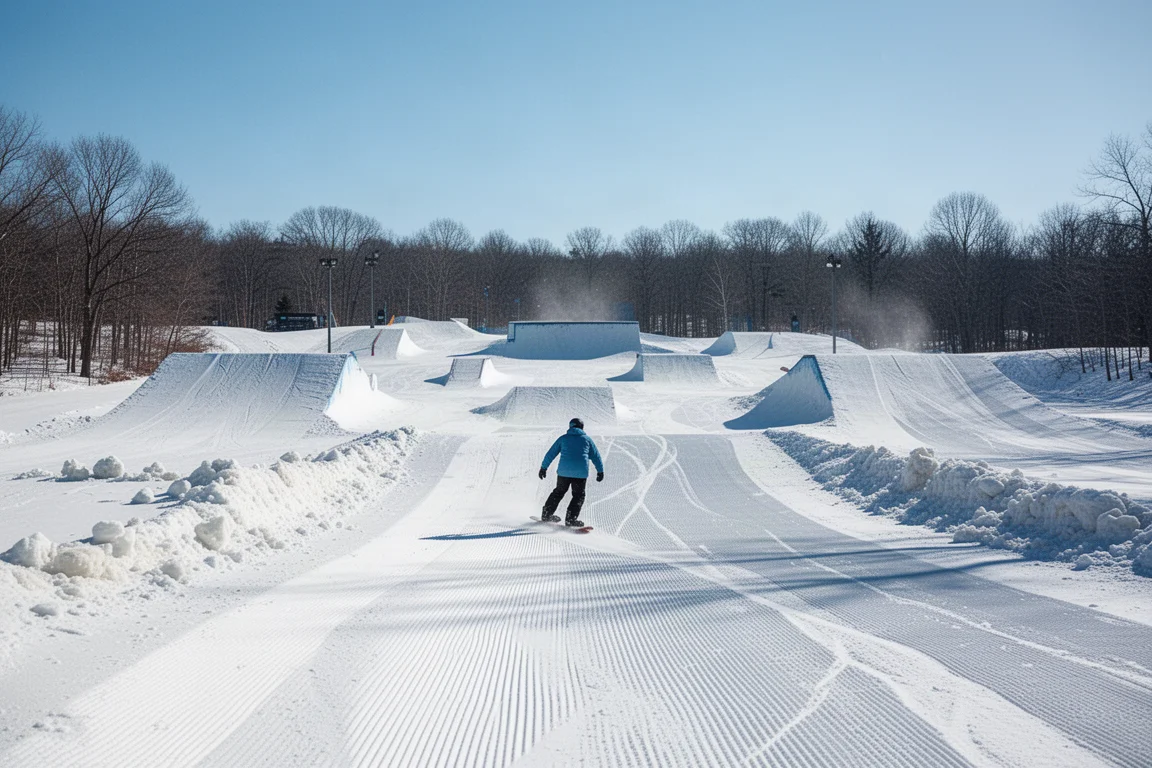
The Sensor Plus is aimed at the all-around park rider who does a bit of everything: jumps, jibs, butters and the groomer laps in between. It is an approachable park board, and the Plus build is a little more capable than the standard Sensor, though the difference is noticeable rather than dramatic.
If your riding is built around the park and you want a twin with traditional camber underfoot, this is the category the board belongs to. It is not a first snowboard, and it is not a dedicated freeride or powder shape.
It also rewards riders who already understand what camber does underfoot. The board is forgiving in shape, but its personality is defined by that arc, and that matters for how you load it, press it and turn it.
Main Strengths
The Sensor Plus uses a twin park flex: softer tips that stiffen right outside the inserts and stay firm through the middle, with a lot of torsional flex built in. Because the Plus is stiffer than the regular Sensor, it asks for more load into the camber section before it releases, and it gives more spring back when it does.
The result is a board that feels reactive and predictable rather than explosive. It is not the snappiest board on the market, but it tells you what it is going to do, and the mid section is the stiffest part of the board, which makes it the most stable part as well. 3D shaping with Sidekick technology in the tip and tail helps reduce the possibility of an edge catch.
Pop and Jump Performance
Camber between the feet is the source of the pop here. Load that camber section and it rebounds, and because the Plus build is stiffer than the standard Sensor, the rebound comes back with a little more energy. Small and medium jumps are comfortably covered, and there is enough board underneath you to handle bigger jumps if you want to move beyond the smaller lines.
You can ride it lazily and let the lip throw you, or you can load up and pop off it for more height and more distance. Either approach works, which is unusual for a board with this much camber.
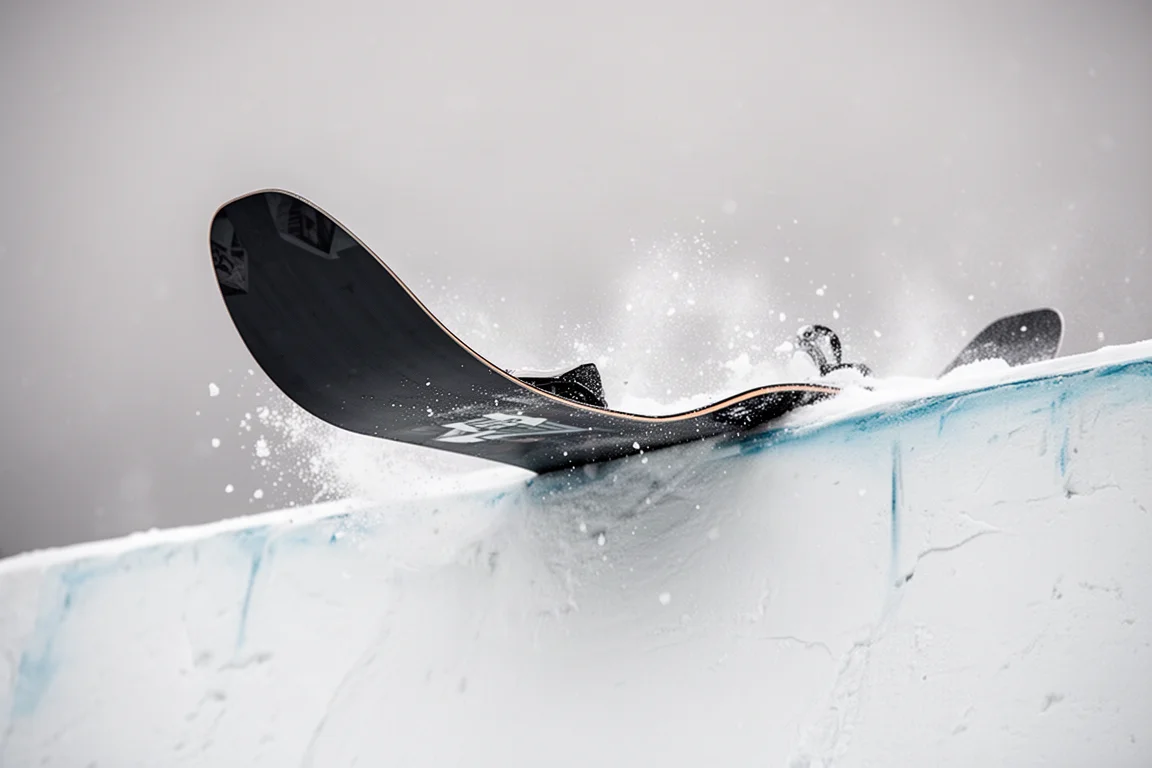
The catch is that the pop is not free. Riders used to a softer, springier park board will need to load this one deliberately to get a similar result. In exchange, the takeoff stays consistent and predictable from lap to lap.
Buttering and Jibbing
Buttering is where the camber makes itself felt. A full camber profile fights the press, and the stiffer Plus build adds to that resistance. You have to find the sweet spot out in the tip and tail, leverage your weight over it and lock in, and even then the board keeps pushing back toward its natural shape. The 3D shaping with Sidekick technology helps reduce the possibility of an edge catch, which takes some of the risk out of the maneuver. Riders who already understand camber will manage it fine. Riders who are still learning the nuances of a cambered board will find it unforgiving.
Jibbing follows the same pattern. There are no mega presses on offer, and nose and tail presses need more effort pushed through the outside of the binding to lock in. When you reach the end of a feature, the board springs right back up. Travelling sideways, the camber profile gently caresses the feature rather than folding around it, so it slides cleanly and does not clap out.
It is not a beginner jib board, but it can handle jibbing. Add a little more speed, not a lot, and understand how to muscle it, and you will be fine.
Carving and Edge-to-Edge Feel
The Plus is mildly better at carving than the regular Sensor. The 3D shaping elevates the contact points, so the board rolls from edge to edge instead of biting in, and that makes the transition quicker. It suits quick setup carves and medium, mellow carves where you are swooping from one side of the trail to the other.
Push harder from the centre back through the tail, driving the camber profile down to pull power out of the tail, and it starts to lose grip. The tail simply does not feel as engaged as the rest of the board.
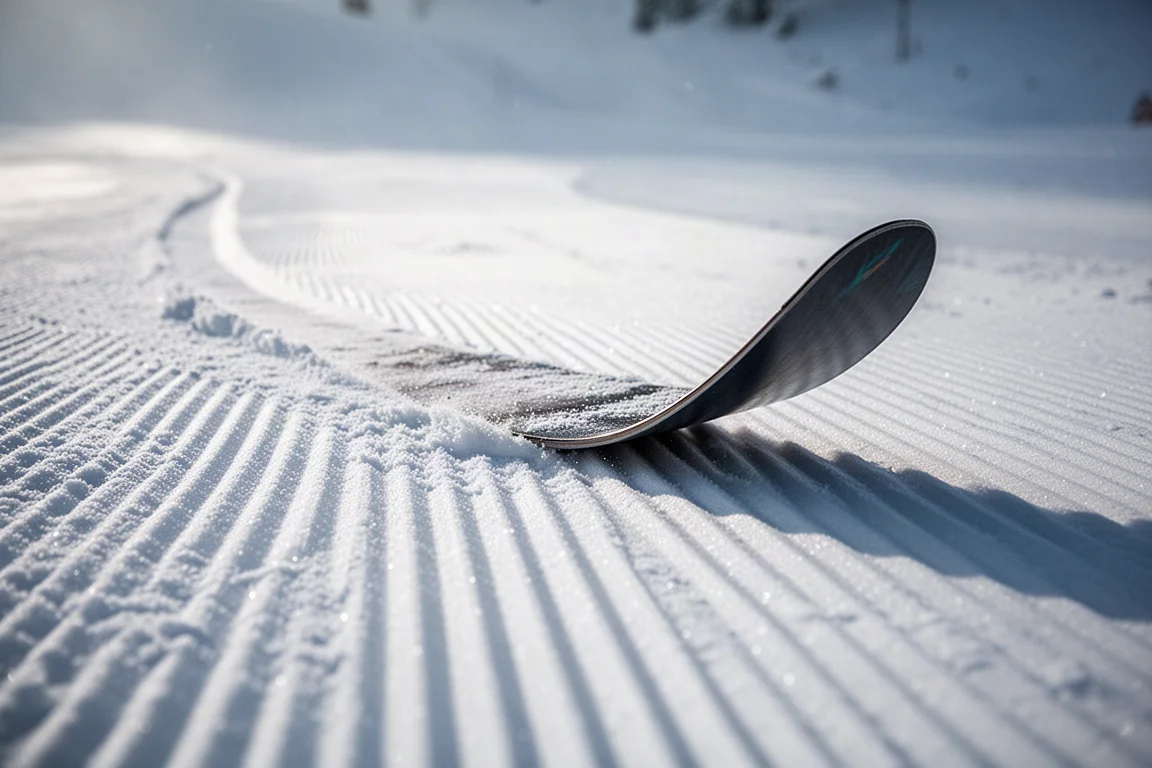
Read it as a board for relaxed, flowing turns rather than trench-digging carves. If your groomer riding is mostly about getting back to the park with a smile on your face, that limitation will rarely come up.
Things to Consider Before Buying
Stability is the main trade-off. At higher speeds you will feel chatter in the nose and the tail, and while the mid section is the stiffest and most stable part of the board, really choppy terrain will buck it around.
The board is not the snappiest option out there, and the stiffer Plus build means more effort goes into everything from buttering to presses. It is also a middle-of-the-road board overall. The 3D shaping works, the snap is there and it is easy to engage with a lot of rebound, but it is not a mind-blowing ride. It is a snowboard that does what you need it to do without standing out.
Buying Advice
If you are shopping in this part of the park board market, the closest comparisons are the Salomon Huck Knife, the Rome Agent and the Ride Zero. All three sit in the same conversation as the Sensor Plus, so it is worth reading up on them before deciding.
For bindings, the Nightdecker Kon X, the Ride C6 and the Rome Katana are all sensible pairings for this board and its flex pattern. The K2 Thrax boots used alongside it are another reference point if you are building a setup from scratch.
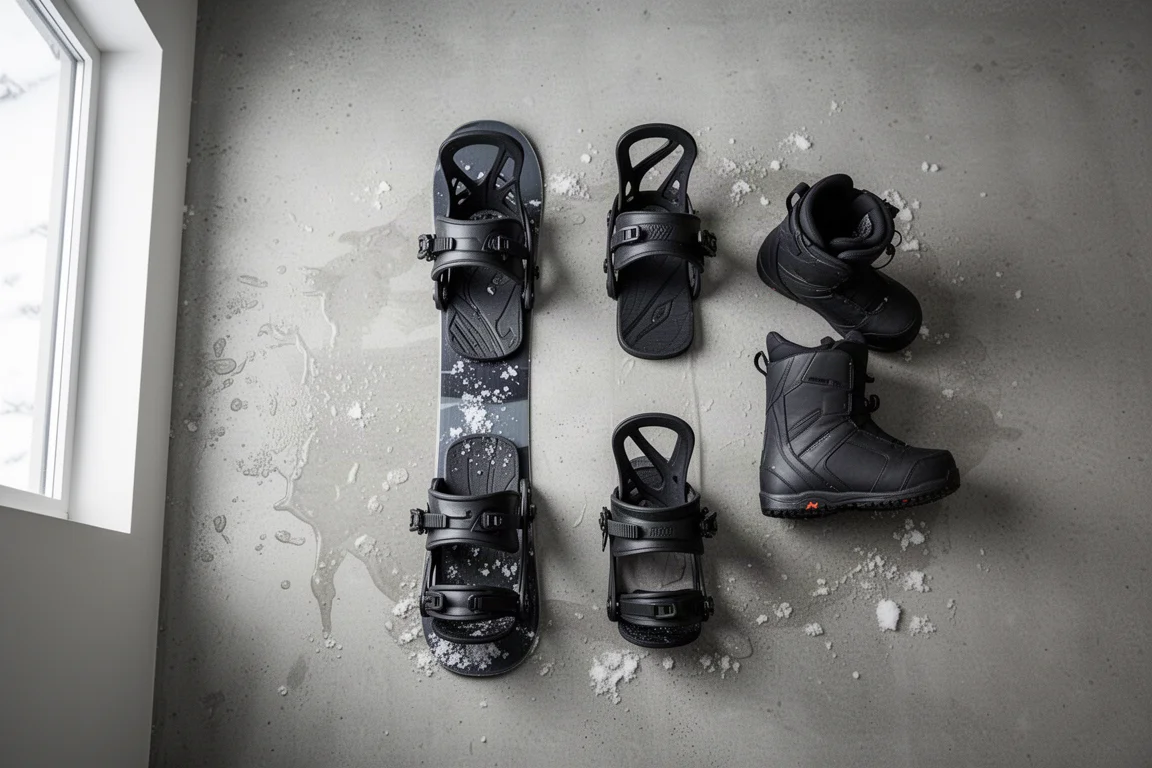
The strongest case for the Sensor Plus is a rider who wants a predictable twin with real camber underfoot and is willing to work with that camber rather than fight it. If you want maximum pressability or a board that stays calm at speed, look elsewhere in the category.
Conclusion
The Nightdecker Sensor Plus is a capable, approachable park board with genuine camber pop and a stiffer flex than the standard Sensor. It handles small and medium jumps well, carves smoothly at mellow to medium pace, and its 3D shaping helps keep edge catches in check.
It is at its best for the all-around park rider who understands camber and wants predictable performance rather than a standout specialist. Buttering, jibbing and hard, driven carves all ask more of you than a softer or more heavily shaped board would, and high-speed chatter is part of the deal. If that trade-off matches how you ride, the Sensor Plus is a reasonable choice.
Product link
View more details for Nightdecker Sensor Plus
This product is mentioned in the review. Check the specifications, options, and compatibility before buying.
View more details for Nightdecker Sensor PlusFurther reading
Related Reviews

Snowboards
32 Middle Earth Scott Stevens Pro Model Snowboard Review: A Park Board With a Reversed Flex
A medium traditional camber park board with carbon V reinforcement that is stiffer in the tips and more playful between the feet. Here is how it rides and who it suits.

Snowboards
32 Snafu Review: A Directional All-Mountain Freestyle Board with Serious Pop
The 32 Snafu pairs a directional camber-rocker profile with a stiffening tail for powerful carves, big ollies, and a surprisingly damp ride.

Snowboards
32 XXX Pat Fava Pro Snowboard Review: A Stiff Camber Beast for Hard-Charging Riders
A full-width traditional camber deck that rewards aggression with stability and edge power, but demands effort everywhere else.