Trail Running Gear
Best Lights for Night Trail Running: Three Options Compared
From a budget headlamp to a 750-lumen race light and a waist-mounted powerhouse, three lighting setups for running trails after dark, plus practical safety tips.
Introduction
Running trails at night changes everything. Textures, contours, and nuances underfoot that you would read without thinking during the day disappear into darkness, and tripping becomes the biggest risk on any after-dark outing. Lighting is the number one safety tip for night trail running: light up the trail well and you dramatically reduce your chance of falling.
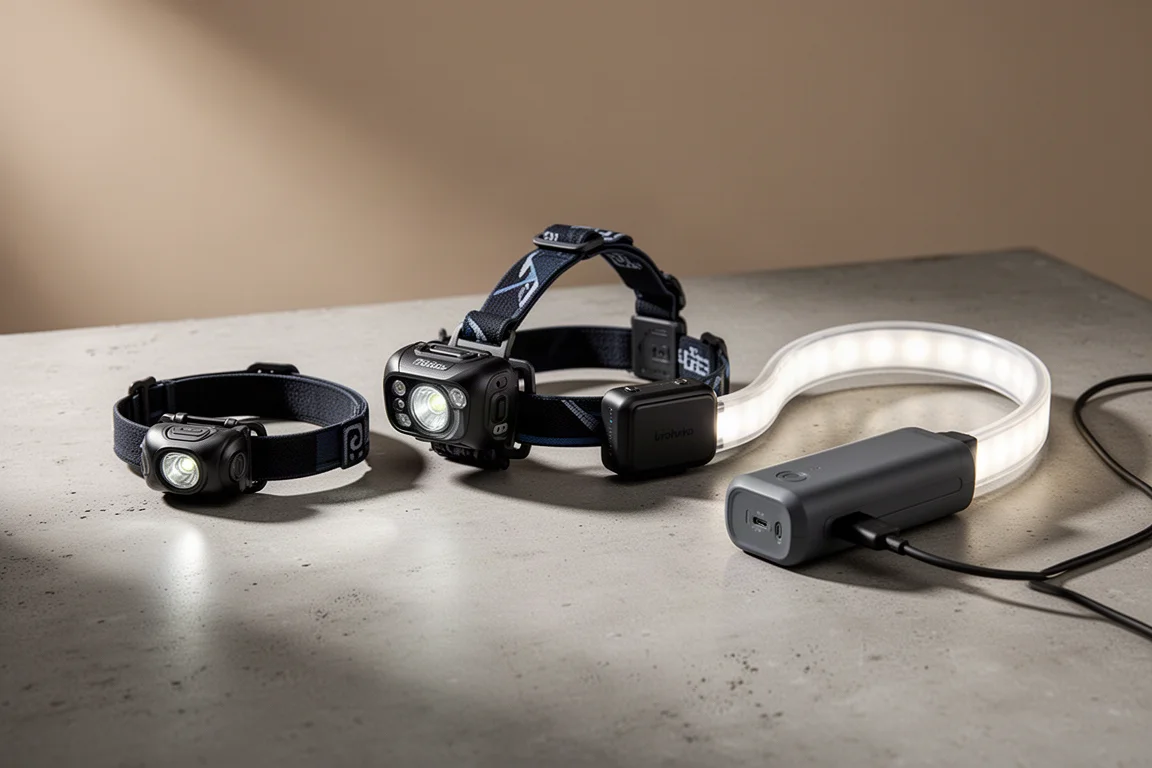
In this guide we break down three different types of lighting options: a small headlamp, a big headlamp, and a giant waist-mounted belt light, along with the trade-offs of each and a few practical safety tips for running after dark.
The Budget Pick: BioLite 330 Lumen Headlamp
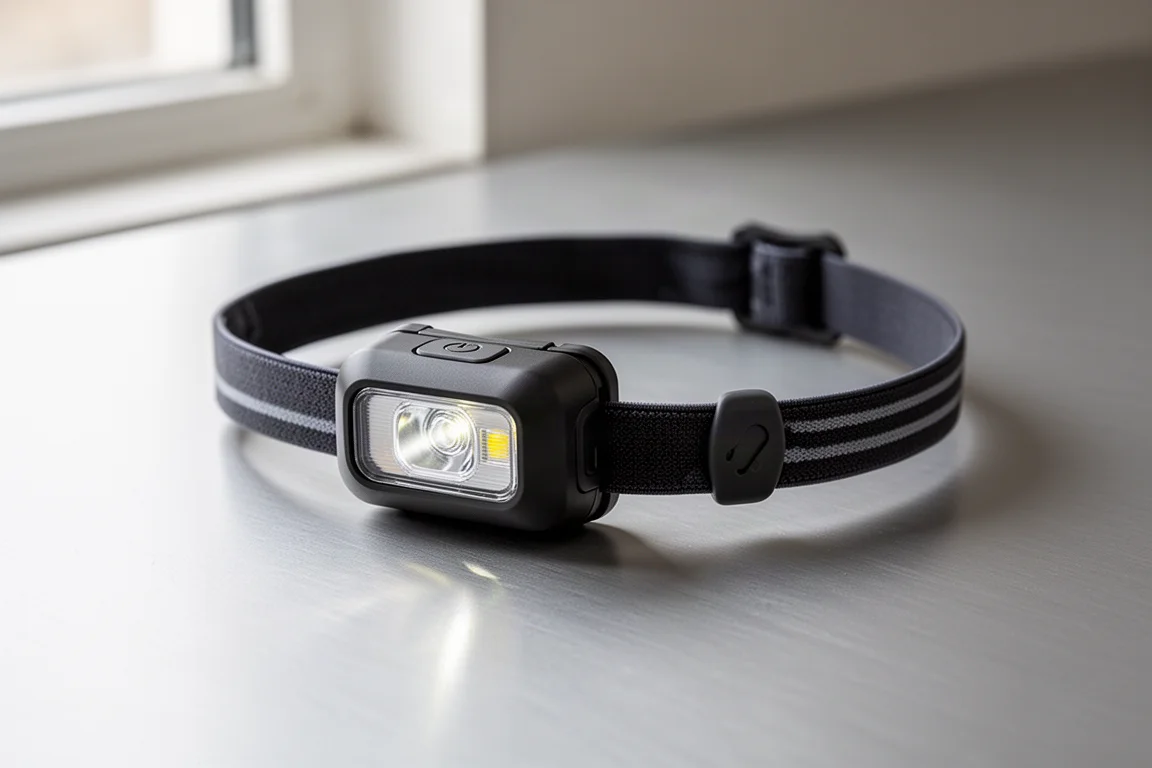
A headlamp around 330 lumens is not super bright. A lumen is roughly the power of one candle, so 330 lumens gets the job done for a lot of people a lot of the time, but it will not flood the trail with light. The BioLite 330 Lumen Headlamp was a first headlamp for the runner who tested it: inexpensive at roughly 50 US dollars, with good battery life and durability that has held up over time.
The trade-off is straightforward: the lumen count simply is not that bright, and there is a lot better performance available in the headlamp and belt-light world. This is also a category where brand preference matters more than technology. A Black Diamond alternative bounces a little less on the head, which is one reason it gets reached for more often, but honestly there are pros and cons to most options here. Find a headlamp that fits your budget, works on the trail, and is bright enough for the runs you actually do.
The Go-To Race Light: BioLite 750 Lumen Headlamp
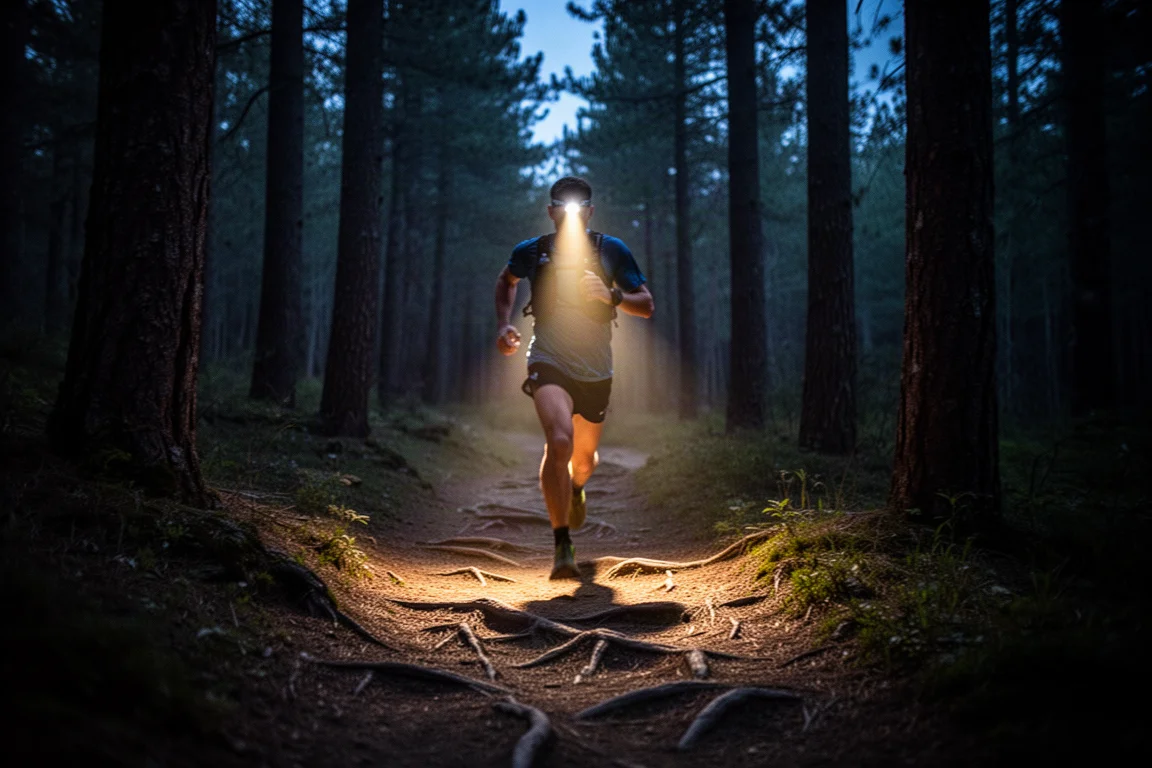
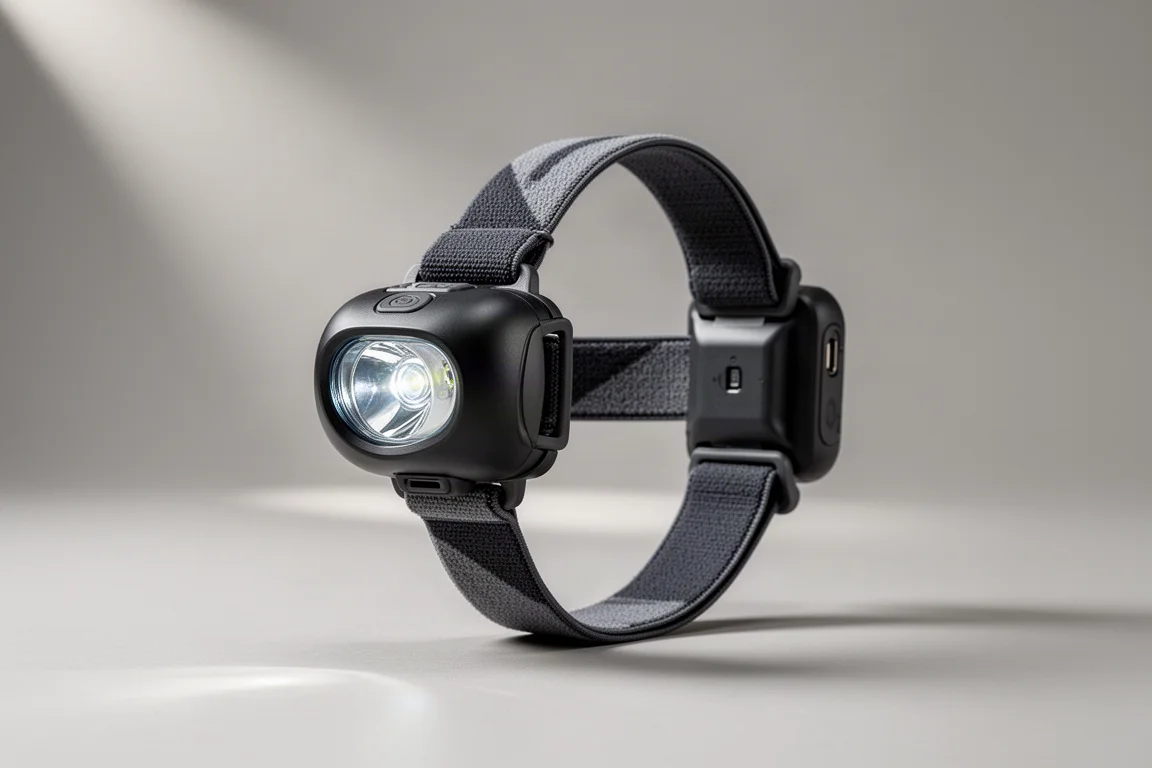
The BioLite 750 Lumen Headlamp is bigger, brighter, and built for longer efforts. It has a constant through battery charger, so you can hook it up to a battery on your belt if you are worried about runtime, and the battery lasts a long time on its own. It has proven to be a go-to racing headlamp, typically run on the highest setting with all of those lumens on tap, since battery life is not generally an issue when racing through the night.
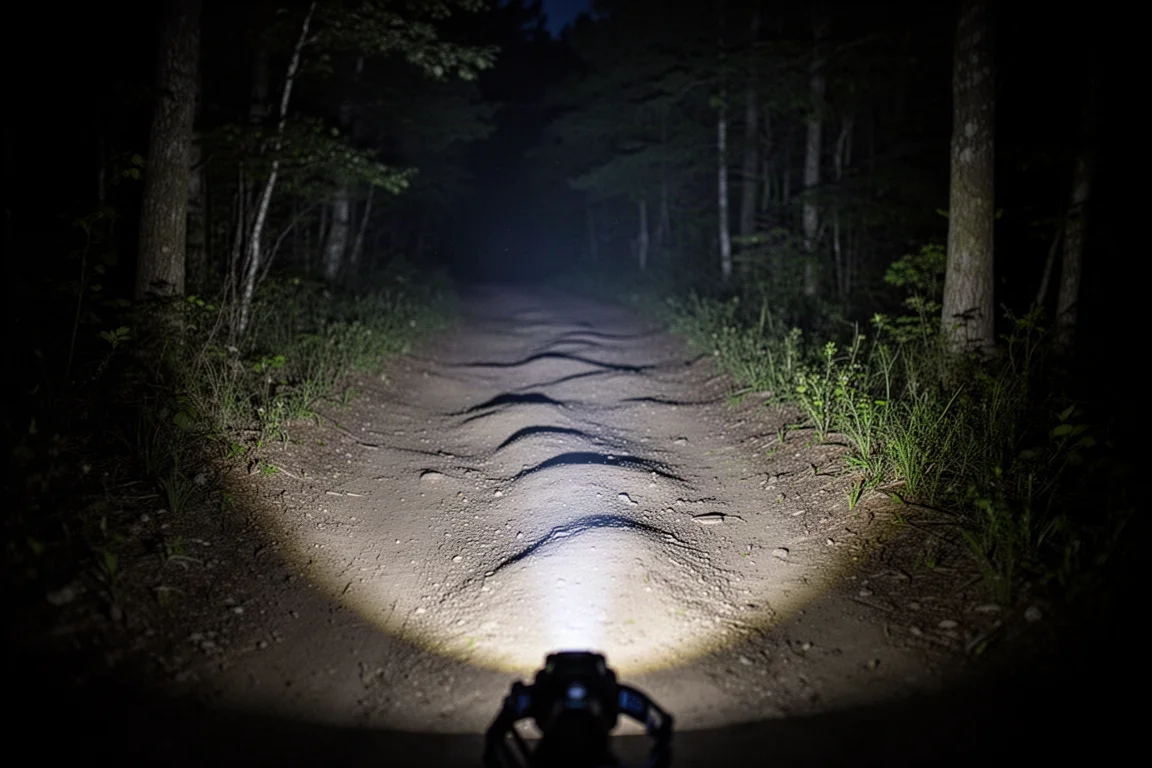
The difference between 330 and 750 lumens is real and meaningful. The brighter beam shows the contours of the trail much better, which makes running at night more enjoyable and helps you settle into a flow state. If you have the ability to light things up, you will likely use it. The trade-off is price: at about 100 US dollars, it is roughly double the cost of the smaller headlamp.
The Heavy Hitter: Kogalla Waist Light
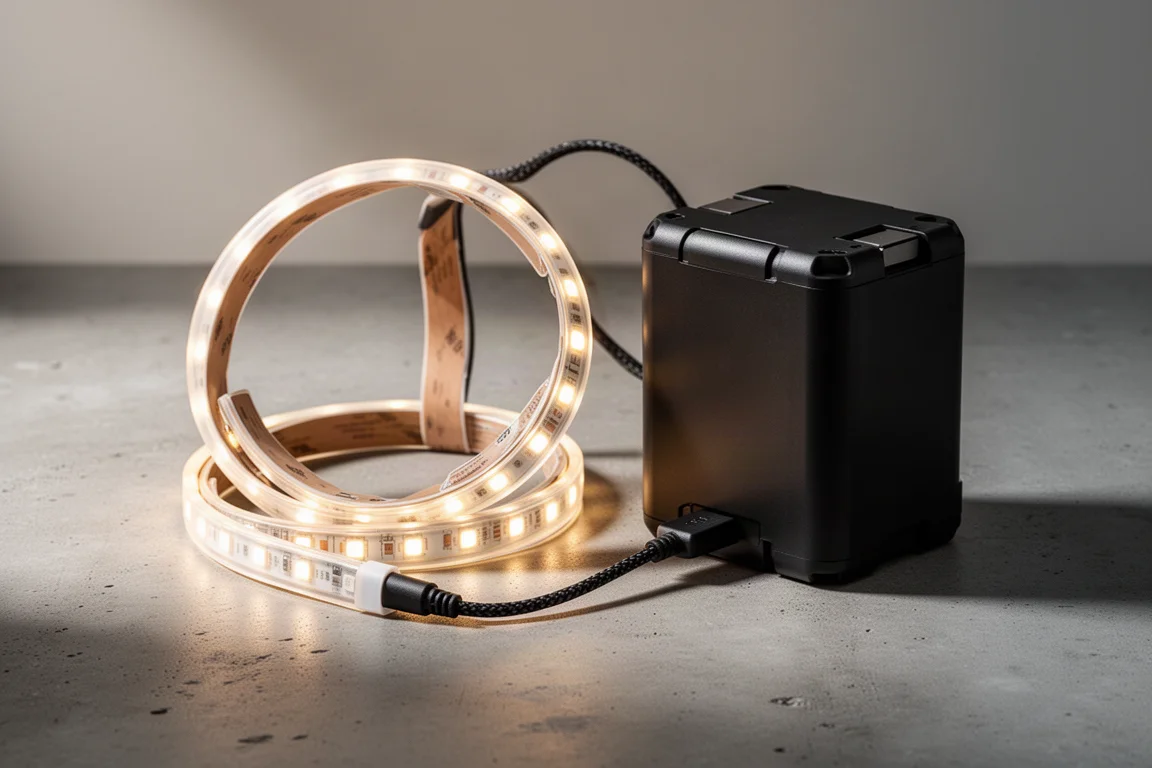
The Kogalla waist light covers some weird middle ground between headlamp and portable floodlight. It pairs a flexible light strip with a big 21,000 mAh battery pack, a little heavier than your smartphone, that you have to find somewhere to carry. It is exactly as heavy as you would expect, the cable adds a bit of fuss, and the whole setup is a bit of a pain to rig. The light is claimed at roughly 900 lumens with around nine hours of runtime.
What you get in return is remarkable. Because the light is spread out along a strip instead of focused in a single point on your head, it lights up the trail in a way that is hard to believe, and it does not bounce around with every step.
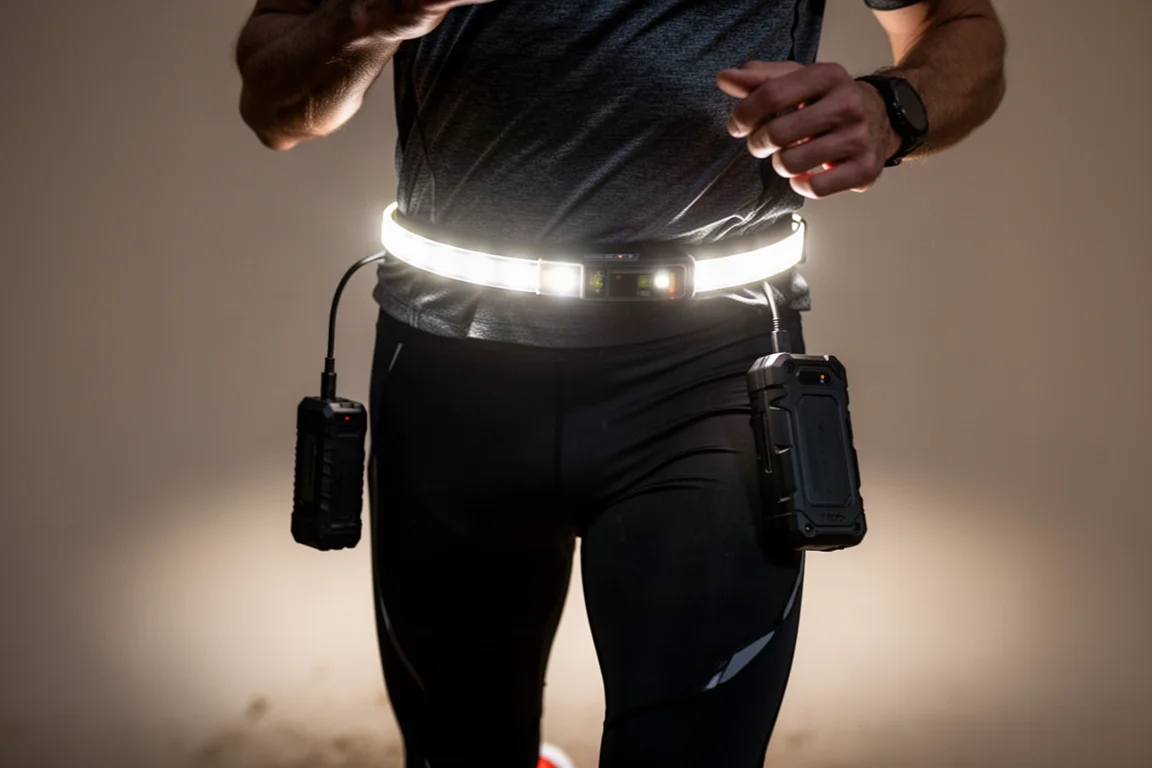
There are caveats worth knowing. Some runners coming towards it have found it too bright and distracting, even blinding, so wearing it in an out-and-back race with other runners streaming towards you would be a bit inconsiderate. For solo night runs, or a race where everyone moves in the same direction, it makes a lot of sense. At 230 US dollars it costs more than twice a very fancy headlamp, but for runners who want a lot of light out by themselves at night, it does the trick.
Extra Safety Tips for Running Trails at Night
Whatever light you choose, the gear matters less than the decisions you make. A few habits make night trail running far safer:
- Tell someone your plan. You do not need to run with a friend, but someone should know what trail you are on and when you expect to be back. Text them before you head out and again when you are off the trail.
- Do not run a trail at night for the first time. The trail is different in the dark. Pick a route you know well already; you will still find it a fresh experience.
- Wear confident trail shoes. Nighttime is easier to slip, fall, or make a bad decision than daytime, so choose shoes with real tread that you trust rather than your baldest old pair.
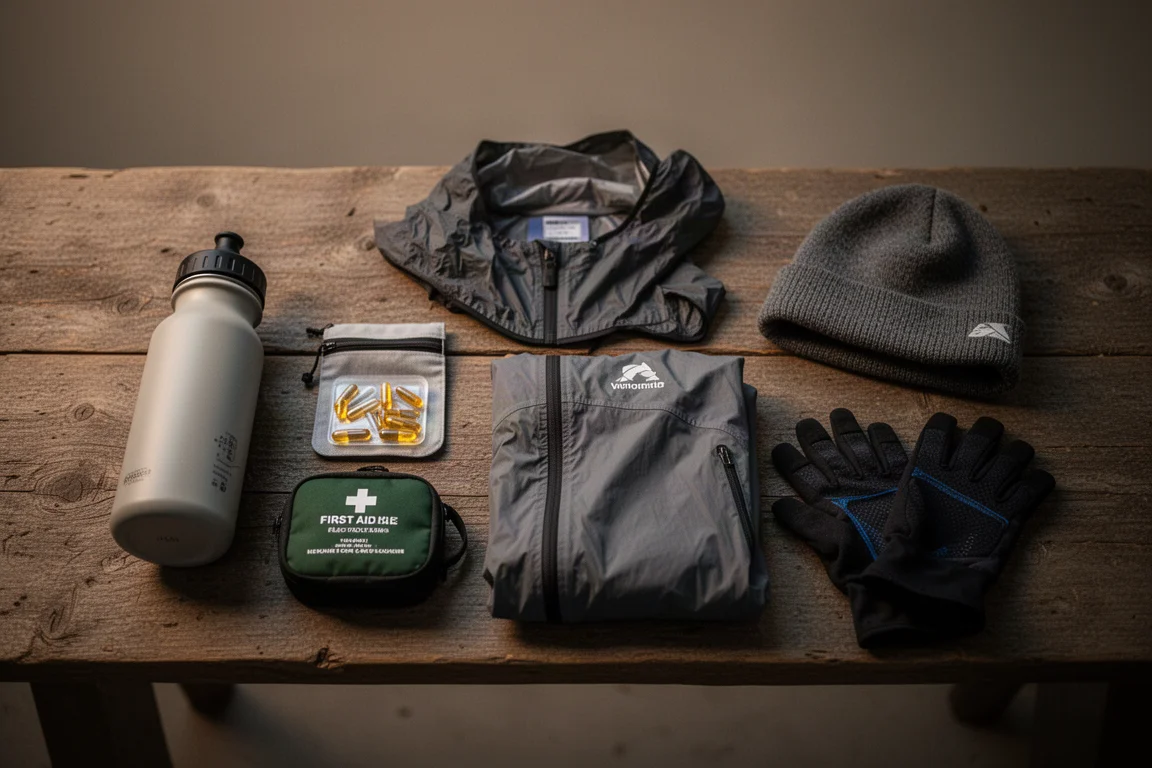
- Bring more kit than you think you need. Extra water, extra electrolytes, a first aid kit, a raincoat even on a nice night, a hat, and extra clothes to stay warm even in summer. Your worst case scenario at night can get a lot worse than your worst case during the day.
Conclusion
The right light depends on how you run. The 330-lumen headlamp covers casual outings on a budget, the 750-lumen headlamp is the sweet spot for racing and seeing real trail detail, and the Kogalla waist light delivers an extraordinary pool of light for solo night runs despite its weight and price. Whatever you pick, pair it with good habits: tell someone where you are, stick to trails you know, wear grippy shoes, and carry enough kit to handle the unexpected. With those pieces in place, night trail running can be safe, peaceful, and genuinely beautiful.
Further reading
Related Reviews
Trail Running Gear
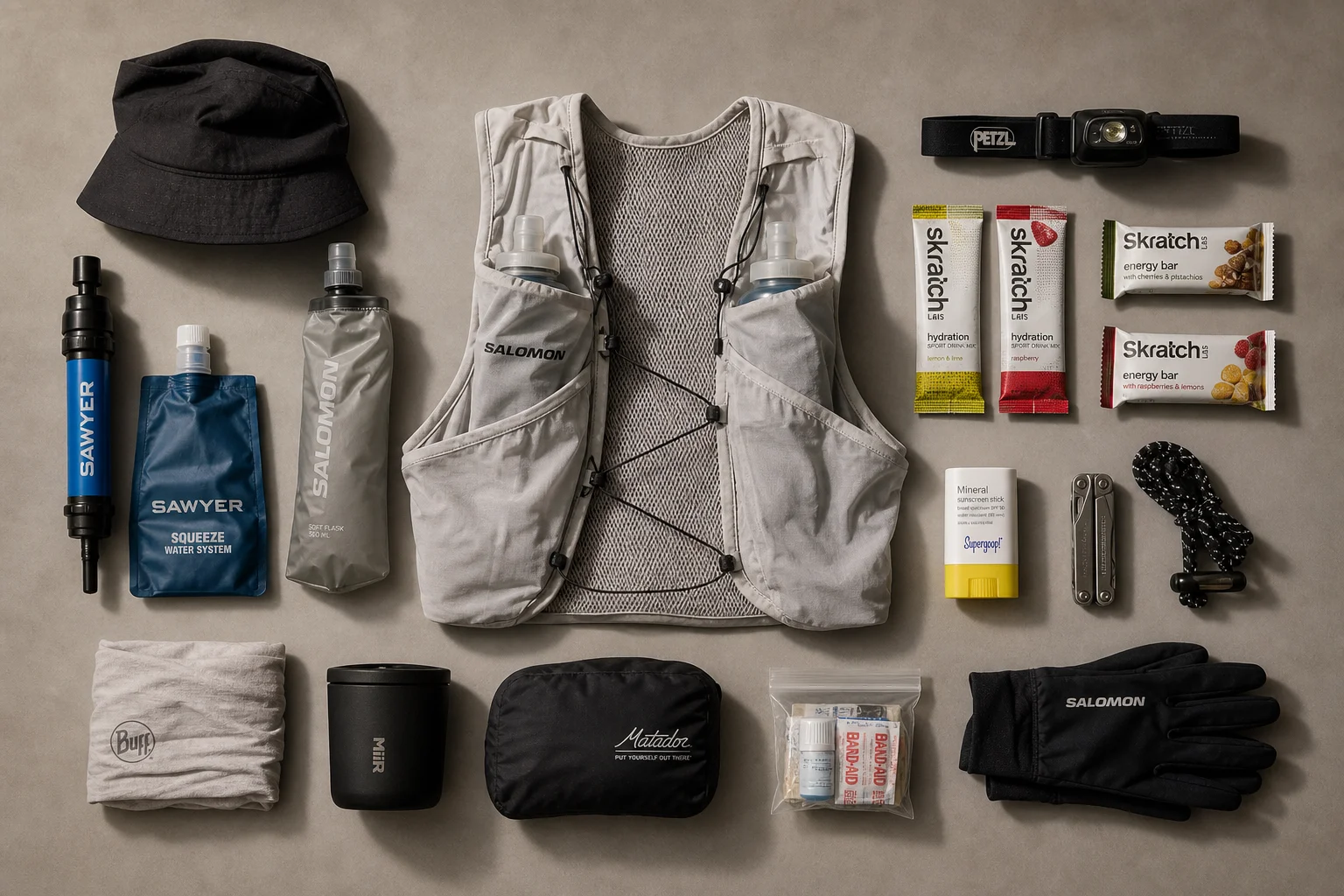
28-Mile Trail Run Pack Loadout: Ultralight Gear for High Alpine Self-Supported Running
A complete breakdown of gear, clothing, hydration, nutrition, and safety equipment for a 28-mile high alpine trail run with 7,800 feet of elevation gain.
Trail Running Gear
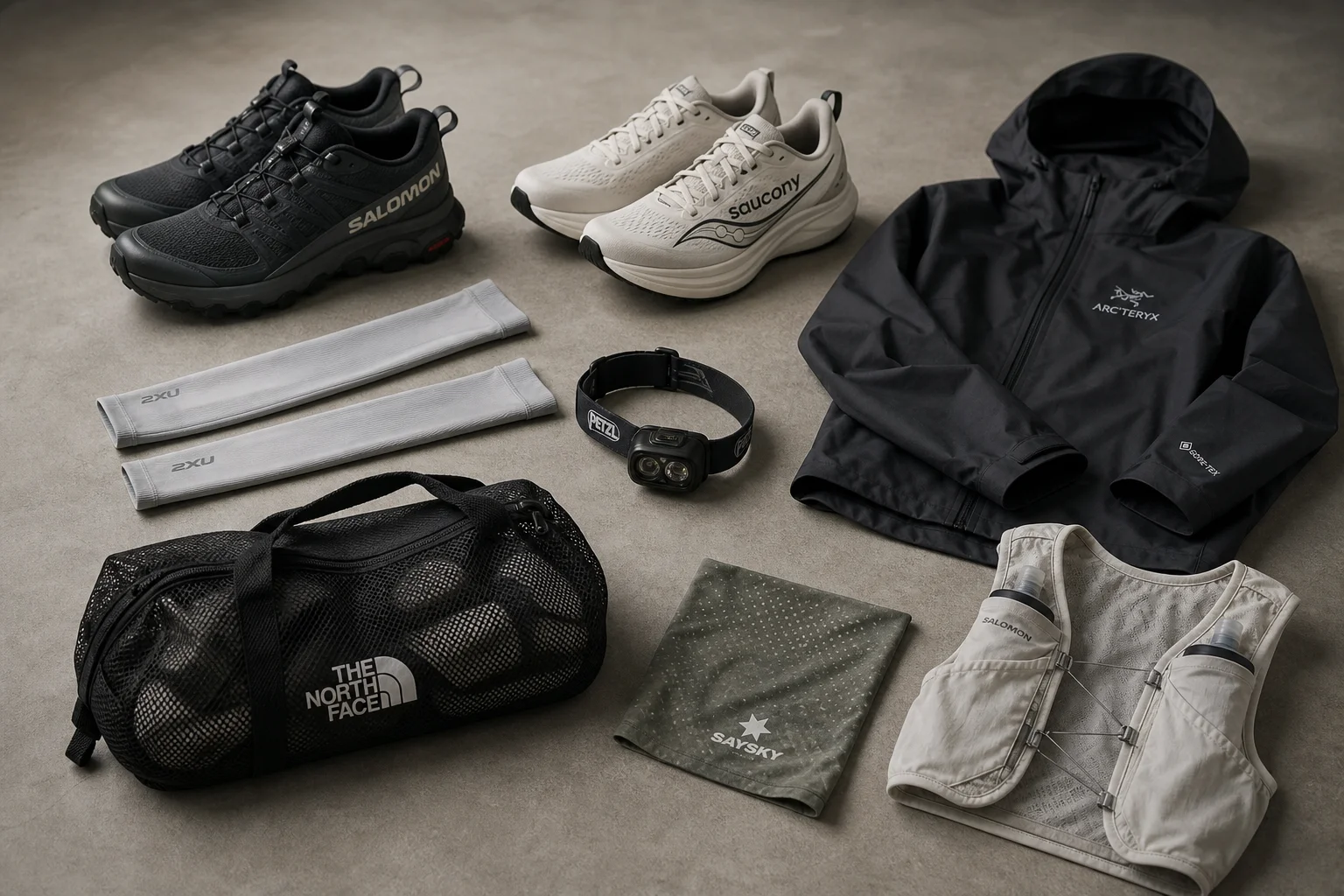
Best Trail Running Gear 2025: Nine Products That Earned Real Use This Season
A curated look at nine trail and ultrarunning essentials that delivered genuine performance across training, racing, and adventure throughout 2025.
Trail Running Gear
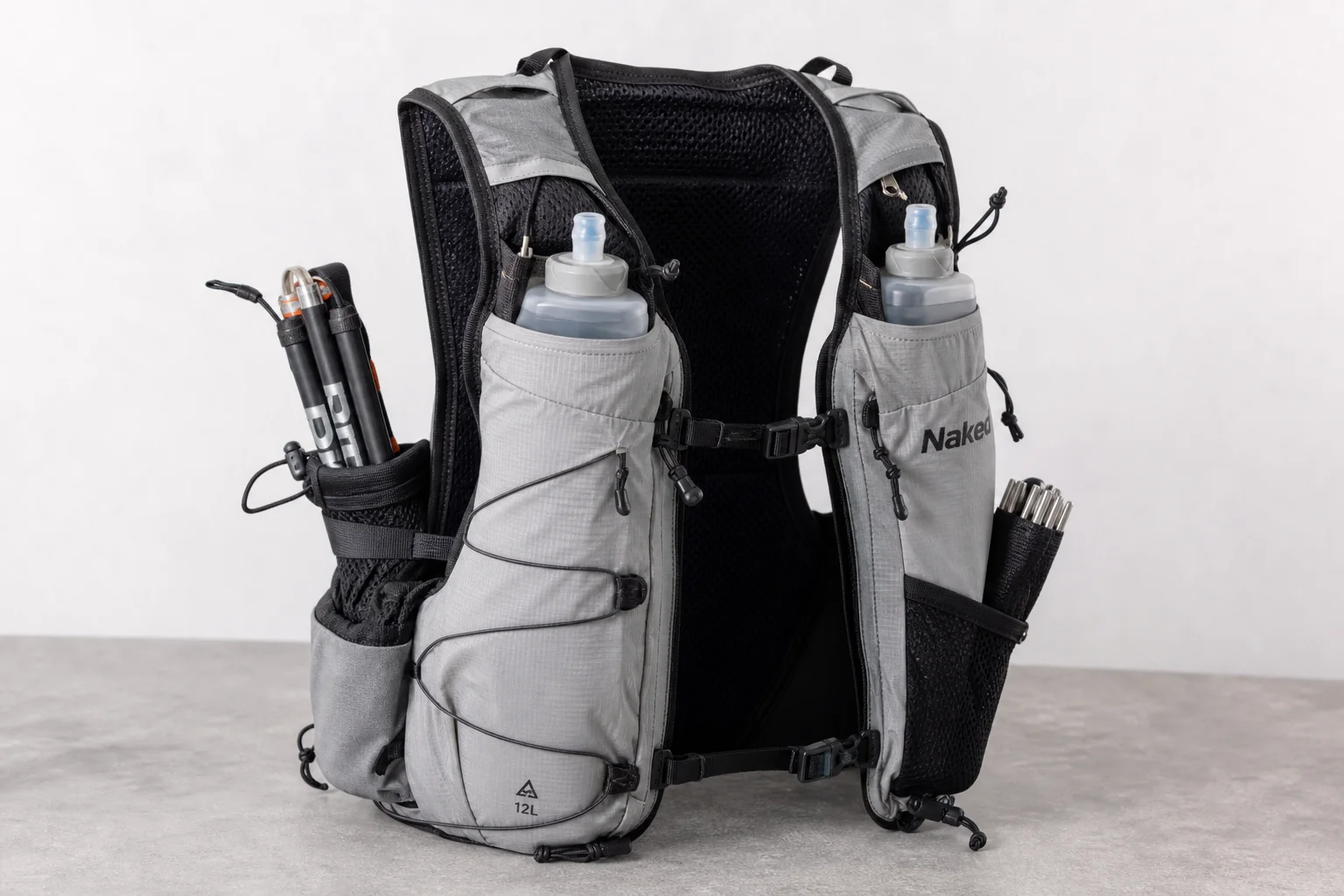
Instinct Evolution 7L Pack Review: Versatile Trail Running Vest with Thoughtful Hydration Design
A detailed look at the Instinct Evolution 7L, a trail running pack that prioritizes accessible hydration and organized gear storage with some trade-offs in hardware simplicity.