Snowboard Bindings
Nidecker Supermatic vs Burton Step On: Two Step-In Snowboard Bindings Compared
Only two brands make step-in snowboard bindings right now. Here is how the Nidecker Supermatic stacks up against the Burton Step On and which rider each suits best.
Introduction
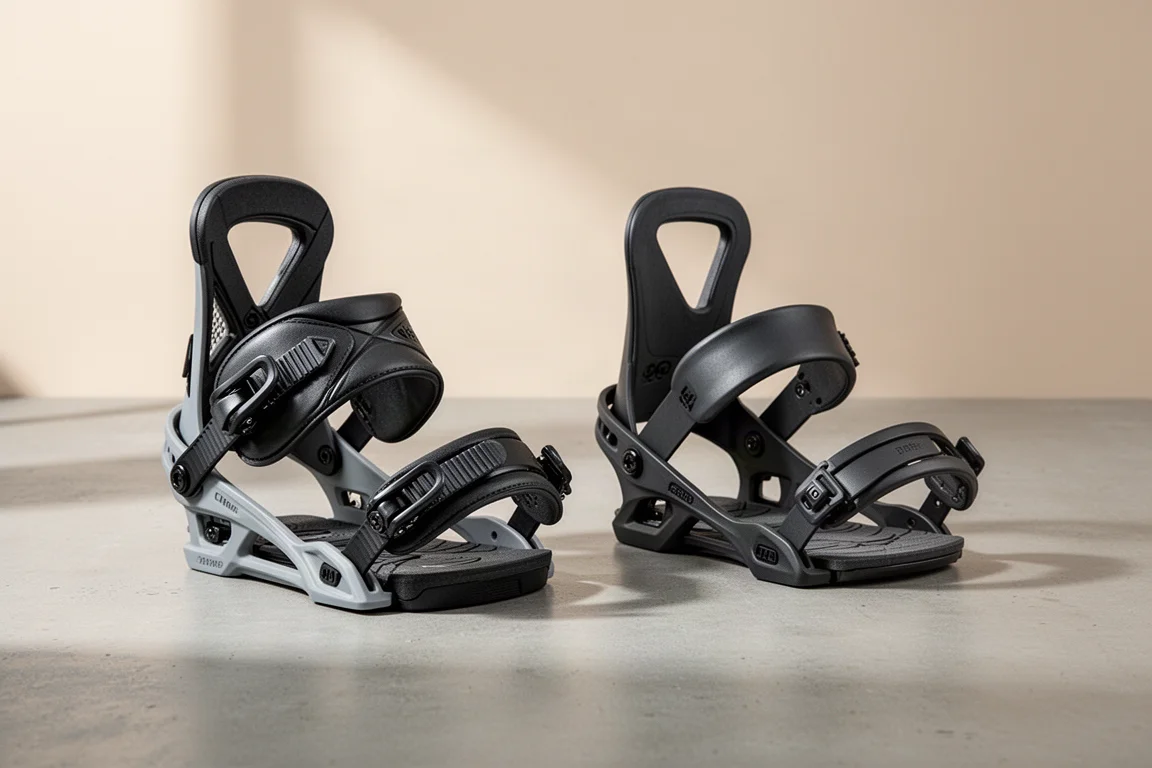
Step-in snowboard bindings are a small but fiercely debated corner of the market. The pitch is simple: sacrifice a little traditional binding familiarity to save time and effort at every strap-in. Right now only two companies are serious about it, and they take very different approaches.
Nidecker itself is one of the biggest manufacturers of snowboarding equipment in the world, with roots going back to 1887 and a snowboard division founded in 1984. The Supermatic is its answer to the Burton Step On, and in testing it proved to be a genuinely versatile alternative rather than just a me-too product.
Why Step-In Bindings Are Divisive
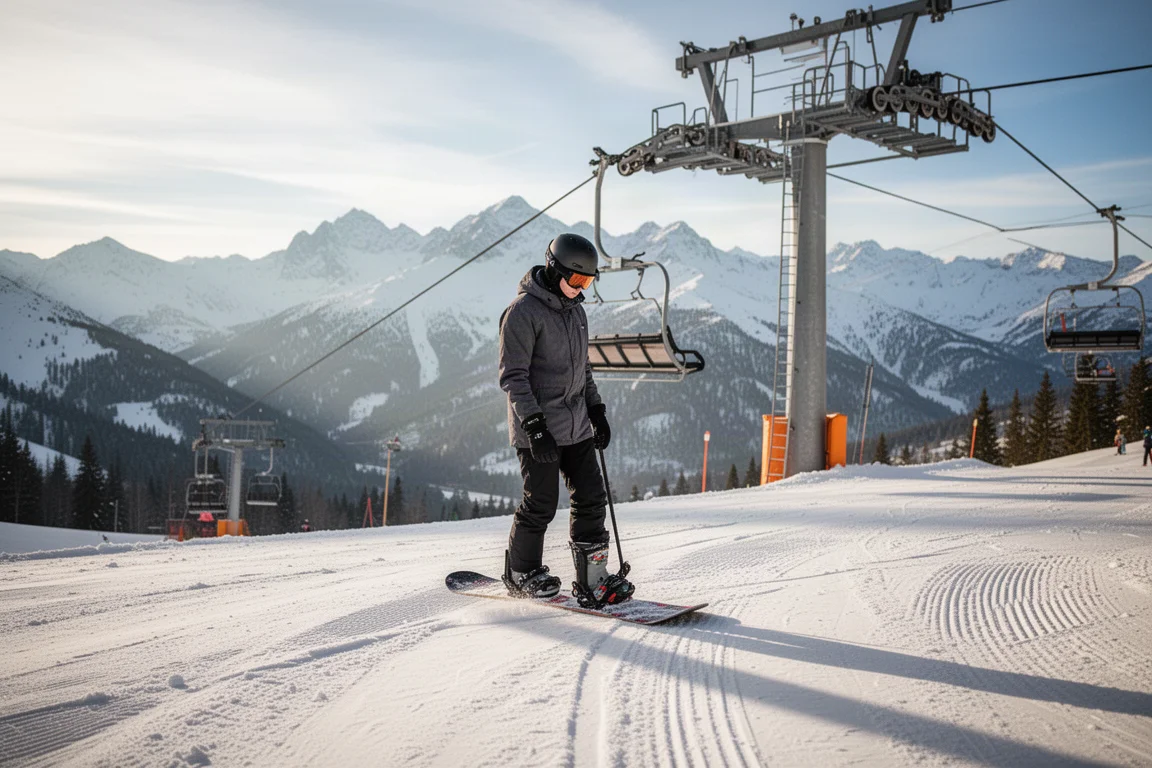
The classic criticism of step-ins is that they trade performance for convenience. They also historically excluded beginners, because strapping in on a flat lift exit is one thing, but doing it on a steeper slope or in deep snow is another challenge entirely.
The Burton system takes a fully proprietary route: no classic straps at all, with a boot and binding designed exclusively for each other. That means compatibility is locked to Burton’s own ecosystem. Nidecker’s approach flips this around, keeping elements of a traditional strap binding and adding a step-in mechanism on top, which arguably gives you the best of both worlds.
How the Nidecker Supermatic Works
The Supermatic keeps conventional ratchet straps, but adds a lever that releases and gives you a heel stirrup to step into. In practice, getting in and out is genuinely quick once the setup is dialed: riders found that fitting the straps to their boot correctly takes a little time initially, but after that it becomes effortless. Once riding, the bindings fade into the background so completely that many users stop thinking about them being step-ins at all.
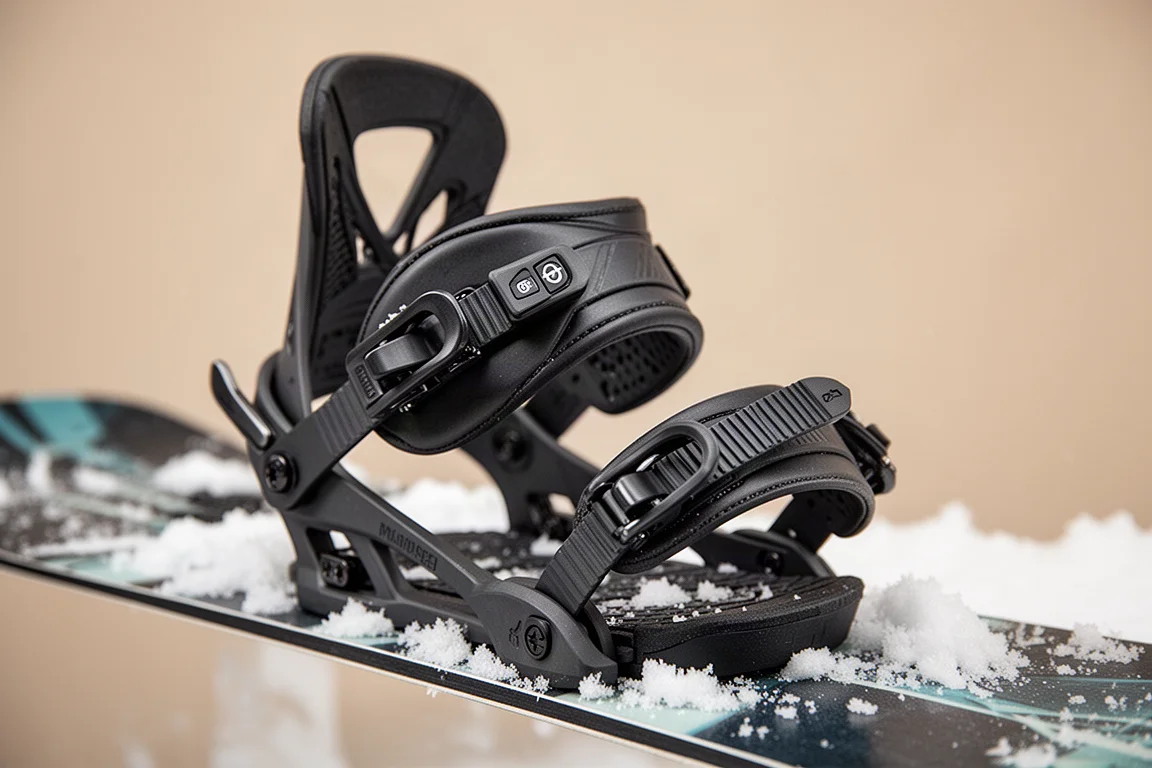
One standout detail is the set of small switches on top of the ratchets. Click them down once the straps are positioned how you want, and they stay locked out for the whole day. For instructors and coaches who need to be in and out of bindings constantly while managing a group, this is a practical, everyday benefit.
How the Burton Step On Works
Burton’s system removes straps entirely. Instead, you use a proprietary boot with a compatible binding, and the boot clicks directly into place. That design keeps strap-in time to seconds, and it is a proven, refined system that has been on the market longer.
The trade-off is the big knobs on the back of the boot, which prevent a Burton Step On boot from being used with any other binding. Your boot choice and binding choice are permanently tied together. For riders already committed to Burton boots and who rarely ride with anything else, that may not matter. For anyone who likes to mix gear, it is a genuine limitation worth weighing before buying.
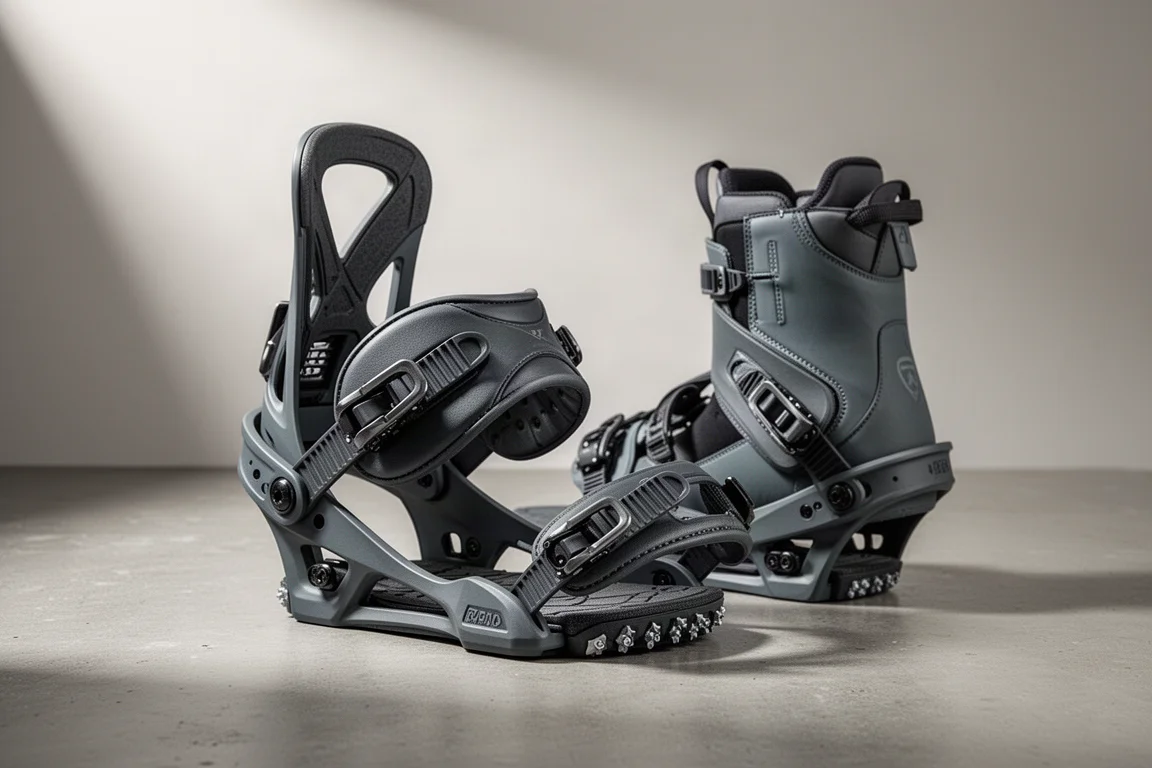
Strapping In When It Counts
The Supermatic’s hybrid design pays off most in awkward situations. On steeper slopes or in deep snow, where a pure step-in system becomes impractical because you cannot easily balance and click in standing up, you can still use the Supermatic like a classic ratchet strap binding. Riders described this as a genuine relief the first time they hit a steeper run: instead of struggling, they simply strapped in normally.
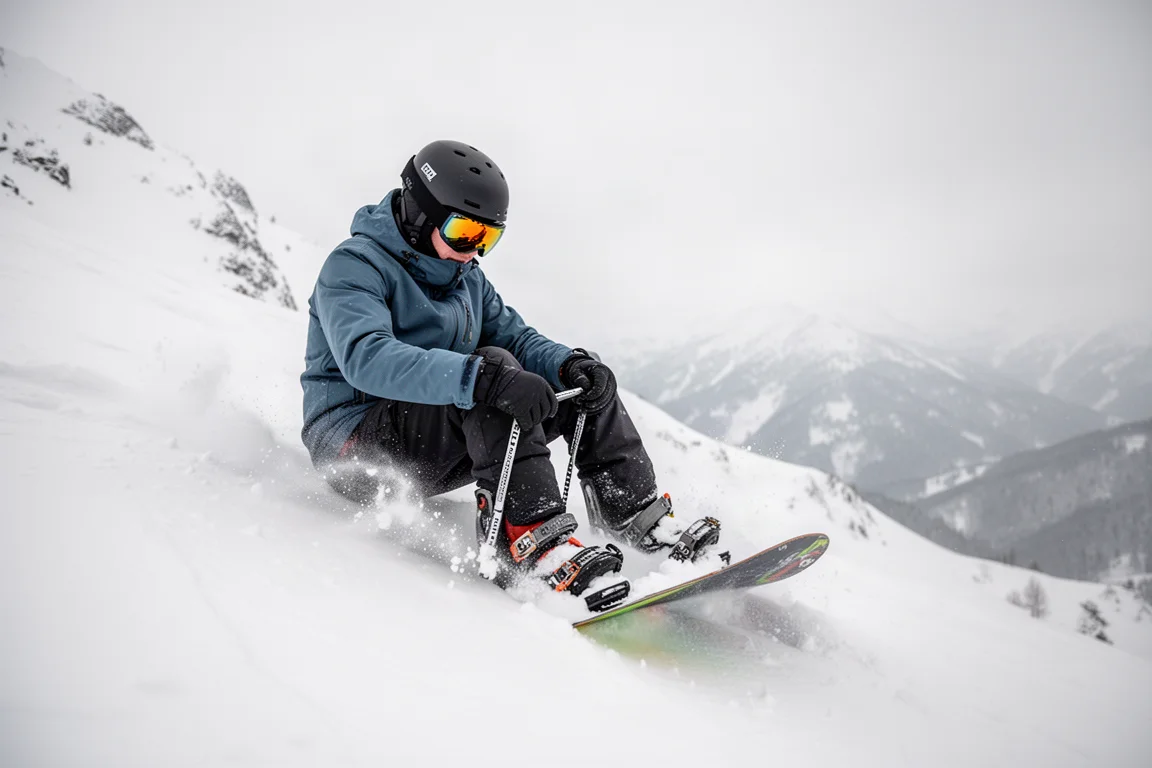
That flexibility also solves the classic beginner problem. If the lift exit is flat, you click in super easily. If you need to traverse and unstrap, you can re-strap with the traditional system when it makes sense. In short, the Supermatic works as a step-in when conditions allow and as a standard binding when they do not.
Performance: Did Anyone Miss the Straps?
In real riding, including demanding runs like a pipe session, testers reported the Supermatic felt like a traditional high-performance binding. It did not feel unstable underfoot, the forward lean and highbacks felt good, and there was no real sense that performance had been traded away.

The one caveat: they feel a little heavier than an average binding. Riders who are sensitive to weight may notice. Nidecker offers a carbon version that sheds some weight, though it will likely ride a bit stiffer. Pricing is around $400 for the standard Supermatic, with the carbon version around $500 to $550, a noticeable step up.
Which Should You Buy?
If you want maximum convenience within a single brand ecosystem and do not mind proprietary boots, the Burton Step On remains a solid, proven choice. But if you want step-in speed without giving up the ability to strap in normally on steeps or in deep snow, and you want the freedom to use any boot, the Nidecker Supermatic is the more versatile option. For many riders, that flexibility alone makes it the pick of the two.
Conclusion
Step-in bindings still involve a compromise, but the Nidecker Supermatic narrows that compromise dramatically. With hybrid strap-and-step functionality, everyday convenience, and performance that holds up in demanding terrain, it edges out the Burton Step On for versatility, at least for now.
Further reading
Related Reviews

Snowboard Bindings
2024 Union Ultra Snowboard Bindings Review: A Cushy, Freestyle-Focused Favorite
Two seasons on the 2024 Union Ultra: a lightweight, tweakable freestyle binding with standout comfort, a damp molecular bushing, and thoughtful hardware fixes.

Snowboard Bindings
32 Team Phase Binding Review: A Fast Entry Binding Built for Freestyle Laps
The first binding from 32 uses the Phase chassis for quick step-in entry with a softer, freestyle-leaning flex. Here's how it performed on the snow.

Snowboard Bindings
Arbor Cypress Snowboard Binding Review: A Laid-Back Cruiser That Can Charge
A closer look at the Arbor Cypress binding's adjustability, strap feel, and that oddly tall highback before you decide to buy.