Snowboard Bindings
Nidecker Supermatic Carbon vs Supermatic: Step-In Bindings Compared
Two versions of Nidecker's step-in binding system, compared on feel, response, hardware differences, and who each one is really for.
Introduction
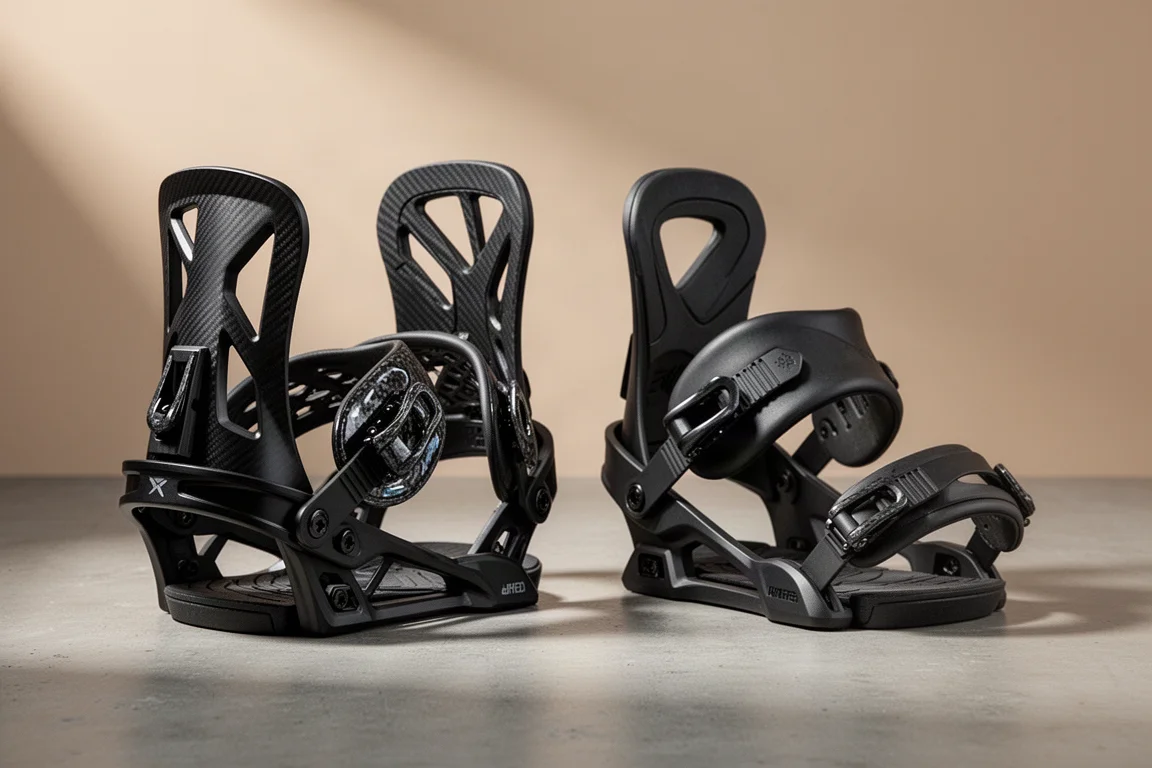
Nidecker’s Supermatic made step-in bindings genuinely credible, and the Supermatic Carbon now pushes the same concept further with more responsiveness and a noticeably different hardware package. We have spent substantial time on both, and this comparison covers how each feels on snow, what physically separates them, and which type of rider should buy which.
The regular Supermatic has been around for a few years with no major redesign since launch, only small refinements. Early quirks, like the heel lever releasing too easily when balanced on the toe edge, have since been smoothed out, and overall performance has improved in the process.
How the Carbon Version Rides
The obvious concern with a carbon-heavy binding is stiffness. Very stiff bindings often mean poor board feel, a sense of riding on a solid plate, and punishment for any sloppy input. The Supermatic Carbon defied all of those expectations from the very first run. Edge-to-edge response felt remarkable, and the same board that had been ridden with the regular Supermatic a day earlier suddenly felt upgraded.

What stands out most is the confidence they inspire. Even with rusty early-season technique, the bindings locked the rider in and compensated for imperfect edge changes rather than punishing them. Feet did not ache, either, which has been a recurring problem with other stiff bindings. When strapped in and cruising, the Carbon feels nearly identical to the regular Supermatic in comfort. The difference only appears once you put your foot on the gas: more response, but not twitchy, and an overall tendency to encourage a harder, more aggressive riding style.
What Is the Same
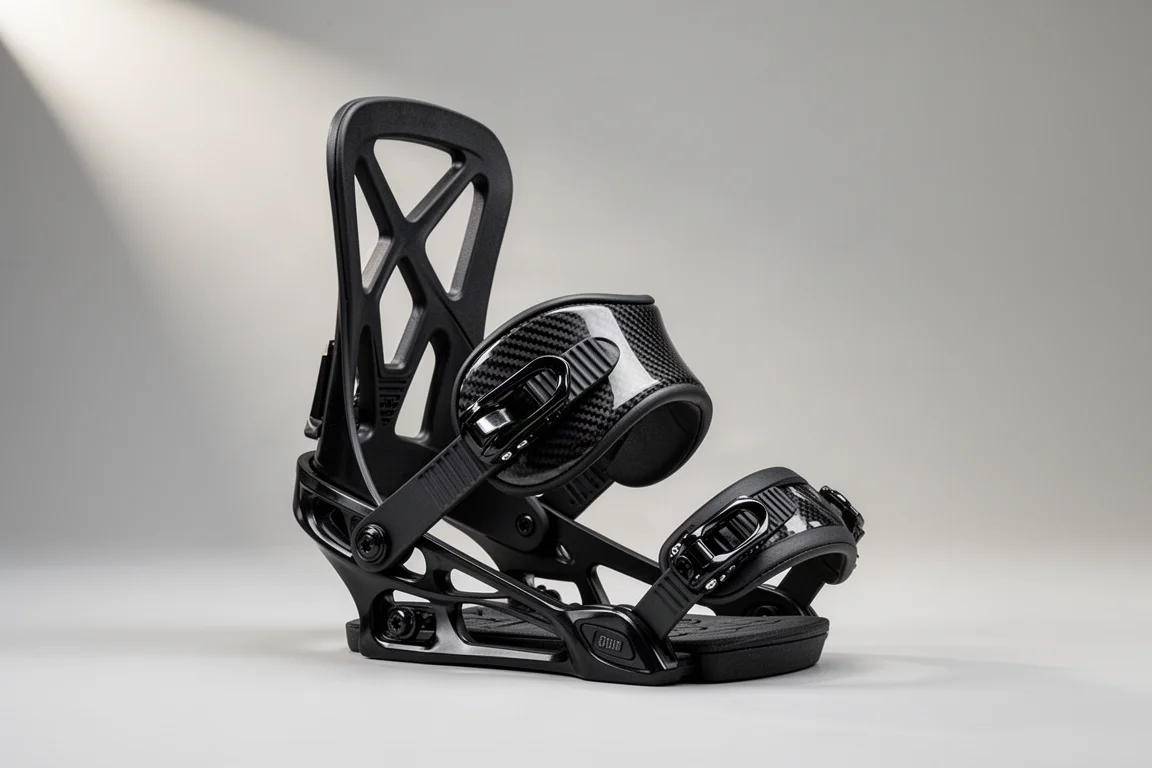
The two bindings share their core architecture. The base plate design is identical on both. The entry and release system works exactly the same way: pull the lever on the side, slide your foot in, and the binding clicks you in automatically. The cant footbeds are also the same on both versions, and once your foot is in, comfort is effectively indistinguishable between the two.
Straps and Buckles: The LSR 2.0 Upgrade
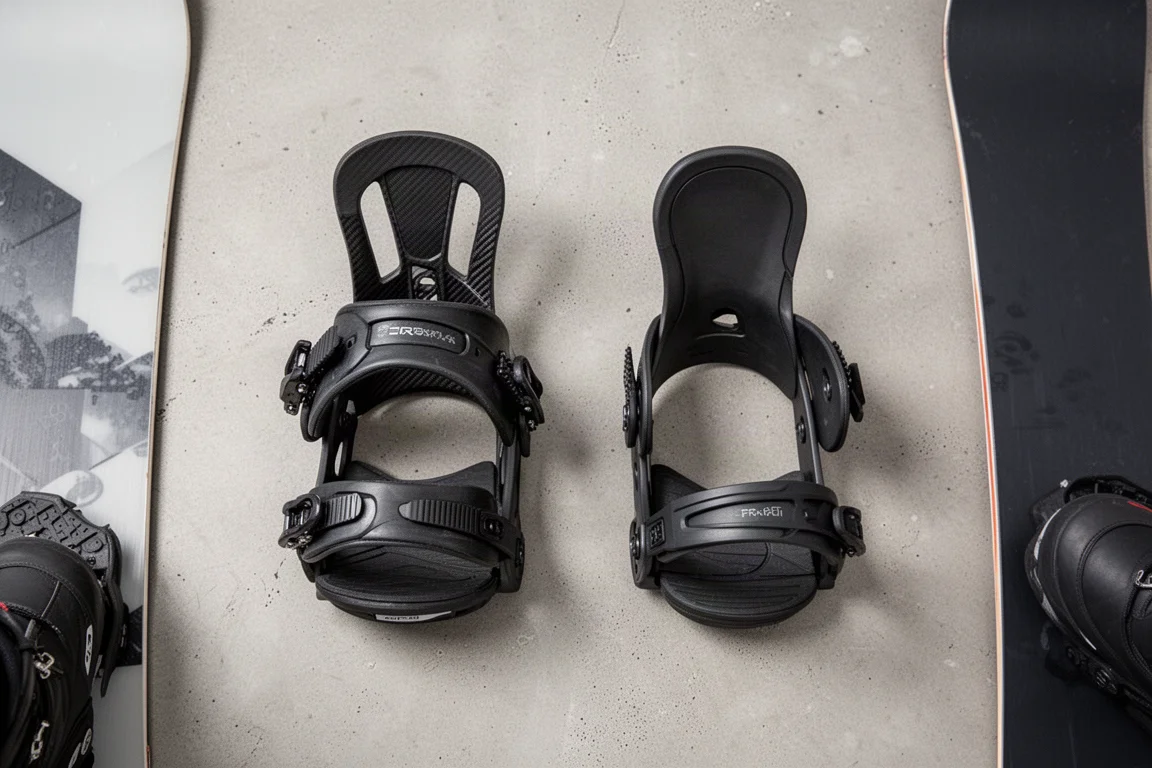
The straps share the same overall design, but the Carbon uses a stiffer TPU compound that contributes to the firmer overall feel. It also adds a liner lining on the inside, which helps your foot slip in more easily. On the entry side, the Carbon gets a small piece of carbon on top of the skid plate to help the foot slide in smoothly.
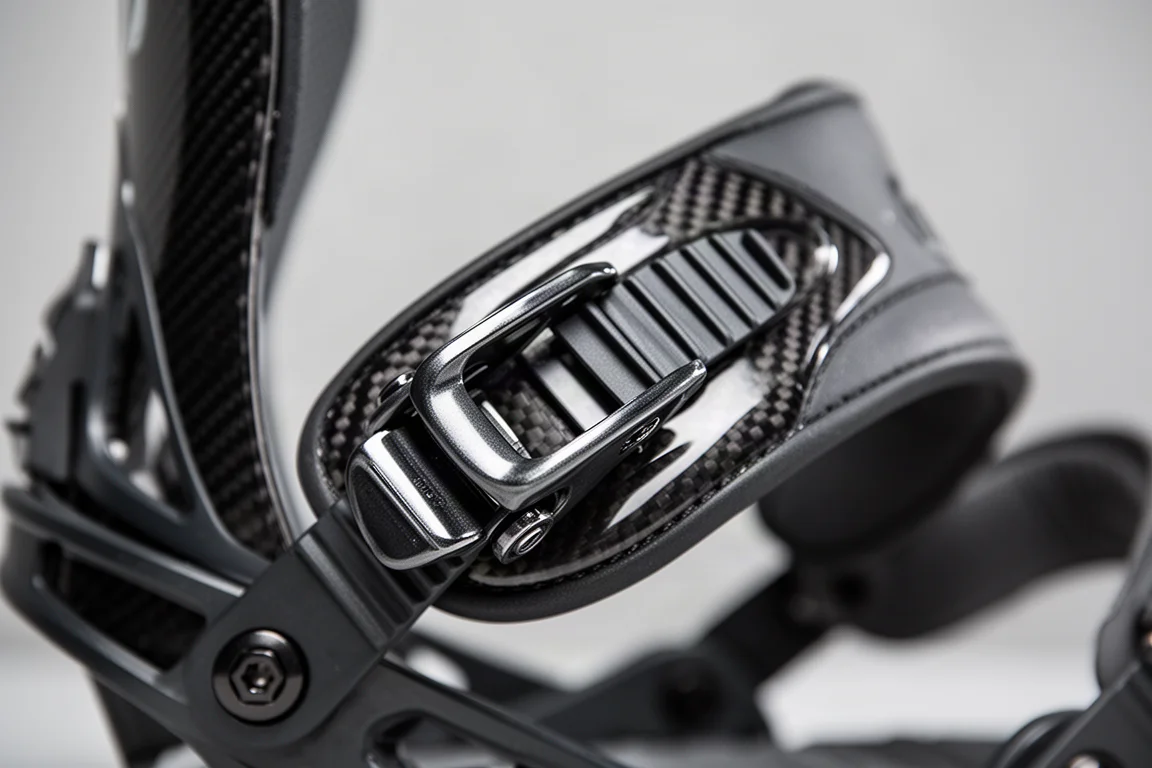
The biggest functional difference sits in the buckles. The regular Supermatic requires you to crank the ratchet down, then press a button to lock it in place. The Carbon’s LSR 2.0 buckles behave like a familiar ratchet: slide them in, they click, and they auto-lock in both directions without pressing anything. Set them once around your boot and you can leave them alone. If you like to adjust tightness between runs, you can ratchet them on the fly, smoothly and quickly.
Highback Design and Forward Lean
Flex the two highbacks side by side and the difference is clear. The regular Supermatic’s highback has more give and cups the back of the boot nicely, with forward lean adjusted on the fly by sliding a mechanism up or down. The Carbon’s highback is a futuristic-looking minimalist design with very little flex, and forward lean has to be set with a screwdriver.
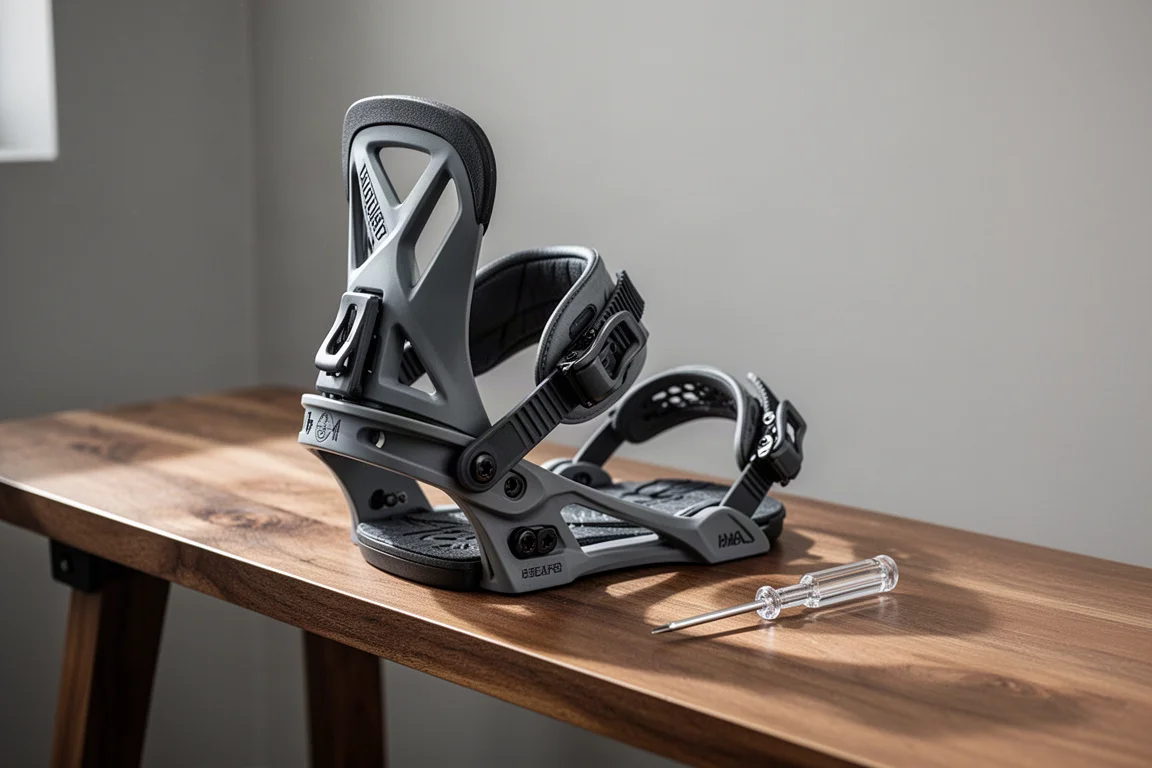
That tool adjustment is a genuine trade-off. If you change forward lean frequently throughout the day, the regular Supermatic is the better fit. If you set it and forget it, the Carbon’s fixed, stiffer highback works extremely well once dialed in.
Buying Advice: Which One Should You Choose?
The Carbon is better at riding hard and aggressive, but the regular Supermatic is no slouch in that department either. Its main advantage is versatility: it is a more usable binding across the entire mountain, for any riding style and any conditions.
For most people who want a step-in binding, the performance benefits of the Carbon version are not necessary. But if you are a genuinely solid rider who wants maximum responsiveness while keeping step-in convenience, the Supermatic Carbon is absolutely the right choice. The reassuring part is that both bindings work, and both work well, so there is no need to overthink the decision.
Conclusion
Both Supermatic versions deliver on the step-in promise without compromising how the board rides. The regular Supermatic remains the all-mountain, all-styles pick, while the Carbon rewards strong riders with sharper response and a more refined hardware package. Choose based on how hard you actually ride, and you will be happy either way.
Further reading
Related Reviews

Snowboard Bindings
2024 Union Ultra Snowboard Bindings Review: A Cushy, Freestyle-Focused Favorite
Two seasons on the 2024 Union Ultra: a lightweight, tweakable freestyle binding with standout comfort, a damp molecular bushing, and thoughtful hardware fixes.

Snowboard Bindings
32 Team Phase Binding Review: A Fast Entry Binding Built for Freestyle Laps
The first binding from 32 uses the Phase chassis for quick step-in entry with a softer, freestyle-leaning flex. Here's how it performed on the snow.

Snowboard Bindings
Arbor Cypress Snowboard Binding Review: A Laid-Back Cruiser That Can Charge
A closer look at the Arbor Cypress binding's adjustability, strap feel, and that oddly tall highback before you decide to buy.