Snowboard Bindings
Nidecker Supermatic Review: A Step-In Binding That Rides Like a Regular One
After extended testing on and off the slopes, a closer look at Nidecker's Supermatic step-in bindings, with a weight and handling comparison against the Kaon-X.
Introduction
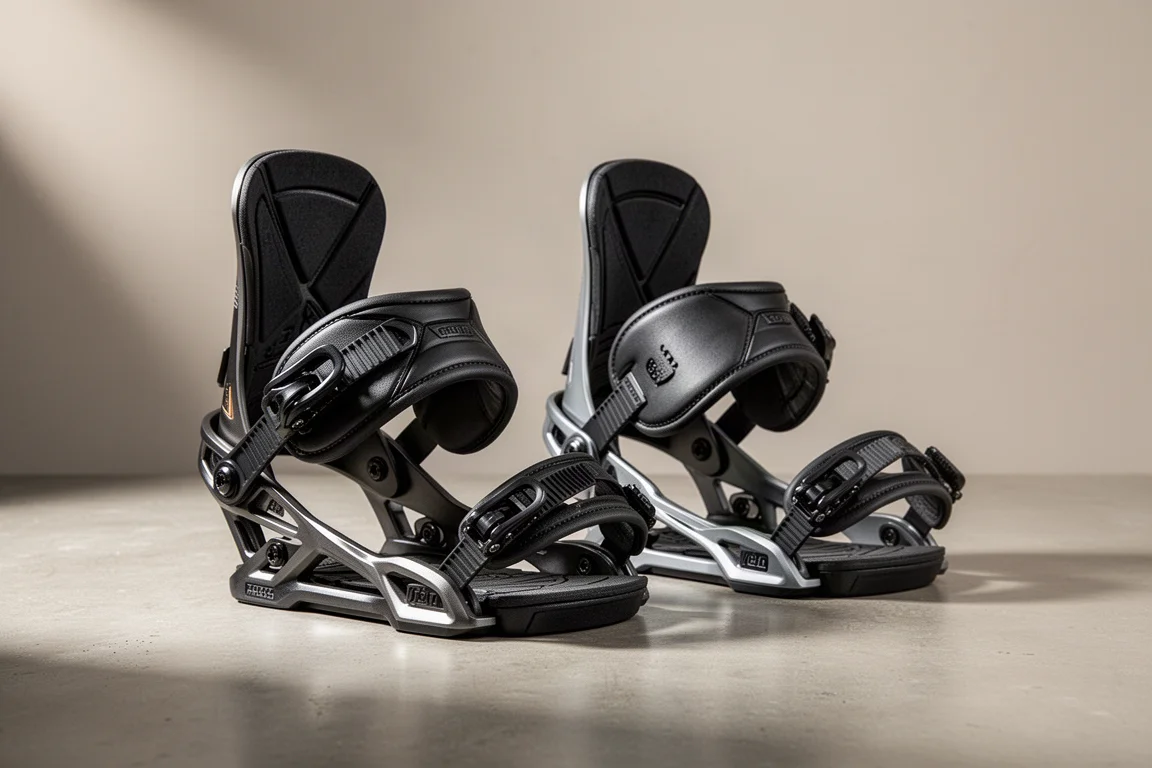
Step-in bindings have always promised the same thing: no more sitting in the snow, fiddling with straps, run after run. The Nidecker Supermatic delivers that promise with a boot-in, push-down, click-in mechanism, and after extended riding through a full winter season and additional summer glacier sessions, the picture of what these bindings do well, and who they suit, has become much clearer.
This review answers the most common questions riders had about the Supermatic after its initial release: how the highback folds, whether the binding can release on a chairlift, how it behaves when cranked tight, sizing, price, weight, and adjustability. It also compares the Supermatic against Nidecker’s own Kaon-X, a lightweight conventional binding, to show exactly what the step-in convenience costs.
What Makes the Supermatic Different
The Supermatic works like a hybrid. You can step in and out by pushing down on a release button and lifting your heel, or you can undo the straps and use it like a regular two-strap binding. That dual function turns out to be the key to most of its practical advantages.
The release action is deliberate by design. Pushing the button alone does nothing; you have to actively lift your heel up and out of the binding. On snow, with the ground under you, that motion is natural and quick. It is the mechanism’s built-in safety feature, and it matters more than you might expect.
Highback Clearance and Board Bag Packing
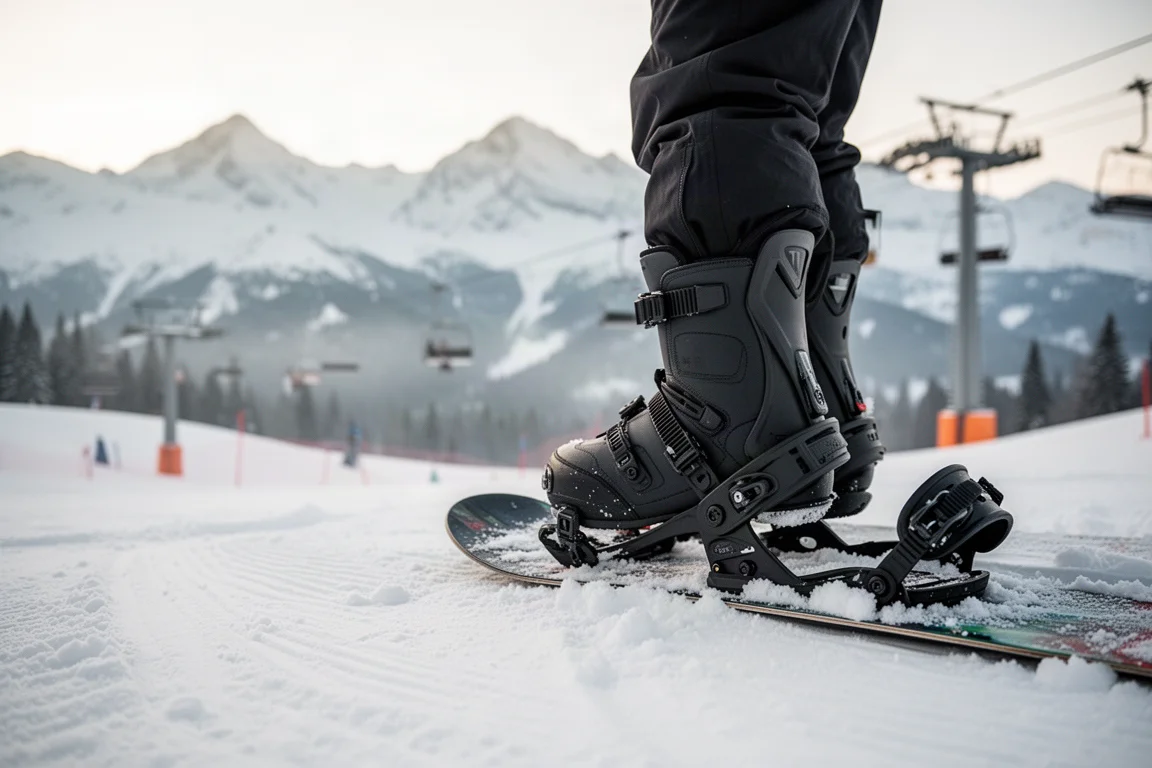
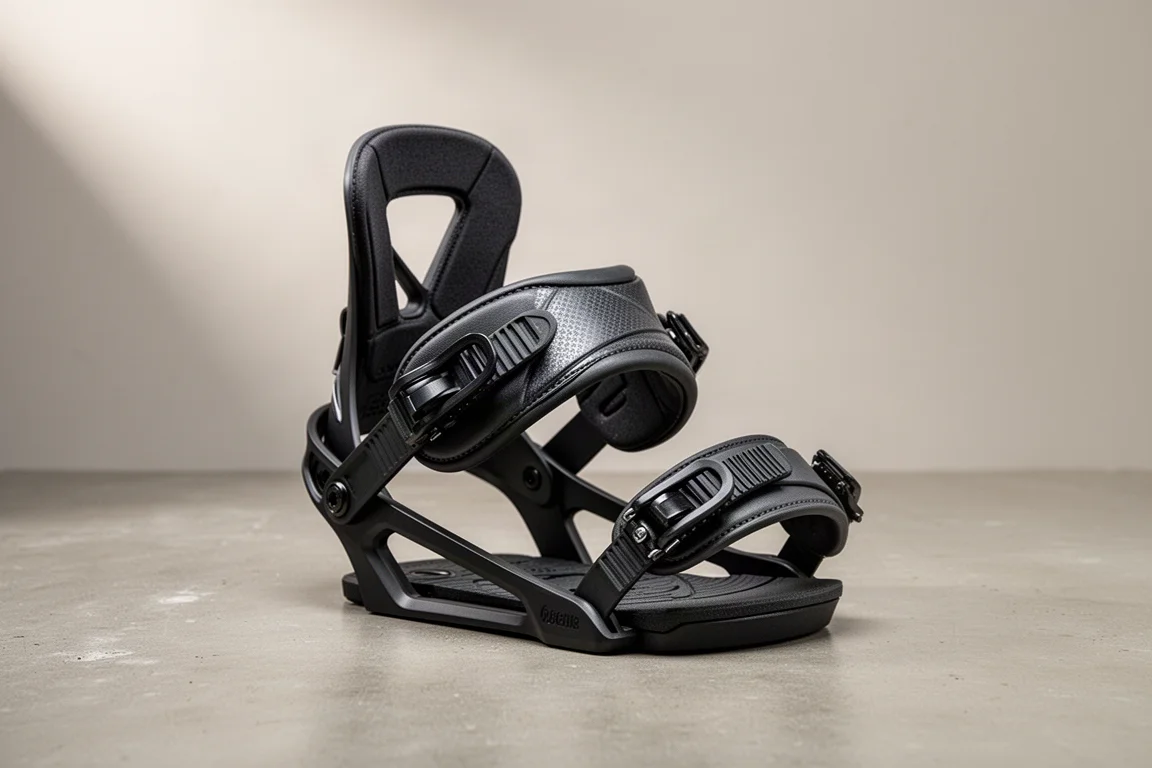
One of the first concerns riders raised was how far the highback folds forward, both for low chairlifts and for packing the board into a board bag. Folded forward, the highback reaches roughly a 35-degree angle before it contacts the straps, which proved enough clearance on every chairlift used during testing in France. If a particularly low chair does press against the highback, it simply pushes into the soft straps without damage, and the highback folds nearly flat.
For packing, you undo the straps as you would on any conventional binding and fold the highback down completely. The binding height itself is slightly higher than a normal binding because the heel cup and highback pivot point sit a little higher up, but the clearance still sits comfortably within normal chairlift limits.
Can the Binding Release on a Chairlift?
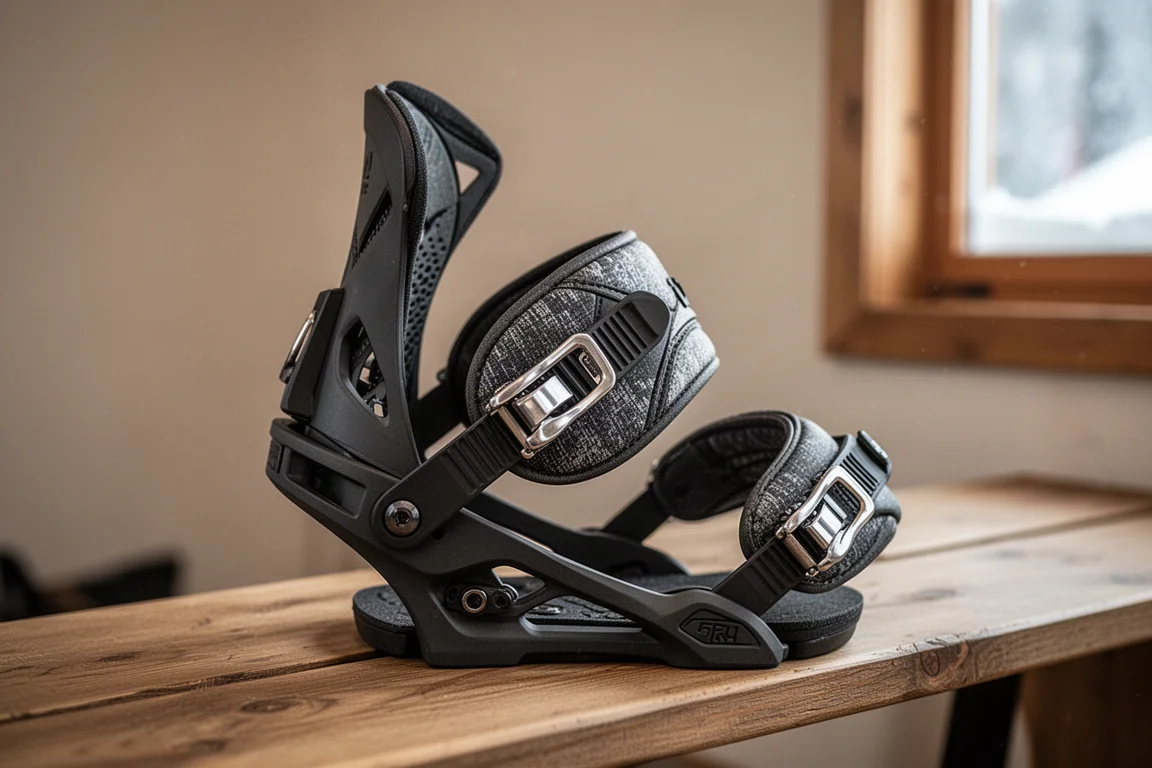
Almost certainly not. Across the entire test period, the binding never came close to releasing on a lift. The reasons are in the mechanism: releasing requires pressing the button while actively lifting the heel out of the binding. With your foot dangling in the air, there is nothing to push against, and applying enough pressure to trigger the switch is genuinely difficult. With your foot resting on the footrest bar, the button can be pressed all day, but as long as your weight presses down, the binding stays locked.
For riders who still want peace of mind, production models include a leash in the box, similar to other step-in systems, so you can tether the binding to your front foot if you wish.
Riding Performance and Strap Tension
The Supermatic does still function when you crank the straps down super tight: entry, release, and re-entry all work, just not as smoothly. Interestingly, the bindings actually perform best when you do not over-tighten them. The middle-strap design hugs the boot and holds you in securely without extreme tension, giving good edge-to-edge power transmission while retaining a little lateral flex for presses and tweaks.
Two practical notes from testing: the bindings slide in slightly more easily once everything is a bit wet from riding, and the very first dry run of the day can require a firmer entry. If you absolutely cannot break the habit of cranking straps to maximum, these may not be the bindings for you.
Sizes and Price
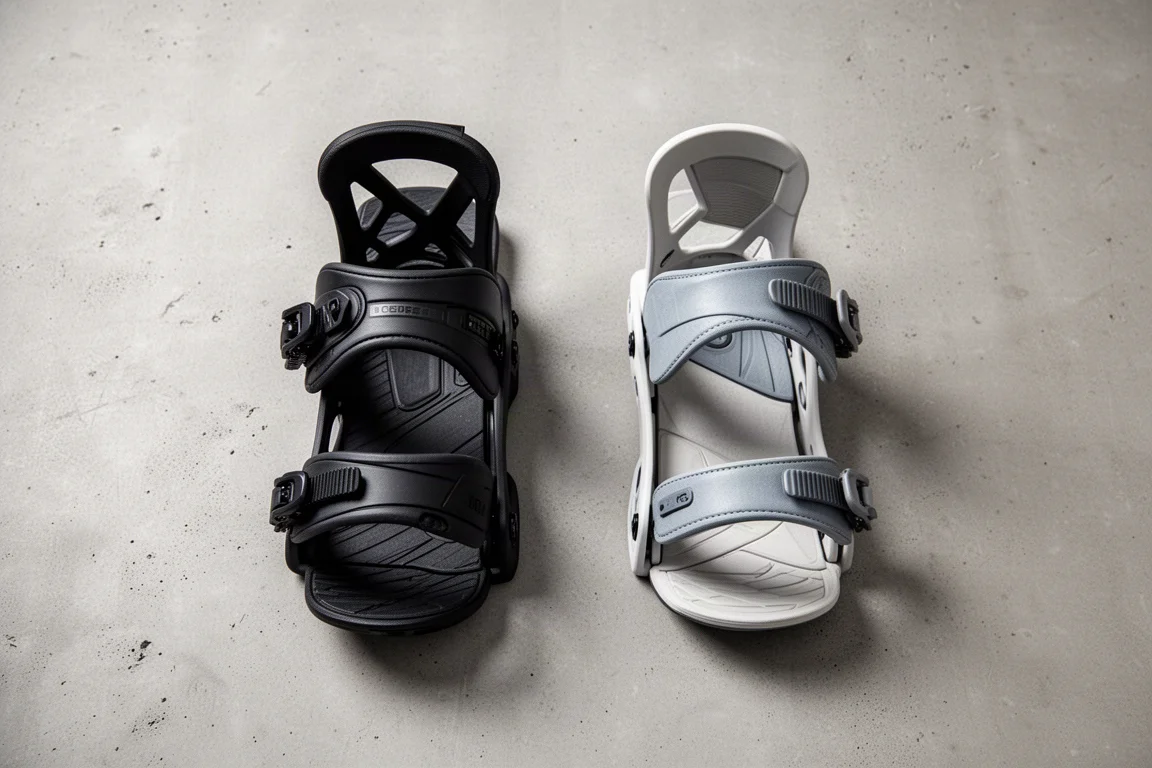
The Supermatic comes in medium and large. The large was used with US size 12 boots, right at the upper limit of the size range, and it worked fine. An extra-large size is coming the following year.
Pricing is 399 US dollars, 499 Canadian dollars, 399 euros, or 449 Swiss francs. Pricing for Japanese yen and British pound sterling was not yet listed at the time of testing, so riders in those markets should check current listings directly.
Weight: Supermatic vs Kaon-X
Comparing against the Nidecker Kaon-X, a notably lightweight conventional binding, the Supermatic weighs 2 pounds 13 ounces (1.28 kg) versus the Kaon-X’s 2 pounds 2 ounces (971 grams). Both were measured with binding screws installed, so the comparison is fair.
The step-in mechanism does add weight, but not dramatically so. In practical terms, the difference is small enough that most riders will notice the convenience long before they notice the grams.
Adjustability and Binding Compatibility
The Supermatic works on the Burton Channel system, standard 4x4 hole patterns, and the older 3D pattern, so it fits nearly every board. For stance width, you can move the binding a full set of holes, and because the baseplate is slightly offset, you can also spin the binding 180 degrees to nudge your foot slightly left or right in smaller increments rather than jumping a whole hole pattern. There is generous slot room to move the screws, so centering your foot between the toe and heel edge is straightforward, provided you are in the correct binding size for your boot.
Who These Bindings Are Really For
Nidecker designed the Supermatic for a rider who values all-day comfort and forgiveness as much as response. These bindings are genuinely responsive edge to edge, but they are not the ultra-stiff, punishing kind that beat you up over a mistake. The most likely buyers are beginner to intermediate riders, and possibly advanced ones too, often riders who are older or simply tired of strapping in and out all day.
If you love super stiff, super responsive setups, stick with those; these were not built for you. But if the appeal is making your life easier on the mountain, the Supermatic does exactly what a step-in binding should, and among step-in options it stands out as the best of the bunch.

Conclusion
The Nidecker Supermatic is a very good performing step-in binding that gives up remarkably little compared with a regular binding while adding genuine convenience. It folds for chairlifts and board bags, it resists accidental release, it is reasonably light for its category, and it fits the widest range of mounting systems. For riders who want to spend their day riding rather than strapping in, it is an easy recommendation.
Further reading
Related Reviews

Snowboard Bindings
2024 Union Ultra Snowboard Bindings Review: A Cushy, Freestyle-Focused Favorite
Two seasons on the 2024 Union Ultra: a lightweight, tweakable freestyle binding with standout comfort, a damp molecular bushing, and thoughtful hardware fixes.

Snowboard Bindings
32 Team Phase Binding Review: A Fast Entry Binding Built for Freestyle Laps
The first binding from 32 uses the Phase chassis for quick step-in entry with a softer, freestyle-leaning flex. Here's how it performed on the snow.

Snowboard Bindings
Arbor Cypress Snowboard Binding Review: A Laid-Back Cruiser That Can Charge
A closer look at the Arbor Cypress binding's adjustability, strap feel, and that oddly tall highback before you decide to buy.