Snowboards
Nidecker Sensor Snowboard Review: A Friendly Park Twin With Real Charge
The Nidecker Sensor blends camber pop with rocker and 3D nose and tail ease, making it one of the most approachable freestyle boards in the Sensor line.
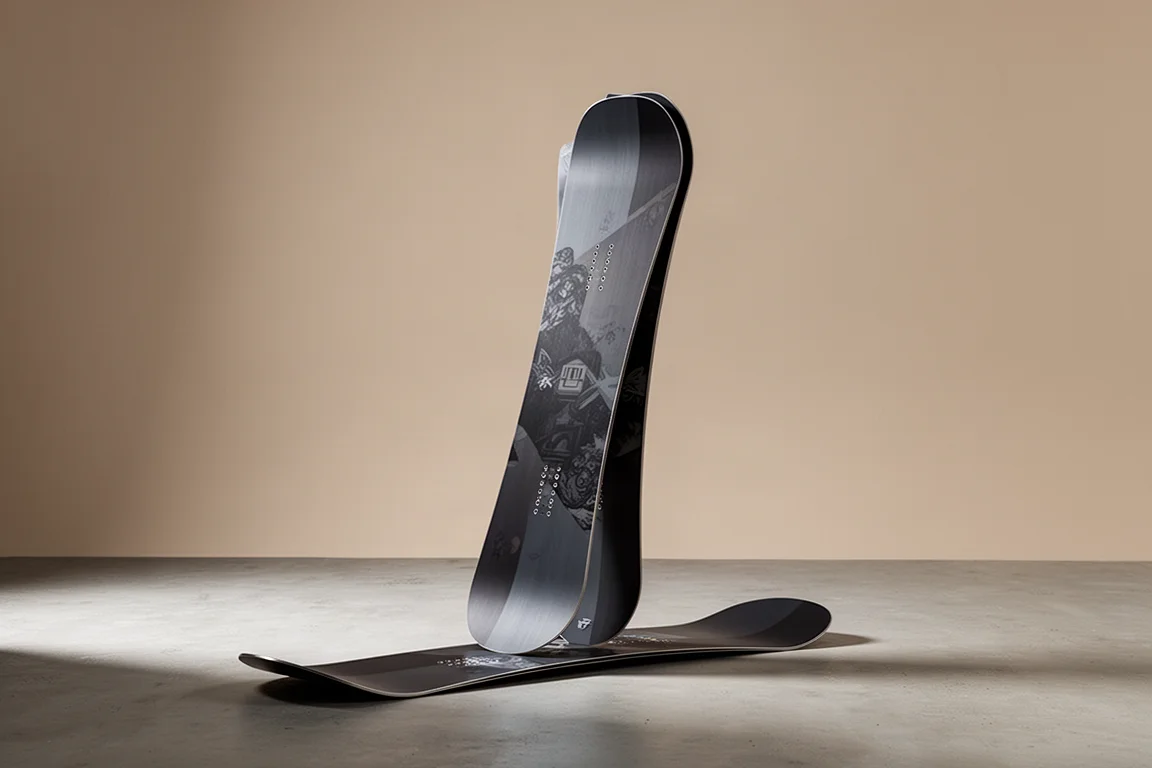
Introduction
The Nidecker Sensor is a true twin freestyle snowboard built around the brand’s Cam Rock camber profile. It sits below the team and pro versions in the Sensor line, and it earns its place by being noticeably more forgiving without giving up the ability to charge when the moment calls for it.
We rode it at Copper Mountain on a mostly sunny day with excellent snow: soft enough to lay an edge into, but fast rather than sticky. The board was paired with Ride Fuse boots and Jones Mercury phase bindings throughout the test.
First Impressions
The Cam Rock profile puts camber between your feet for pop, power, and drive, then transitions into rocker with 3D contouring in the nose and tail. On snow, that mix shows up immediately. The camber zone behaves like a traditional twin, while the outer sections feel looser and easier to work with.
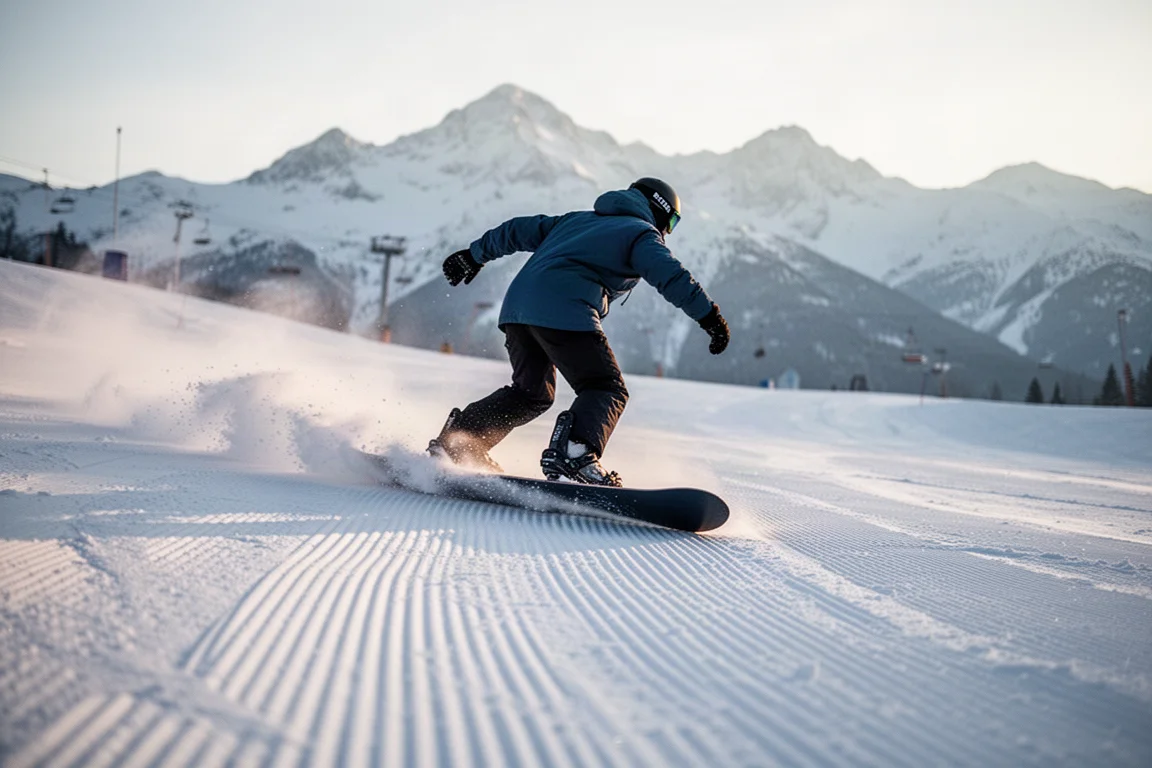
Flex-wise, the Sensor sits right in the middle of the road between the feet. Toward the nose and tail, it softens up thanks to the rocker and 3D sections, so torsionally it flexes like the middle of the board does. You never feel like you are muscling it around.
Who This Board Is For
Nidecker clearly built this board for a specific rider: someone who knows what they are doing but wants to spend more time in the park advancing their skills on a board that will not punish every mistake. It is user friendly first, but it still has enough substance to charge on when needed.
If you want one board that can dip into fresh powder too, the 3D in the nose gives it a genuine case as a quiver killer. For a rider buying a single deck, this is a reasonable pick.
Pop and Stability
Ollies on the Sensor are easy to load. The rocker zone means the board is already somewhat flexed out toward the tips, so you do not have to throw a lot of force into it. The pop is organic rather than abrupt, more of a roll pop than a carbon-laden snap, so it never catches you off guard. It gets you in the air reliably and holds its edge well whether you are popping off a side hit or straight off a roller.
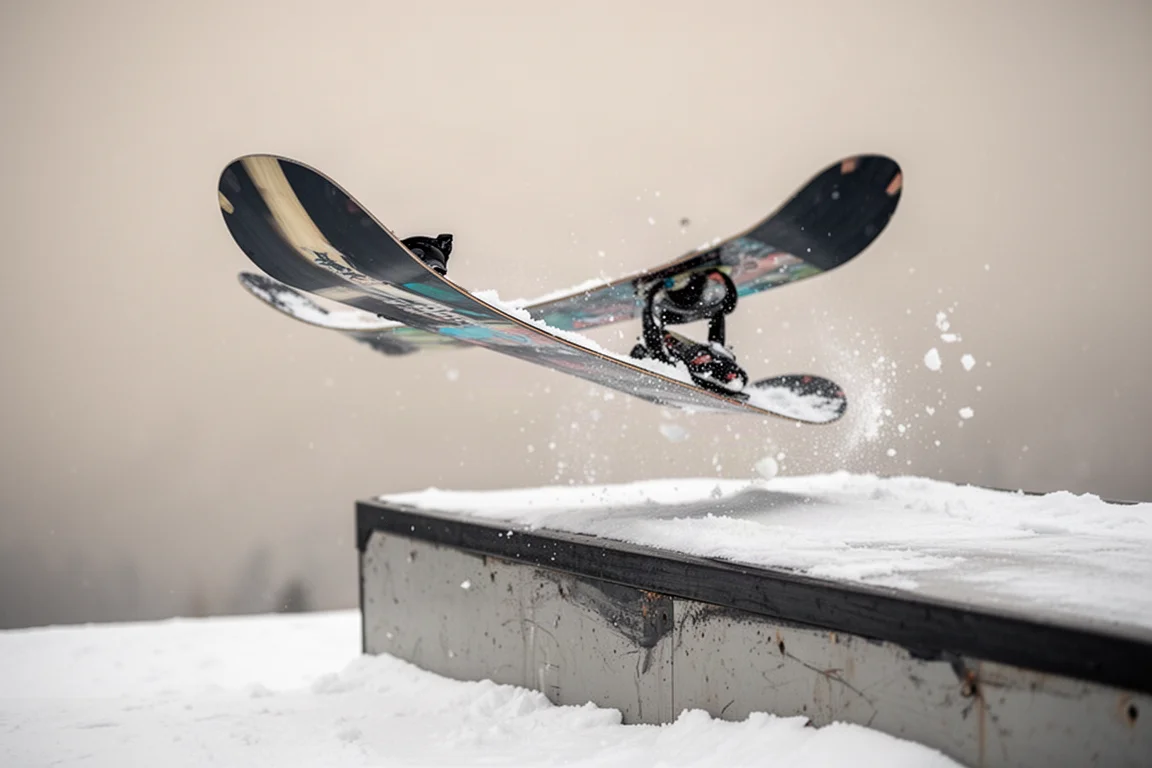
Stability is respectable. Despite the rocker in the nose and tail, the board does not chatter much, and vibrations do not flood through to your feet. On firmer, icier snow near the top of the mountain you feel more of everything, so this is not the dampest board out there. It leans lively. Still, it never felt unstable, and there was no sense of a top speed limit or a need to hold back while charging through less than ideal conditions.
Jumps
The Sensor handles jumps with zero issues. It was at its best on the medium line, where you can pop off it or let the lip do the work. It carries speed well after the landing too, so laying an edge into a medium carve to set up the next hit feels natural.
One caveat: the 3D in the tail washes out if you pre-spin jumps. If you pre-spin a front side spin, it can slide out on you. The upside is that it keeps you honest on takeoff technique, which actually helps when learning spins. Of the whole Sensor line, this version has the least raw pop, but it is still very good by any normal standard.
Butterability: The Sensor’s Standout Skill
This is the most butterable board in the Sensor line, and the 3D in the nose and tail is why. Shifting your weight slightly back gives you a tail butter, shifting forward gives a nose butter, and you never have to press hard into it. The board does much of the work for you.
Swiveling or spinning out of butters is nice and catch-free, with zero issues from the nose or tail grabbing. At higher speeds, the tail holds beautifully, with a clear sweet spot right outside the graphic on the nose and tail where the rocker begins.
Jibbing and Rails
On rails, the Sensor mixes precision with playfulness. Precision shows up in finding your line onto the feature; playfulness kicks in once you are on it. Tail presses meet only mild resistance, and shifting a little weight is enough to press on ledges.
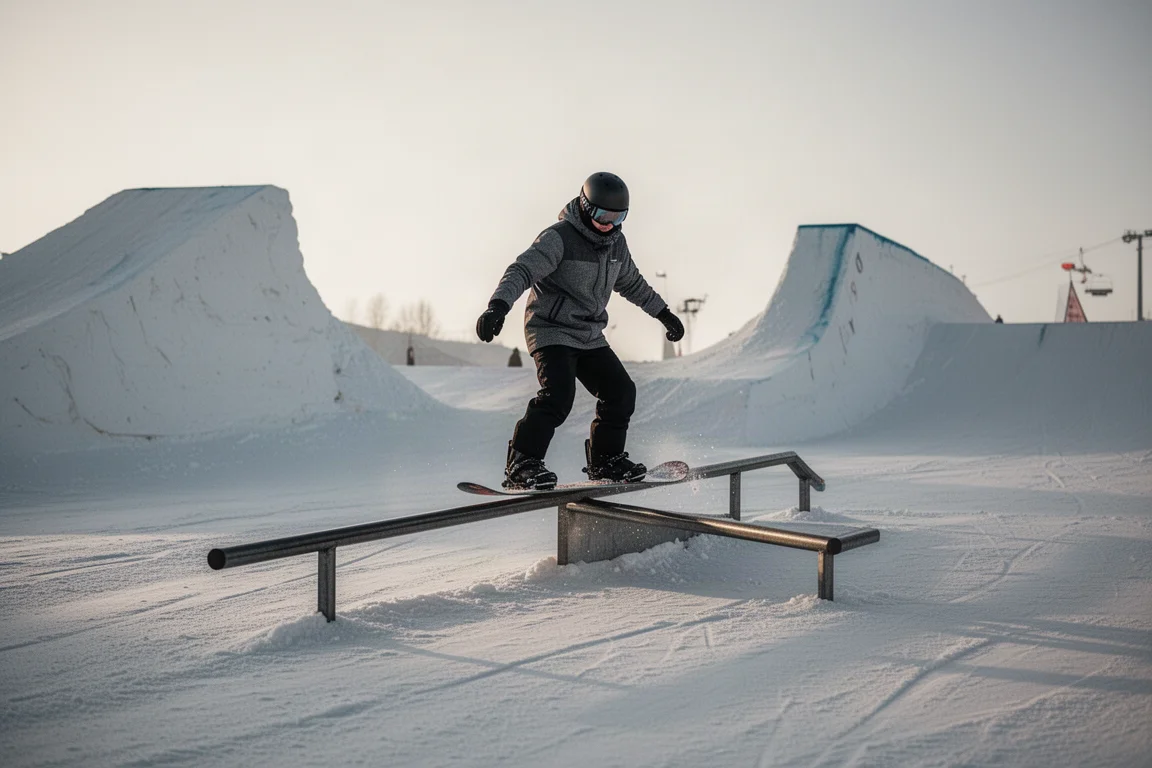
For board slides, it holds exactly where you land it, right under the front foot. You can also come in with more of a top rope approach than you could on the stiffer boards in the line, which tend to spring you off. This one has more give and simply will not do that to you.
Carving and Handling
Carving is genuinely good for a true twin middle-of-the-road flex board. The rocker and 3D in the nose make it quick edge to edge, which is especially handy when approaching rails. Short, quick carves feel easy, and medium setup carves for jumps feel smooth.
On soft groomed snow it carves its best, including large comfortable carves down the mountain. On hard, chewed-up, chunky snow it is not at its greatest, though it still charges through with a bit of vibration rather than falling apart. For euro carves, wait for softer snow or fresh powder: on ice or chunky spots, the edge will not hold as well.
Buying Advice
The Sensor is offered in 139, 143, 147, 150, 153, 156, and 159 wide. Recommended bindings include the Nidecker Kon, the Union Force, and the Ride Drone. Comparable boards worth cross-shopping are the Spring Break Resort Twin, the Rome Agent, and the Ride Zero.
After a couple of runs to recalibrate expectations from the stiffer team version, the board clicked. It built confidence in the park, made rails genuinely fun, and even improved jump form by forcing clean takeoffs. Nidecker has made it just different enough from the team, pro, and other Sensor versions to stand apart on its own.
Conclusion
The Nidecker Sensor is a friendly, playful true twin that keeps enough camber drive to charge and enough 3D contouring to make butters, presses, and spins feel effortless. It is not the poppiest or dampest board in its family, but as an approachable park board, and possibly a one-board quiver killer, it makes a strong case. If that mix fits your riding, it is easy to recommend.
Product link
View more details for Nidecker Sensor
This product is mentioned in the review. Check the specifications, options, and compatibility before buying.
View more details for Nidecker SensorFurther reading
Related Reviews

Snowboards
32 Middle Earth Scott Stevens Pro Model Snowboard Review: A Park Board With a Reversed Flex
A medium traditional camber park board with carbon V reinforcement that is stiffer in the tips and more playful between the feet. Here is how it rides and who it suits.

Snowboards
32 Snafu Review: A Directional All-Mountain Freestyle Board with Serious Pop
The 32 Snafu pairs a directional camber-rocker profile with a stiffening tail for powerful carves, big ollies, and a surprisingly damp ride.

Snowboards
32 XXX Pat Fava Pro Snowboard Review: A Stiff Camber Beast for Hard-Charging Riders
A full-width traditional camber deck that rewards aggression with stability and edge power, but demands effort everywhere else.