Snowboard Bindings
Nidecker Proton Ratchet: Trickle-Down Tech Explained
A closer look at Nidecker's lighter-weight Proton ratchet, found on their entry-level bindings, and whether it deserves a spot on your setup.
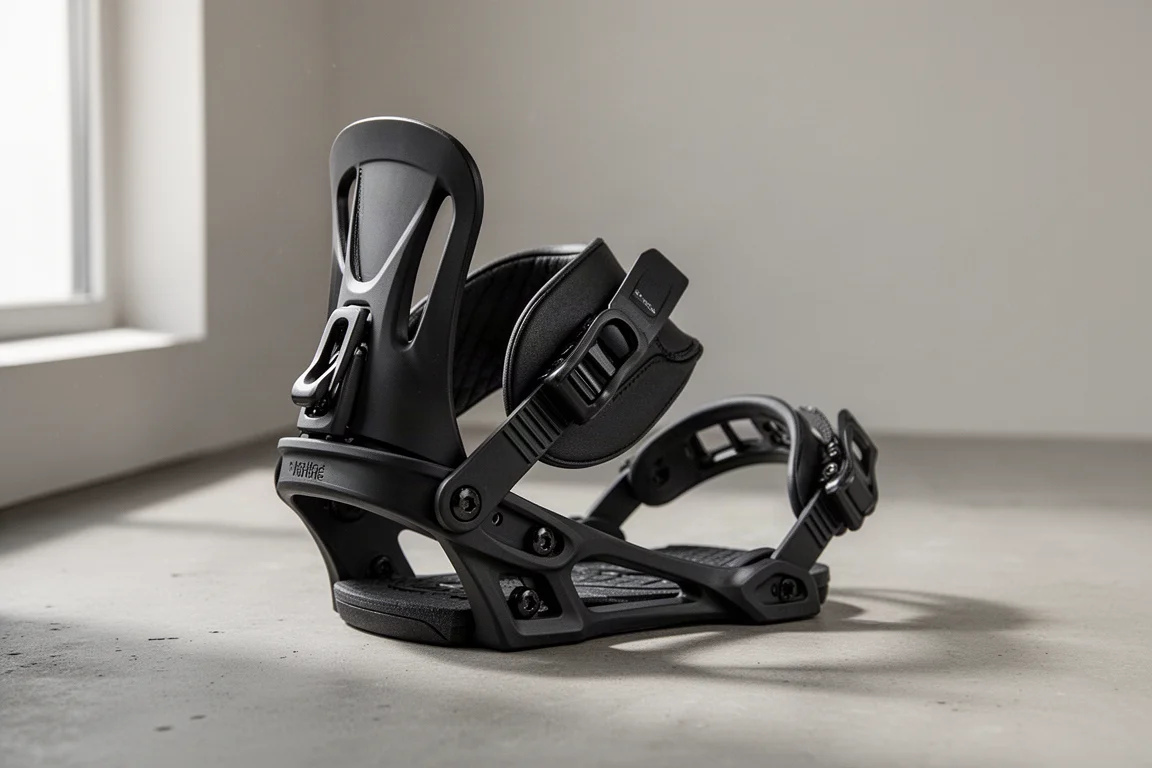
Introduction
Nidecker’s Proton ratchet is a good example of trickle-down technology: a feature borrowed from the brand’s higher-end bindings and adapted for their lower-end models. The idea is simple, bring proven tech to more affordable gear, but the execution raises some questions worth discussing before you buy.
This piece breaks down what the Proton ratchet is, how it works, and whether you actually need it on your next binding purchase.
What the Proton Ratchet Actually Is
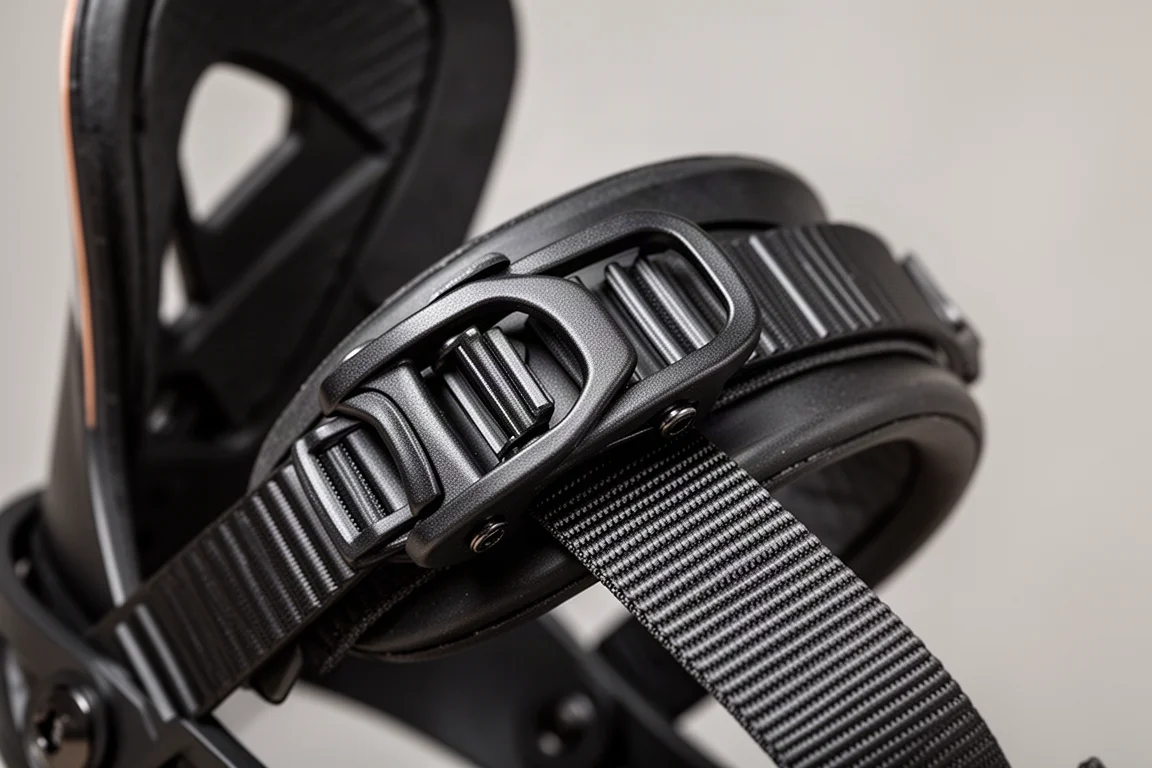
If you ride with strapped bindings, you already know what a ratchet does: it works with your toe and heel strap to lock you in. The Proton ratchet is Nidecker’s own take on that component, proprietary to their snowboard lineup and found on their lower-end models.
The construction story is where things get interesting. The Proton uses the same base as Nidecker’s Action ratchet but swaps in a lighter-weight composite material for the release lever. That material choice is what brings the cost down and makes the tech trickle down to entry-level gear in the first place.
How It Feels on the Mountain
The lighter composite comes with a trade-off. Compared to the higher-end ratchets, the Proton feels a little looser and slightly more flimsy in hand. There is a bit of play and wiggle room in the mechanism, which is what you would expect from a binding aimed at entry-level and low-level intermediate riders, such as the Muon X.

In day-to-day use, none of this stops it from doing its job. The ratchet still engages reliably, and you keep the one-finger quick release that makes getting in and out fast and easy. It works; it just does not feel as crisp or solid as the premium versions.
Things to Consider Before Buying
Durability is the main concern here. Long term, the lighter composite release lever is simply not going to hold up as well as Nidecker’s higher-end ratchets, and it is reasonable to expect some issues down the line.
The mechanism also tends to run a little stickier, with more wiggle room than you would find on the premium hardware. None of that is a dealbreaker for casual riding, but it is worth knowing before you commit, especially if you ride a lot of days per season or put your gear through rough conditions.
Buying Advice
So do you need it? Honestly, no. Trickle-down tech is not always the best version of itself, and this is one of those cases. It is nice that Nidecker brings the design to cheaper bindings because it keeps costs down, but the compromise in feel and long-term durability is real.
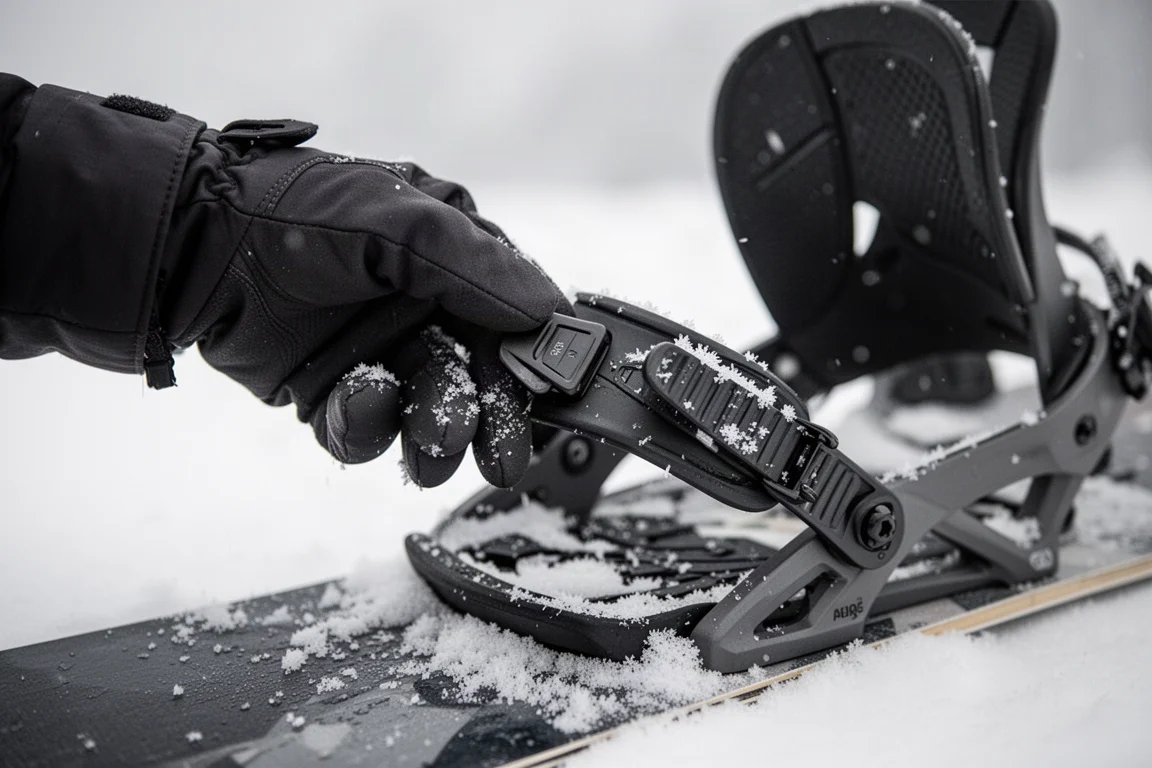
If you are shopping in this range, the Proton ratchet will work fine and you will not have a problem with it engaging. But if you have the option, choosing a binding with a higher-end ratchet is the safer call, particularly if durability matters to you.
Conclusion
The Nidecker Proton ratchet is a lighter-weight composite version of the brand’s Action ratchet, built to bring trickle-down tech to entry-level bindings. It functions as intended, offers the same convenient one-finger quick release, and helps keep prices down. The trade-offs are a looser feel, some extra play in the mechanism, and questions about long-term durability. If you ride occasionally and want affordable gear, it will serve you fine. If you want hardware that feels tight and lasts for seasons, aim for a binding with Nidecker’s higher-end ratchet instead.
Product link
View more details for Nidecker Proton Ratchet
This product is mentioned in the review. Check the specifications, options, and compatibility before buying.
View more details for Nidecker Proton RatchetFurther reading
Related Reviews

Snowboard Bindings
2024 Union Ultra Snowboard Bindings Review: A Cushy, Freestyle-Focused Favorite
Two seasons on the 2024 Union Ultra: a lightweight, tweakable freestyle binding with standout comfort, a damp molecular bushing, and thoughtful hardware fixes.

Snowboard Bindings
32 Team Phase Binding Review: A Fast Entry Binding Built for Freestyle Laps
The first binding from 32 uses the Phase chassis for quick step-in entry with a softer, freestyle-leaning flex. Here's how it performed on the snow.

Snowboard Bindings
Arbor Cypress Snowboard Binding Review: A Laid-Back Cruiser That Can Charge
A closer look at the Arbor Cypress binding's adjustability, strap feel, and that oddly tall highback before you decide to buy.