Snowboards
Nidecker Megalite Review: A Lively Charger Built for Speed and Big Pop
The Nidecker Megalite pairs a Surfy Cam Rock profile with a stiff, lightweight build that rewards aggressive carvers and jumpers, but demands respect from anyone on board.
Introduction
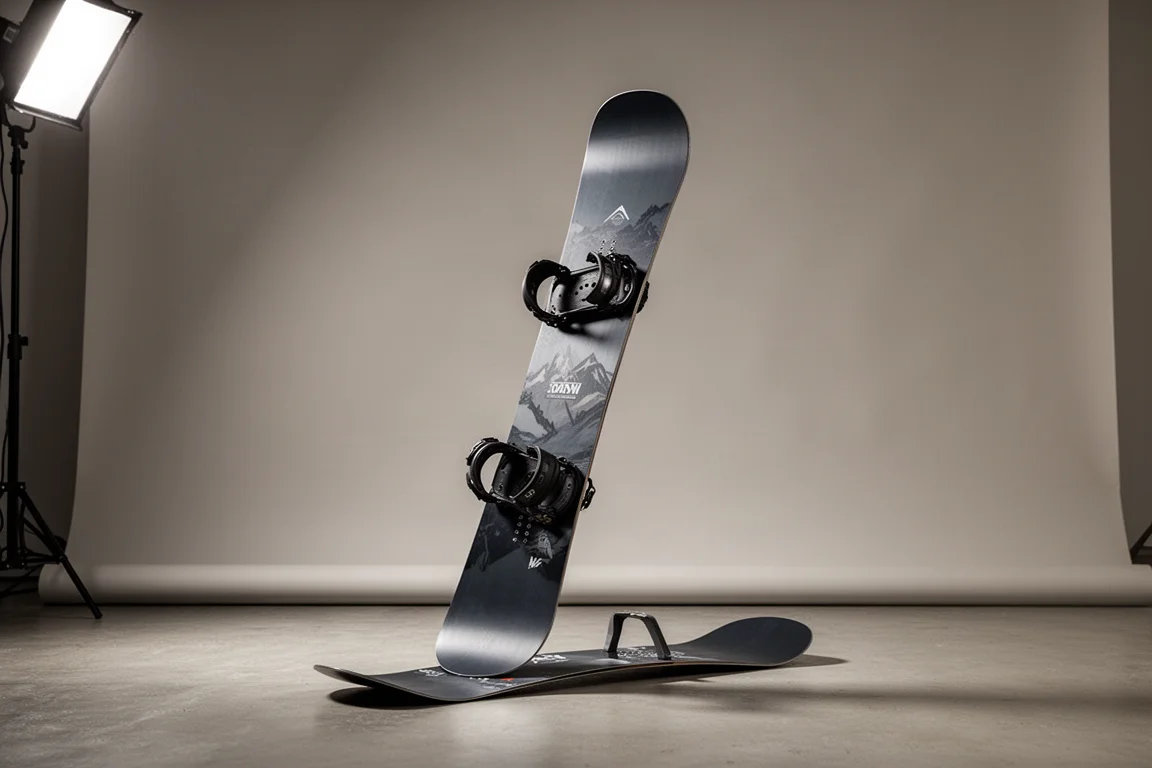
The Nidecker Megalite is a directional all-mountain snowboard built around one clear idea: speed. It uses Nidecker’s Surfy Cam Rock profile, which places camber under the front foot and through the tail, with a rocker zone in the nose. The camber delivers pop, stability, and power, while the nose rocker makes turn entry easier and adds float in fresh powder. It comes in 152, 158, and 164 wide sizes, and it carries a higher price tag than many boards in its class. This review covers how it actually performs, who it suits, and where it falls short.
Riding Impressions: Tested in Spring Conditions
The board was ridden at Copper Mountain on a bright, sunny spring day. The snow started as soft granulated corduroy and gradually turned to full mashed potatoes by the afternoon, with a few slow spots where the sun had been baking the run since early morning. Conditions stayed fast for most of the day, which turned out to be ideal for a board like this.
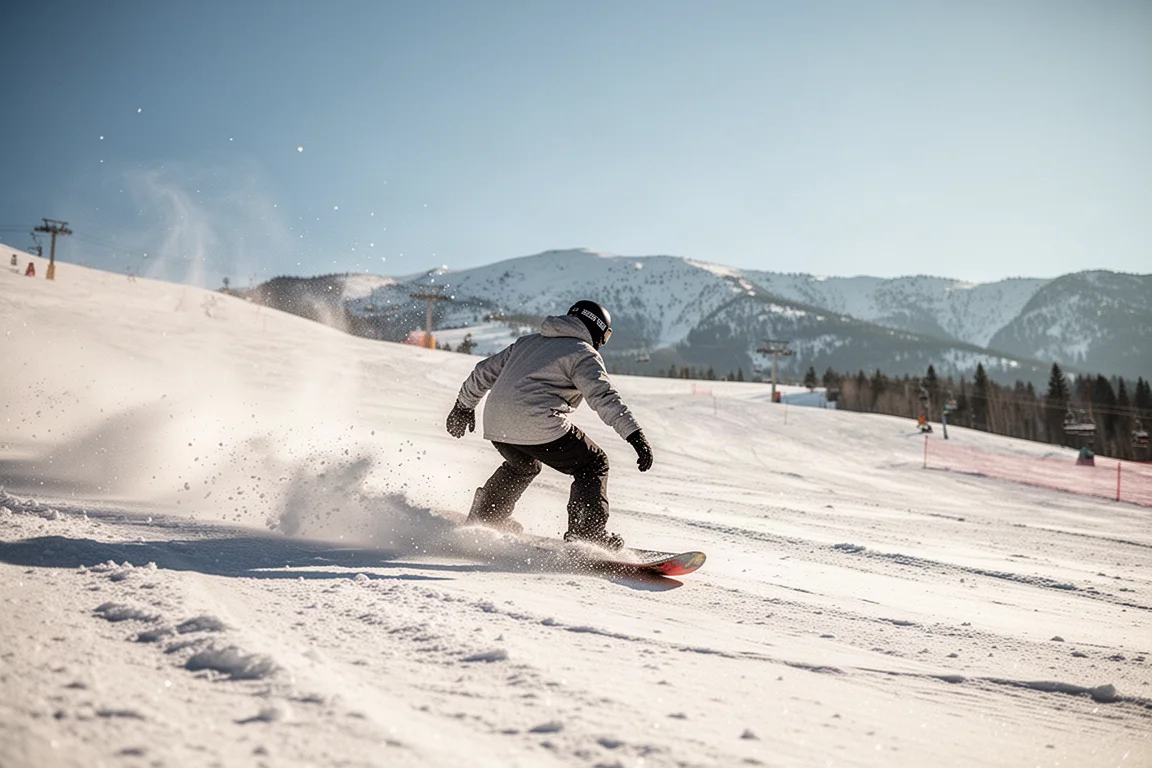
Tested with Ride Fuse boots and Jones Mercury phase bindings, the Megalite made an immediate impression: it is a lively, high-energy ride that wants to go fast, and it does not hide much from the rider along the way.
Flex, Torsion, and Dampening
The Megalite has a clearly directional flex. The rocker in the nose makes the front of the board feel softer and more lively, though it still lands around middle of the road in firmness. From there, the flex stiffens progressively toward the tail, which is genuinely stiff, though not plank-like. It holds its stiffness with a noticeable snap when loaded.
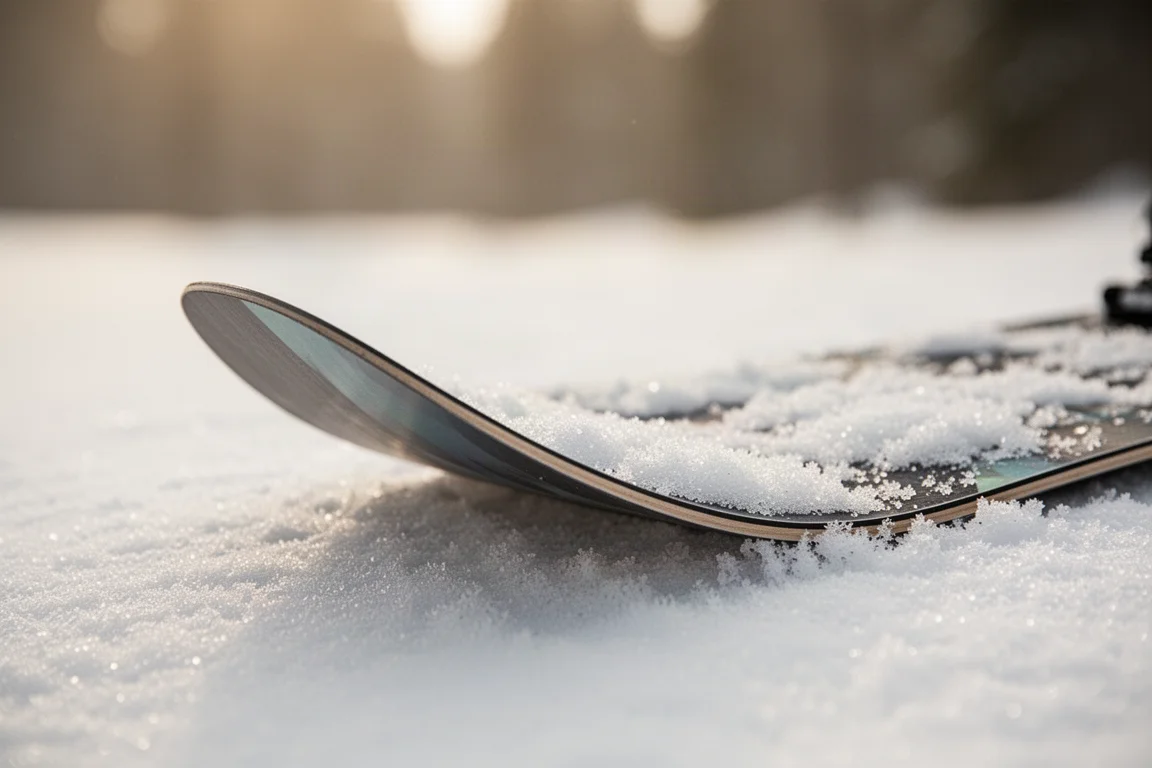
Torsional flex is another story. Despite visible core milling that suggests an easy twist, the board is nearly as stiff torsionally as it is through the tail. You will work hard to flex it edge to edge at low speed, because it simply is not designed for that. It is built for high-speed charging, and stability at speed is where that stiffness pays off.
One thing to know upfront: there is very little dampening. The board is lively to the point that you feel every firm patch you cross. The nose chatters a bit at speed, though it never buckled or lost control. For aggressive riders, that direct feedback is a feature, not a flaw. For riders with sensitive knees or those who want a plush ride, it is worth thinking twice.
Pop and Landings
This is where the Megalite genuinely shines. Loading the tail takes more effort than a softer board, but the energy return is exceptional. Once compressed, the tail snaps back with force, and the board’s light weight makes it feel like it wants to stay airborne. Popping off rollers at full speed, the board feels almost like a wing underfoot, lifting higher than expected and carrying through the air.
Landings are just as impressive. On uneven or chopped-up surfaces, you can lay the edge down and the board drives straight through, holding its line without complaint. For riders who like to send side hits and land hard, this combination of pop and landing stability is hard to beat.
Butter Performance
The Megalite is not marketed as a butter board, and that shows, though it butters better than its stiffness suggests. The nose is the easier end thanks to the longer rocker section. There is a sweet spot just outside the front binding where the board wants to catch and hold, with a small pop-out, but it takes little effort to get there.
The tail is a different matter. With no rocker, a shorter contact area, and a smaller sweet spot, pressing the tail requires throwing your weight well back over the edge, and even then it barely lifts. What the tail does do is load up and snap out on the release, so spinning out of butters is possible. If you want a dedicated freestyle butter board, this is not it. If you want a board that occasionally butters on the way to the next carve, it manages fine.
Carving Performance
Carving on the Megalite comes down to one rule: it needs speed. At cruising pace off the lift, it feels like a bear to turn over. Get it up to speed and it becomes remarkably quick edge to edge, holding each carve without hesitation. Medium and large carves hold with zero issues, and euro carves are well within reach thanks to the fast base and strong energy loading through the turn.
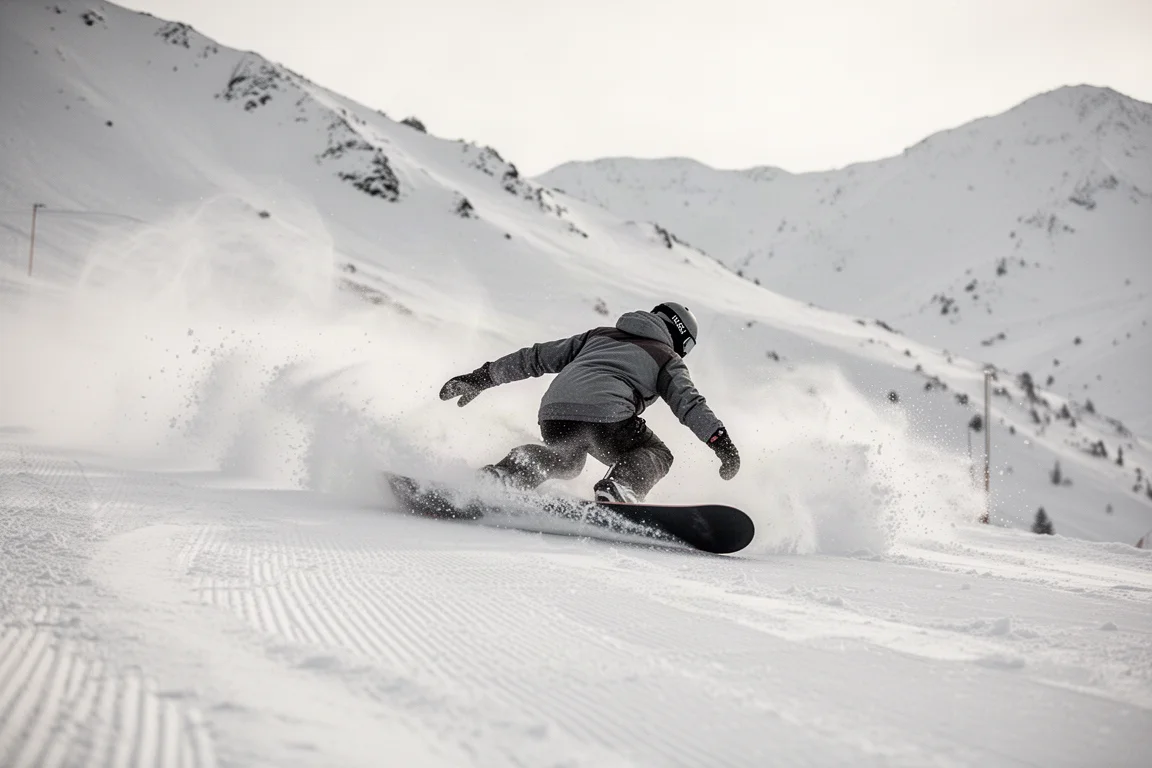
The one weakness found was transitions from a fast, large carve into a much tighter one: the edge can slip out and lose hold earlier than expected. It is not the most agile board in tight quarters, but it has no real top speed. Point it into a carve and trust it, and it holds.
Who This Board Is For
The Megalite is made for riders who want to rip carves at full speed and do not care about dampening. It suits confident advanced riders who want a fast, responsive, high-energy board, and it would even work as a dedicated banked slalom weapon given how well it corners. It is not for intermediate riders stepping up to their first fast board; this one will put you in your place quickly if you are not paying attention. Riders with bad knees should also take the low dampening into account.
Buying Advice
If the Megalite does not sound like the right fit, several comparable boards are worth a look: the Jones Flagship Pro, the Nitro Pantera, and the Capita Mega Marvin line, often listed as the Mega Death. For bindings, Nidecker recommends pairing it with the Nidecker Kon Pro, the Jones Apollo, or the Rome Katana Pro. Be prepared for a higher price tag, and make sure the size range of 152, 158, and 164 wide matches what you need.
Conclusion
The Nidecker Megalite does a few things extremely well: it charges, it carves hard at speed, it pops enormous, and it lands cleanly on rough snow. It demands speed, effort, and attention, and rewards all three with one of the most entertaining rides in its category. For aggressive all-mountain riders, it is a genuinely great board. For everyone else, the comparables above may be a better match.
Product link
View more details for Nidecker Megalite
This product is mentioned in the review. Check the specifications, options, and compatibility before buying.
View more details for Nidecker MegaliteFurther reading
Related Reviews

Snowboards
32 Middle Earth Scott Stevens Pro Model Snowboard Review: A Park Board With a Reversed Flex
A medium traditional camber park board with carbon V reinforcement that is stiffer in the tips and more playful between the feet. Here is how it rides and who it suits.

Snowboards
32 Snafu Review: A Directional All-Mountain Freestyle Board with Serious Pop
The 32 Snafu pairs a directional camber-rocker profile with a stiffening tail for powerful carves, big ollies, and a surprisingly damp ride.

Snowboards
32 XXX Pat Fava Pro Snowboard Review: A Stiff Camber Beast for Hard-Charging Riders
A full-width traditional camber deck that rewards aggression with stability and edge power, but demands effort everywhere else.