Snowboard Boots
Nidecker Kita Apex Review: A Stiff, TPU-Heavy Performance Snowboard Boot
Nidecker's stiffest boot leans on TPU construction, an asymmetrical shell, and a gold heat moldable liner for riders chasing response above all else.
Introduction
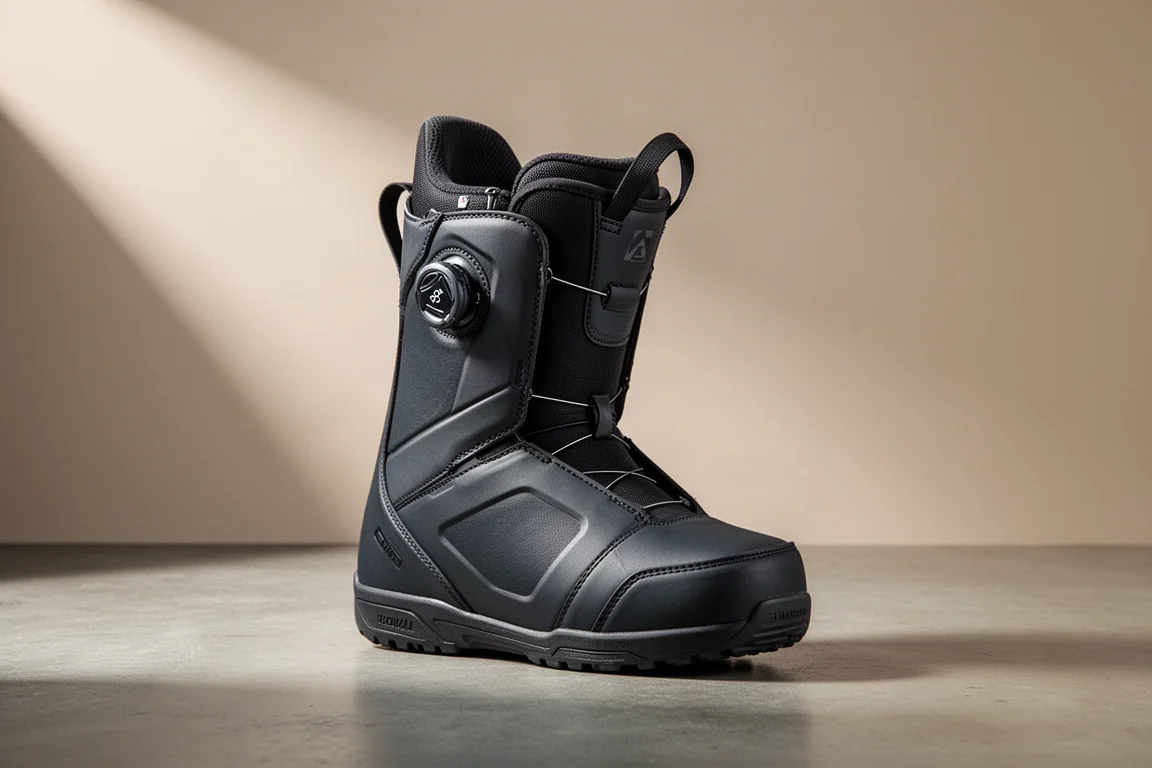
The Nidecker Kita Apex sits at the very top of the brand’s boot line as its stiffest offering, and it makes that clear the moment you handle it. Built around a TPU-heavy shell, an asymmetrical lacing layout, and Nidecker’s highest-end heat moldable liner, it is aimed squarely at riders who want maximum response and durability rather than a forgiving all-day feel. This review breaks down where it excels and what to check before committing.
Who This Boot Is For
This is a boot for aggressive, performance-focused riders. The flex is extreme, and even accounting for the fact that production models may run slightly softer than early samples, it is still expected to rank among the stiffest boots on the market. If your priority is instant response, powerful edge transfers, and a shell that holds its shape for seasons, the Kita Apex fits that brief. Riders who want ankle articulation, park-friendly flex, or an easy break-in should look elsewhere.
Shell Construction: TPU Everywhere
The rigidity comes from a heavy use of TPU throughout the shell, which is also why the boot should hold its shape and flex longer than constructions built around leather or similar materials. Nidecker has minimized the number of seams on the shell, which matters for two reasons: fewer breakdown points over time, and no seam pinching across the toe when you crank the toe strap down. The only real seam area of concern is a double-stitched seam along the tongue, and even that is glued in, so edge wear is less of a worry than it might look.
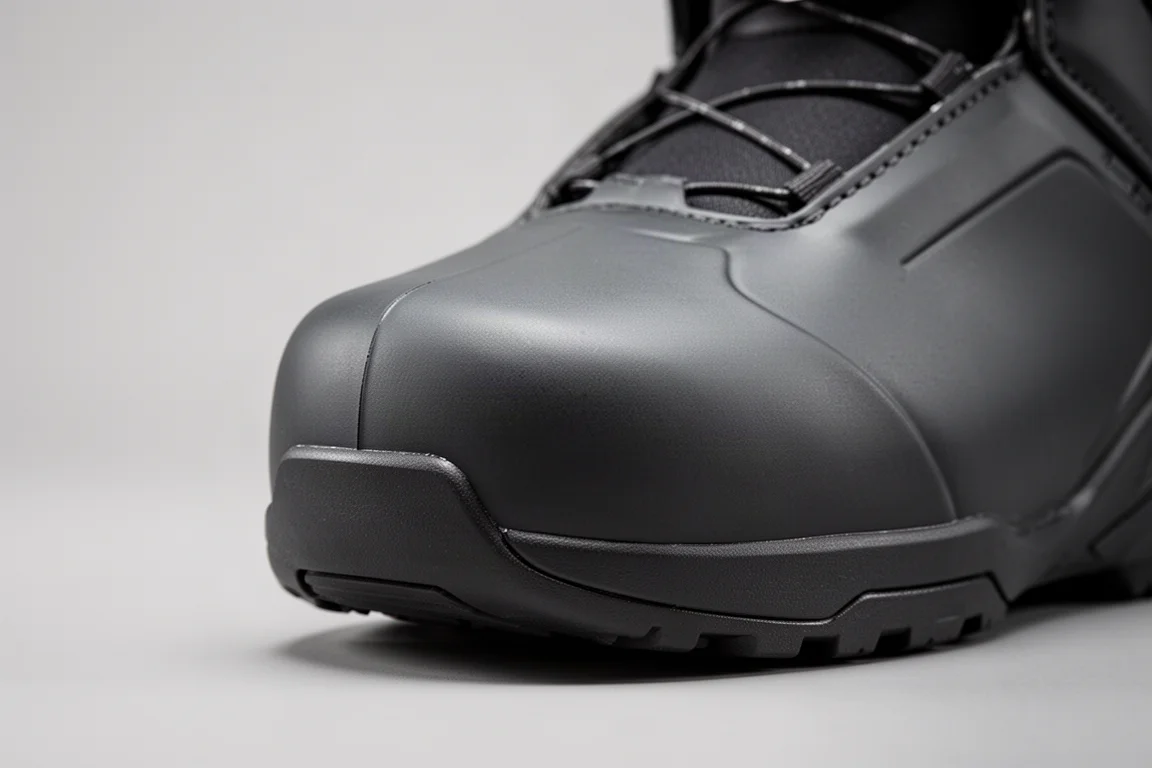
The backspine gets a urethane treatment that adds noticeable rebound. Drive forward into the boot and it pushes back, giving one of the more dynamic flex patterns you will find in a boot. Because the backspine sits low, the feel is powerful and highly responsive.
Flex, Rebound and Responsiveness
There is essentially no give in this boot except at a specific cutout on the backspine. The tongue itself is TPU as well, an aggressive choice meant to deliver a ton of rebound when you drive into it. Articulation is minimal out of the box, and this boot will take real effort to break in. Once the upper starts to soften slightly, you gain a bit more forward flex, but the shell will likely outlast the liner in terms of breakdown.
One distinctive feature is a strap connected to the BOA system on the upper shell. Tightening or loosening it changes the upper flexion of the boot, letting you fine-tune how the top of the boot behaves. The way it overlaps the shell will not suit everyone, and it does alter the fit and flexion slightly, so it is worth testing in person if possible.
The asymmetrical shell design deserves attention too. The tongue slopes downward and feeds into an asymmetrical lacing pattern, which changes how power transfers into the boot in a way that works more naturally with the body’s physiology. It is an easy detail to overlook, but it genuinely shapes the driving feel.
Fit and Liner Details
Inside, you get an internal harness on a pull string with a locking clasp. Unlike harnesses sewn into the shell, this one is shaped to lock down specific segments of the foot, and it extends higher up and lower down than average for a very locked-in feel.
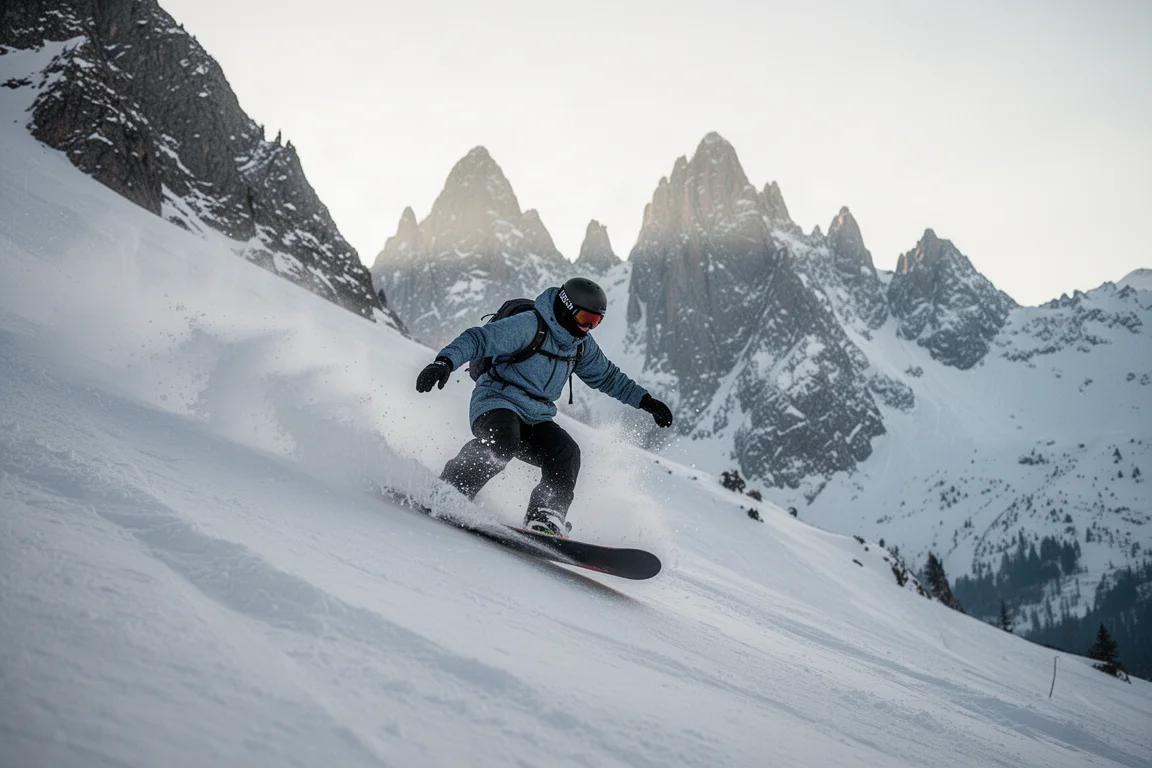
The liner is Nidecker’s gold heat moldable liner, their highest-end option. It uses a foam foot pad to dampen chatter and multiple foam densities: more forgiving foam around the ankle area, firmer foam down the backspine and across the top of the foot. There is a rigid butterfly wrap for heel hold, aggressive Velcro along the top to hold the tongue in place, and a pronounced J-bar in a V-shaped heel pocket. One caveat: there are two seams inside that riders with a sensitive pinky toe may feel.
The foam is heat moldable, and with a boot this stiff heat molding is recommended, but it is not as malleable or as thick as other Intuition-style foams. Riders with wider forefeuth should think carefully, because you will not get as much push-out from the molding process.
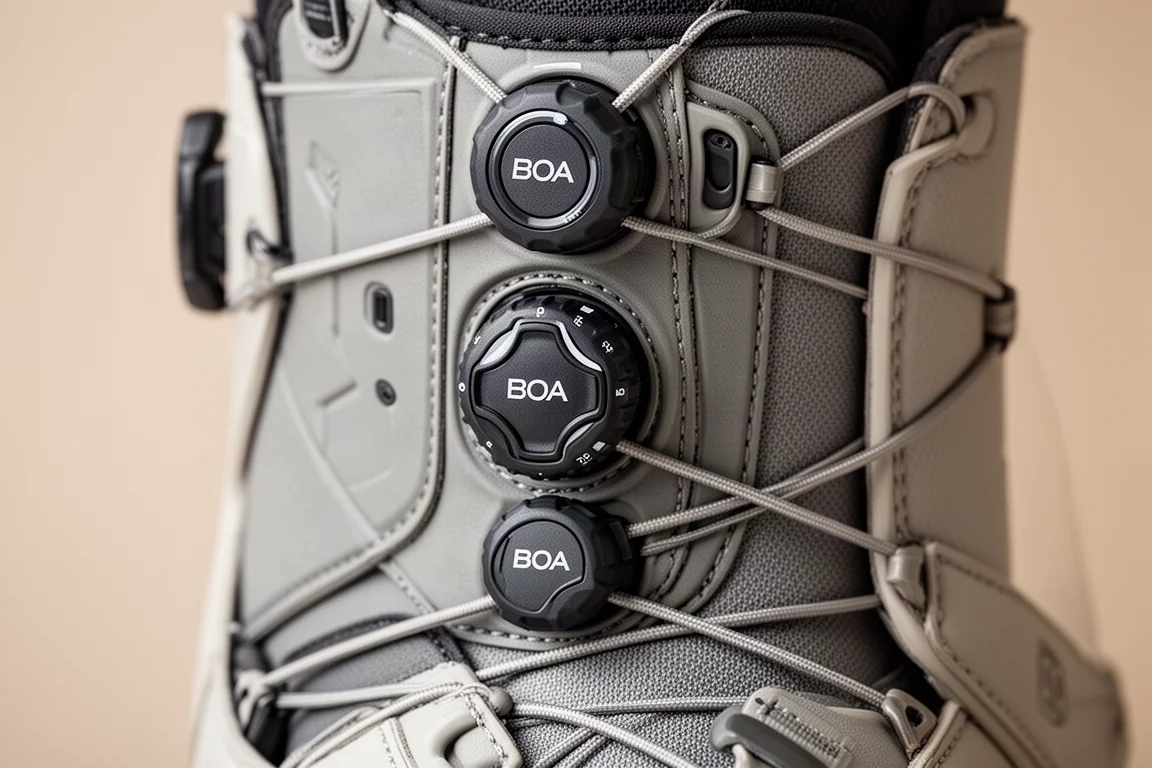
Lacing is a dual zone BOA. The lower dial, positioned slightly further back and lower than some boots, controls three crisscrossing zones in the lower shell, while the upper dial feeds the strap system to tighten the top. Because of the boot’s rigidity, you may want to leave the upper zone slightly looser if you want more ankle flexion.
Sole, Sizing and Buying Advice
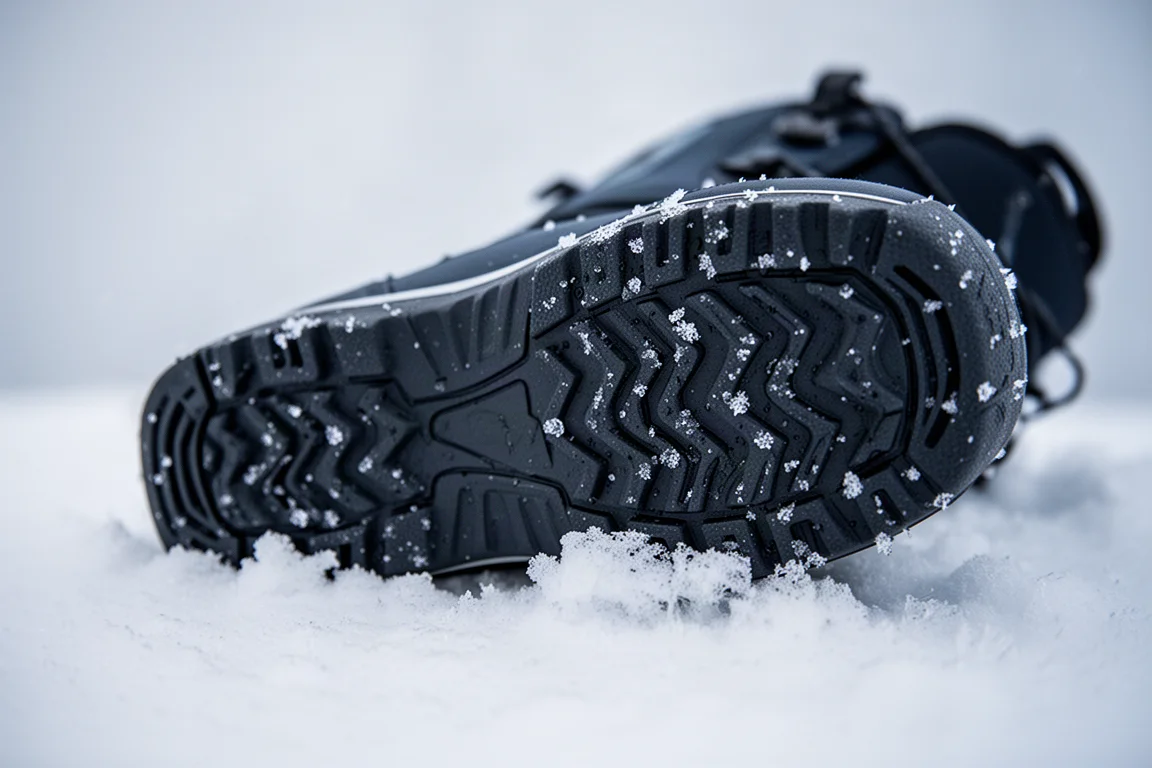
The outsole is Vibram, a big plus for dampening kinetic energy and micro vibrations underfoot. The tread pattern grips well in icier conditions, and the rigid sole will suit riders who prefer a dampened, less chattery feel underfoot. The stock insole, however, is the weakest part of the package by a wide margin and is worth replacing immediately.
Sizing reference for the sample tested (US 10 / 28 mondo): the liner measures about 12 inches tall at the back and roughly 4.1 inches wide at its widest point, with the shell coming in at about 4.25 inches wide. The overall shell length on a size 10 is just over a foot. One interesting thought: with so much TPU in the lower shell, there is a reasonable argument this shell could be punched out like a ski boot by a shop experienced with thicker shells, if you need custom fit work, though the designer has reportedly said the shell is too thick for that.
Overall, this is a well-built boot with impressive attention to durability and response. Expect a long break-in, and expect the liner to break down before the shell does. Nidecker’s broader boot line overhaul shows serious investment, and the Kita Apex is the flagship example of that push.
Conclusion
The Nidecker Kita Apex is one of the stiffest snowboard boots available, engineered for riders who put response and shell longevity above comfort and articulation. If that describes you, it deserves a spot at the top of your shortlist. If you want a softer, more forgiving ride, plenty of other options exist in Nidecker’s refreshed line.
Product link
View more details for Nidecker Kita Apex
This product is mentioned in the review. Check the specifications, options, and compatibility before buying.
View more details for Nidecker Kita ApexFurther reading
Related Reviews

Snowboard Boots
32 Team Two Double Boa Review: 32's Highest-End Women's Snowboard Boot
A closer look at 32's top-tier women's snowboard boot, from the 3D molded toe box and double Boa lacing to the Performance Fit liner and heat-reflective footbed.

Snowboard Boots
Bataleon Acid BOA Snowboard Boot Review: A Serious First Entry from a Board Brand
Bataleon's first snowboard boot, designed by a former Burton boot designer, brings a stiff flex, dual BOA closure, and a heel hold system worth a closer look.

Snowboard Boots
Battalion Acid Boot Review: A Stiff, Aggressive Boot Built to Last
The Battalion Acid Boot is the brand's highest-end offering, built with seamless construction, TPU reinforcement, dual BOA lacing, and a heat-moldable liner. Here is what to know before buying.