Snowboard Bindings
Nidecker Conex X Snowboard Bindings Review: A Stiffer All-Mountain Freestyle Option
A closer look at the Nidecker Conex X, a damp, predictable binding built for all-mountain freestyle riders who like to charge.
Introduction
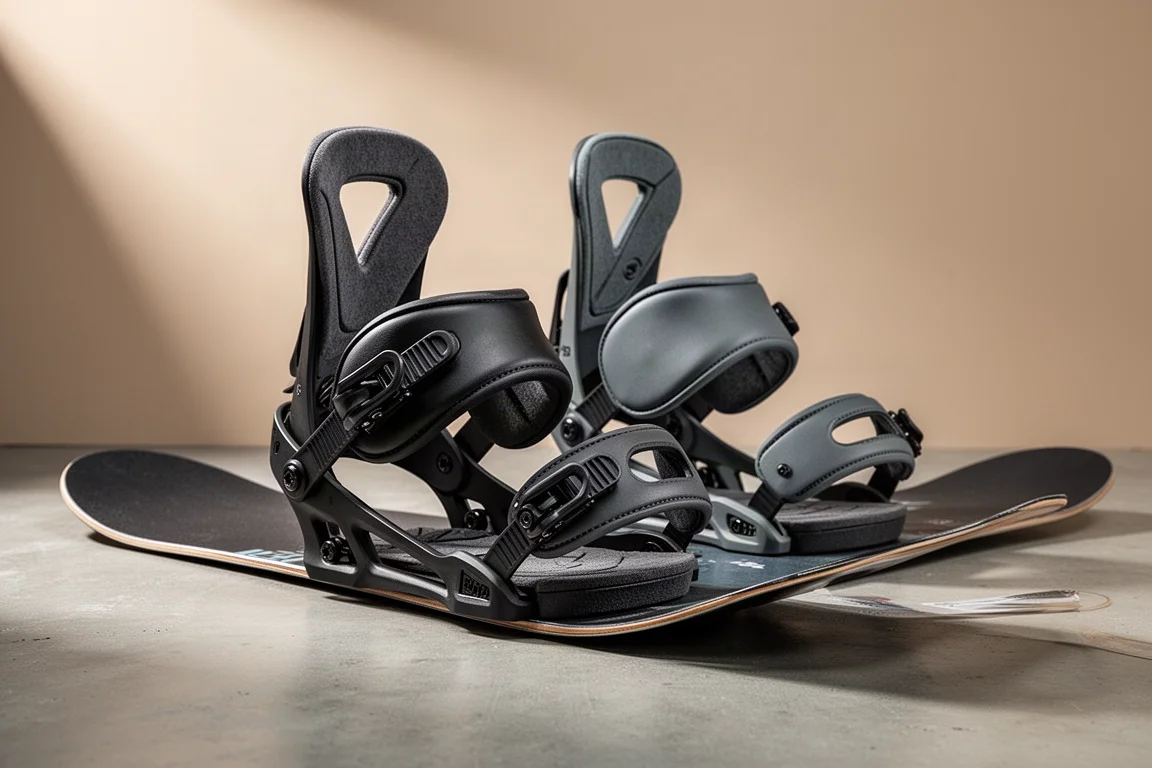
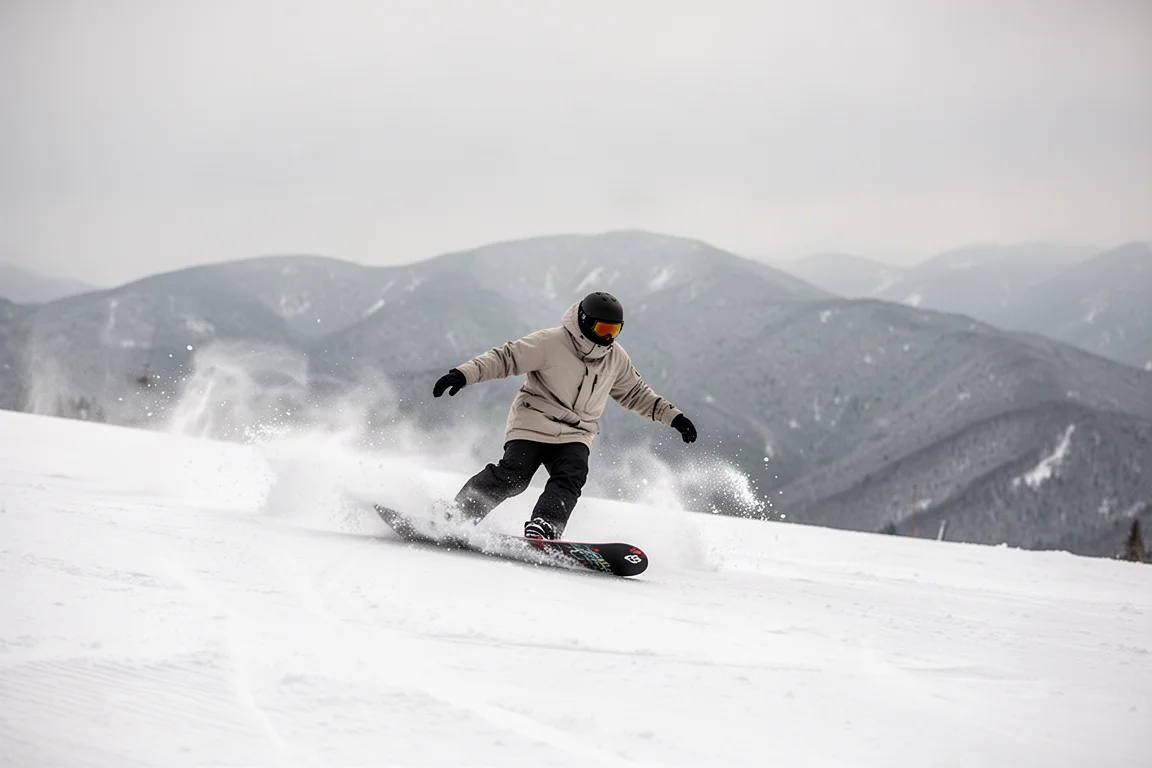
The Nidecker Conex X lands in the stiffer half of the all-mountain freestyle category. It was ridden at Arapahoe Basin on a six-inch powder day, under overcast skies with low to moderate winds, across fresh powder sitting on older and crustier layers, chopped chunder, patches of ice, and firm, fast groomers. The setup paired it with a Telos Mike Ranquet snowboard and K2 Thraxis boots.
What came out of that mix of conditions is a binding with a planted, damp ride, a straightforward adjustment layout, and a handful of design choices worth understanding before you commit.
Who These Bindings Are For
The Conex X is built for the all-mountain freestyle rider who likes to charge. Its flex sits past the middle of the road, but it does not push so far that it borders on freeride. That balance keeps it usable for playful, creative riding while still giving you something to drive into when you want to lay down a carve.
It is also a binding for riders who value a damp, composed feel over maximum board feel underfoot. The chassis carries more material than a minimalist design, so the connection to the board is less direct and the ride is calmer as a result.
If your priority is a soft, surfy ride with a lot of tactile feedback from the board, this is not the direction to go. If your priority is stability, predictable response, and a binding that feels settled when conditions get rough, the Conex X fits that brief well.
Main Strengths
Adjustment is refreshingly simple. Flip cams on the toe and heel straps let you lengthen or shorten them quickly, the toe strap uses a push-pin system with two points of placement, the highback offers four points of rotation, and forward lean is adjustable in the usual way. It is meat and potatoes adjustability, and it works.
The straps themselves perform exceptionally well. The heel strap uses Nidecker’s Aux Tech, a construction that becomes more rigid as you crank it down, and it never dug into the boot or felt like it was blocking a proper push. The toe strap uses a large outer cutout around the chassis, so only the perimeter contacts the boot, and that perimeter grips a wide variety of boot shapes.
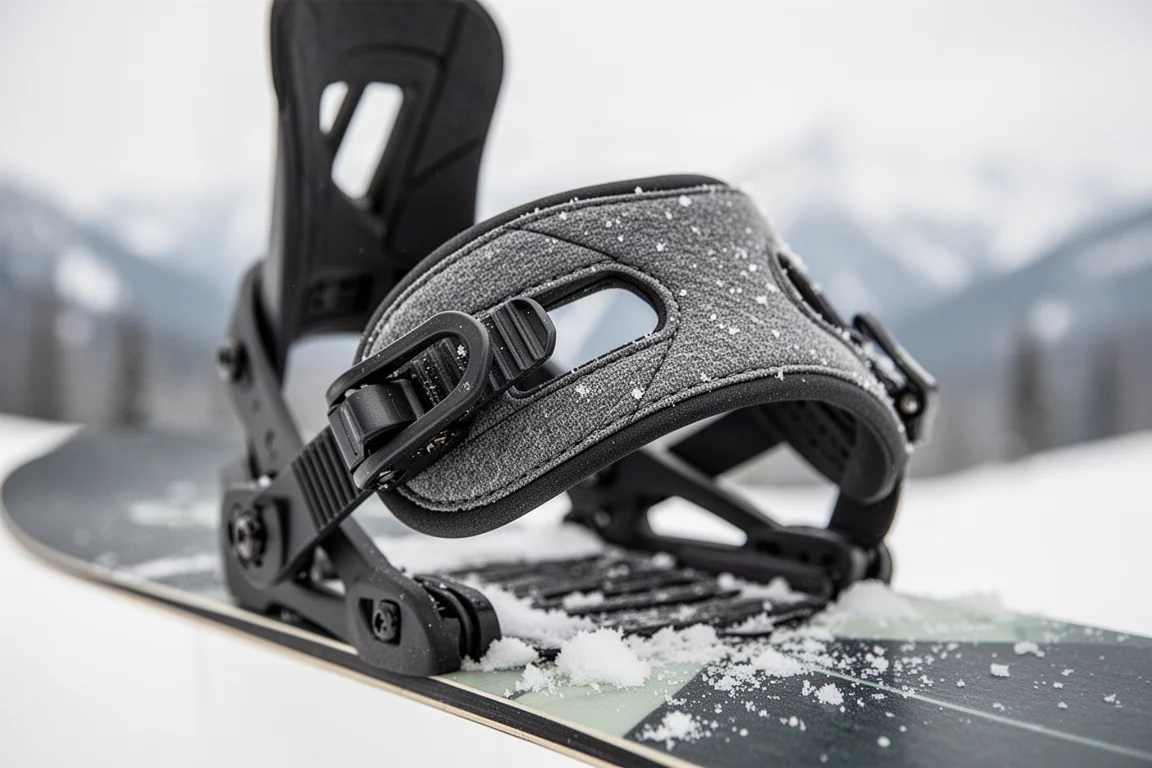
The ratchets climb well and feel snug and sturdy, with a one-finger quick release that does its job and no premature releases during the session. Out of the box they needed a little break-in before the ladder fed in cleanly, and the mouth of the ratchet is slightly narrow, so threading takes a bit more effort than some riders may expect. Both of those traits eased as the day went on.
The highback has a varied flex profile. Where the cutout sits you get more give, while the base above the forward lean adjustment is more rigid, so driving into it produces a cupping sensation at the back of the boot and a little extra power. The outside of the highback is stiffer as well, which you notice when pushing out for a carve or a press. Underneath, the footbed is one of the plushest and thickest around, and it does an excellent job of absorbing chatter, giving the binding a damp character that still retains some liveliness through the straps.
Ride Feel and Flex
The overall flex leans stiff. Extra material in the chassis creates a larger dead spot and a more rigid feel directly underfoot, and there is some lateral play in both the binding body and the highback that is noticeable right away. The flex is predictable, which is the real win here: nothing unexpected happens when you step in, and you can still drive hard or play around when the mood takes you.
In character, the ride is reminiscent of a binding from roughly a decade ago. There is more material underfoot and a bigger dead spot on the inside and outside edges as well as directly under the toe and heel. For riders who want a planted platform, that is a feature rather than a flaw. For riders chasing the mini-disc style of maximum board feel, it is the opposite of what they are after.
Things to Consider Before Buying
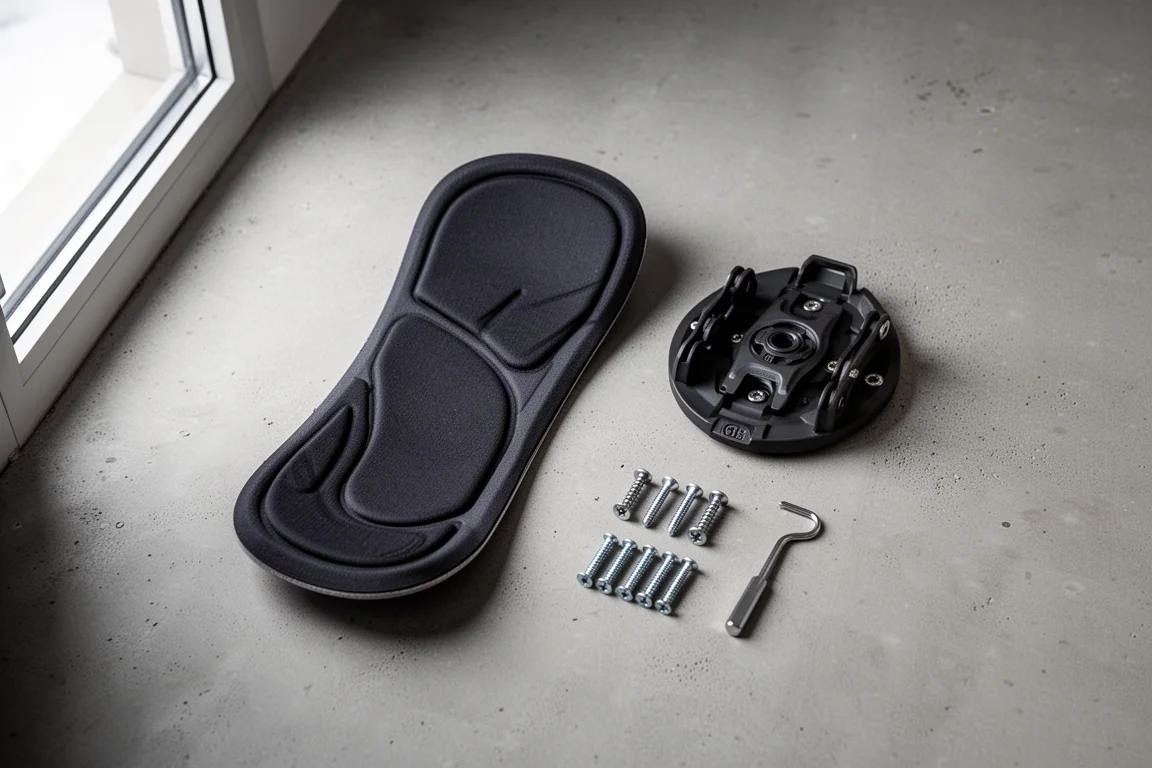
A few details stand out as unconventional. The mounting disc is offset, which makes centering the binding on the board more fiddly than usual, since you end up shifting it around to find the right position. Not many brands take that approach anymore, so it is worth being aware of before you mount up.
The chassis uses a two-piece construction, but the heel cup is riveted on and cannot be adjusted at all. That slightly changes the flex dynamic right at the heel cup. Most riders will likely never notice it, but it is part of the design story.
The heel strap borrows technology from Rome, which Nidecker owns, and the ratchets resemble a Rome ratchet in appearance. That is worth knowing because the slightly narrow ratchet mouth and the short break-in period are part of the same package.
Weight and stiffness are also connected here. The thicker footbed and the extra chassis material are what create the damping and the larger dead spot at the same time, so you are effectively choosing the trade-off rather than getting one benefit without the other. Riders who prefer a lighter, more minimal binding underfoot should weigh that against the calm, chatter-absorbing ride.
Buying Advice
The Conex X does what it sets out to do. It is a good binding, and one that would not be a hesitant purchase for the right rider. It is not a mind-blowing, category-redefining product, but it is a promising sign of where Nidecker is heading with its binding range.
If you are shopping in this space, the Burton Cartel, the Now Select Pro, and the K2 Formula are the closest points of comparison. The Conex X makes the most sense for riders who want a stiffer, damp, predictable platform for charging all-mountain terrain and mixing in freestyle, and who are comfortable with a slightly less direct connection to the board.
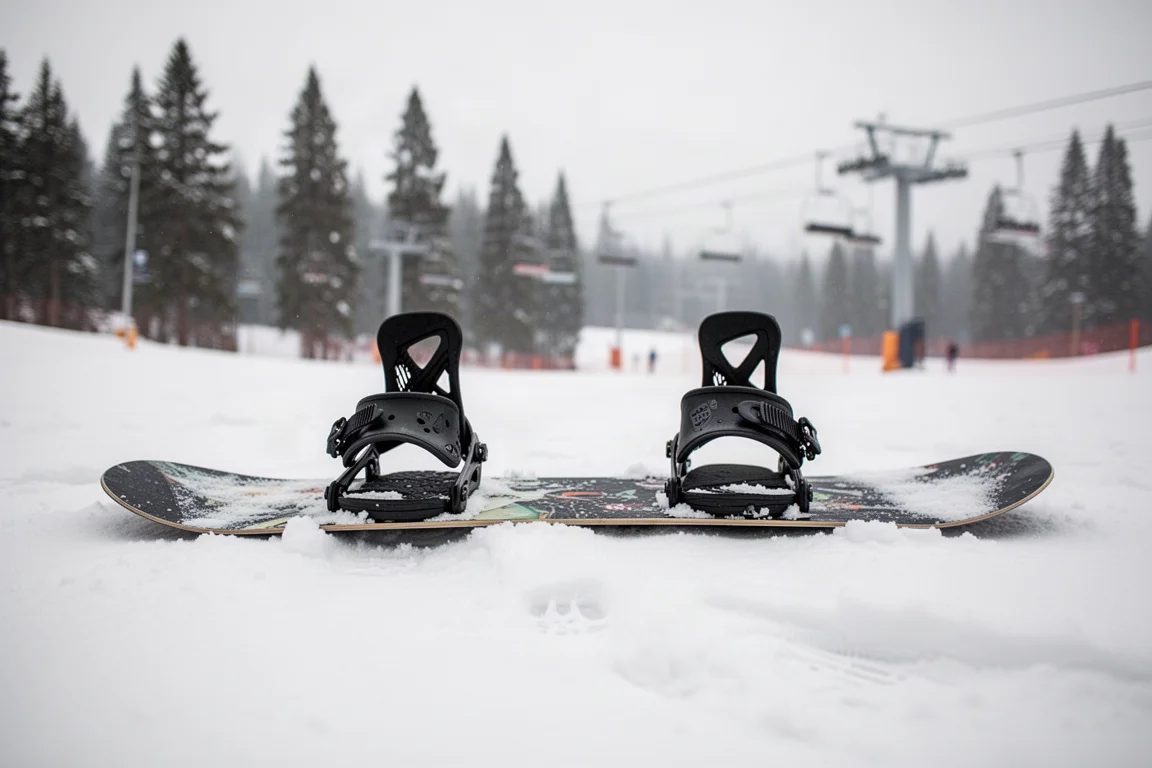
Matching the binding to your boot and board matters as much as the binding itself. The strap and toe strap design grips a wide range of boot shapes well, and the predictable flex pairs naturally with a board you already know and trust. If you are replacing an older, softer setup and want something more supportive without jumping all the way to a freeride binding, this sits in a sensible middle ground.
Conclusion
The Nidecker Conex X is a stiffer all-mountain freestyle binding with a plush, chatter-absorbing footbed, secure and effective straps, and a predictable flex that rewards riders who like to charge. Its offset disc, riveted heel cup, and reduced board feel are the trade-offs that come with its damp, planted character. For the right rider, those are fair exchanges rather than compromises.
Product link
View more details for Nidecker Conex X
This product is mentioned in the review. Check the specifications, options, and compatibility before buying.
View more details for Nidecker Conex XFurther reading
Related Reviews

Snowboard Bindings
2024 Union Ultra Snowboard Bindings Review: A Cushy, Freestyle-Focused Favorite
Two seasons on the 2024 Union Ultra: a lightweight, tweakable freestyle binding with standout comfort, a damp molecular bushing, and thoughtful hardware fixes.

Snowboard Bindings
32 Team Phase Binding Review: A Fast Entry Binding Built for Freestyle Laps
The first binding from 32 uses the Phase chassis for quick step-in entry with a softer, freestyle-leaning flex. Here's how it performed on the snow.

Snowboard Bindings
Arbor Cypress Snowboard Binding Review: A Laid-Back Cruiser That Can Charge
A closer look at the Arbor Cypress binding's adjustability, strap feel, and that oddly tall highback before you decide to buy.