Snowboard Boots
Nidecker Cascade Snowboard Boot Review: A Forgiving First Boot for Beginners
The Nidecker Cascade is a soft, price-conscious snowboard boot aimed at beginners, with a single BOA closure, forgiving flex, and a few trade-offs to know before buying.
Introduction
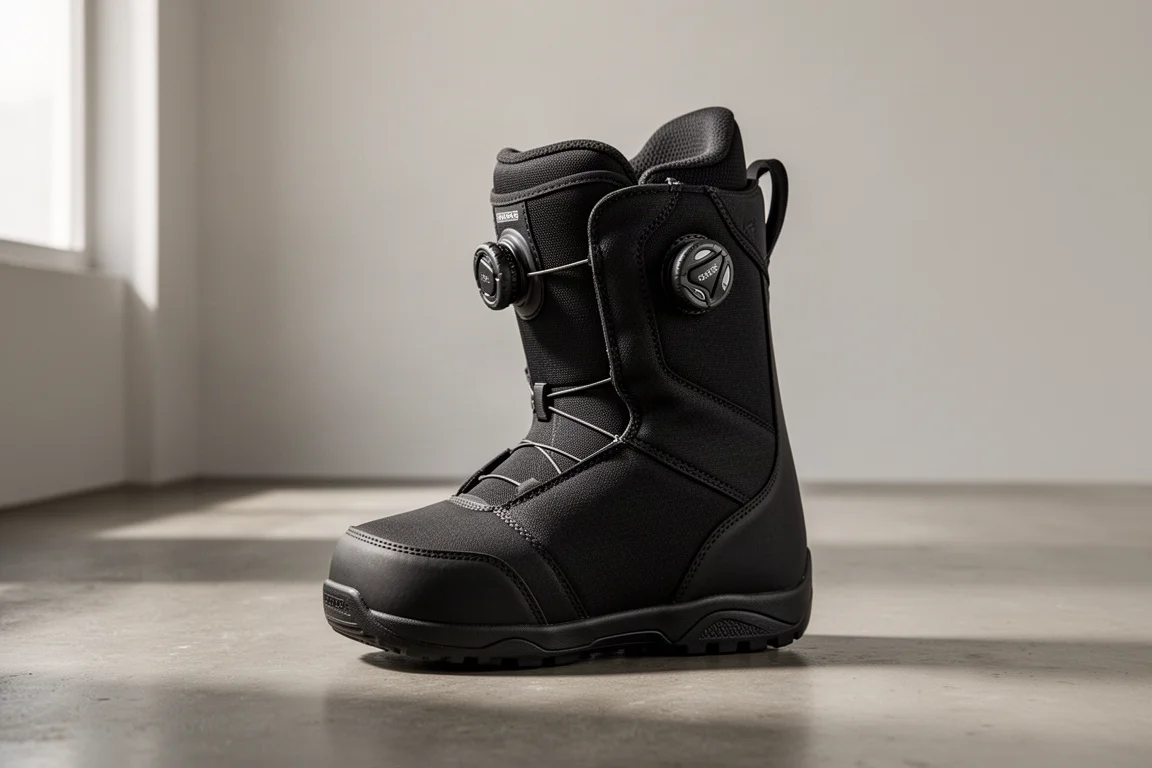
The Nidecker Cascade is positioned as a more price-conscious snowboard boot, built with beginner riders in mind. It is a soft, forgiving boot with a simple BOA closure, a lightweight sole, and enough structure to keep new riders locked in while they learn the basics. This review walks through how it is built, how it fits, and who it makes sense for.
One point worth repeating before anything else: snowboard boots are the one piece of gear you should really try on in person if you can. A local snowboard shop lets you check fit properly, and the best boot is always the one that fits your foot and your needs. For beginners, the quick check is simple: with the boot laced, your big toe should just touch the end, and when you flex forward with your knee over the toe, your foot pulls back slightly. If it feels sloppy, it is the wrong boot.
Who This Boot Is For
The Cascade is aimed squarely at first-time and early-stage riders. If you have never snowboarded before, boot weight and stiffness are abstract concepts, and this boot leans forgiving rather than aggressive. The soft flex means you can move and learn without the boot fighting you, and roughly nine out of ten people just starting out could likely ride this boot happily for a while.
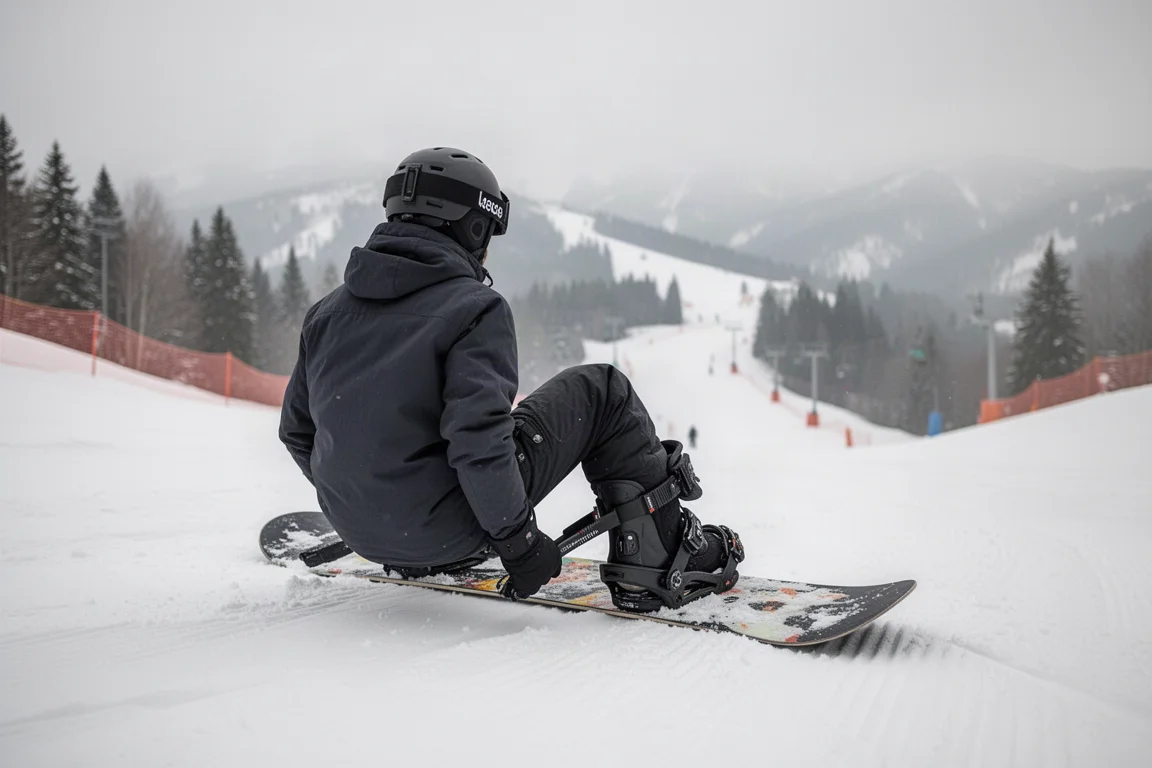
If you already know how to snowboard, though, the calculus changes. This is a soft boot, and experienced riders will likely want something more supportive than what the Cascade offers. It is a serviceable boot rather than a standout one, and that is an honest place to start.
Fit, Flex and Shell Construction
The shell has a welded seam on the toe that adds a bit of rigidity, so tripping over things in the lodge or shuffling around is less likely to end in a stubbed toe. Placing that seam further back also reduces stress and fatigue on it, which should help the boot last longer. The eyelets are double stitched, but if you habitually rest your board on top of your boot, be aware they can get hacked up over time.
Around the sides there is more rigid material, which adds a little lateral power, while the ankle area uses softer material for articulation. Once broken in, the boot will not bulge out, but it is not a stiff boot by any means. The backspine is very mellow with little rebound, making it forgiving to drive into. For riders with bigger calves, neoprene panels on the sides of the back section bulge out slightly to accommodate them.
The tongue is very soft and forgiving, and you can flex right through it once you learn how to ride. Underfoot, the sole combines rubber and foam: rubber at the toe gives grip when kicking toes in on stairs into the lodge, while the foam keeps weight down and helps dampen the impact of learning turns and inevitable falls. The heel sits slightly higher, which helps protect against heel bruises.
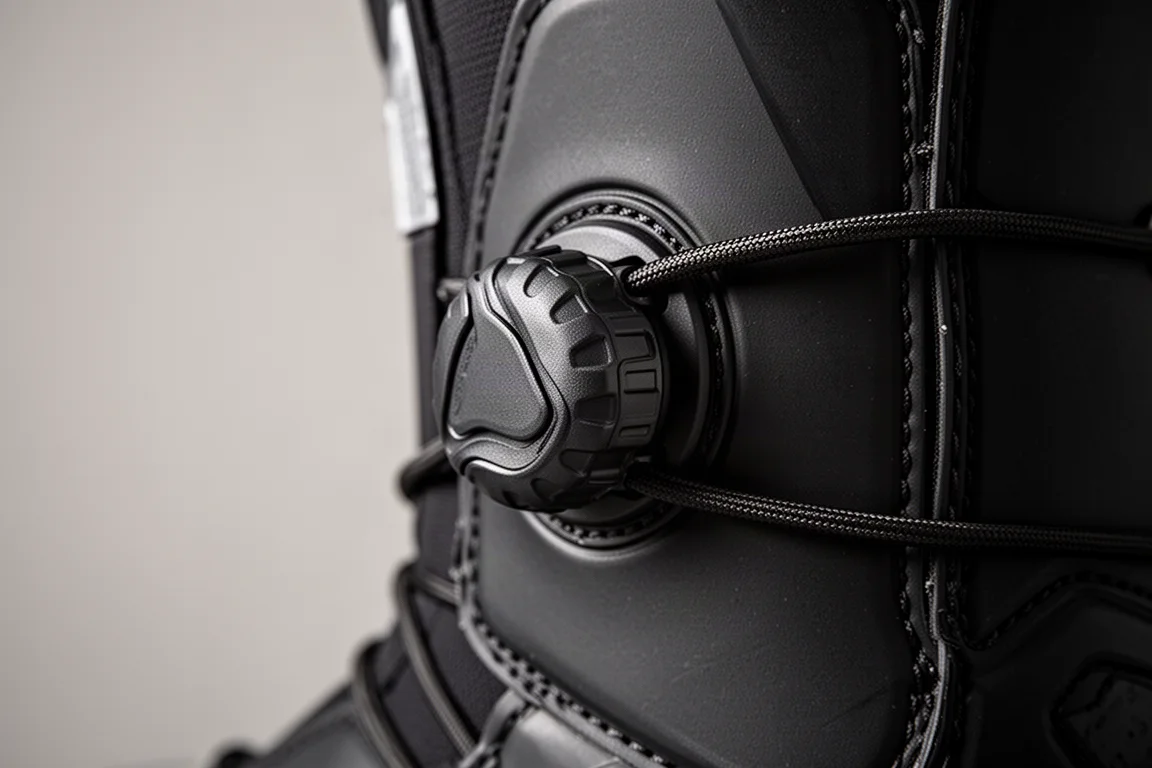
Lacing is a single BOA dial: turn it to tighten, pop it open to loosen. The nylon BOA cable and the absence of eyelets mean no pressure points when you strap over the top, but it does not offer the most customization for getting the boot snug. Nidecker carried over their asymmetrical lacing, which changes the power dynamic on the outside of the boot and counters the common BOA issue of the cable pulling toward one side.
Liner, Harness and Insole
The internal harness is sewn into the liner, making it a free-floating liner that sits slightly less snug against the shell. It has a pull string so you can tighten it down or pull up to loosen. The liner itself is Nidecker’s most basic: darker black sections add a little support to the backspine, but overall it will break down relatively fast. Heat molding is not recommended right away.
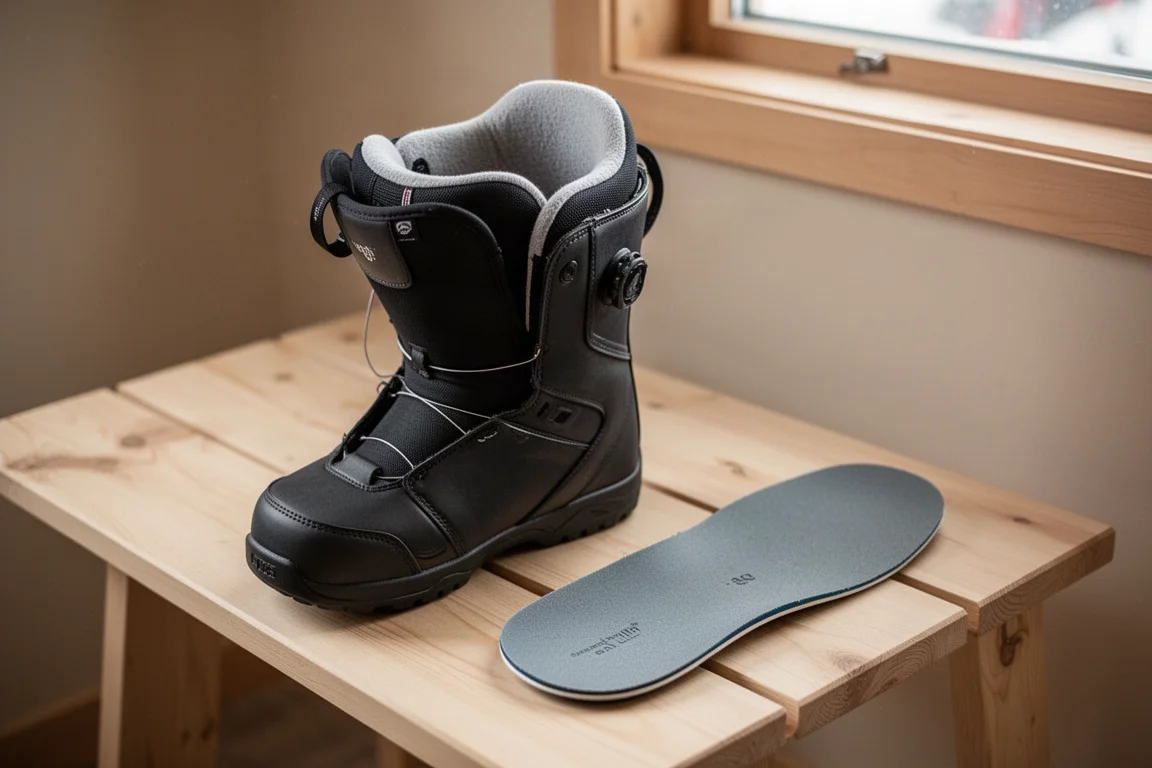
Internal J bars are a little tighter at first but not the firmest, and they should pack out after about five to ten days of riding, so a snug ankle is not something to worry about long term. There is a visible seam inside, so riders with sensitive feet will feel it.
The stock insole is the weak point: it provides essentially no support for the foot. Most beginners will not notice the difference, but if you are serious about your footwear, swapping in an aftermarket insole is a worthwhile upgrade you will appreciate in the long run.
For those who want measurements, in a US size 9 (27.0 Mondo) with the liner in, the boot measures just over 11 inches at the back and right at 10 inches at the front. The shell at the widest part of the forefoot is about 4 and a half inches wide, and the shell runs just shy of 12 inches from toe to heel. It is a fairly bulky shell for the size.
Buying Advice
The honest verdict: this is not a great boot, but it is a serviceable one, and for someone starting out it is not a bad option. It has some genuinely useful features for the price tier, and Nidecker as a brand is doing solid design and tech work that often goes underappreciated.

If you are buying your first boot, the Cascade makes sense, and trying it on at a local shop remains the recommended route before ordering online. If you are an experienced rider, look for something more supportive, because the soft flex here is built for learning, not for pushing your riding.
Conclusion
The Nidecker Cascade is a soft, forgiving, beginner-focused snowboard boot with a simple single BOA closure, a lightweight rubber and foam sole, and a basic liner that will pack out quickly. It will not impress experienced riders, but for someone learning the ropes, it is a reasonable, serviceable choice. As always, the best boot is the one that fits your foot and fits your needs.
Product link
View more details for Nidecker Cascade
This product is mentioned in the review. Check the specifications, options, and compatibility before buying.
View more details for Nidecker CascadeFurther reading
Related Reviews

Snowboard Boots
32 Team Two Double Boa Review: 32's Highest-End Women's Snowboard Boot
A closer look at 32's top-tier women's snowboard boot, from the 3D molded toe box and double Boa lacing to the Performance Fit liner and heat-reflective footbed.

Snowboard Boots
Bataleon Acid BOA Snowboard Boot Review: A Serious First Entry from a Board Brand
Bataleon's first snowboard boot, designed by a former Burton boot designer, brings a stiff flex, dual BOA closure, and a heel hold system worth a closer look.

Snowboard Boots
Battalion Acid Boot Review: A Stiff, Aggressive Boot Built to Last
The Battalion Acid Boot is the brand's highest-end offering, built with seamless construction, TPU reinforcement, dual BOA lacing, and a heat-moldable liner. Here is what to know before buying.