Snowboards
Nidecker Blade Review: A Stiff, Damp Power Carver Built for Laying Trenches
A traditional camber carving board with a more approachable flex than its Plus sibling, tuned for the everyman power carver who wants to lock into deep turns.
Introduction
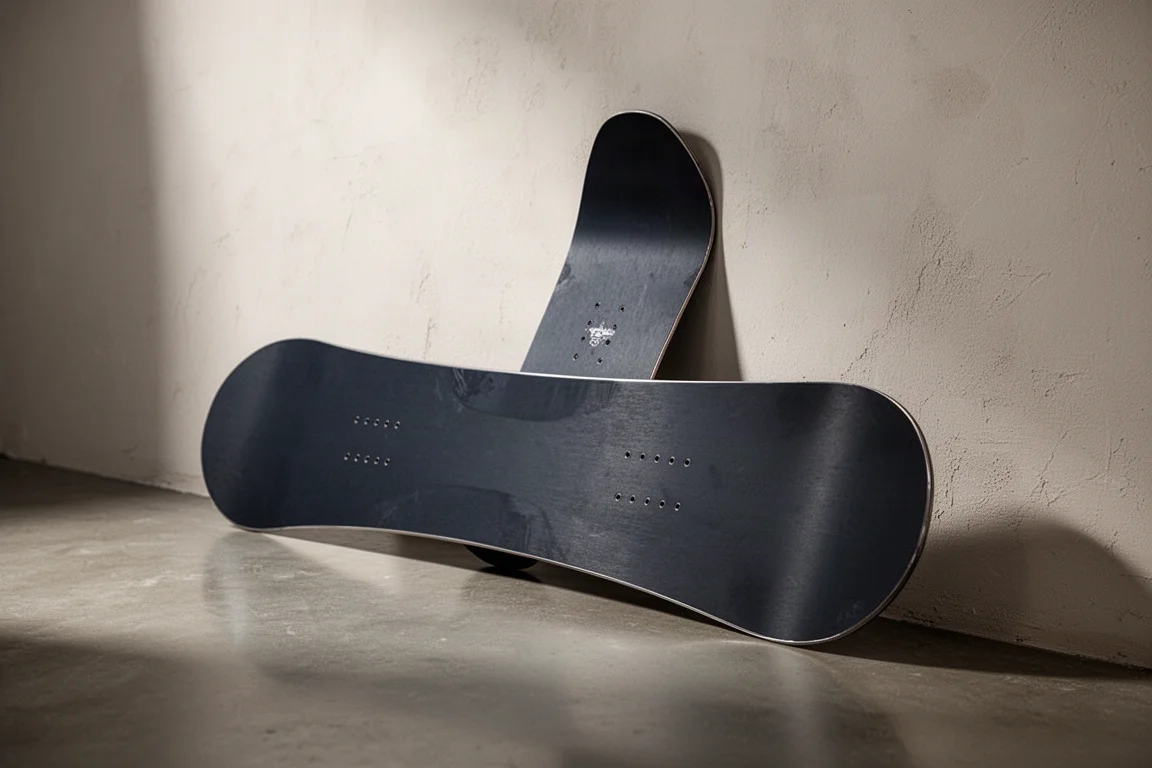
The Nidecker Blade is the brand’s dedicated carving board, built around traditional camber and aimed squarely at riders who want to lock into aggressive turns at speed. It has been tweaked since earlier versions, feeling slightly softer and more approachable while keeping the stiff, powerful character the Blade is known for. This review covers how it rides on groomers, in chop, and at high speed, along with who should actually buy it.
Who This Board Is For
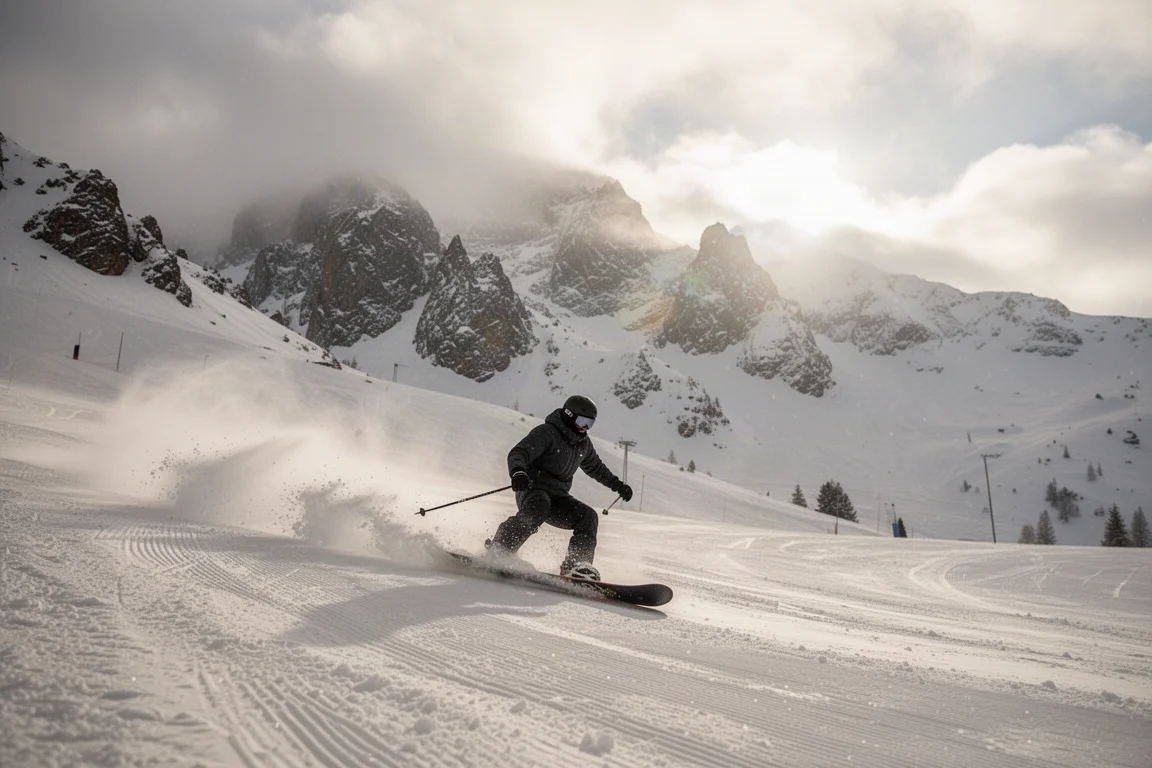
Nidecker built this board with the everyman power carver in mind: someone who loves laying trenches on groomers but does not want to wrestle a full race board. If your idea of a good day is wide-open slopes, deep edge angles, and driving out of carves with authority, this is the category it lives in.
It is explicitly not a freestyle board. Buttering on the Blade is a lost cause, and that is by design. This is a board made for carving, and everything about it reinforces that.
Construction and Flex
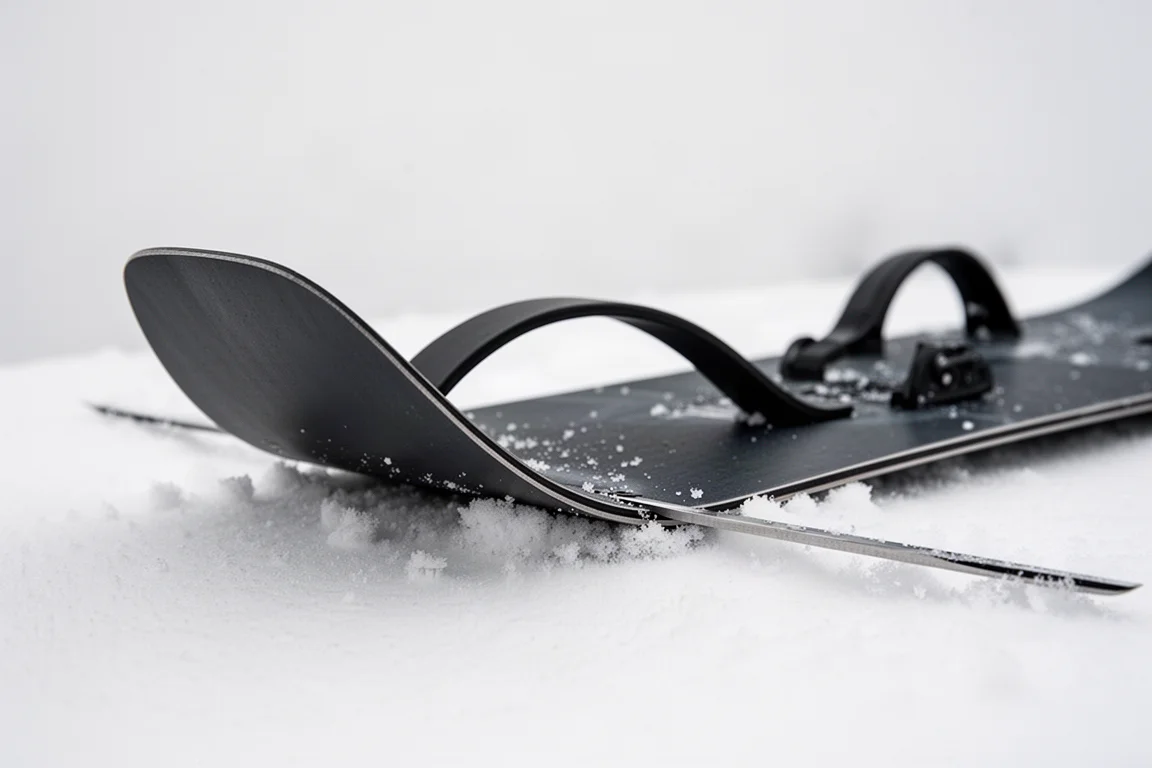
The Blade uses traditional camber from contact point to contact point, delivering load, pop, snap, and drive along the full running length. One detail worth knowing: the nose comes down to its contact point in a more elongated way, creating what feels like a small flat section in the tip.
The board is stiff overall, though it no longer feels as stiff as earlier versions. There is a key flex point right inside the rear insert pack that lets you sit into the board and load the tail, while the rest of the flex from nose to tail stays consistent. Torsionally, it is easier to engage than the Plus model and a bit slower to rebound, which genuinely helps when ankle steering or driving a carve.
Stability and Dampness
Compared to the Plus version, the Blade lacks carbon and rides noticeably more damp. You do not feel kinetic energy kicking back up underfoot, and the board does not vibrate through rough snow.
In practice, this means you can push through chop and chunder without everything rattling back at you, and at high speed on firmer groomers with frozen debris, you avoid that ball-bearing effect underfoot. Nose flap is next to none, so there is little reverberation coming back up. It is really damp for what it is, yet still lively to a point.
Pop and Ride Feel
The pop here is best described as border-cross pop: when you load the camber, the board shoots you forward rather than straight up. That translates into coming off a transition, popping forward, landing back on the edge, and loading the tail again to pop off the next feature in your path.
It takes some effort to engage, but less than the Plus version. That forward snap is exactly what you want in a carving board, because it helps you keep control on edge: pop through a turn, land back on the edge, then drive it back out.
Carving Performance
On edge is where the Blade earns its keep. It is more approachable than the Plus version, and the slightly softened flex makes subtle ankle steering easy for short transitional carves where you are just flicking heel to toe without digging in hard.
On medium carves, the flex point in the rear insert pack comes into play. You get real power out of the tail, holding speed through the apex and driving off the back foot as you load the camber. Guiding the board off the front feels natural too: throw weight into the nose to get it biting, then load the camber through the transition to spring out.
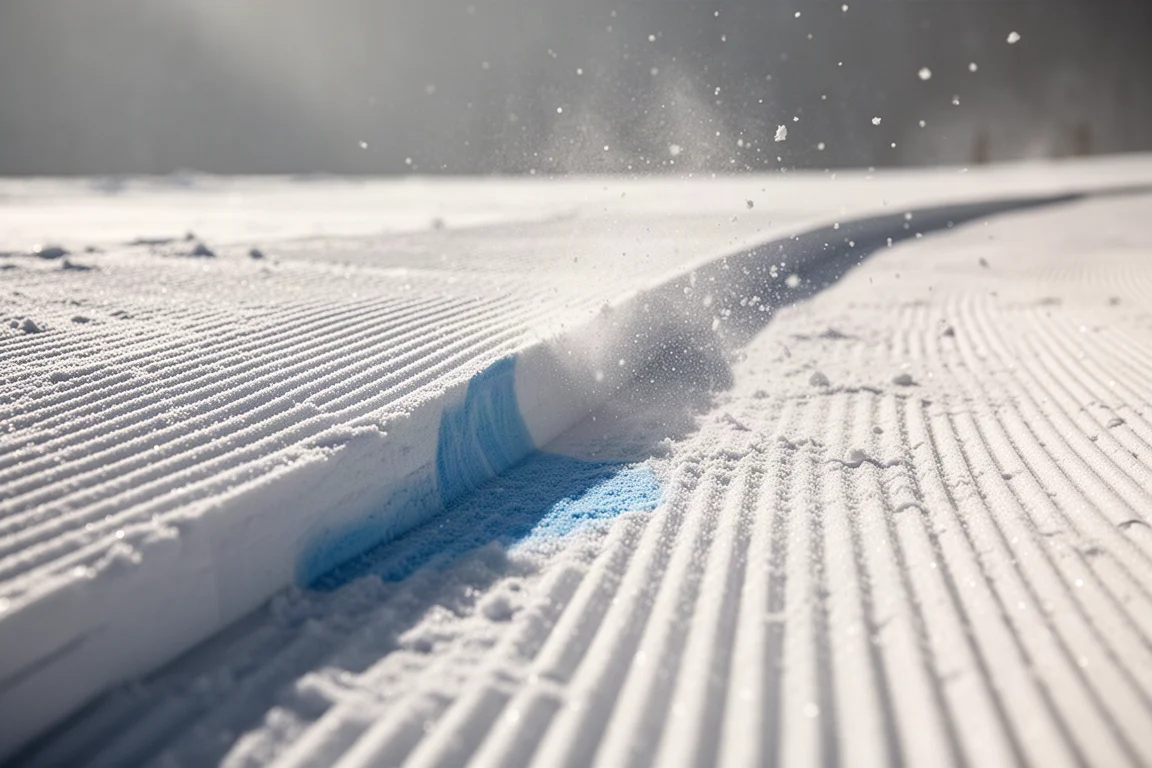
When you want to lay a genuine trench, this thing locks in and leaves one. You do not have to run as high of binding angles as the Plus version, though some angle helps when you are leveraging it over. You can get deep and low with it. But make sure you have space: a tight, crowded run completely ruins this board. Wide-open terrain is where it belongs, and banked or rolly features you can carve between are absolutely ideal.
The nose contact point shape also seems to grip a little better than earlier versions, which adds to the feeling of being locked in. If anything, this could work as a border-cross board for people racing in leagues or events.
Things to Consider Before Buying
- It is stiff and powerful, so mellow riders will not enjoy it.
- You need space. Crowded runs and tight tree lines are not its habitat.
- Buttering is basically off the table. This is a pure carving tool.
- If you want maximum stiffness and snap, the Plus version is the more aggressive alternative, though it is less approachable and more punishing.
Buying Advice
The Blade is best thought of as a groomer-day weapon for the everyman power carver: damp enough to handle chop and death cookies at speed, stiff enough to hold a deep carve, and just approachable enough to steer with your ankles when the run tightens up. Comparable boards to look at alongside it are the Ride Peace Seeker, the Korua Pencil Plus, and the Nitro Banker.
For bindings, recommended pairings include the Flow NX2 Carbon Hybrid, the Yes Drive, and the Nitro Phantom. Test it on a bluebird day with firm-ish snow if you can, because that is where its strengths show up most clearly.
Conclusion
The Nidecker Blade has matured into a better-balanced carving board: still stiff, still powerful, but softer and more forgiving than before. If you spend most of your time on groomers and want a board that locks into carves and leaves trenches, it deserves a place at the top of your shortlist. Just bring wide-open slopes and a carving mindset.
Product link
View more details for Nidecker Blade
This product is mentioned in the review. Check the specifications, options, and compatibility before buying.
View more details for Nidecker BladeFurther reading
Related Reviews

Snowboards
32 Middle Earth Scott Stevens Pro Model Snowboard Review: A Park Board With a Reversed Flex
A medium traditional camber park board with carbon V reinforcement that is stiffer in the tips and more playful between the feet. Here is how it rides and who it suits.

Snowboards
32 Snafu Review: A Directional All-Mountain Freestyle Board with Serious Pop
The 32 Snafu pairs a directional camber-rocker profile with a stiffening tail for powerful carves, big ollies, and a surprisingly damp ride.

Snowboards
32 XXX Pat Fava Pro Snowboard Review: A Stiff Camber Beast for Hard-Charging Riders
A full-width traditional camber deck that rewards aggression with stability and edge power, but demands effort everywhere else.