Snowboards
Niche Wraith Review: A Playful Park Snowboard for Butters, Presses, and Small Jumps
The Niche Wraith pairs Low Rise Camber with a soft, twisty flex for standout buttering and jibbing, but stability at speed is limited.
Introduction
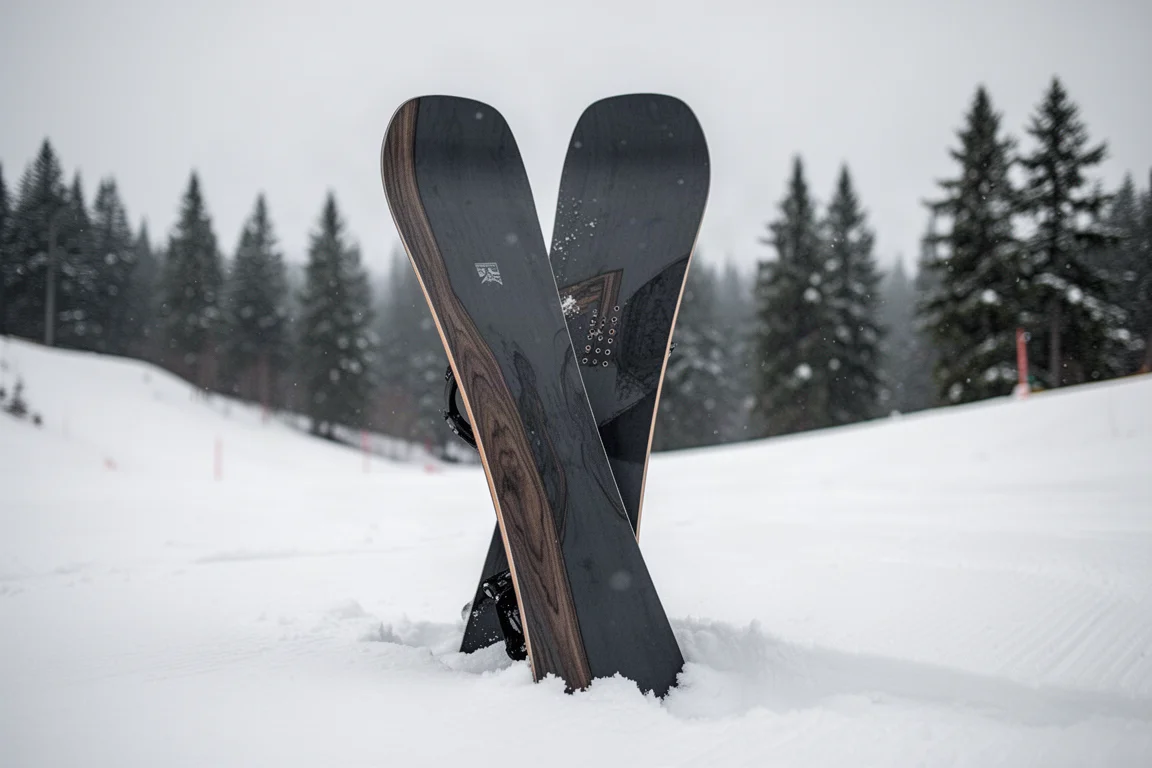
The Niche Wraith is a freestyle snowboard built around Low Rise Camber, the brand’s mellow interpretation of a traditional camber profile. Rather than a pronounced arc, the board runs a gentle curve from contact point to contact point. The result is a ride that feels like a well broken-in snowboard from the first lap, while still delivering load, pop, snap, and drive.
It is available in 145, 149, 152, 155, and 158, which covers a broad spread of rider sizes and park preferences. Overall flex sits just below the middle of the road, pushing the Wraith toward the playful end of the spectrum rather than the aggressive one.

The Wraith was ridden at Copper Mountain on a sunny bluebird day with warmer temperatures, gusty winds at times, and a mix of chop and slush sitting under perfect hero snow. Conditions like that tend to expose how a board behaves once the surface stops being smooth, and the Wraith’s personality came through clearly.
Who This Product Is For
The Wraith is aimed squarely at the mellow park rider who wants something softer underfoot. Two generous sweet spots, one in the nose and one in the tail, make it a natural fit for riders who spend their days buttering, pressing, and working lower-speed features rather than charging at full tilt.
If a good run means locking into a nose or tail press, popping off small lips, and generally getting weird on whatever the park has to offer, this board was designed with you in mind. If your priority is a stable platform for fast groomer laps, larger jumps, or hard carving, the Wraith’s priorities sit elsewhere.
Main Strengths
The defining trait of the Wraith is how easy it is to engage. Because Low Rise Camber is so mellow, you barely notice that you are loading the board, yet it rebounds predictably, much like a snowboard you have popped a thousand times. There is an almost skate-like quality to that pop. It will not be the snappiest board out there, but it gets the job done consistently.
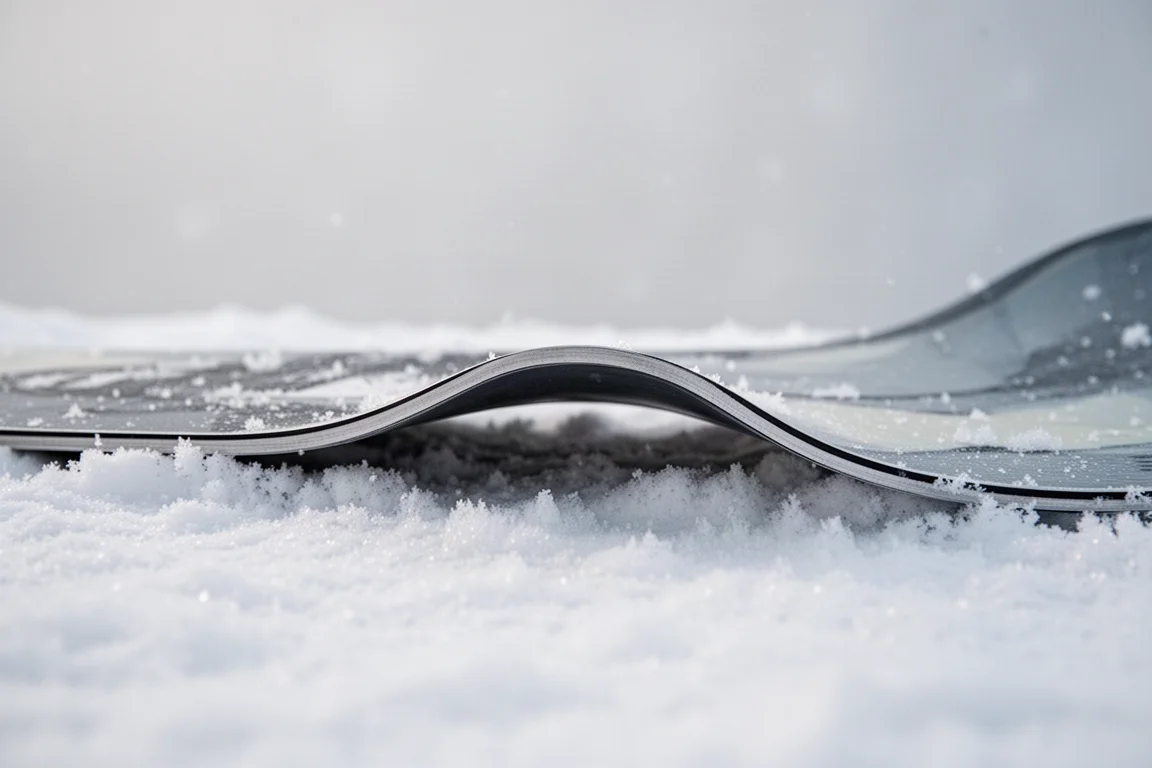
Flex comes in just below the middle of the road, which keeps the ride lively and playful. The board stiffens through the middle while still allowing a noticeable amount of torsional flex, so you can genuinely twist it. Combined with the two large sweet spots in the nose and tail, that flex pattern is what makes the Wraith feel so willing underfoot.
Buttering and Jibbing Performance
This is where the Wraith shines. The sweet spot in the nose and the tail locks in and holds a butter until you decide to disengage it. The mellow camber helps here too: if you want a little snap out of the butter, it is there, and if you do not, the board will not fight you. It sets back down smoothly.
Jibbing follows the same pattern. The Wraith locks into nose and tail presses and holds them firmly, and you can feel the board flexing underneath you. At the end of a feature, a little pressure on the outside of your binding, whether you are on the nose or the tail, snaps it out. When you go sideways, the board straddles the feature rather than clapping out, with plenty of give and just enough rebound through the centre.
Park and Jump Performance
Small to medium jumps are where the Wraith stands out. It pops when you need it to and stays consistent in how it releases, which makes it easy to trust on laps through the park.

Anything bigger is a different story. The board simply does not have the stability to set itself down and ride away with ease, so the ceiling here is deliberate rather than accidental. The Wraith is tuned for riding where a soft, forgiving platform matters more than stomping a large landing.
Things to Consider Before Buying
Stability is the clearest trade-off. There is next to none of it. Hit a chunk of ice or a buried obstacle and you will feel the vibration resonate underfoot. Point it down a groomer at speed and that zipper-like chatter comes up through the board. In runout terrain, keep your knees bent, because you are more than likely going to get bucked around. The short version is that you feel everything on this board.
Carving has limits as well. Short, tight, quick turns and medium carves are its strong suit. Ask for more than that and you are asking too much. Load the camber and try to drive hard off the tail and it will fold or buckle. Traction bumps underfoot do add grip when you are ankle steering or setting up mellow carves, but carving overall is not where this board excels.
It is also worth knowing that the Wraith has changed character. It previously felt a little stiffer, which helped with snap and gave it more pop. As it stands now, it is a dream for buttering, but it gives up some stability for bigger features and heavier inputs. For what it is, it is not bad and it is not great; it sits in the middle of the pack. The upside is that it now differentiates itself clearly from the brand’s stiffer freestyle option, where the two once overlapped.
Buying Advice
Choose the Wraith if your riding is built around the park and you want a softer, more forgiving deck for butters, presses, and jibs. It rewards a relaxed, creative style and delivers predictable pop without demanding much effort.
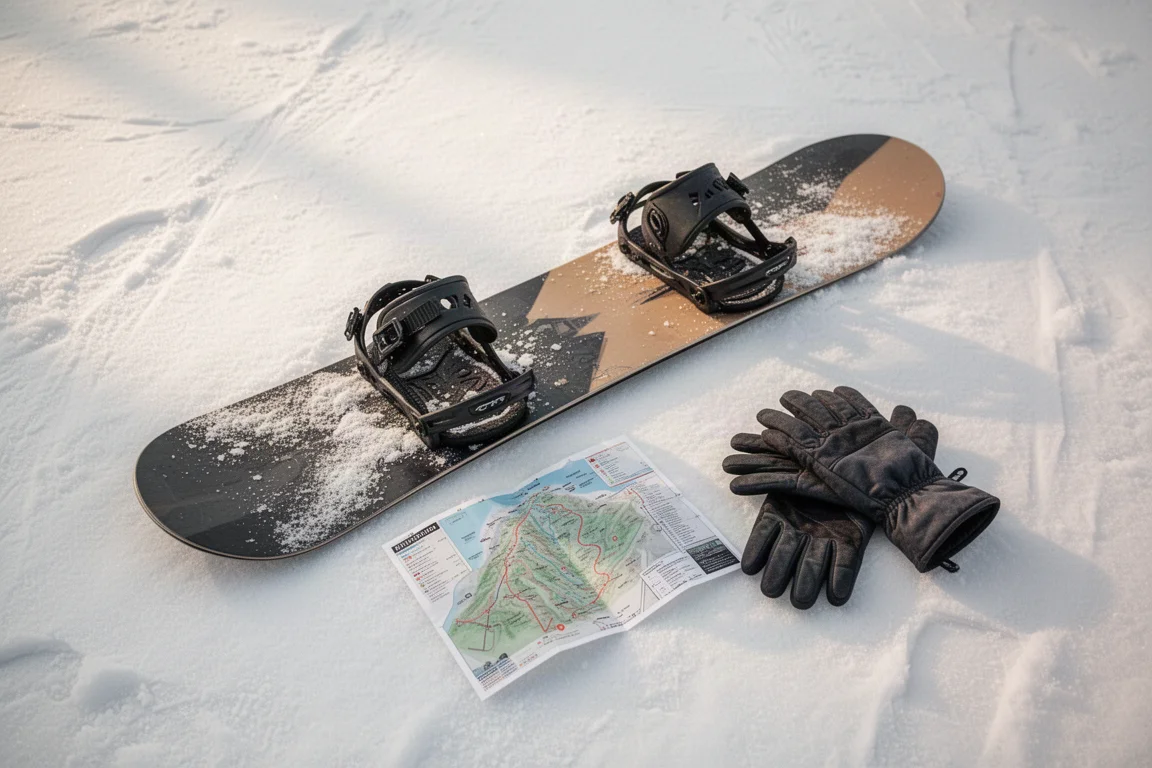
The five available lengths, 145, 149, 152, 155, and 158, make it straightforward to match the board to your size and to how much park riding versus all-mountain riding you plan to mix in. Boards in a similar space worth comparing include the Capita Pathfinder Camber, the Arbor Formula, and the Nidecker Sensor.
Be honest about how you actually ride. If your plans involve larger jumps, hard carving, or holding an edge through chopped-up terrain at speed, this is not the board for that job, and the trade-offs will show up quickly.
Conclusion
The Niche Wraith does one thing exceptionally well and asks you to accept the compromises that come with it. Buttering and jibbing feel dialled in, the Low Rise Camber makes engagement effortless, and the playful flex keeps the board lively at lower speeds. Stability, carving power, and big-jump composure are where it gives ground.
For the mellow park rider who wants something softer, that is a reasonable bargain. Go in knowing which side of the trade you are buying, and the Wraith delivers exactly what it promises.
Product link
View more details for Niche Wraith
This product is mentioned in the review. Check the specifications, options, and compatibility before buying.
View more details for Niche WraithFurther reading
Related Reviews

Snowboards
32 Middle Earth Scott Stevens Pro Model Snowboard Review: A Park Board With a Reversed Flex
A medium traditional camber park board with carbon V reinforcement that is stiffer in the tips and more playful between the feet. Here is how it rides and who it suits.

Snowboards
32 Snafu Review: A Directional All-Mountain Freestyle Board with Serious Pop
The 32 Snafu pairs a directional camber-rocker profile with a stiffening tail for powerful carves, big ollies, and a surprisingly damp ride.

Snowboards
32 XXX Pat Fava Pro Snowboard Review: A Stiff Camber Beast for Hard-Charging Riders
A full-width traditional camber deck that rewards aggression with stability and edge power, but demands effort everywhere else.