Snowboards
Niche Pyre Review: A Damp, Predictable Freeride Snowboard for Powder Days
A directional freeride snowboard built on Niche's Backseat Camber profile, with a soft rockered nose, a supportive camber section, and a damp ride that trades snap for stability.
Introduction
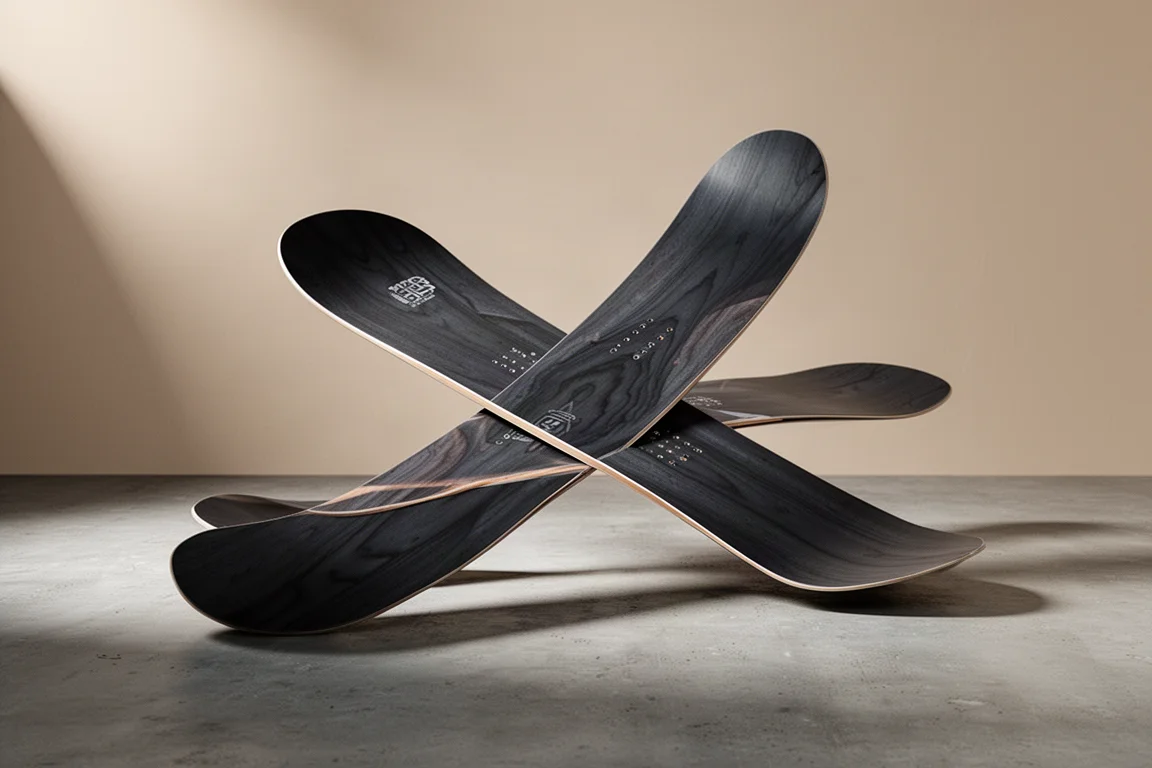
The Niche Pyre is a directional freeride snowboard built around Niche’s Backseat Camber profile. Rocker sits in the nose, camber runs through the rest of the board, and the net effect is a set-back camber shape. Riders get the load, pop, and drive of a traditional camber board with a more back-foot dominant load, plus a rockered nose that eases entry and exit in turns and adds float in powder.
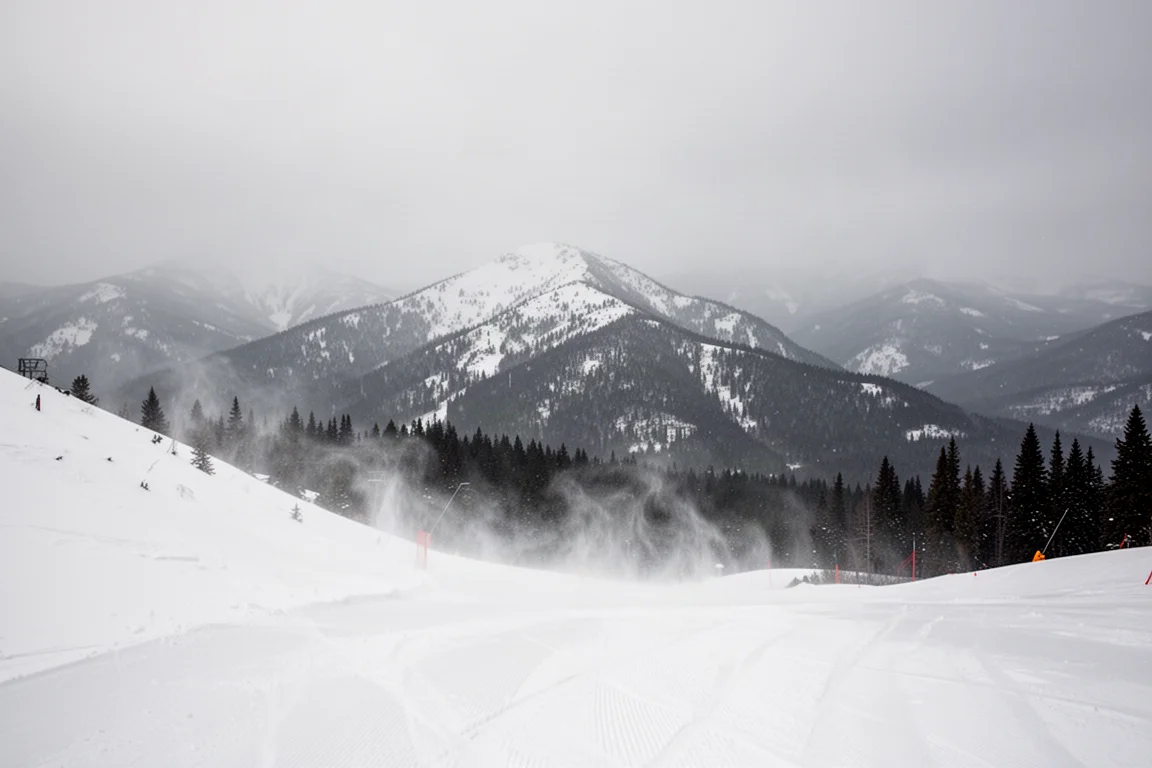
The Pyre is offered in 150, 155, and 160. It has been ridden at Arapahoe Basin in overcast skies with a light wind and a couple of inches of fresh snow carrying a thin layer of dust and dirt, across soft groomers, crust, dust, and chop and chunder. The setup paired it with Rome Black Label bindings and K2 Thrax boots.
Who This Board Is For
The Pyre is built for the powder-chasing freeride rider. The directional shape, the set-back camber, and the rockered nose all point toward riders who spend their days hunting soft snow and natural terrain rather than lapping the park.
That focus shows up in how the board handles trees. It charges through them with ease, and the damp feel absorbs chatter so riders are not fighting the board while threading tight lines. It is a predictable ride first and a playful one second.
Riders who want a board that snaps hard out of every ollie or butters effortlessly on both ends will find the Pyre makes them work for it. Riders who want a stable platform that stays composed in variable snow will find considerably more to like.
Profile, Flex, and How It Rides
The flex is fully directional. The nose is softer, and right where the rocker meets the camber the board stiffens up and holds that flex all the way back to the tail. Torsional flex is present, though not overly abundant, which lands the Pyre around a middle-of-the-road all-mountain flex rather than a stiff freeride plank or a noodle.
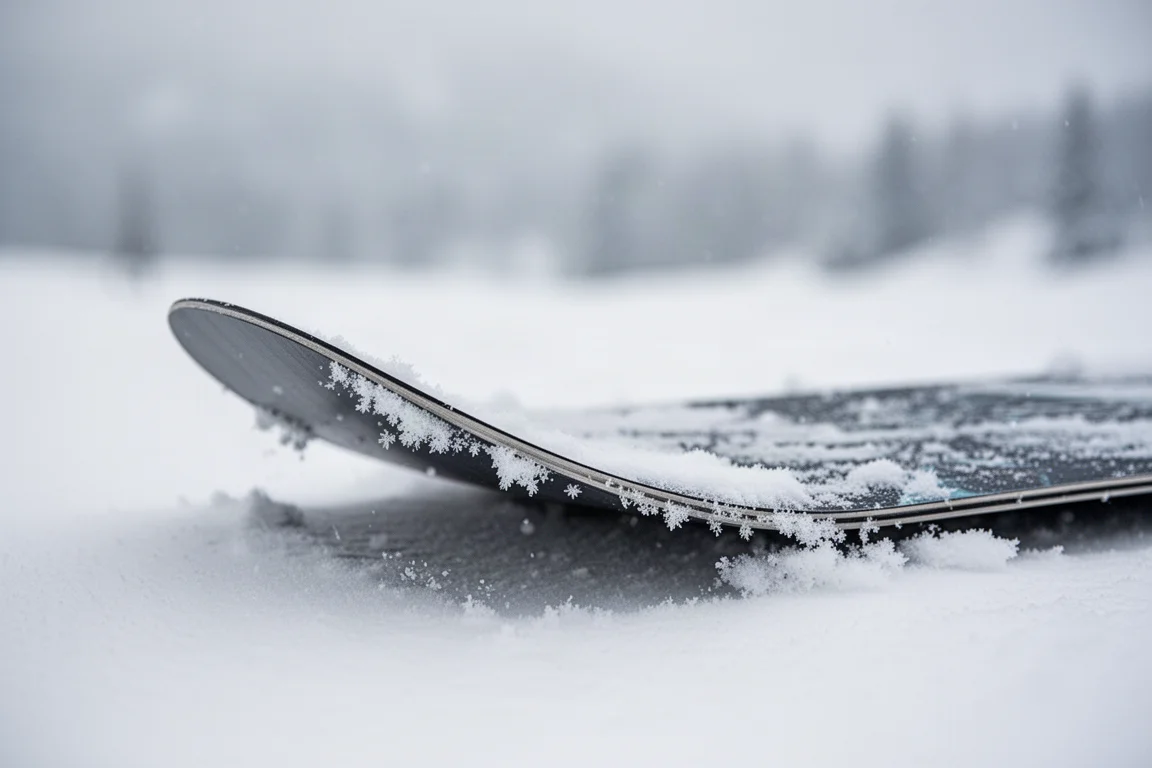
That flex pattern shapes everything about how the board loads. The camber section is easy to load up, and it rewards riders who drive through the back foot rather than the center of the board. The trade-off is that the softer nose gives up some of the support a stiffer front end would provide.
Stability and Carving Performance
Stability is one of the Pyre’s stronger traits, and both the width and the camber contribute to it. There is some chatter in the nose, and it can resonate slightly under the front foot, but the overall ride is damp without feeling dead.
Edge-to-edge transitions are perfectly fine and very predictable, if not remarkable. When the board is laid over and the knee drives into the center, it can be pushed fairly aggressively and the tail gives back a little snap. That is arguably the only moment where the Pyre feels snappy at all, and it likely comes down to the core profiling and the additives in the build.
Medium mellow carves and long swoopy turns are the sweet spot. Riders can lay it over when they need to, but a full euro carve hits a wall and the board will not go further.
Snap, Buttering, and Pop
Snap is where the Pyre gives up the most ground. It is not the snappiest board out there, and getting meaningful pop out of it takes more effort than many freeride decks require. Riders hoping to porpoise through deep snow or ollie off natural features should plan on putting more into it.
Buttering behaves differently at each end. On the tail, the rider sits essentially outside the insert pack and the board simply flexes. On the nose, there is a key flex point where the camber meets the rocker, and it is easy to over-flex. Push it too hard and the nose can wash out. A more relaxed approach works better: when the input is dialed back, the board locks in, holds, and returns a little pop.
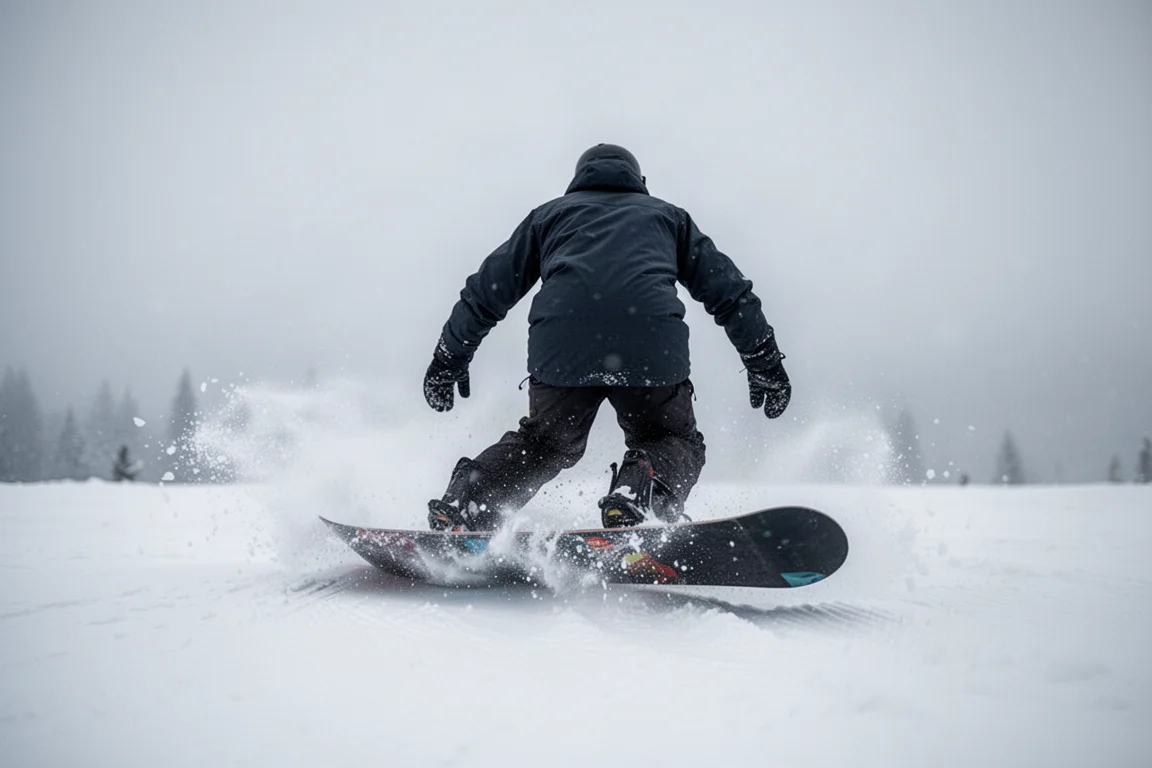
That asymmetry is worth remembering. Aggressive tail presses are fine, while nose presses and 180 setups need a lighter touch until the rider learns exactly where the flex point engages.
Things to Consider Before Buying
Production has moved to a different factory, and the current Pyre feels like it has lost some of the snap earlier versions had. It remains a predictable, damp, easy-charging board that handles trees well, but it no longer delivers the same pop and fun factor.
Anyone moving up from an older Pyre should set expectations accordingly. The newer board will not feel as lively, though the stability and predictability that made the model appealing are still very much there.
Buying Advice
The Pyre suits riders whose priority is soft snow, natural terrain, and a dependable ride rather than maximum pop. Riders weighing alternatives should look at the Lib Tech Orca, the Yes Workah, and the Rome Stalefish, all of which occupy similar freeride territory.
Binding choice is worth some thought. The Burton Cartel, K2 Formula, and Bent Metal Transfer are all reasonable pairings for this board, and each will influence how much response the rider feels through the tail.
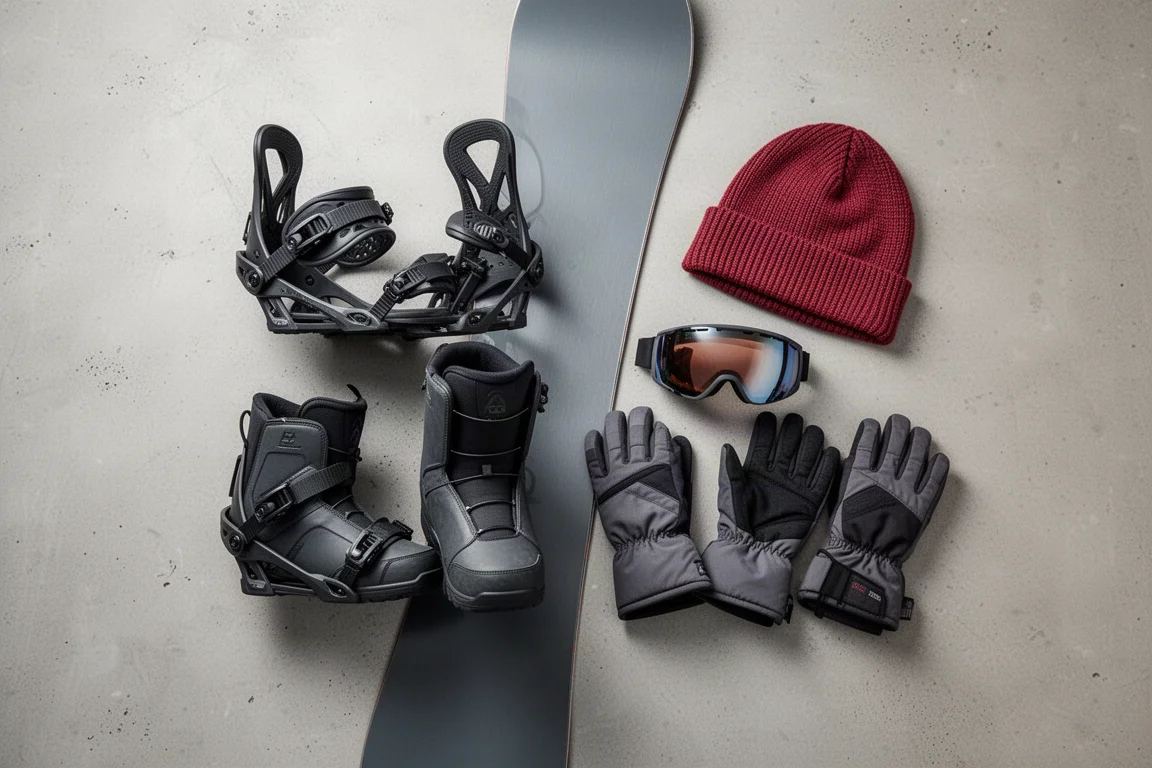
Matching the Pyre to the right rider matters more than chasing a spec sheet. Riders who want a damp, stable, predictable freeride board and are willing to work a little harder for pop will get the most out of it. Riders who want a lively, poppy all-mountain board should weigh the alternatives carefully before committing.
Conclusion
The Niche Pyre is a directional freeride snowboard with a soft rockered nose, a supportive camber section, and a flex that loads through the back foot. It is stable, damp, and predictable, and it handles trees and variable snow with composure. Its limitations are equally clear: snap and pop are modest, the nose can chatter, and over-flexing the nose can wash out. Riders who want a dependable powder-oriented board will find a lot to work with here, while riders chasing maximum energy should look closely at the alternatives.
Product link
View more details for Niche Pyre
This product is mentioned in the review. Check the specifications, options, and compatibility before buying.
View more details for Niche PyreFurther reading
Related Reviews

Snowboards
32 Middle Earth Scott Stevens Pro Model Snowboard Review: A Park Board With a Reversed Flex
A medium traditional camber park board with carbon V reinforcement that is stiffer in the tips and more playful between the feet. Here is how it rides and who it suits.

Snowboards
32 Snafu Review: A Directional All-Mountain Freestyle Board with Serious Pop
The 32 Snafu pairs a directional camber-rocker profile with a stiffening tail for powerful carves, big ollies, and a surprisingly damp ride.

Snowboards
32 XXX Pat Fava Pro Snowboard Review: A Stiff Camber Beast for Hard-Charging Riders
A full-width traditional camber deck that rewards aggression with stability and edge power, but demands effort everywhere else.