Snowboards
Niche Maelstrom Review: A Freeride Snowboard Built for Powder and Speed
A close look at the Niche Maelstrom, a directional freeride snowboard with a rockered nose and camber underfoot, and what it does well at speed.
Introduction
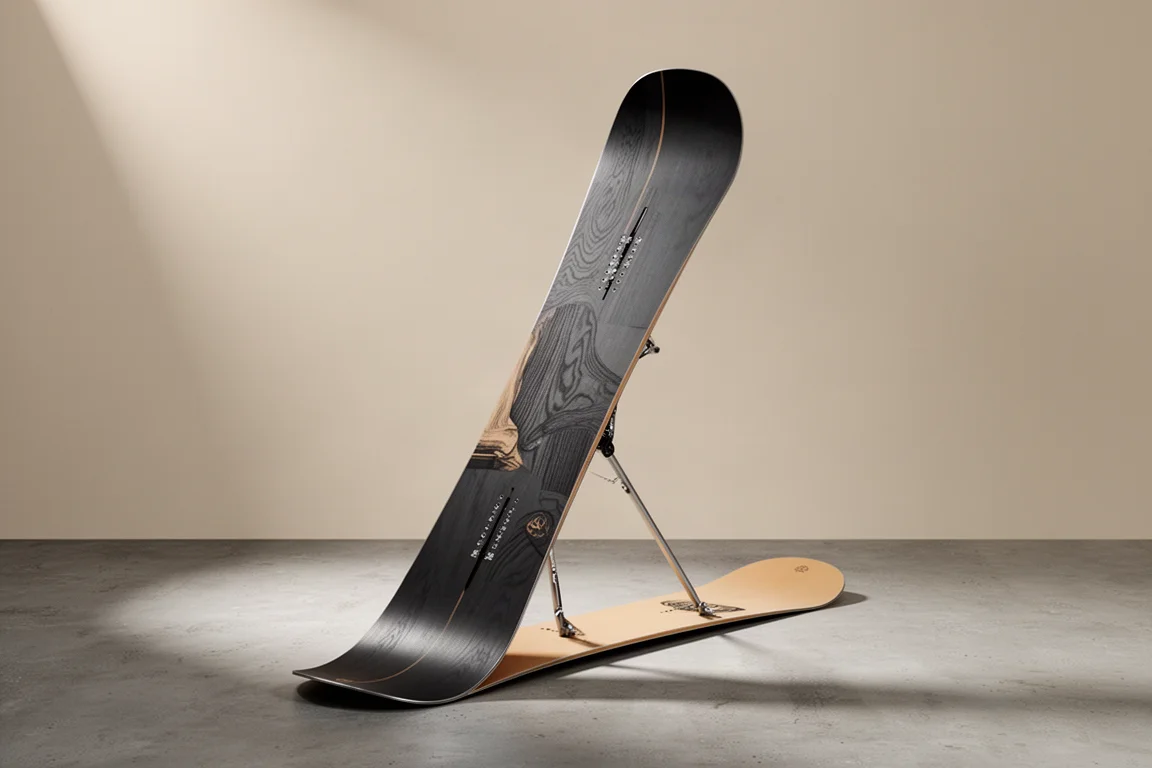
The Niche Maelstrom is a directional freeride snowboard built around the brand’s directional camber profile, a setback cam rocker layout that places rocker in the nose and camber through the rest of the board. The aim is to combine the load, pop, snap and drive of a traditional cambered board with easier turn entry and exit and better float in powder. It is offered in 154, 157, 160, 163 and 166 centimetres.

That mix of camber underfoot and rocker up front shapes almost everything about how the Maelstrom behaves, from the way it feels at walking pace to the way it settles down once it is pushed hard. This review covers what the board does well, where it asks more of the rider, and who should consider it.
Who This Snowboard Is For
The Maelstrom is aimed squarely at the freeride rider who would rather blast powder and slash turns than rip a hard carve down a groomer. Its directional shape, tapered tail and rockered nose all point towards soft snow, natural terrain and open lines.
Riders who want a fast, poppy board for butters, presses and jibs will find the Maelstrom works against them. The tail is stiff enough that a press needs most of the rider’s weight behind it, and the edge-to-edge response is deliberately relaxed rather than instant. This is a board that rewards speed, commitment and soft snow, not one that flatters low-speed freestyle.
Main Strengths
The heart of the Maelstrom is its directional camber. Rocker in the nose lifts the contact point and helps the board plane in powder, while the camber section under and behind the feet supplies the pop, snap and drive riders expect from a cambered deck. The result is a board that enters and exits turns easily while still feeling loaded when it is pushed.
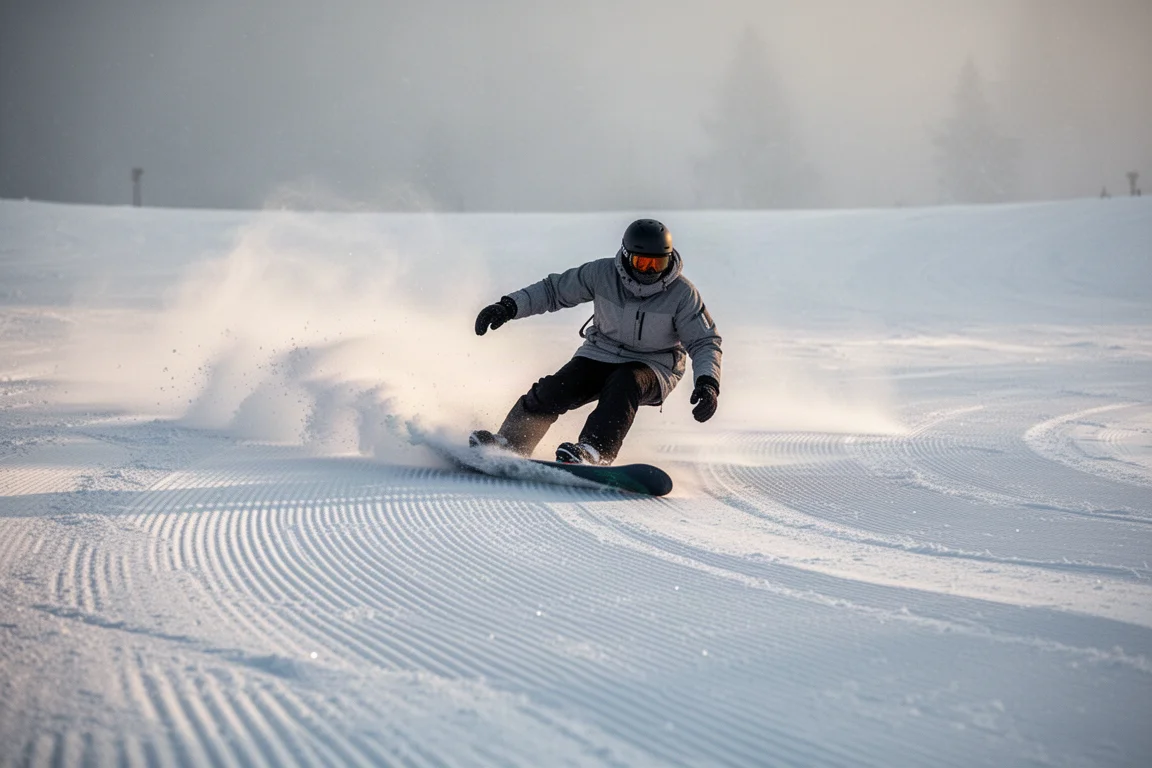
Stability is where the Maelstrom changes character most. At low and moderate speeds there is a noticeable amount of vibration underfoot, and the board feels lively and reactive. As speed builds, that chatter fades and the ride becomes progressively damper and more stable, so the faster it goes, the calmer it feels, without ever losing its energy. Riders who like to ride fast will get the most out of it.
The camber section itself is shallow, which gives the board a well broken-in feel from the first turn. Loading it up produces no fight, and the snap that comes back is predictable rather than overwhelming. It boosts when asked, but it is not the kind of board that encourages ollieing over everything in the path.
Flex is directional, with a softer nose that stiffens progressively towards the tail. Torsional flex is easy to feel as well, so the board can be twisted when the terrain or the turn calls for it.
Edge-to-Edge Response and Carving
Transitions from toe to heel are slower and more delayed than on a quicker freestyle deck. Once the board is on edge, though, driving a knee into the centre of the board unlocks a lot of power from the tail, and that power whips the turn through the carve.
The tapered shape does have limits when the board is laid right over, and the tail can kick out, so riders need to learn where the balance point sits before pushing harder. Within that range the Maelstrom holds an edge, moves smoothly from one side of the run to the other and can carry a carve when required. At speed, weaving down the trail and riding up the banks, it feels locked in, and pushing extra pressure through the camber section adds snap to the exit of the turn.
Things to Consider Before Buying
Most of the Maelstrom’s trade-offs come down to how it wants to be ridden. The slower, more delayed edge-to-edge response means it will not feel as immediate as a freestyle board in tight terrain, and the taper can kick out at high edge angles, so there is a learning curve before the limits feel predictable.
At low and moderate speeds the board transmits more energy underfoot, which shows up as vibration through the feet. It eases as speed rises, but riders who spend most of their time cruising slowly, riding with less experienced friends or navigating busy slopes will feel it more often.
Buttering is possible rather than natural. The rocker and the abrupt upkick in the nose make nose presses easier to lock in and roll out of, while the tail needs the rider to sit on it and push hard with most of their weight to engage. Nose-heavy 180 butters and powder slashes suit the board far better than flat-ground tricking, which is not what it was designed for.
Buying Advice
Length is the main decision. The 154 and 157 will suit lighter riders and tighter terrain, while the 160, 163 and 166 are the better fit for heavier riders, faster lines and deeper snow.

Riders cross-shopping freeride shapes may also want to look at the Capita Navigator and the K2 Excavator, which sit in a similar part of the market. The Maelstrom’s strength is predictability: it does what a rider expects, and its limits stay consistent from run to run. Even with a change of factory since an earlier version, the current board rides very similarly to the previous generation, so anyone moving up from that model should feel at home quickly.
Conclusion
The Niche Maelstrom is a specialist freeride board with a clear personality. It pairs the pop and drive of camber with the float and easy turn entry of a rockered nose, and it gets calmer and more stable the harder it is pushed. Riders who chase powder, slash natural terrain and spend their days at speed will find plenty to like. Riders who want instant edge-to-edge response, effortless butters or a board that feels refined at slow speeds should look elsewhere.
Product link
View more details for Niche Maelstrom
This product is mentioned in the review. Check the specifications, options, and compatibility before buying.
View more details for Niche MaelstromFurther reading
Related Reviews

Snowboards
32 Middle Earth Scott Stevens Pro Model Snowboard Review: A Park Board With a Reversed Flex
A medium traditional camber park board with carbon V reinforcement that is stiffer in the tips and more playful between the feet. Here is how it rides and who it suits.

Snowboards
32 Snafu Review: A Directional All-Mountain Freestyle Board with Serious Pop
The 32 Snafu pairs a directional camber-rocker profile with a stiffening tail for powerful carves, big ollies, and a surprisingly damp ride.

Snowboards
32 XXX Pat Fava Pro Snowboard Review: A Stiff Camber Beast for Hard-Charging Riders
A full-width traditional camber deck that rewards aggression with stability and edge power, but demands effort everywhere else.