Snowboards
Niche Crux Snowboard Review: A Balanced Park Board With Real Camber Drive
A close look at the Niche Crux snowboard, covering its camber-dominant hybrid profile, park flex, pop, jibbing behaviour, stability trade-offs, and who it suits.
Introduction
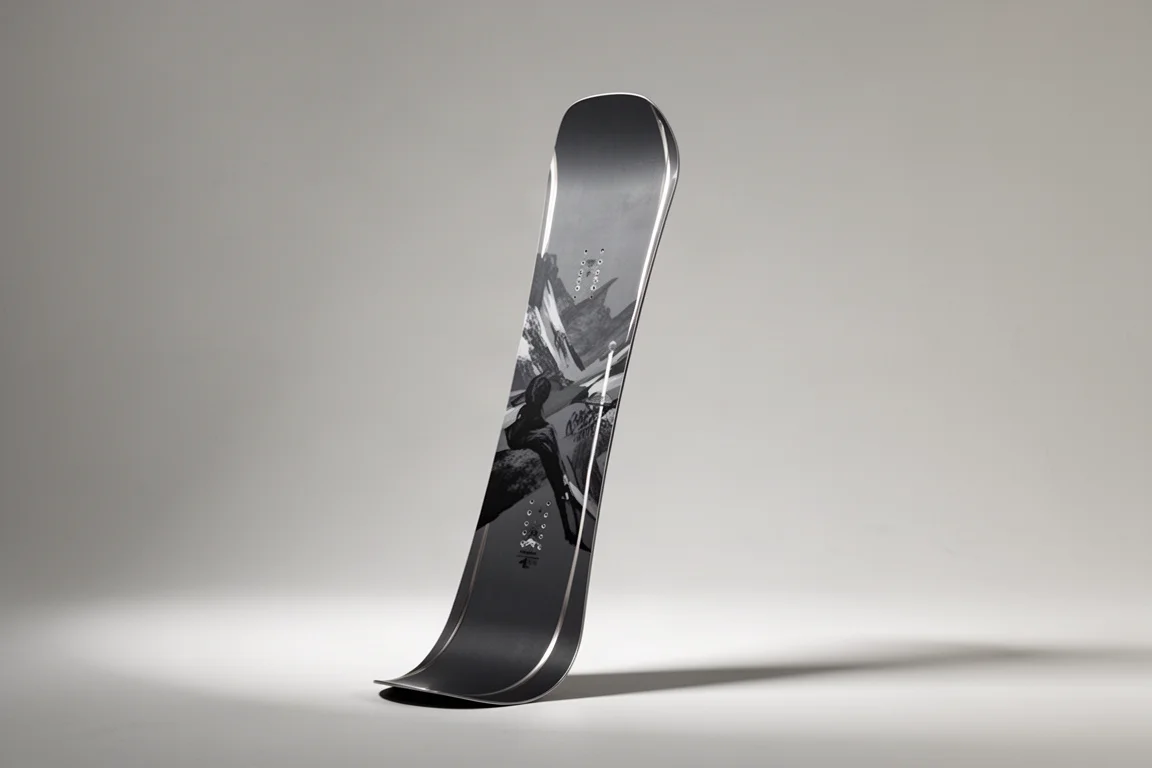
The Niche Crux is a park-focused snowboard built around Niche’s camber-dominant hybrid profile, a shape the brand describes as a camber 2.0 approach. Rather than a continuous camber arc running from contact point to contact point, the Crux uses a flatter section that drops down to the contact points, so it carries the load, pop, snap, and drive of traditional camber while feeling less aggressive through the middle.
It is offered in four lengths: 150, 153, 156, and 159. Ridden in spring conditions at Copper Mountain, the Crux was put through slush, chopped chunder, hero snow, and fresh corduroy, which makes for a fair test of a board that has to stay composed in soft, variable park terrain.
Who This Board Is For
The Crux is aimed squarely at the well-rounded park rider, someone who splits time between jumps, butters, and jib features and wants one board that handles all three without becoming a specialist that struggles elsewhere.
The flex is a standard, middle-of-the-road park flex, so the board suits riders who value predictable response over a shape that demands constant correction. It also rewards riders who already understand how to load a camber board and want that familiar drive and snap available on demand.
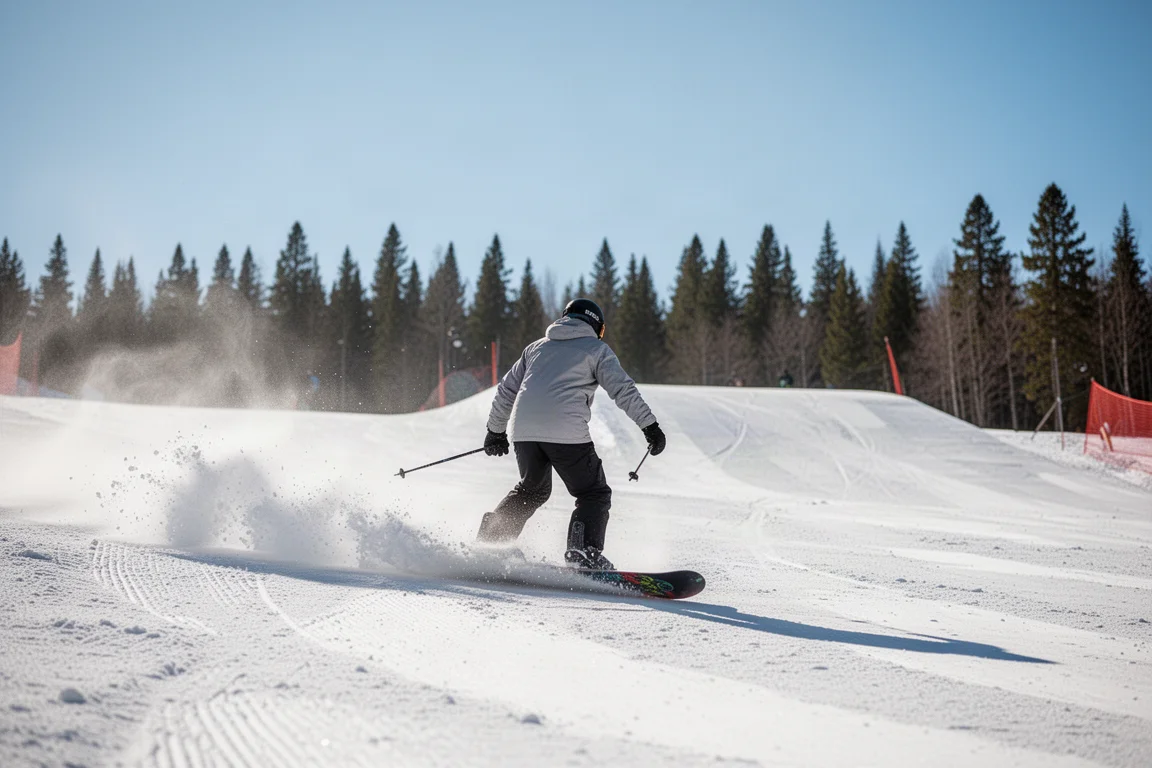
If your typical day is park laps with the occasional detour into the rest of the mountain, this is the kind of profile that stays useful in both places.
Main Strengths
Camber Profile and Ride Feel
The hybrid profile is the foundation of how the Crux behaves. By flattening the section between the contact points and keeping the rise at either end, Niche delivers a ride that behaves like a well broken-in traditional camber board: easy to load, quick to release, and predictable underfoot.
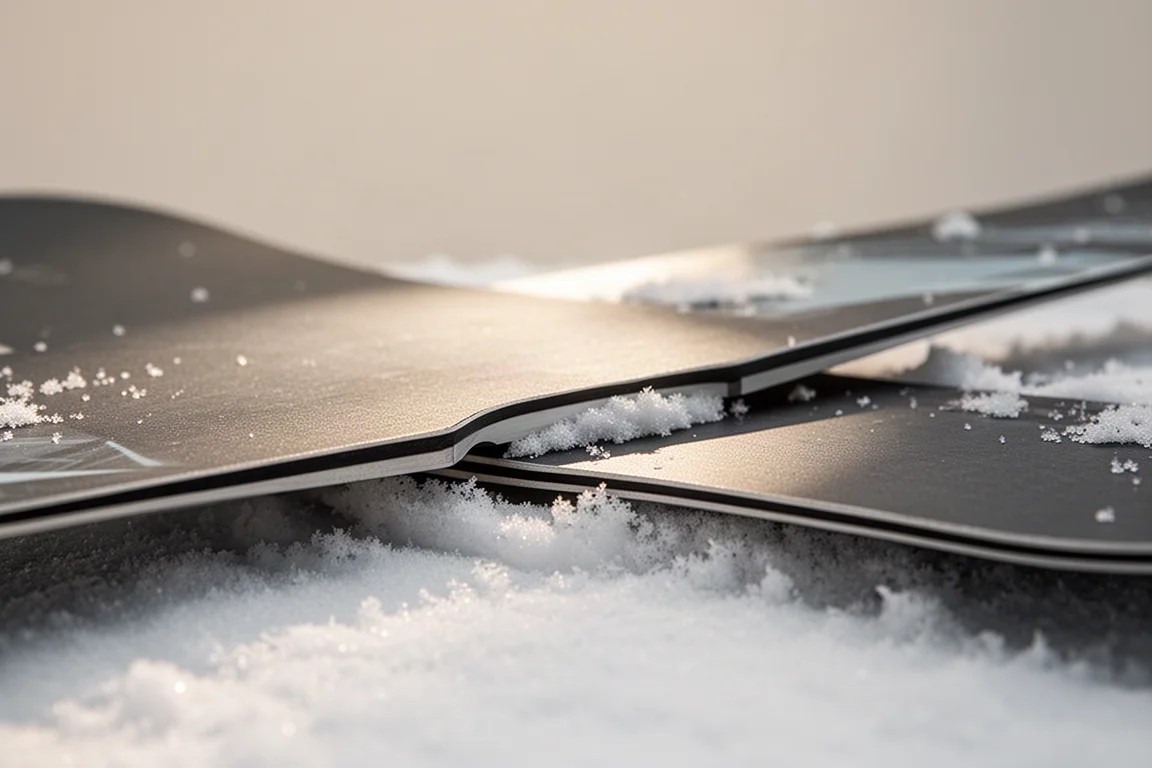
Flex is softer in the tips, with a large sweet spot out near the contact points in the nose and tail, stiffening back toward the middle, which itself is slightly softer. There is also a noticeable amount of torsional flex in the board, which is part of what makes it feel lively rather than locked in.
Pop, Jumps and Park Performance
Loading the Crux is relatively easy, and the profile does not fight you while you press into it. Rebound is solid, delivering dependable snap that sits comfortably in the middle of the range: not the snappiest board available and far from the least, but consistent enough that you know what you are getting when you launch a side hit, pop a roller, or need a fast ollie.
Jump performance covers small, medium, and large jumps comfortably. Very large booters are the one area worth questioning, but below that the board holds up well. Riders who let the lip throw them still get pop, while riders who deliberately load the board get more spring and a little more height and distance out of it.
Buttering and Jibbing
The Crux has key flex points at dead centre and out by the contact points. Hitting those contact-point flex points while buttering locks the board in and lets you press across the snow with very little resistance, and disengaging brings a useful amount of pop back.
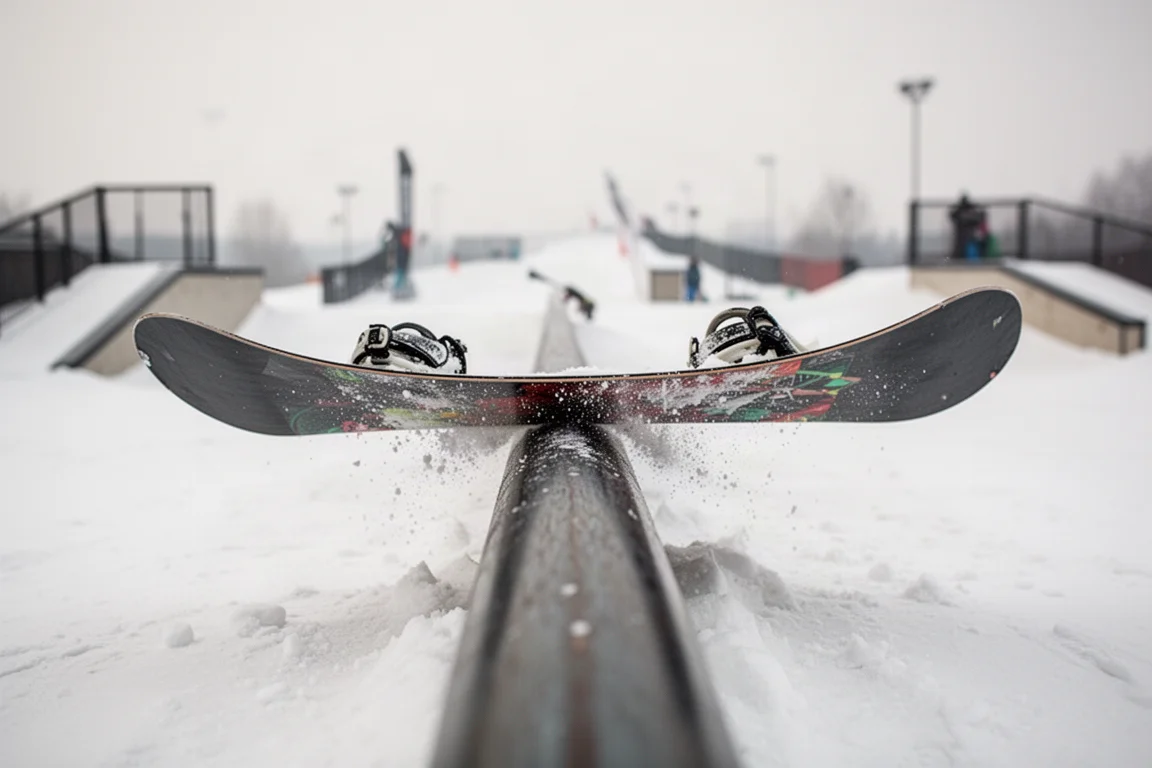
On jib features the board locks into presses and holds them well. It does want more speed than you might expect to get the most out of a press, but approaching a feature faster produces a better and more stable press, and the board releases at the end of the feature with extra pop. For sideways slides, aiming for dead centre lets the board cradle around the feature, while being slightly off toward the nose or tail turns the trick into more of a balancing act.
Things to Consider Before Buying
Stability is the main trade-off. The tips chatter, and that vibration resonates back underfoot, so in rougher or run-out terrain the board can get bucked around. Staying on top of it with bent knees keeps things manageable, but it asks for active riding rather than a passive stance.
Edge-to-edge power transmission is consistent but not nimble, and there is a slight delay when carving hard. Traction bumps underfoot do engage and grip well, which helps with ankle steering and adds confidence on icier patches. Even so, the board’s strong suit is short, tight, quick setup turns and mellow carves. When you absolutely need to lay it over, driving your knee into the centre of the camber and pushing off the tail lets you apex the carve and feel the power exit the turn. It will not deliver that on every turn, but it is there when you need it.
The board can also feel stiffer underfoot than expected in choppy conditions, although that stiffness is what gives it extra power when pushing through chopped spring snow.
Buying Advice
Match the Crux to how you actually ride. It is a strong pick for park riders who want a single board for jumps, butters, and jibs, and who value a predictable mid-range flex over a hyper-specialised feel. If your priority is high-speed carving precision or a damp, chatter-free ride through rough terrain, weigh the tip chatter and the slight delay in hard carving against the board’s clear park strengths before committing.
Length matters here too, since the Crux comes in 150, 153, 156, and 159. Choosing a size that matches your weight and the features you ride most will have more effect on how the board presses and pops than most setup changes.
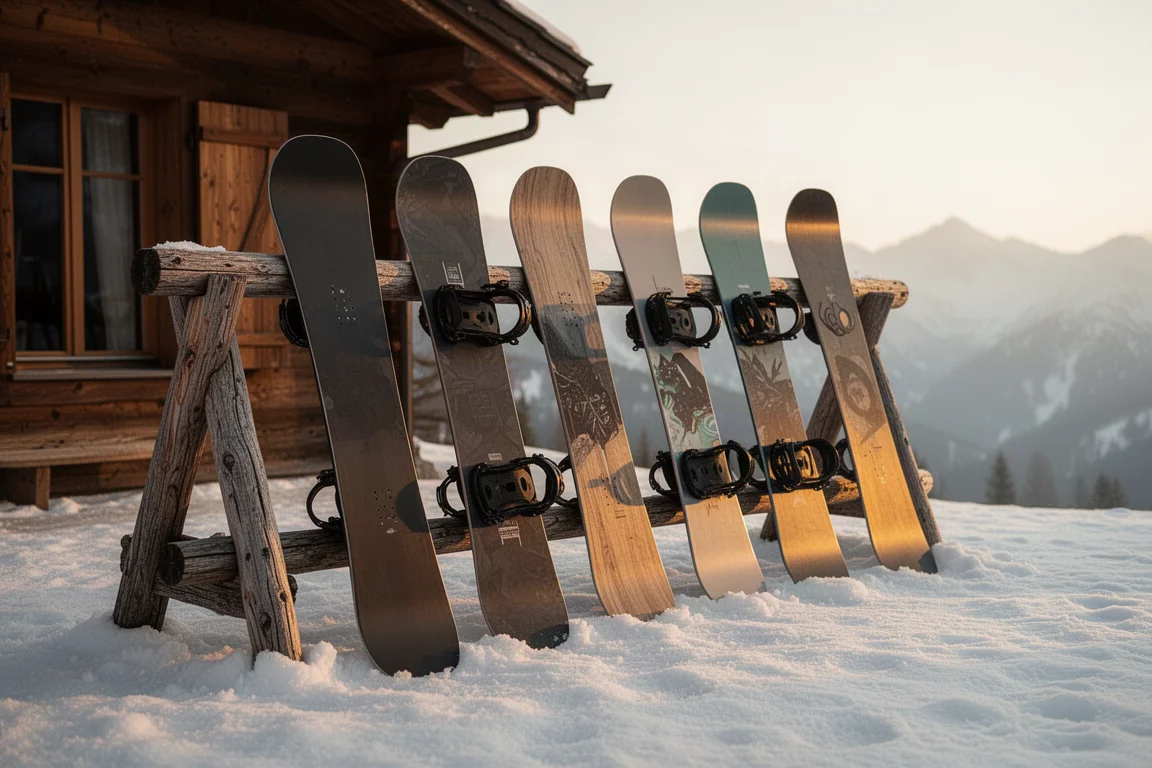
Bindings in the medium-flex park range pair naturally with this profile, and the Salomon District Pro, Now Select Pro, and Bent Metal Transfer are all reasonable matches. If you are cross-shopping, the Rome Agent, Yes Jackpot, and Salomon Huck Knife sit in a comparable space.
Conclusion
The Niche Crux is a balanced, camber-driven park board with solid snap, easy loading, and a flex pattern that rewards deliberate pressing. It is not the most stable board in rough snow, and carving is consistent rather than sharp, but for the well-rounded park rider who wants predictable pop, reliable presses, and genuine camber drive, it does exactly what it sets out to do.
Product link
View more details for Niche Crux
This product is mentioned in the review. Check the specifications, options, and compatibility before buying.
View more details for Niche CruxFurther reading
Related Reviews

Snowboards
32 Middle Earth Scott Stevens Pro Model Snowboard Review: A Park Board With a Reversed Flex
A medium traditional camber park board with carbon V reinforcement that is stiffer in the tips and more playful between the feet. Here is how it rides and who it suits.

Snowboards
32 Snafu Review: A Directional All-Mountain Freestyle Board with Serious Pop
The 32 Snafu pairs a directional camber-rocker profile with a stiffening tail for powerful carves, big ollies, and a surprisingly damp ride.

Snowboards
32 XXX Pat Fava Pro Snowboard Review: A Stiff Camber Beast for Hard-Charging Riders
A full-width traditional camber deck that rewards aggression with stability and edge power, but demands effort everywhere else.