Yard & Outdoor Power Tools
NH Hulk Pro Series 58V 930 CFM Handheld Blower Review: Big Numbers in a 4-Pound Package
A 930 CFM, 200 MPH handheld blower that claims backpack-class output. We tested runtime, turbo mode, the siphon nozzle, and build quality to see if the hype holds up.
Introduction
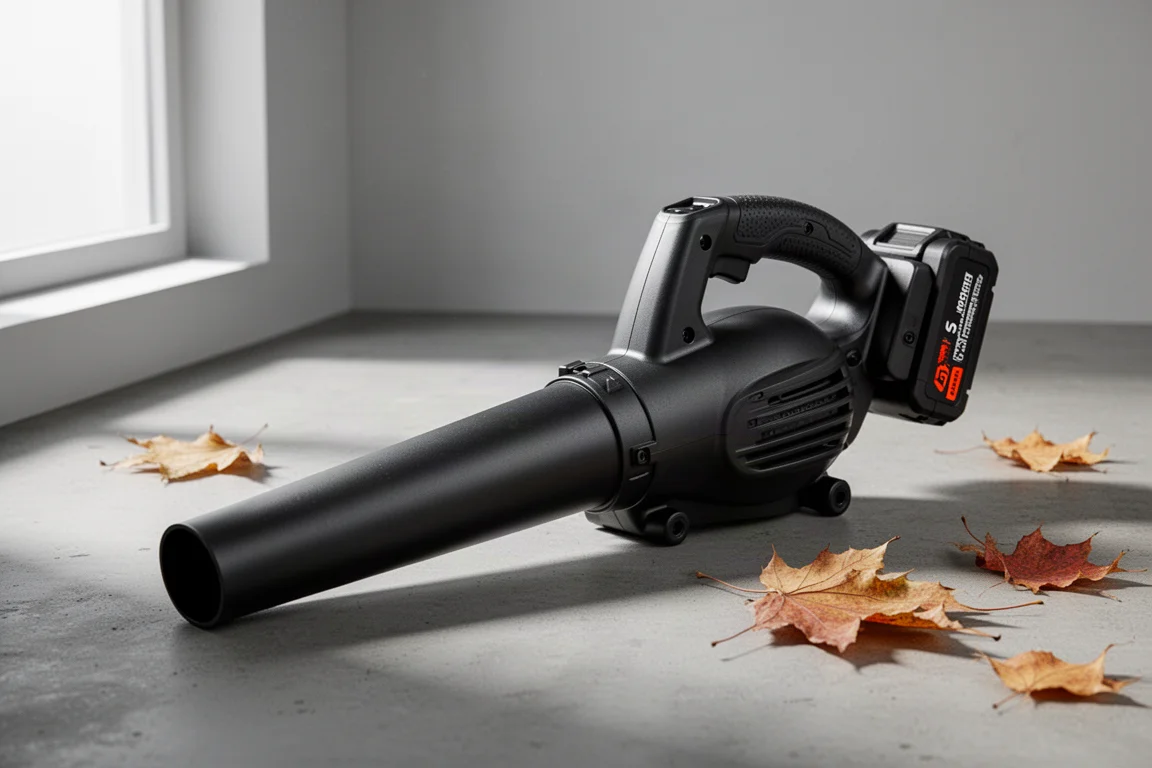
The NH Hulk Pro Series 58V handheld blower makes a bold claim: 930 CFM and 200 MPH from a tool that weighs just over 4 pounds without its battery. Those numbers put it in the same territory as top-tier gas backpack blowers, and that alone is enough to raise eyebrows. This review set out with one question: can a handheld blower this light actually deliver that kind of output without leaving your wrist sore and your patience spent?
The short answer is that it is an impressively built tool with genuinely strong airflow, a few quirks worth knowing about, and performance numbers that deserve a small grain of salt, as is often the case with blower ratings across the industry.
Who This Product Is For
This blower suits homeowners and property maintainers who want backpack-class airflow without the weight, noise, fumes, and maintenance of a gas unit. If you regularly clear leaves from driveways and walkways and you prefer battery-powered tools, the 930 CFM rating puts this among the most aggressive handheld options in its voltage class.
It is less well suited to people who expect long sustained turbo sessions, or anyone who wants a locking turbo button for extended full-power work. At 4 pounds the tool itself is light, but at full turbo output it genuinely takes effort to control.
Real-World Testing: Leaves, Turbo, and Runtime
The first test was simple: push a lot of leaves down a driveway on turbo. On turbo, the blower runs at its full 930 CFM, and the output is substantial. It is hard to hang on to. The tool is not so powerful that it pushes you around, but holding it while pressing the turbo button requires real grip effort, and holding the turbo button with your thumb for extended periods strains the wrist. Many users will find themselves bracing the blower against a leg to manage the thrust.

Total measured runtime on turbo, from start to finish with brief pauses, came out at 11 minutes and 47 seconds using the included 5 amp hour battery. That runtime was not tested in lower modes, but dropping out of turbo will extend it considerably. For context, that figure is very similar to the runtimes observed on competing 56V/58V handheld blowers with the same battery capacity, which is an interesting data point on efficiency: more airflow from the same battery capacity comes with the expected runtime trade-off.
Build Quality and Design
The construction is where this blower surprises. The rubber over-mold on the grip, the overall fit and finish, and the way the battery slides onto the rear of the tool all feel a step above what you might expect from a lesser-known brand. There is also a mounting point for a shoulder strap, which is not included but is genuinely recommended given how much thrust the tool produces on turbo. The box itself is plain and unbranded, which fits the overall impression of a new brand investing heavily in a product before it has widespread retail presence.
The build quality overall is best described as comparable to the established premium cordless brands, in a package whose claimed ratings may be slightly optimistic, as is common with modern blower specs.
Ergonomics, Trigger, and Cruise Control
The variable speed trigger is excellent. Pulling the trigger gives you smooth, proportional control of the airflow, which matters a lot when the top end is this strong. The cruise control feature is the standout ergonomic idea: once you pull the trigger to your desired speed, pressing the cruise control button locks that speed in, and the trigger can still rev higher but never drops below the locked point. Pressing cruise control again releases it.
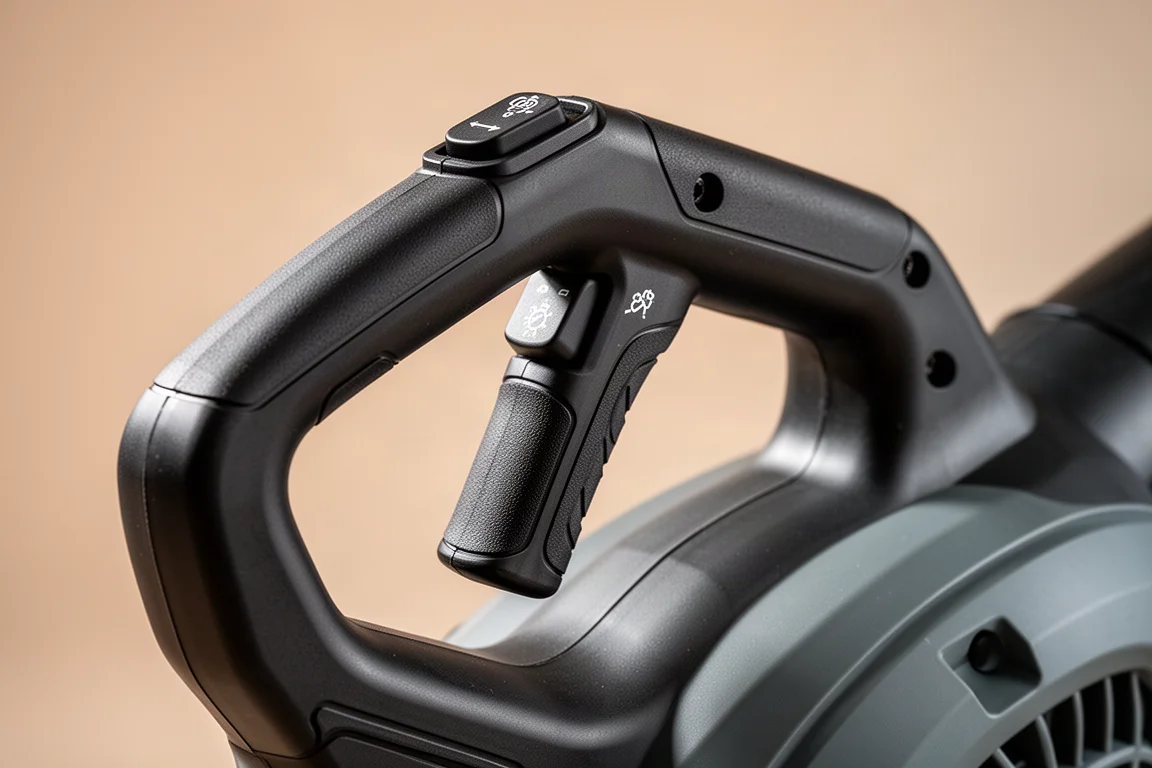
There is also a neat interaction between turbo and cruise control: with cruise control engaged, you can tap turbo for a burst of maximum output and then return to your locked cruise speed. One small design wish: a latch that kept turbo on continuously would help with fatigue, though the lack of one may be deliberate, since sustained turbo use drains the battery quickly. A low-battery indicator also turns red when the pack gets close to depletion, coming on somewhere around 48 volts.
Battery and Charging
The included 5 amp hour battery is labeled 58V Max. It charges to about 58 volts when full and drops to roughly 47 volts before the tool cuts off, which mirrors the behavior of other 56V-class systems on the market. The pack slides onto the rear of the blower and releases with a simple lever mechanism.
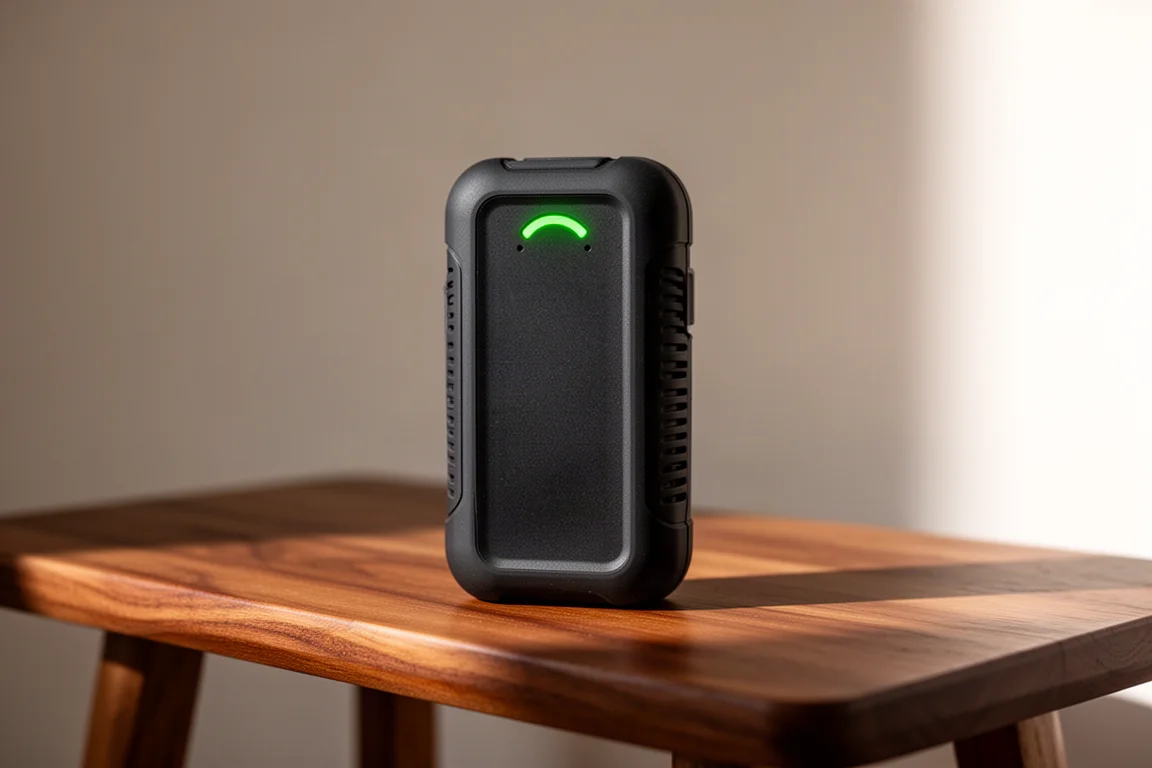
The battery housing includes a half-circle charge meter rather than a full circle of indicator lights, plus venting slots to help release heat. Inside it is configured as a 2P pack, meaning 28 cells in total. The charger takes about an hour and a half for a full charge from empty, with a blinking green light indicating charging status. It is a modest 2.3 amp charger, so plan on a short break between battery cycles rather than instant turnaround.
Nozzles and the Unusual Siphon Tip
The blower ships with interchangeable nozzles. A narrower tip increases air speed (MPH) at the cost of volume (CFM), which is handy for getting underneath wet, stuck-down leaves.
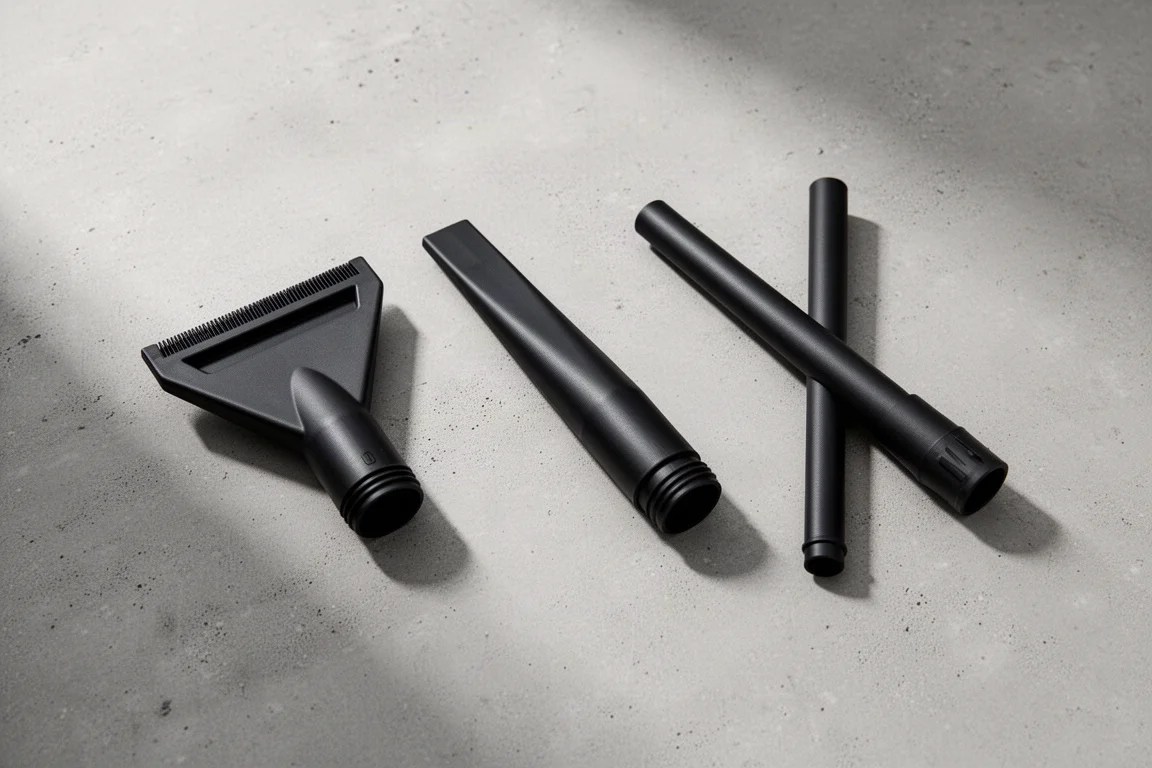
The most interesting inclusion is what the company calls a siphon tip. This nozzle blows air out of a tube while simultaneously drawing additional air in alongside it, and the reviewer notes having seen nothing else like it on the market. It worked well in testing, though whether it outperformed the open tube is debatable. Either way, it is a genuinely novel accessory worth trying.
The Two Models and What the Numbers Mean
There are two versions of this blower. The one reviewed here is rated 930 CFM and 200 MPH; a second model is rated 730 CFM and 145 MPH. Both weigh the same at 4.85 pounds without the battery, and both include the siphon nozzle. The 930 CFM model additionally comes with the torpedo and spread nozzles. The two share the same manual and are essentially the same machine, with the lower-output model presumably using a detuned or different motor.
A word of caution on the headline numbers: 930 CFM from a handheld this size matches or exceeds the ratings of some top-line gas backpack blowers, and experience suggests that many modern blower ratings, from many brands, are measured under favorable conditions rather than with certified, consistent methodology. Treat these figures as an indication of class-leading output rather than a guaranteed apples-to-apples comparison.
Buying Advice
If you want maximum airflow in a battery handheld and you accept a short turbo runtime and a wrist workout at full power, this blower makes a compelling case. Buy the 930 CFM model if you want the full nozzle set and top-end output; the 730 CFM model covers lighter-duty needs at presumably lower cost. Budget for a shoulder strap, and consider a second battery if you regularly work longer than ten or fifteen minutes of heavy clearing. The quality of construction suggests this is a serious product from a serious effort, not a throwaway import.
Conclusion
The NH Hulk Pro Series 58V 930 CFM blower delivers on the core promise: backpack-class airflow in a light, well-built handheld package with an excellent trigger and cruise control. The trade-offs are brief turbo runtime, effort needed to hold turbo, and ratings that should be read with the same skepticism applied to the whole blower category. For buyers willing to take a chance on an emerging brand, it is a genuinely interesting option in the cordless blower market.
Product link
View more details for NH Hulk Pro Series 58V 930 CFM 200 MPH Handheld Blower
This product is mentioned in the review. Check the specifications, options, and compatibility before buying.
View more details for NH Hulk Pro Series 58V 930 CFM 200 MPH Handheld BlowerFurther reading
Related Reviews
Yard & Outdoor Power Tools
Best Cordless Leaf Blowers 2026: Five Models Put to the Test
We compare five cordless leaf blowers from Sun Joe, Ryobi, Makita, EGO, and Greenworks, checking advertised specs against measured airflow and real-world cleaning time.
Yard & Outdoor Power Tools
Toro 60V Pole Saw Review: A Sturdy, Powerful Cutter for Storm-Damaged Trees
Toro's 60V brushless pole saw combines serious cutting power with a built-in hook for pushing and pulling branches out of trees.

Camping Gear
BougeRV F01 and F02 Camping Fans: Two Battery-Powered Options Compared
BougeRV offers two very different battery-powered fans for camping and job site use. We compare run times, features, and value to help you choose.