Running Shoes
Newton CF1 Carbon Racer Review: A Different Kind of Super Shoe
Newton's first true carbon racing shoe pairs a fork carbon plate with newtonium P foam, but it rewards steady pacing far more than sprint finishes.
Introduction
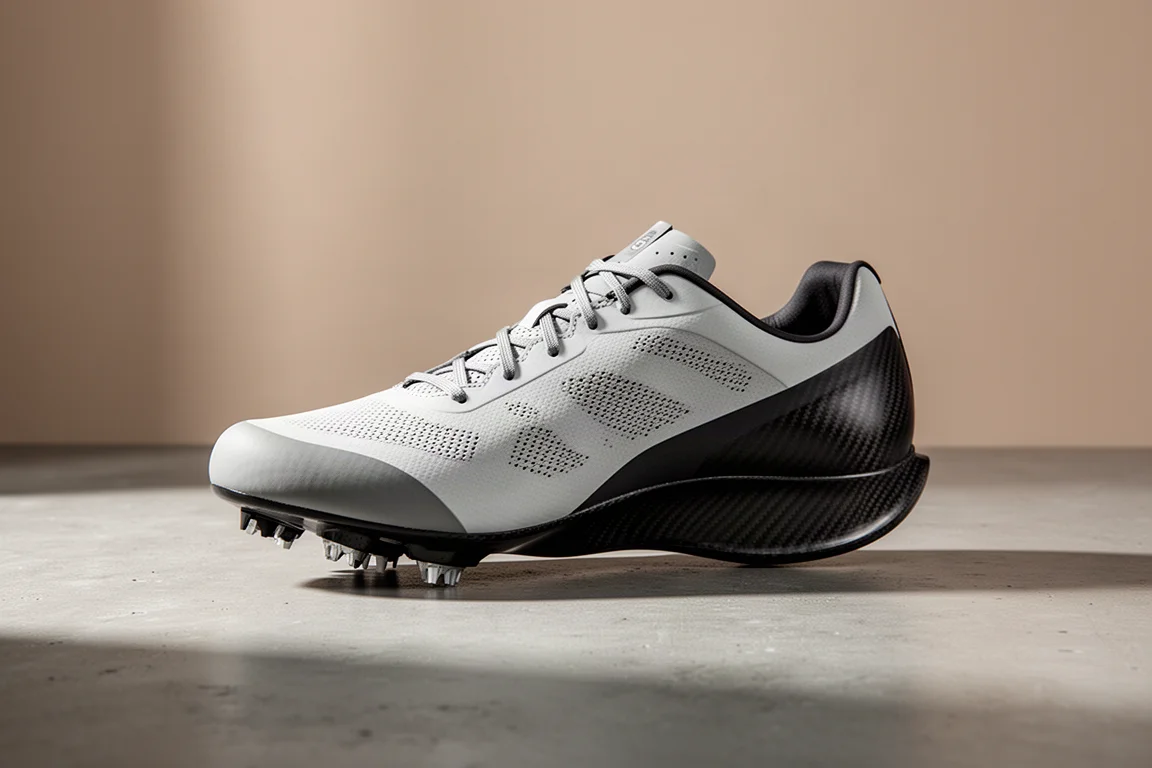
The Newton CF1 Carbon Racer marks Newton’s first true super racing shoe, pairing a fork carbon fiber plate with a brand-new PBA midsole foam called newtonium P. After 25 miles in the shoe, the picture that emerges is unusual: this is a cushioned, comfortable, deliberately slower-responding racing shoe rather than the snappy race-day rocket the name might suggest. Whether that works for you depends almost entirely on the kind of running you plan to do in it.
Specs and Midsole Feel
In unisex sizing (men’s size 9, women’s 10.5), the CF1 comes in at 8.5 oz or 241 g. The stack is 34 mm in the heel and 30 mm in the forefoot for a 4 mm drop, though the air chamber lugs make it feel somewhat lower underfoot. It is not the tallest stack on the market, but it is the tallest Newton shoe, and it genuinely feels cushioned rather than the firmer, quick-transition feel typical of the brand’s moderate-stack trainers.
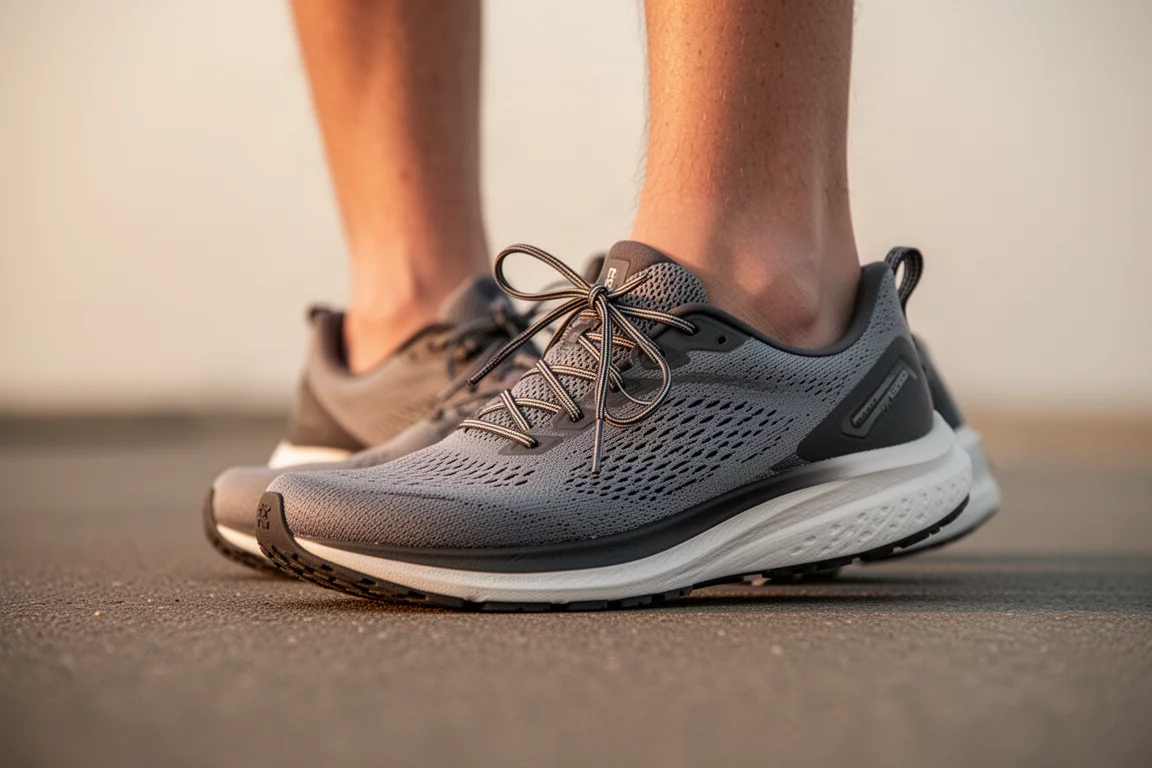
The newtonium P foam has real bounce and plenty of cushion in the heel, with a cushioned rolling feel through the forefoot as you transition off a forefoot landing. If you enjoy Newton’s lugs, that familiar sensation is still here.
Ride and Transition
The foam responds more slowly than most super shoes, which is the shoe’s defining trait. Transition is super stiff with very little flexibility, but the rocker rolls you nicely off the forefoot. The lugs remain prominent and encourage landing further forward, and if you land further back, the shoe almost feels like a negative-drop shoe, though not quite.
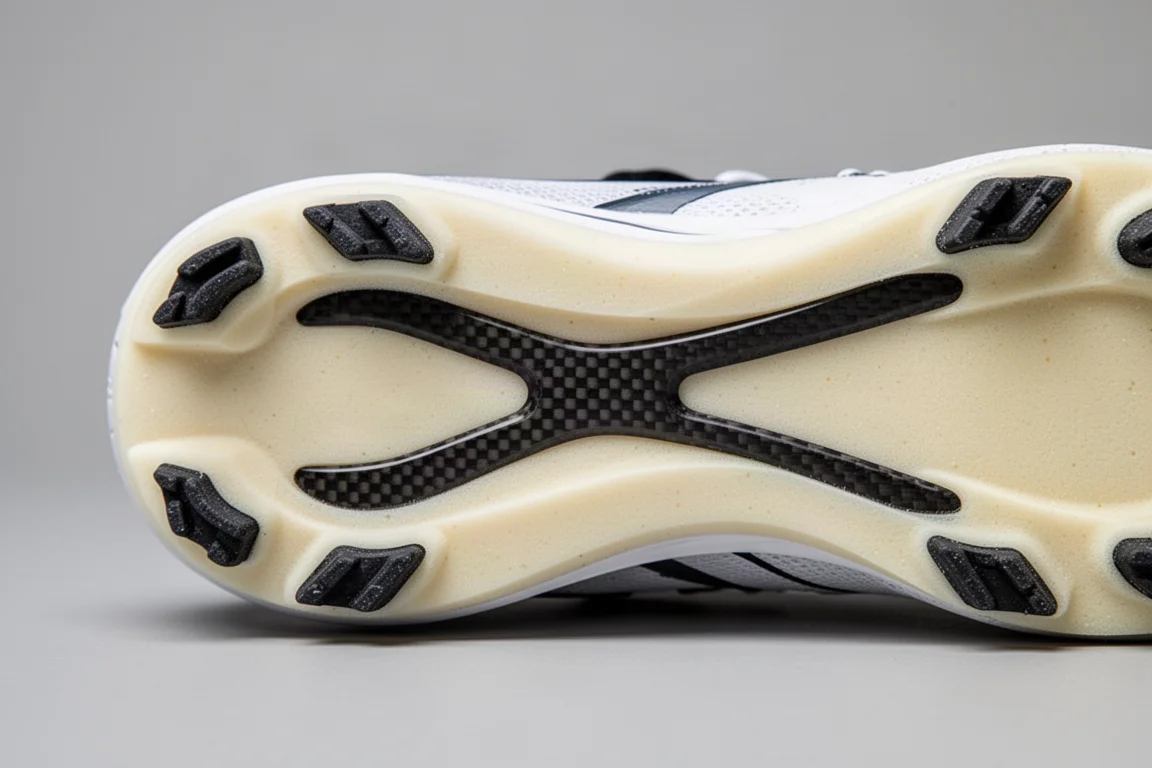
That forefoot bias matters: if your calves are not strong or your ankle mobility is limited, transition into this shoe slowly. If you naturally land toward the forefoot and like using your calves, you will likely feel at home. There is bounce in the foam, but it is a slower, more comfortable bounce suited to longer efforts rather than sharp acceleration.
Fit and Upper
Newton uppers usually run wide in the forefoot, but the CF1 fits fairly snug with a tapered toe box, closer to a traditional racing shoe fit. The heel and midfoot feel slightly more normal, then the forefoot tapers quickly. Runners who prefer a wide toe box should look elsewhere; those with narrower forefeet who like a snug hold will find it feels great.
There is a stiffer heel counter at the back, though it retains some flexibility, so it delivers good security without being fully rigid. The thin laces lock down extremely well once tied, almost too well: they can be a challenge to untie when your hands are cold or you are tired after a run. Because the upper is already snug, you do not need to tie them very tight.
Stability
The CF1 is a neutral shoe. The midfoot narrows considerably, and the soft foam means some runners may feel their arch or Achilles working harder as the shoe compresses. The forefoot is fairly stable, as is typical for Newton, with mild sidewalls up front. Runners who need midfoot stability will not find it here, while neutral runners will be fine; the sidewalls exist but the soft foam lets you roll through them without much bother.
Who the CF1 Works Best For
This is not the fastest shoe on the market, and it is actually fairly heavy for a Newton shoe. On easy runs, long runs, and up-tempo workouts, it shines: it locks into a pace well and feels comfortable over longer distances. Push the pace into short fartleks or faster tempo runs, however, and it struggles to keep up because the response is too slow.

That makes it a strong candidate for marathon and even ultra marathon efforts, especially for runners who are not chasing absolute top-end speed. One Newton athlete won a 50K in it, and that kind of longer, steady-distance racing is exactly where this shoe makes sense. It also suits 5K, 10K, or half marathon runners who prioritize cushion and comfort over outright speed, though faster options exist both on the market and within Newton’s own lineup.
Things to Consider Before Buying
Durability has been promising so far: after 25 miles there is no visible wear on the shoe. The bigger question is fit and intent. The tapered toe box rules out wide-footed runners, the slow response rules out anyone wanting a snappy short-race weapon, and the forefoot-lug bias demands decent calf and ankle strength. Newton’s normal trainers are actually faster than this one, which is the opposite of what you might expect from a carbon racing shoe.
Buying Advice
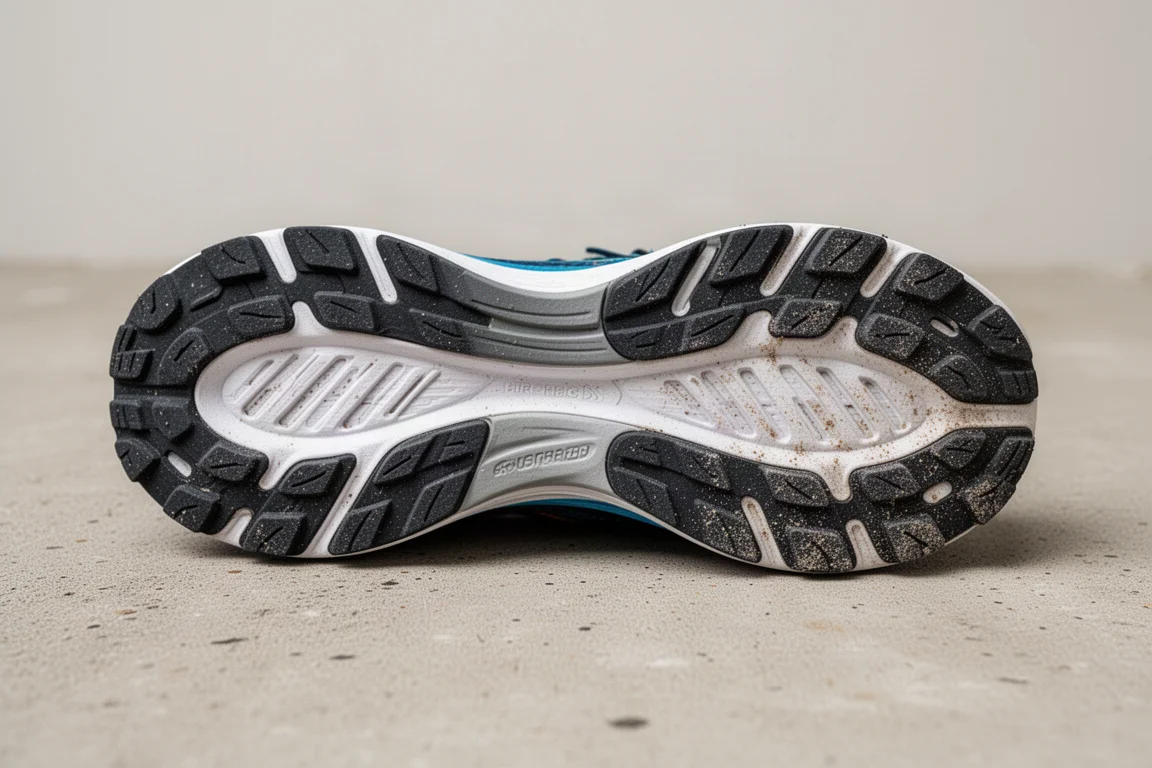
Think of the CF1 as a cushioned, stiff Newton with a new super foam built for longer, easier-paced efforts rather than all-out speed. If you want a comfortable marathon or ultra shoe and can live with the tapered fit, it deserves a try. If you want a fast short-race shoe, look elsewhere in the lineup.
Conclusion
The Newton CF1 Carbon Racer is an interesting, slightly confusing debut in the super shoe space: heavier and slower than expected, yet genuinely comfortable and durable. For steady long-distance runners, especially those who land on their forefoot and want the signature Newton feel with more cushion, it is a worthwhile option to consider.
Product link
View more details for Newton CF1 Carbon Racer
This product is mentioned in the review. Check the specifications, options, and compatibility before buying.
View more details for Newton CF1 Carbon RacerFurther reading
Related Reviews

Running Shoes
Best Road-to-Trail Running Shoes: Three Versatile Options for Mixed Terrain
A practical guide to three road-to-trail running shoes that handle both pavement and mild trails, with clear strengths and trade-offs for different runner types.

Running Shoes
Best Running Shoes for Achilles Tendonitis: Three Options Explained
Three running shoes with different heel drops and support features designed to help reduce Achilles tendon pain during walking and running.

Running Shoes
Best Running Shoes for Women: Five Top Choices Ranked
A ranked guide to five women's running shoes, from versatile daily trainers to high-performance racing options, with real strengths and trade-offs for each.