Ski Gear
New Season Ski Gear Highlights: Boots, Skis, and the Double Boa Debate
A closer look at the most interesting new ski boots and skis of the season, from the revamped Tecnica Mach1 LV and Armada AR1 to the Black Crows S, Salomon QST 94, Nordica Multigara, and more.
Introduction
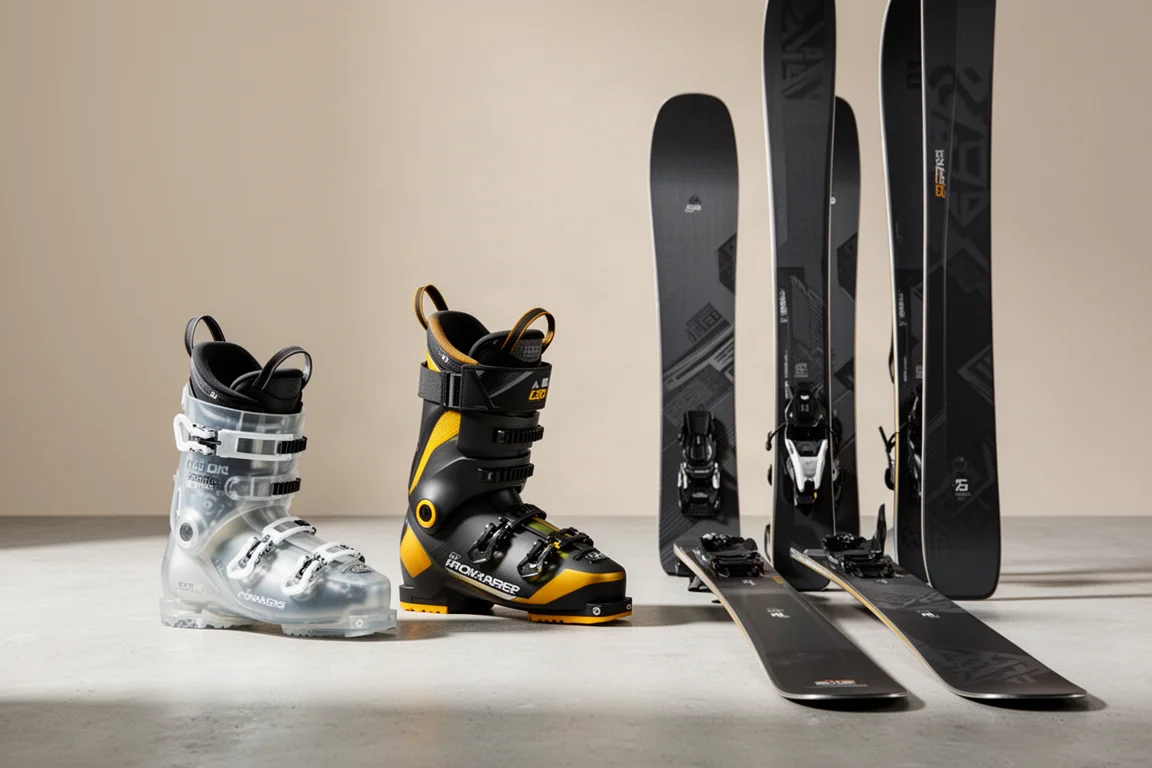
A new season always brings a wave of fresh gear, and this year’s lineup has plenty worth talking about. There is a major revamp of one of the most popular low-volume boots on the market, a promising new cabrio boot from Armada, and a batch of skis that push in smarter, more directional directions. There is also a bigger story in the background: double Boa closure systems are arriving across the industry, and not everyone is convinced. Here is what stands out and who each piece of gear is actually for.
The Double Boa Question
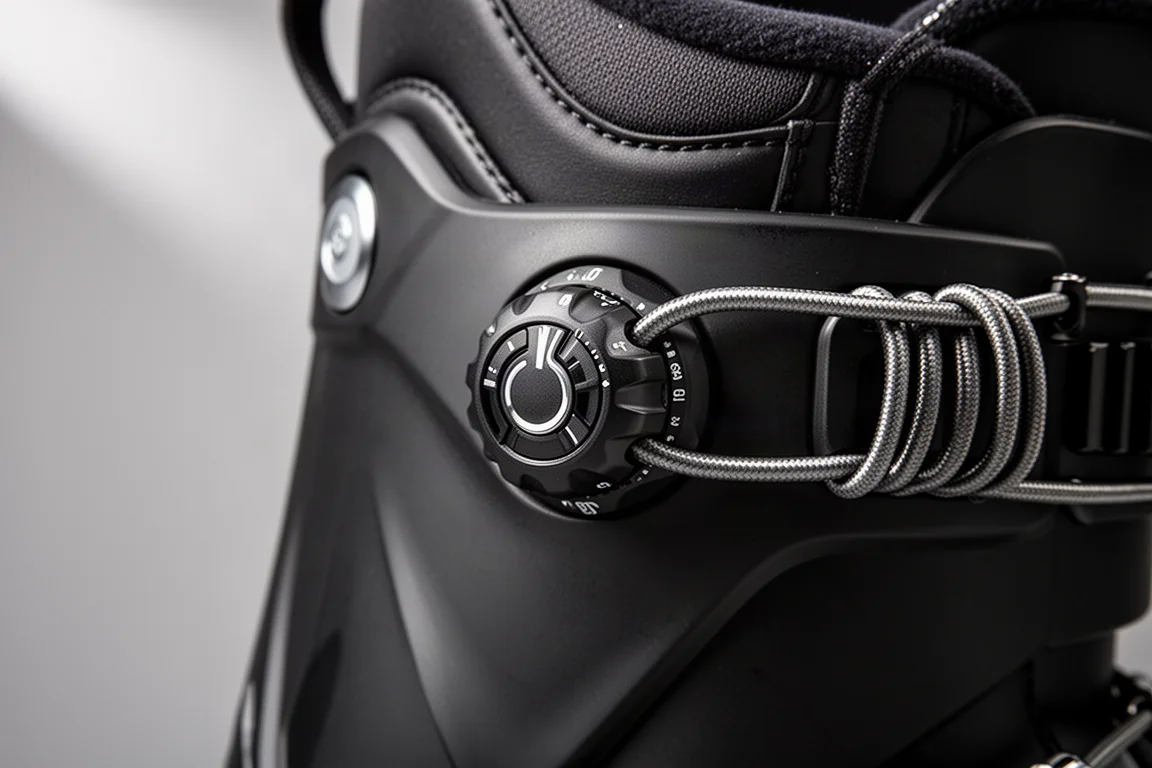
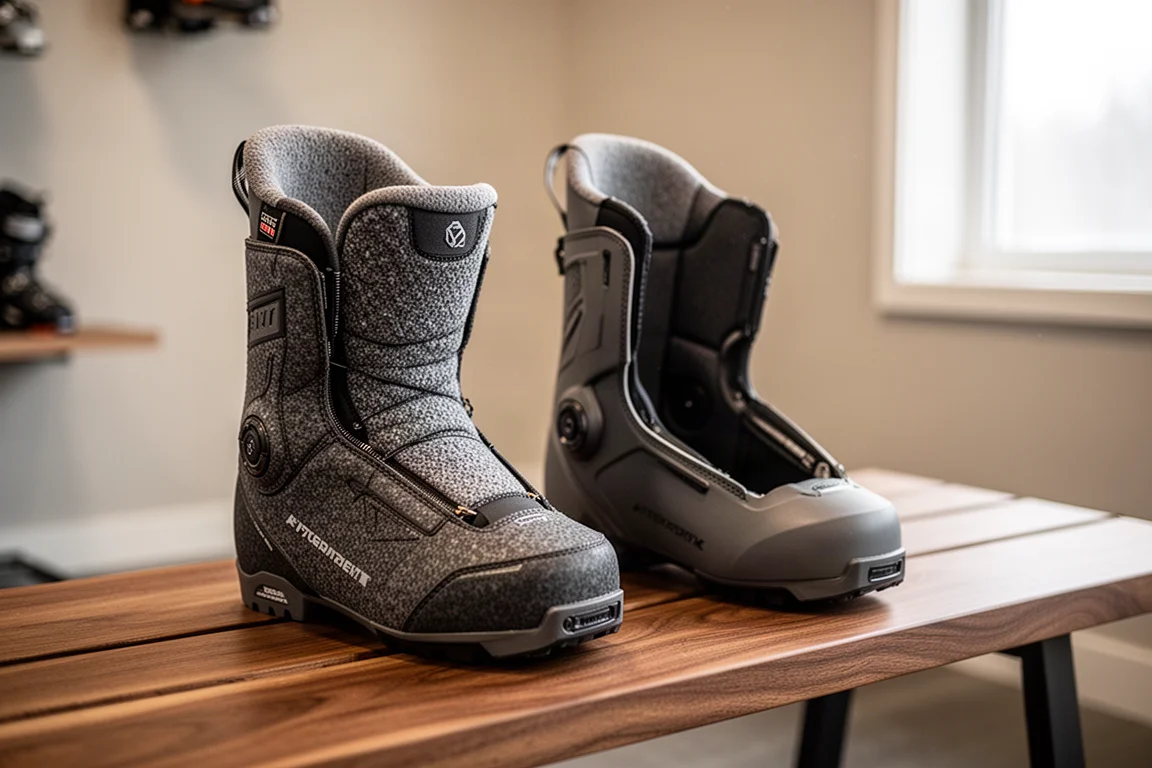
Double Boa boots are the hot topic right now. Most major manufacturers have one coming, and it is clearly the direction the industry is being pushed in. The case for the lower-shell Boa is solid: it wraps the foot completely in a way buckles struggle to match without crushing the top of your foot. The case for a second dial at the cuff is far less convincing. Fine-tuning tension around the calf takes noticeably more effort, and skiers with smaller lower legs may find that by the time the cuff feels solid, the ankle area is already too tight.
There is also the everyday practicality problem. Double Boa boots are genuinely difficult to put on, with a lot of cable to manage on the way in. Many skiers buy new boots in the first place because they want something easier to get into, so a design that moves backward on entry comfort is a real concern. Notably, Lange and Tecnica are not planning double Boa models, with each offering only a single lower-shell Boa in higher volume fits instead. Once you are in them, these are still great boots; they have simply made the all-day creature comforts of getting in and out a little harder. If the lower-shell Boa already works well, adding a second dial risks souring skiers on the whole concept before it has finished establishing itself.
Standout Boots of the New Season
Tecnica Mach1 LV
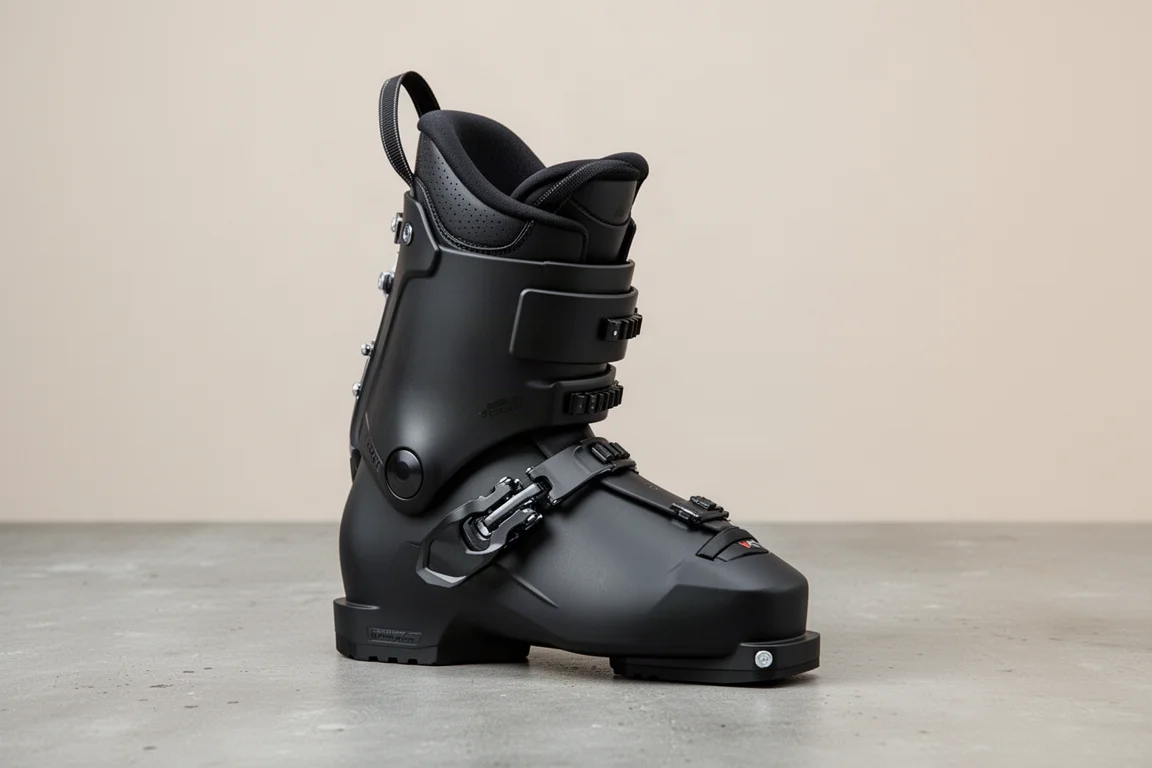
The Mach1 LV has long been a favorite boot, and a full revamp of a proven design is always a little scary. The new version handles it beautifully. It uses a much lighter construction, yet it still skis smooth, powerful, and stable, which is rare when material is stripped out of a boot. The fit remains a true low-volume fit, not a sloppy bucket, with a 3 mm taller instep that should cut down drastically on the grinding and shell work many LV skiers needed. The updated liner is excellent, and the new plastic slides on far more easily than most boots in this category. Even skiers loyal to the Atomic Hawx Ultra will find it hard to argue with how well this one performs.
Armada AR1
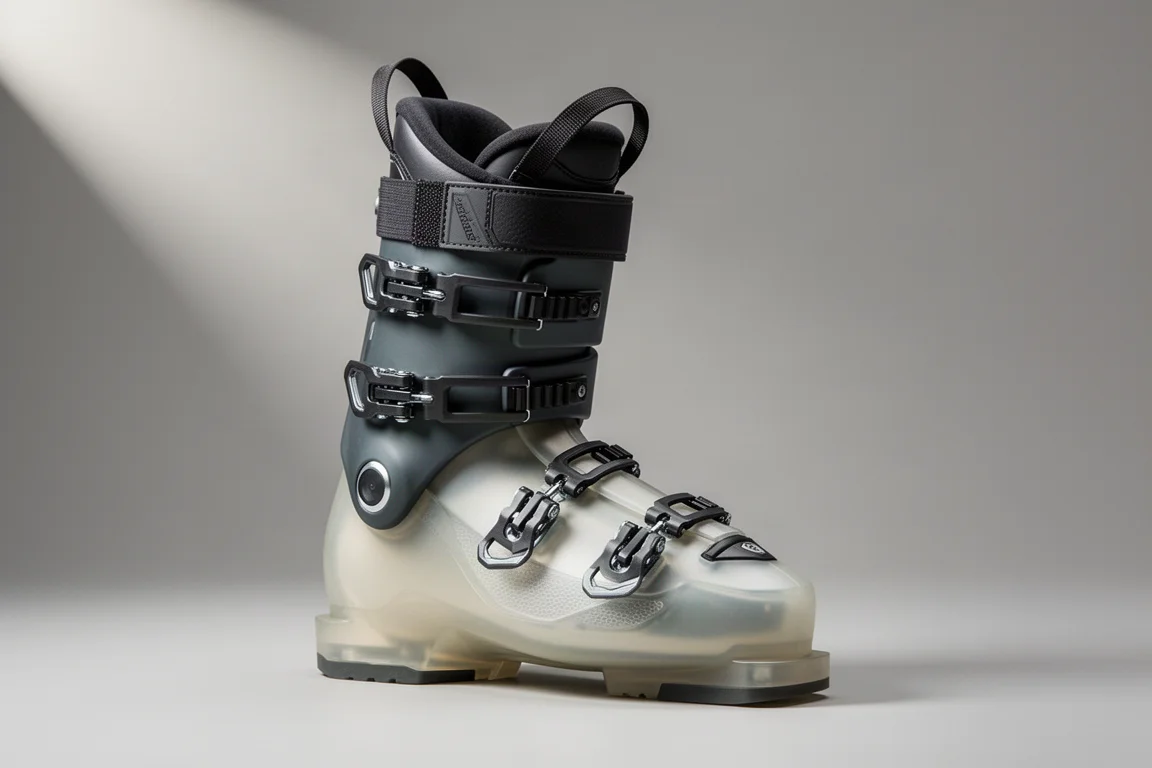
The AR1 is a cabrio boot that skis like a two-piece overlap boot, which is a genuinely impressive combination. The fit runs tighter and more precise than a typical higher-volume boot, and the liner is one of the best parts of the package. Armada offers the boot in 90, 110, and 130 flexes, and all three come with the same liner rather than dumbing down the softer options. That matters because some freestyle-leaning athletes still prefer a softer boot and should not have to give up a quality liner to get one. If you have been weighing whether to size up your flex budget just for the liner, this approach removes that dilemma entirely.
New All-Mountain and Freeride Skis
Black Crows S
Black Crows adds an 88 mm option that acts as the little brother to the Serpo, slightly narrower and more forgiving. It has no metal, which makes it an easy ski to get along with while still delivering the performance characteristics you generally want from an 88 mm all-mountain ski. At around $700 it is an appealing price point for a brand whose skis usually command more.
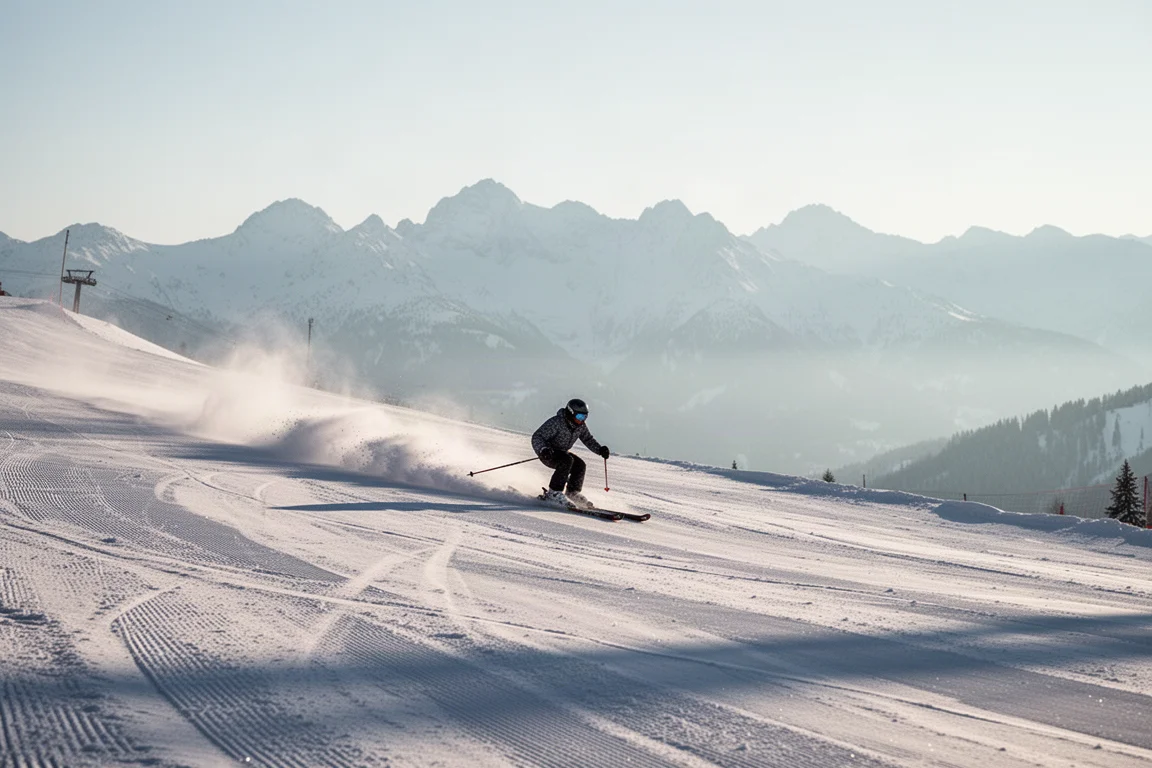
This is the kind of ski that should suit intermediate-to-advanced riders who want an 88 mm waist without the demanding edge of a metal-laden freeride ski.
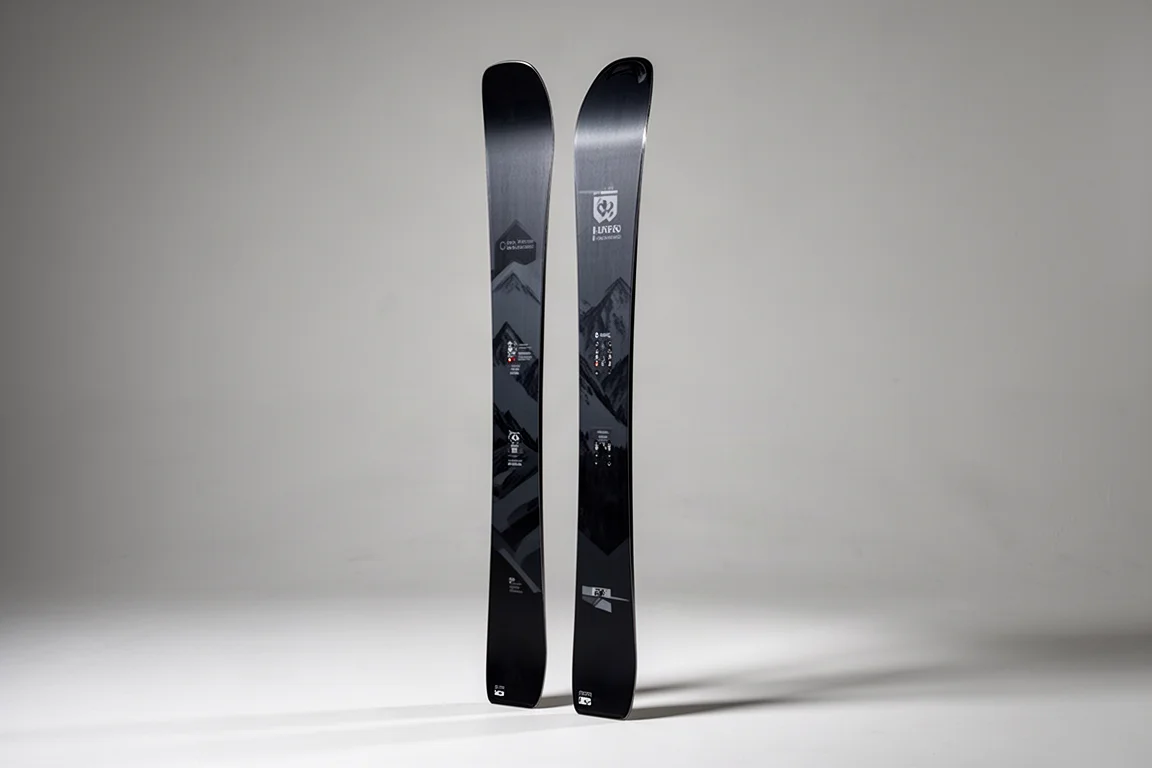
Salomon QST 94
The current QST skis are fun in soft, forgiving snow, and that has always been their identity. The new 94 and 100 shift the recipe in a more directional direction, holding into a turn in a way the previous versions did not. In plain terms, you can actually finish a turn on a QST now, which broadens their appeal well beyond powder-day duty. The black colorway in the 94 looks especially sharp on snow. If your season mixes groomers, sidecountry, and variable conditions, this updated generation deserves a spot on your demo list.
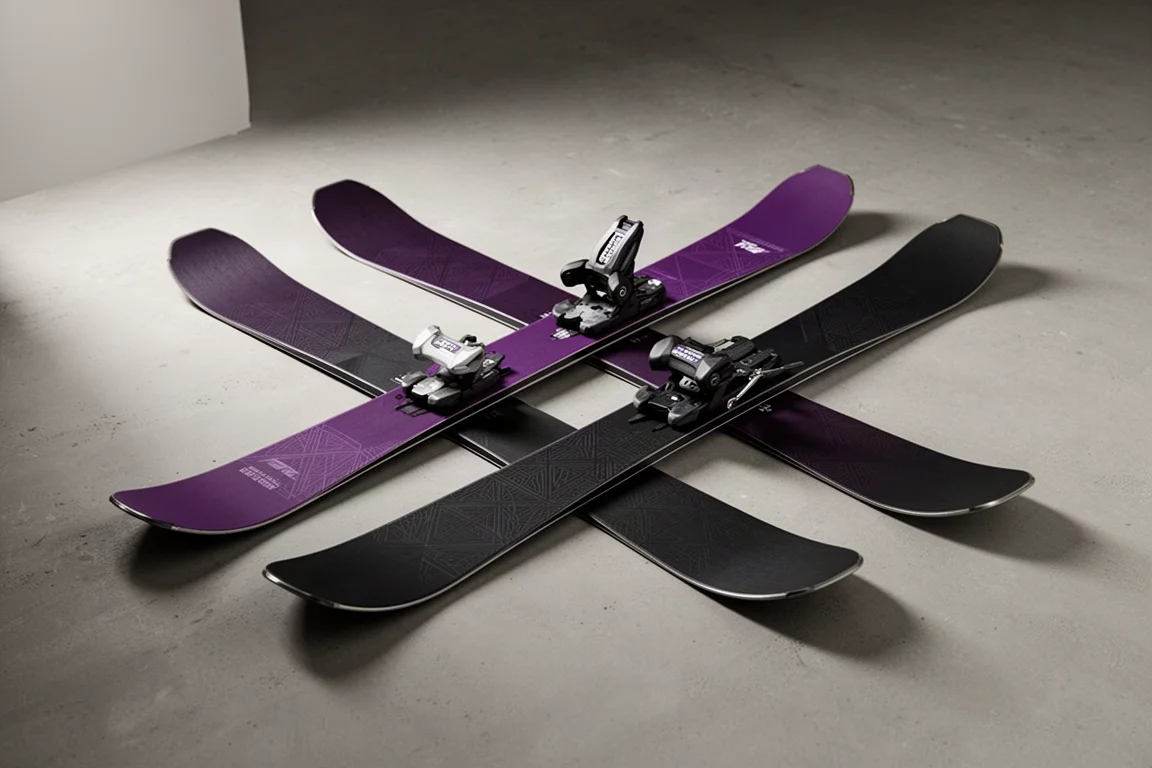
Nordica Multigara
The Multigara is best described as an Enforcer tip with a beer-league racer body. It lives in the Doberman family but with more accessible turn initiation, and it will not punish you all day when you are not skiing at full commitment. That makes it a smart pick for enthusiastic cruisers who want genuine carving performance without the demanding personality of a true race-derived Doberman.
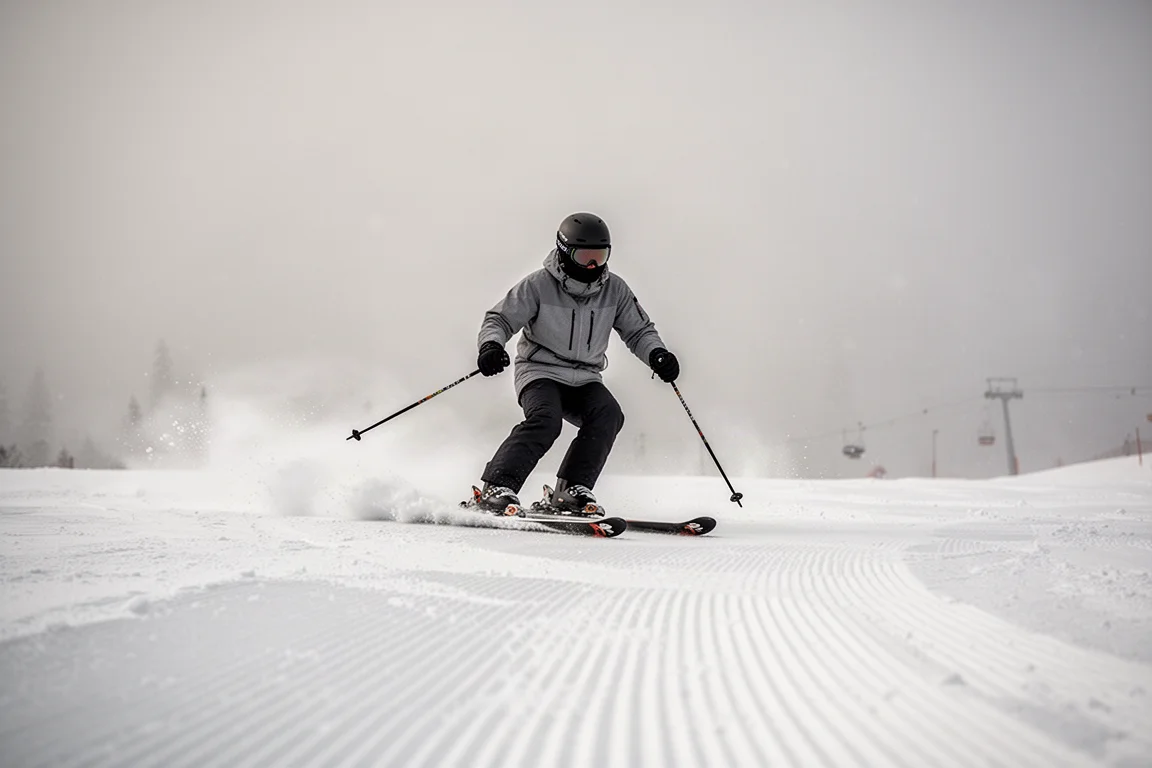
It also hints at a broader trend worth watching: real carving skis are fun again, and almost any skier who spends a day on one notices how much better they carve than a typical 92 mm all-mountain ski.
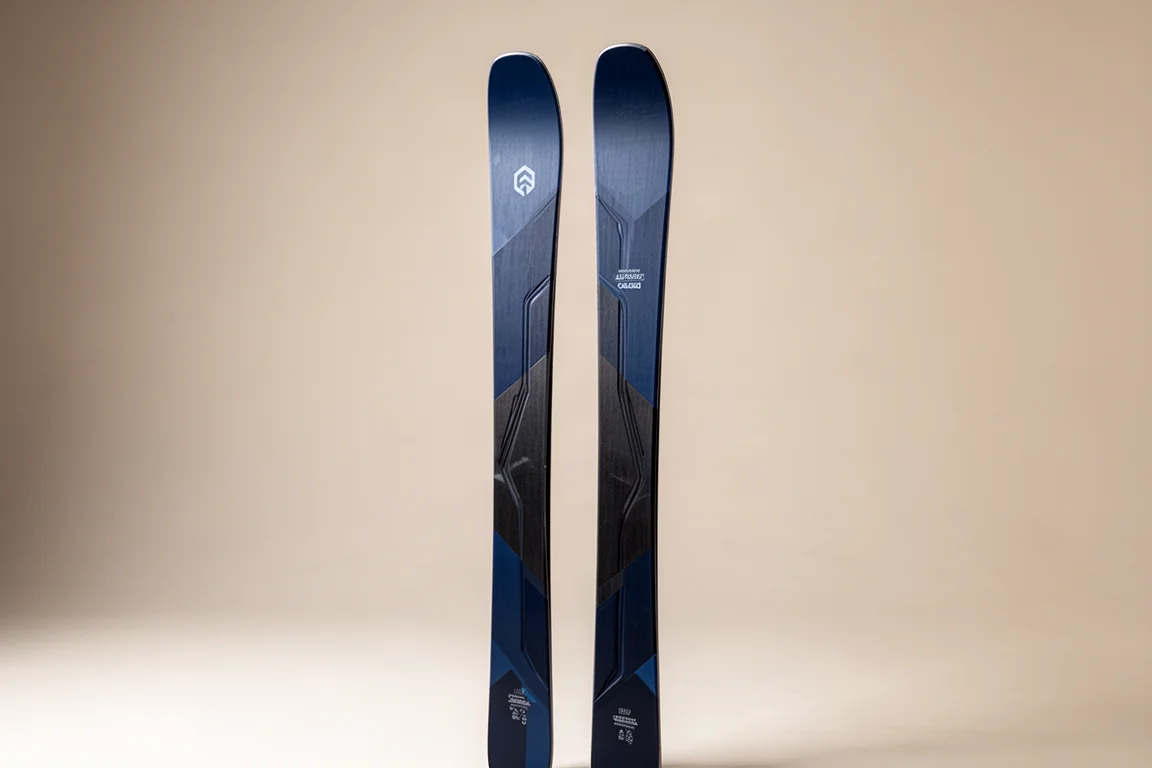
Fischer Noise
Fischer’s new Noise takes a deliberately unusual approach, with construction choices aimed specifically at keeping the ski quiet at speed. It is fairly easy to ski and carries a clean, understated look. If a chattery, noisy ski is what has kept you away from stiffer all-mountain models, this one is worth a close look.
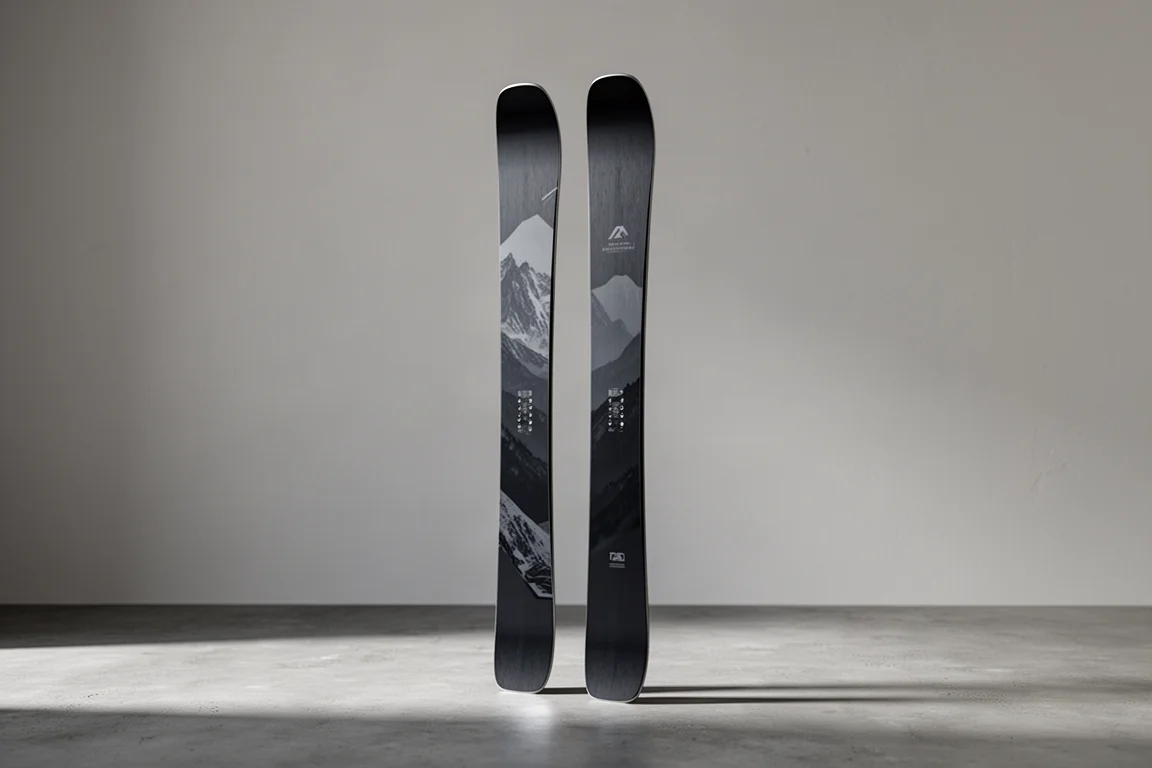
Park and Freestyle Skis
Völkl Revolt 101
The Revolt 101 is being rebuilt with a more directional character while keeping its freestyle roots. The updated tail shape looks like it will actually hold up when you drive the ski through the end of a turn. Völkl is splitting the Revolt line intelligently, pushing some models more directional and keeping others true freestyle shapes, which makes the range easier to shop for whatever your style.
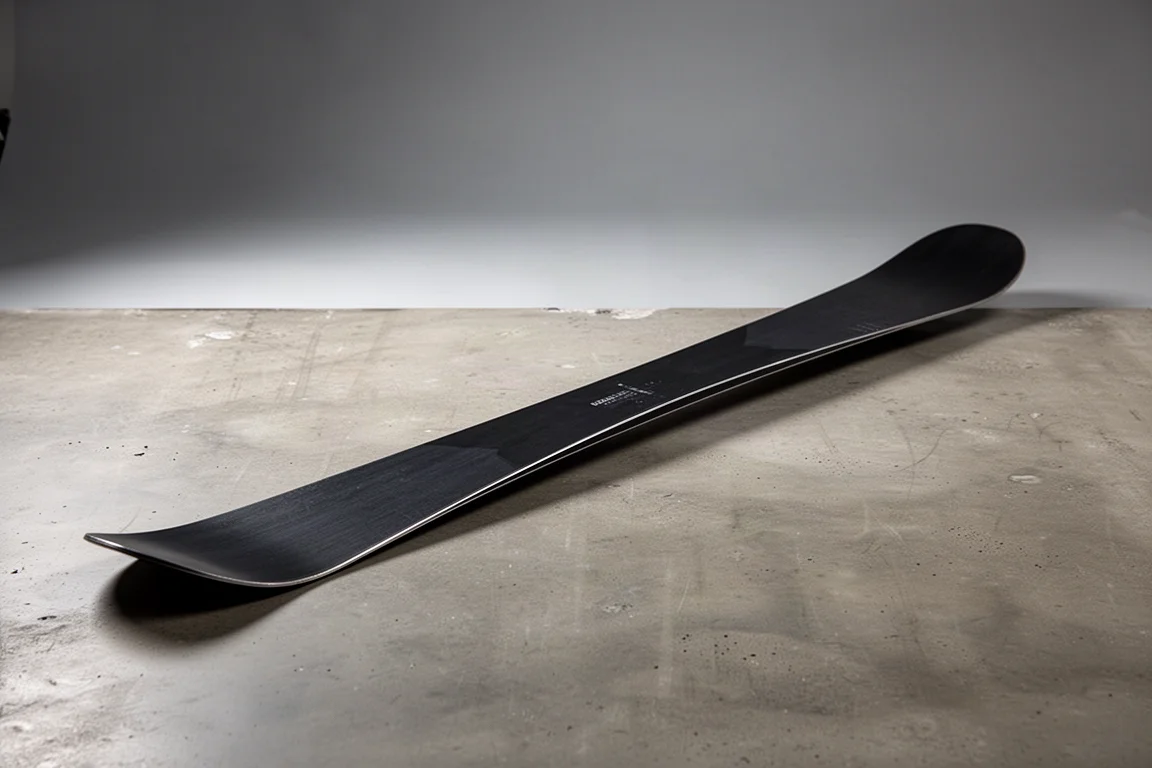
Armada ARV 100
The ARV 100 arrives with two very strong graphic options: a bold Madsteez design and an all-black version. Both work, which makes choosing harder rather than easier. Some skiers will simply end up with one of each. The wider the graphic collection laid out from widest to narrowest, the more it reads like a single mural, and the new-season graphics look as sharp on snow as expected.
ZipFit Liners: Worth the Money?
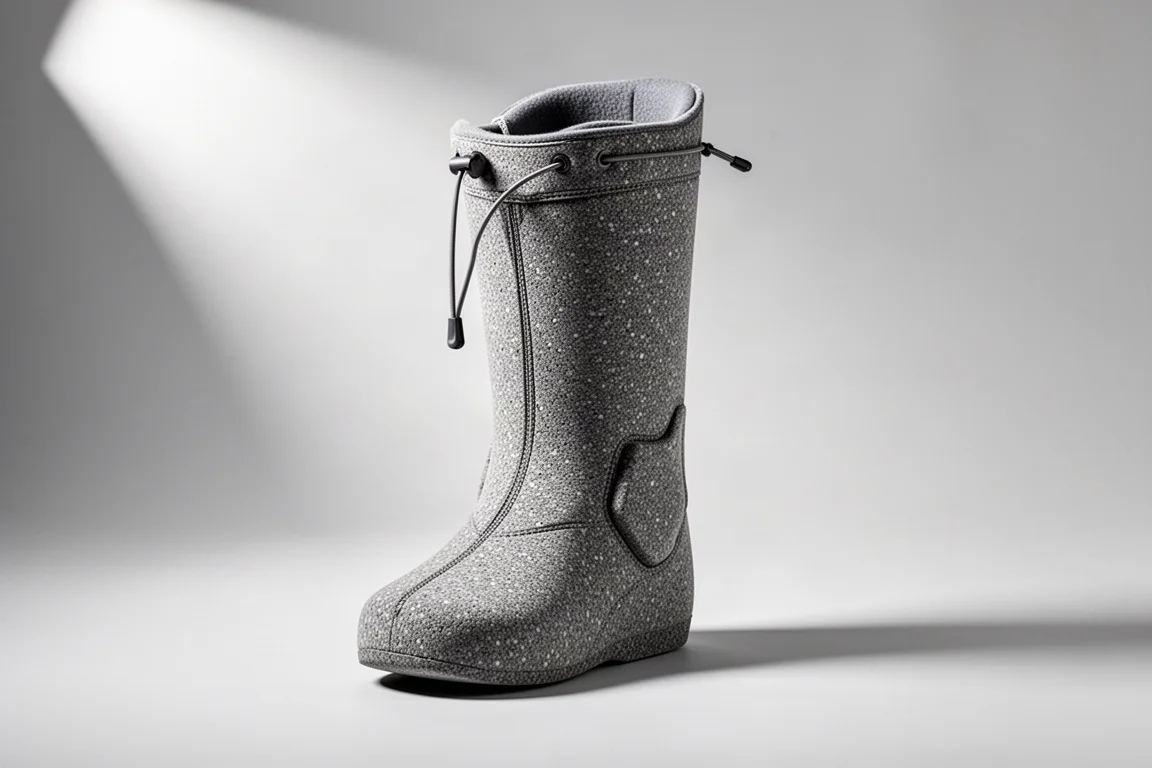
ZipFit liners generate a consistent question from skiers, and the honest answer depends on how much you ski. They are genuinely well-built liners with a dense, performance-oriented feel. For skiers who log serious volume and are in their boots every day, they can be a worthwhile investment.
For the average recreational skier, the math is less convincing. They take a lot of work to fit and break in, the heel material can settle into odd shapes, and plenty of boots now ship with liners that are nearly as good out of the box. Dropping a few hundred dollars on an upgrade your stock liner already matches is a hard sell unless you ski close to 100 days a season.
Buying Advice
If you are shopping boots this season, prioritize fit over hype. The Mach1 LV rewards low-volume feet with a lighter, easier-to-enter package, while the AR1 is the pick for skiers who want cabrio convenience with overlap-boot performance and a premium liner at every flex. On the Boa question, try before you commit: lower-shell Boa wraps the foot well, but a second dial at the cuff adds effort at entry and around the calf that many skiers will not appreciate.
On skis, match the tool to your terrain. The Black Crows S and Nordica Multigara are the friendlier options, the QST 94 and Fischer Noise add versatility and refinement, and the Völkl Revolt 101 and Armada ARV 100 cover freestyle-influenced riders who want a more directional feel. If you ski a lot, ZipFit liners deserve a real test; if you ski a handful of days a year, a well-fitting boot with a good stock liner will serve you better.
Conclusion
This season’s gear is less about one dramatic breakthrough and more about smart refinements: lighter boots that refuse to give up power, skis that finish their turns, and graphics that hold up on snow. The double Boa rollout is the wild card, and time on snow will settle it. For now, the standout picks above are the ones most likely to earn a permanent spot in your quiver.
Further reading
Related Reviews

Ski Gear
2023 Blizzard Hustle vs Rustler: Six Freeride Skis Compared
Blizzard's 2023 Hustle collection rebuilds the Rustler shape with a lighter core and no metal. Here is how all six skis differ, and which one suits your riding.

Ski Gear
2023 Skis of the Year: Atomic Maverick 88 TI, Salomon QST 106, and Look SPX 12 Pro
Three standout ski picks for all-mountain carving, powder days, and reliable binding performance, with practical buying notes for 2023 models.

Ski Gear
2025 Nordica Enforcer 104 Review: A Directional Charger Replaces the 104 Free
The 2025 Nordica Enforcer 104 drops the Free name and the twin-tip personality, gaining weight, stiffness and composure in rough snow. Here is what changed and who it suits.