Running Shoes
Four New Running Shoes on Our Radar: Quick Takes on Nike, Brooks, Adidas and More
Four soon-to-release running shoes, from a niche Nike trail racer to a max-cushion Adidas oddity. Here is what stands out and what to watch for.
Introduction
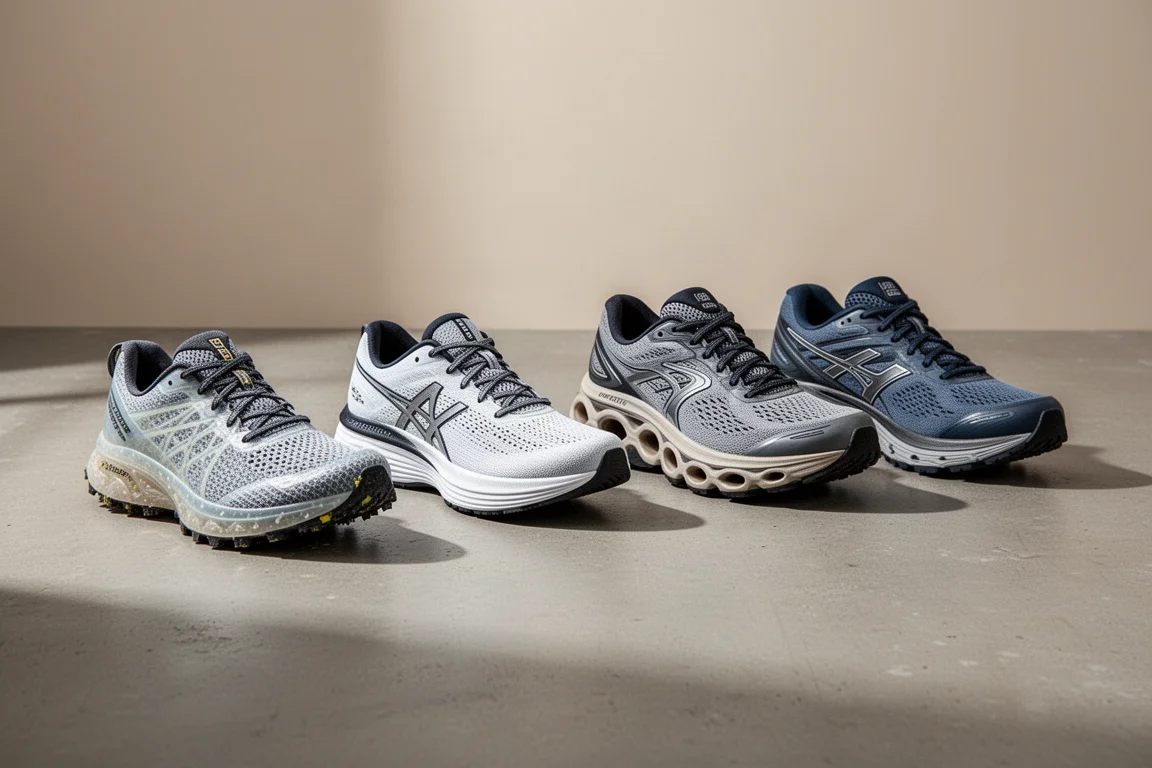
A fresh batch of soon-to-release running shoes is worth a closer look, and this round is a genuinely mixed bag. Two of the four look genuinely promising, one raises serious practical questions, and one seems to have misplaced the plot entirely. Here is a quick rundown of what each shoe brings and who it might actually suit.
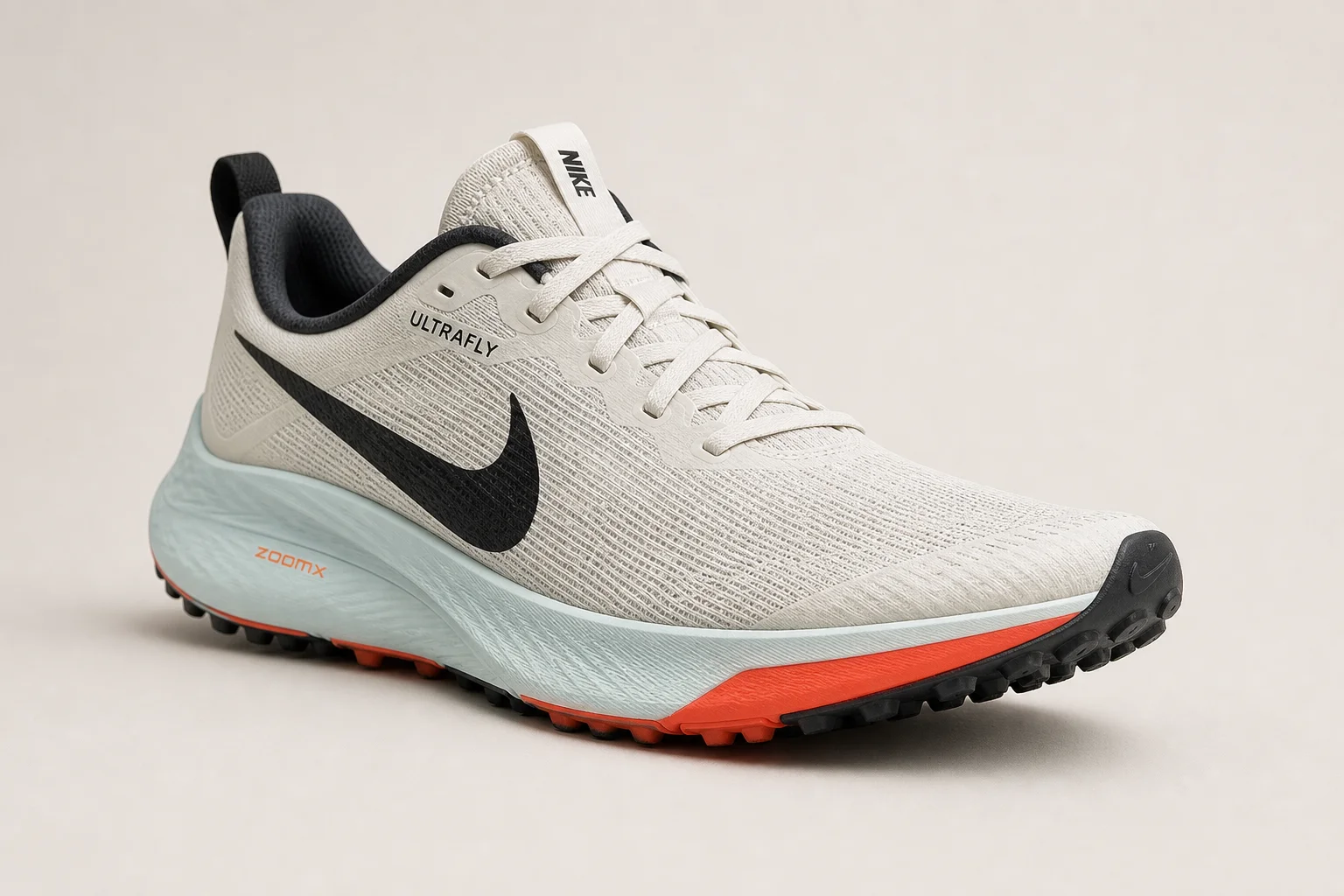
Nike Ultrafly: A Niche Trail Play
The long-rumoured Nike Ultrafly is finally set to arrive in the UK in July, and expectations should be tempered. Nike has swapped out the poor-quality rubber used across its other trail shoes, which has consistently lagged behind more trail-focused brands on grip, so the outsole situation may improve. Still, the shoe is aimed squarely at ultra marathons, a segment of runners so small that fewer than one percent of Americans have even run a marathon, let alone an ultra.

At 300 grams for a US 10, the Ultrafly is not light for a trail shoe, and its Vaporweave upper, borrowed from the original Vaporfly Next%, offers about as much protection as cling film on rugged terrain. At a price of £230, only slightly cheaper than the Vaporfly, it competes with trail shoes that use Vibram outsoles, rock plates and more protective uppers at lower prices. This is a shoe for a very specific slice of runners, and it is hard to see it crossing over to the mainstream.
Brooks Hyperion Elite 4: New Foam and a Frame Plate
The fourth version of Brooks’ Hyperion Elite looks far more interesting, mainly because of a new second-generation DNA Flash foam in the midsole, which appears to offer more cushioning along the lines of Brooks’ responsive, stable nitrogen-infused foams. Even more intriguing is the plate: instead of a standard flat plate, it is more like a frame whose size and shape change depending on the shoe size, sitting somewhere between Adidas’ energy rods and a traditional plate. That design should reduce weight and add flexibility while keeping some rigidity, potentially making the shoe more versatile across race distances.
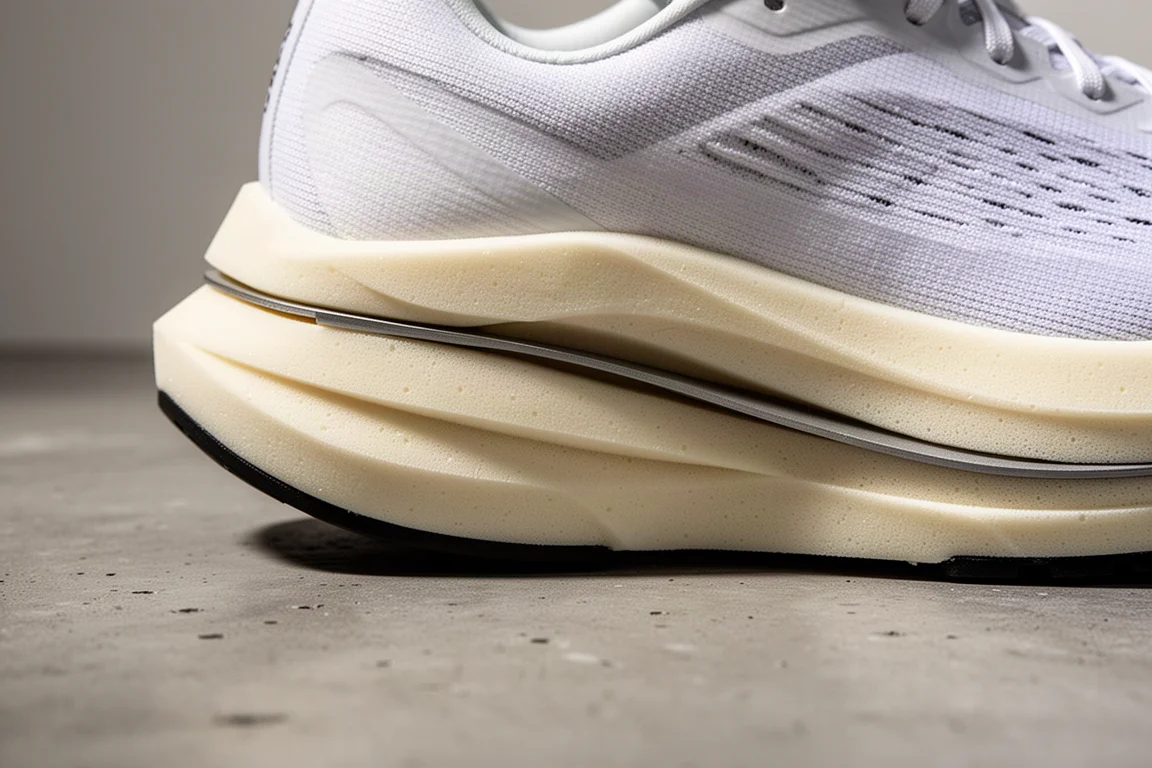
The upper looks highly breathable, not dissimilar to the Endorphin Pro 3 or Vaporfly 3, and the outsole keeps rubber to a minimum with exposed midsole in places to save weight. Sample weights reportedly sit around 221 grams, keeping with Brooks’ history of low-weight racers such as the Hyperion Elite 2 at roughly 240 grams. Brooks may not be the trendiest name among some influencers, but plenty of everyday runners at local races clearly wear them, and this update looks like a genuine yay.
Adidas Switch Forward: Max Cushion with a Question Mark
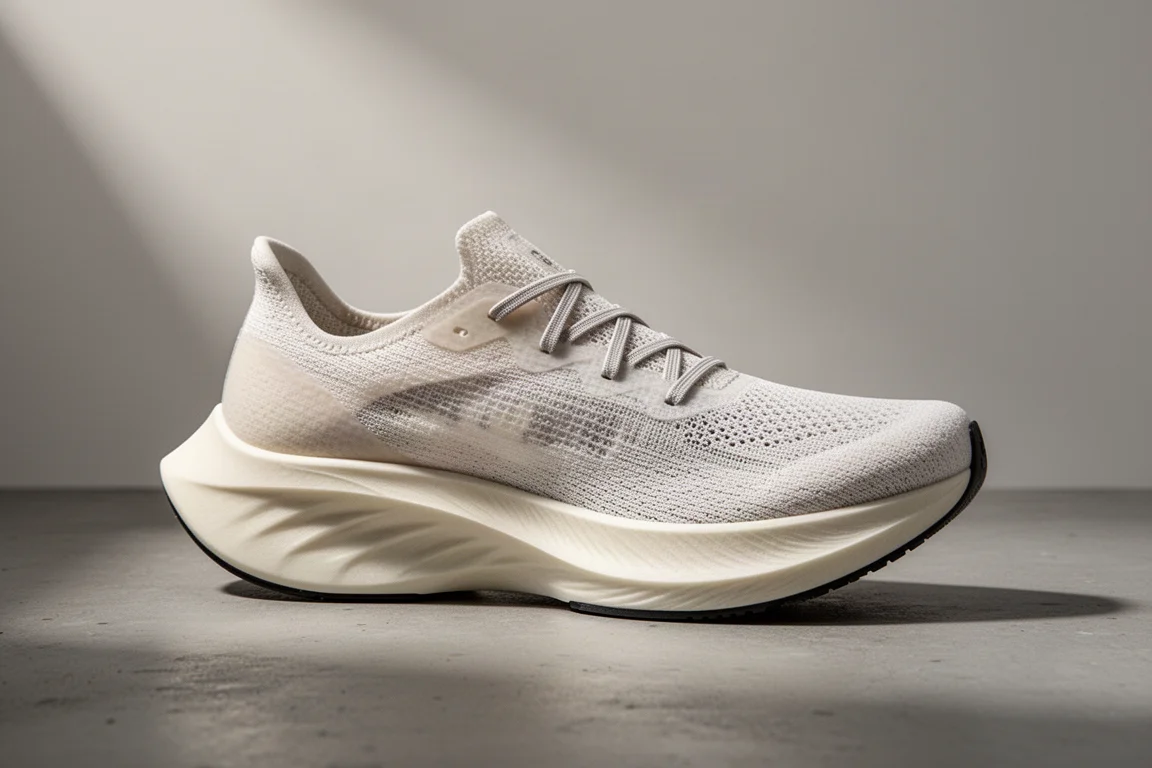
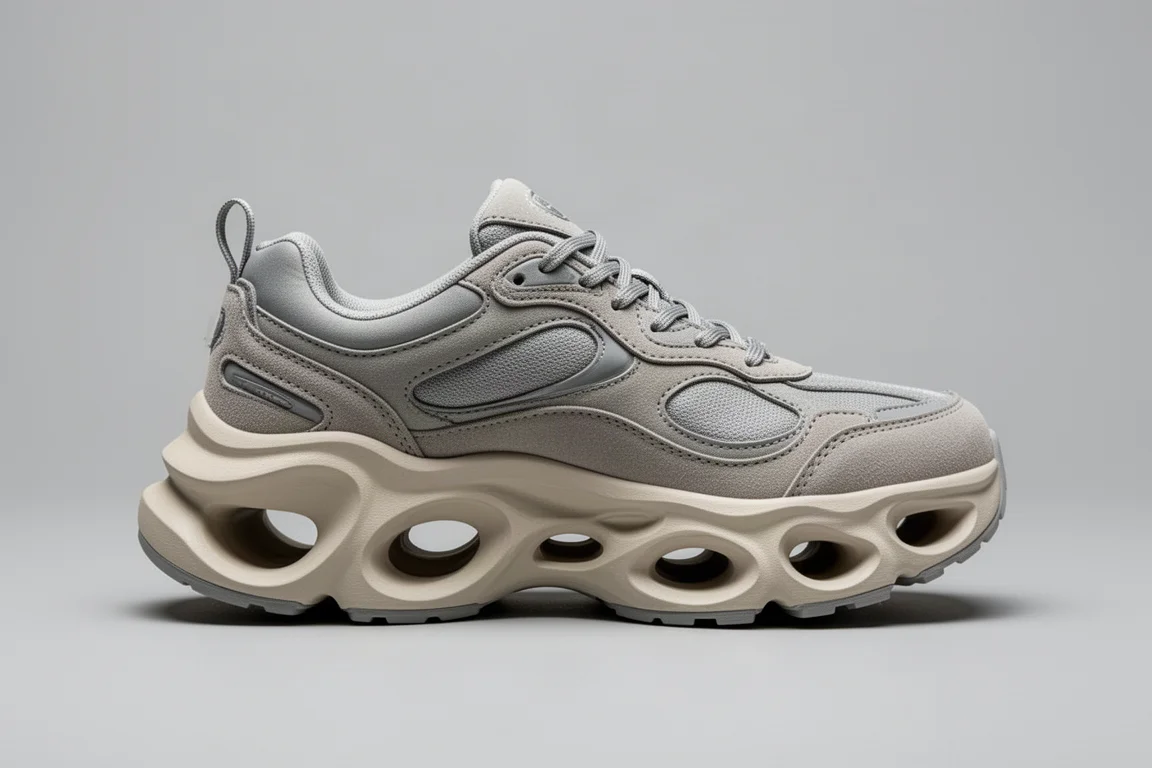
The Adidas Switch Forward is a max cushion shoe with 44 millimeters of stack height and 34 millimeters in the forefoot, built on an EVA midsole with a TPU plate and a thicker upper reminiscent of the Adistar. The headline oddity is what is underfoot: huge hollow openings in the midsole, a collapsible frame concept that calls On Running to mind immediately. The trouble is practical, those cavities look set to fill up with debris, rocks and stones in no time.
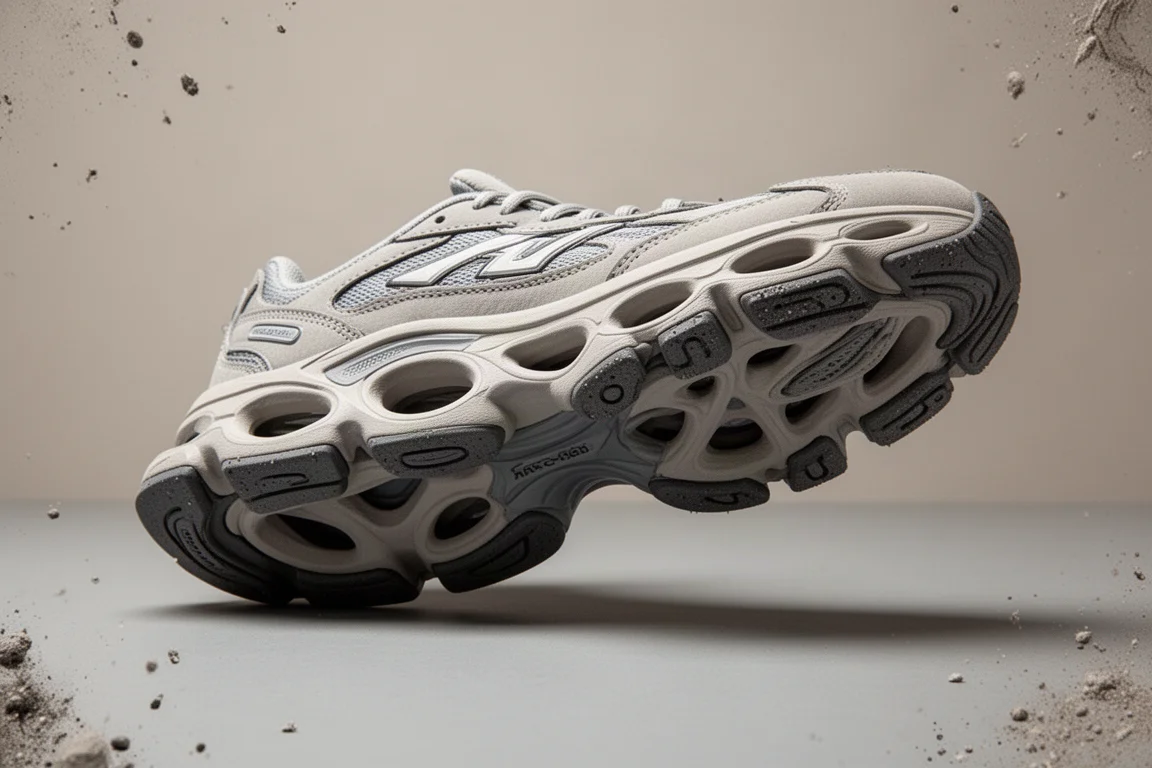
At £120, it will not break the bank, but it is genuinely hard to picture this as a serious running shoe, let alone a race option, unless you enjoy picking gravel out of your shoes for half the day. It reads far more like a fashion-orientated casual model, and with hundreds of better options available for actual running, it is a clear pass for most runners.
Nike ReactX Infinity Run 4: Heavy for a Reason
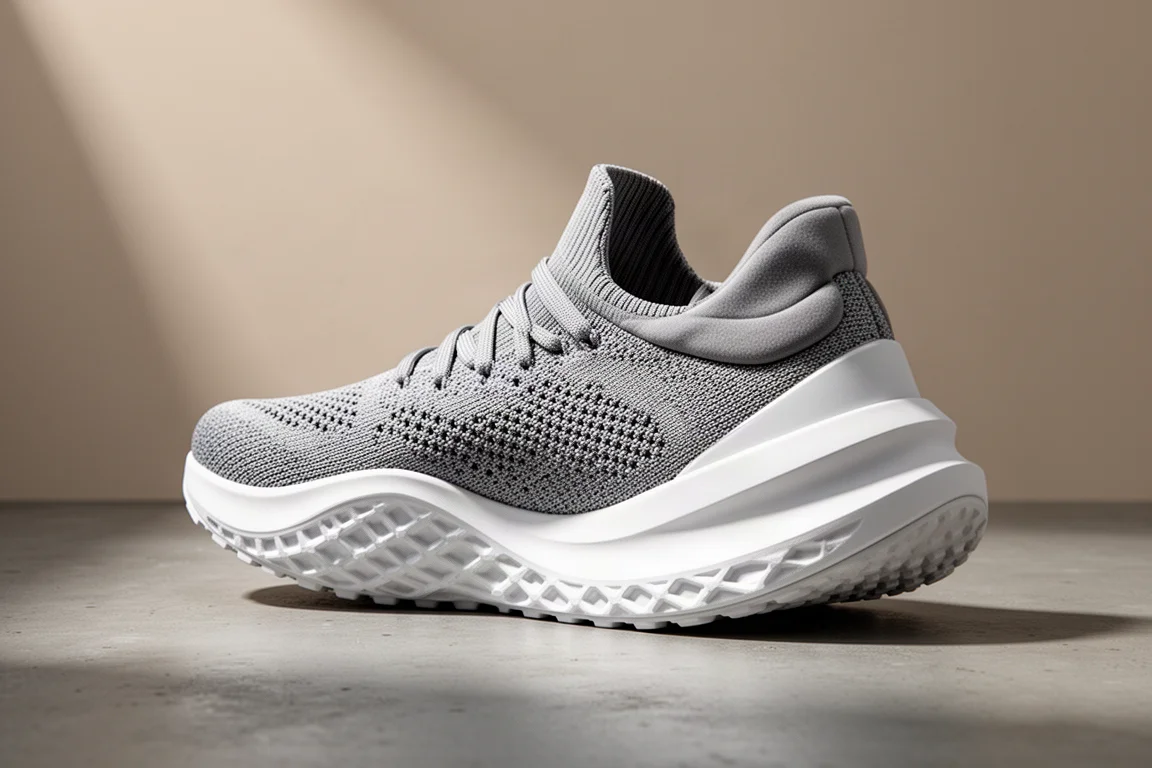
Nike’s ReactX Infinity Run 4 was initially looked at favourably, but closer looks have cooled that interest considerably, mostly because the shoe has become very heavy: around 345 grams in a UK 9, which suggests roughly 360 to 365 grams in a UK 11. That is approaching original Ultra Boost territory, and there is no obvious role for that in most rotations.
The counterargument is that beginners might get something out of all that cushion, but rivals arguably do that job better, and shoes like the Nimbus 25 already cover resilient yet forgiving sink-in cushioning, at a similar or lower price. It is also unclear what this offers that the very cushioned, squashy and forgiving Invincible Run 3 does not already. Unless you specifically want a heavily cushioned, heavyweight trainer, there are more compelling ways to spend the money.
Overall Buying Advice
If you are shopping this batch, the Hyperion Elite 4 is the safest bet for racers who want a light, versatile super shoe with updated foam, while the Ultrafly only makes sense for dedicated ultra runners willing to pay a premium for a brand-first trail experience. The Switch Forward is best treated as a casual lifestyle shoe rather than a running tool, and the ReactX Infinity Run 4 suits runners who prioritise maximum cushioning over weight, though several alternatives cover that ground more convincingly.
Conclusion
Of the four, the Brooks Hyperion Elite 4 stands out as the most exciting release, combining new foam with an unusual frame-style plate at a very low claimed weight. The Nike Ultrafly will appeal to a narrow ultra audience at best, the Adidas Switch Forward looks like a design experiment better suited to the street than the trail, and the ReactX Infinity Run 4’s weight alone is enough to rule it out for most runners. Watch how the real-world reviews land before committing to any of them.
Further reading
Related Reviews

Running Shoes
Best Road-to-Trail Running Shoes: Three Versatile Options for Mixed Terrain
A practical guide to three road-to-trail running shoes that handle both pavement and mild trails, with clear strengths and trade-offs for different runner types.

Running Shoes
Best Running Shoes for Achilles Tendonitis: Three Options Explained
Three running shoes with different heel drops and support features designed to help reduce Achilles tendon pain during walking and running.

Running Shoes
Best Running Shoes for Women: Five Top Choices Ranked
A ranked guide to five women's running shoes, from versatile daily trainers to high-performance racing options, with real strengths and trade-offs for each.