Running Shoes
Four New Running Shoes Worth a Look: Puma, Adidas, and Hoka Updates
The Puma Velocity Nitro 5, a possible Adidas Prime X 4, the Hoka Clifton 11, and the Adidas Evo SL Exo, assessed on foam, weight, and value.
Introduction
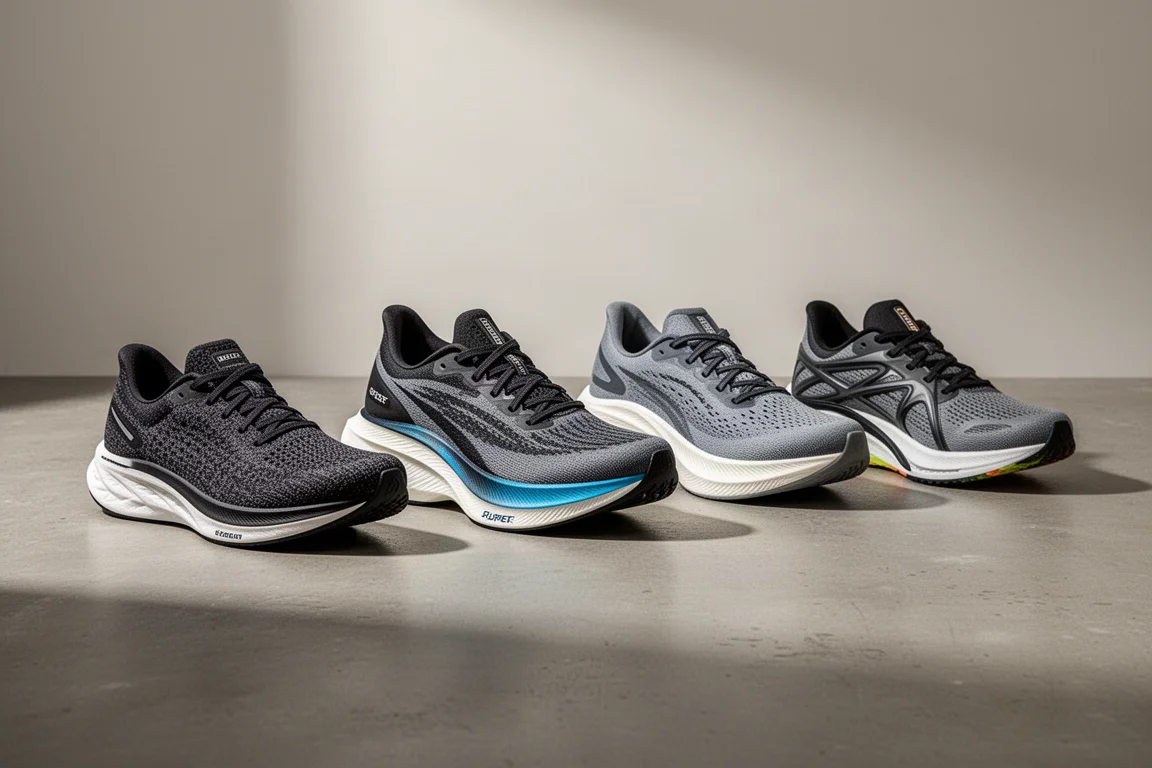
Four shoes, four very different stories. One silent release from Puma, a leaked glimpse at a possible Adidas Prime X 4, a familiar Hoka update, and an Evo SL variant that keeps coming up in reader requests. Here is how each one shapes up and who they actually make sense for.
Puma Velocity Nitro 5: A New Foam Blend and a Lighter Build
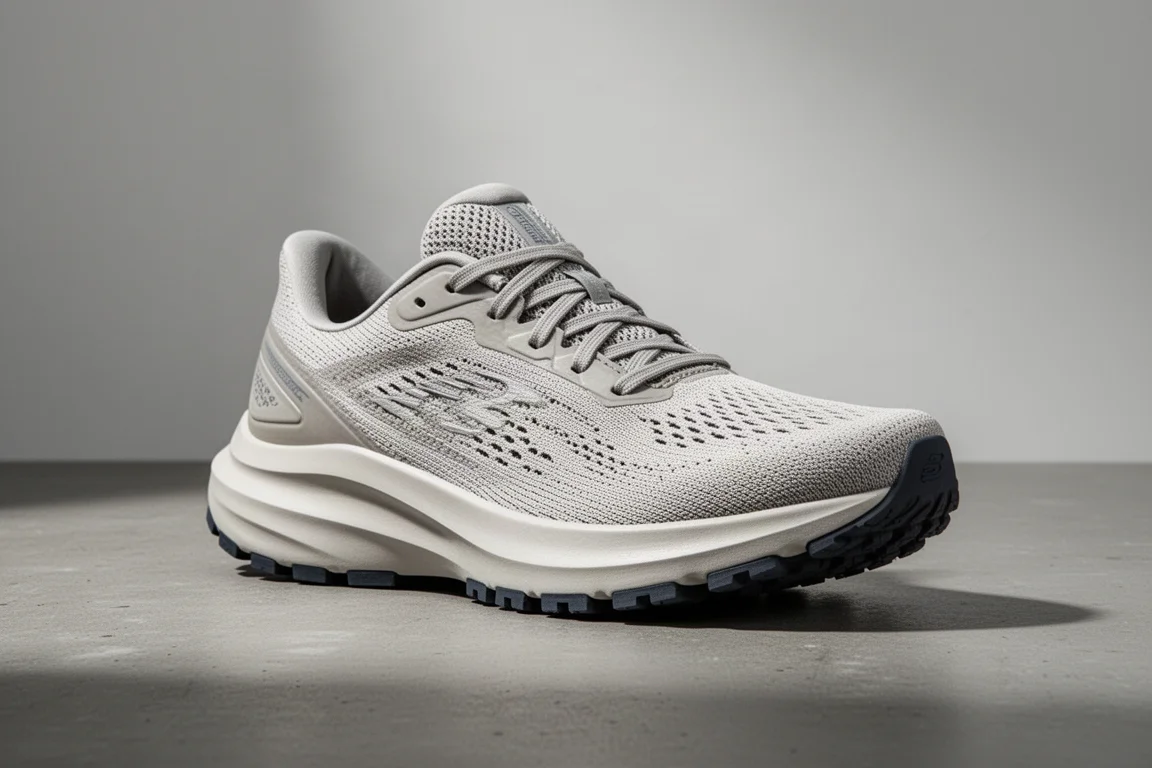
The Velocity Nitro 5 arrived with almost no fanfare. The big change is underfoot: Puma’s own product page states this now uses a PEBA-based Nitro foam, the same blend found in the Deviate Nitro, rather than the foam in the Velocity Nitro 4. That is a notable shift, because the previous midsole was widely loved for its bounce.
The weight drops too, with a sample size coming in around 225 g, roughly 20 g lighter than the V4. On paper that sounds exciting, but there is a complication. The more heavily stacked Deviate Nitro uses the same foam and more of it in the heel, and comes in slightly lighter at 220 g for a sample size. The Velocity Nitro 5 also has a slightly bulkier upper and costs about 20 pounds less than its stacked sibling.

That makes this a confusing release. It sits awkwardly close to the Deviate Nitro on both weight and foam, with less stack and a lower price. It is a maybe rather than a definite pick, especially for anyone who was not fully sold on the Deviate Nitro in the first place.
Adidas Prime X 4: Promising Changes and Real Concerns
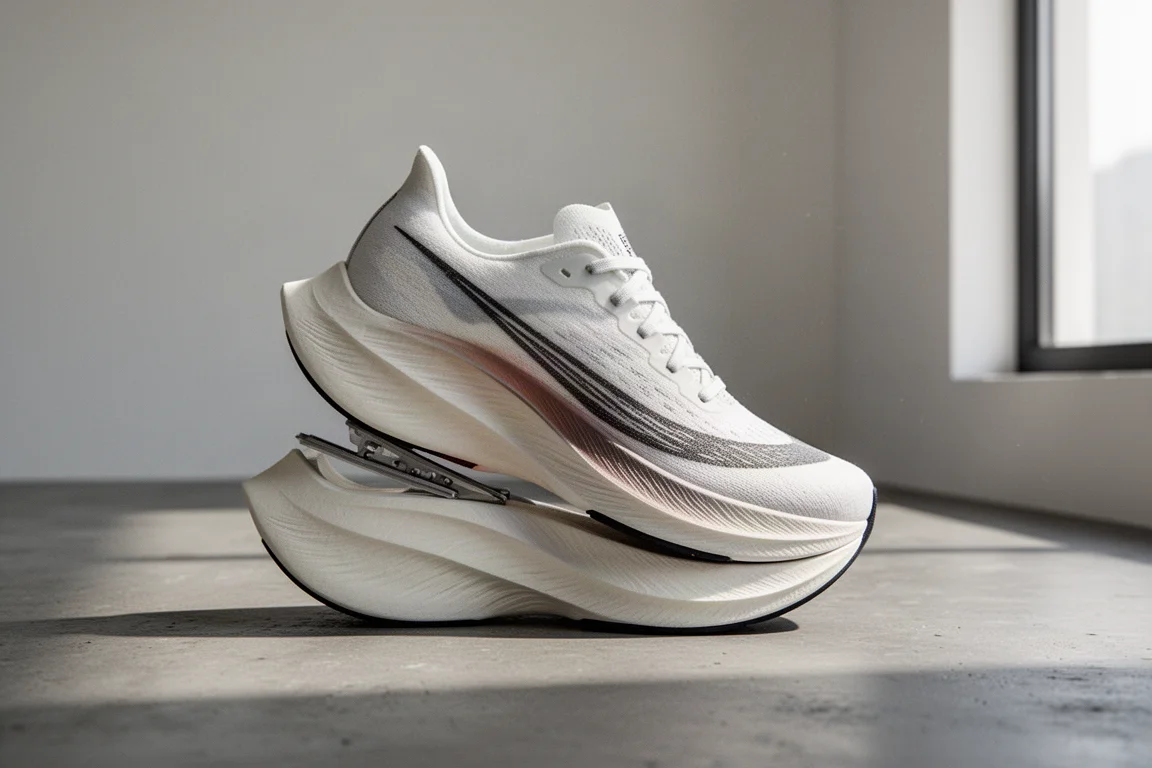
This one is still speculative, based on early images, and details are scarce. If it is genuinely the Prime X 4, there are reasons for optimism: a return to a simpler, thinner upper in the spirit of the original Prime X, without the added bulk of the last two versions. The original was a shoe with real magic in it, and the heavier second version lost some of that spark. The third improved things but still did not feel as bouncy and energetic as the first.
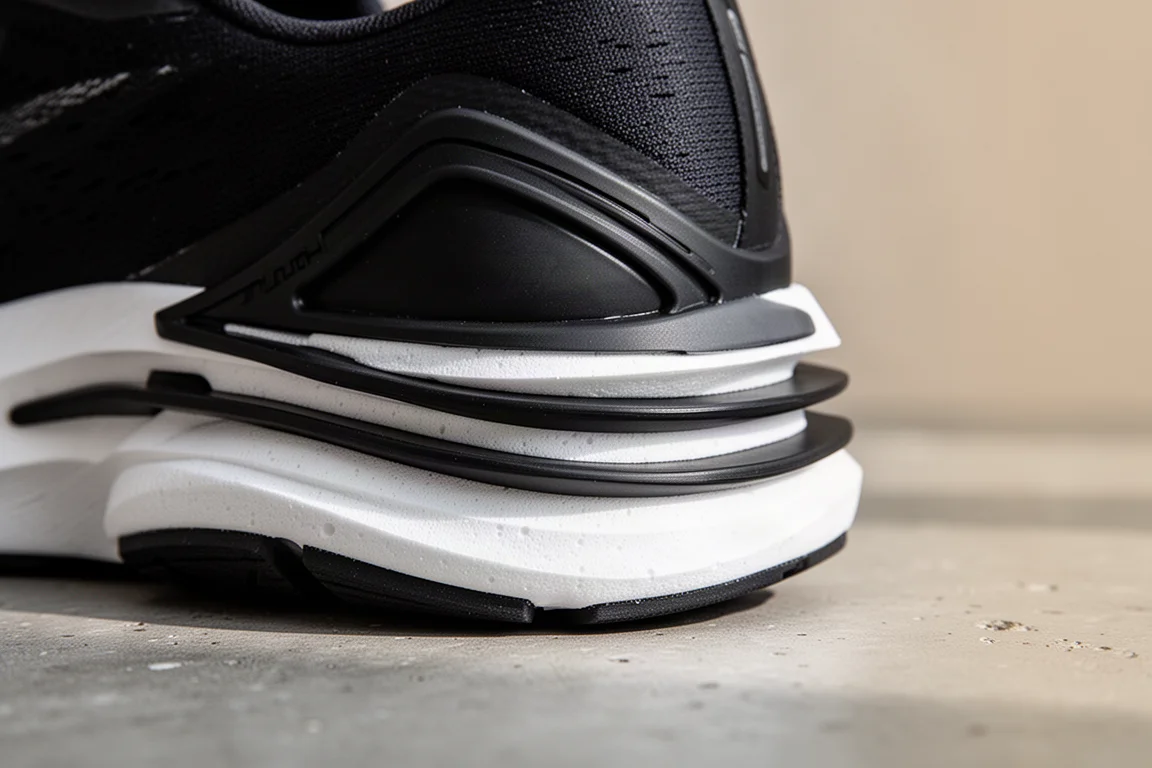
The concern sits at the rear of the shoe. The rod elements appear to have been removed entirely, replaced with thin plate-like pieces, and additional midsole elements now appear in the heel area, which they never did before. That could shift the shoe further away from what made the original special, even if the aim is greater stability.
With only images to go on, it is impossible to give a real verdict. Worth watching closely, but not worth committing to yet.
Hoka Clifton 11: Familiar in Almost Every Way
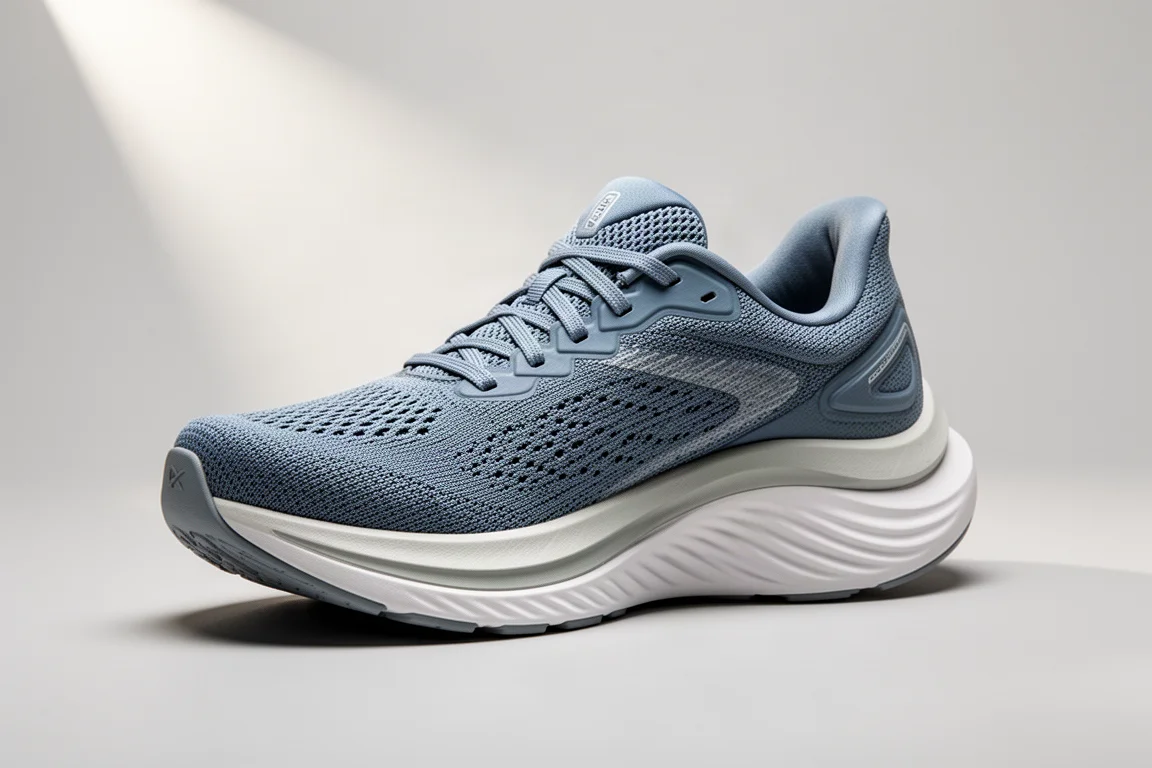
The Clifton 11 is a very middle-of-the-road update. It still uses an EVA midsole, the lacing and tongue look nearly identical to recent versions, and the signature heel flare remains. Sample size weight is 283 g, and plenty of rubber on the outsole is there for good reason, since the EVA does compress and dull quickly compared with longer-lasting foams used elsewhere.
Weight-wise, the 10 was heavier than the 9, so this one reportedly returns to roughly where the 9 was. It is essentially the same Clifton that fans have run in for years, just refreshed.
That is fine if you already love the Clifton and simply want the same shoe again. For anyone shopping on value, though, alternatives such as the Deviate Nitro or the Evo SL offer more for similar money, or even less. Only worth picking up for converted Clifton loyalists.
Adidas Evo SL Exo: A Fit-Focused Variant
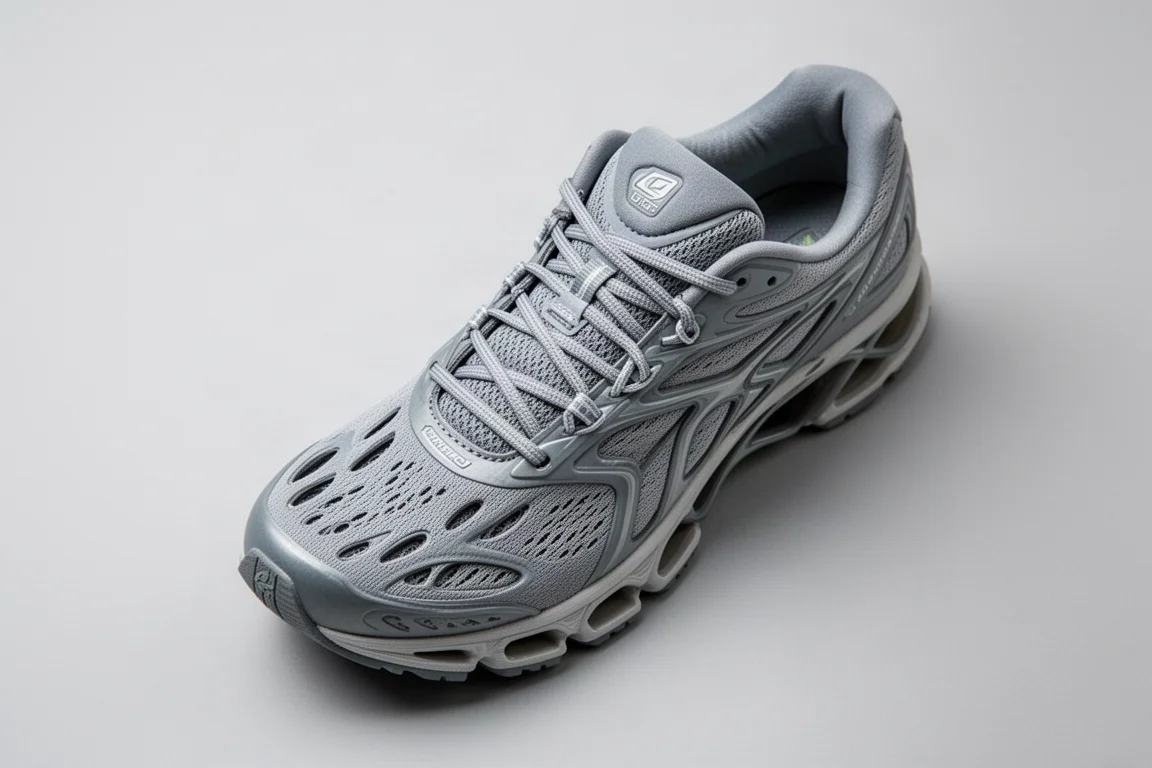
The Evo SL Exo answers a common question: does a different upper change the shoe? The Exo version features an exoskeleton-style upper with extra lace loops, cut-out sections in the forefoot, and different structural elements, along with the same tongue loop as the woven version. The midsole and outsole carry over unchanged from the original and woven versions, at the same price.
The practical angle is fit. Runners with slightly narrower feet may find the additional lace loops and structural elements change the lockdown in a useful way. It is not a vital purchase, and there may be small weight differences from the upper materials, but it fills out the Evo SL family nicely: mesh, woven, zip, and now Exo.
The idea is not entirely new either. Older Adidas running shoes played with similar structural upper elements, though those older foam platforms have not aged as well. Given how popular the Evo SL line has been, a version aimed at refining fit is a reasonable, low-risk addition, and it earns a tentative pick purely to find out whether the upper genuinely improves the feel.
Buying Advice
If you want the safest pick of the four, the Evo SL Exo is the easiest to justify, since it rides on an established platform and only tweaks the upper. The Velocity Nitro 5 is worth a look if you want a lighter PEBA-based trainer at a friendlier price, but compare it carefully against the Deviate Nitro before deciding. The Clifton 11 is strictly for existing fans. The Prime X 4 should stay on your watchlist until real details emerge.
Conclusion
This batch of releases is more interesting for what it says about the market than for any single standout. Puma is splitting hairs within its own lineup, Hoka is playing it safe, Adidas is iterating on fit rather than foam, and the Prime X 4 remains a question mark. Match the shoe to what you actually need: a lighter trainer, a familiar ride, or a better-fitting upper.
Further reading
Related Reviews

Running Shoes
Best Road-to-Trail Running Shoes: Three Versatile Options for Mixed Terrain
A practical guide to three road-to-trail running shoes that handle both pavement and mild trails, with clear strengths and trade-offs for different runner types.

Running Shoes
Best Running Shoes for Achilles Tendonitis: Three Options Explained
Three running shoes with different heel drops and support features designed to help reduce Achilles tendon pain during walking and running.

Running Shoes
Best Running Shoes for Women: Five Top Choices Ranked
A ranked guide to five women's running shoes, from versatile daily trainers to high-performance racing options, with real strengths and trade-offs for each.