Running Shoes
Four New Running Shoes Worth a Look: Saucony, Brooks, Hoka and Salomon
A quick verdict on four fresh releases: the Saucony Azora, Brooks Glycerin Flex, Hoka Cielo X1 3.0 and Salomon S/Lab Phantasm 3.

Introduction
Four fresh releases are worth sorting through this season: the Saucony Azora, the Brooks Glycerin Flex, the Hoka Cielo X1 3.0 and the Salomon S/Lab Phantasm 3. Two of them look like genuine winners, one is an interesting concept with a narrower audience, and one is a very expensive experiment. Here is how the specs stack up and who each shoe actually makes sense for.
Saucony Azora: A Plateless Speed Alternative
The Azora has arrived as of early February 2026 at 140 pounds in the UK, and on paper it makes a lot of other shoes seem a bit overpriced. You get a 40mm heel stack with 32mm up front for an 8mm drop, built on Saucony’s PEBA-based PWRRUN PB foam, the same pellet-based material that first appeared in their range back in 2020. There is no plate here, just the foam.
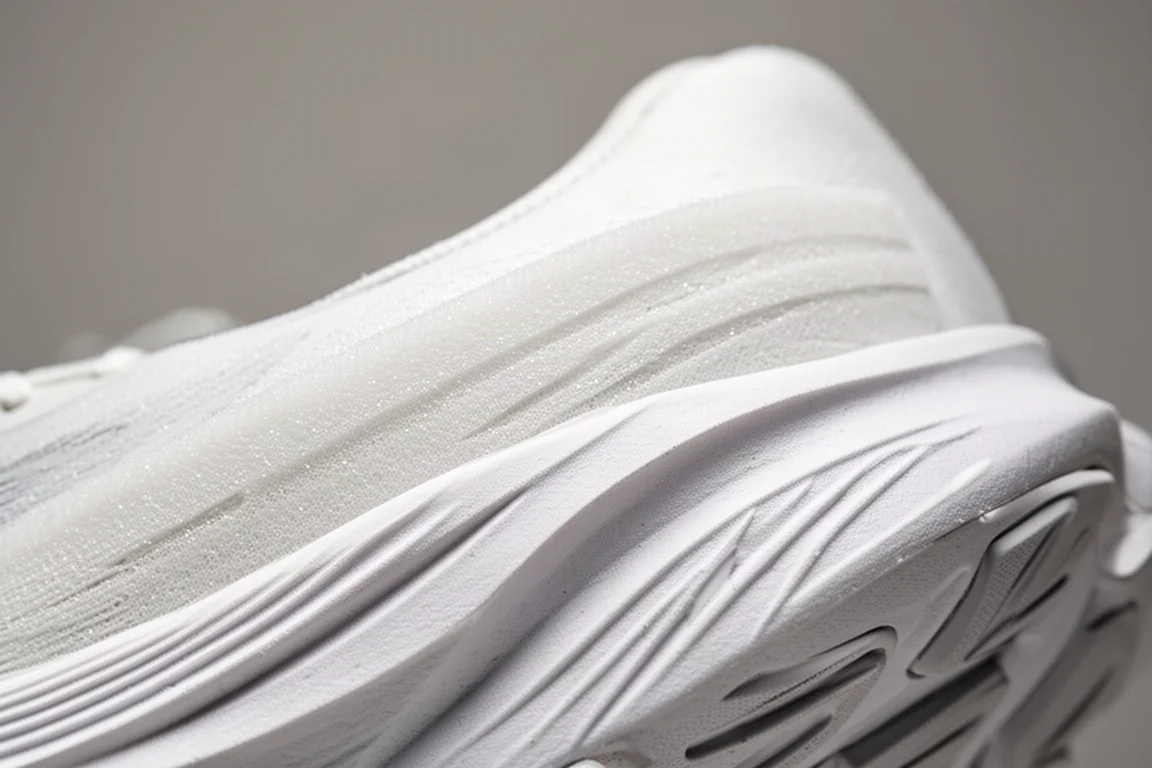
The weight is kept impressively low at 240g in the sample size, roughly 8.4 oz. The Endorphin Speed 5, which shares similar outsole rubber and upper styling, is only about 2 or 3 grams lighter with a slightly lower stack, yet there is a striking 40 pound price gap between the two. This is clearly Saucony’s attempt to challenge the Adidas Evo SL, a shoe that has a real stranglehold on the market right now thanks to its durability, looks and availability.
Early impressions of the Azora have been positive, and it is easy to see the appeal: top-tier foam in a versatile, do-it-all daily package. It could be one of the best all-round models of 2026, and we are only in February.
Brooks Glycerin Flex: Flexibility Over Control
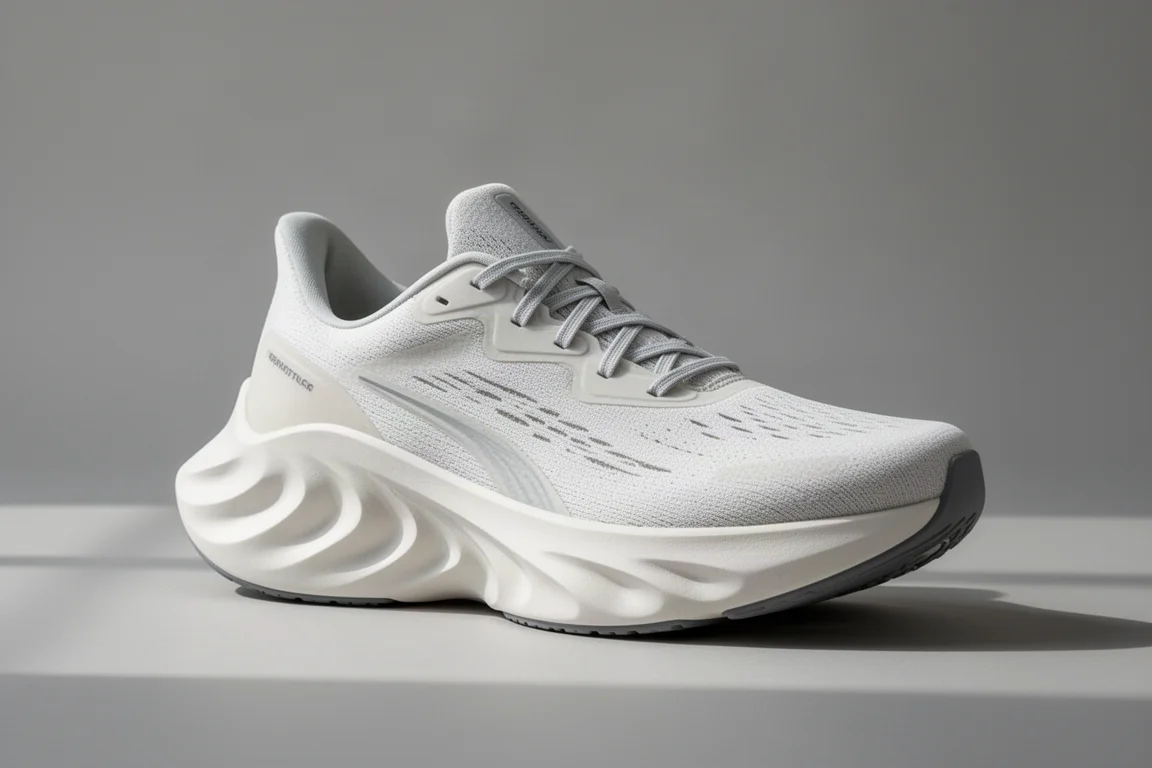
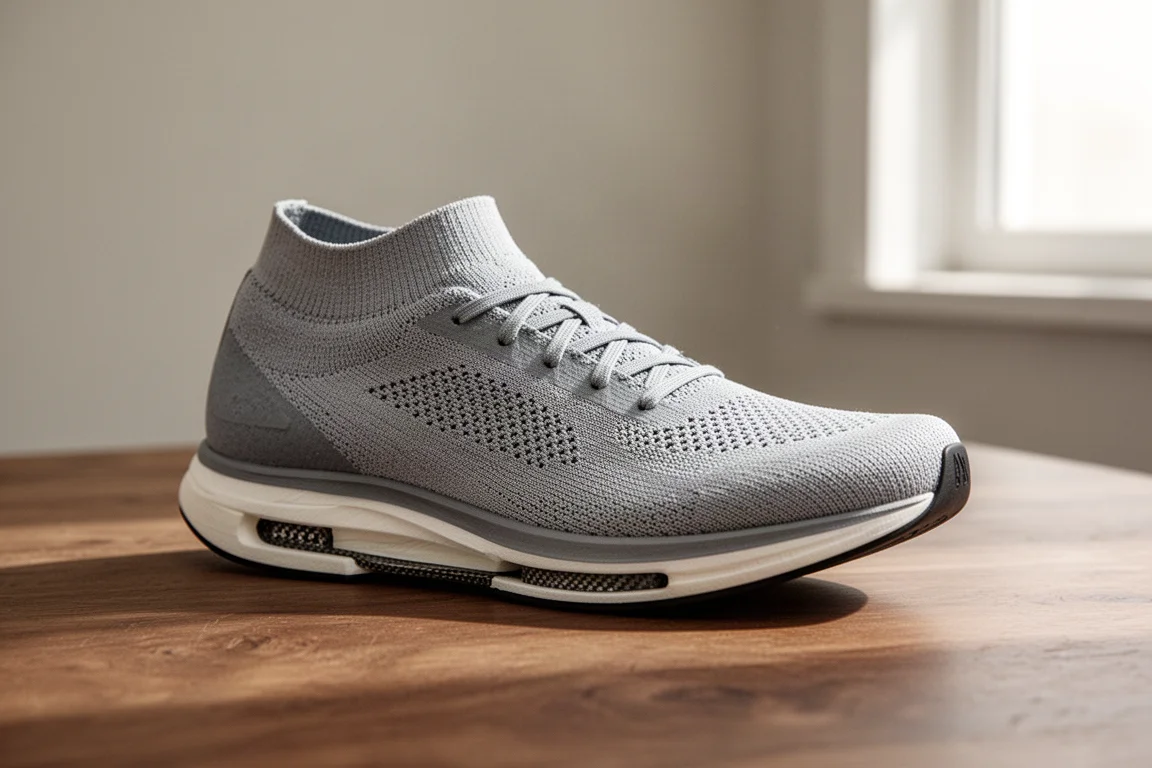
The Glycerin Flex takes a slightly lower route with 36mm in the heel and 30mm up front for a 6mm drop, at 256g in the sample size. It uses the same DNA Tuned midsole setup as the Glycerin Max, though whether it leans closer to the denser V2 is unclear.
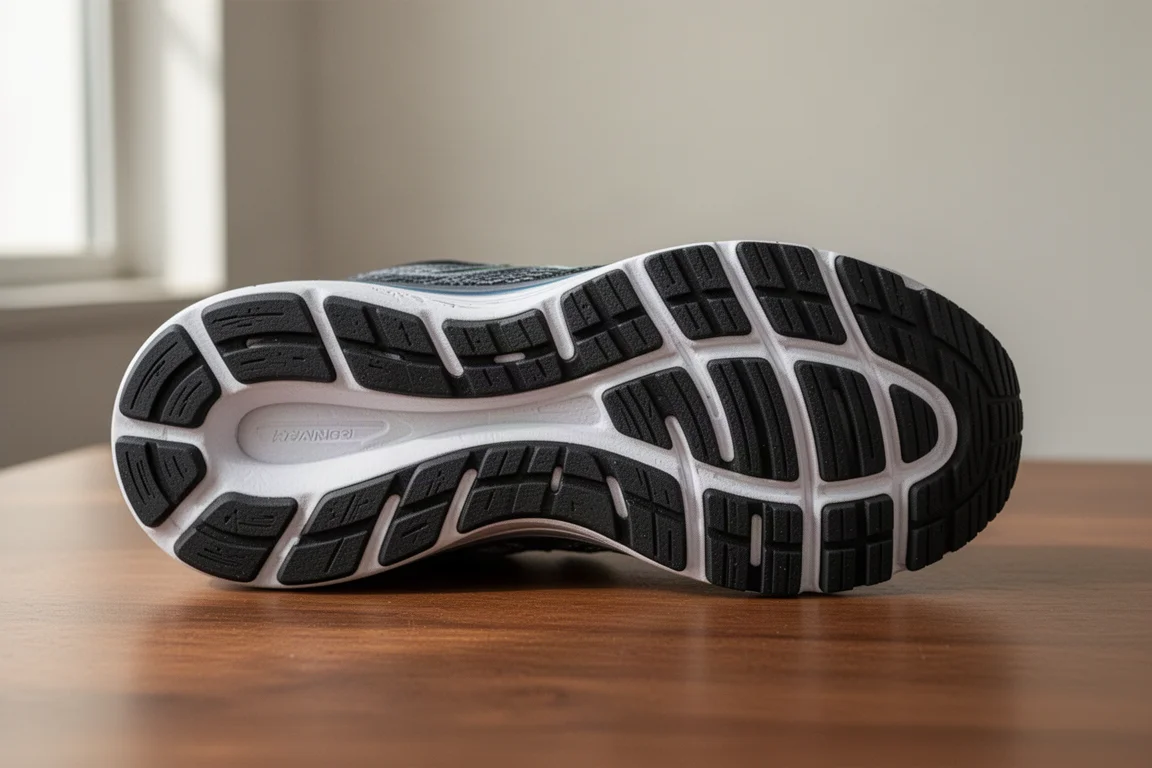
The interesting part is the construction: flex points positioned in specific areas, with deep grooves cut through both the midsole and the rubber outsole, letting the foot move a little more naturally instead of the shoe dictating the ride. The flat-knit upper pairs a softer forefoot feel with a denser heel area for impact protection.
At 165 pounds, it is a genuinely interesting option for runners who are shying away from plated shoes or who want something between a neutral and a stability offering. If you already own something flexible and plate-free, it may be a harder sell, but for the right runner it makes a lot of sense as a daily option.
Hoka Cielo X1 3.0: Lighter and Race-Ready
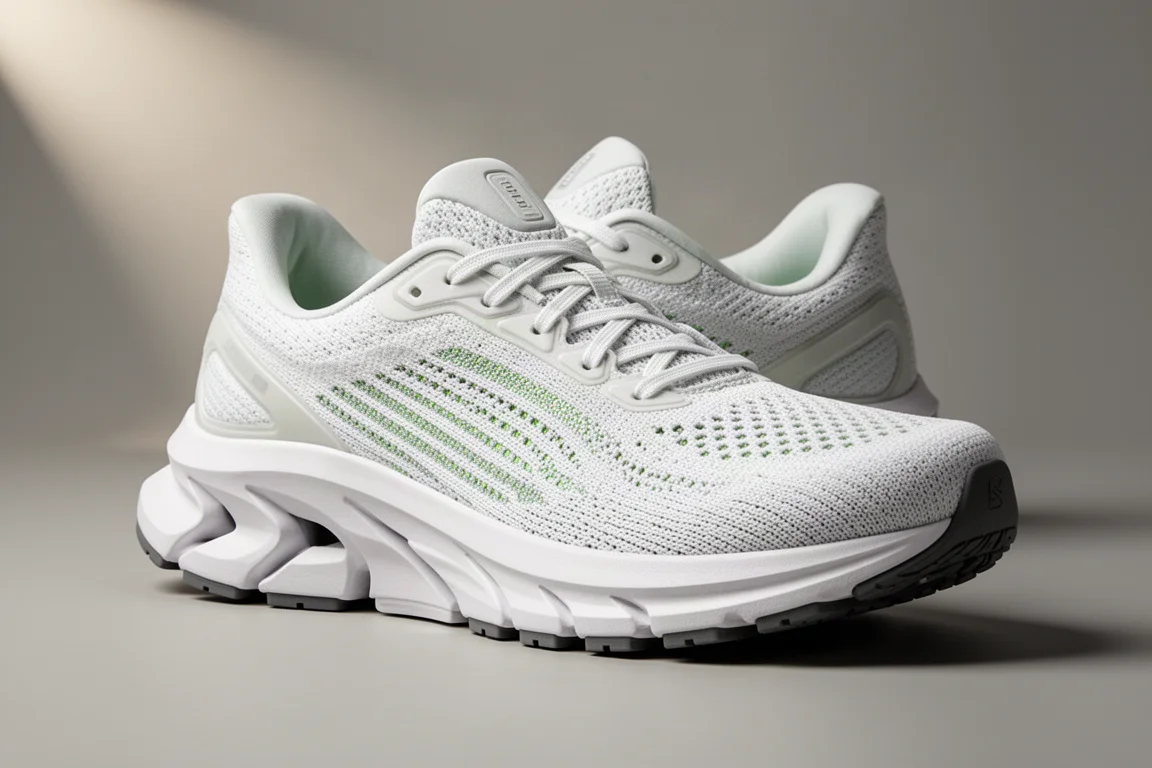
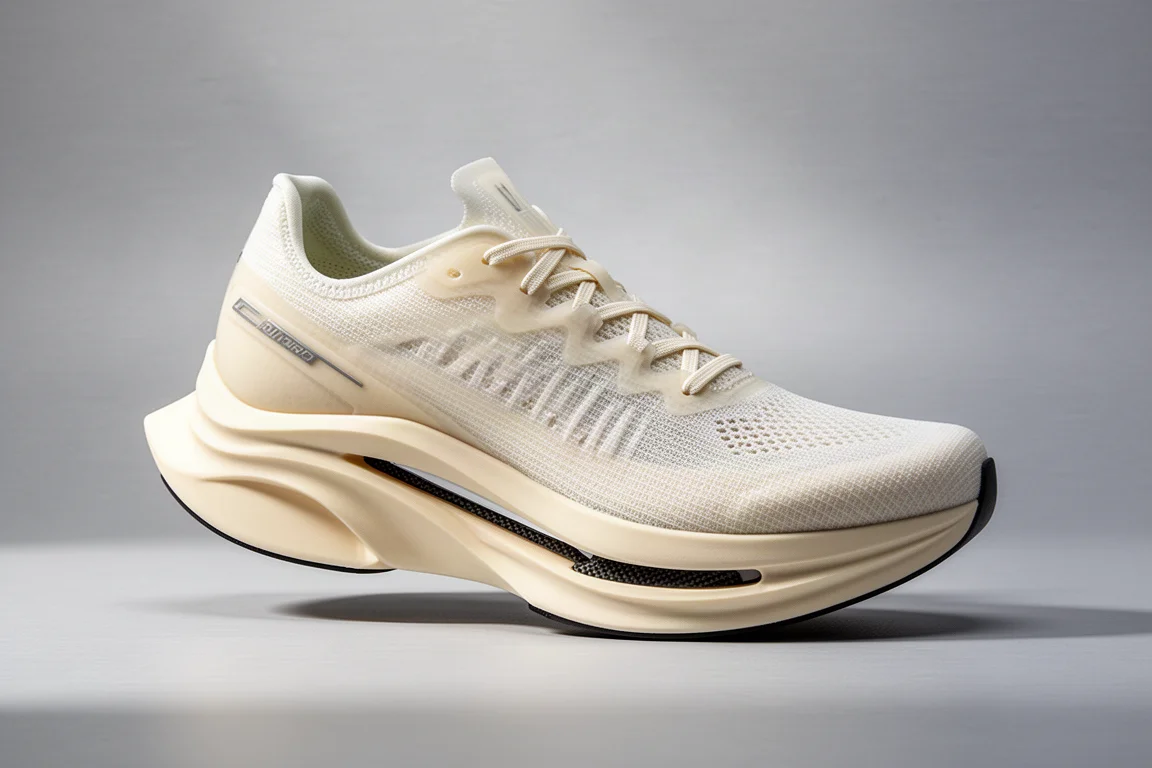
The original Cielo X1 was a fun shoe with loads of stack and the memorable rainbow colorway. The 3.0 pushes things forward: 38mm of heel stack with 31mm up front, and Hoka has restored some foam at the heel that earlier versions carved away with a significant bevel, in a way that felt a little like the Mizuno Wave Rebellion Pro’s approach to the stack rules. The foot sits within quite a frame at the back of the shoe, so do not judge the heel by how much foam extends outside the upper.
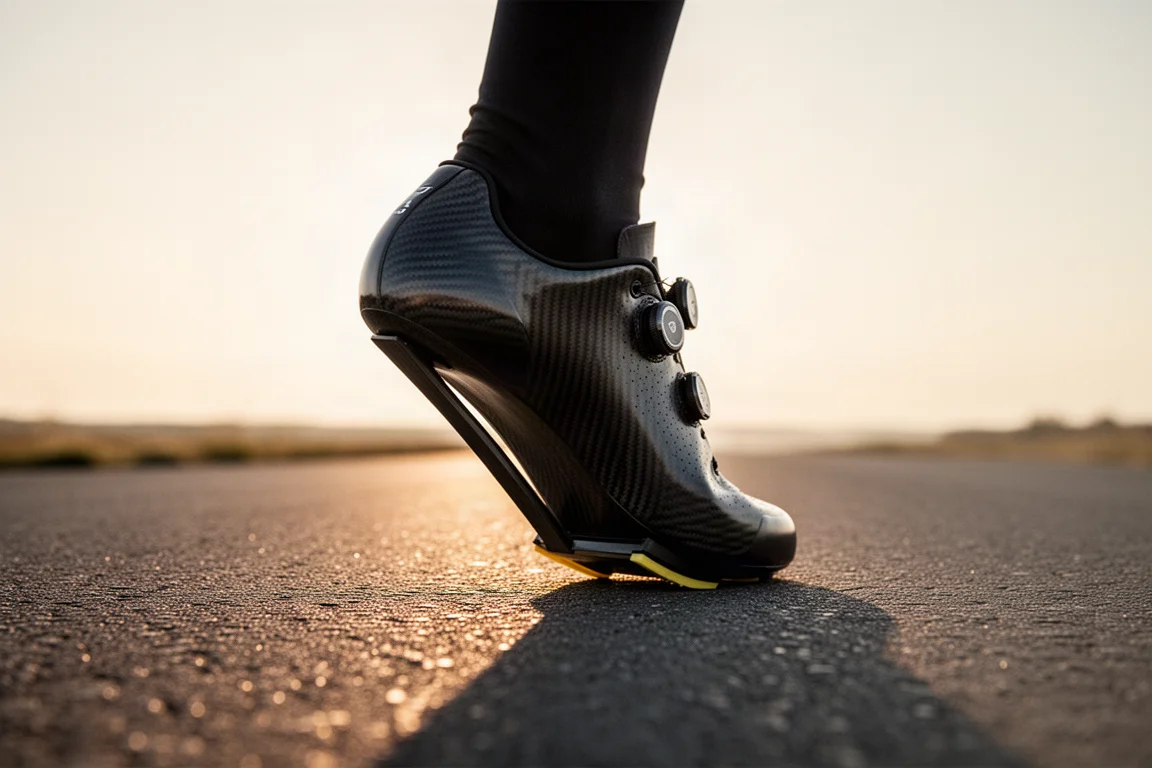
The headline change is weight: 213g in the sample size, down from about 229g for the V2. The plate loses its wings this time in favour of a more standard design, trimming weight while keeping the ride stable. Hoka has also moved to a polyurethane outsole material, tuned carefully to minimize rubber use while still protecting the heel foam from degradation, with a large cutout through the outsole to save further weight.
At 250 pounds, it is serious money and a shoe to think carefully about before buying. But with one of Hoka’s lightest racing models so far, that forgiving ride and a durable outsole material, it earns a tentative yay for anyone shopping for a race day option.
Salomon S/Lab Phantasm 3: Bold, Strange, Expensive
The Phantasm 3 is a strange one. This carbon plate race shoe offers 39mm in the heel and 33mm up front for a 6mm drop, with a PEBA-based blend in the midsole and a claimed 28% reduction in drag from the upper. The weight, however, is 199g in the sample size, which is on the heavy side for a dedicated racer.
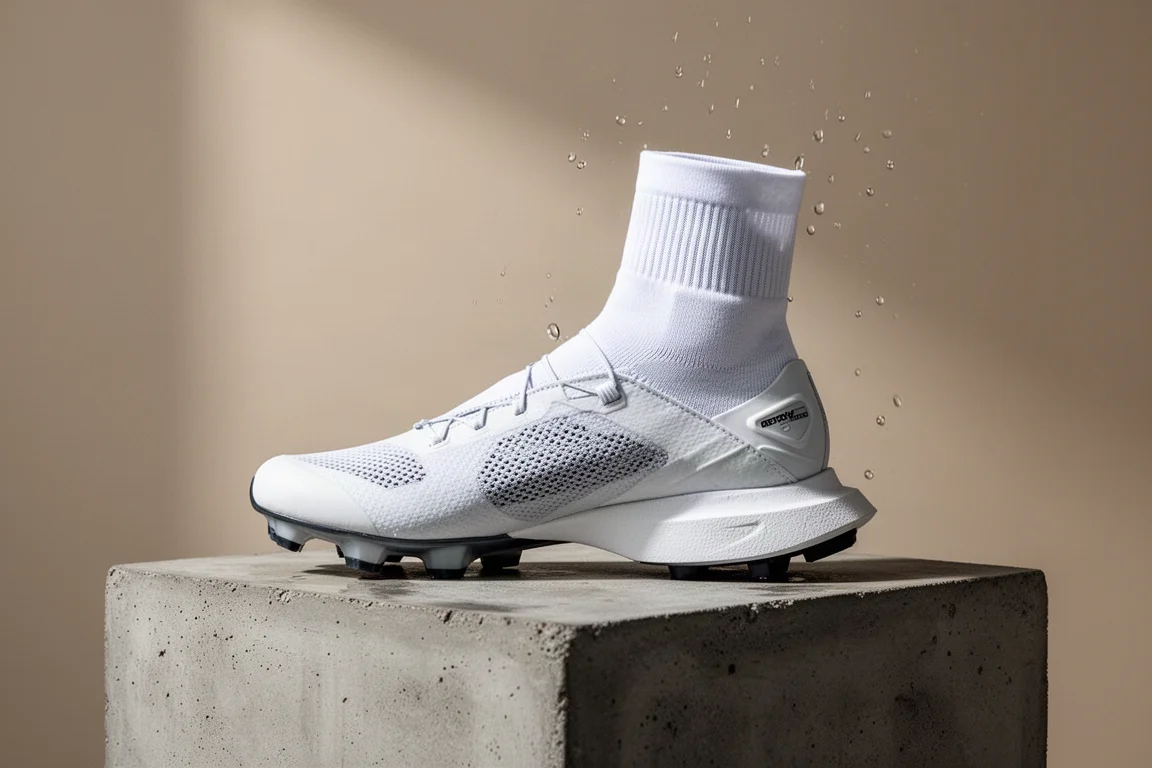
The white, sock-like upper material wraps up and around the ankle, reminiscent of trail shoes with water-repellent sleeves, and it is going to get dirty very quickly. Rubber coverage is minimal. At 260 pounds in the UK, or 280 dollars in the US, this is a very expensive experiment with an untraditional design that will mainly appeal to true enthusiasts rather than the wider running public. The low drop is genuinely attractive, but the combination of weight, price and looks is a tough pitch.
Overall Buying Advice
If you want one versatile shoe with premium foam and no plate, the Azora is the standout value here. If flexibility and a less controlling ride matter more, the Glycerin Flex deserves a look. Racers with budget to spare should weigh up the lighter, more forgiving Cielo X1 3.0, while the Phantasm 3 is best left to collectors and true S/Lab enthusiasts.
Conclusion
Two yays, one cautious maybe and one nay. The Azora looks like a genuine market disruptor at its price, the Cielo X1 3.0 is a well-executed weight-saving update, the Glycerin Flex fills a niche for flexible, non-plated cushioning, and the Phantasm 3 remains a fascinating but costly curiosity. Match the shoe to your actual running needs and none of these should surprise you.
Further reading
Related Reviews

Running Shoes
Best Road-to-Trail Running Shoes: Three Versatile Options for Mixed Terrain
A practical guide to three road-to-trail running shoes that handle both pavement and mild trails, with clear strengths and trade-offs for different runner types.

Running Shoes
Best Running Shoes for Achilles Tendonitis: Three Options Explained
Three running shoes with different heel drops and support features designed to help reduce Achilles tendon pain during walking and running.

Running Shoes
Best Running Shoes for Women: Five Top Choices Ranked
A ranked guide to five women's running shoes, from versatile daily trainers to high-performance racing options, with real strengths and trade-offs for each.