Running Shoes
Four New Running Shoes on the Radar: Nike, New Balance, Puma, and Adidas
A closer look at the Nike Pegasus Turbo 4, New Balance FuelCell SC Pacer v2, Puma Fast-R Nitro Elite 2, and Adidas Supernova Rise, with what to expect from each.
Introduction
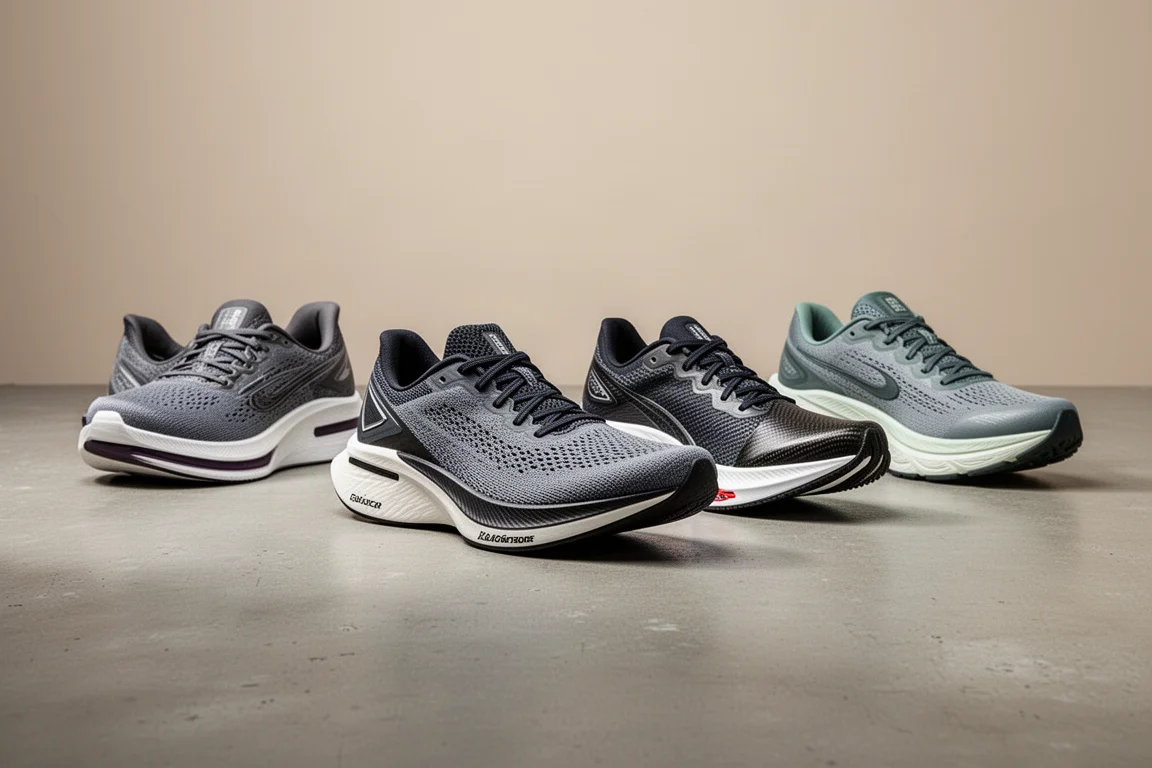
Fresh updates from Nike, New Balance, Puma, and Adidas land in the same window, and each one targets a clearly different kind of runner. One is a long-awaited return, one is a repositioned speed trainer, one is an ambitious carbon-plated racer, and one is a value-focused daily trainer. Here is what stands out about each, and who each shoe might suit.
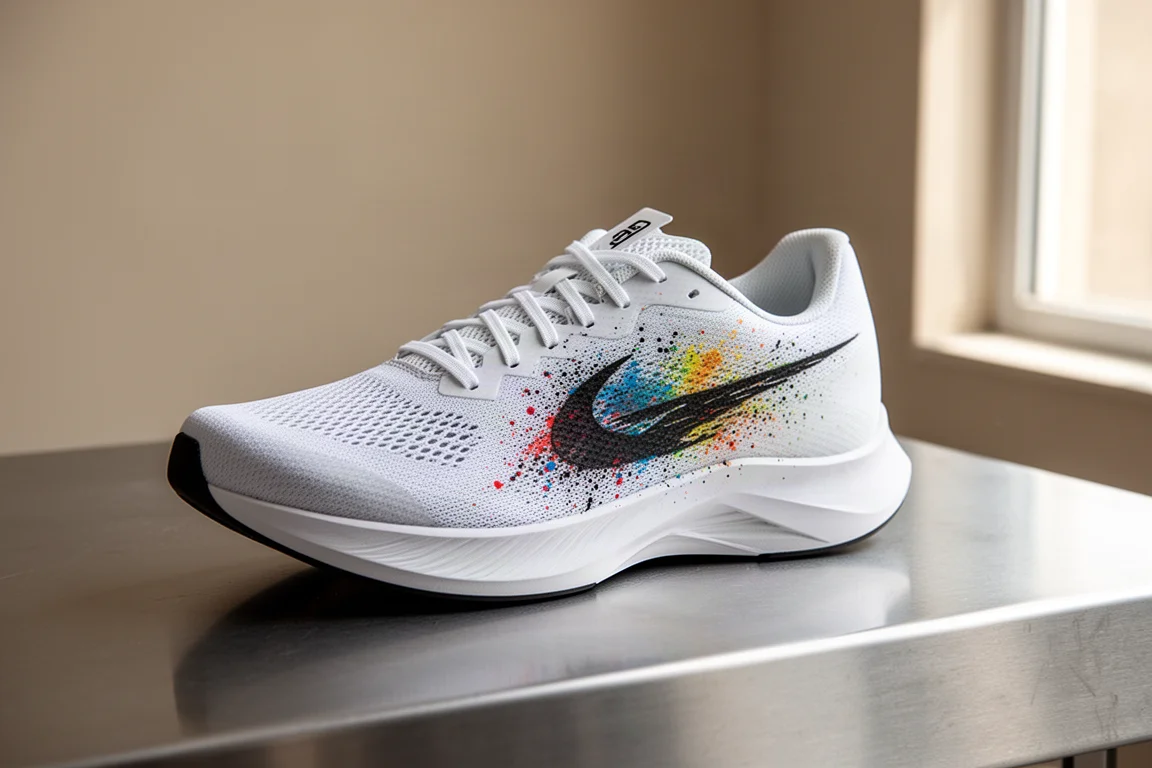
Nike Pegasus Turbo 4: A Cautious Return
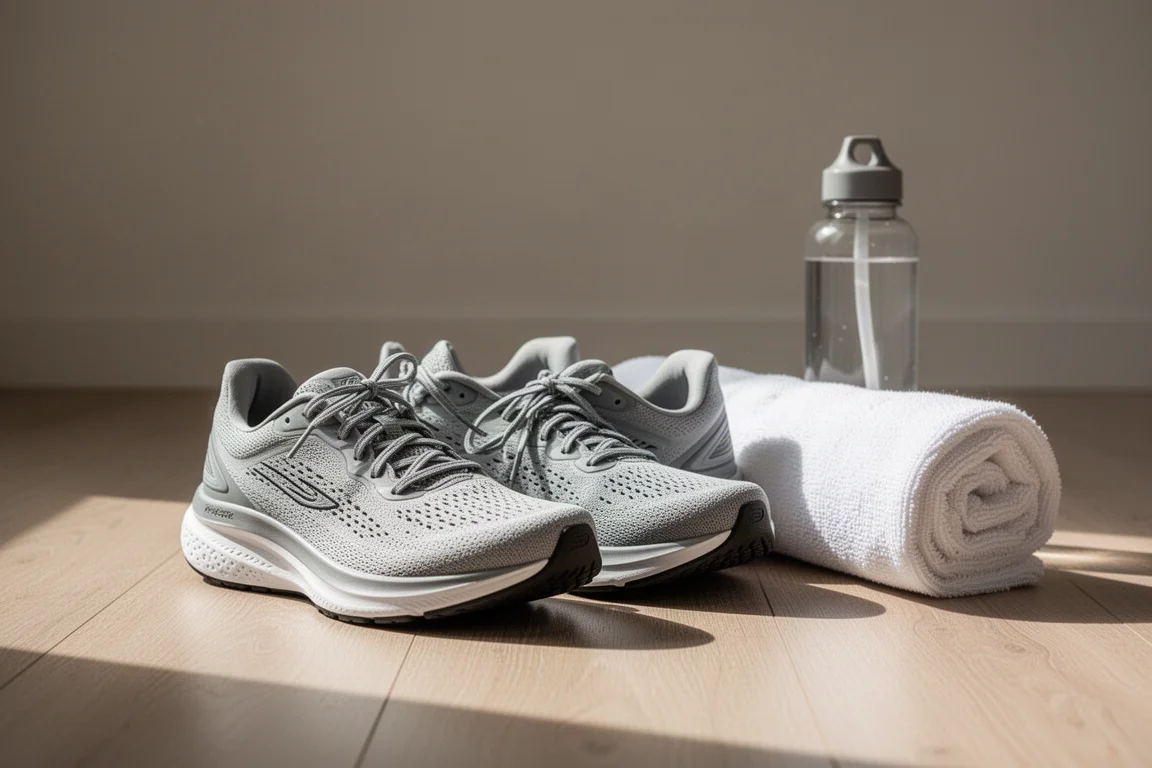
The Pegasus Turbo 4 brings the line back after the first two versions and a divisive Next Nature release that strayed far from the original formula. This time the upper appears closer to the early models: roomy, light, and comfortable enough for daily training without squeezing the foot.
Nike’s Flyknit branding tells you little these days, since the material varies considerably between models. The bigger question is the midsole. A darker strip through the midfoot hints at a caged version of ZoomX foam, though it could simply be paint. The previous Next Nature model used a less consistent foam mix that disappointed many, so skepticism is fair.
One genuine concern is the large area of exposed midsole in the outsole region, right under the arch of the foot. That foam will absorb daily wear and does not inspire confidence for traction either. The profile does look closer to the first two Pegasus Turbo versions, which is encouraging, but this is a shoe that calls for more confirmed details before committing.
New Balance FuelCell SC Pacer v2: A Promising Realignment
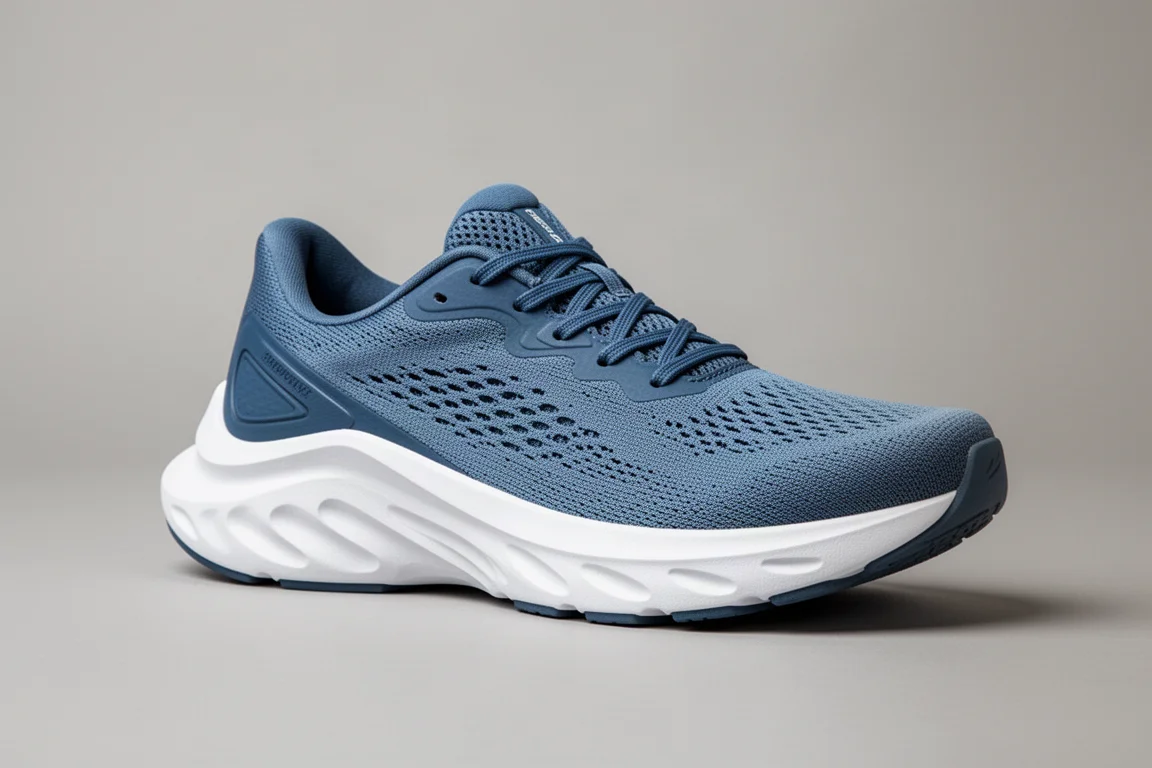
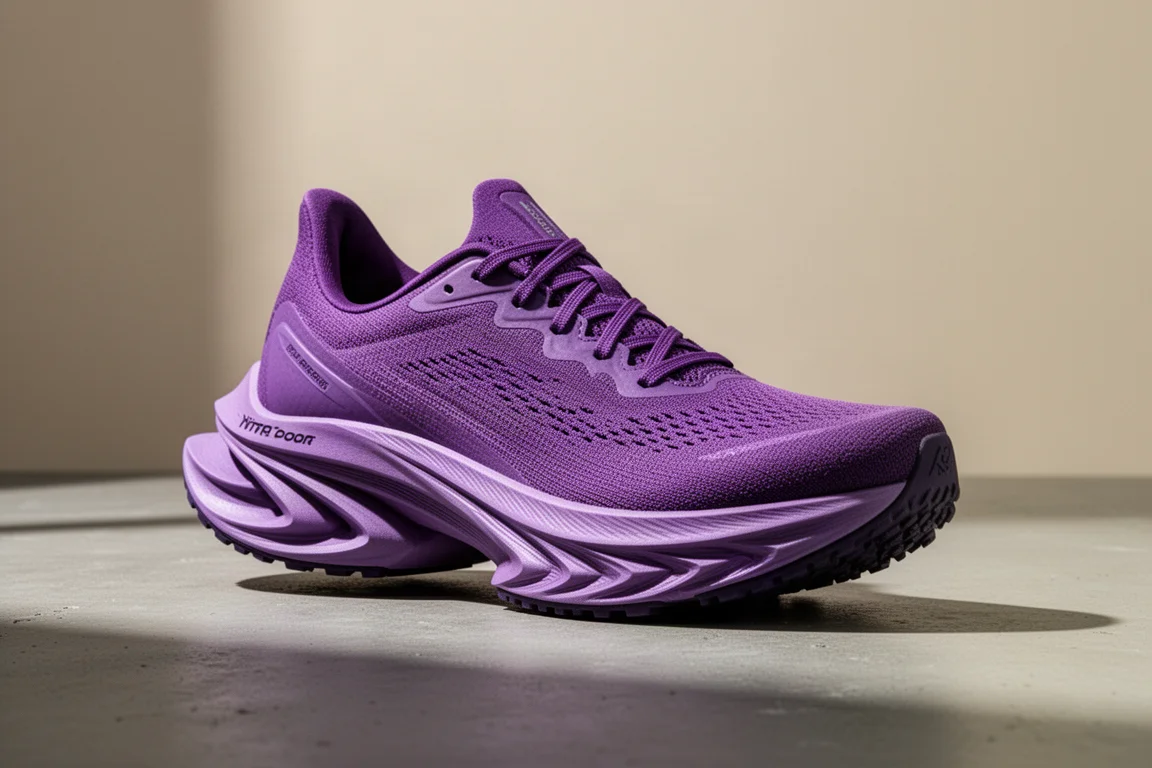
New Balance appears to be reorganizing its FuelCell lineup, and the SC Pacer v2 sits closer to the Takumi Sen, a genuine fan favorite. The first Pacer was interesting but suffered from poor lockdown that limited what its thin midsole could deliver.
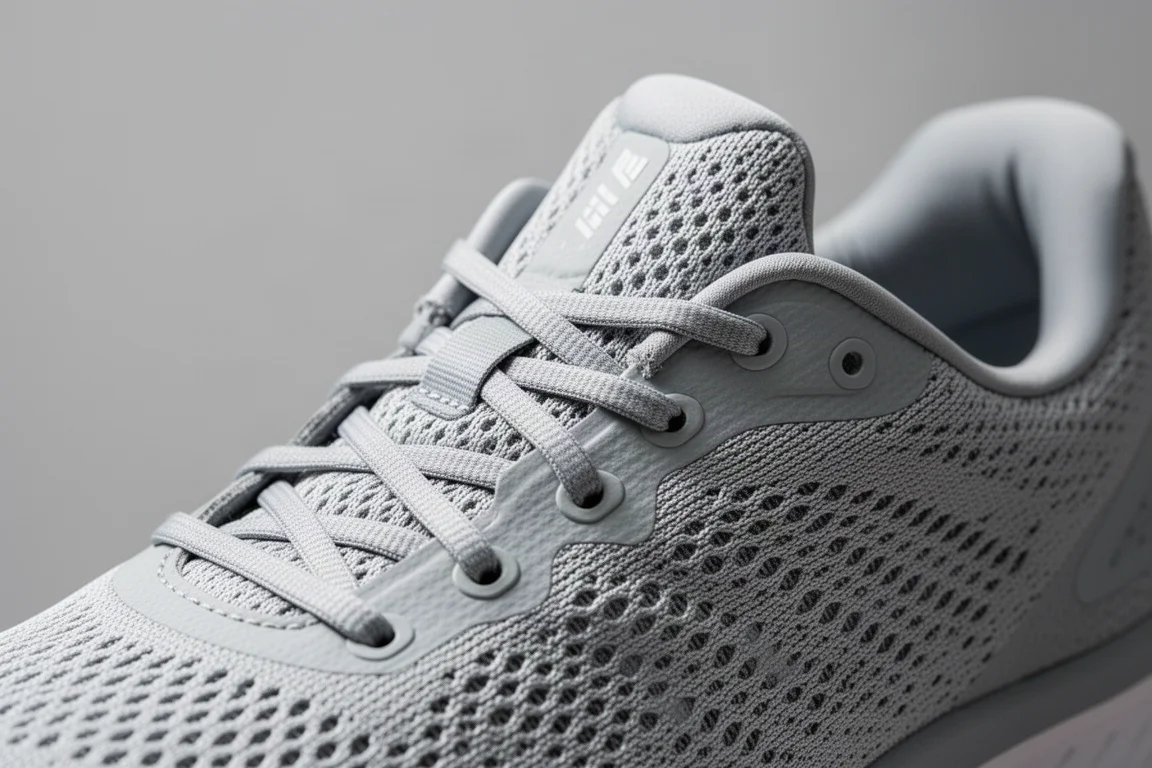
The new version brings the Swiss-cheese style upper again, so breathability should be strong, but this time there is a full set of eyelets to help lock the foot down. The angular midsole juts out from the back of the shoe in a way that echoes some recent Nike designs, and the stack increases to roughly 33 mm, putting it in line with the Takumi Sen, with what looks like an 8 mm drop.
The takeaway: this looks like a more usable, better-secured speed trainer, and it is one worth trying for anyone who found the first Pacer promising but flawed.
Puma Fast-R Nitro Elite 2: Built for the Long Races
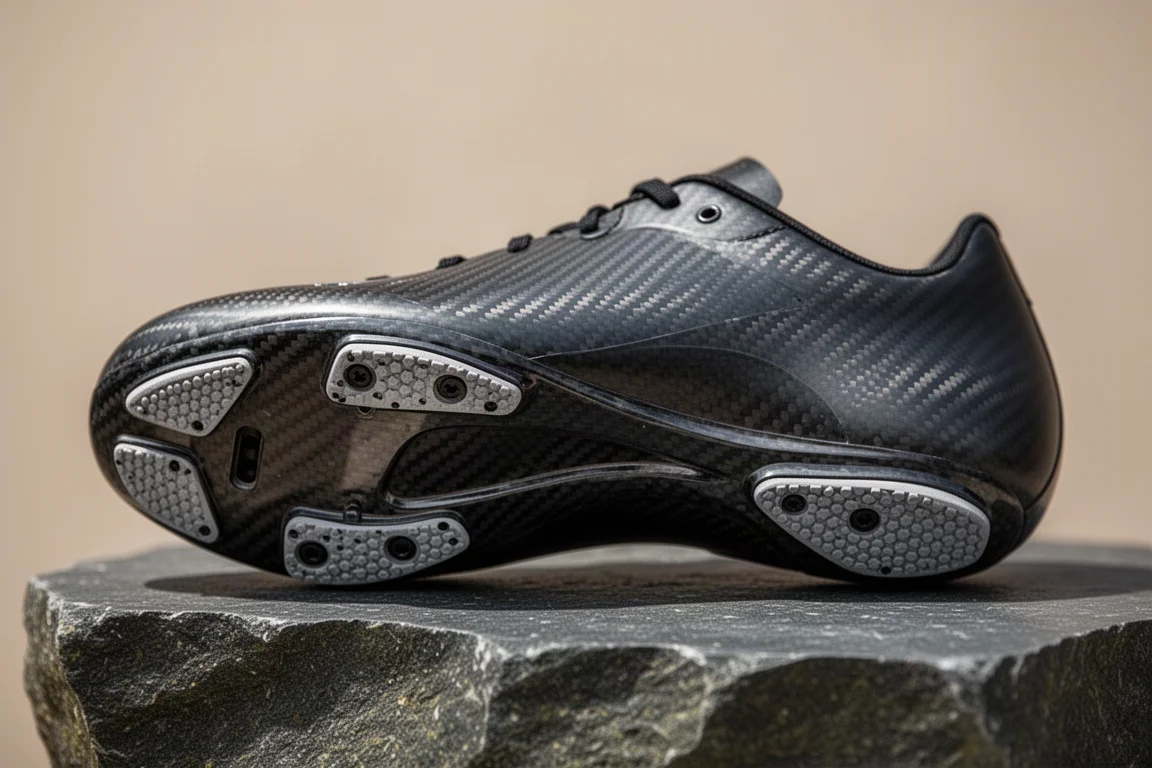
The Fast-R Nitro Elite 2 moves the original’s aggressive carbon-plated platform toward longer distances. The first version felt like a 10K to half-marathon shoe; this one, with full Nitro Elite foam and a carbon power plate running the length of the shoe, looks aimed at the marathon and pitched directly against the top-tier racers in that category.

The plate extends beyond the midsole at the front, and a distinctive ridge under the toebox is designed to increase surface contact and act like a lever to propel you forward. Grip remains a Puma strength, in a slightly new configuration with a little more exposed plate than before. The stack is listed at 34 mm at the heel, roughly 32 mm in the forefoot after sizing, for an 8 mm drop. With Elite foam the weight should stay reasonable, though the extended plate will offset some of that saving.
The launch colorway is bold and reptilian, earthy greens with spiky details at the heel; a white and orange version looks more restrained for everyday taste.
Adidas Supernova Rise: A Daily Trainer Worth Considering
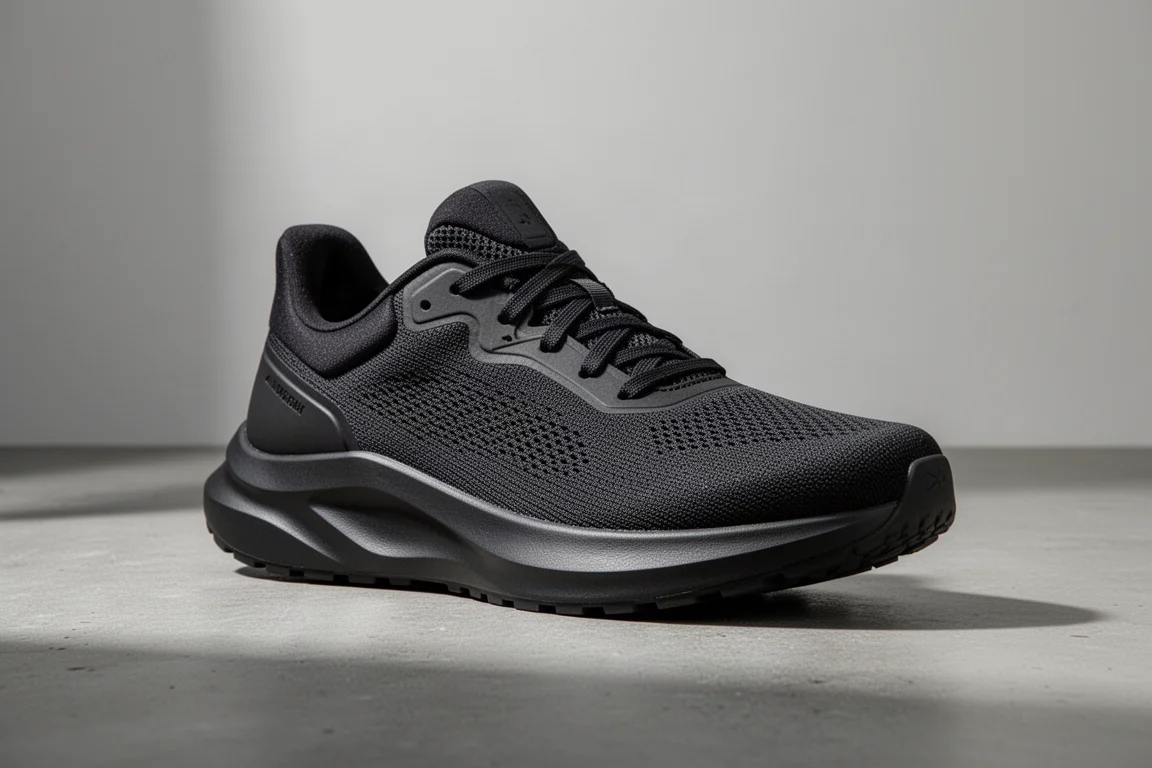
The Supernova Rise is a Lightstrike-based trainer that Adidas has not offered before, and demand from runners has been strong ahead of its December launch. The stack is higher than expected: 36 mm at the heel and 26 mm in the forefoot for the sample size, which scales to around 40 mm at the heel in a UK 11. The drop is a slightly more aggressive 10 mm.
In character, this looks closer to something like the Saucony Triumph 21, a shoe that consistently earns praise from everyday runners. The weight is a mild caution at 291 g in the sample size, but at £130 in the UK for a Lightstrike shoe, the pricing is arguably spot on: a little cheaper than the Boston 12. For runners who want a dependable daily option without stretching to the pricier lineup, this is a compelling pick, and a pair is already on the way for a full hands-on look.
Overall Buying Advice
Pick the Supernova Rise if you want a well-priced, high-stack daily trainer. The SC Pacer v2 suits runners who want a breathable speed-day shoe with improved lockdown. The Fast-R Nitro Elite 2 targets marathon racers who want an aggressive, plate-driven ride. Hold on the Pegasus Turbo 4 until the midsole details are fully confirmed, especially if the previous version left you unconvinced.
Conclusion
Four shoes, four different jobs. The Supernova Rise and SC Pacer v2 look like the most immediately practical buys, the Fast-R Nitro Elite 2 is the exciting racer, and the Pegasus Turbo 4 is the one to watch rather than buy right now. Match the shoe to the running you actually do, and each of these has a sensible place.
Further reading
Related Reviews

Running Shoes
Best Road-to-Trail Running Shoes: Three Versatile Options for Mixed Terrain
A practical guide to three road-to-trail running shoes that handle both pavement and mild trails, with clear strengths and trade-offs for different runner types.

Running Shoes
Best Running Shoes for Achilles Tendonitis: Three Options Explained
Three running shoes with different heel drops and support features designed to help reduce Achilles tendon pain during walking and running.

Running Shoes
Best Running Shoes for Women: Five Top Choices Ranked
A ranked guide to five women's running shoes, from versatile daily trainers to high-performance racing options, with real strengths and trade-offs for each.