Running Shoes
New Running Shoes First Look: Four Models We Are Watching Closely
A practical early look at the Nike Terra Kiger 8, Nike Wildhorse 7, Adidas Adizero RC4, and Brooks Hyperion Elite 3, with which ones are worth your attention and which can wait.
Introduction
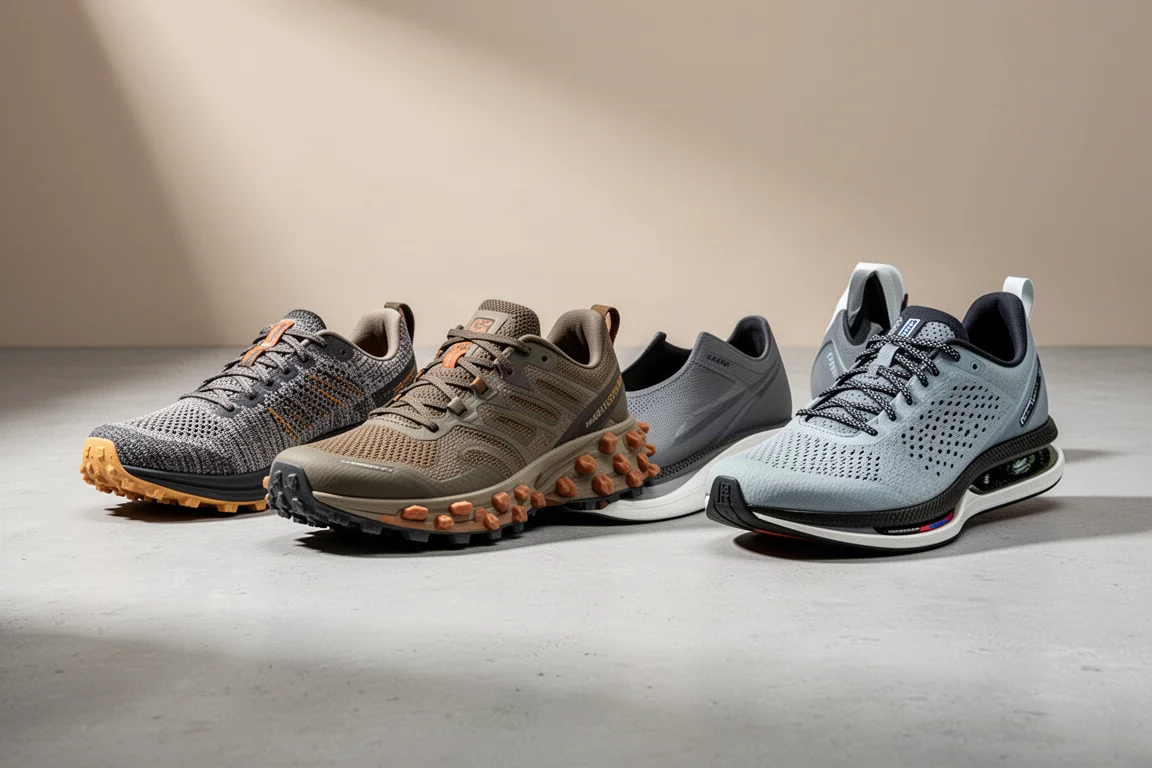
A fresh wave of running shoes is landing over the coming weeks, and four models in particular deserve an early verdict. The Nike Terra Kiger 8, Nike Wildhorse 7, Adidas Adizero RC4, and Brooks Hyperion Elite 3 each target a very different type of runner, which makes comparing them less about picking one winner and more about matching each shoe to the right terrain and expectations.
Here is a practical breakdown of what each model offers, who it suits best, and which ones are worth picking up now versus waiting on.
Nike Terra Kiger 8: A Welcome Return
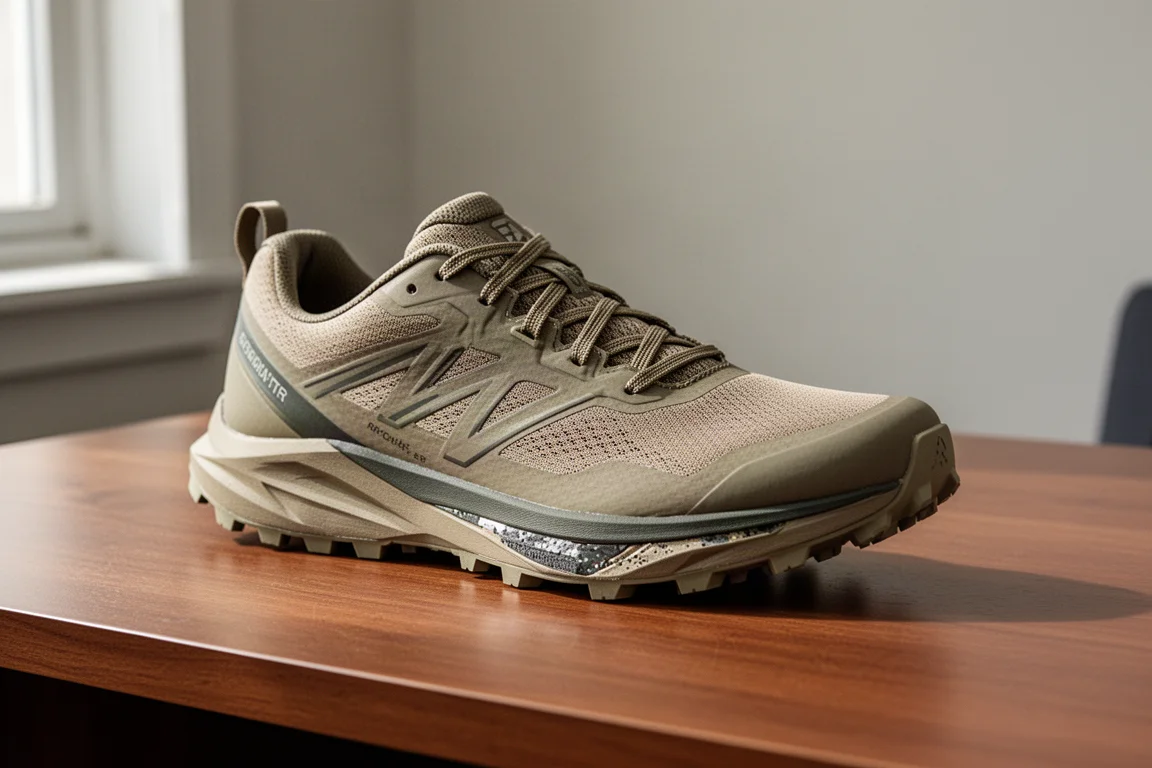
The Terra Kiger line has long been a favorite for runners who want a trail shoe that feels light and nimble rather than bulky, and the eighth version builds on that low, fast foundation. A Zoom Air unit sits in the forefoot, with React foam returning as the midsole material, a pairing that should keep the ride responsive underfoot if the foam formulation matches the good versions rather than the firmer ones.

The upper is the standout detail: it uses the same breathable mesh found on Nike’s fastest road racing shoes, which should help water drain out and heat escape on wet, messy runs. That makes the Terra Kiger 8 a genuinely interesting option as a wet-weather trail shoe. The previous version weighed around 319 grams in a UK size 11, so expectations are high that this one keeps the same featherweight feel. For lighter-framed runners who prefer agile trail shoes over max-cushion tanks, this is the one of the four we would actually pick up, ideally in the distinctive cayenne-style colorway.
Nike Wildhorse 7: Big, Bold and Built for Mountains
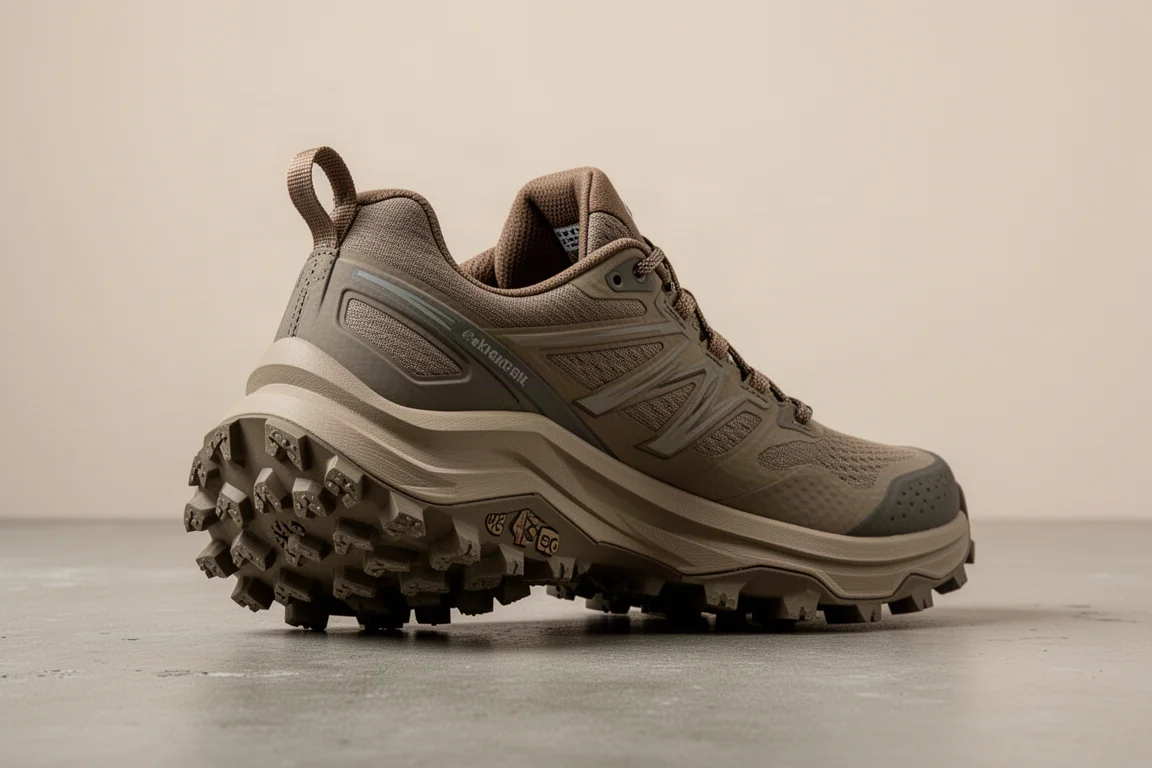
The Wildhorse 7 is a very different animal. Rubberized protrusions run along the medial and lateral sidewalls of the midsole, giving the shoe an aggressive, armored look that is clearly aimed at rugged terrain. At around 324 grams in a UK size 9, it runs heavy, and in larger sizes it lands closer to a traditional heavyweight trainer than a nimble trail runner.
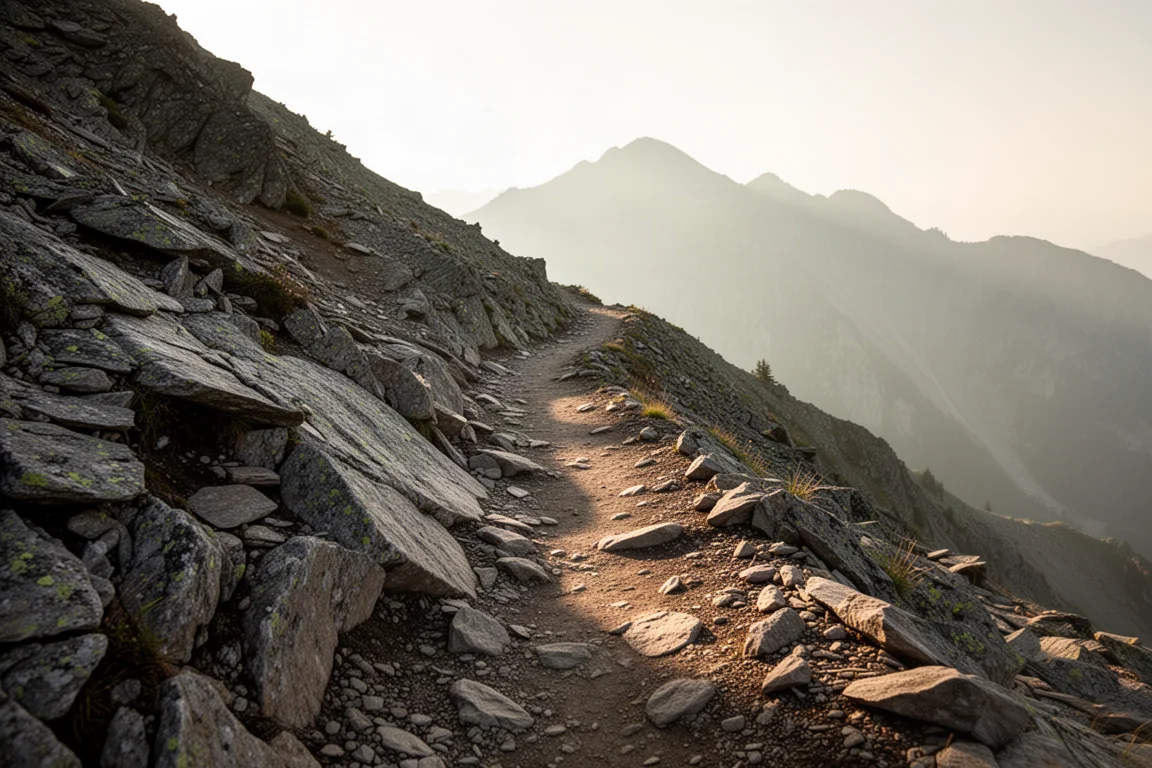
Nike has added a rock plate this time, and the shoe is best suited to runners covering genuinely rocky, mountainous trails. If your local routes consist of tame paths, park grass, or the occasional broken paving slab, most of what the Wildhorse offers will go unused. The asking price of around $110 is attractive for what you get, so for trail runners who regularly traverse hills and rocky high ground, it could be excellent value. For everyone else, the Terra Kiger 8 is likely the smarter pick from the Nike trail stable.
Adidas Adizero RC4: A Scaled-Back Trainer With a Pricing Question
The Adizero RC4 is a deliberately low-key release. Visually and structurally it reads as a scaled-down version of the Adizero Adios 6, using the same upper style, the same torsion plate for snap underfoot, and a very similar rubber outsole layout. The main change is the midsole: instead of a foam blend, the RC4 uses Lightstrike foam on its own, which is denser and firmer and typically needs some miles to soften up.

The catch is the price. At around £85, the RC4 sits only slightly below the Adios 6, which undercuts the historic appeal of the RC line as the cheaper, lighter option in the Adizero family. The shoe itself looks like a reasonable, honest daily trainer, but at this price it needs to prove itself before earning a confident recommendation. If you want an Adios-adjacent ride for less money, it may be worth waiting for early user feedback rather than buying on day one.
Brooks Hyperion Elite 3: More Stack, Lingering Doubts
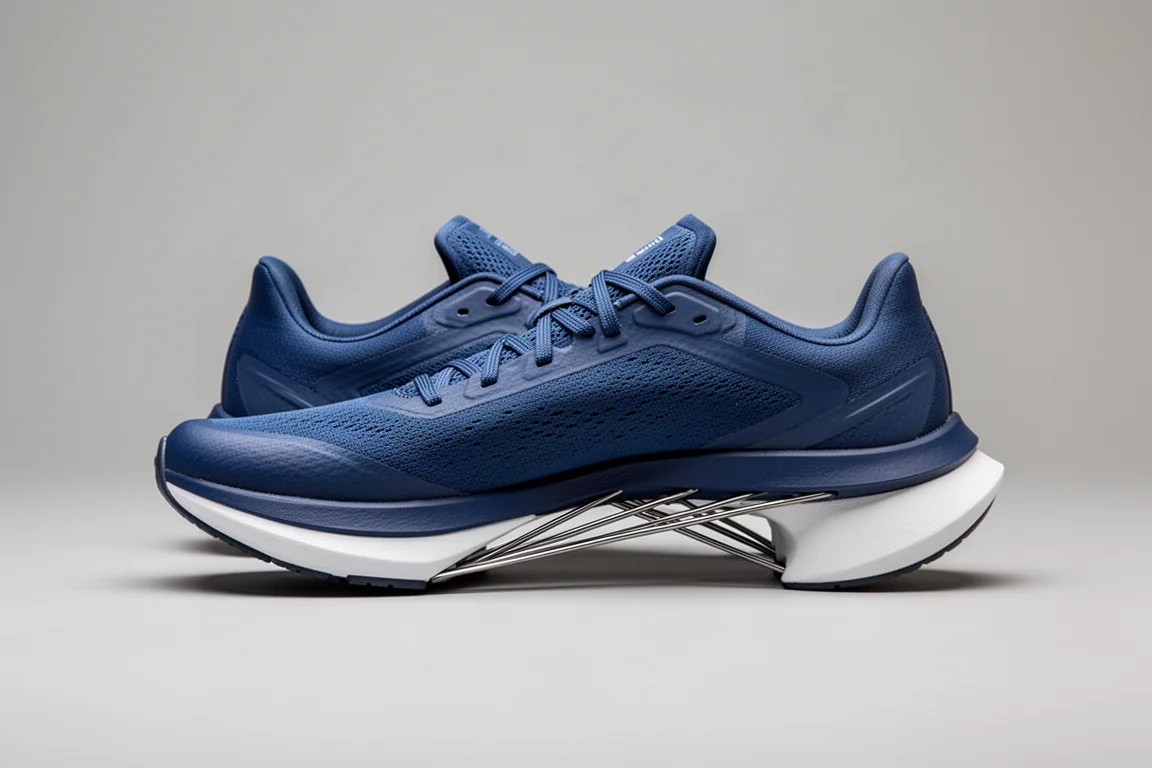
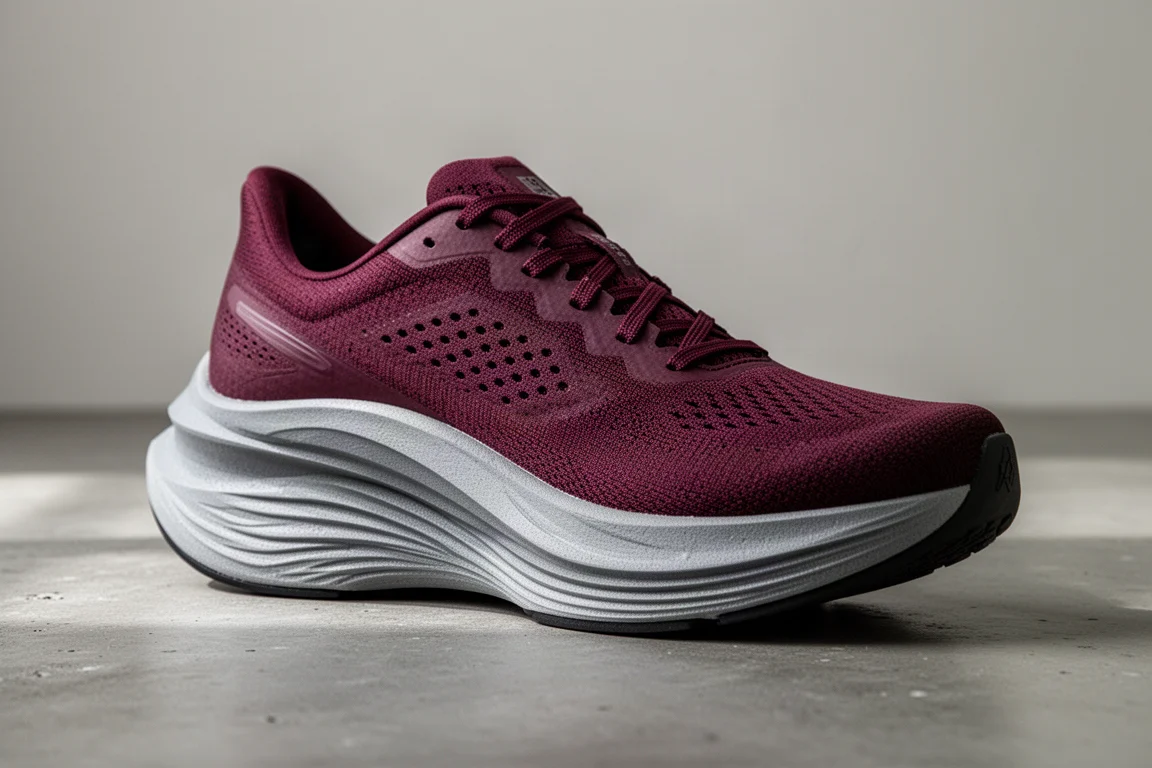
The Hyperion Elite 3 arrives with more stack height than before and a new knit-based upper, replacing the odd mix of silky and neoprene-like materials used on the Elite 2. Perforated laces carry over, and the outsole is reportedly unchanged, which was functional rather than exciting. The opening colorway is a subtle battleship grey with deep burgundy accents, a much quieter look than some of its flashier carbon-plated rivals.
The history here matters. The first Hyperion Elite sold poorly, the second version improved things but still left plenty of runners cold, and the cheaper, lower-stacked Hyperion Tempo remains the more versatile shoe in the family for many. The foam-plus-plate combination has not always gelled in this line, and a reported price around $250 does not ease the risk. Unless you are specifically drawn to the new stack height and upper, the safer advice is to wait for real-world reviews before committing, or look at the Hyperion Tempo instead.
Overall Buying Advice
Of the four, the Nike Terra Kiger 8 is the clearest early pick for trail runners who value a light, breathable shoe for wet and mixed conditions. The Wildhorse 7 makes sense only if rocky mountain terrain is a regular part of your running. The Adizero RC4 is a wait-and-see thanks to pricing that erodes its traditional value proposition, and the Hyperion Elite 3 carries the most risk given its track record and high asking price.
Match the shoe to the terrain you actually run, not the terrain you wish you ran, and most of these decisions make themselves.
Conclusion
This batch covers the full spectrum: a promising lightweight trail update, a rugged mountain specialist at a fair price, a simplified trainer with a pricing question mark, and a high-stacked racer that needs to win back trust. Pick based on where you run and how much risk you want to take on a first release.
Further reading
Related Reviews

Running Shoes
Best Road-to-Trail Running Shoes: Three Versatile Options for Mixed Terrain
A practical guide to three road-to-trail running shoes that handle both pavement and mild trails, with clear strengths and trade-offs for different runner types.

Running Shoes
Best Running Shoes for Achilles Tendonitis: Three Options Explained
Three running shoes with different heel drops and support features designed to help reduce Achilles tendon pain during walking and running.

Running Shoes
Best Running Shoes for Women: Five Top Choices Ranked
A ranked guide to five women's running shoes, from versatile daily trainers to high-performance racing options, with real strengths and trade-offs for each.