Running Shoes
Four New Running Shoes Reviewed: Adidas Supernova Rise, Craft NORD Light Speed, Skechers Go Run Ride 11 and Saucony Endorphin Pro 4
A fresh batch of upcoming running shoes gets a closer look, from a surprisingly Pebax-equipped Adidas daily trainer to the next Saucony super shoe.
Introduction
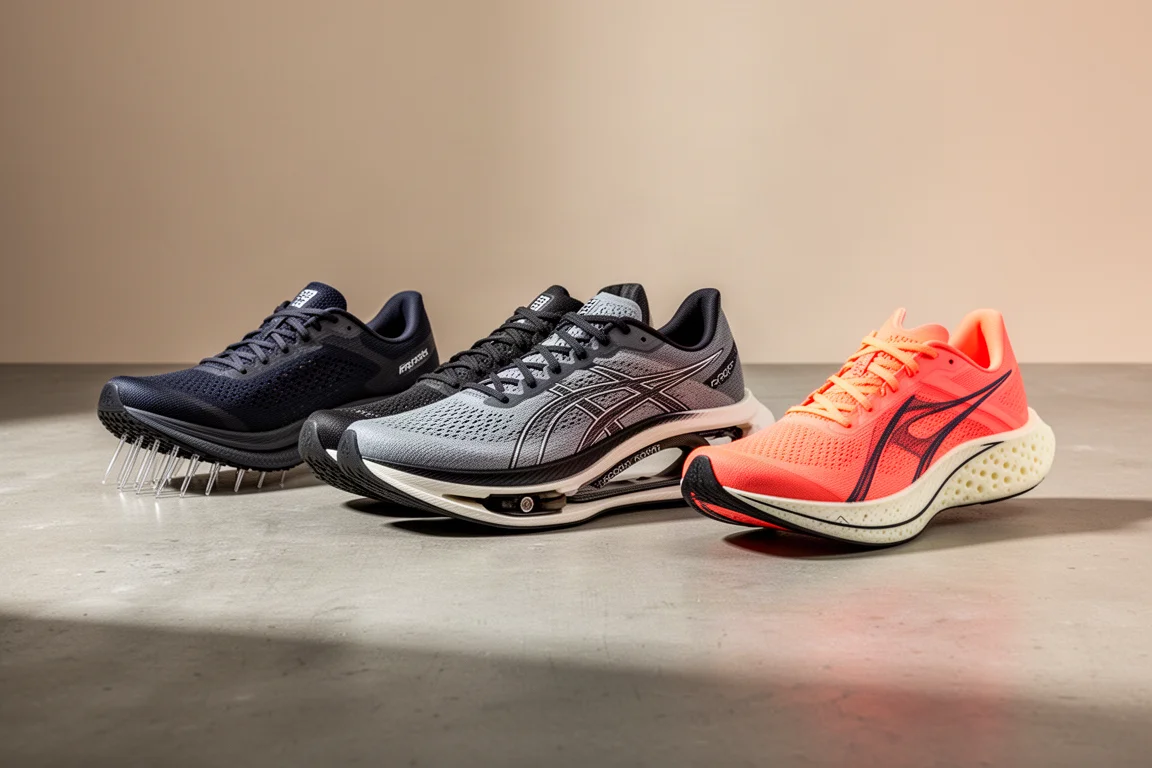
A new wave of running shoes is on the way, and the mix is an interesting one: a surprising Adidas daily trainer with Pebax-based foam, a high-priced plate racer from Craft, a long-requested Skechers trainer, and the next iteration of Saucony’s flagship super shoe. This is not a verdict on whether each pair is a triumph or a flop, but a practical look at what each shoe offers, who it might suit, and whether it earns a spot on a real test rotation.
Adidas Supernova Rise
The Supernova Rise is the headline surprise here, mainly because of what is in the midsole. Adidas has gone with Dreamstrike Plus, a Pebax-based foam, in a daily trainer, which few expected. Underneath that sits a layer of Repetitor foam, a material that has not been a favorite in previous Adidas footwear. There are also plastic rods positioned under the midsole, beneath the rubber and plastic of the outsole, an unusual setup that is a little perplexing.
The sample size weighs 277g (9.7 oz) in a US 9, with 36mm of heel stack. In larger sizes that pushes past 300g and likely over 40mm of heel stack, which places it in a category alongside shoes like the Endorphin Speed. Some see it as a potential competitor to the Boston model or a Vomero 17-style daily trainer, and it may well be the missing link in the Adidas lineup: a reasonably specced everyday trainer in the vein of the Brooks Hyperion Max or Saucony’s Speed 3. Still, it feels like Adidas joining the Pebax party a little late.
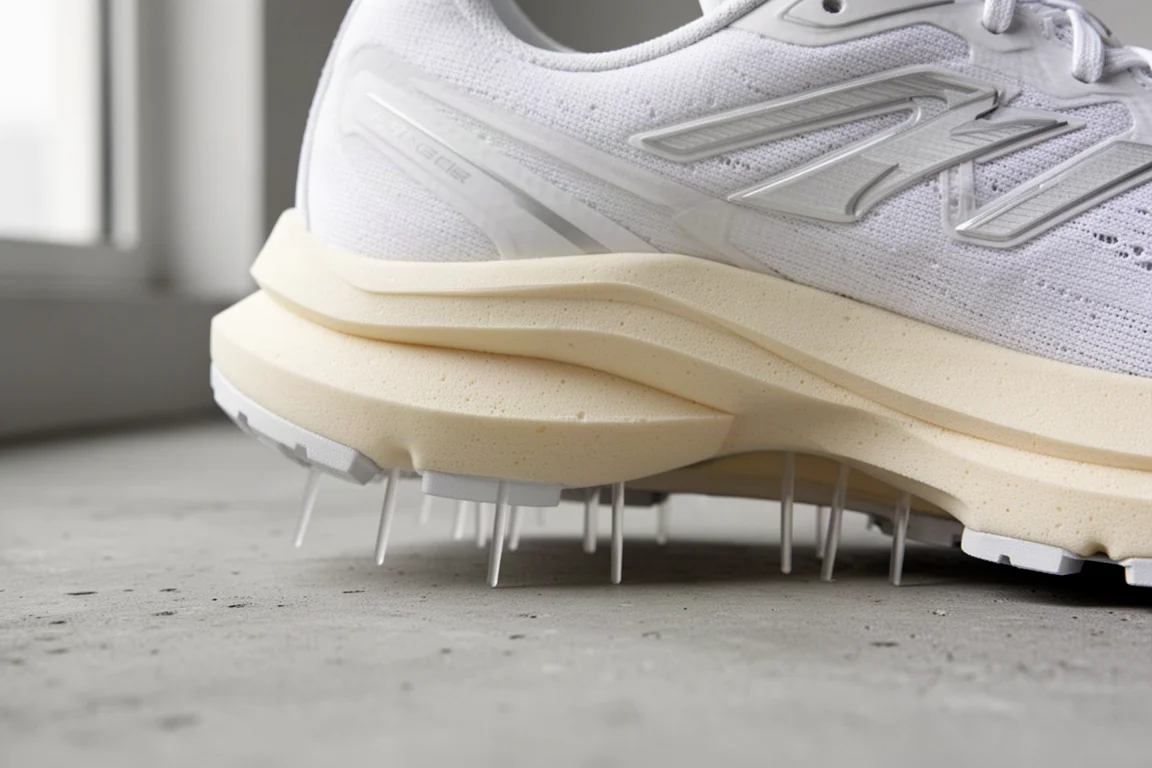
Priced at $140 with a December release, the main interest is less in the Rise itself and more in how Dreamstrike Plus gets used in future models. Other Supernova variants, the Solution and the Stride, are expected around February next year, with the Solution seemingly using the same underfoot rods. Adidas has also stated the shoe was developed with female athletes in mind, though it appears in both men’s and women’s sizing. There is nothing here that sparks immediate excitement, so for now this one stays off the list.
Craft NORD Light Speed
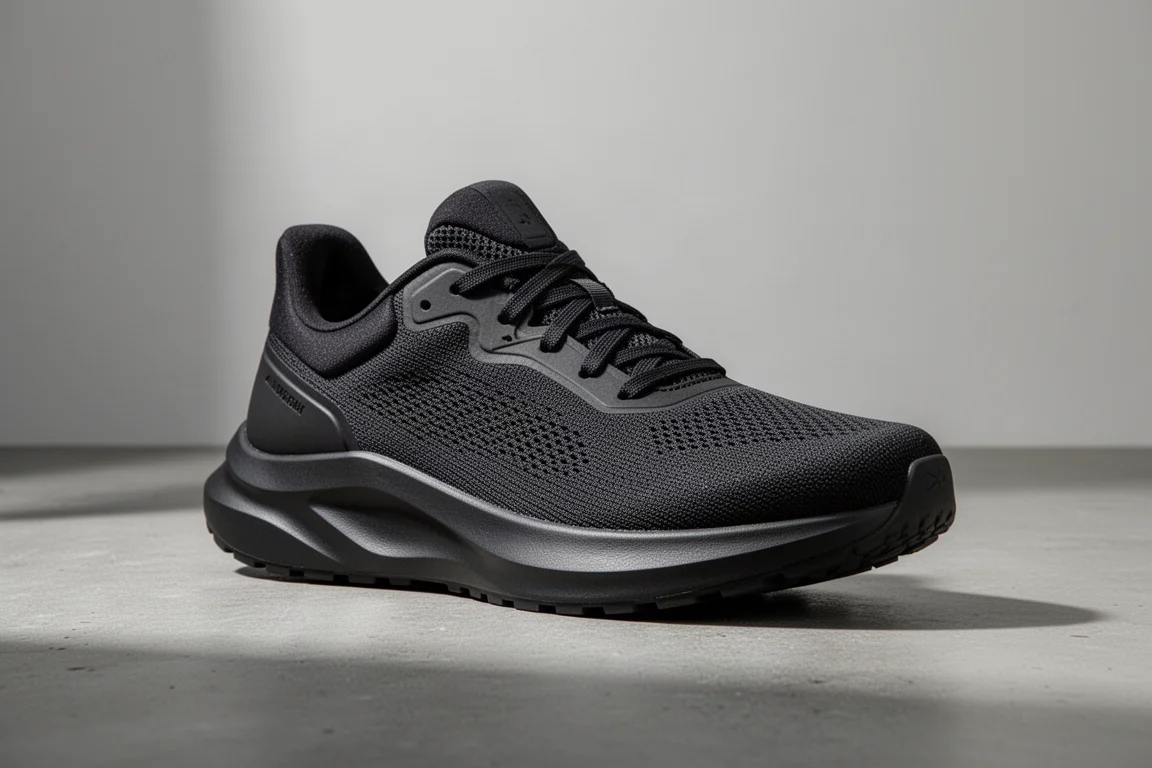
Craft’s NORD Light Speed is a plate-equipped shoe with a very simple upper design and a maxed-out 40mm stack height. At 255g (9 oz), it suggests a shoe capable of both racing and training, and at $220 you would hope it would do both well. That price is a tough sell for a brand that is not especially well known in the road running world, being perhaps better recognized in trail running.
The formula is familiar: super critical foam in the midsole with a split forked plate, essentially the same recipe as the Puma Deviate Nitro 2 with only a few millimeters difference in stack. With Vaporfly 3 available at around £175 in the UK, the cookie-cutter approach makes this a hard recommendation.
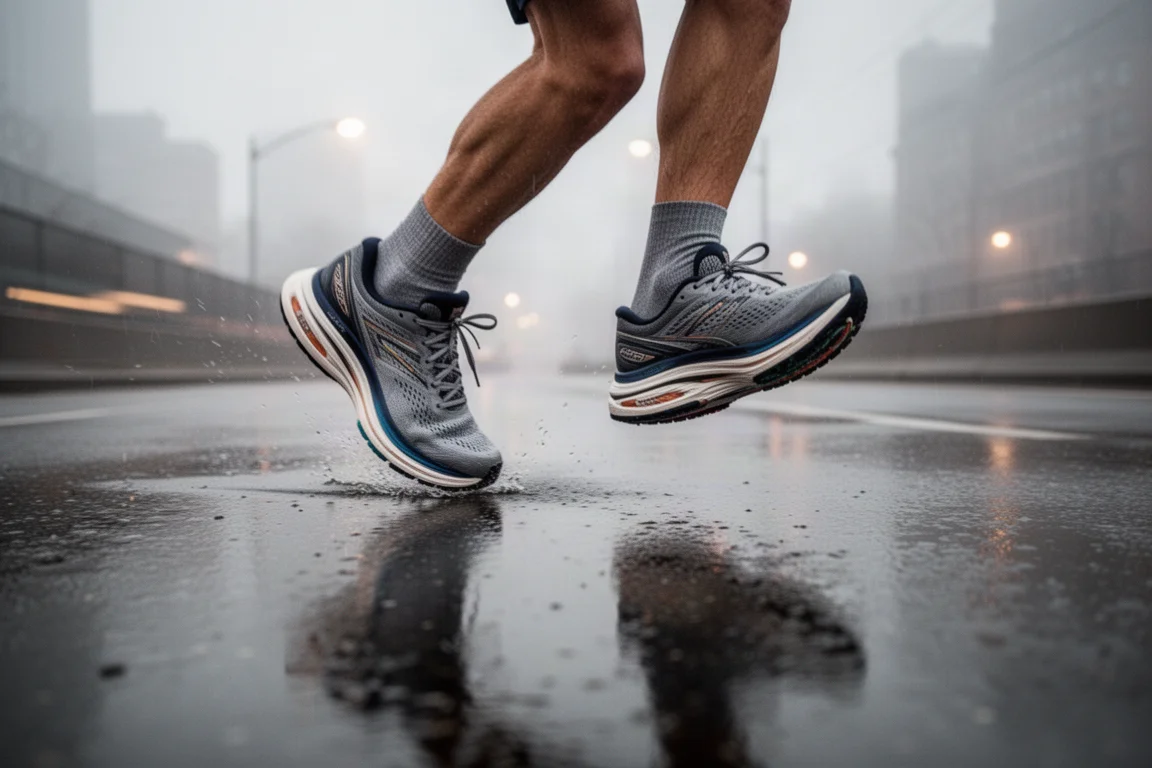
The main advantage is the chunkier outsole, which should hold up well, though the colorway is not ideal for boggy pavement routes and would struggle to stay clean. For now, this one is also a pass.
Skechers Go Run Ride 11
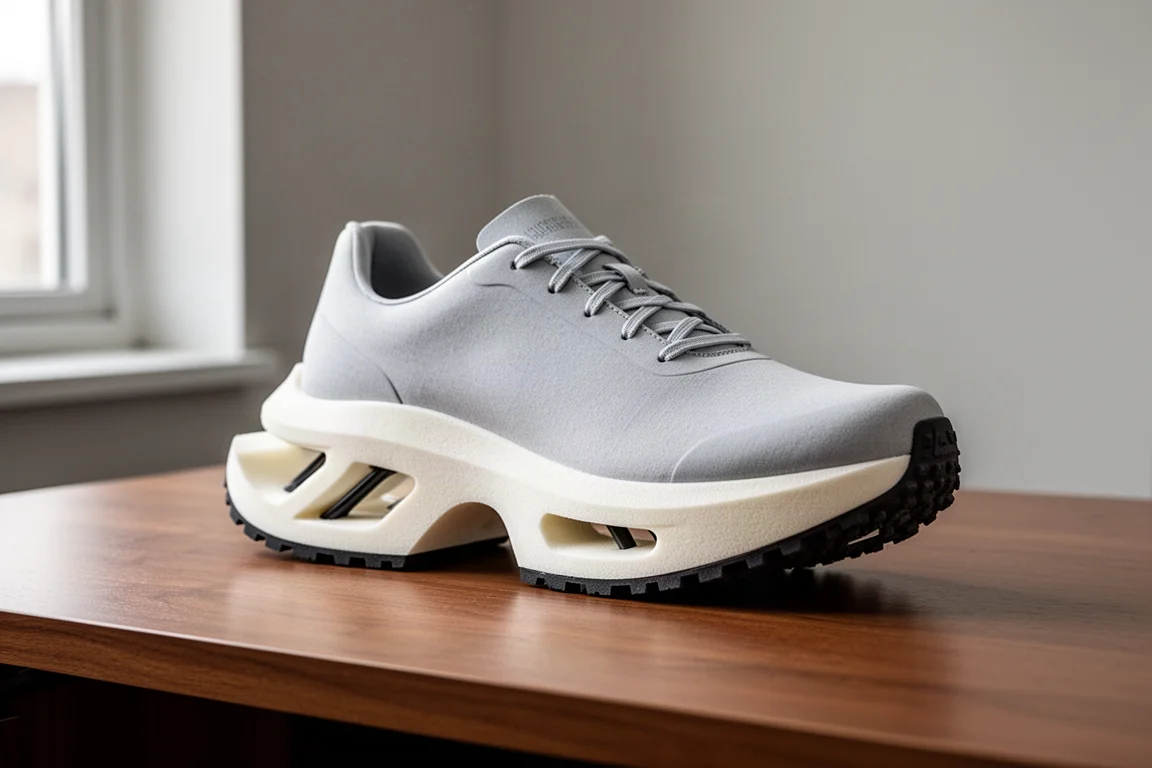
The Go Run Ride 11 is one of the most requested Skechers shoes around, largely because pairs are genuinely hard to come by in many regions. It offers 38mm of heel stack, 32mm in the forefoot, and around a 6mm drop, which on paper sounds similar to the Puma ForeverRun Nitro. The Hyper Burst midsole is presented in a dual-layer fashion with a carbon-infused plate inside, edging it closer to the Puma Deviate Nitro 2 in character.
Goodyear rubber outsoles are known for lasting, but Hyper Burst foam has a known weakness in past testing: it hardens noticeably in cold weather, so winter runners should expect a firmer ride.

The sample size weighs 281g, which will run well over 310g in larger sizes. At £135, the price is actually pretty good for a carbon-infused plate trainer. Still, a carbon-infused nylon plate and some new rubber are not quite enough to make this a compelling pickup without more conviction, so it remains on the sidelines for now.
Saucony Endorphin Pro 4
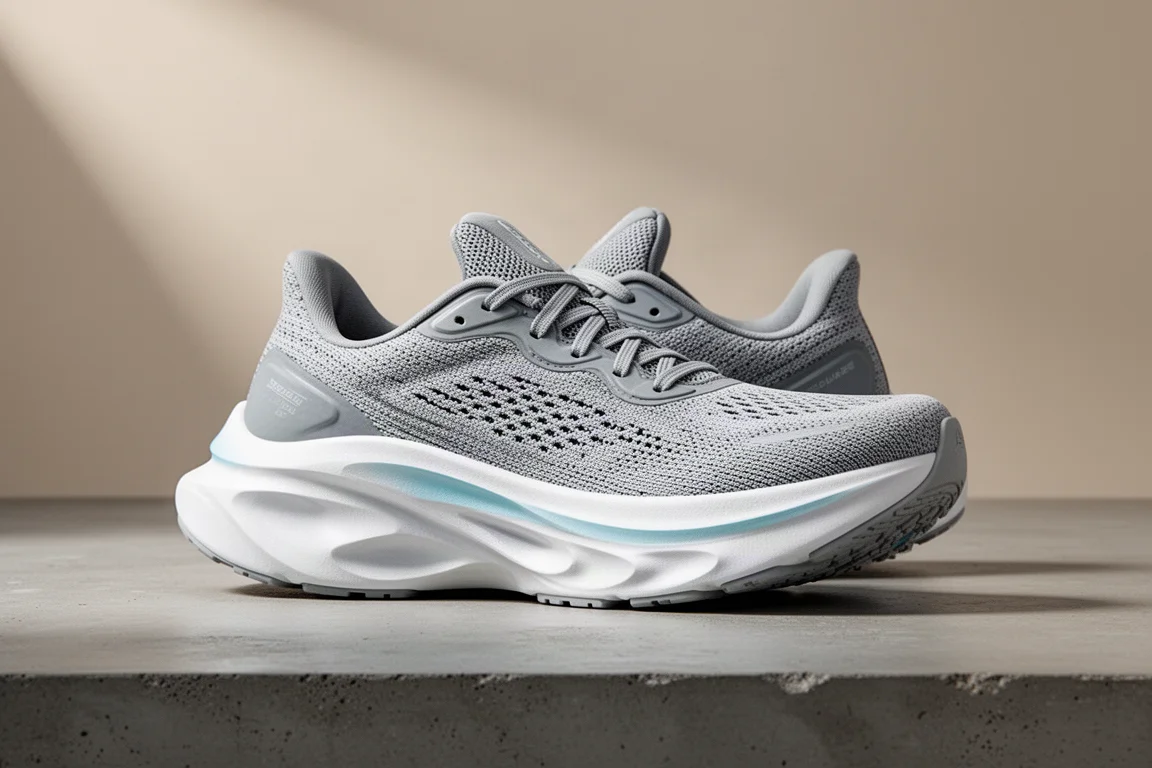
The Endorphin Pro 4 is the standout of the group and the easiest call to make. The midsole pairs PWRRUN PB with a core of PWRRUN HG, a blend of Saucony’s two premium foams. The HG foam is a highlight in the Endorphin Elite, though its midsole durability is a known concern, so Saucony has wisely contained the more fragile foam within a redesigned, very angular midsole. That redesign changes the ride: early testers report it is not quite as propulsive as the previous Pro, feeling a little less aggressive, though still soft and comfortable.
The outsole gains a more standard pattern with clearly more coverage on the lateral side of the heel, extending further back into the rear section of the shoe, which should help durability over marathon mileage. The upper keeps suede-like elements and fishnet designs but adds lace loops for the eyelets, a break from the Pro 3. The Pro 3 was exceptionally breathable and well fitting, if a touch narrow for some, and this version has less exposed midsole foam.
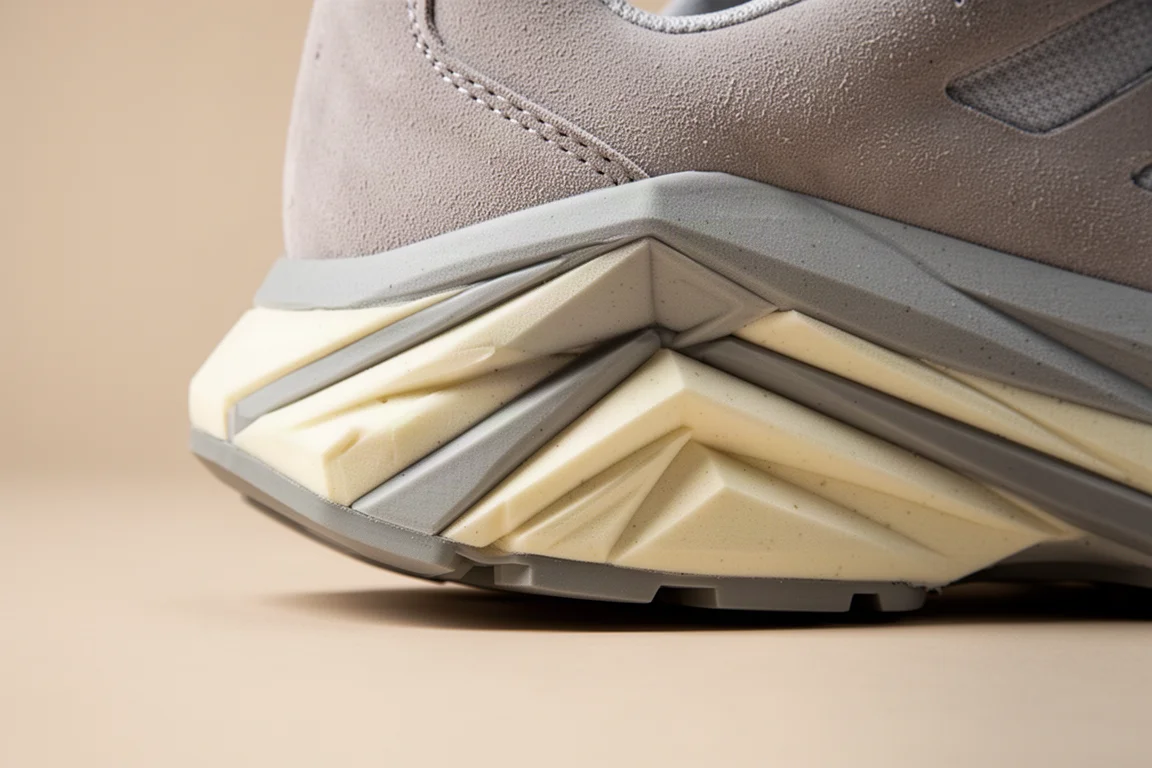
Weight is around 210g (7.4 oz) for the sample size, roughly the same as the Pro 3, with 40mm of stack. This is a definite yes, and one worth grabbing for hands-on testing as soon as a pair becomes available.
Overall Buying Advice
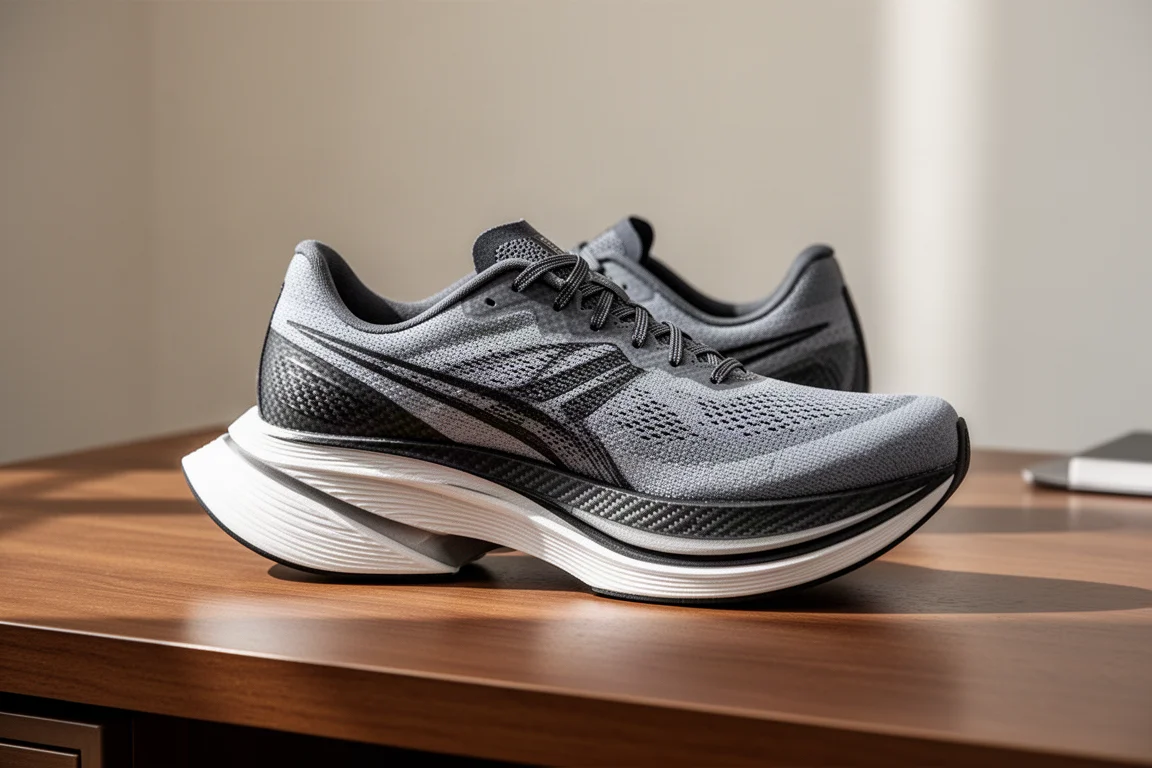
If you want a super shoe for racing, the Endorphin Pro 4 is the clear pick of this group, blending premium foams with improved outsole coverage. The Skechers Go Run Ride 11 is worth watching if you want a carbon-infused daily trainer at a reasonable price, provided you can find a pair and do not mind a firmer ride in cold weather. The Adidas Supernova Rise and Craft NORD Light Speed both leave open questions: Adidas’ new foam may shine in future models, and Craft’s offering is simply priced too high against better-established competition.
Conclusion
This batch shows how crowded the performance trainer market has become. Only the Endorphin Pro 4 generates real enthusiasm, while the other three each carry enough trade-offs to warrant patience. Waiting for more real-world testing, especially on the Supernova family and the Skechers, is the sensible move.
Further reading
Related Reviews

Running Shoes
Best Road-to-Trail Running Shoes: Three Versatile Options for Mixed Terrain
A practical guide to three road-to-trail running shoes that handle both pavement and mild trails, with clear strengths and trade-offs for different runner types.

Running Shoes
Best Running Shoes for Achilles Tendonitis: Three Options Explained
Three running shoes with different heel drops and support features designed to help reduce Achilles tendon pain during walking and running.

Running Shoes
Best Running Shoes for Women: Five Top Choices Ranked
A ranked guide to five women's running shoes, from versatile daily trainers to high-performance racing options, with real strengths and trade-offs for each.