Cycling Bikes
New Road and Gravel Bikes 2026: Cervelo R5, Trek Checkpoint, and Merida Scultura
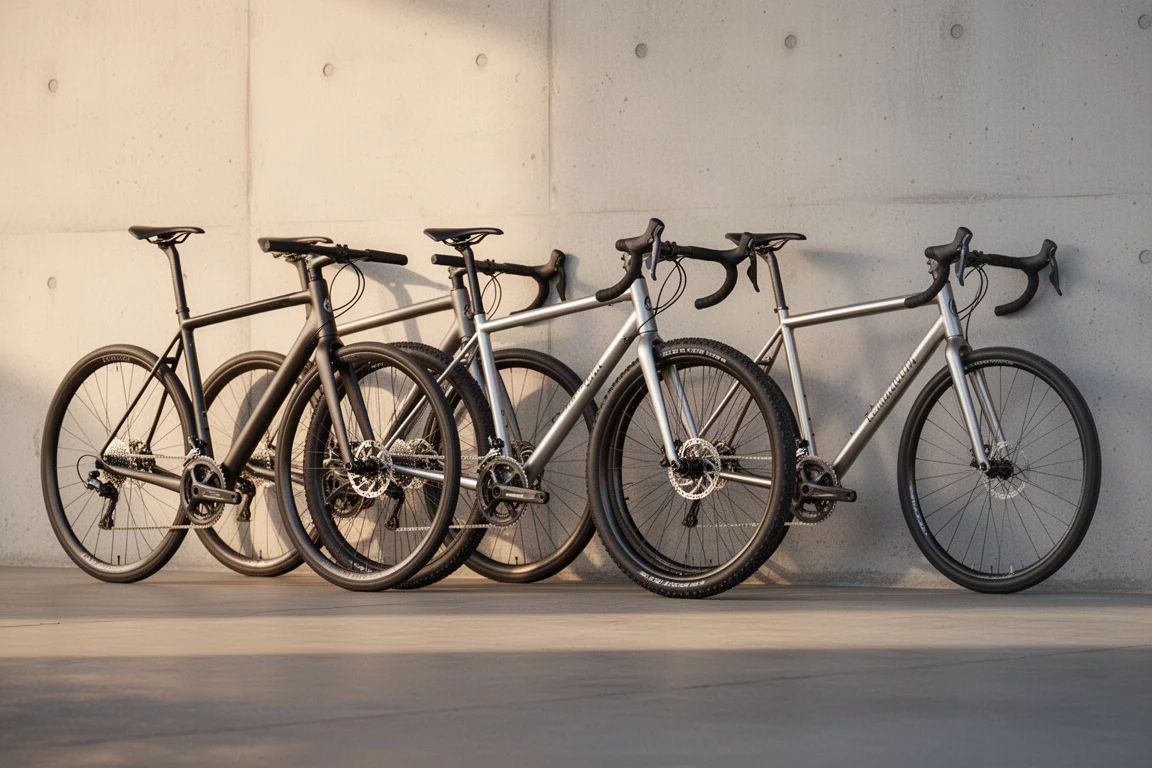
Five new road and gravel builds compared: the lighter, more compliant Cervelo R5, the three-model Trek Checkpoint range, and the fifth-generation Merida Scultura.
Introduction
New road and gravel bikes have been arriving slowly, so when three platforms land in the same window it is worth looking closely at what actually changed. The pattern across all of them is consistent: less emphasis on raw frame stiffness, more attention to compliance, and geometry borrowed from the mountain bike side of the sport.
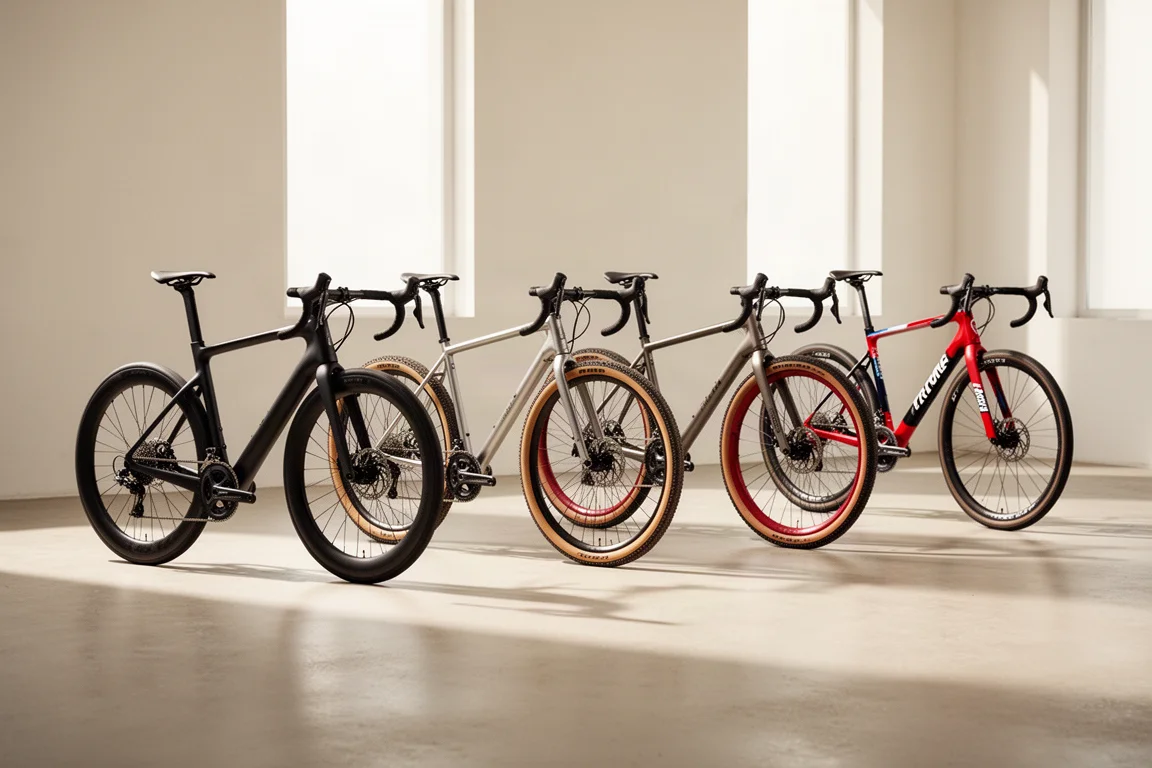
This roundup covers five builds. The Cervelo R5 is a World Tour climbing bike that has been softened at the front and lightened at the same time. The Trek Checkpoint range splits into a race-focused SLR, a bikepacking SL and an aluminium ALR. The Merida Scultura is the fifth generation of a race bike that undercuts the biggest names on price.
What Changed Across These Bikes
For years the story was simple: stiffer was better. These bikes show how far that has reversed. Cervelo deliberately reduced front-end stiffness on the R5 and reshaped the down tube to allow more flex. Trek moved its IsoSpeed decoupler from the seat tube junction to the top tube so ride quality stays consistent across frame sizes. Merida published a specific reduction in vertical stiffness between the bottom bracket and the saddle.
Two other themes run through the group. Progressive geometry, which means a longer front centre paired with a shorter stem so the rider’s effective reach stays the same, appears across the Trek Checkpoint range. And tyre clearance keeps growing: the R5 now takes 34mm tyres where the previous version took 28mm, while the Checkpoint range is built around wide gravel rubber.
Cervelo R5: Lighter, Softer, Still Fast
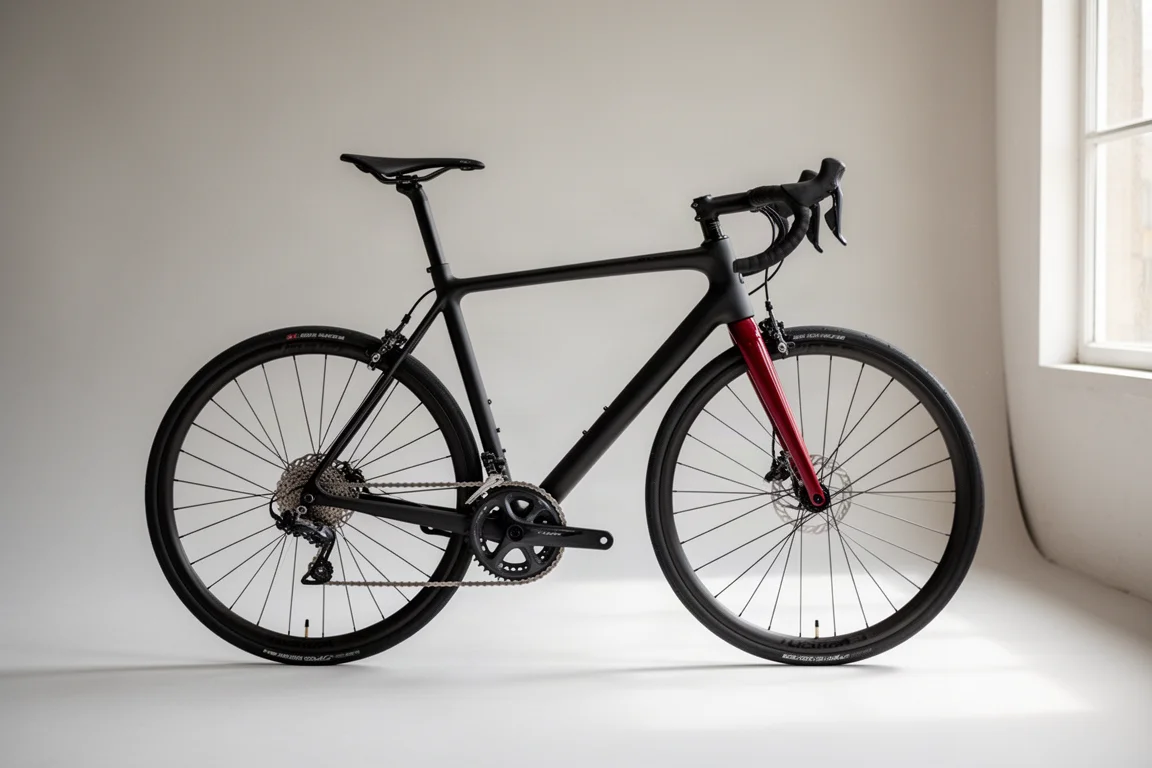
The R5 is Cervelo’s climbing platform, and this generation has already been raced at World Tour level, including a Grand Tour victory. Visually it stays close to the previous model, but the changes underneath are deliberate and, in one respect, unusual.
Cervelo reduced front-end stiffness rather than increasing it. Feedback from riders spending three weeks at a time on the bike was that the old R5 was too harsh up front, so the new version adds compliance at both ends. The down tube has been slimmed from the larger Squoval Max profile to a smaller Squoval shape, and the fork is straighter and less tapered. Lateral stiffness is unchanged, while longitudinal compliance is improved.
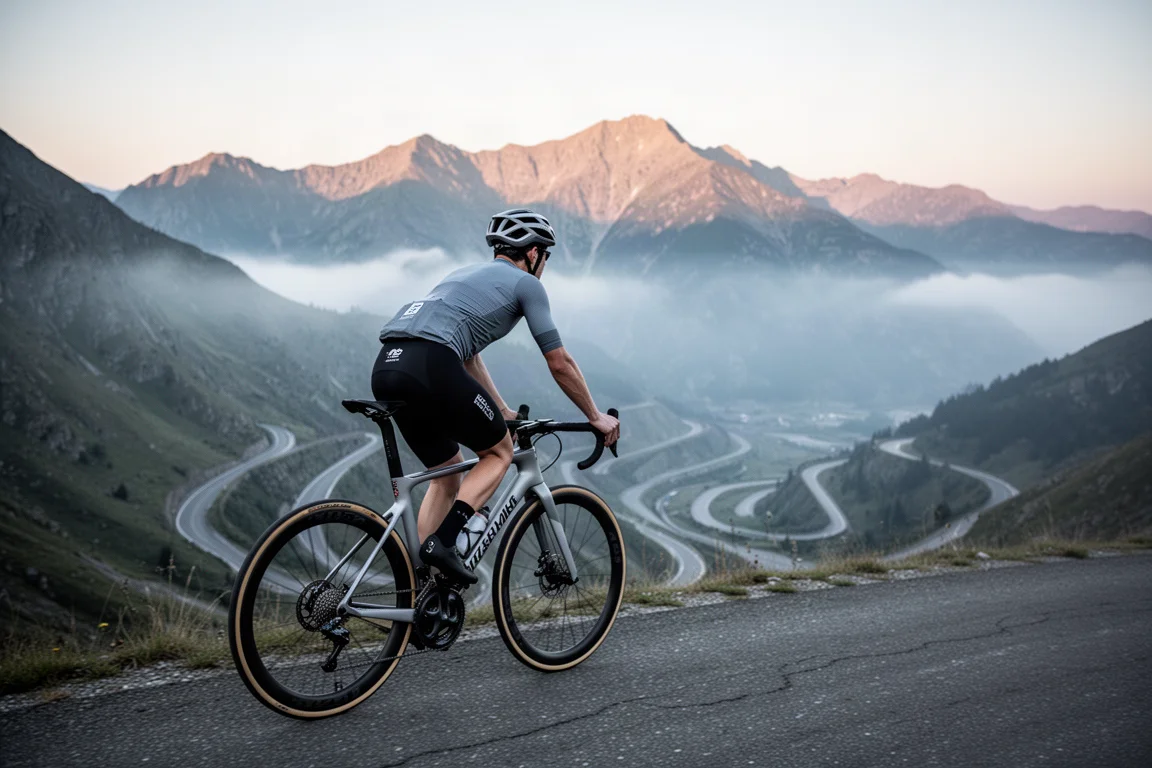
A revised carbon layup brings the claimed frame weight to 703 grams in a size 56, painted, which is 130 grams lighter than before. The aerodynamic profile suffered slightly as a result, so Cervelo compensated elsewhere: cables now run inside the head tube, the fork crown has a small chin that guides airflow into the down tube, and the seat clamp has moved inboard for a flatter rear profile. Cervelo claims the new R5 is slightly faster in the wind tunnel than the old one, though no figures have been published.
Geometry is untouched, with six sizes from 48 to 61 and half a millimetre added to fork trail to suit the wider tyre clearance. The bike ships with Reserve wheels using differential rim profiles, a fatter front and a more V-shaped rear, plus Cervelo’s own bar and stem with split proprietary spacers that still allow stack height adjustment.
Four builds are offered, all electronic and disc brake only: Dura-Ace Di2, Ultegra Di2, SRAM Red and SRAM Force. Power meters come only on the SRAM builds. The Dura-Ace Di2 and SRAM Red versions are priced at $12,000, while the SRAM Force build is £8,599 with a claimed weight of 7.3kg. One detail worth watching over time is the seatpost, which flexes noticeably under load; the clamp bolt sits directly beneath its cover.
Trek Checkpoint SLR: Race Gravel With Top Tube IsoSpeed
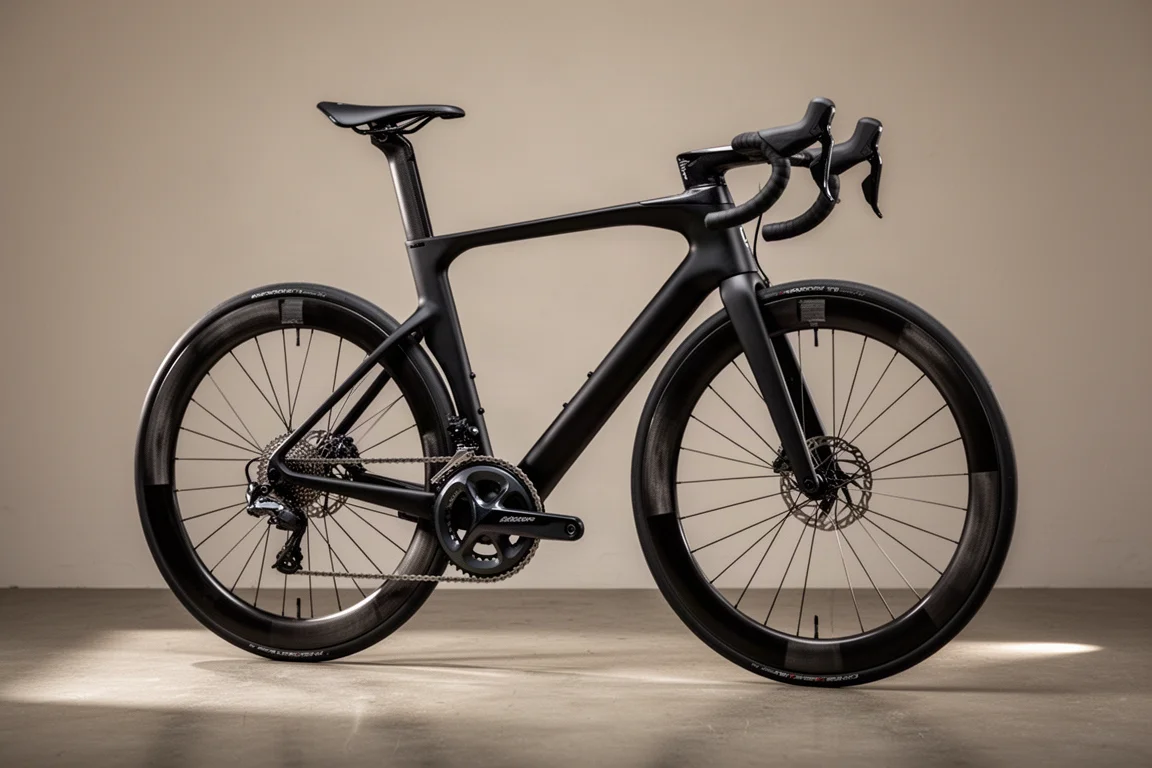
The Checkpoint is Trek’s gravel platform, and the new SLR sits at the top of it as the race-focused option. It uses OCLV 700 carbon, against OCLV 500 on the SL, but the more interesting difference is where the IsoSpeed decoupler has been placed.
On the SL, IsoSpeed sits in the traditional position at the junction of the seat tube and seat stays, where it lets the seat tube flex. On the SLR it has moved into the top tube, which takes it away from a structural part of the frame and makes the ride quality consistent across frame sizes. Trek notes that smaller frames got less flex from the traditional layout.
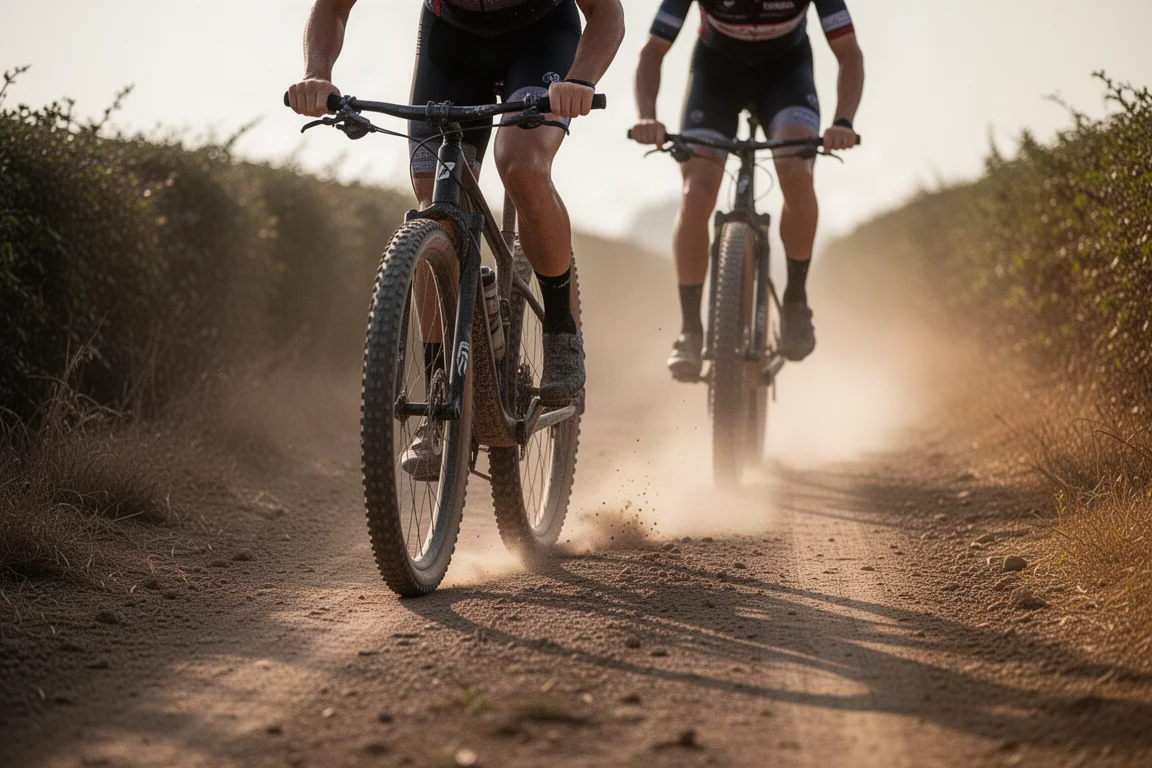
There is no front IsoSpeed anywhere in the range. Trek’s position is that once you fit a plush 40mm or 45mm tyre, tyre volume dominates front-end compliance and any additional benefit would be too subtle to notice. At the rear the decoupler still delivers roughly a centimetre of travel, and body weight amplifies the effect, which is why it was kept there.
The SLR drops features that Trek found riders were not using. The Stranglehold dropouts are gone, since they added weight, cost and complexity without being widely adopted. The SLR also has no rack mounts and no dropper post compatibility, and for structural reasons it cannot take a suspension fork. Hidden storage is present, as it is on the SL.
Geometry adopts the progressive approach: two centimetres added to front centre with a shorter stem and handlebar reach, so effective reach is unchanged but the length sits in the top tube. Cables are integrated on both the SLR and SL, routed through a spacer beneath the stem, but the system keeps round spacers and a traditional 31.8mm bar and stem, so you are not locked into proprietary cockpit parts. Trek’s reasoning is practical: integrated cables stay out of the way when bags are mounted.
Trek Checkpoint SL: Bikepacking Comfort
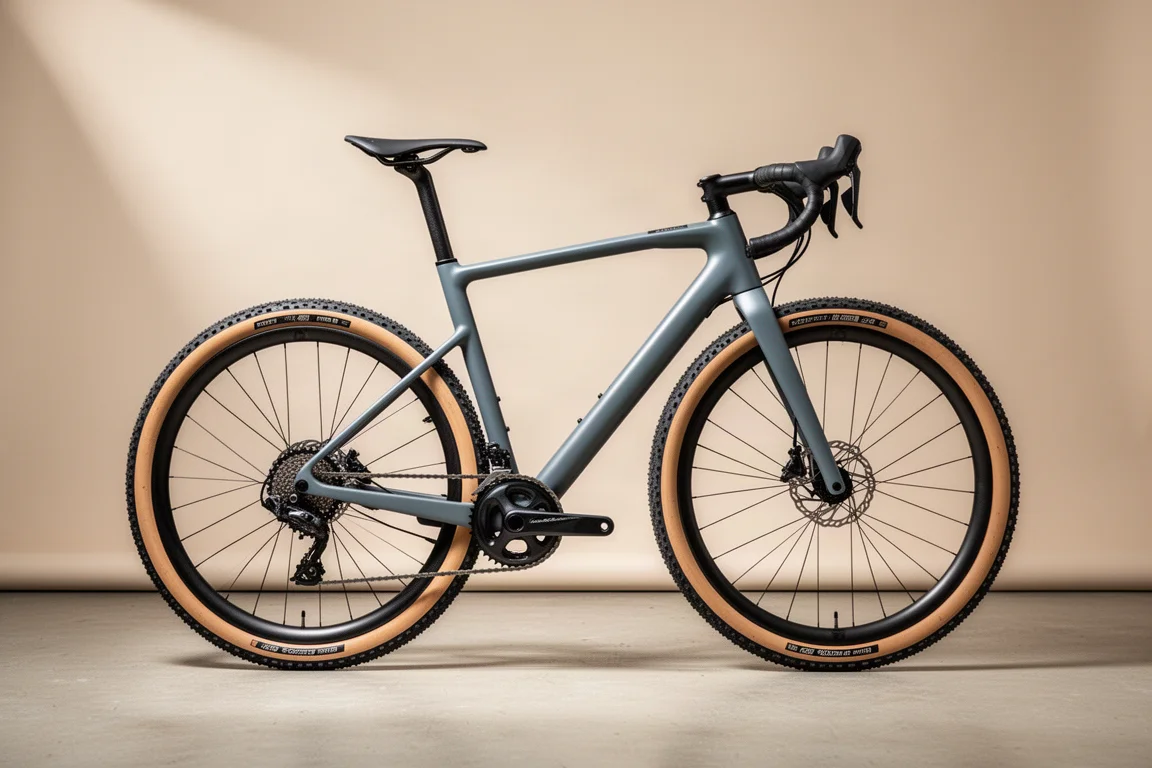
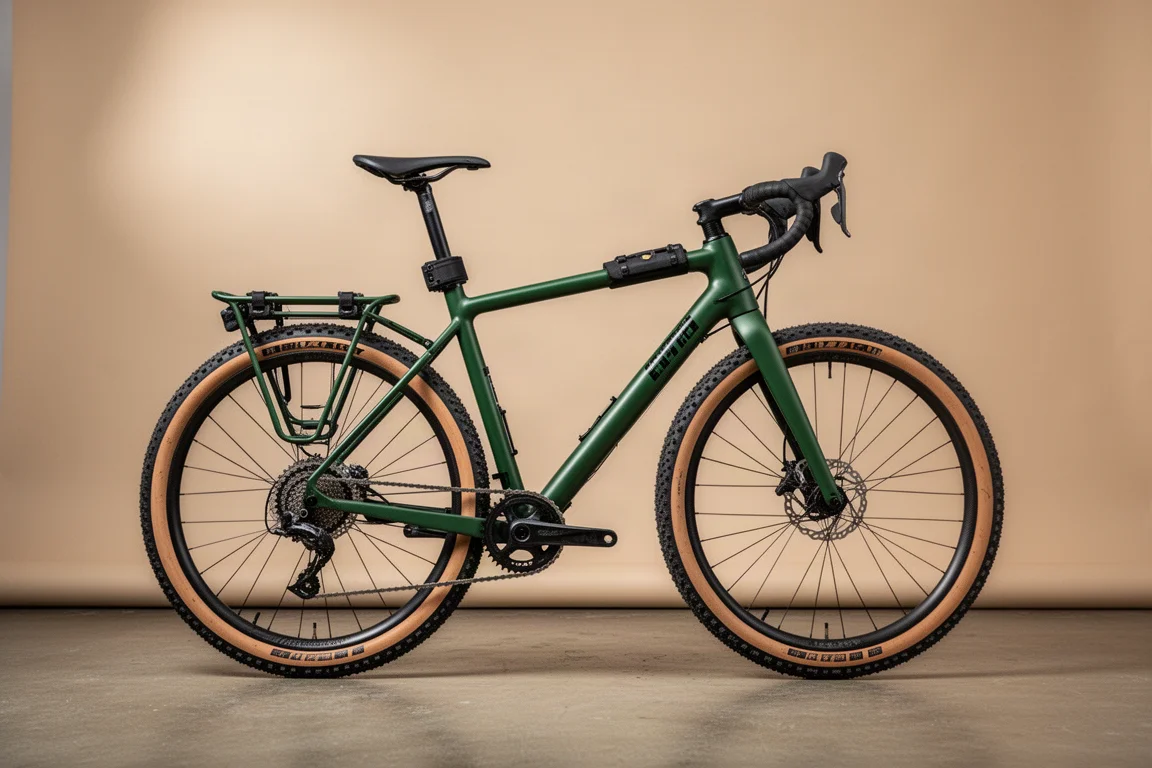
The SL is the bikepacking side of the Checkpoint range. It uses OCLV 500 carbon, keeps IsoSpeed in the traditional seat tube junction position, and retains dropper post compatibility, which is precisely why the top tube layout was reserved for the SLR.
It also keeps the rack mounts the SLR leaves out, and shares hidden storage and integrated cable routing. The same progressive geometry applies. For riders who want to carry luggage, Bontrager offers size-specific frame bags in six sizes that fit the frame mounts neatly, including well-hidden top tube mounts.
Trek Checkpoint ALR: The Aluminium Utility Option
The ALR is the aluminium model that continues alongside the two carbon versions, positioned as a utility machine rather than a race bike. It is the most accessible way into the Checkpoint platform and shares the range-wide move to wider tyre clearance and progressive geometry.
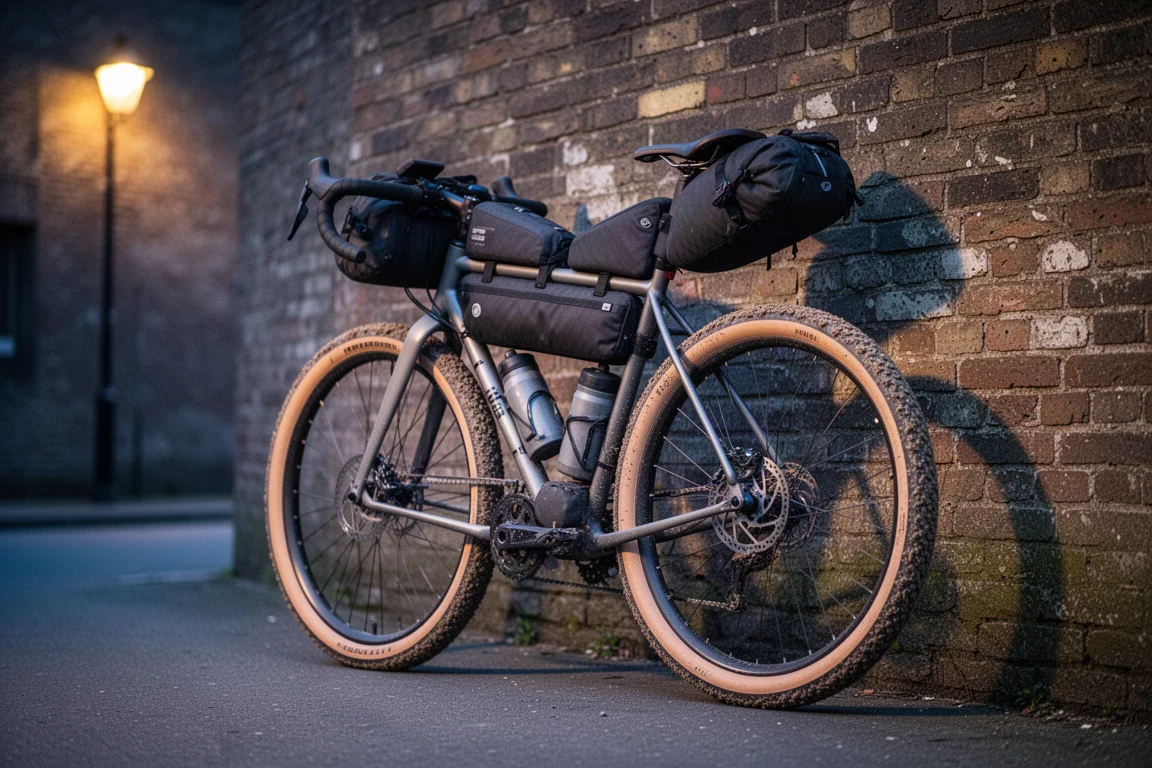
For riders who want a dependable gravel bike for commuting, light touring and mixed-surface rides rather than a race number, the ALR is the sensible entry point. The carbon models add the IsoSpeed decoupler and lighter layups; the ALR keeps things straightforward.
Merida Scultura: World Tour Performance at a Friendlier Price
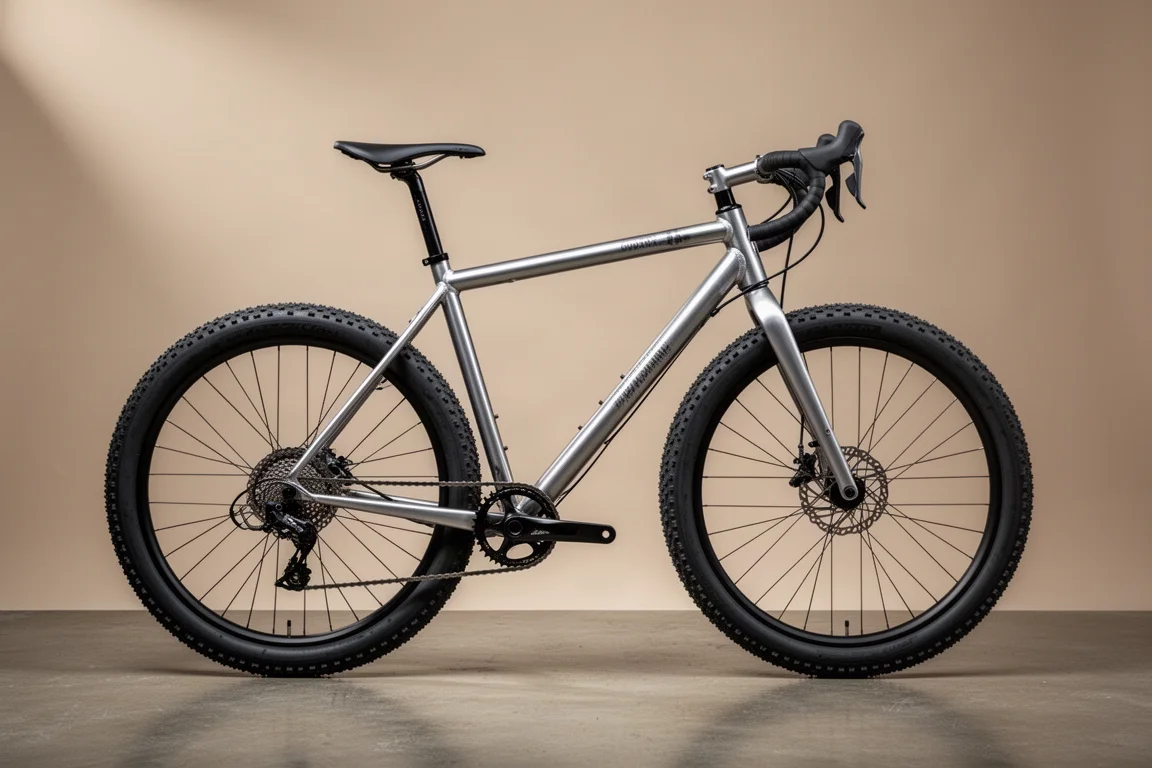
The Scultura is now in its fifth generation, and Merida’s claims are iterative but specific. The bike is more aerodynamic, lighter and slightly stiffer than the version it replaces.
The frame weighs a claimed 822 grams in a medium, 38 grams lighter than before. Merida also published compliance figures rather than vague percentages: vertical stiffness from the bottom bracket to the saddle drops from 111 newtons per millimetre of deflection to 80, which should be noticeable on rough surfaces. Bottom bracket stiffness is claimed to be unchanged.
Aerodynamics improved by a claimed 10 watts at 45km/h, helped by fully internal cables and dropped seat stays. No wind tunnel or testing protocol details were provided, so those numbers are best treated as manufacturer claims. Tyre clearance is quoted at 30mm, and the bike is shown on 28mm tyres with visibly generous room around the front mech.
Geometry carries over unchanged, using the same race geometry as Merida’s Reacto aero bikes. Disc coolers, a Merida-specific feature, act as heat sinks to reduce heat build-up from the rotors under braking. The rear mech hanger feels notably sturdy, which matters for a part designed to bend before the frame does.
At launch only the top specification is available, in team colours with Dura-Ace Di2. Merida says more builds will follow at more affordable price points. The bike undercuts the biggest brands on price, and Merida’s factories build frames for several of those brands, so the quality is there even if the badge carries less cachet.
Buying Advice
Matching the bike to the riding you actually do matters more than the spec sheet here.
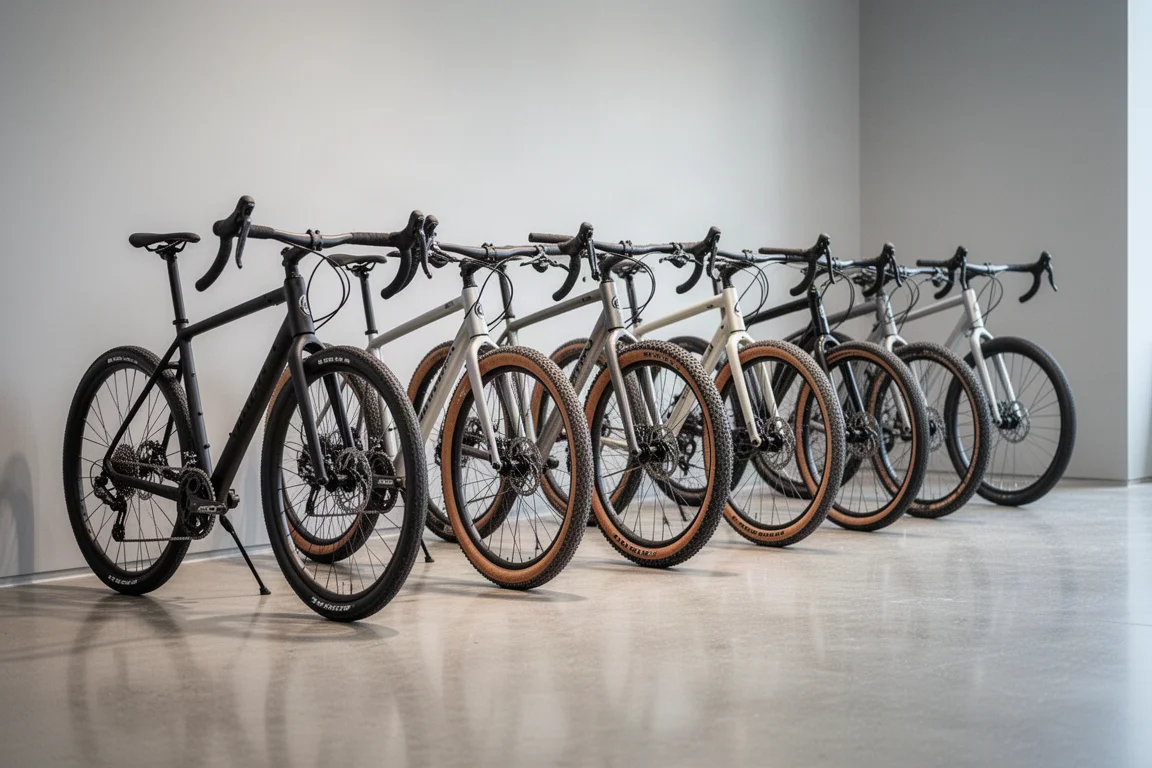
If you want a light climbing bike and you ride mostly on good tarmac, the Cervelo R5 is the obvious pick, and the SRAM builds add a power meter for the same money as the Dura-Ace Di2 version. If your riding is mixed surface, the Checkpoint range splits cleanly: the SLR for fast gravel racing, the SL with dropper and rack mounts for bikepacking, and the ALR for utility and everyday use. If you want World Tour level equipment without flagship brand pricing, the Merida Scultura is the value option, with the caveat that only the top build is available at launch.
Two practical notes. Electronic-only and disc-only designs like the R5 mean there is no mechanical or rim brake route, so factor that into long-term ownership. And on the R5, the proprietary seatpost is worth keeping an eye on, since replacement depends entirely on Cervelo continuing to supply it.
Conclusion
The theme across all three platforms is the same: less stiffness for its own sake, more compliance where riders actually feel it, and geometry that puts length in the frame rather than the stem. The Cervelo R5 is lighter and more forgiving than before. The Trek Checkpoint range covers racing, bikepacking and utility from one platform. The Merida Scultura delivers top-tier equipment at a price below the biggest names. Whichever you choose, the changes here are the kind you notice on a long ride rather than in a showroom.
Further reading
Related Reviews
Cycling Bikes
Best Bikes by Budget 2026: What £1,000, £3,000 and £5,000 Buys
A practical guide to the bikes worth considering at three price points, from aluminum gravel bikes to carbon road machines, with the trade-offs explained.
Cycling Bikes
Best Bikes for Mixed Off-Road Terrain: Three Approaches Tested
A steel cross-country hardtail, a lightweight full suspension cross-country bike, and a mountain-bike-leaning gravel bike compared for long mixed off-road days.
Cycling Bikes
10 Road and Gravel Bikes Worth Knowing: Workshop Favorites
Ten road, gravel and all-road frames that hold up in daily workshop use, from Italian stainless steel to titanium, steel and hand-woven carbon.