Outdoor Gear
New Outdoor Gear Worth Watching: 8 Standouts from Outdoor Retailer
A practical look at eight new outdoor gear items, from ultralight titanium pots to high-R-value sleeping pads.
Introduction
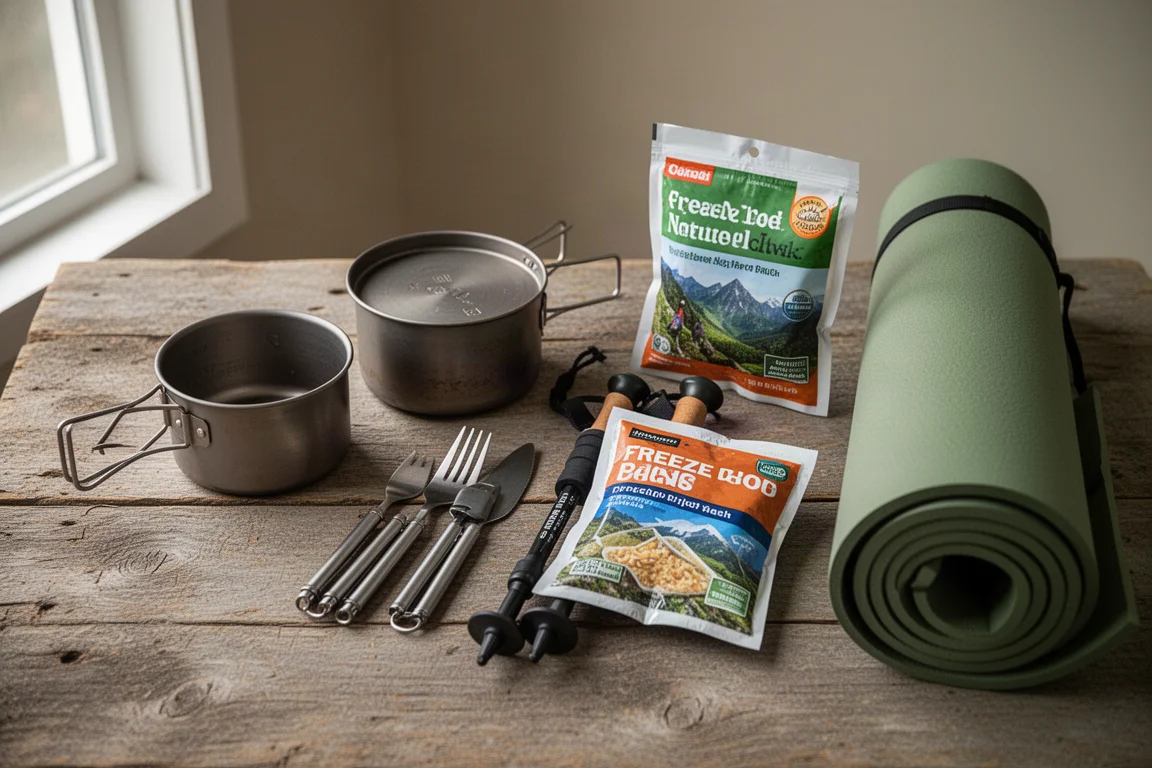
Outdoor Retailer is North America’s largest trade show for everything from backpacking to overlanding. Each year, brands bring new and unreleased gear to Salt Lake City. This roundup focuses on eight items that stood out for clear reasons: lighter cook pots, a better cutlery set, odor-fighting laundry care, titanium trekking poles, improved freeze-dried meals, and a sleeping pad that challenges the established warmth leader. We have included two reference products, the Toaks 750ml Titanium Pot and the Therm-a-Rest XTherm, because they help frame what the new gear improves upon.
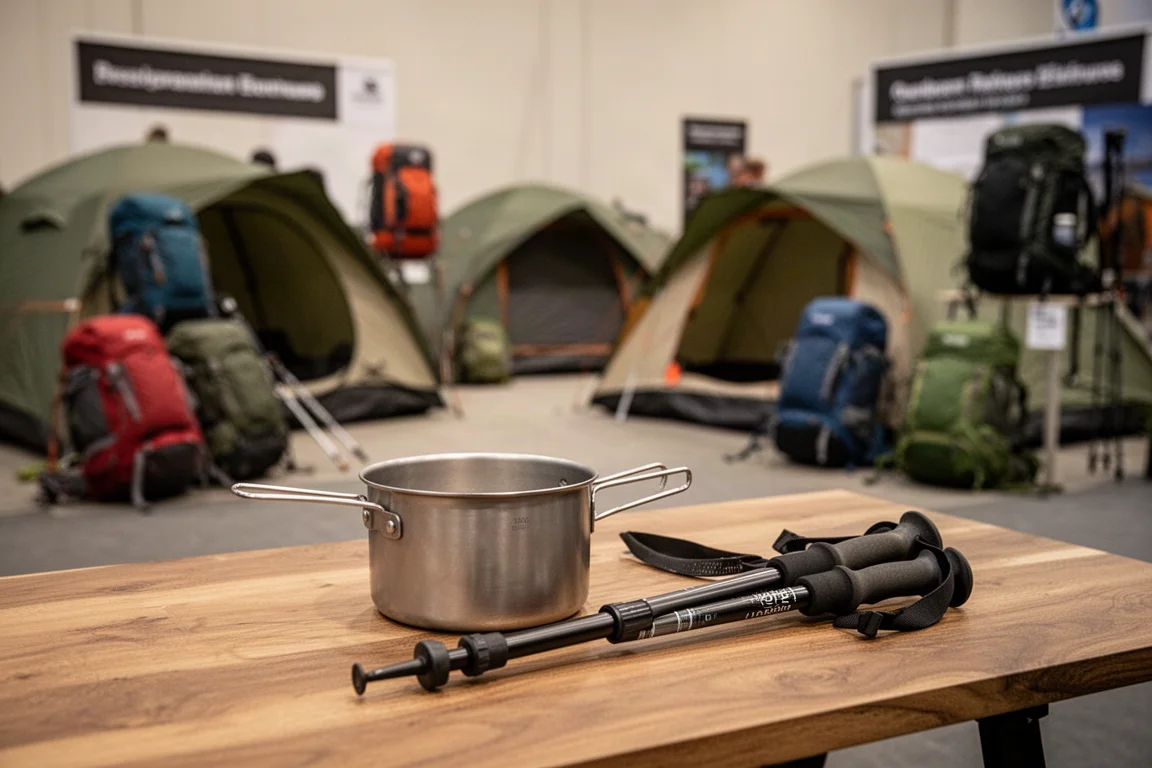
The most interesting releases are not always the flashiest. Often, they solve small but real annoyances on the trail, like hot pot handles, short spoons, or sleeping pads that are warm but heavy. Here is what to know about each one.
Soto 750ml Titanium Pot
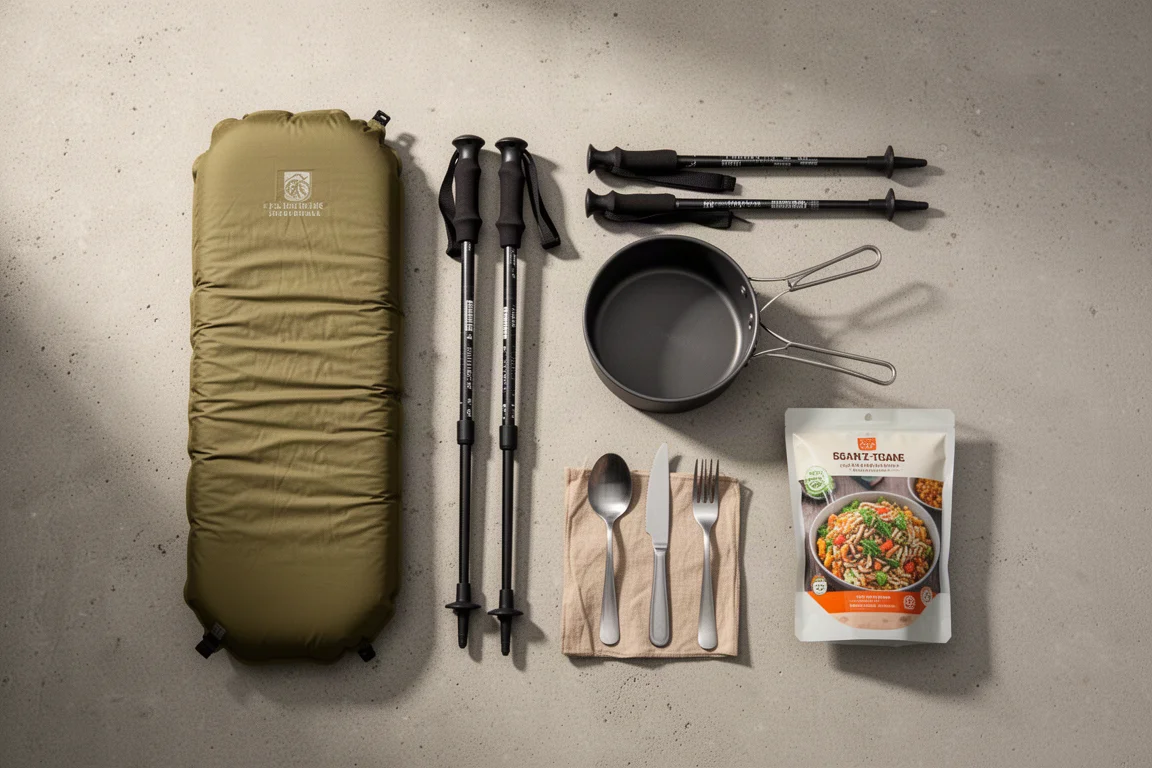
Soto has made the lightest cook pot even lighter by reducing the wall thickness. This 750ml titanium pot is only 0.3 millimeters thick and weighs a mere 2.5 ounces. For comparison, a typical Toaks 750ml titanium pot weighs 3.6 ounces. One ounce may not sound significant, but for ultralight backpackers counting every gram, it matters. The Soto pot has a smooth, handle-free design. That means you need a separate pot grabber to lift it safely. Soto offers a pot grabber that weighs about 18 grams, which brings the total weight to roughly half an ounce more than the bare pot. Even with the grabber, it remains lighter than the Toaks. The Soto pot costs $41.95.
Toaks 750ml Titanium Pot
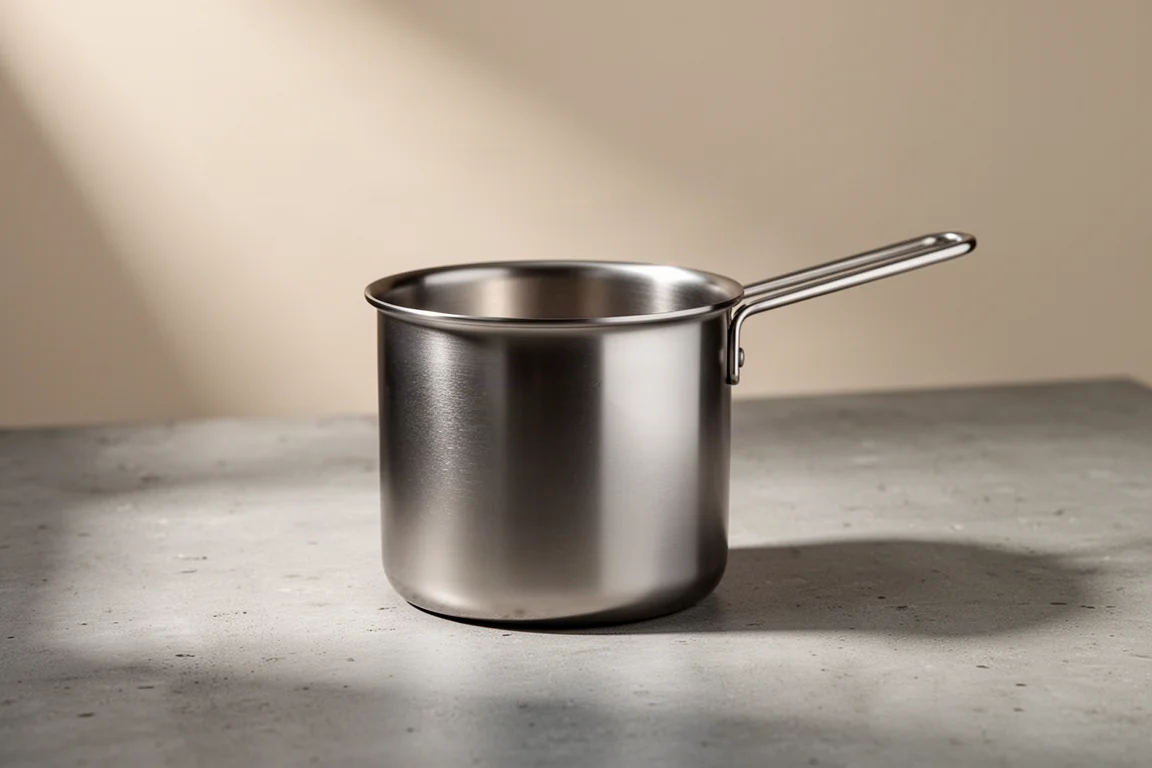
The Toaks 750ml Titanium Pot is a familiar reference point for lightweight backpackers. It weighs 3.6 ounces and has small, nubby handles. Those handles can get hot, so many users carry a pot grabber to avoid burns. It is a proven design that has served thousands of hikers well. If you already own a Toaks pot, the Soto offers a weight saving, but it also requires a grabber. The Toaks remains a solid choice for anyone who prefers built-in handles and does not mind the extra ounce.
Jetboil Telescoping Cutlery Set
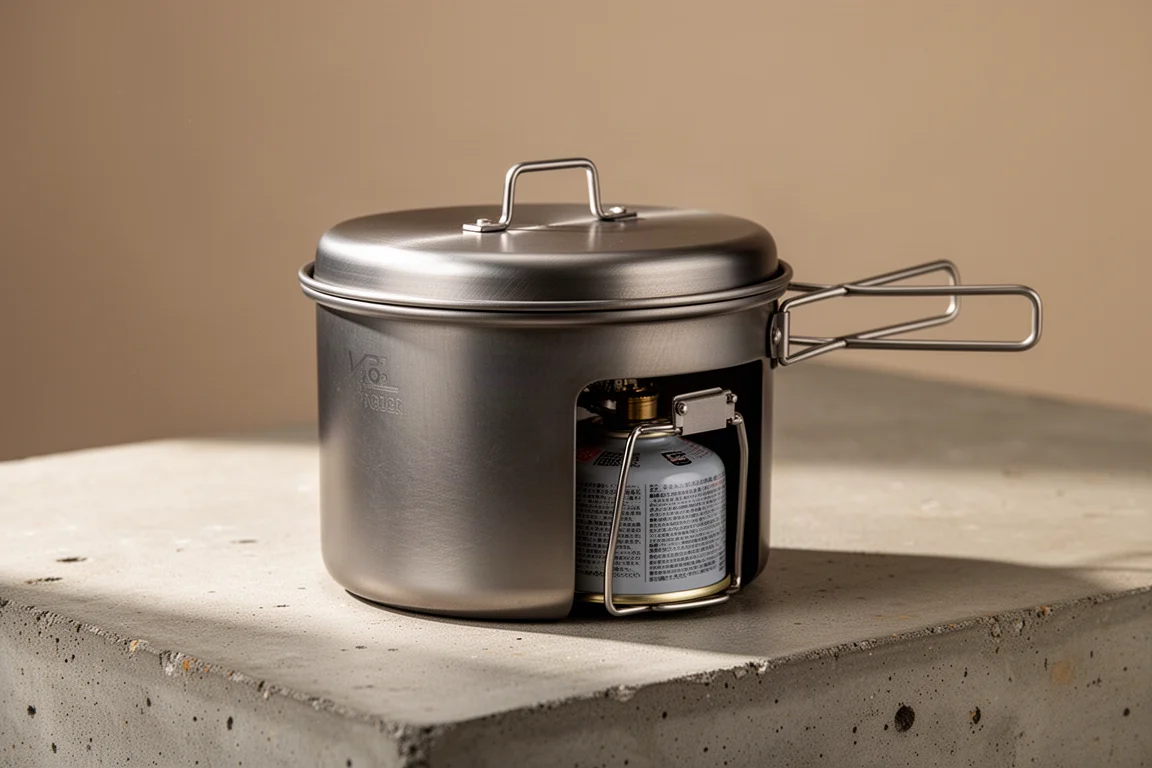
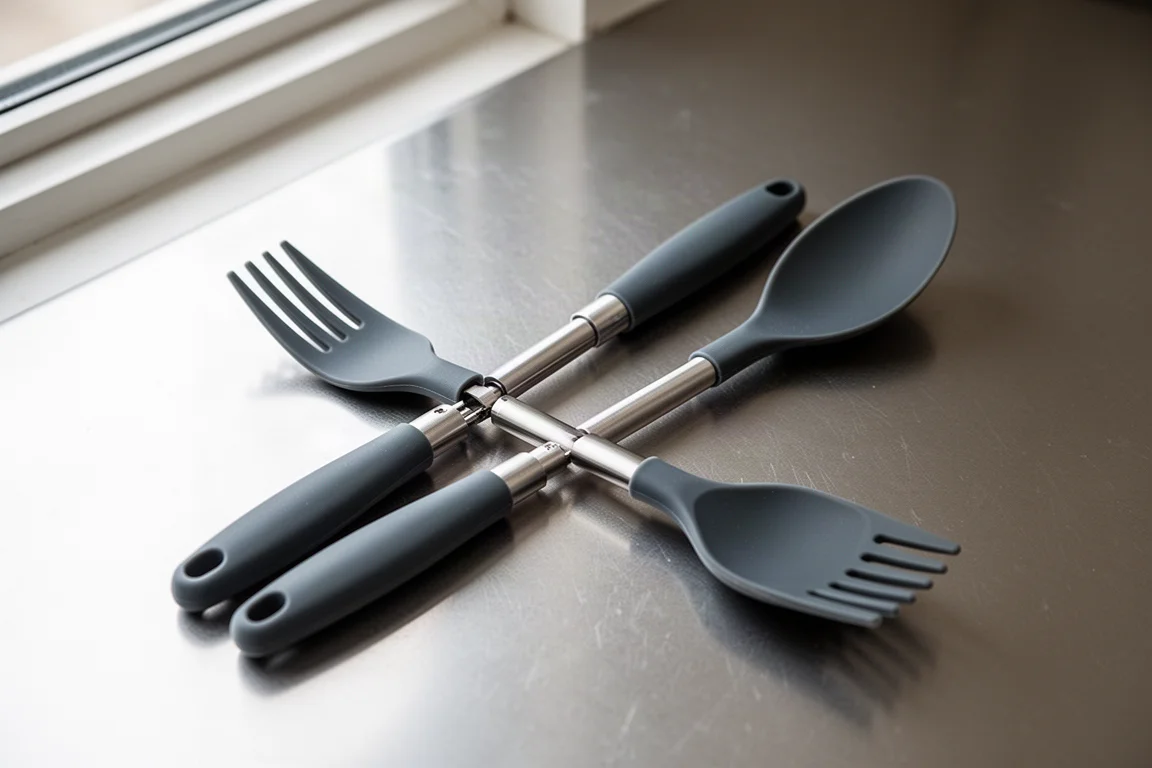
Jetboil’s new telescoping cutlery set is a small but welcome upgrade for backcountry meals. Both the fork and the spoon extend for better reach into deep freeze-dried meal pouches. The spoon has silicone edges that let you scrape the inside of pots without scratching the titanium or nonstick surfaces. The set is designed to address a common frustration: standard sporks and short spoons force your mouth into awkward positions and do not reach the bottom of tall pouches. The telescoping fork and spoon extend to a more comfortable length. The spoon costs $9.99, and the full set costs $14.99. For anyone who eats freeze-dried meals regularly, this is a practical addition.
The silicone scraping edge is the standout detail. It protects cookware and helps you get every last bit of food, which matters when you are hungry and miles from the trailhead.
Nikwax High Power Deodorizing Wash
Nikwax has developed a new high power deodorizing wash for synthetic outdoor clothing. Natural antimicrobial fabrics often do not perform as well as synthetics, and synthetics tend to hold odor. This wash does what you expect from a technical cleaner, but it also adds a special layer of protection to keep odor from building up. The goal is simple: help you smell a little less like a trail by the end of a long day. It is designed for regular use on hiking shirts, baselayers, and other synthetic gear.
Komperdell Titanium Trekking Poles
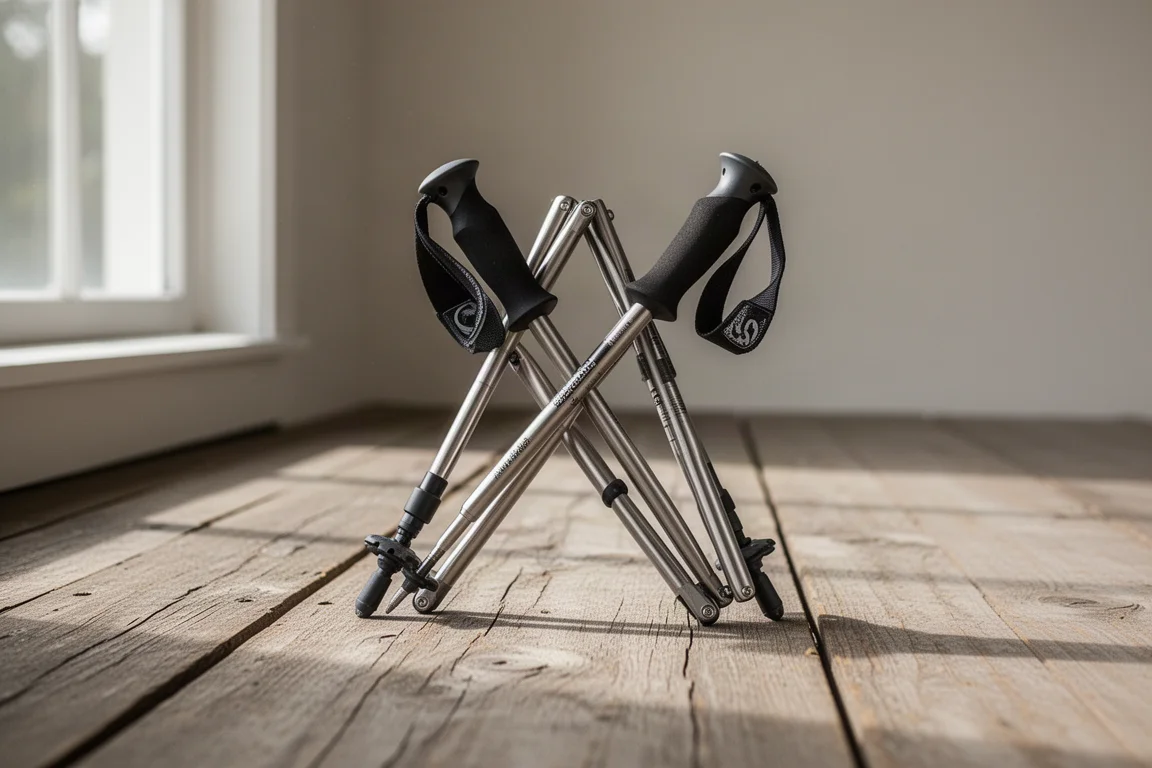
Komperdell has introduced titanium trekking poles that bridge the gap between lightweight and strength. Titanium is lighter than aluminum and stronger than carbon fiber, according to the brand. The poles come in both fixed-height and adjustable versions. Both feature a Z-folding design for compact storage when not in use. The adjustable poles weigh just nine ounces each, while fixed-height models start around seven ounces. Compared with standard aluminum trekking poles, you can save almost six ounces per pair. They are priced around $160 to $170.
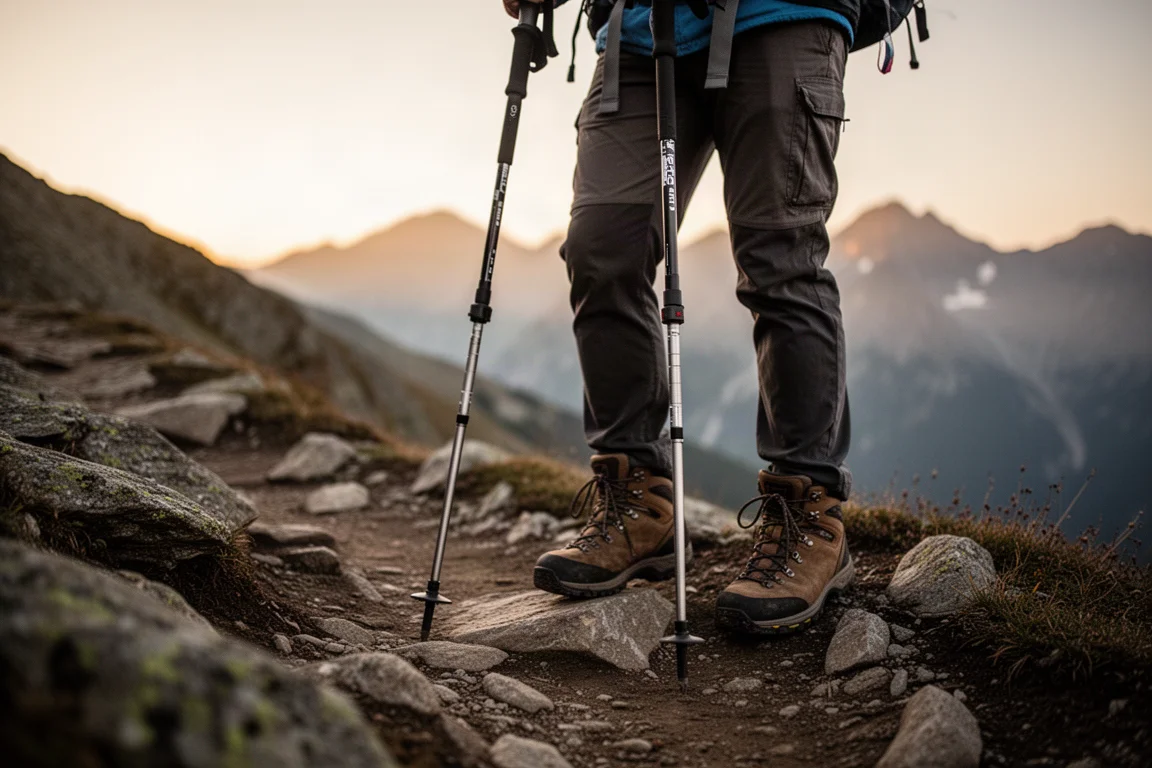
The weight savings are most noticeable on long ascents and descents, where every ounce on your arms adds up over thousands of steps. The Z-folding design also makes them easier to stash on a pack when the trail turns technical.
ReadyWise Pro Meals
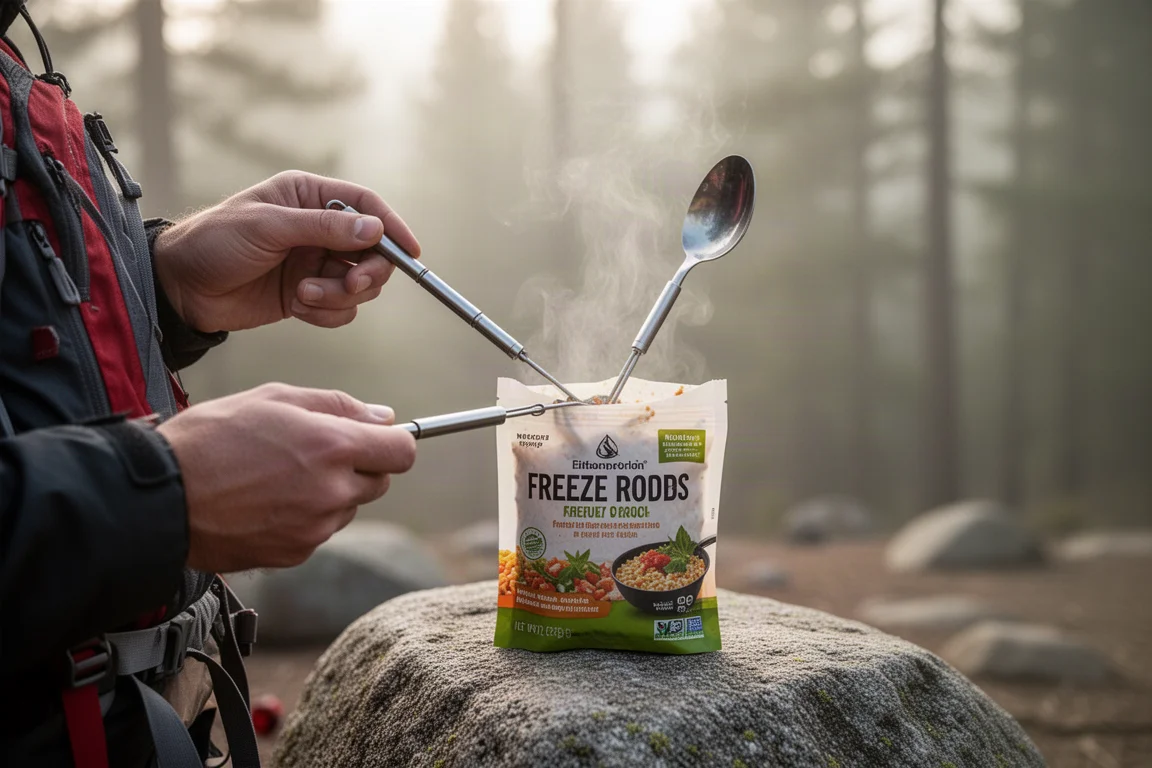
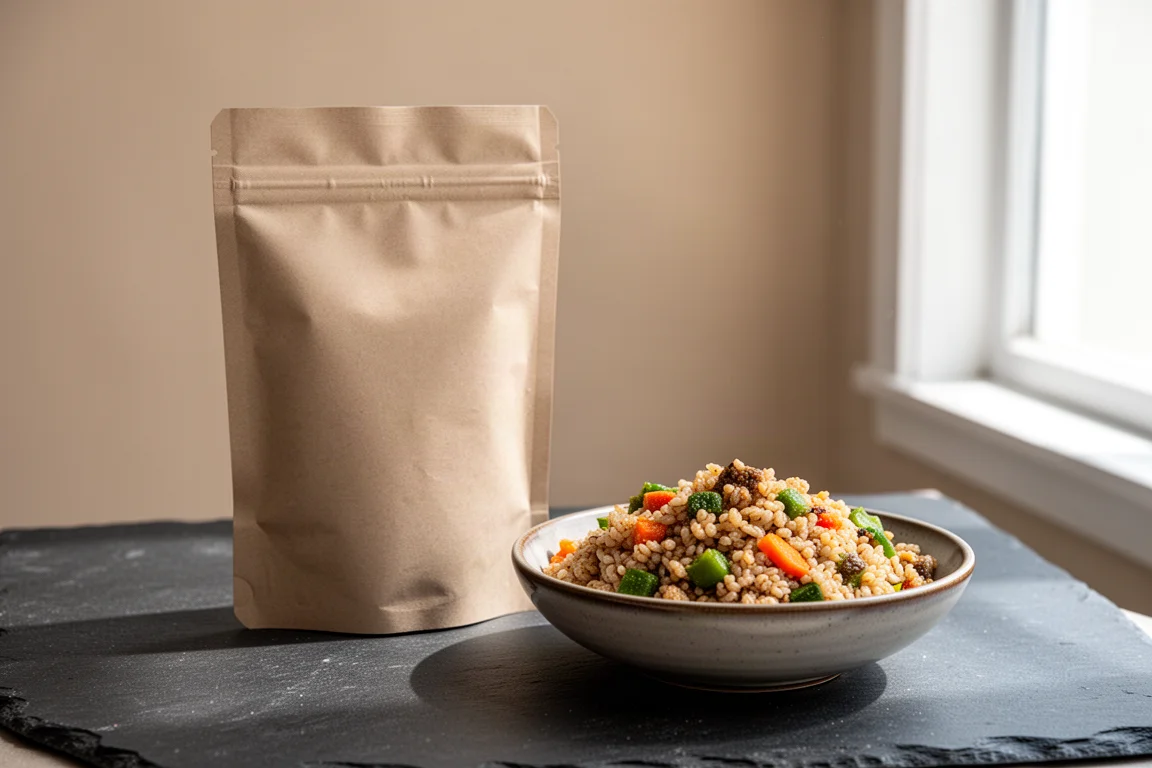
ReadyWise has introduced Pro meals, a new line of freeze-dried meals. Each meal was designed by a different accomplished athlete as well as trail conservation agencies like the Continental Divide Trail Coalition and the Appalachian Trail Conservancy. The key difference is in how they are made: the meals are fully assembled and cooked with all ingredients together, allowing flavors to meld before they are freeze-dried. That process is intended to improve taste compared with meals where ingredients are combined after drying. Early impressions suggest the flavor is promising, even before you have miles under your belt. For backpackers who rely on freeze-dried meals, this is a line worth watching.
Nemo Tensor Extreme
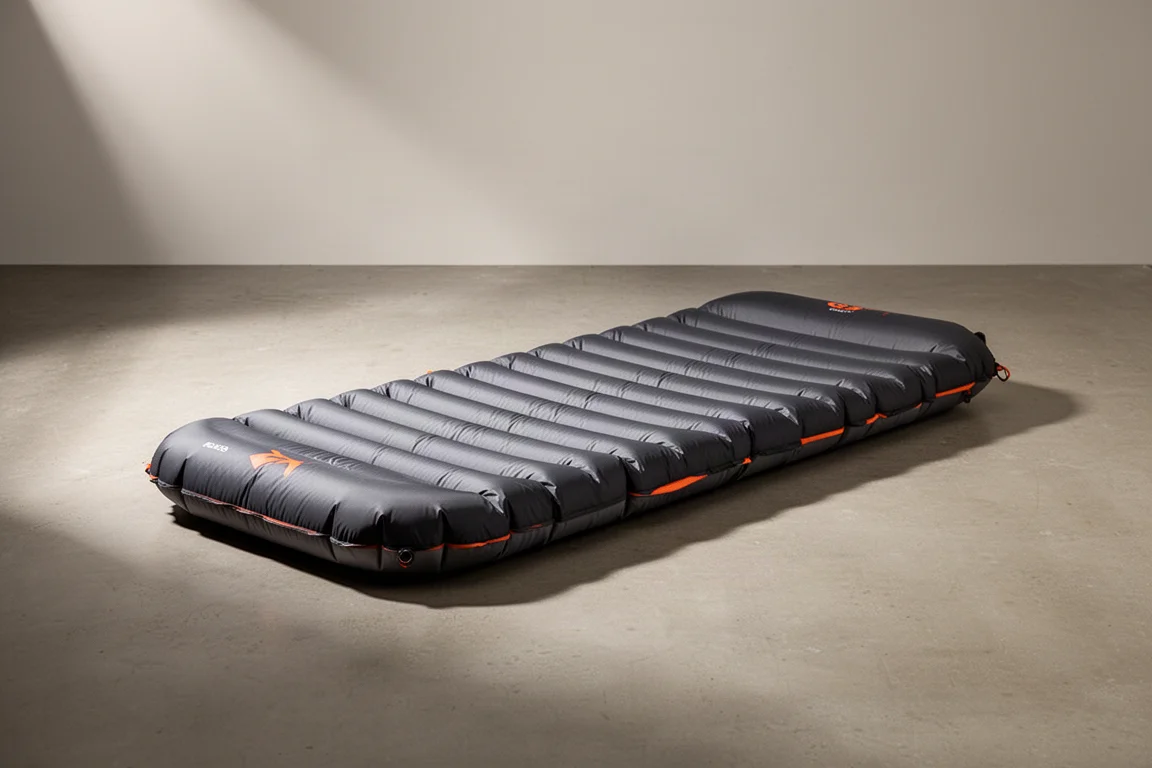
The Nemo Tensor Extreme is a new sleeping pad with a claimed R-value of 8.5. That is a high warmth rating for a lightweight pad. It is also almost two ounces lighter than the Therm-a-Rest XTherm. If it shares the same design as the regular Tensor, it should be comfortable as well. The combination of high R-value and low weight is rare, and it positions the Tensor Extreme as a potential new leader for cold-weather backpacking. For anyone who sleeps cold or camps in shoulder-season conditions, this pad could be a significant upgrade.
Therm-a-Rest XTherm
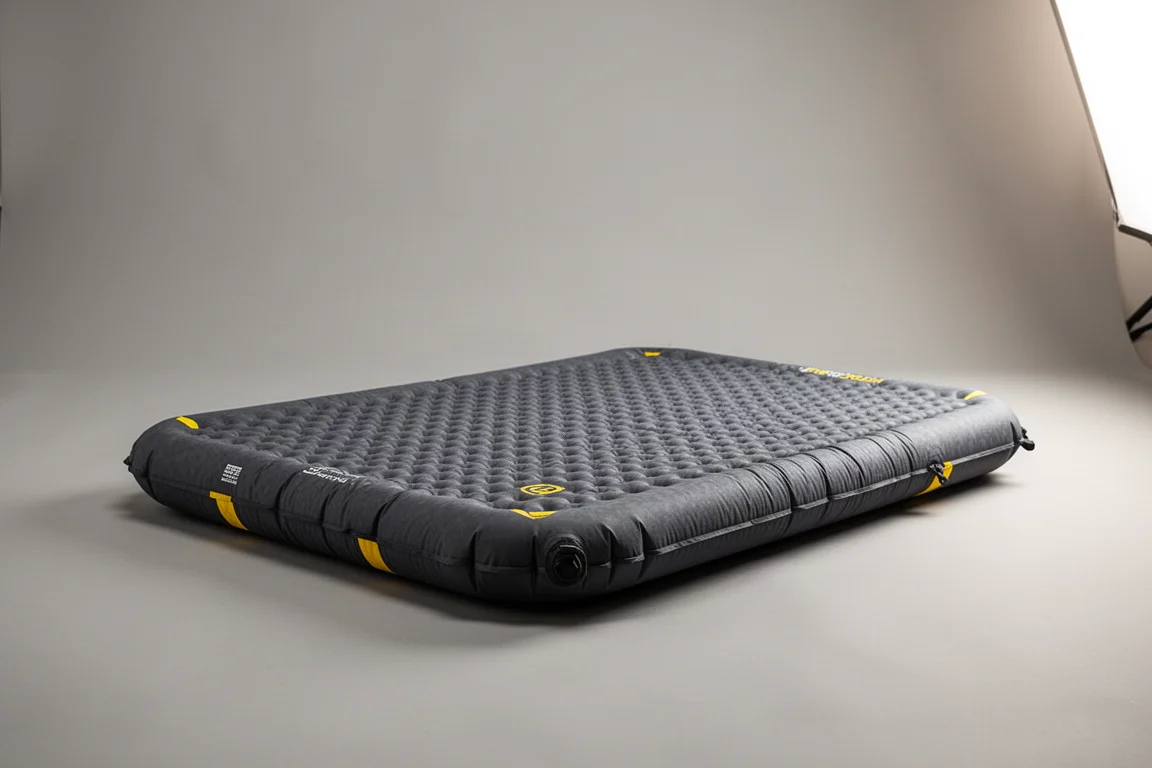
The Therm-a-Rest XTherm has long been a benchmark for high-R-value sleeping pads. It is the pad that the Nemo Tensor Extreme is directly challenging. The XTherm is known for reliable warmth in cold conditions, but it is almost two ounces heavier than the Nemo Tensor Extreme. That weight difference may not matter to everyone, but for ounce-counting backpackers, it is a meaningful gap. The XTherm remains a proven option, especially for those who value its established reputation and do not mind the extra weight.
Overall Buying Advice
When evaluating new outdoor gear, focus on the problems each item solves for you. The Soto 750ml Titanium Pot saves weight but requires a pot grabber, so it suits ultralight hikers who are willing to manage a separate tool. The Toaks 750ml Titanium Pot remains a simple, proven choice with built-in handles. The Jetboil telescoping cutlery set is a low-cost upgrade that improves mealtime comfort and protects your cookware. The Nikwax deodorizing wash addresses odor in synthetic clothing, which is a common issue on multi-day trips. The Komperdell titanium trekking poles offer a notable weight saving and a compact fold, with a price that reflects their premium materials. ReadyWise Pro meals may appeal to backpackers looking for better-tasting freeze-dried food. The Nemo Tensor Extreme stands out for its high R-value and low weight, while the Therm-a-Rest XTherm remains a reliable, if slightly heavier, alternative.
Before buying, consider how often you will use each item and whether the weight savings or convenience justifies the cost. For gear you carry every trip, like a sleeping pad or trekking poles, small improvements in weight and comfort can make a big difference. For items you use less often, like a cutlery set or a specialty wash, the value depends on how much you dislike the problem they solve.
Conclusion
The outdoor gear market continues to push toward lighter, more functional designs. The eight items here show that innovation often comes in small details: a thinner pot wall, a longer spoon, a more effective wash, or a sleeping pad that is both warmer and lighter. Whether you are upgrading a single item or rebuilding your kit, these products are worth considering as you plan your next adventure.
Further reading
Related Reviews
Outdoor Gear
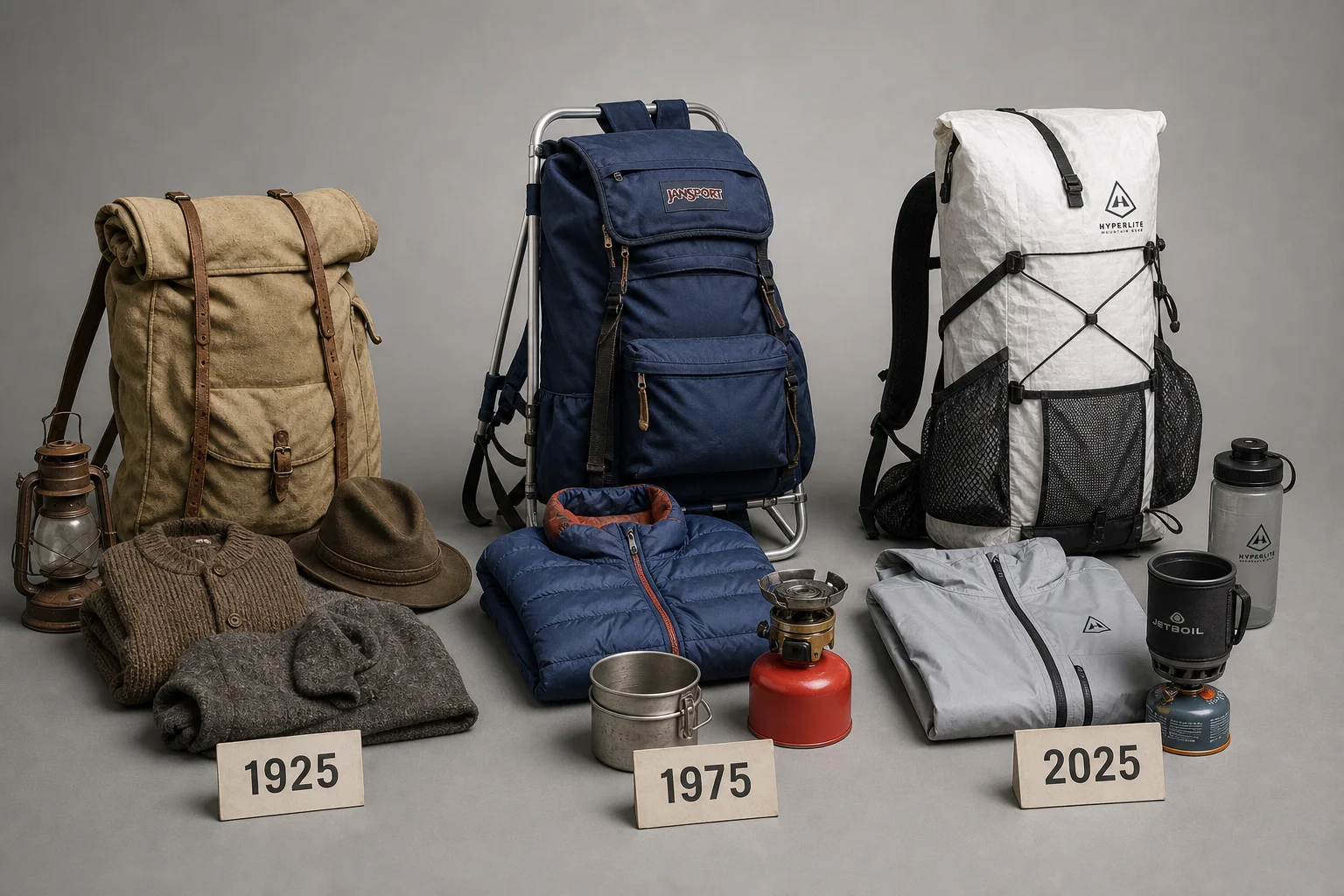
Backpacking Gear Evolution: 100 Years of Technology Compared
We tested backpacking gear from 1925, 1975, and 2025 across a three-day hike in Yosemite. Here's how technology has transformed comfort, weight, and the outdoor experience.
Outdoor Gear
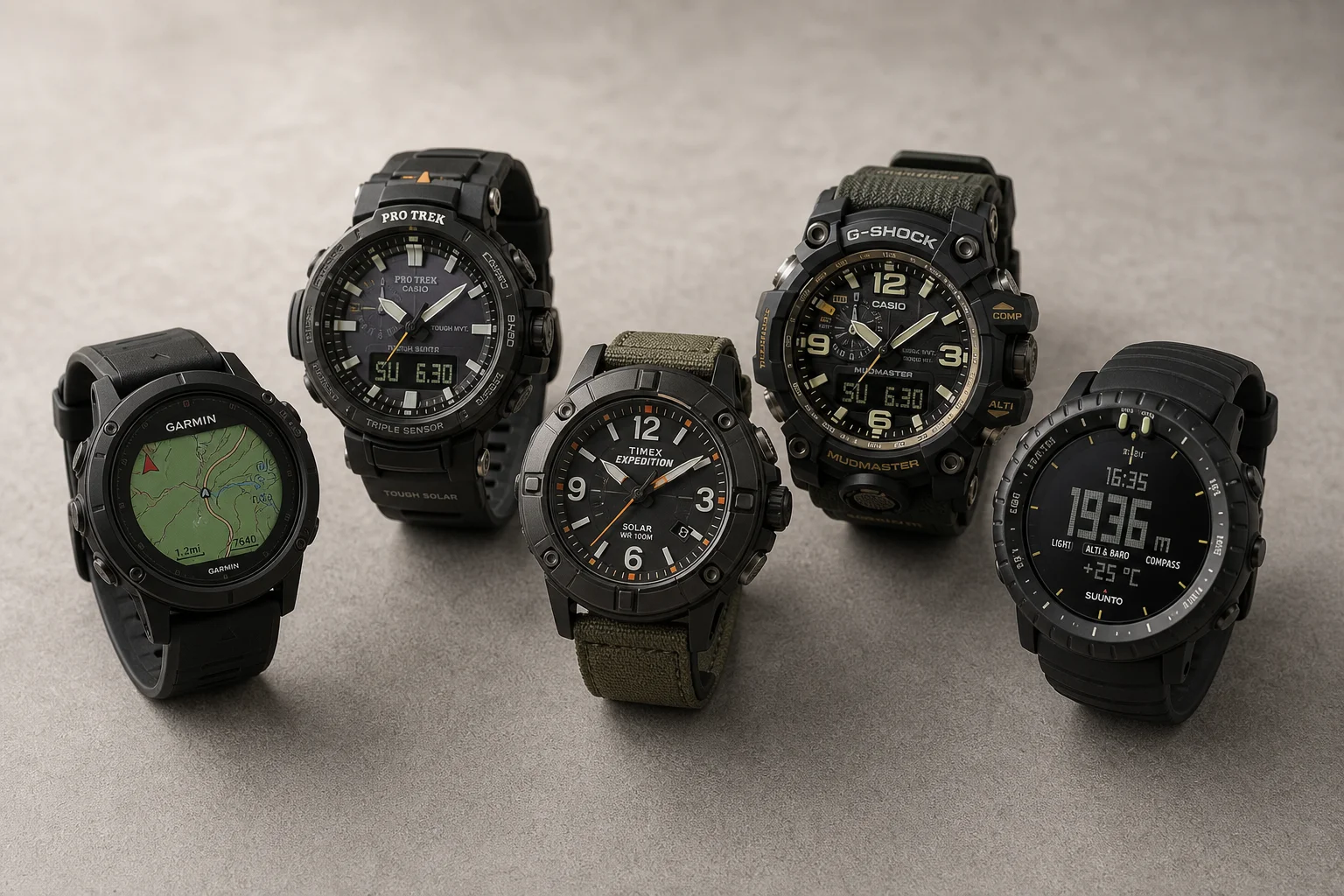
Best Affordable Hiking Watches: Five Rugged Options for Outdoor Adventures
Five durable hiking watches that balance ruggedness, functionality, and value for outdoor enthusiasts who need reliable GPS tracking and weather resistance.
Outdoor Gear
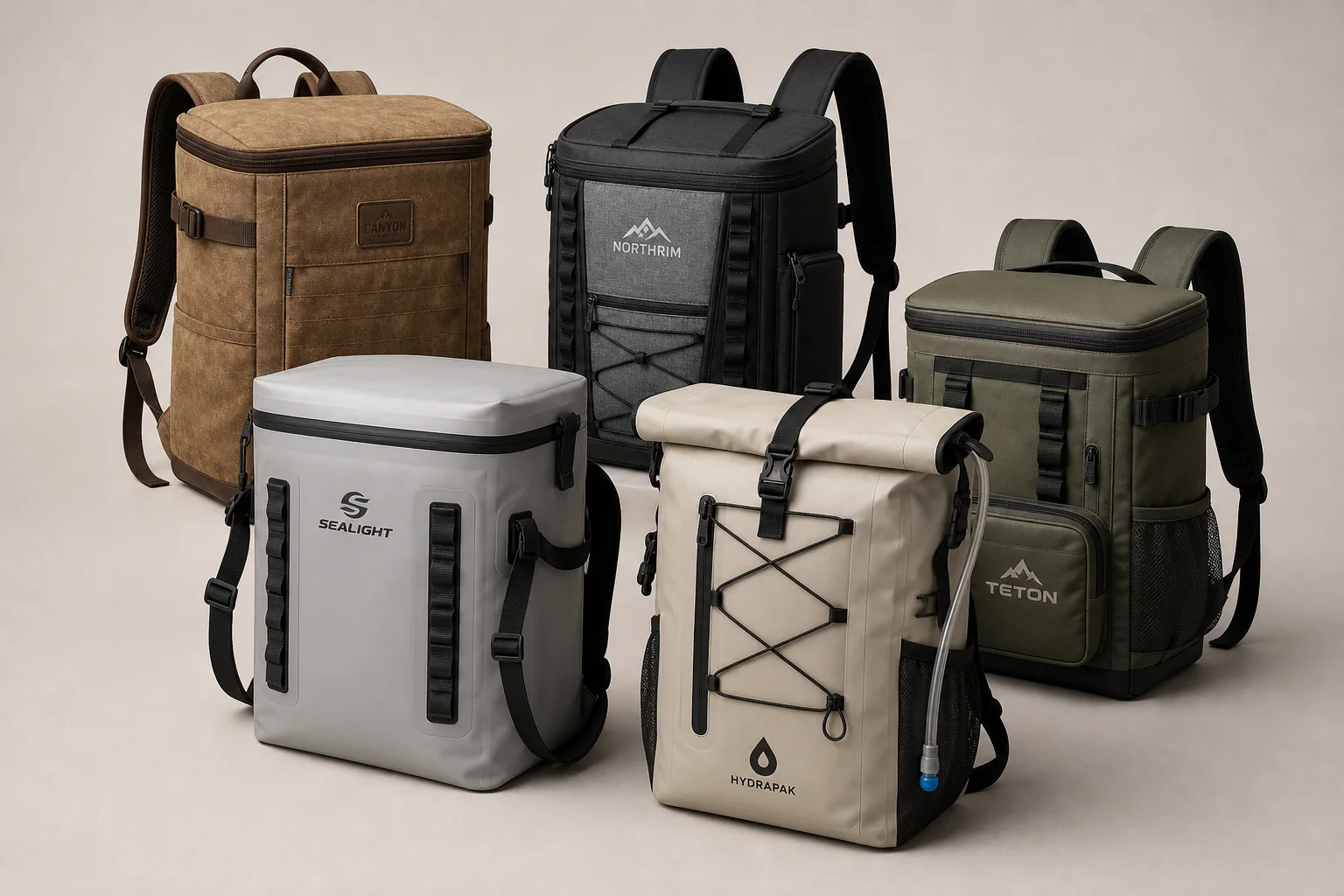
Best Backpack Coolers 2026: Five Practical Options for Outdoor Adventures
Five backpack coolers with distinct cooling capabilities, storage features, and design trade-offs to help you choose the right one for your outdoor needs.