Outdoor Gear
New Bikepacking and Backpacking Gear 2026: Ten Kit Additions Worth Knowing
Ten new additions to a long-distance bikepacking and backpacking kit, from a charcoal water filter and a compact power bank strategy to a custom elephant foot sleep system.
Introduction
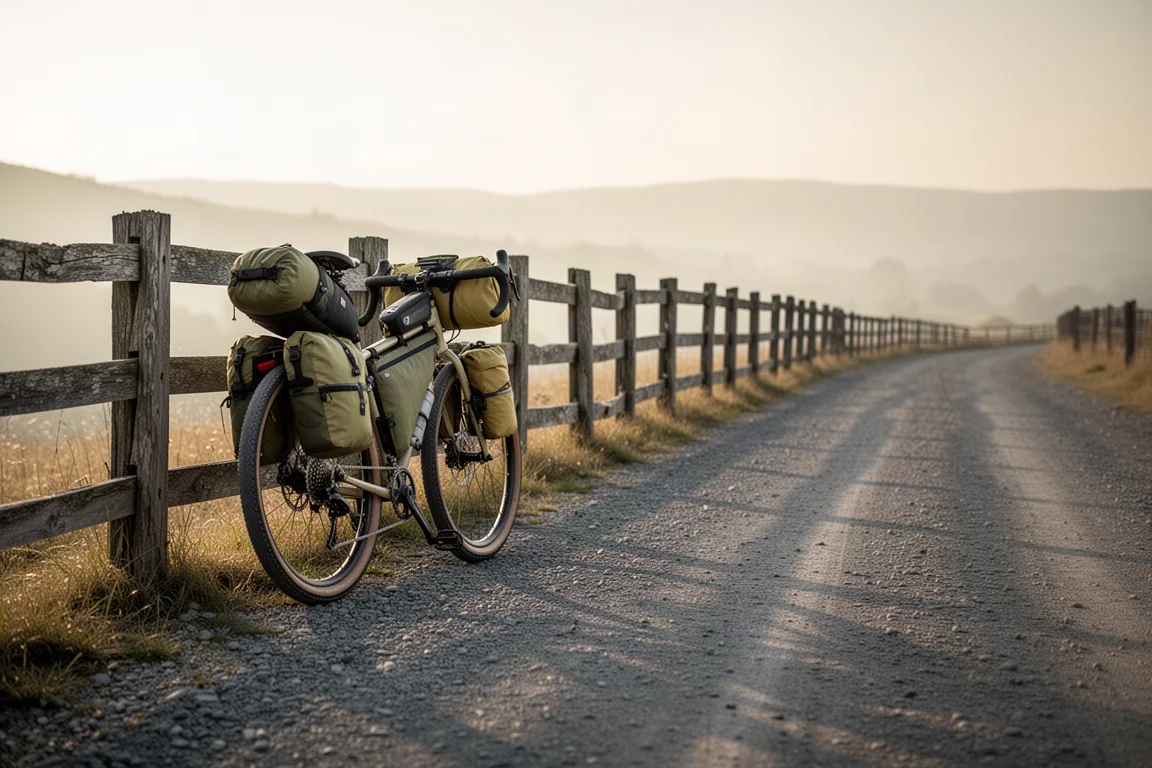
A self-supported ride along the Tour Divide covers roughly 2,700 miles from Banff, Canada down to the Mexico border, and the kit list for it looks nothing like a weekend overnight setup. The same is true of the backpacking and packrafting trips that follow later in the summer and autumn. This year’s additions reflect that mix: a few refinements to proven items, a couple of returns to products that were set aside once already, and one piece of insulation that works nothing like a conventional sleeping bag.
Some of these items are hardware, one is navigation software, and one is a nutrition system. What they share is a clearly defined job on a long trip, which is the only reason any of them earn space in a bag.
How We Assessed These Additions
On a self-supported trip you carry everything you need, so the useful questions are narrow. How much volume does the item occupy? How much does it weigh? Can it be cleaned, repaired, or serviced without a shop? Does it stay put on rough terrain? And does it do more than one job, so that something else can stay at home?
The last question matters most. A single bag that holds stakes, a trowel, and toiletries is worth more than three small bags that each hold one thing. A shell that keeps you warm on a wet descent earns its extra grams. A power strategy that lets one battery charge while another is in use removes a daily compromise.
Newer is not automatically better either. Several of the items below replace gear that already worked, and the only reason to swap is a specific improvement: better taste in questionable water, more reliable charging, a longer cut on a cycling jacket, or a sleep system that packs smaller for the same warmth.
Katadyn BeFree AC: An Updated Filter for Silty Water
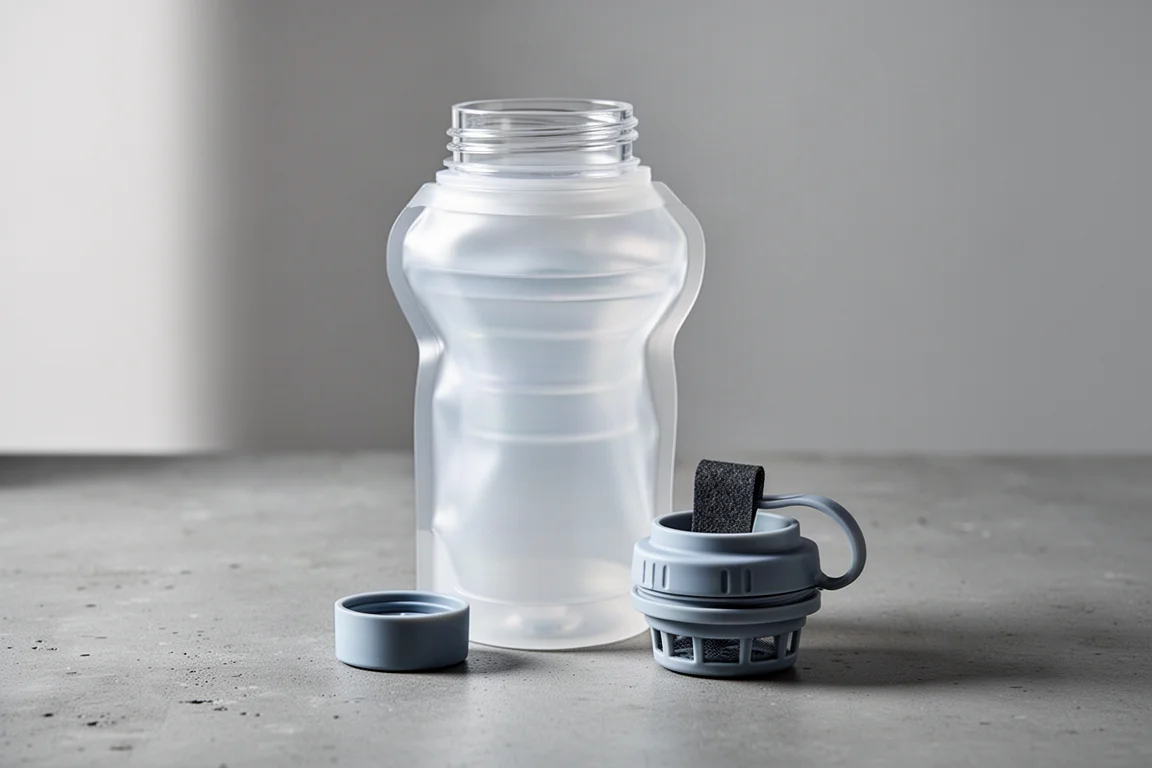
Silty, stagnant water is the hardest test for any filter, and the open basket design of the BeFree has always handled it well because the filter is easy to clean in the field without tools. The AC version keeps that design and adds a small activated charcoal element in the top of the filter.
That charcoal element is aimed squarely at taste and smell. It is worth being clear about what it does not do: it does not remove viruses, so it is not a purifier in the same category as heavier treatment systems. What it does is make questionable water more pleasant to drink at the end of a long day, which is a real benefit when the only sources available are ponds and cattle tanks.
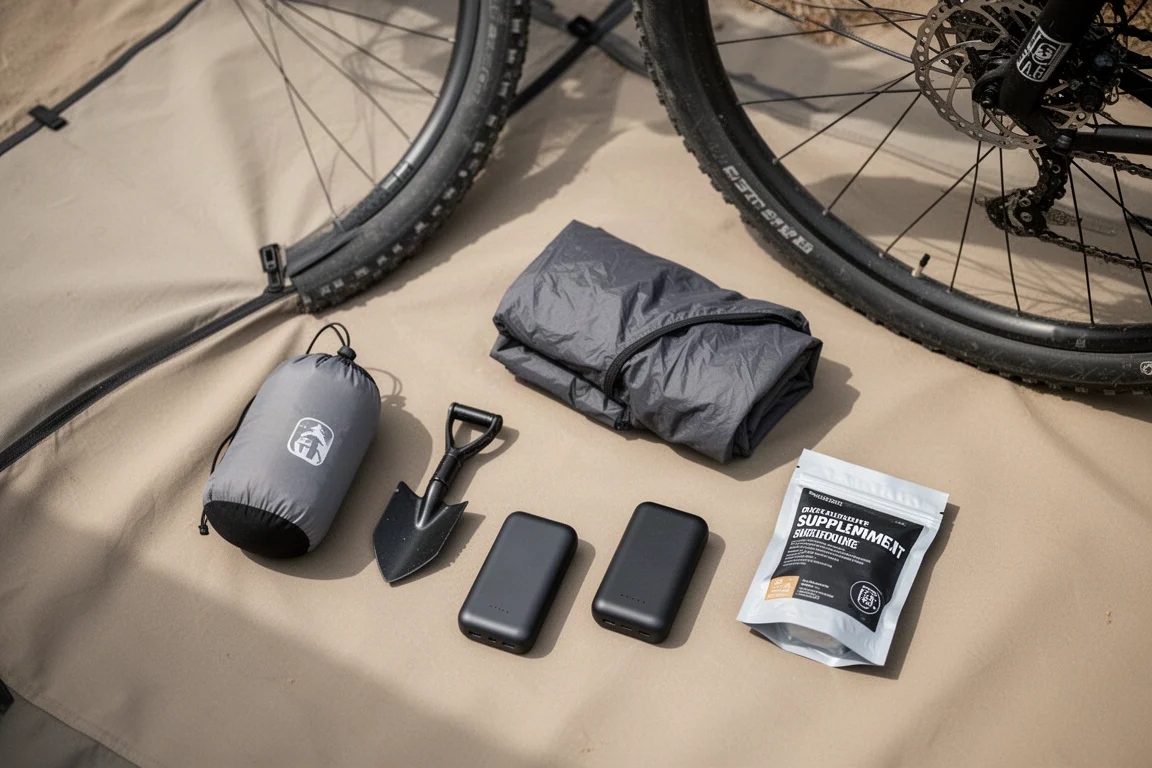
The soft flask format remains the other strength. It collapses as it empties, it fits in a jersey pocket or a frame bag, and it works alongside the bottles used for clean water storage.
Nitecore NB10000 Plus: A Second Chance for a Compact Power Bank
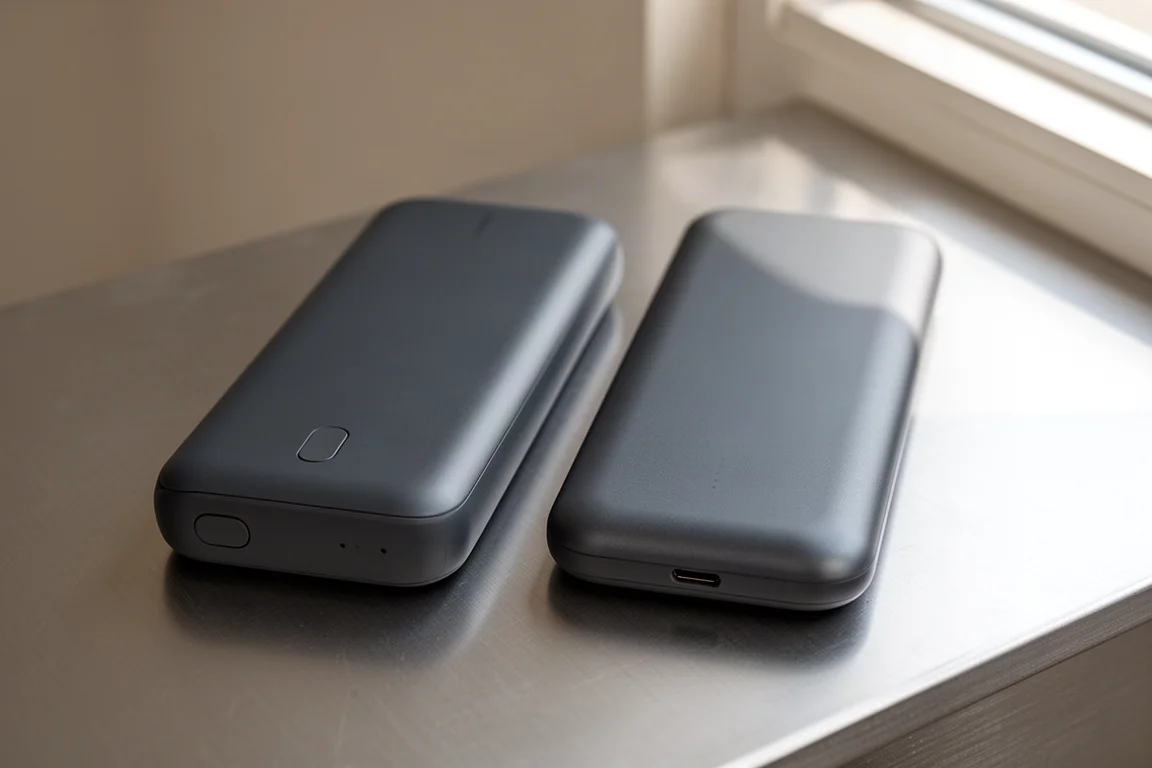
Earlier generations of this power bank earned a mixed reputation for two reasons: casings that felt thin for cold conditions, and charging behaviour that required a button press before a phone would begin charging. Charging from a dynamo hub was also inconsistent, which is a serious problem when the hub is the primary power source on a long ride.
The Plus generation responds directly to those complaints, and the case for trying it again rests on how well it solves the size problem. Two units cover the 20,000 mAh capacity needed for a multi-day race, and splitting that capacity across two batteries is more useful than carrying one large brick. One unit can charge from the dynamo hub while the other powers a phone or a navigation device.
Compared with a single large 20,000 mAh power bank, the pair takes up noticeably less space and weighs less overall, which matters when every bag on the bike is already full.
OnX Backcountry: Multi-Sport Navigation in One App
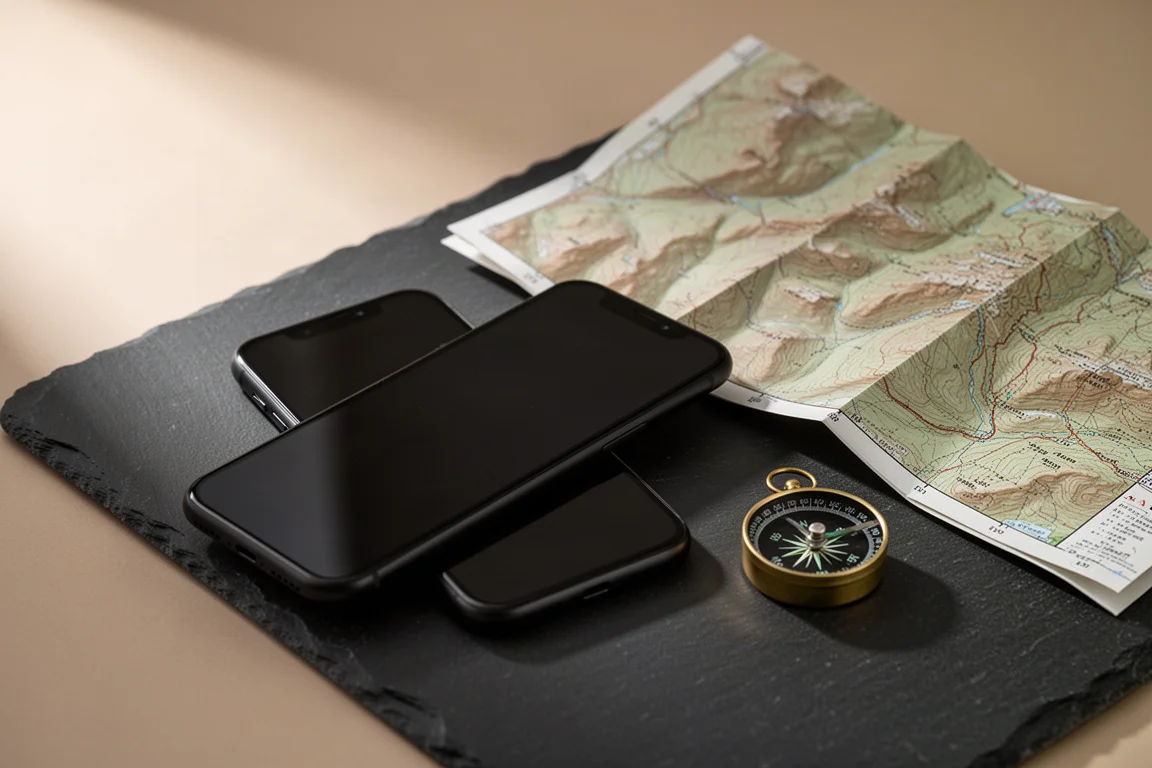
Routes planned on a laptop sync to the phone app, so one route library works across hiking, backpacking, packrafting, and bikepacking. That single-library approach is the main reason this app suits trips that mix disciplines, since there is no need to maintain separate planning tools for each one.
The map layers are what turn a map into a decision aid. A current weather layer helps with the next day’s gear choices. An active wildfire layer shows closures, which matters on a summer route where fire is a realistic hazard. A wildfire smoke layer gives a read on air quality, useful when deciding where to sleep. A slope angle layer helps assess steep terrain and snow-covered passes at higher elevations.
A free trial is available for anyone who wants to see whether the layers and route tools fit the way they plan trips.
7mesh Guardian Air: A Cycling-Specific Rain Shell
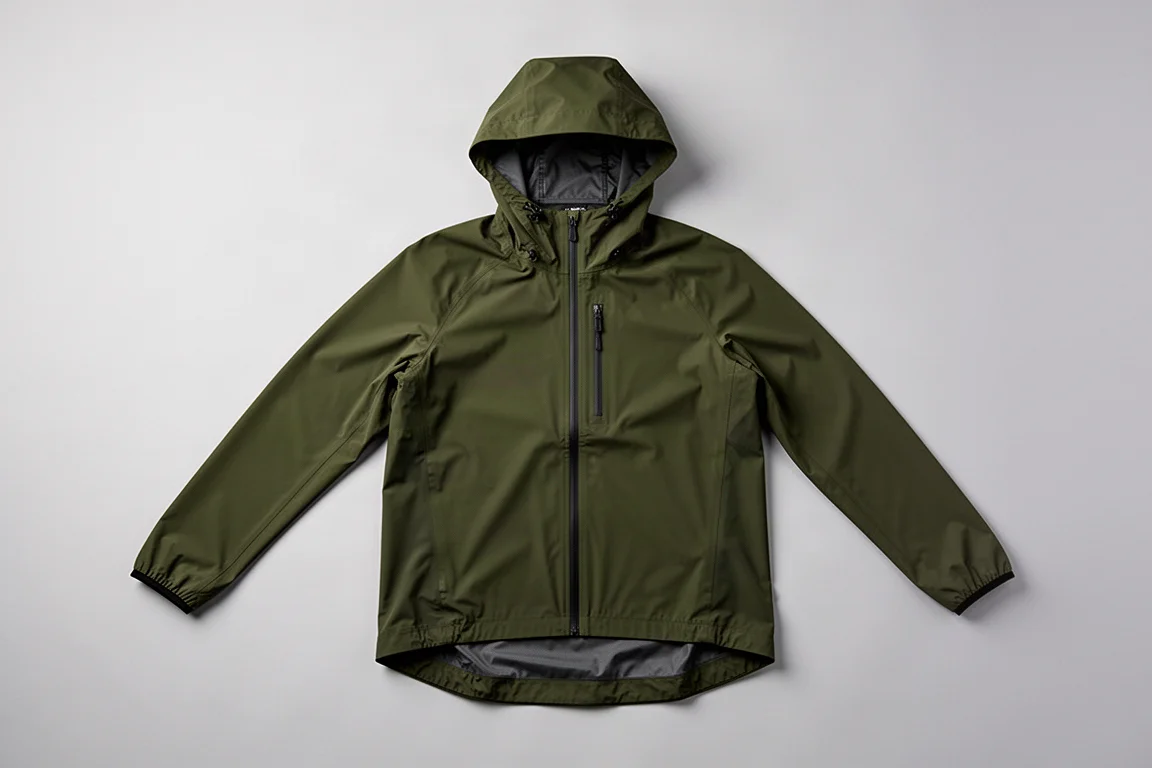
Most rain jackets sit at one of two extremes. Ultralight shells are barely there and keep the rain off, while mountaineering shells are heavier and warmer but feel like far too much on a bike. The Guardian Air is aimed at the middle: a packable shell with a Gore-Tex liner, intended to keep a rider warm as well as dry during a fast, wet descent.
The cut is the other half of the story. A longer body with a drop tail keeps the lower back covered when you are leaned over the bars, and long sleeves with Velcro cuffs stop water running up the arms. A dual zipper lets you open the jacket from the bottom for ventilation without exposing your chest to the weather. The hood is sized to fit over a helmet, and there is adjustability at the back.
It packs into its own pocket, so it disappears into a frame bag until the weather turns.
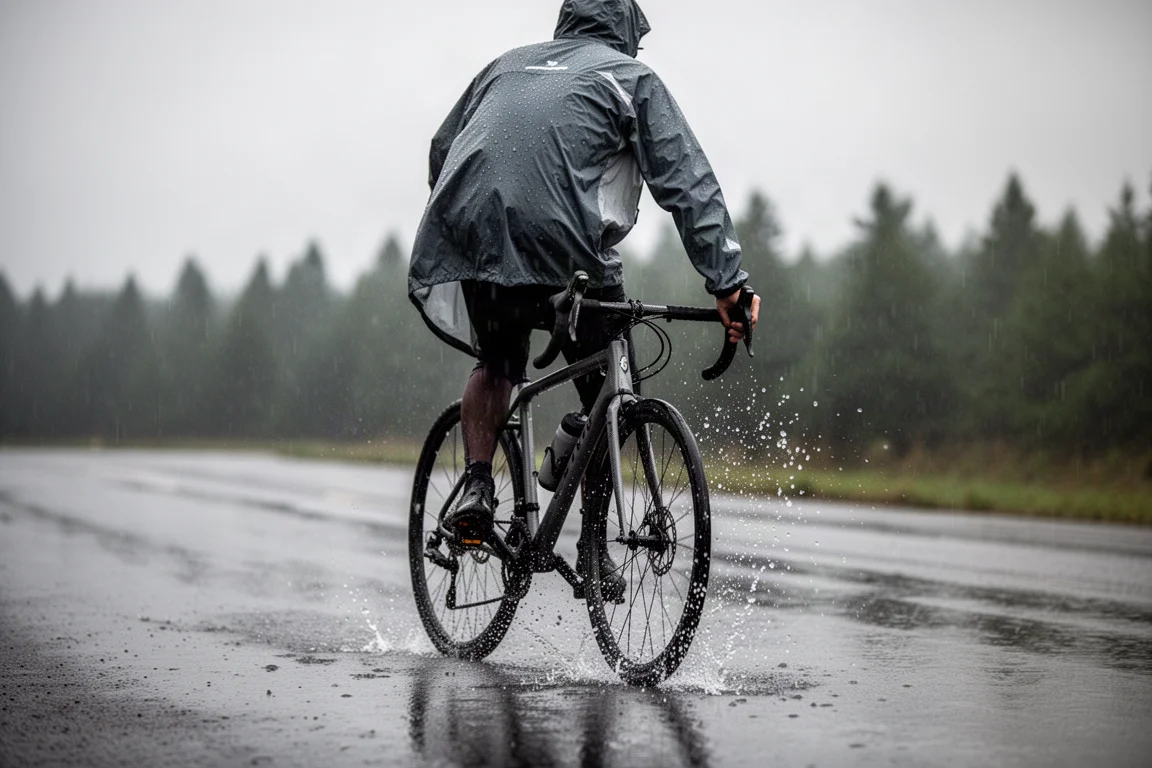
For riders who run cold when wet, the combination of a windproof liner and a cycling-specific cut addresses two problems that a generic shell leaves open.
Ardour Gear: Three Small Storage Updates
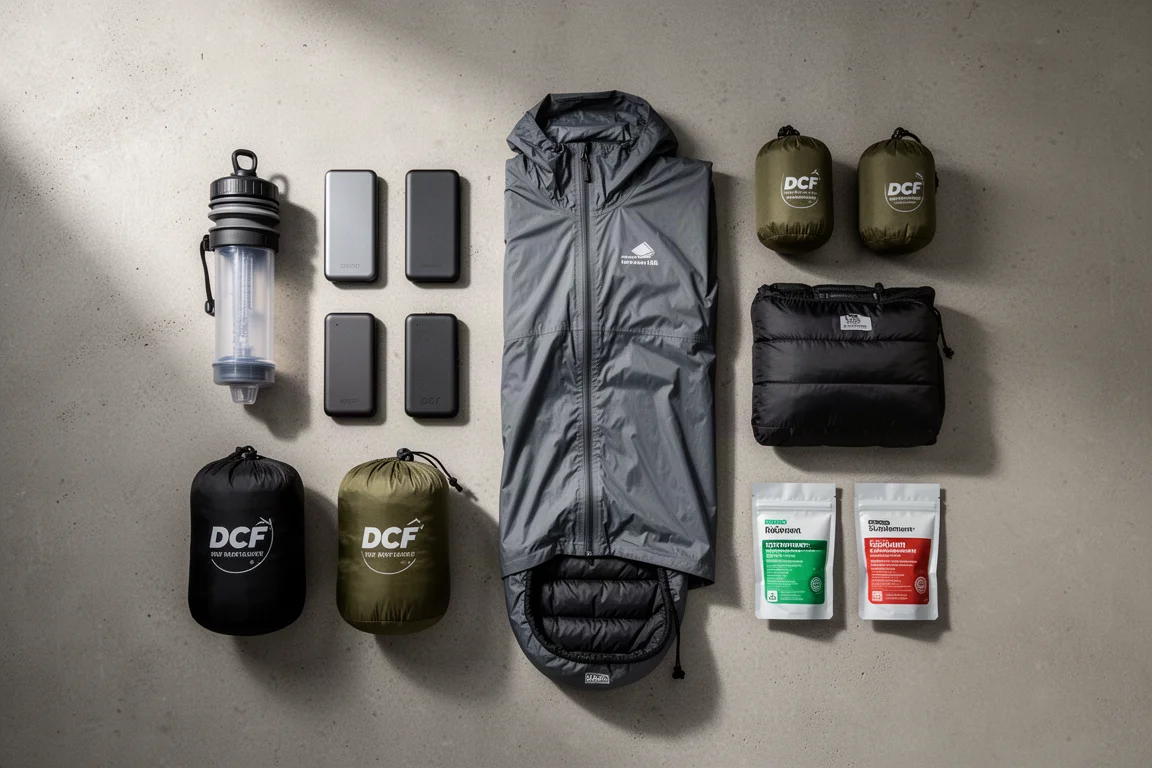
Storage is not glamorous, but it is where a lot of weight and frustration accumulate. This small maker based in Flagstaff, Arizona, builds lightweight bags in DCF and similar fabrics, and three of those pieces are worth a look for anyone reorganising a pack or a bike setup.
Ardour Gear Trowel Sheath
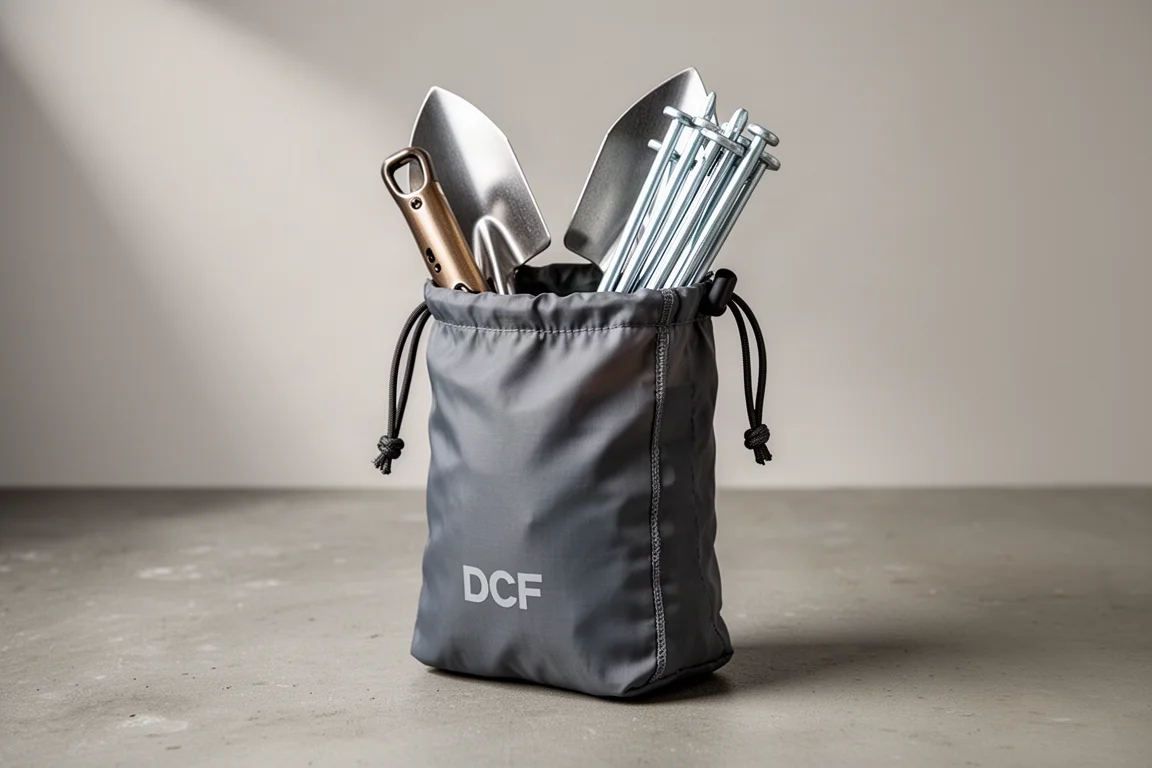
The sheath is a DCF trowel holder that doubles as a stake bag. The large version exists because the original was tight: with a full set of stakes loaded, the trowel was awkward to pull out. The bigger body solves that and leaves room for the rest of a camp toilet kit, including toilet paper and a bidet.
That consolidation is the point. One bag holding stakes, trowel, and toiletries can live in an outer pack pocket or a side bike bag, which means it is reachable both when pitching a tent and when heading off into the trees.
Ardour Gear Ditty Bag
The ditty bag is a straightforward, very light organiser for small items, built to the same standard as the rest of the range. It is the kind of piece that replaces a worn-out stuff sack and quietly does its job for years.
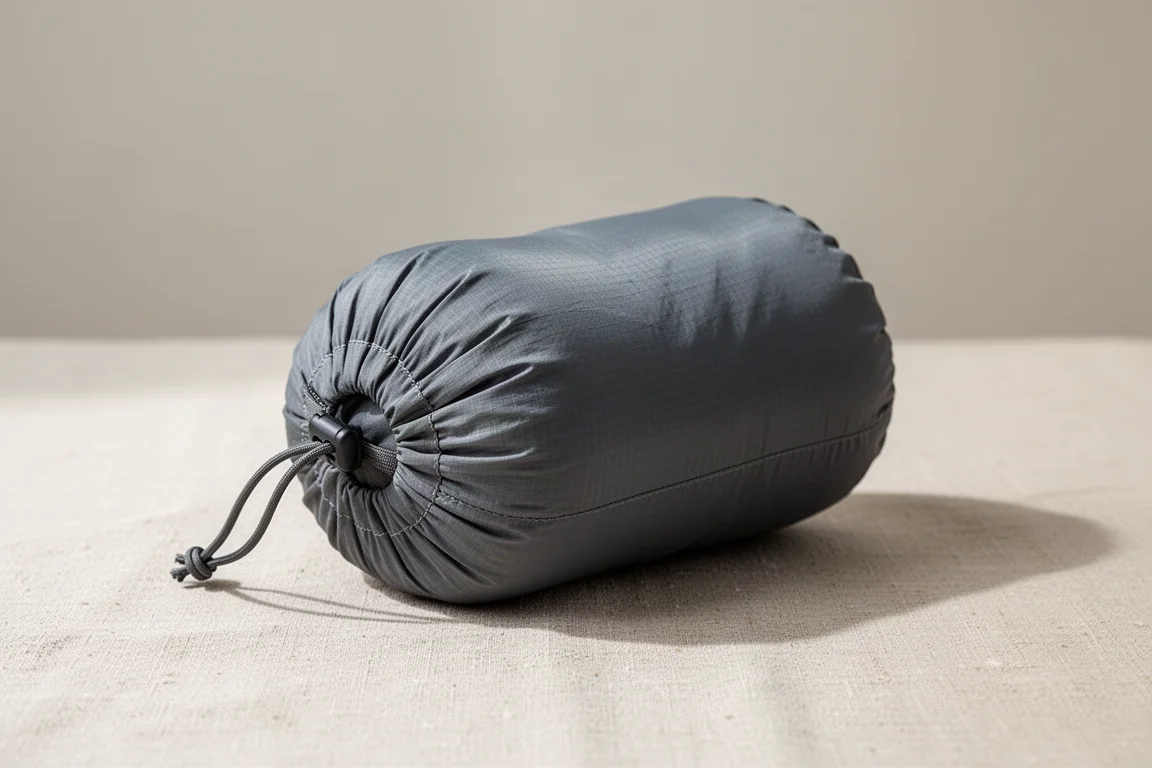
Ardour Gear Food Bag
The food bag is the volume piece of the set, sized to hold a full multi-day food load for backpacking and bikepacking. A single large bag keeps food in one place, which makes resupply counts and pack organisation simpler.
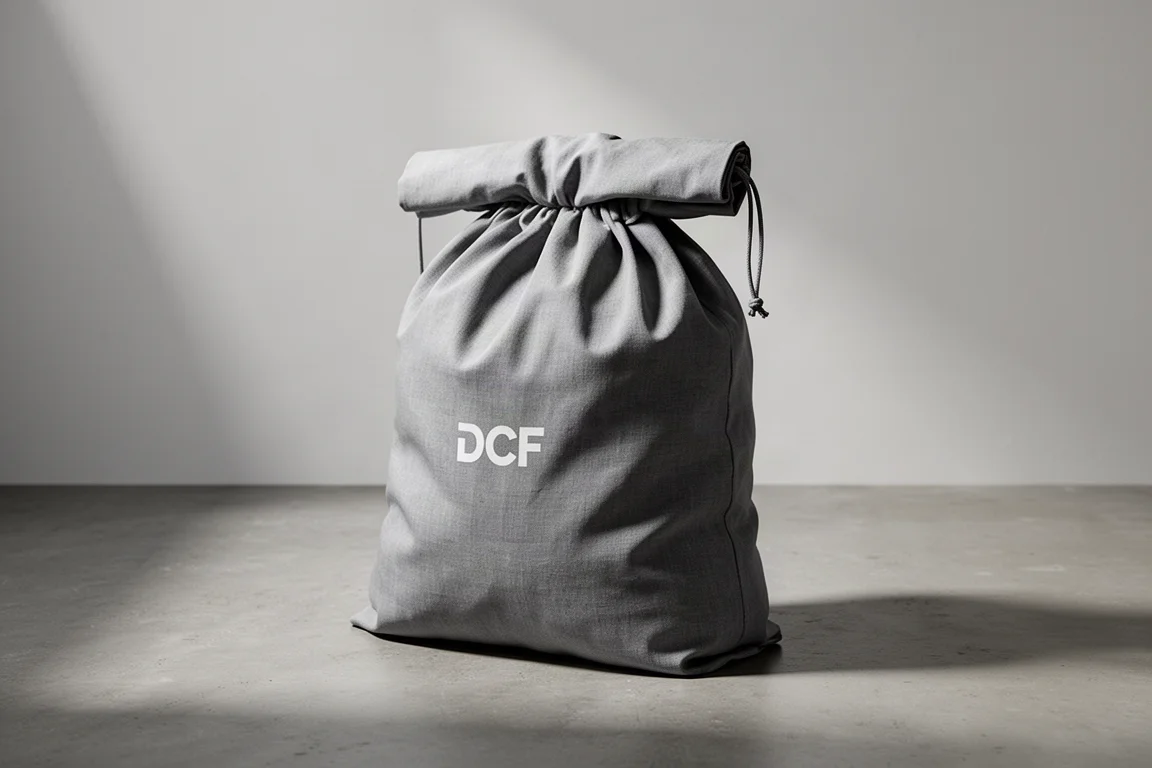
OptiVenture Sunrise and Sunset: A Two-Part Supplement System
Long days of hiking or riding wear the body down in ways that food alone does not always cover, and the usual response is a collection of separate pills: a multivitamin, something for joints, and something for sleep. This system condenses that into two products.
Sunrise is taken in the morning and covers the everyday nutrient base, with extra omegas, extra magnesium, and higher levels of the nutrients that are steadily lost through a hard day. Sunset is taken at camp in the evening and targets recovery: it is formulated to support faster recovery and to help reduce inflammation, and it includes a sleep aid intended to promote deeper rest.
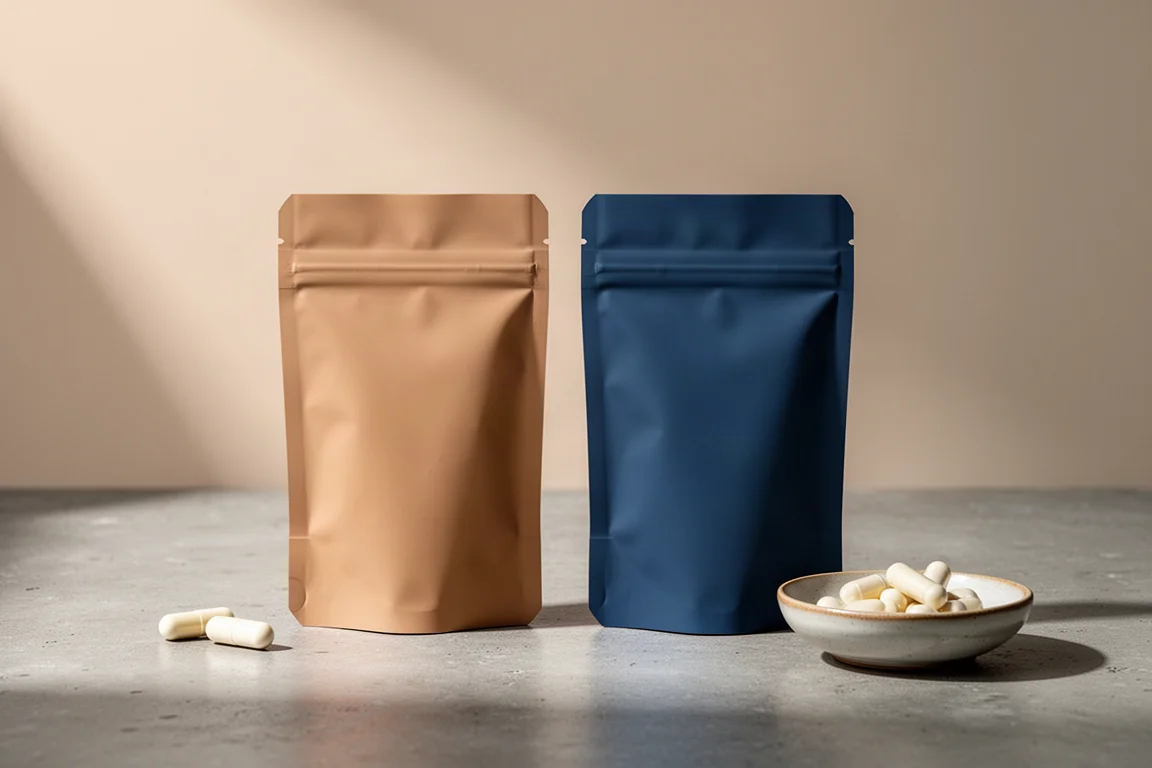
Both formulas were designed for people doing multi-day endurance work, including thru-hikers, backpackers, ultra-runners, and bikepackers. The packaging reflects that audience as well, since a full 30-day supply fits into small resealable bags that slot into a food bag or a frame bag.
Tailfin Bar Cage System: Stable Handlebar Storage
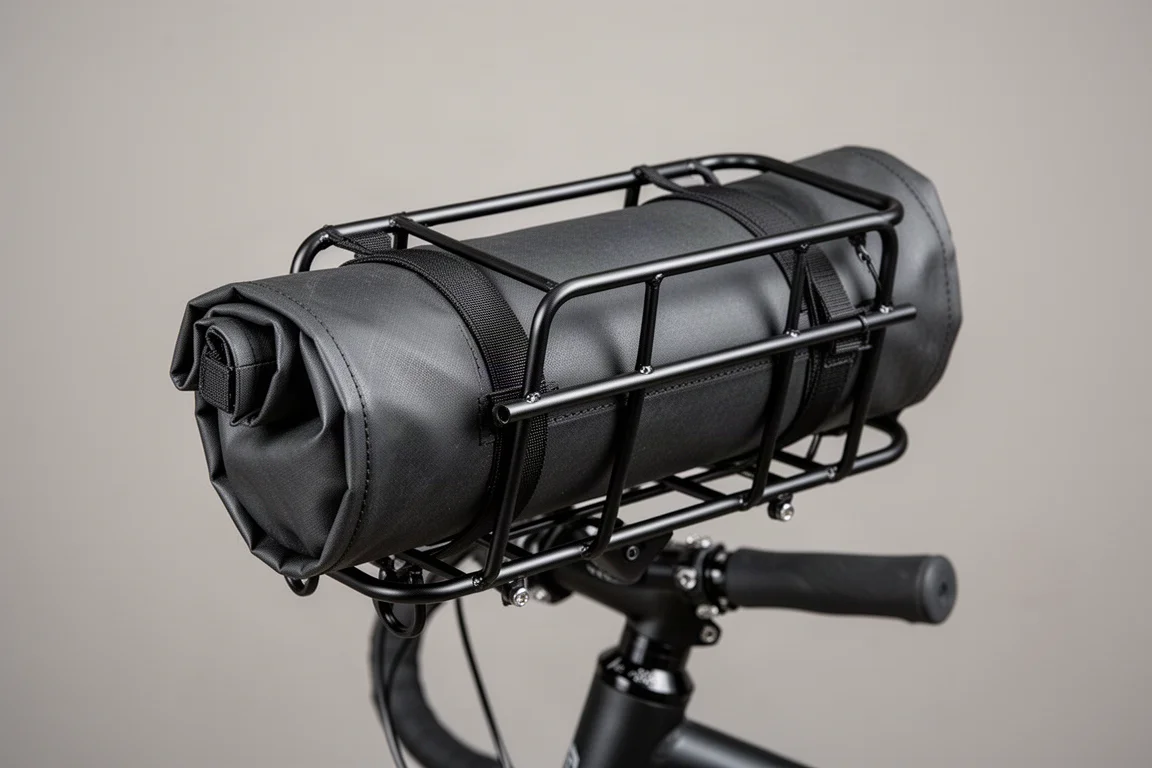
Handlebar bags have a long-standing reputation for bouncing. Roll bags shift, hard cases rattle, and on a rocky descent the movement is enough to change how the bike handles. This system takes a different approach: a cargo cage bolts to the bars and stays there, while the roll bag clips into the cage and is then secured with two Voile straps.
The result is a front load that holds its position regardless of terrain. The bag itself is fully waterproof, with laser-welded seams rather than taped ones, a double roll closure at each end, and a small air release valve so the load can be compressed after packing.
Because the bag is stable and quick to remove, it can carry items that would normally live in a rear bag, including clothing and a full sleep system. That keeps the bulkier, less frequently accessed items up front and leaves the rear of the bike free for food and quick-access gear.
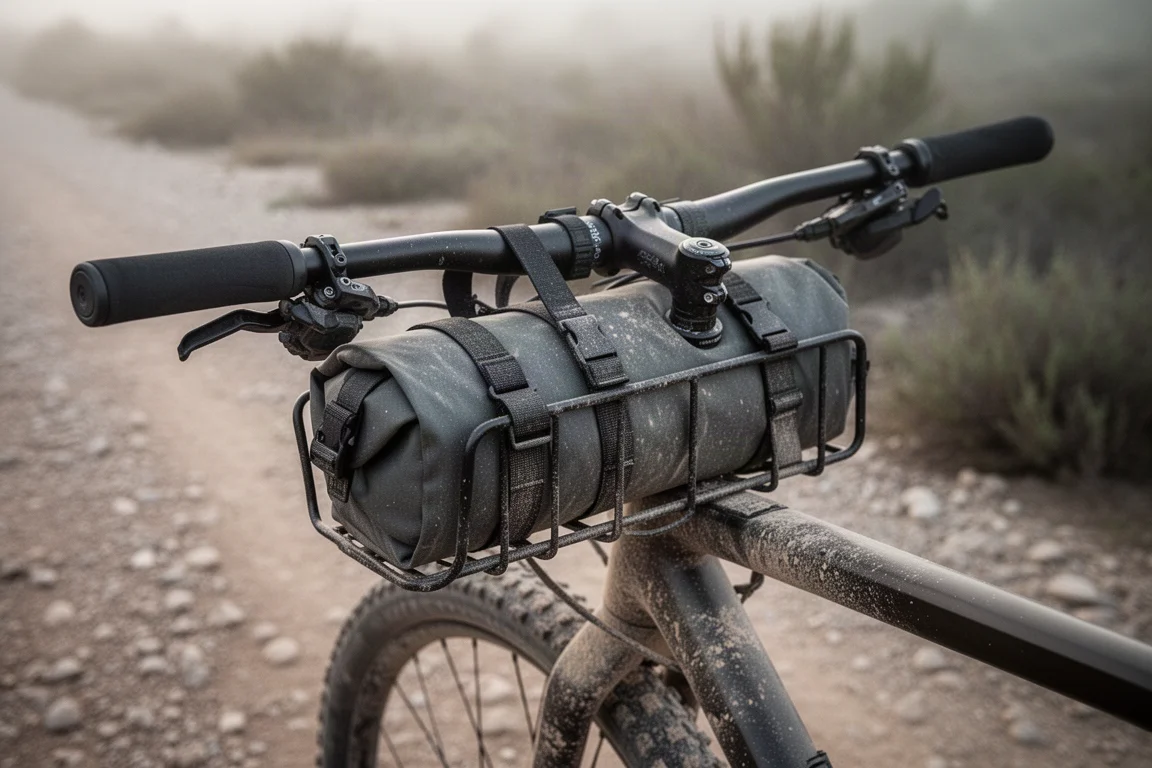
For riders who have given up on handlebar bags after one too many rattling descents, the cage-and-clip arrangement is the part worth understanding.
GooseFeet Gear Elephant Foot: A Different Approach to Sleeping Warm
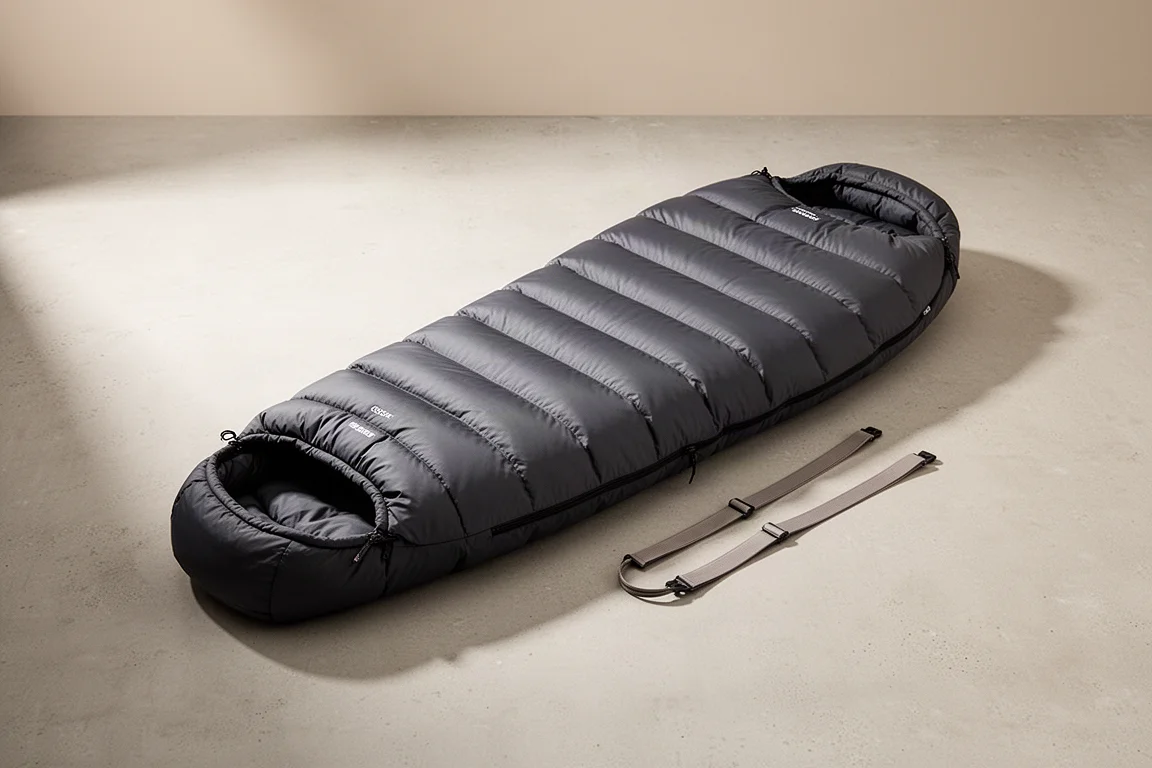
An elephant foot, sometimes called a mermaid tail, is a partial sleeping bag: an enclosed tube with a closed foot box that reaches roughly to the chest. It is not a quilt. It is designed to be worn with a down jacket that you are already carrying, so the jacket insulates the upper body while the elephant foot covers the legs and feet.
The logic suits a specific kind of sleeper. Anyone who sleeps warm through the chest but cold in the legs and feet can regulate heat more precisely with this setup than with a full bag or quilt. It also saves weight and volume. This example weighs under 12 oz, uses 950 fill down with a 20 degree rating, and packs down to roughly the size of a down jacket. Suspender straps keep it from sliding off during the night.
The concept has a long history in alpine climbing, where a large down parka is already part of the kit, so adding leg insulation is more efficient than carrying a full bag. This particular piece is custom made by GooseFeet Gear, a small company that also produces down booties, jackets, and pants. A bespoke build is expensive, and the setup depends on carrying a warm jacket and a properly insulated sleeping pad to work as a complete sleep system.
Matching Gear to the Trip You Are Actually Planning
Not every item here belongs in every kit. The filter makes the most sense where water sources are silty or stagnant, which is a common situation on long dirt routes and less of an issue in clean alpine drainages. The two-battery strategy pays off when a dynamo hub is the primary power source and charging windows are short. A navigation subscription earns its place when you build your own routes rather than following established trails.
The shell and the handlebar system are the two items most tied to riding specifically. A drop-tail cut and a helmet-compatible hood are wasted on a hiking trip, while a stable front load matters most on rough descents. The storage bags and the supplement system, by contrast, transfer across every kind of trip.
The elephant foot is the one item that demands a genuine change in habits. It works only if you are already carrying a down jacket and are willing to sleep in it, and it is a poor fit for anyone who sleeps cold through the chest or wants a single bag that covers everything.
Conclusion
The most useful additions to a kit are the ones that solve a problem you have actually run into: water that tastes bad, a battery that will not charge from a hub, a jacket that rides up on the bike, a front bag that will not stay still. Each of the ten items here targets one of those specific frustrations, and each comes with a trade-off worth understanding before you buy.
Start with the problem, then pick the gear. That approach keeps a kit light, keeps spending deliberate, and leaves room for the items that quietly work for years.
Further reading
Related Reviews
Outdoor Gear
Backpacking Gear Evolution: 100 Years of Technology Compared
We tested backpacking gear from 1925, 1975, and 2025 across a three-day hike in Yosemite. Here's how technology has transformed comfort, weight, and the outdoor experience.
Outdoor Gear
Best Affordable Hiking Watches: Five Rugged Options for Outdoor Adventures
Five durable hiking watches that balance ruggedness, functionality, and value for outdoor enthusiasts who need reliable GPS tracking and weather resistance.
Outdoor Gear
Best Backpack Coolers 2026: Five Practical Options for Outdoor Adventures
Five backpack coolers with distinct cooling capabilities, storage features, and design trade-offs to help you choose the right one for your outdoor needs.