Trail Running Shoes
New Balance Trail Lineup: More Trail v3, SuperComp Trail, and the Sustainable Hierro
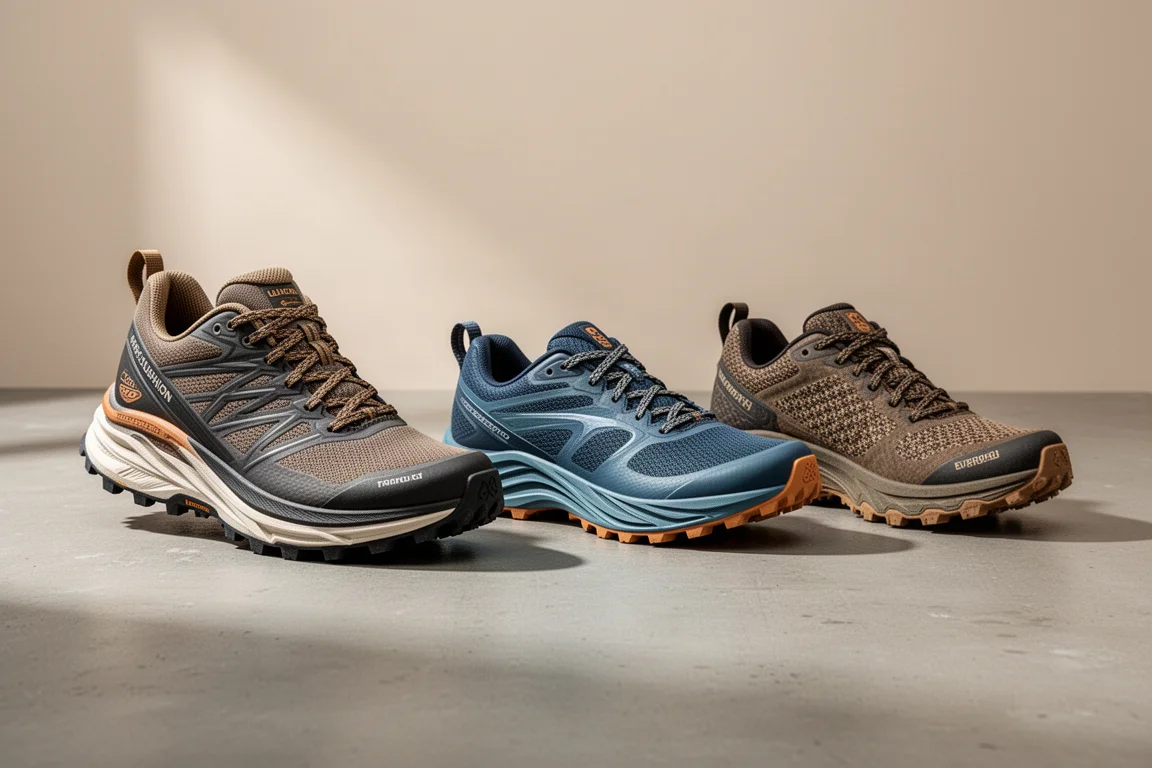
Three trail shoes that show how far New Balance is pushing the category: a max-cushion daily trainer, a carbon-plated trail racer, and a sustainability-focused Hierro update.
Introduction
New Balance’s trail lineup has quietly become one of the most interesting in the category, and the latest batch of releases makes that hard to ignore. The range now covers three very different jobs: a max-cushion daily trail shoe you can wear to the school run, a carbon-plated racer built for uneven terrain, and a sustainability-focused take on the classic Hierro.
What ties them together is a clear push into performance trail. New Balance has long had trail performance product in the range, and with the trail consumer growing faster than the road consumer in recent years, the brand sees real room for new and innovative trail solutions. Here is how the three shoes break down.
New Balance More Trail v3: Max Cushion for Trail and Daily Life
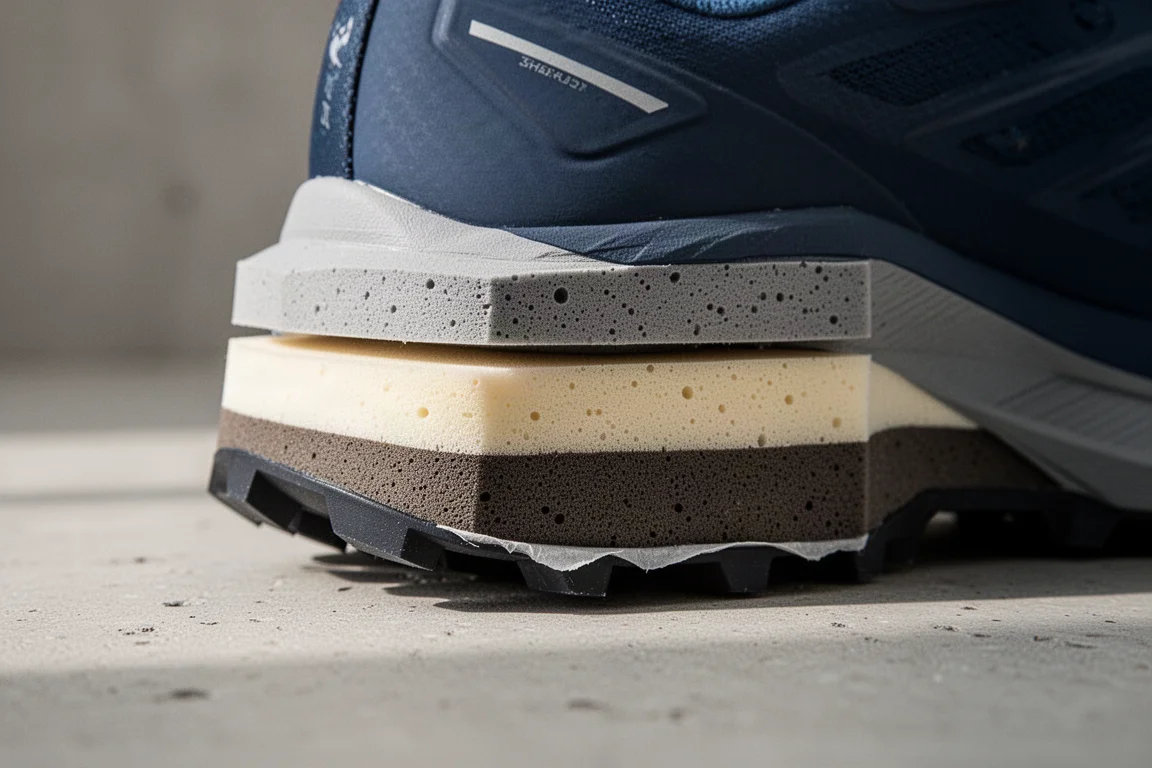
The More Trail v3 builds directly on what makes the More v4 road shoe so distinctive: a genuinely unique max-cushion ride. The key change for the trail version is the midsole construction. Where the road shoe uses a single foam hardness all the way through, the More Trail v3 uses two different densities, with the bottom layer roughly 10 points stiffer to add stability and the protection you want from a trail shoe.
The stack height lands at around 40 millimeters overall, close to its road sibling once you factor in the added layers and outsole. Flip the shoe over and you will notice coring and channeling in the bottom of the midsole, which saves weight while letting the foam deflect for cushioning, with the firmer structure on both sides keeping the ride stable.
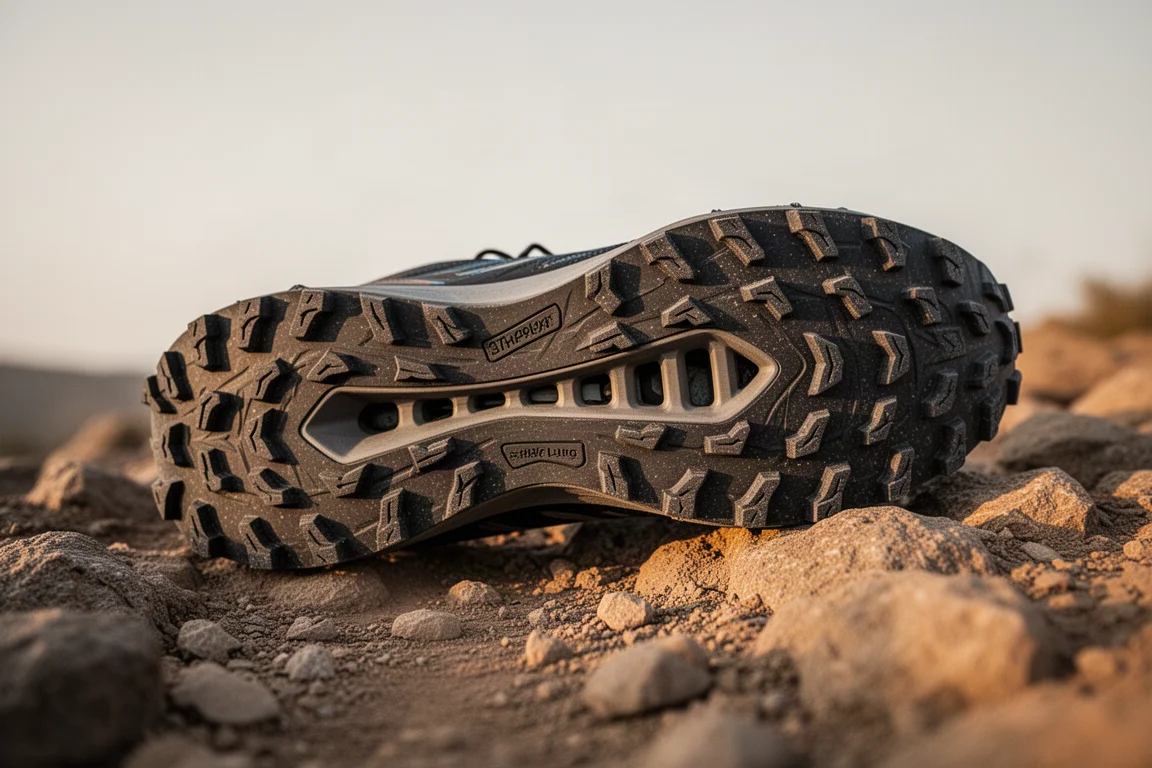
Traction comes from New Balance’s continued partnership with Vibram, and the lug design splits its duties: additional braking traction in the heel and propulsive traction up front. The channeling through the outsole has a similar feel to what New Balance did with the SC Trainer, compressing nicely while staying stable underfoot.
The upper balances breathability with coverage, adding stability elements while keeping debris out, which matters on longer trail days. And because it looks good, it works just as well as a casual shoe, which is arguably half the appeal.
At $100, it keeps the max-cushion formula at a very accessible price. It releases in April, so everyone can pick up a pair then, whether the plan is trails or the school run.
New Balance SuperComp Trail: Carbon Fiber Comes to the Trail
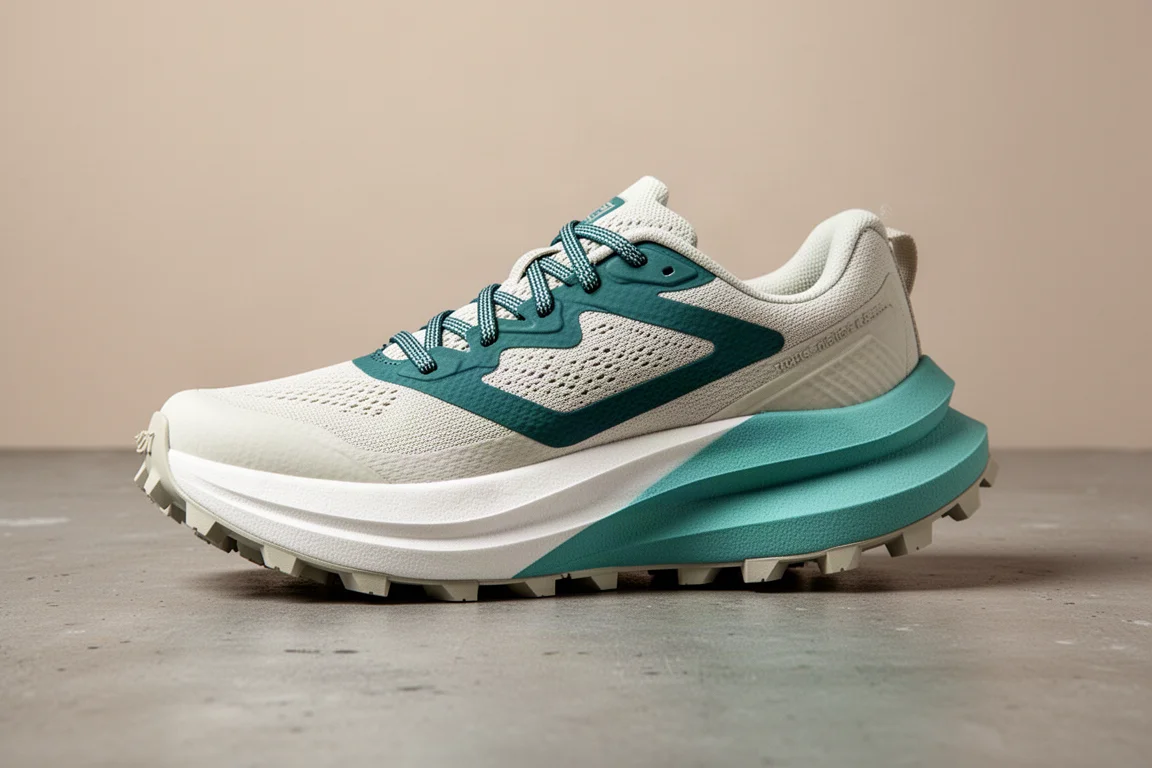
This is the headline act: New Balance bringing carbon fiber to the trail for the first time. The SuperComp Trail is part of the SuperComp family, and it carries over the FuelCell compound from New Balance’s road racing shoes with a stack height adjusted slightly to provide more inherent stability.
The clever part is the carbon plate. It keeps the longitudinal stiffness you want for propulsion, but the forefoot section is forked. Splitting the plate in that zone allows a degree of flexibility on uneven surfaces, and the leverage benefit makes the shoe feel more nimble and more balanced when the ground refuses to cooperate.
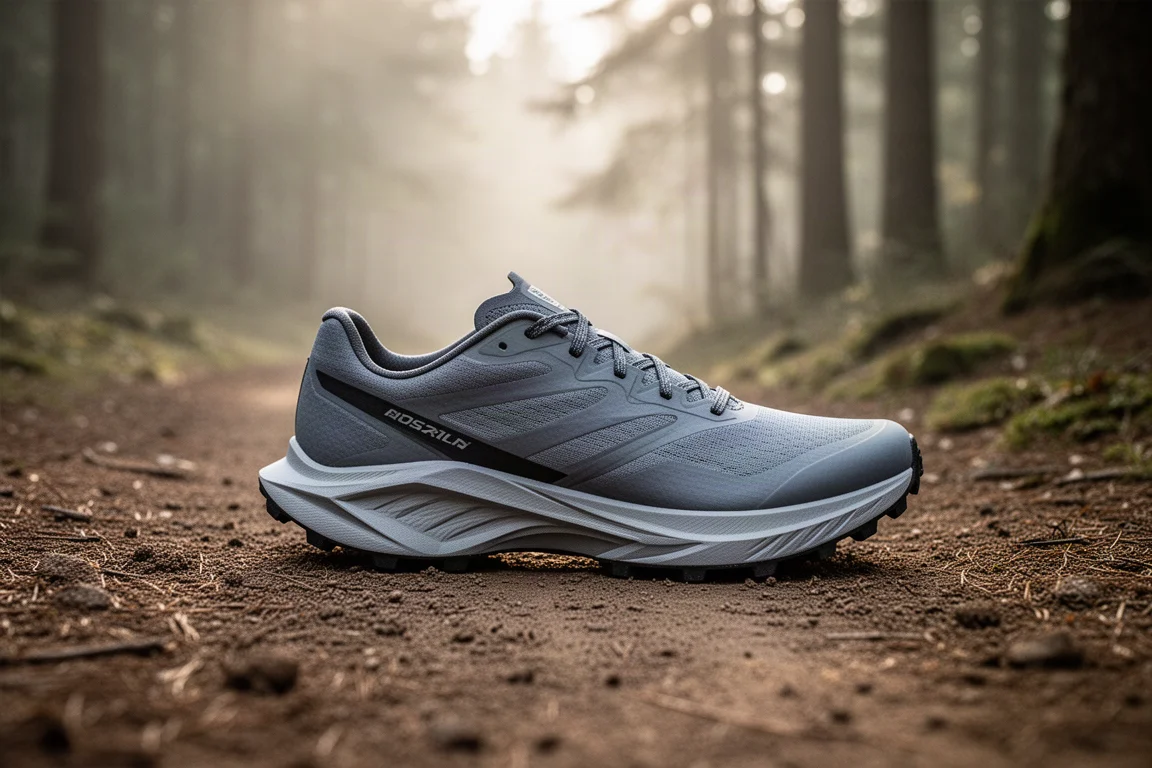
Underneath sits a Vibram Lite base with a traction-focused lug layout, with lug heights dialed in for racing while still delivering braking and propulsive grip. The result is a sleek racing profile on a trail shoe, which is exactly what you want from a performance-minded design.
It launched in the middle of 2023 at $200. Given how much the brand says it has learned from this shoe, hints that Energy Arc-style technology could spread to other trail models are worth watching, though nothing is confirmed.
New Balance Hierro: Sustainability With No Piece Left Behind
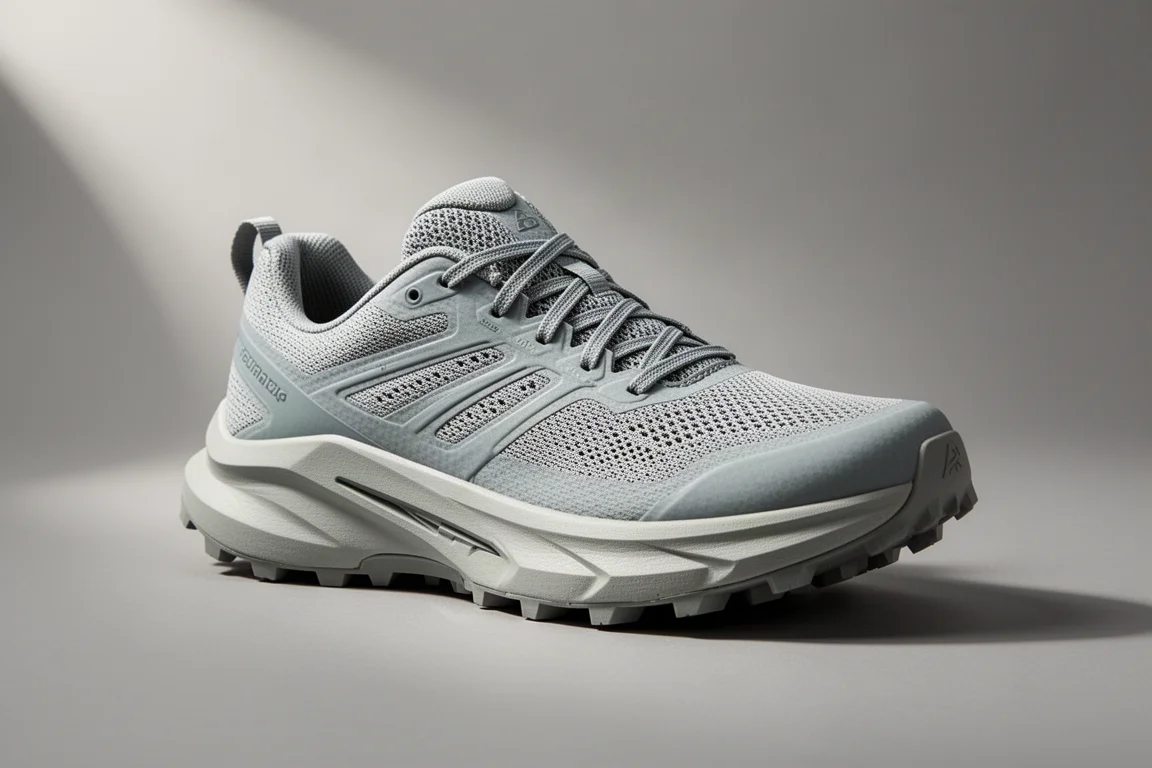
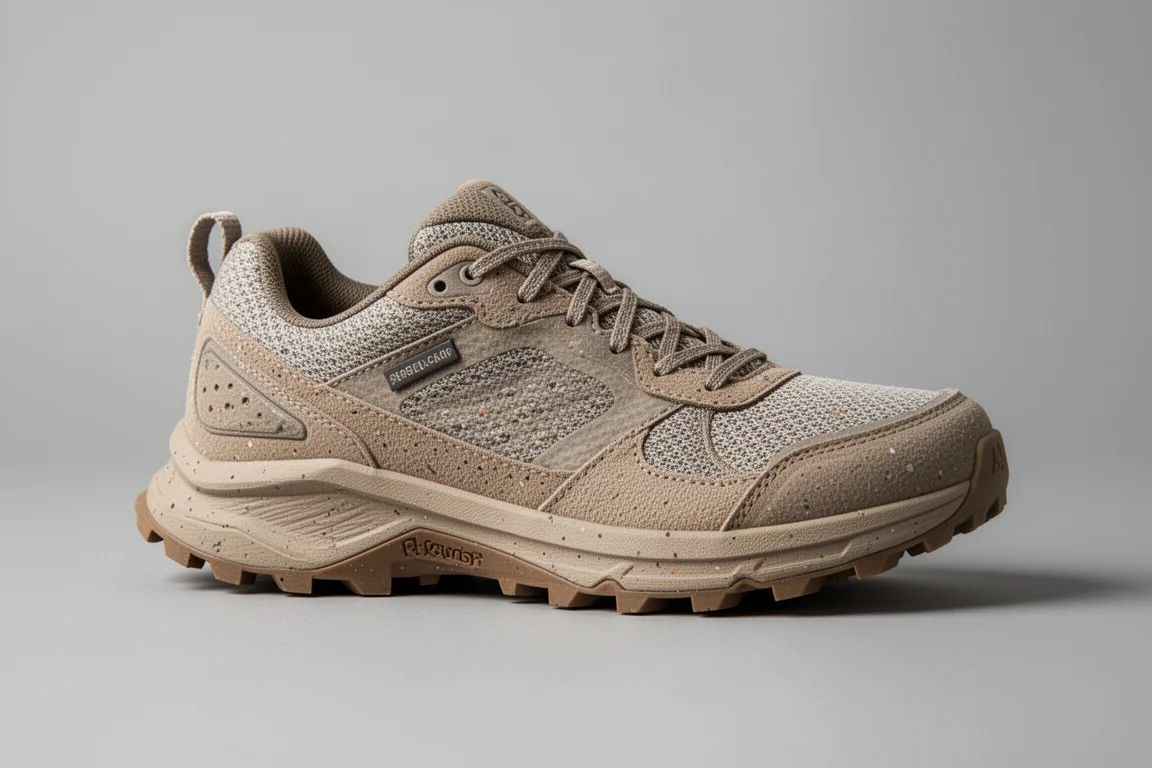
The third shoe is an update to the Hierro, one of New Balance’s key trail models, with a spin-off focused squarely on sustainability. The concept is called “no piece left behind”, and the idea is simple: the shoe utilizes more scrap waste than it produces in its construction.
New Balance has long used its trail space as an innovation tool for sustainability, and this Hierro is the next step in that effort. Learnings from the trail line flow back into road product too, maximizing sustainability opportunities across the range.

It is a genuinely unique take on the Hierro family, and it suits runners who want their gear choices to line up with how they think about the outdoors. If you liked the Hierro as a trail workhorse, this version gives you the same essential role with a smaller footprint.
Which One Should You Buy
Pick the More Trail v3 if you want maximum cushioning for long trail days and easy miles, and you do not mind wearing it casually too, all at a friendly price point.
Pick the SuperComp Trail if you race on trails or want the most performance-focused option in the lineup, and the $200 price and carbon plate fit your goals.
Pick the sustainable Hierro if everyday versatility matters most and you want a shoe that takes sustainability seriously without making a spectacle of it.
Conclusion
New Balance is going hard in the trail space, and these three shoes each earn their place: the More Trail v3 for max cushion at $100, the SuperComp Trail for carbon-plated racing at $200, and the Hierro for a sustainability-forward everyday option. If the trail market keeps growing the way it has, this lineup is a strong sign of where the category is heading.
Further reading
Related Reviews
Trail Running Shoes
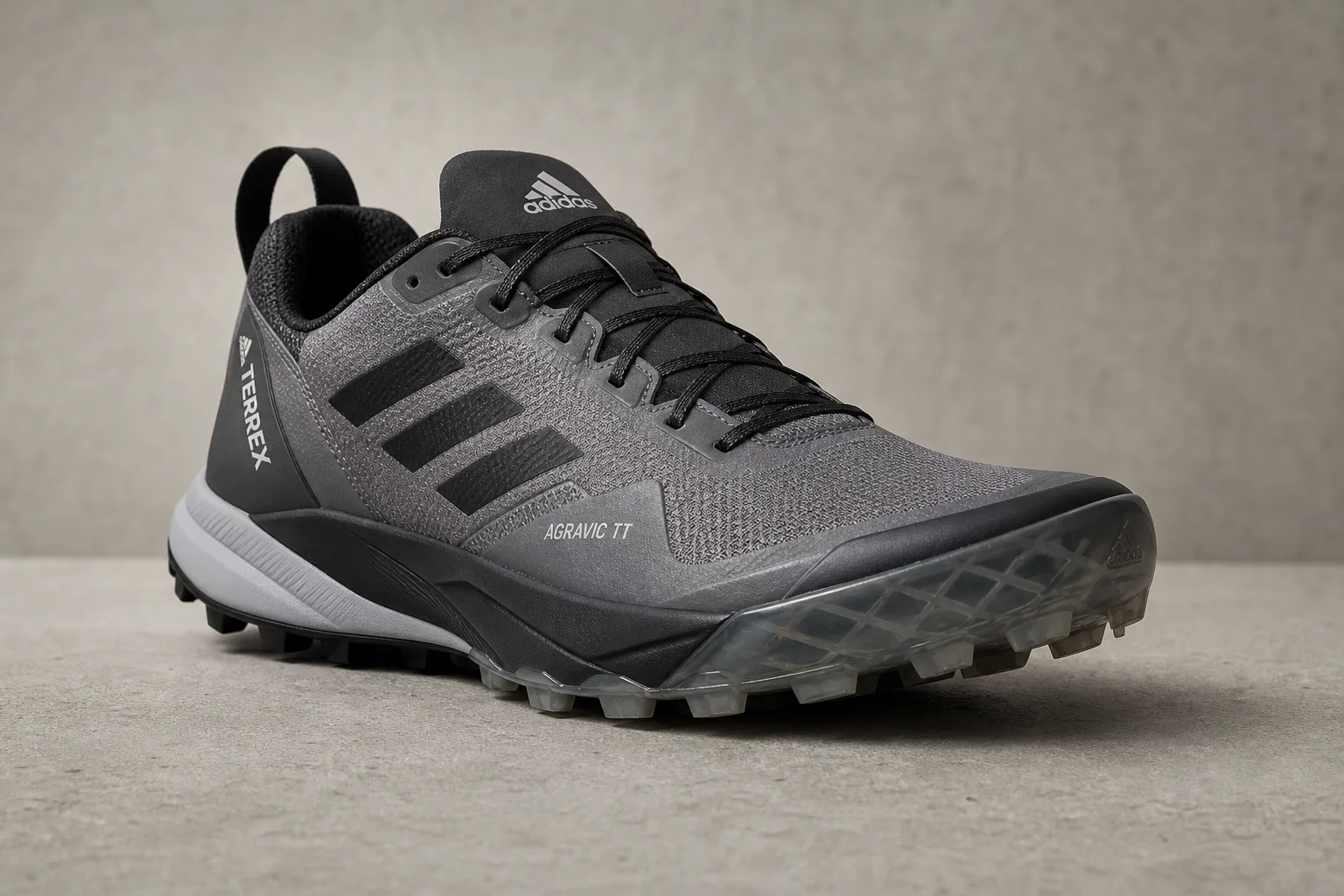
Adidas Terrex Agravic TT Review: A Technical Trail Shoe Built for Rocky Terrain
The Adidas Terrex Agravic TT combines a full-coverage rock plate with a firmer midsole to deliver protection and stability on technical, rocky trails. A capable choice for runners who prioritize underfoot defense over lightweight cushioning.
Trail Running Shoes
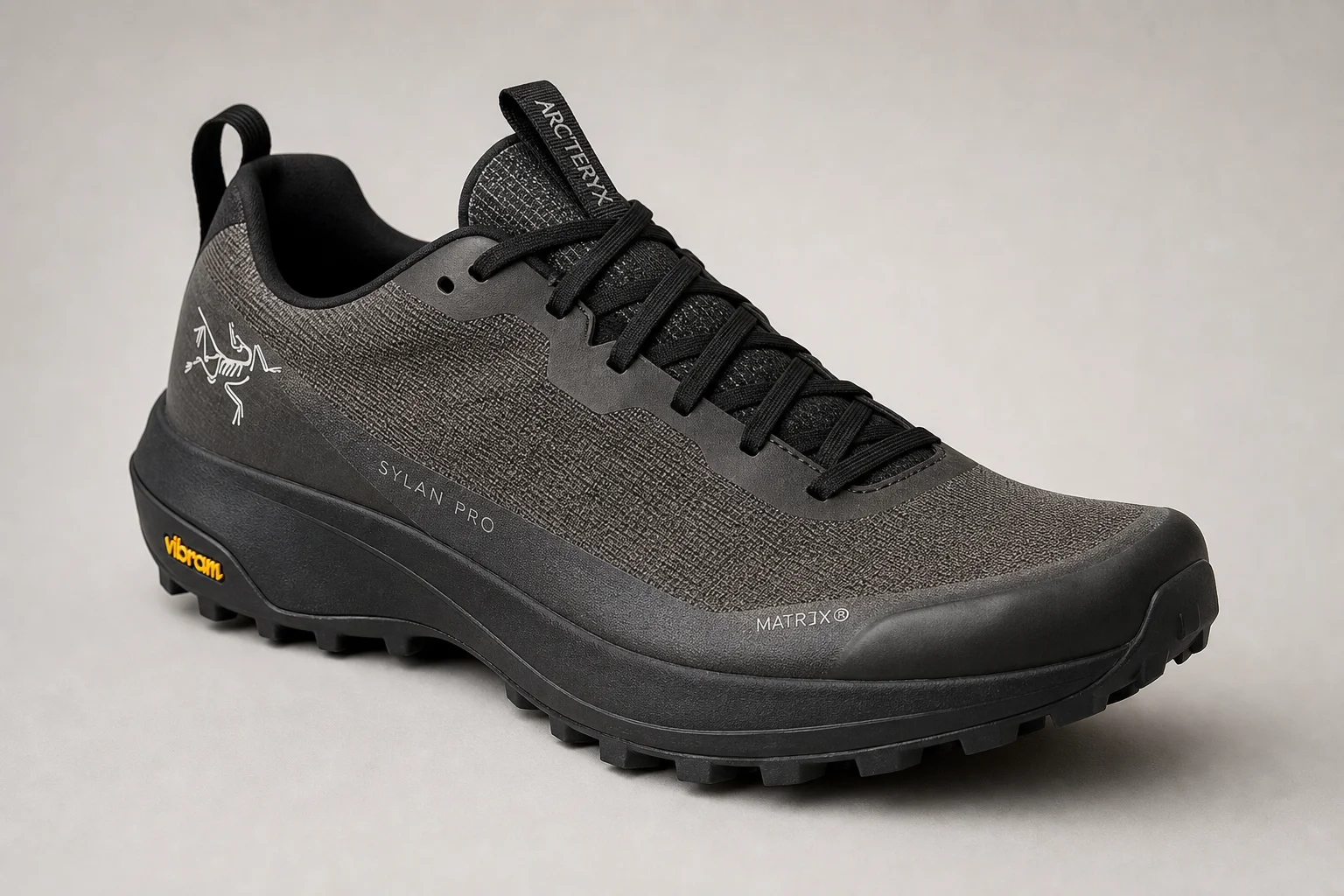
Arc'teryx Sylan Pro Review: A Rocker-Focused Mountain Running Shoe Tested on 20 Miles
The Arc'teryx Sylan Pro brings a pronounced rocker geometry and secure fit to mountain terrain. We tested it on a 20-mile Sawtooth loop to evaluate its climbing efficiency, protection, and handling of technical descents.
Trail Running Shoes
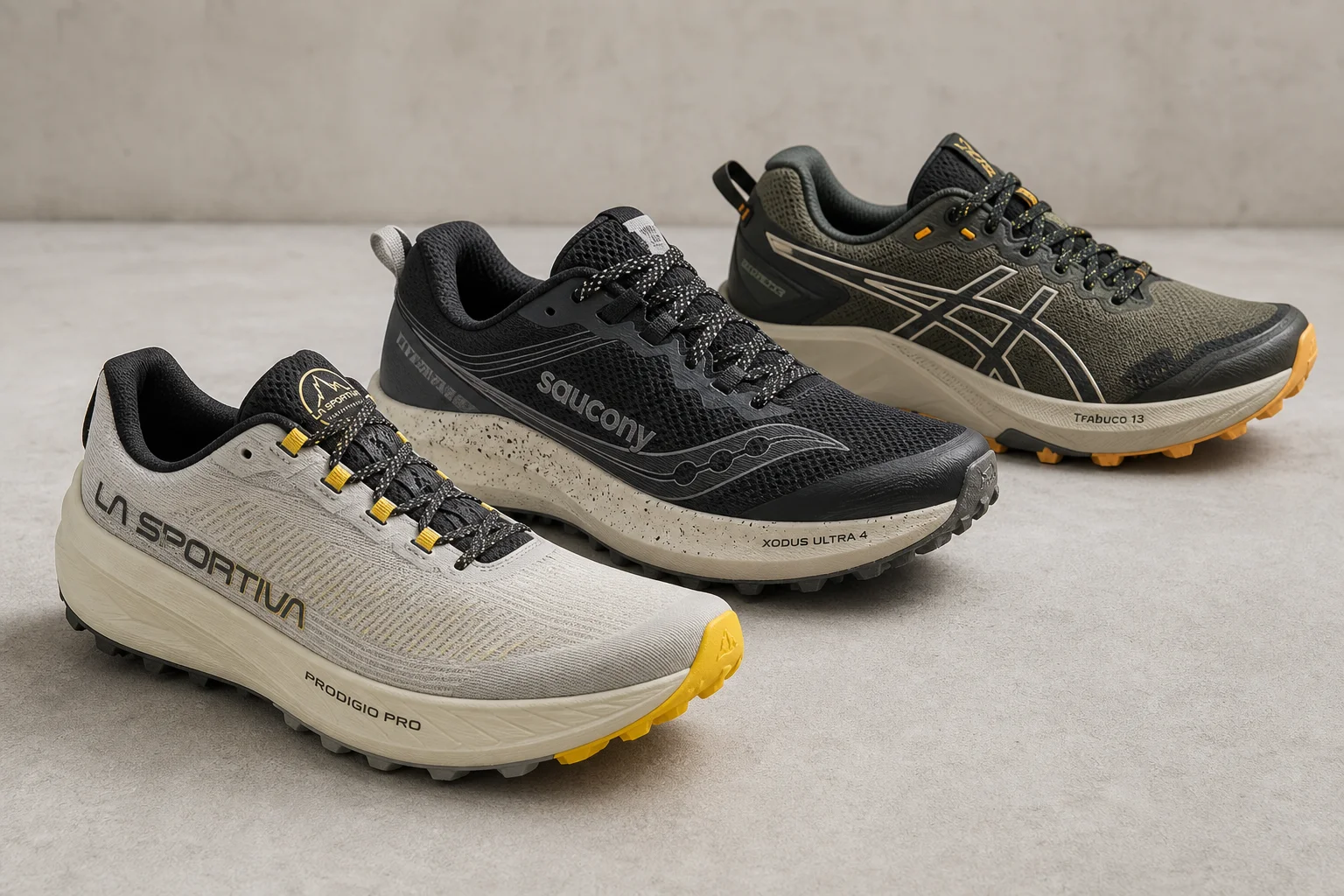
Best All-Mountain Trail Running Shoes: Three Versatile Options for Any Trail
A focused roundup of three all-mountain trail running shoes that handle technical terrain, long distances, and variable conditions with real strengths and practical trade-offs.