Running Shoes
New Balance SuperComp Trainer After 100 Miles: A Long-Term Take
One hundred miles with New Balance's tall, plate-equipped super trainer: how the ride changed, how it held up, and whether the price still makes sense.
Introduction
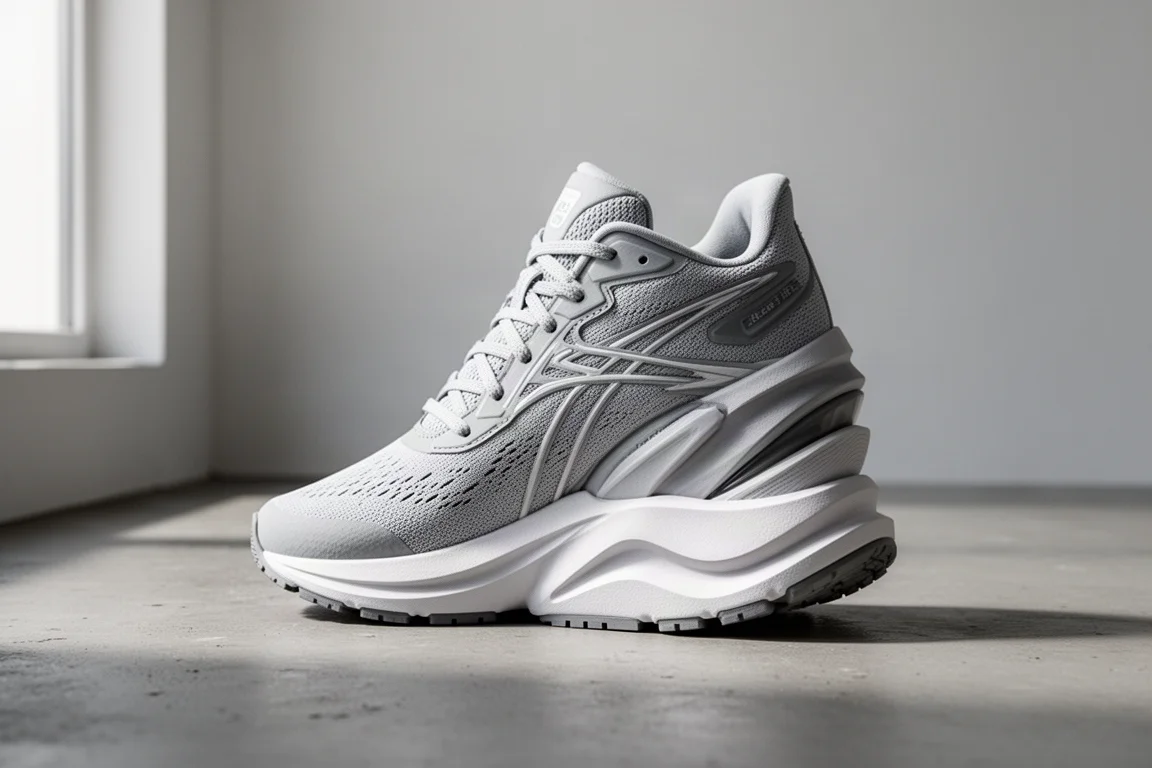
The New Balance SuperComp Trainer starts with an intriguing premise: a 47 millimeter stack height shoe with racing foam and a carbon fiber plate that is meant to be trained in, not just raced. On paper that sounds like an extra-squishy racing shoe for everyday use. After 100 miles, the more interesting question is whether a shoe this tall can keep everything that made it appealing on day one.
How the Ride Behaves Over the Miles
The shoe launched with a clear use case: long runs and harder workouts, backed by New Balance’s FuelCell racing foam and a carbon fiber plate. In practice, the way it gets used tends to shift over time. What starts as a workout option gradually becomes a shoe for easy days and long, steady efforts.

The cushioning is a big part of that. With 47 millimeters of stack at the heel, an eight millimeter drop, and 39 millimeters in the forefoot, it delivers a very comfortable ride. But the forefoot does not feel as tall or squishy as the numbers suggest, which changes who the shoe works for.
Stability From Plate Position, Not Just Foam
Even with a lot of foam underfoot, the shoe stays stable, and the plate placement is the main reason. The plate sits high in the shoe and then scoops down low, close to the ground, in the forefoot. That geometry produces a stable landing and toe-off position and keeps the ride from turning wobbly or squirrely.
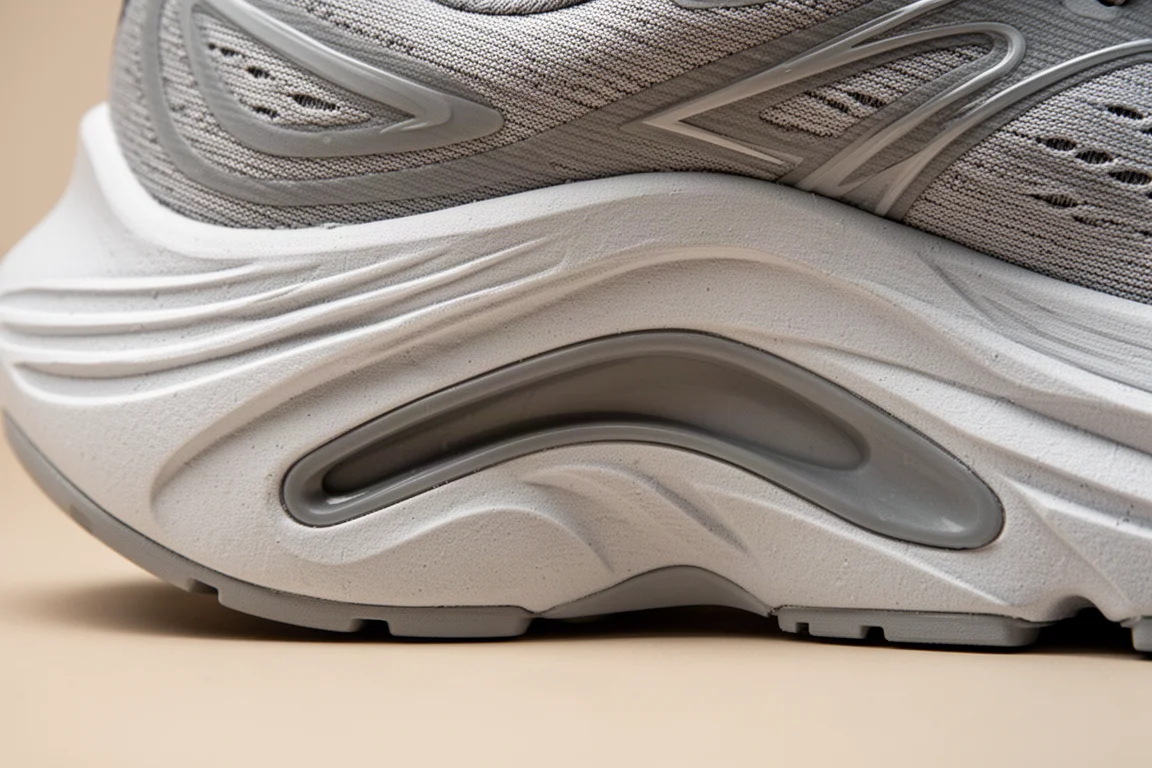
For midfoot and heel strikers, that setup likely adds versatility, making the shoe usable for some workouts as well. Forefoot strikers, on the other hand, will probably find the shoe best reserved for longer easy runs and steady efforts around marathon pace or slightly slower, rather than anything at 5K-type pace.
Durability After 100 Miles
Overall durability is strong. The heel still feels squishy, the forefoot still feels stable no matter how the foot lands, and the outsole rubber looks good for a shoe with 100 miles on it. There is mild wear in the highest-wear areas, mainly in the pads of the foot and the lateral sides toward the heel, but nothing unusual or accelerated.
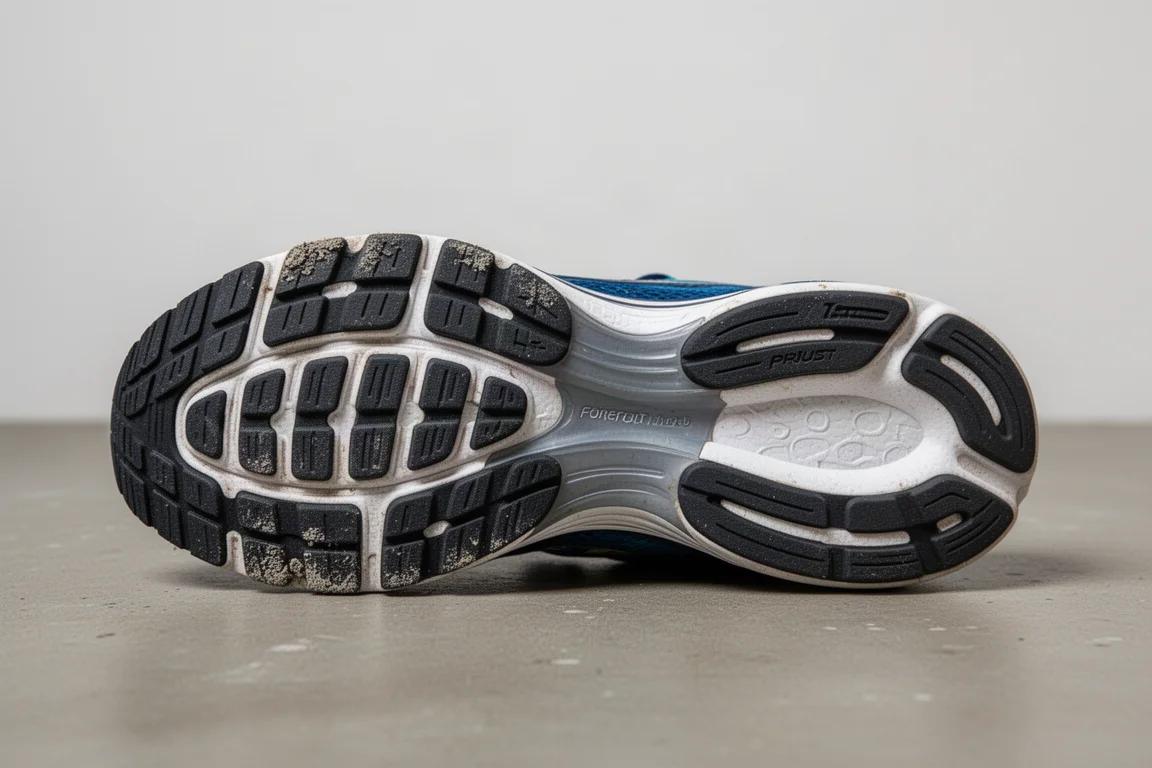
The one disappointment is the exposed foam in the forefoot, in the border between the rubber and the cutout window to the carbon plate. That area looks chewed up and slightly shriveled, apparently from small rocks and pebbles denting the foam, and the exposed foam also seems slightly pushed up into the shoe compared to when it was new. It does not seem to degrade the ride much, but the cosmetics are rough and there is some concern the foam is losing shape a little faster than ideal.
Alternatives to Consider
If this shoe slots into a rotation, it pairs naturally with two other options from New Balance. For faster days, the SuperComp Elite v3 shares the same character, and both show similar roughness in that exposed forefoot foam area after 100 miles, but the Elite is the better pick for threshold sessions, mile repeats, and marathon-effort long run miles. For shorter faster days and easy runs with strides, the Rebel v3 offers the same FuelCell foam in a much lower stack without a plate, making it a natural daily trainer companion.
Outside the brand, the closest match is the Asics SuperBlast, which stacks FF Turbo racing foam over FF Blast Plus daily training foam to deliver a race-like sensation, dialed back slightly. Both shoes get used very similarly, though the SuperBlast handles picking up the pace a little better while the SuperComp Trainer is happier staying relaxed. The SuperBlast received a price reduction but still sits at $200, versus $180 for the SuperComp Trainer.
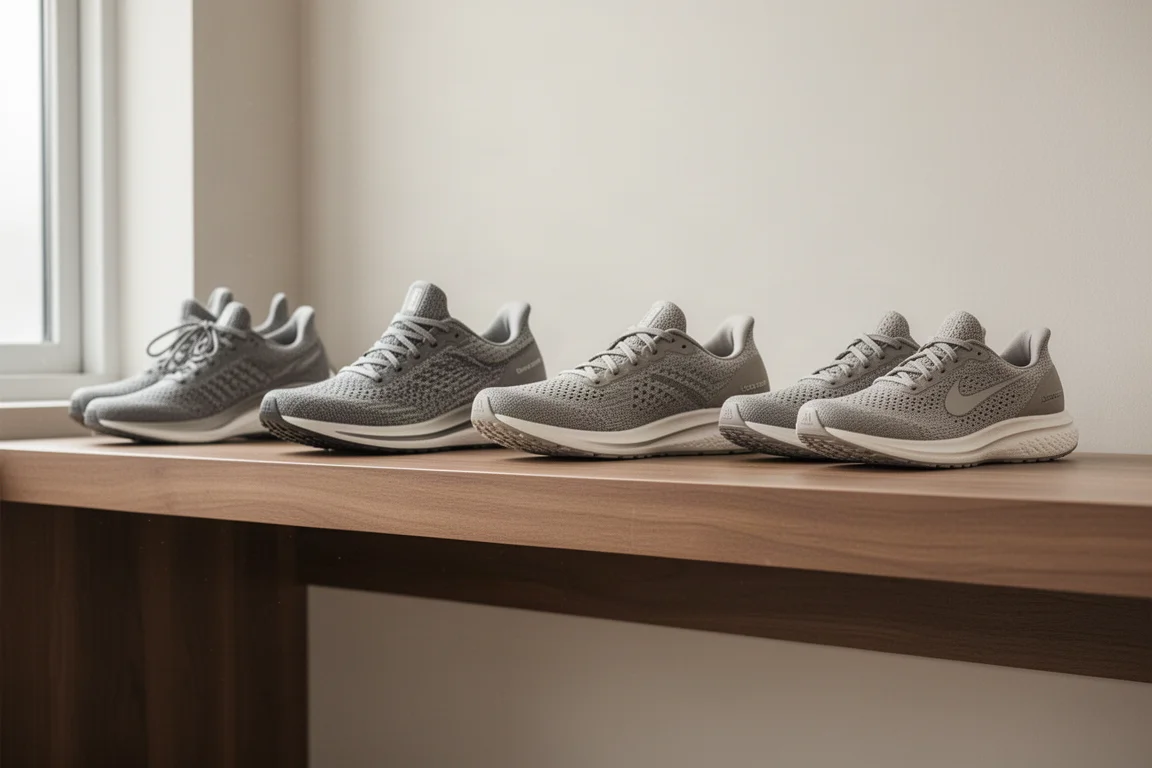
For a cheaper alternative, the Fresh Foam More v4 is also a very tall, very comfortable shoe, and it gets used very similarly for long steady days. Its Fresh Foam midsole is more of an everyday, relaxed recovery foam, while the SuperComp Trainer is more eager to pick up the pace. At around $150, it undercuts the SuperComp Trainer by $30.
Buying Advice
The SuperComp Trainer still retails at $180, and discounts have been hard to find. That price feels expensive, sitting near racing shoe territory, even though the shoe delivers a lot: racing-level foam and a carbon fiber plate in a trainer package. It remains a genuinely fun shoe to run in, but the value is debatable at this price point. The best fit is for runners who want one shoe for long, steady runs, with some added versatility if their foot strike leans midfoot or heel.
Conclusion
After 100 miles, the SuperComp Trainer holds up well where it matters: the ride stays cushioned and stable, and the rubber wears normally. The exposed forefoot foam ages less gracefully, and the $180 price asks a lot for a trainer. For runners who match its strengths, long steady miles with a stable, plate-assisted ride, it is still an enjoyable, capable option.
Product link
View more details for New Balance FuelCell SuperComp Trainer
This product is mentioned in the review. Check the specifications, options, and compatibility before buying.
View more details for New Balance FuelCell SuperComp TrainerFurther reading
Related Reviews

Running Shoes
Best Road-to-Trail Running Shoes: Three Versatile Options for Mixed Terrain
A practical guide to three road-to-trail running shoes that handle both pavement and mild trails, with clear strengths and trade-offs for different runner types.

Running Shoes
Best Running Shoes for Achilles Tendonitis: Three Options Explained
Three running shoes with different heel drops and support features designed to help reduce Achilles tendon pain during walking and running.

Running Shoes
Best Running Shoes for Women: Five Top Choices Ranked
A ranked guide to five women's running shoes, from versatile daily trainers to high-performance racing options, with real strengths and trade-offs for each.