Trail Running Shoes
New Balance SuperComp Trail Review: A Race-Day Trail Shoe With Real Pep
A soft FuelCell midsole, Energy Arc plate, and thoughtfully placed Vibram lugs make the SuperComp Trail a compelling short-course racer, with a few fit quirks to know first.
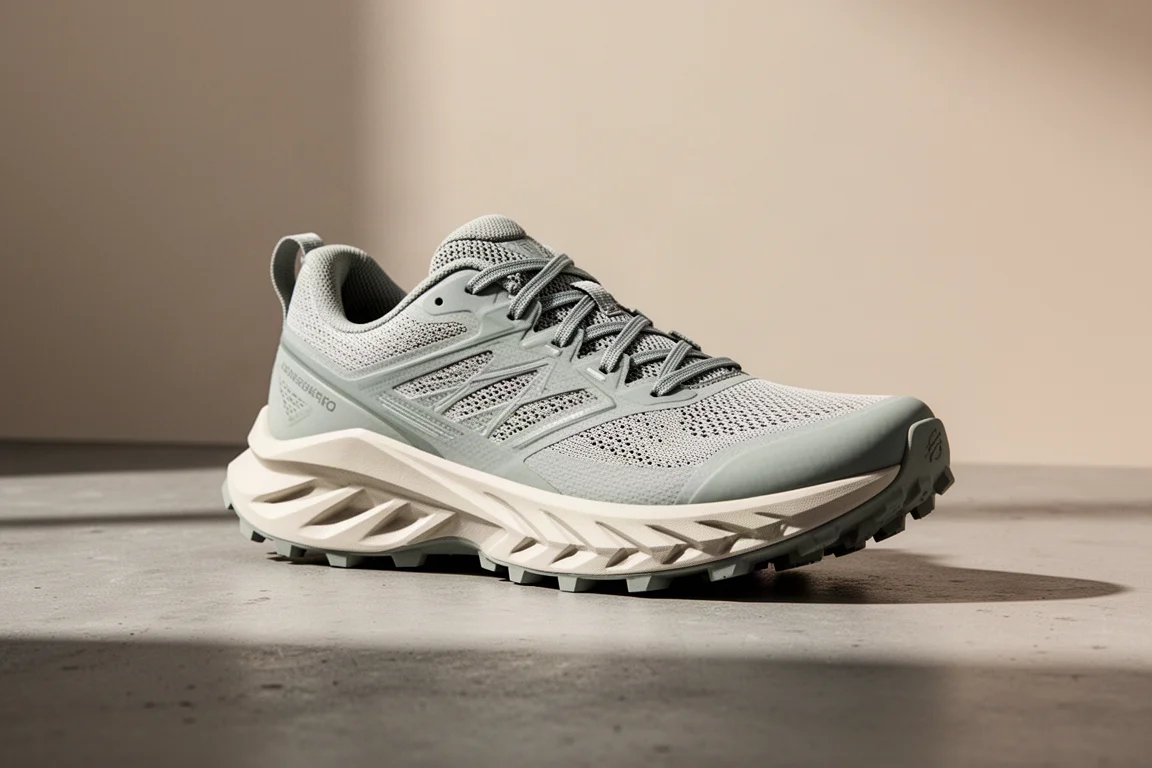
Introduction
The New Balance SuperComp Trail is the brand’s race-focused trail running shoe, built around a FuelCell midsole and an Energy Arc plate. After testing, the short verdict is easy: this is a peppy, lightweight racer with a very soft underfoot feel, and it earns a spot on the start line for anything from about 10 to 18 miles.
Who This Shoe Is For
This is a racing shoe first and a daily trainer a distant second. The soft, bouncy midsole and low weight make it best suited to shorter, faster trail efforts, especially in the 10-to-18-mile range. You could stretch it past 20 miles, but for anything longer a beefier, more supportive midsole would be the safer pick. It also fits best on buffed-out or moderately technical terrain rather than steep, loose rock.

Strengths: Midsole, Plate, and Outsole Grip
The FuelCell midsole is the headline. It measures around 35 to 36 on the durometer scale, which is soft even by road running standards and definitely soft for trails. Some people may find it too soft, but the Energy Arc plate inside helps block some of the blunt force from rocks and roots, which keeps the ride usable on less forgiving ground.
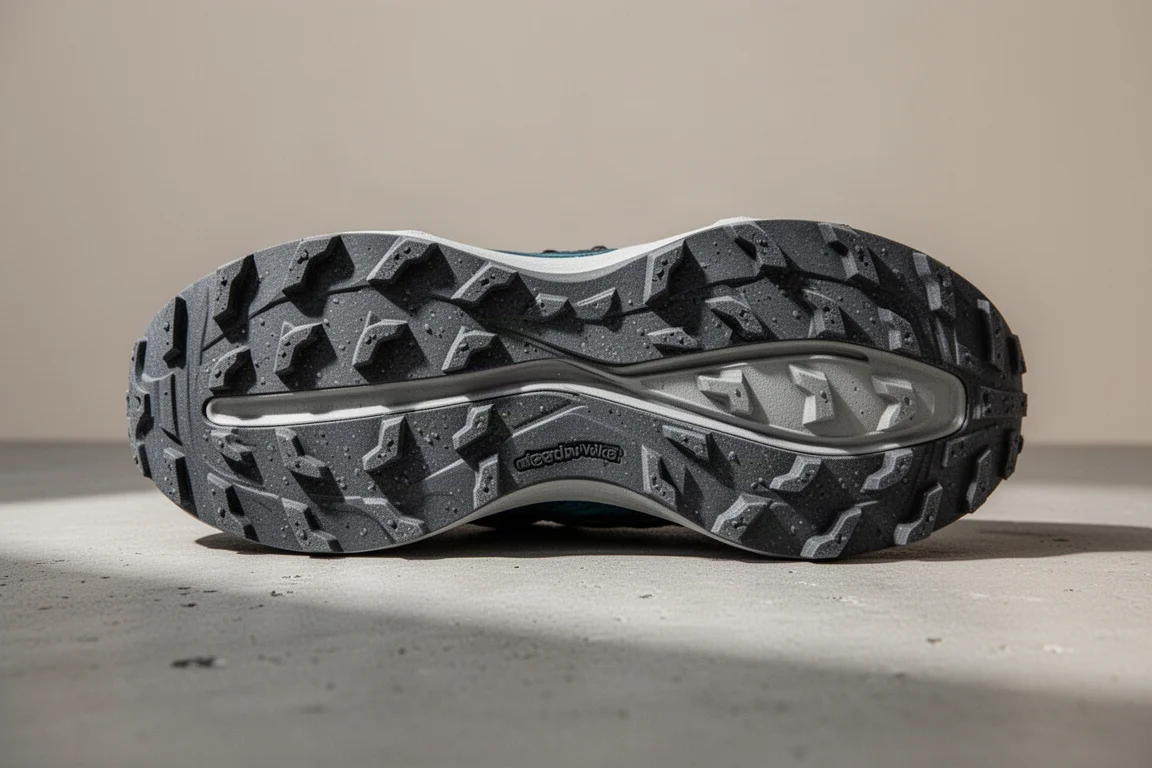
The outsole is another quiet win. It is Vibram-based and lightweight, so it does not add a ton of extra rubber weight, and the lug depth comes in around 2 to 3 millimeters. What stands out even more than lug depth is lug placement and configuration. Many trail shoes get lug patterns wrong for either climbing or descending; here the arrangement makes sense for both directions, and a decoupled groove in the midfoot is shaped so rocks are unlikely to get stuck in it.
The upper is serviceable rather than exciting. The heel counter is good, the semi-gusseted tongue is a nice touch, and the fit is secure. The midsole and outsole are simply the more impressive parts of the package.
Things to Consider Before Buying
Fit is the first thing to check. The SuperComp Trail runs snug, so many runners will want to go up a half size, especially if they wear thicker trail socks. Thicker socks are genuinely useful on long trail days because they keep grit and dust off the skin and reduce the chance of irritation and blisters.
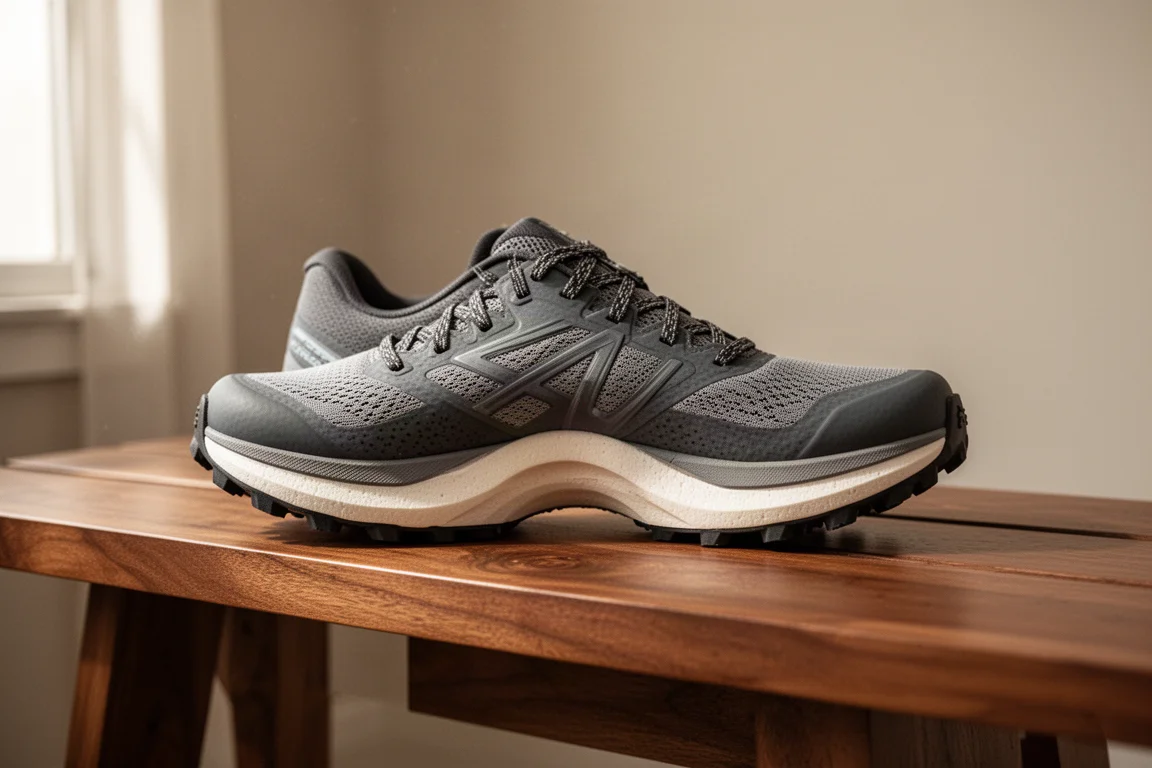
A few other details to weigh. The tongue is thinner than expected, and the toe cap is not very stout, so a kicked rock or root may be felt through the front of the shoe. Durability is unlikely to be class-leading, though it should get the job done. Finally, the soft midsole is a genuine love-it-or-leave-it trait; it feels buttery, but runners who prefer a firmer platform may find it too much. At a $200 list price, the value score lands around 4 out of 10, which makes sale pricing worth waiting for.
Buying Advice
If the list price gives you pause, watch for discounts. The shoe has been spotted at around $147 in some sizes, and buying it ahead of the spring and summer trail season is a smart way to stretch a budget. Two caveats carry over from testing: the fit runs a little snug, so consider the half size up, and the midsole is a little soft, which some runners will find takes getting used to.

For racing, narrower outsole widths in the region of 86 millimeters at the heel and 107 millimeters at the forefoot keep the shoe from feeling overly wide underfoot, which suits fast running. Just avoid choosing it for the steepest, loosest rock courses; a more aggressive outsole would be the better tool there.
Conclusion
The New Balance SuperComp Trail nails the things that matter for racing: a soft FuelCell ride, an Energy Arc plate for protection, smartly configured Vibram lugs, and a light, peppy feel. The upper is basic, the fit runs snug, and durability is only adequate, but for 10-to-18-mile trail races it is an easy recommendation, especially if you can catch it on sale.
Product link
View more details for New Balance SuperComp Trail
This product is mentioned in the review. Check the specifications, options, and compatibility before buying.
View more details for New Balance SuperComp TrailFurther reading
Related Reviews
Trail Running Shoes
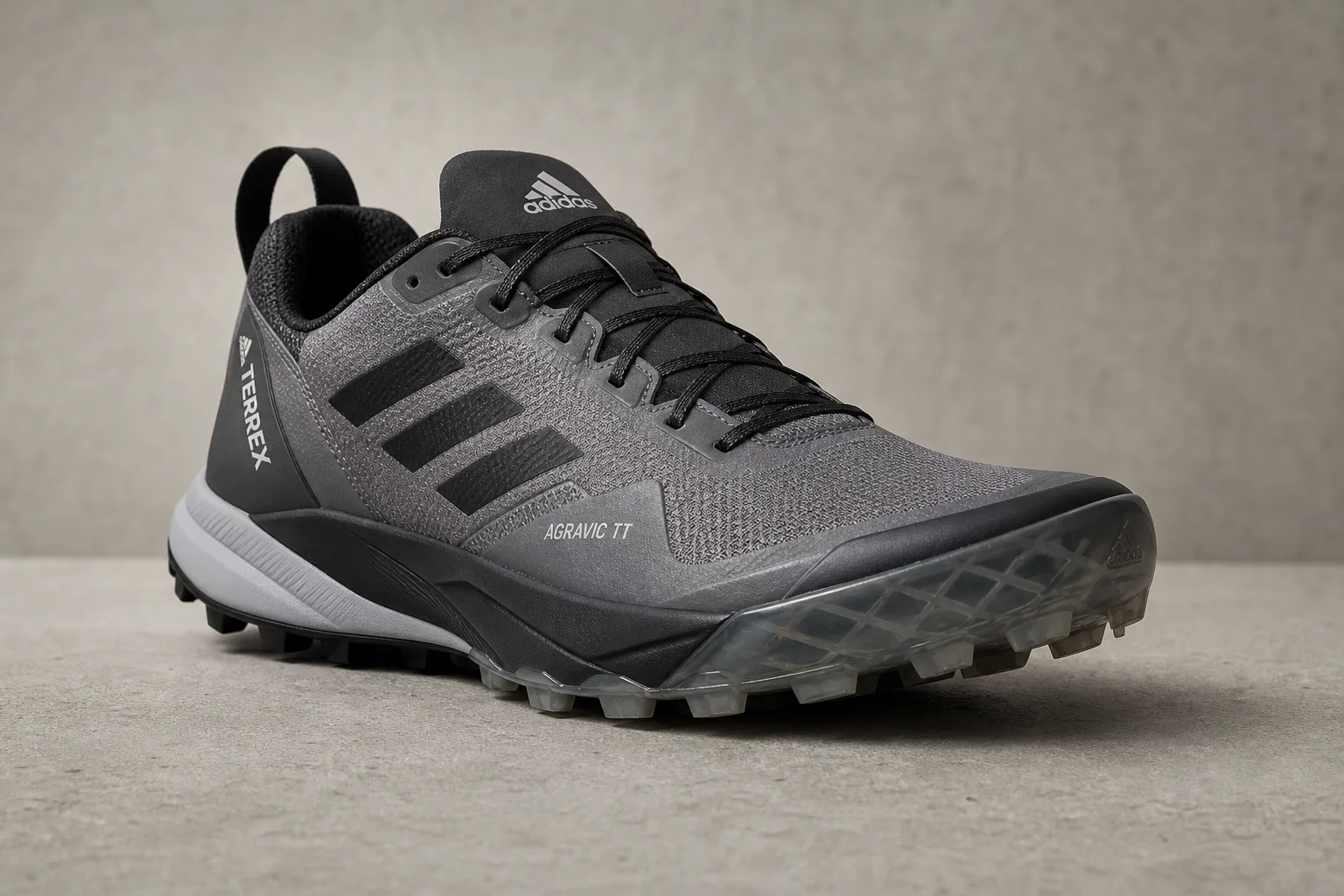
Adidas Terrex Agravic TT Review: A Technical Trail Shoe Built for Rocky Terrain
The Adidas Terrex Agravic TT combines a full-coverage rock plate with a firmer midsole to deliver protection and stability on technical, rocky trails. A capable choice for runners who prioritize underfoot defense over lightweight cushioning.
Trail Running Shoes
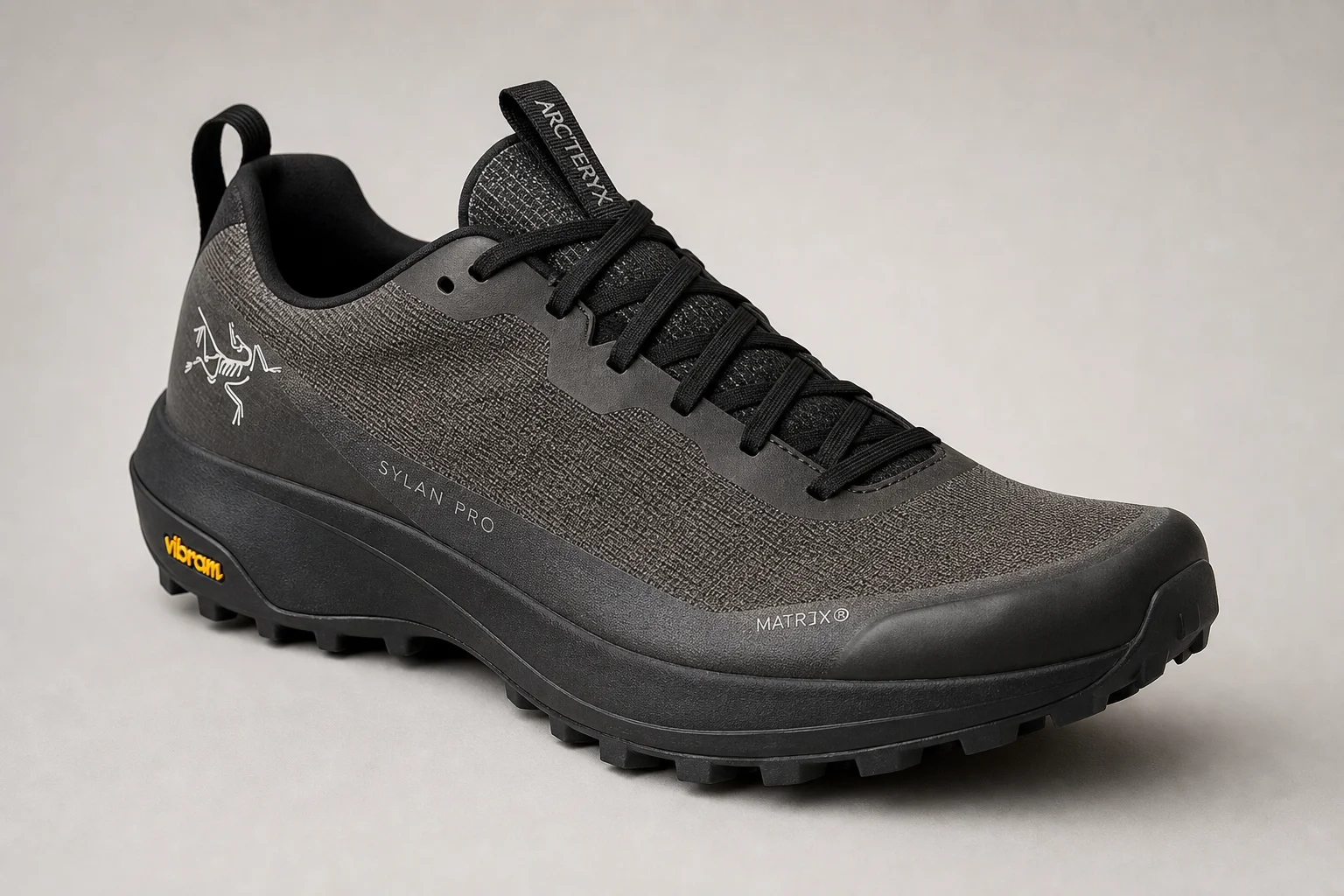
Arc'teryx Sylan Pro Review: A Rocker-Focused Mountain Running Shoe Tested on 20 Miles
The Arc'teryx Sylan Pro brings a pronounced rocker geometry and secure fit to mountain terrain. We tested it on a 20-mile Sawtooth loop to evaluate its climbing efficiency, protection, and handling of technical descents.
Trail Running Shoes
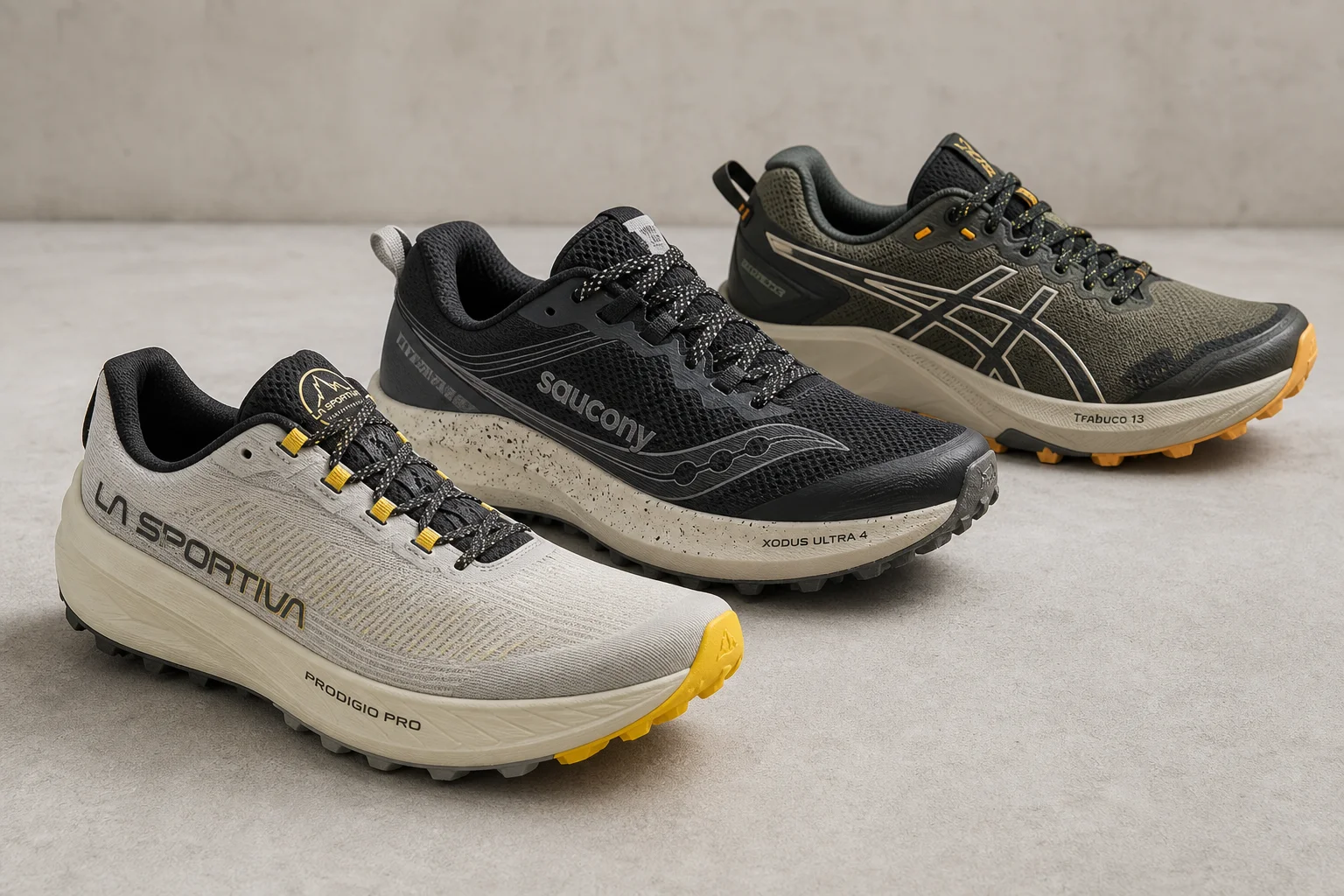
Best All-Mountain Trail Running Shoes: Three Versatile Options for Any Trail
A focused roundup of three all-mountain trail running shoes that handle technical terrain, long distances, and variable conditions with real strengths and practical trade-offs.