Running Shoes
New Balance SuperComp Rebel Review: A Tempo Trainer That Changes the Lineup
The SuperComp Rebel blends Rebel DNA with SuperComp race tech, and it stacks up well against the Rebel v5, SC Elite v5, SC Trainer, SC Pacer v2, Puma Deviate Nitro 4, and Saucony Endorphin Speed 5.
Introduction
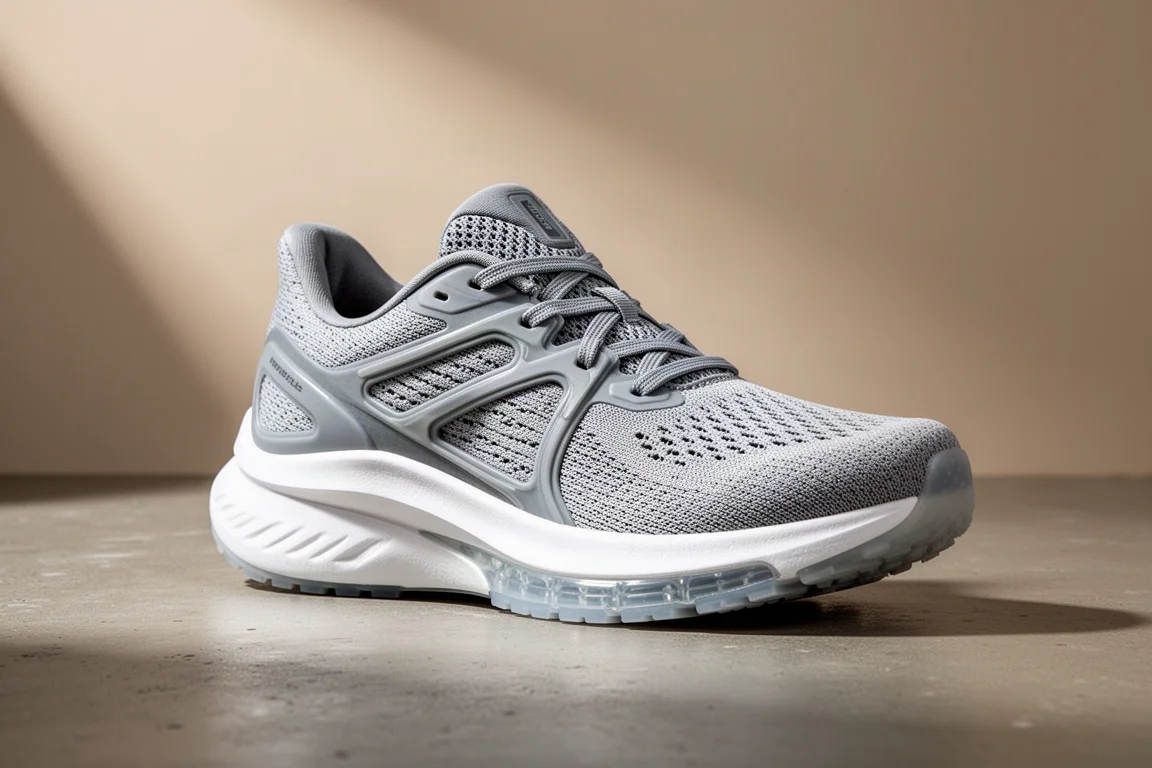
The New Balance SuperComp Rebel arrives with a double name drop: the long-running Rebel franchise and the SuperComp race family. It sounds like a marketing exercise, but the execution suggests otherwise. The shoe is built to fill a gap in the New Balance lineup that has existed since the FuelCell TC was discontinued, combining real cushion with genuine speed. In this guide we break down how the SuperComp Rebel performs, how it fits into the broader SuperComp and Rebel families, and how it compares with two of the strongest tempo trainers from Puma and Saucony.
New Balance SuperComp Rebel: Specs and Design
The SuperComp Rebel is a 40 mm stack height shoe with a 4 mm drop, putting 36 mm of foam under the forefoot. The midsole foam is InfiniOn, the same foam name used in the 1080 v5-era 1080 v15, paired with New Balance’s Energy Arc propulsion plate. That plate sits as low in the stack as it can get in the forefoot, essentially underneath all of the midsole foam with only a thin layer of translucent rubber separating it from the ground.
The channel design through the center of the shoe, running from the midfoot back through the heel, is something New Balance has used in both past Rebel models and SuperComp shoes. On the outsole, there is a generous rubber surface area up front and two rubber pads at the heel. The lateral heel pad is filled in, while the medial side has a small cutout to let the foam expand on landing.
The upper uses FantomFit with a TPU frame for structure, a different and slightly stronger material than earlier Rebels. It is a little less soft and a little less breathable, but it is clearly designed to lock the foot in for faster running. The tongue has minimal padding with a gusset, and the heel cup keeps the restrained padding the Rebel line is known for.
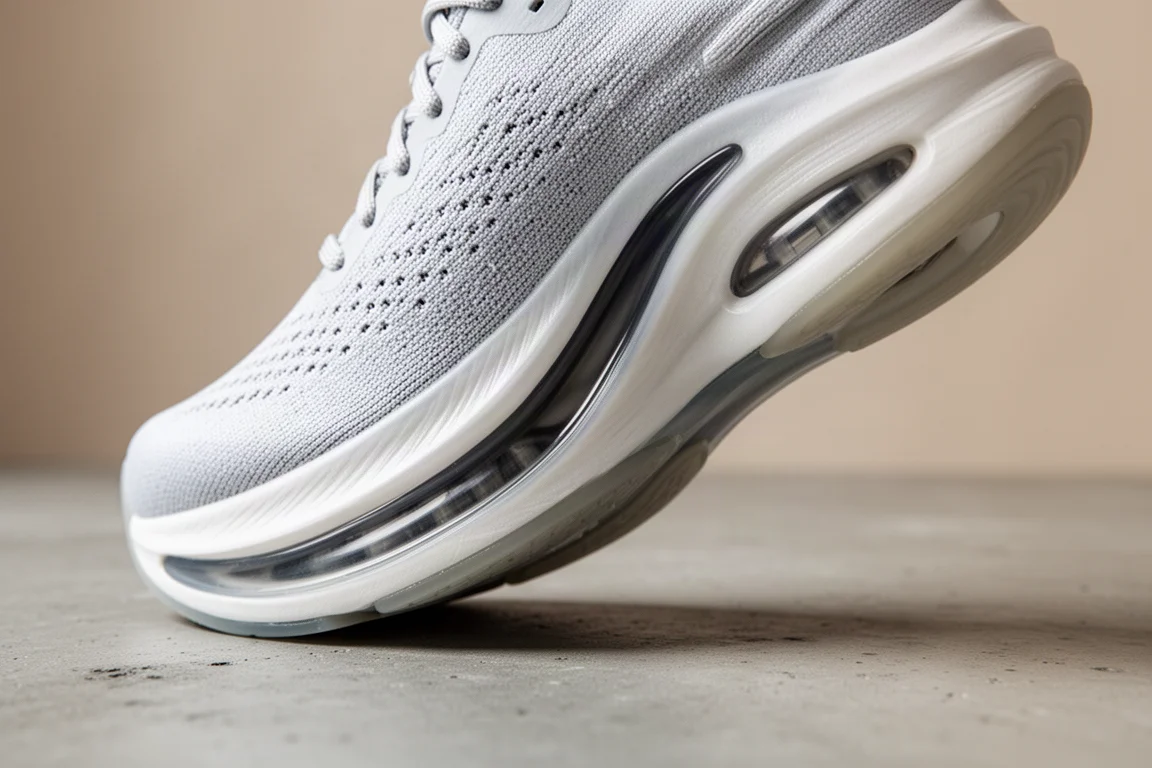
Fit is where the SuperComp badge makes itself felt. This is a slimmer, racer-style fit rather than the generous Rebel fit. Length runs true in a regular running shoe size, but the toe box is tighter and shallower, and the fourth and fifth toes can rub on longer runs. If you were already on the fence about sizing up in the Rebel 4 or Rebel 5, size up half a size here. Weight is a strong point: a US men’s size 9 comes in at 7.6 oz, or 214 g, which is very competitive for the class.
How the SuperComp Rebel Runs on the Road
On the road, the SuperComp Rebel delivers a well-executed mix of cushion and speed. The InfiniOn foam feels bouncier and far more energetic here than in the 1080 v15, likely thanks to geometry changes and the plate doing real work. The big sidewall and channel design creates a lively, bouncy sensation when you land midfoot or slightly behind it, and the foam and plate work together even at easy paces to give a strong sense of cushion and spring on toe-off.
Up front, the low-set plate makes the forefoot feel relatively firm. That firmness is the trade-off: at easy paces it can feel a little dense if you land forefoot first, but at threshold and faster efforts it turns into a pleasant, stable platform with a genuine sense of pop. In many ways the geometry echoes the first SuperComp Trainer, with an even more extreme version of that shoe’s midfoot channel and low forefoot plate.
Across a variety of paces, the shoe shines on longer steady runs, where it becomes a set-it-and-forget-it cruiser that holds your effort level happily for a long time. It also handles easy daily running well, though easy paces are where it is least excellent because of the firm forefoot. At threshold, in a 6x6 style workout, it is excellent, with that extra plate rigidity providing the pop you want on reps five and six. Where plateless daily trainers like the Evo SL can leave you missing something at the end of a hard session, the SuperComp Rebel does not.
New Balance Rebel v5: The Relaxed Daily Trainer
The Rebel v5 is the closest sibling and the clearest contrast. It uses FuelCell, in this case a PEBA-EVA blend, and has no plate. The result is a much more relaxed shoe that is softer at all paces, especially for forefoot strikers, with a very generous fit that confirms its identity as a pure daily trainer. The FuelCell foam is still bouncy enough that many runners can take it into some workouts, and it is one of the strongest daily trainers available right now.

Choosing between the two comes down to the mix you want. The more workout-heavy your running, the more the SuperComp Rebel makes sense; the more daily miles you want, the more the Rebel v5 earns its spot, and at $145 it saves you a meaningful amount over the $190 SuperComp Rebel.
New Balance SuperComp Elite v5: The Marathon Racer
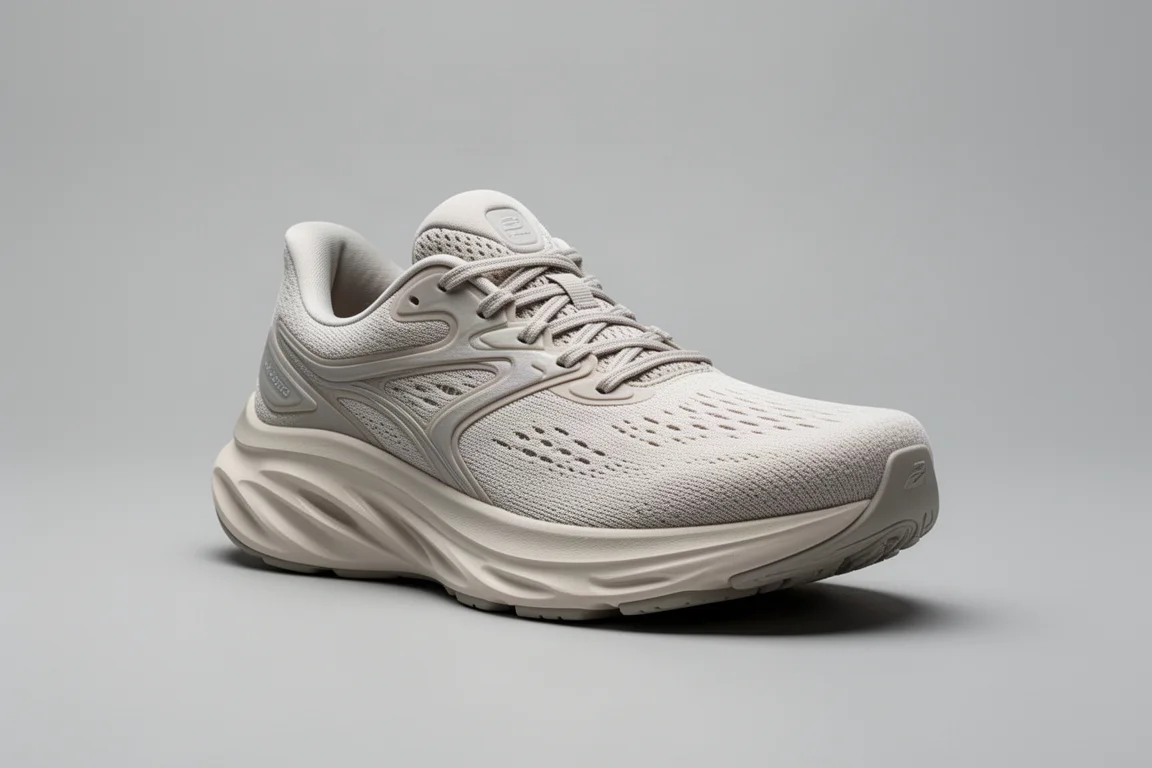
At the top of the SuperComp family sits the SuperComp Elite v5, the marathon racer. It uses a full PEBA FuelCell foam with an Energy Arc plate, a stripped-down upper, and race-grade materials throughout. Like the SuperComp Rebel, it is a midfoot striker’s shoe that also works well for forefoot strikers, but this is the shoe built for race day rather than training. It represents the aggressive end of the SuperComp spectrum.
New Balance SuperComp Trainer: The Long-Run Option
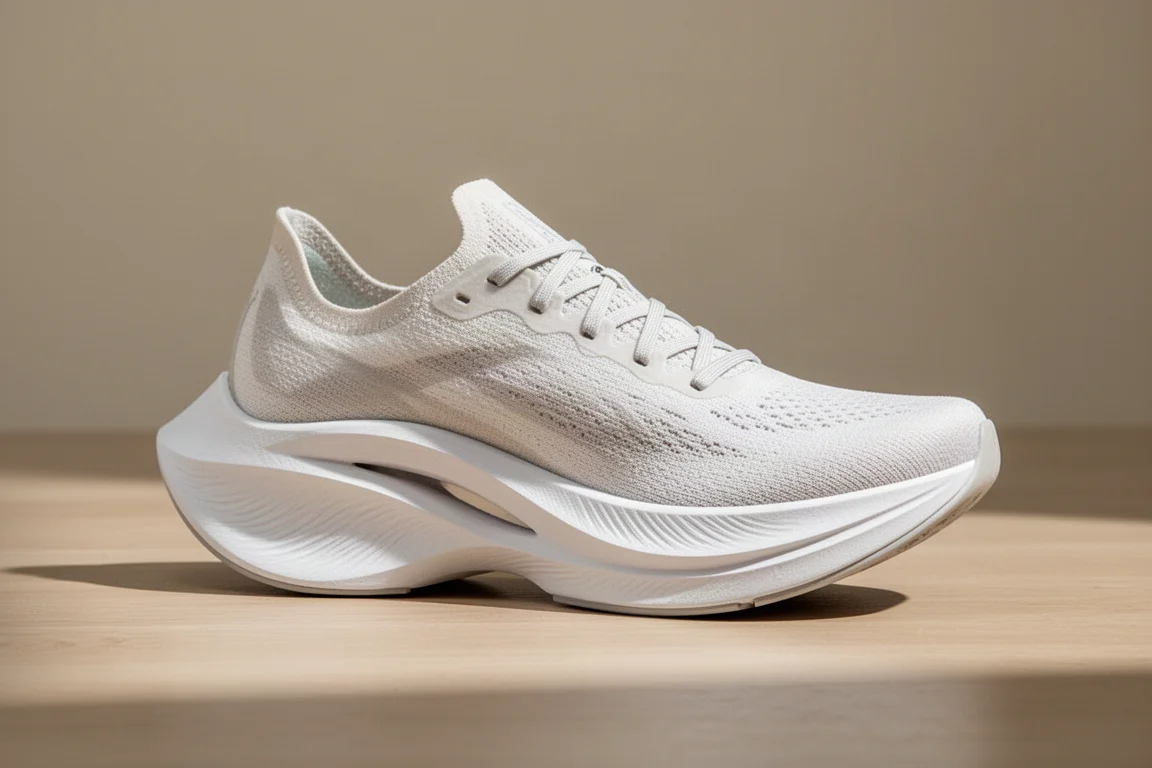
The SuperComp Trainer shares the same basic formula: FuelCell foam, an Energy Arc plate, and similar geometry, but with blended materials in the foam that make it less aggressive than the Elite. It is not simply a bigger, cushier version of the racer. Instead, it functions as the long-run shoe of the SuperComp family, and for bigger or taller runners it serves as a less aggressive marathon racing option.
New Balance SuperComp Pacer v2: The Alternative Racer
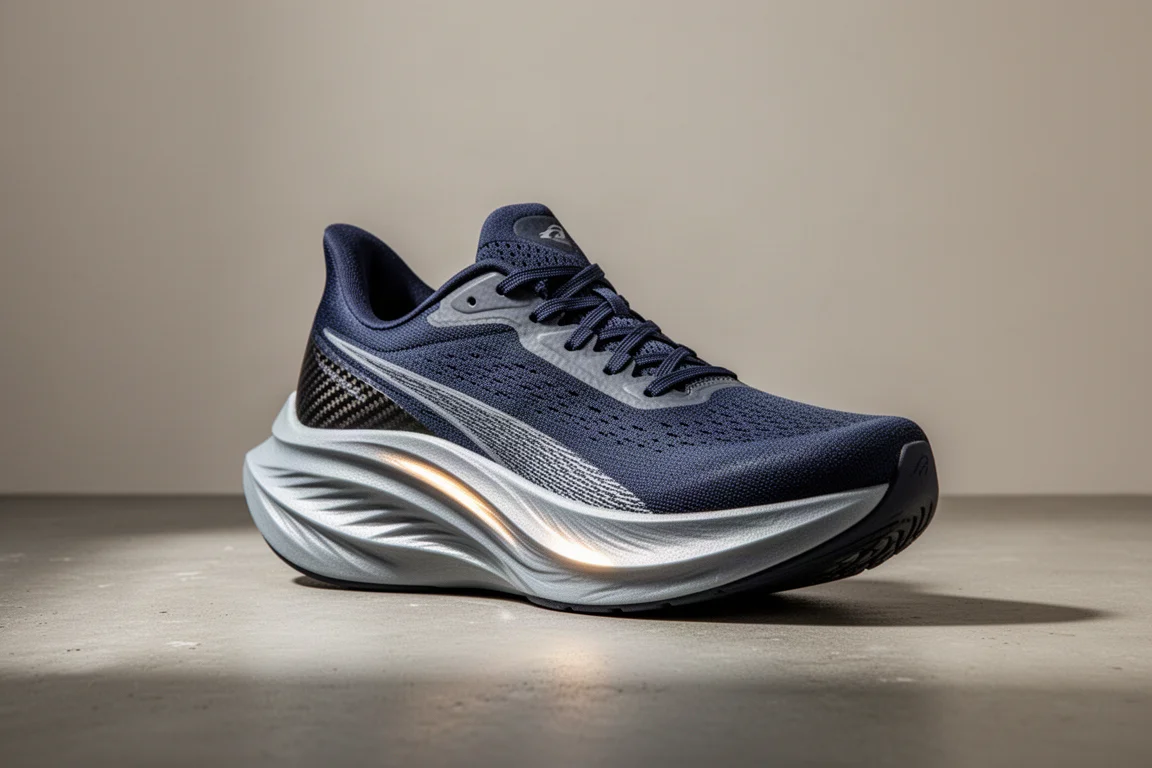
The SuperComp Pacer v2 has been redesigned from the ground up, by New Balance’s own description, to be an alternative marathon racer rather than a replacement for the Elite v5. The first version was a fun but very aggressive 5K and 10K shoe; version two broadens the brief considerably. In the current lineup, the SuperComp Rebel slots in between the marathon racers on one end and the chunkier Trainer on the other, which means you could build a three-shoe rotation entirely from SuperComp shoes, or add a regular Rebel as the daily trainer alongside the SuperComp Rebel as your tempo shoe.
Puma Deviate Nitro 4: The Aggressive Alternative
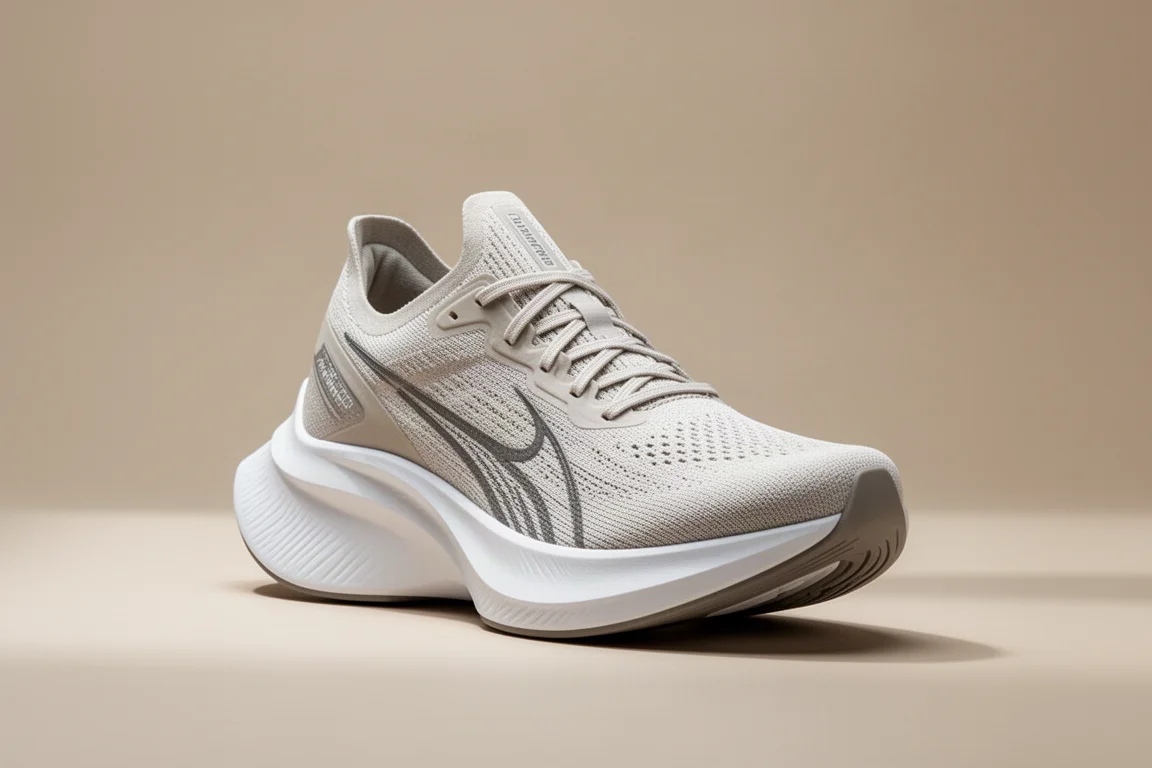
The Puma Deviate Nitro 4 is a perennial favorite tempo shoe, not to be confused with the plateless Deviate Pure. It layers a top of PEBA foam over a PEBA blend bottom layer and comes alive once the pace picks up, from steady efforts through marathon effort and into threshold work, where its explosiveness stands out. It has also grown more comfortable for everyday use in version 4.

Comparing the two, the SuperComp Rebel is clearly the better daily trainer, with a comfy, bouncy midfoot at everyday paces that the Deviate 4 has never fully matched. At the very fastest efforts, though, the Deviate 4’s more aggressive nature gives it a slight edge. Overall, the SuperComp Rebel takes it, which is impressive from New Balance, but you pay for it: the Deviate Nitro 4 retails for $170 versus $190.
Saucony Endorphin Speed 5: The Value Pick
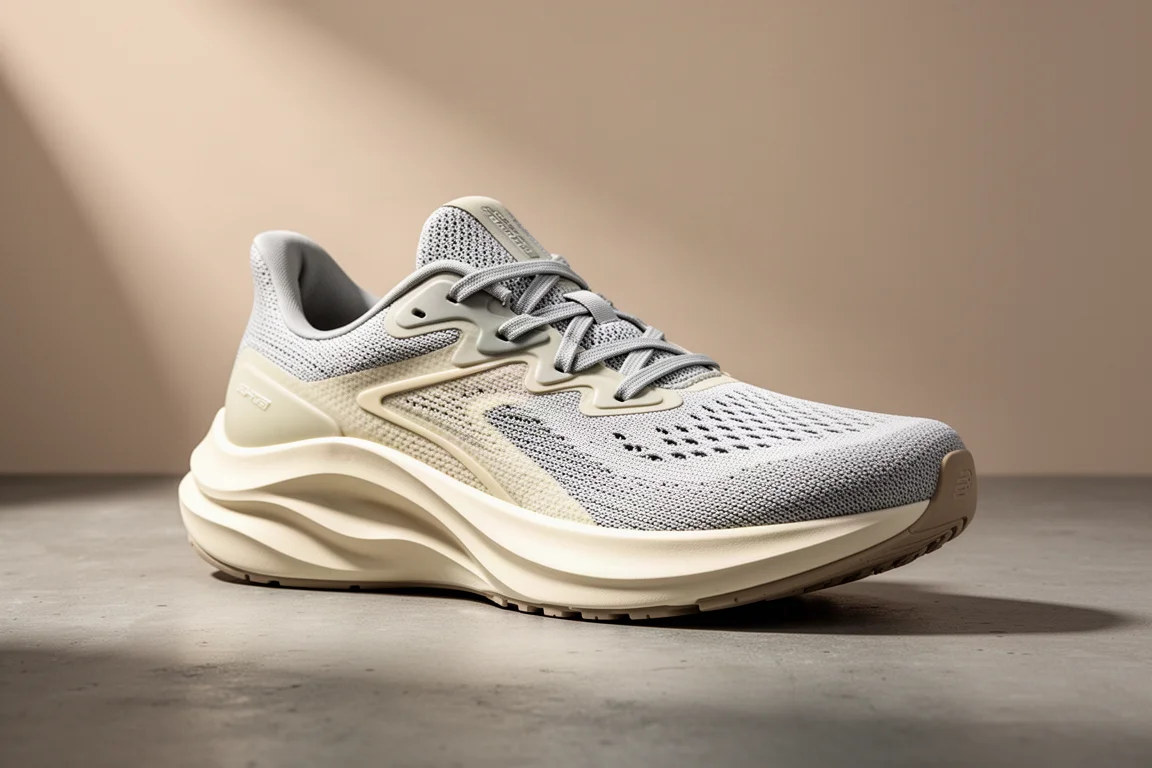
The Saucony Endorphin Speed 5 is a long-standing fan favorite, built on a beaded PEBA foam with a plastic plate that is there mainly for stability. The deciding factor between it and the SuperComp Rebel is largely runner type and preference. The Endorphin Speed 5 is noticeably more stable in the heel, which some runners will prefer, but its plastic plate tends to disappear underfoot at tempo efforts, delivering less forefoot pop than a carbon-plated shoe would.
For faster workouts, the SuperComp Rebel is the more compelling pick. The Endorphin Speed 5, however, is the value play: it normally retails for $175 and, having been out for a while, is often discounted to around $150, making it $40 cheaper than the SuperComp Rebel. That price gap may well settle the debate for budget-conscious buyers.
Overall Buying Advice
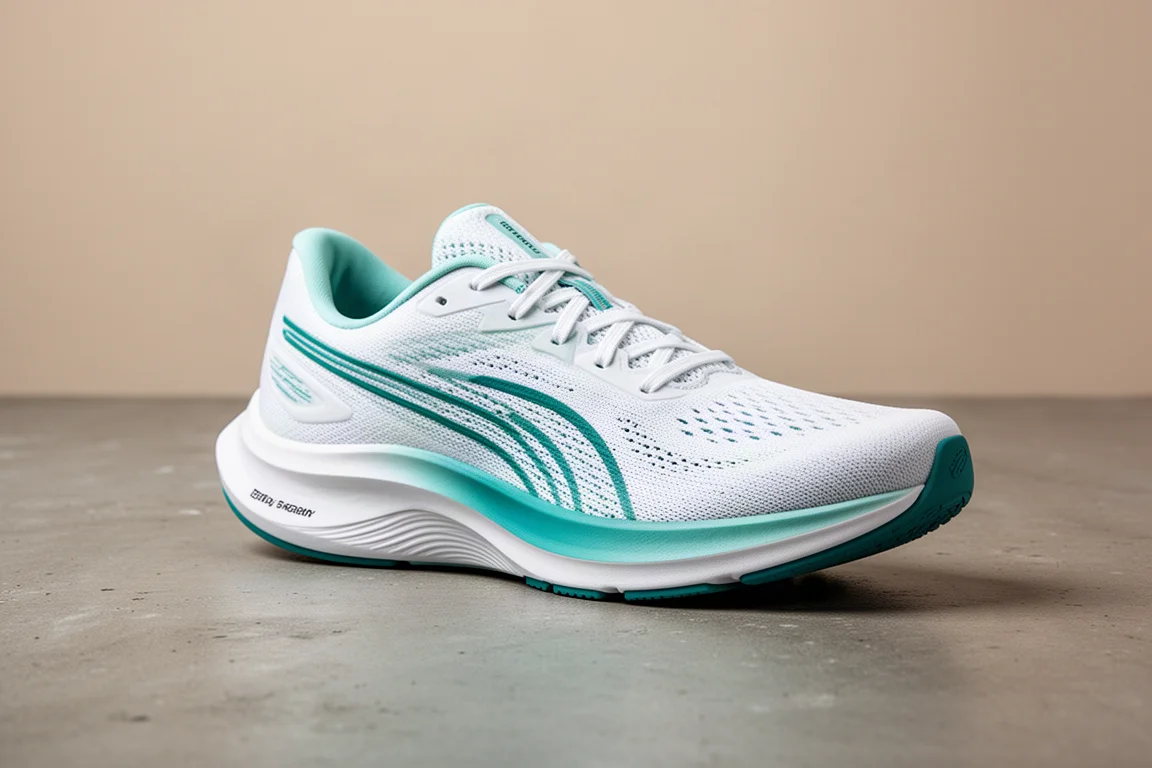
The SuperComp Rebel is an excellent tempo trainer that is bouncy in the midfoot and stable in the forefoot. Heel strikers may find it a touch too squishy, and forefoot strikers may find the forefoot a little firm for easy running. For midfoot strikers, the runners this shoe seems designed around, it has real potential as a rotation buster, covering everything from recovery runs and long slow distance up through the marathon and faster paces.
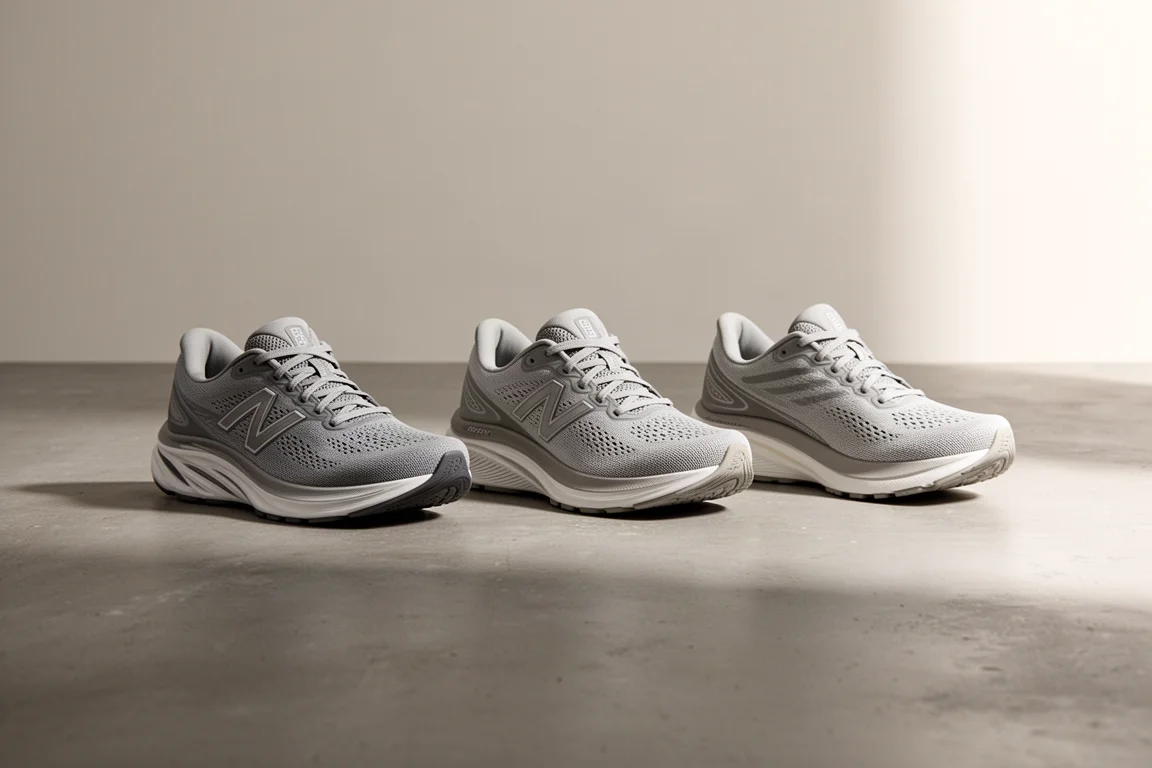
At $190, the price is fair but on the expensive side, and there is no confirmed availability date yet. Within New Balance’s own lineup, a sensible three-shoe rotation could pair the SuperComp Rebel as the tempo shoe with one of the marathon racers, the Elite v5 or Pacer v2, plus the Trainer or a regular Rebel for daily miles. If your running leans toward easy miles, the Rebel v5 at $145 is the better and cheaper fit. If you want maximum aggression at the lowest price of this group, the Deviate Nitro 4 at $170 or the discounted Endorphin Speed 5 at $150 are both strong outside options.
Conclusion
The SuperComp Rebel proves that combining two franchise names can produce something genuinely useful rather than a cynical brand extension. It fills the tempo gap left by the discontinued FuelCell TC, beats out the Deviate Nitro 4 as an all-rounder, and gives midfoot strikers a single shoe that can handle nearly everything in their week. The open question is what this means for the regular Rebel, a shoe that has always had a slight identity crisis. Now that the lineup has a true tempo Rebel, the future of the classic Rebel will be worth watching closely.
Further reading
Related Reviews

Running Shoes
Best Road-to-Trail Running Shoes: Three Versatile Options for Mixed Terrain
A practical guide to three road-to-trail running shoes that handle both pavement and mild trails, with clear strengths and trade-offs for different runner types.

Running Shoes
Best Running Shoes for Achilles Tendonitis: Three Options Explained
Three running shoes with different heel drops and support features designed to help reduce Achilles tendon pain during walking and running.

Running Shoes
Best Running Shoes for Women: Five Top Choices Ranked
A ranked guide to five women's running shoes, from versatile daily trainers to high-performance racing options, with real strengths and trade-offs for each.