Trail Running Shoes
New Balance Summit Unknown V3 Review: A Trail Shoe With Snap and Protection
After 25-plus miles and 2,500 feet of vertical testing, the New Balance Summit Unknown V3 proves to be a protective, reasonably light trail shoe with a lively FuelCell ride and a friendly price.
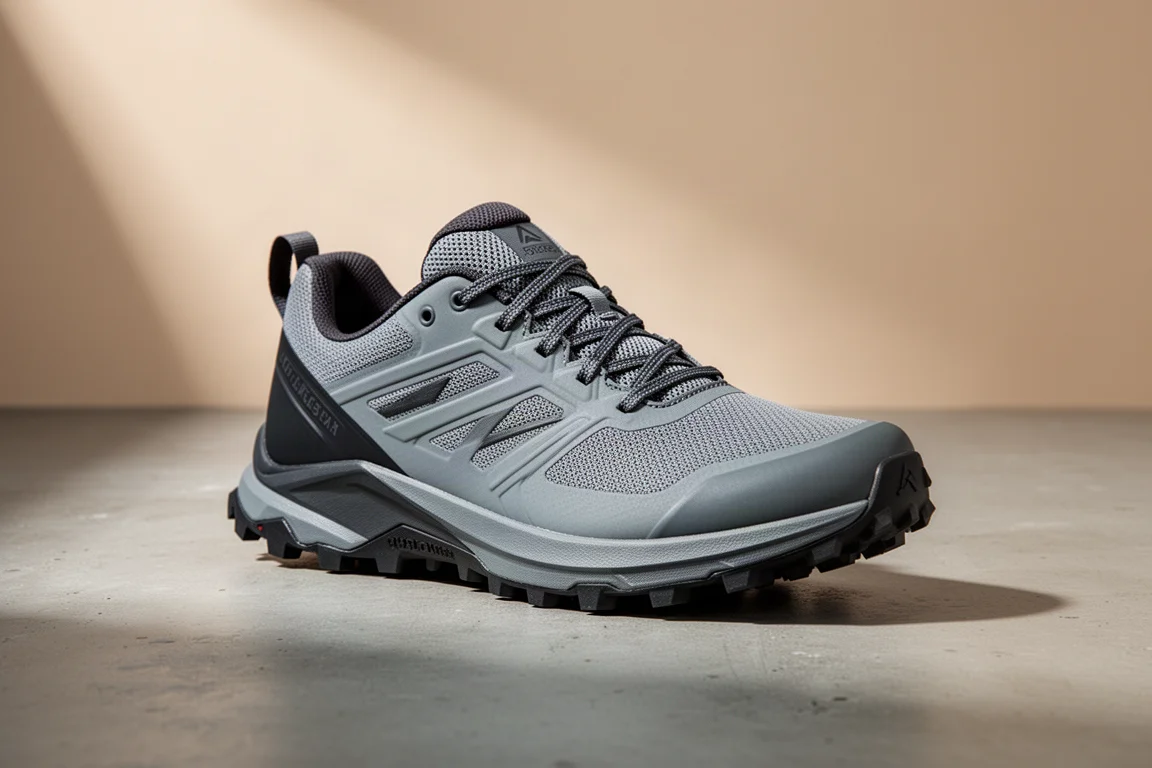
Introduction
The New Balance Summit Unknown V3 is one of those shoes that quietly wins you over. It pairs a protective rock plate and a refreshingly low stack with a FuelCell midsole that still manages to feel lively, and it does all of this at a very reasonable $130 price point. After 25-plus miles of testing that included 2,500 feet of vertical gain and loss, it left a strong impression as a do-almost-anything trail shoe.
If you are new to trail running shoes, note that testing is typically shorter and steeper than for road shoes, which makes the durability and on-trail confidence shown here all the more meaningful.
Who This Shoe Is For
This is a shoe for runners who like to move fast over rocky, technical terrain without feeling hoisted up on a tall stack. The 30mm heel and 20mm forefoot (a 10mm drop) feel almost radical next to many modern trail shoes that sit at 30/35 or 30/36. That lower profile gives you a little more ground contact feel, which helps when negotiating rocks and avoiding rolled ankles.

On genuinely treacherous sections, including rocky climbs on Mount Falcon and Mount Morrison, there was no hesitation about pushing the pace. If you want a max-cushion shoe to coddle your legs on long, easy days, this is not that shoe. If you want to get after it, rock and roll style, it very much is.
Main Strengths
The midsole is the star. FuelCell feels soft without being mushy, with a perplexing but genuinely enjoyable blend of resilience and energy return. Durometer readings landed in the upper 30s in the heel and low 40s under the toe box, which tracks with that soft-but-not-slushy character. Out of the box, the first impression was simply: that feels different, in a good way.
Protection is the other headline. A rock plate in the midsole means sharp rocks and roots simply never registered through 25-plus miles. The upper adds a toe-protect overlay on the medial side to guard against kicking rocks, and it kept feet completely dry on a brutal freezing-temperature test day. The lacing includes a wraparound detail across the top of the foot with just the right amount of tongue padding, so lockdown feels solid without lace pressure.
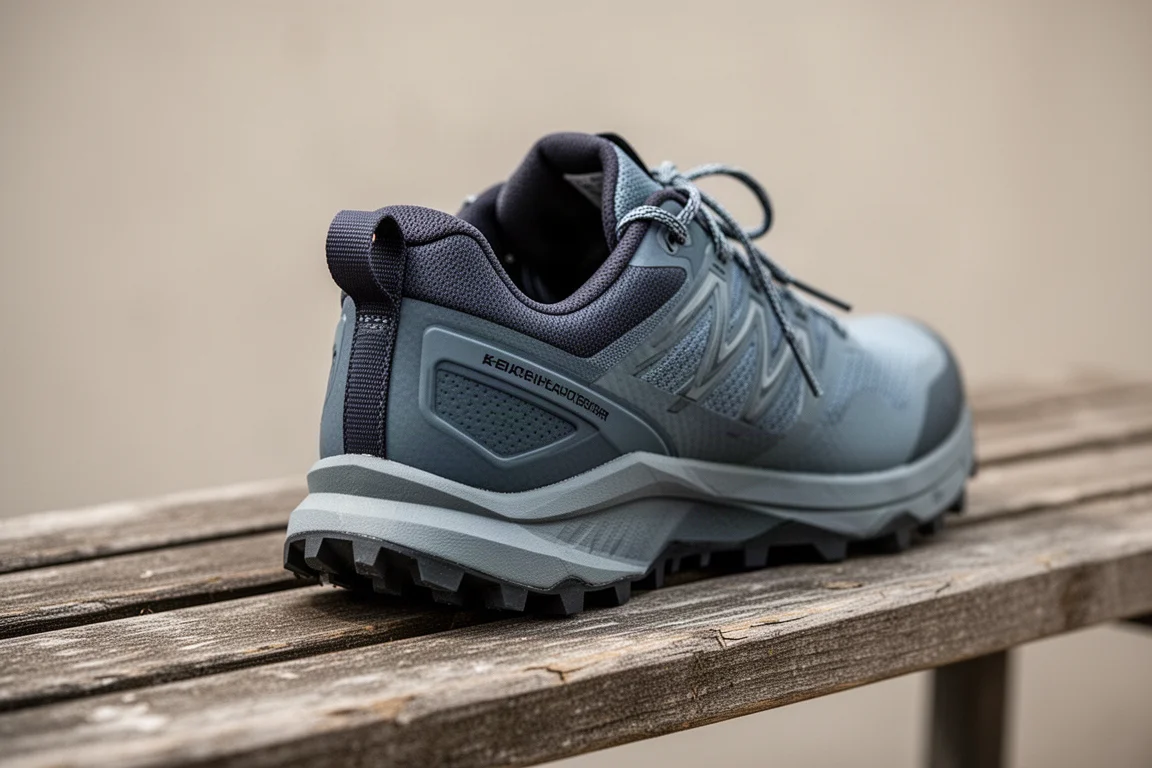
The heel counter is stout, really solid, which keeps your foot locked in on steep vertical pitches. The only nitpick: a smidge more padding on the heel tab area would be welcome. It is not plush, but it never let the shoe slip.
Things to Consider Before Buying
The outsole uses a straight-lug Hydrohesion rubber pattern. It is not the prettiest or most aggressive-looking layout, but it gets the job done: grip never felt like a weak point, and confidence stayed high on everything tested.
Weight comes in around nine ounces, which is solid but not featherweight. If the shoe were closer to 8 to 8.2 ounces, longer racing efforts would be even more tempting. That said, durability is excellent, with essentially no breakdown during testing, especially on the outsole, so expect this one to go the distance.
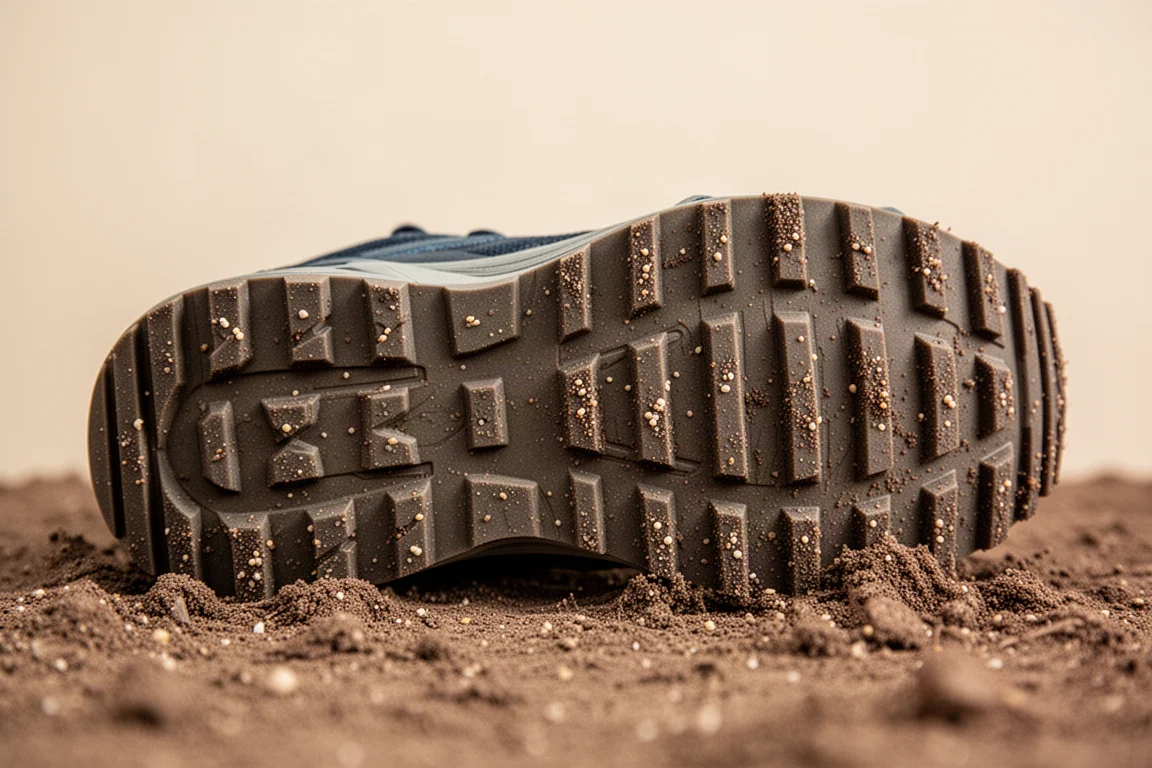
Also consider the fit and comfort, which score as standard across the board, and remember that at 30/20 you are choosing a lower, snappier ride rather than plush cushioning.
Buying Advice
This is the one trail shoe to buy if you want a single pair for both training and racing. It works for 8-to-15-mile FKT-style efforts thanks to the blend of weight, energy return, and grip, and it is a strong pick for B races or tune-up races ahead of an A-race target, especially shorter trail events.

If you want comparison points, the Salomon Pulsar Trail and Nike React Pegasus Trail 4 are the shoes that come to mind in the same spirit. And at $130, the price-to-performance ratio here is genuinely hard to argue with.
Conclusion
The New Balance Summit Unknown V3 earns its place with a lively FuelCell ride, serious underfoot protection, a dry and well-protected upper, and a stout heel that locks you in on climbs. It is not a max-cushion cruiser, and it is not the lightest shoe in its class, but for fast, rocky trails at a fair price, it is easy to recommend.
Product link
View more details for New Balance Summit Unknown V3
This product is mentioned in the review. Check the specifications, options, and compatibility before buying.
View more details for New Balance Summit Unknown V3Further reading
Related Reviews
Trail Running Shoes
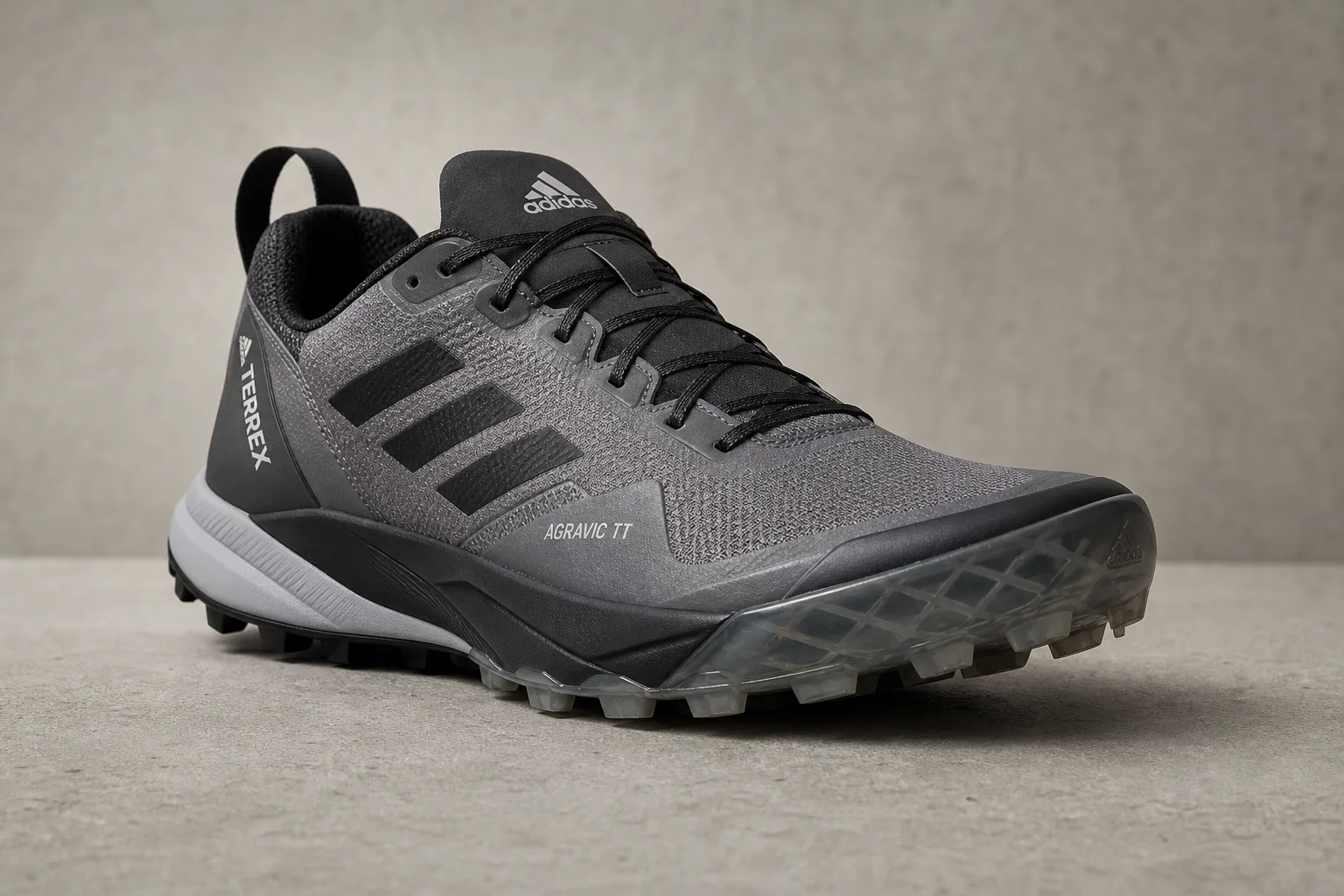
Adidas Terrex Agravic TT Review: A Technical Trail Shoe Built for Rocky Terrain
The Adidas Terrex Agravic TT combines a full-coverage rock plate with a firmer midsole to deliver protection and stability on technical, rocky trails. A capable choice for runners who prioritize underfoot defense over lightweight cushioning.
Trail Running Shoes
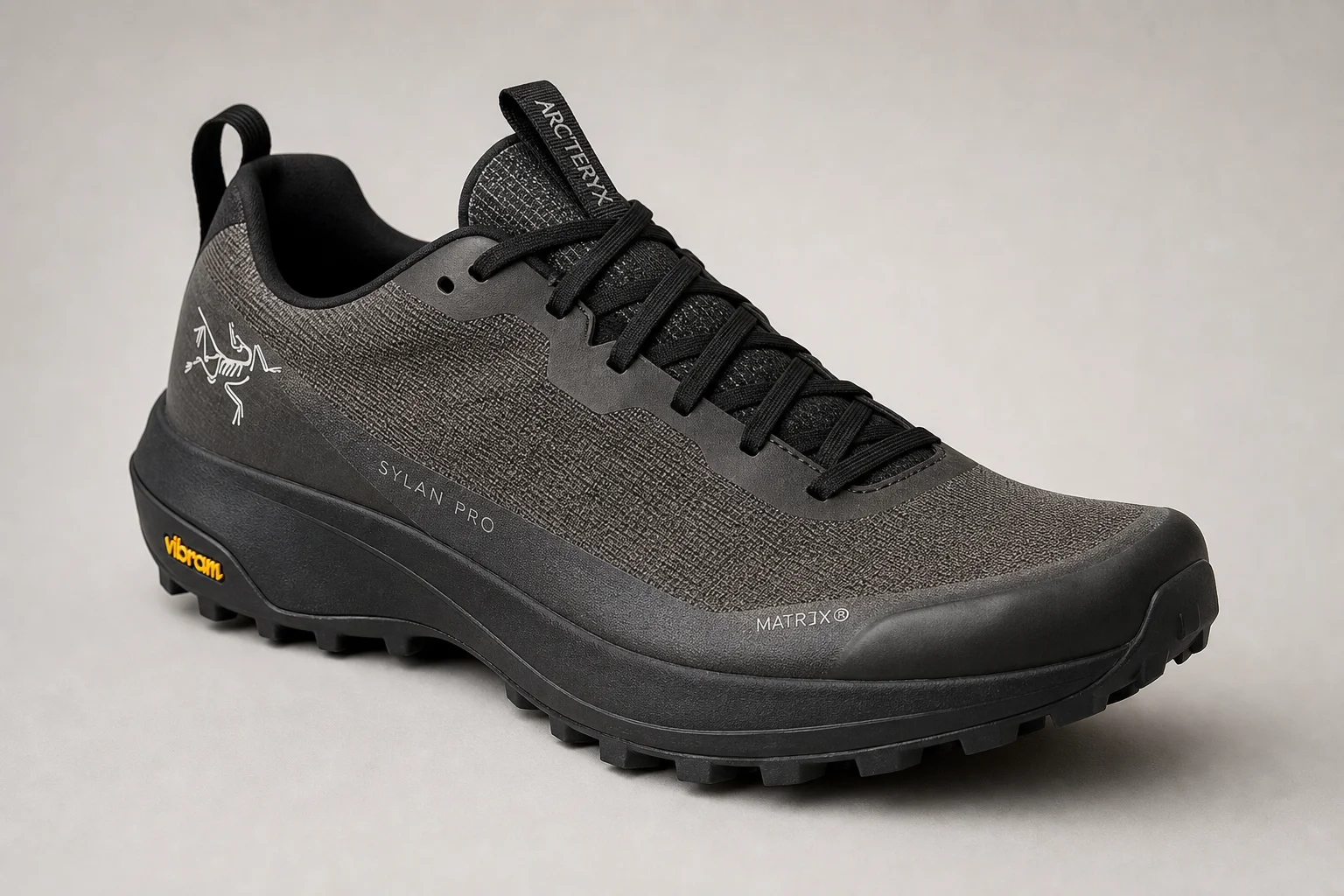
Arc'teryx Sylan Pro Review: A Rocker-Focused Mountain Running Shoe Tested on 20 Miles
The Arc'teryx Sylan Pro brings a pronounced rocker geometry and secure fit to mountain terrain. We tested it on a 20-mile Sawtooth loop to evaluate its climbing efficiency, protection, and handling of technical descents.
Trail Running Shoes
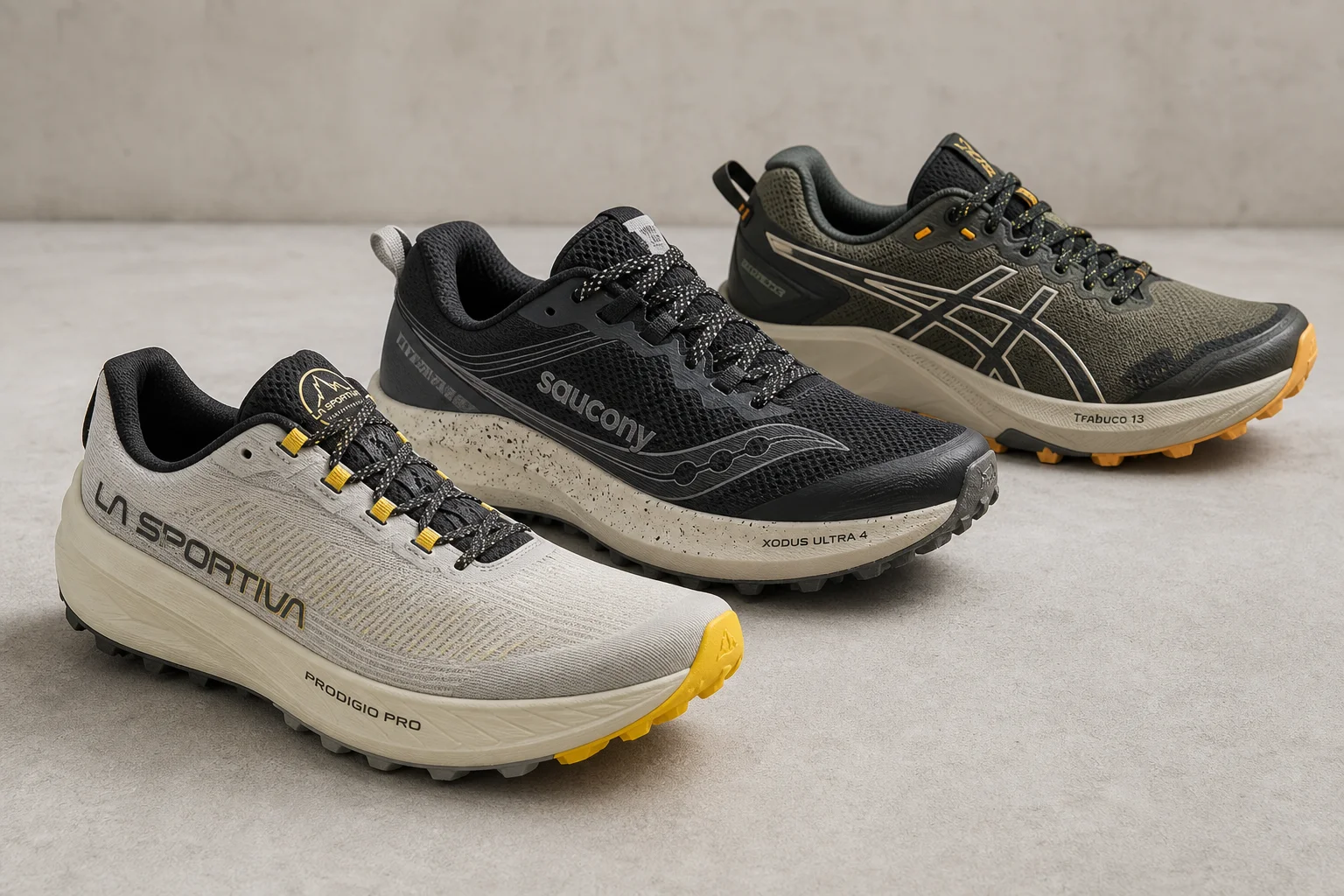
Best All-Mountain Trail Running Shoes: Three Versatile Options for Any Trail
A focused roundup of three all-mountain trail running shoes that handle technical terrain, long distances, and variable conditions with real strengths and practical trade-offs.