Running Shoes
New Balance SC Trainer V3 vs Asics SuperBlast 2: Two Super Trainers Head to Head
Two of the most popular super trainers compared on stack, weight, fit, ride character, and value to help you pick the right one for your marathon training block.
Introduction
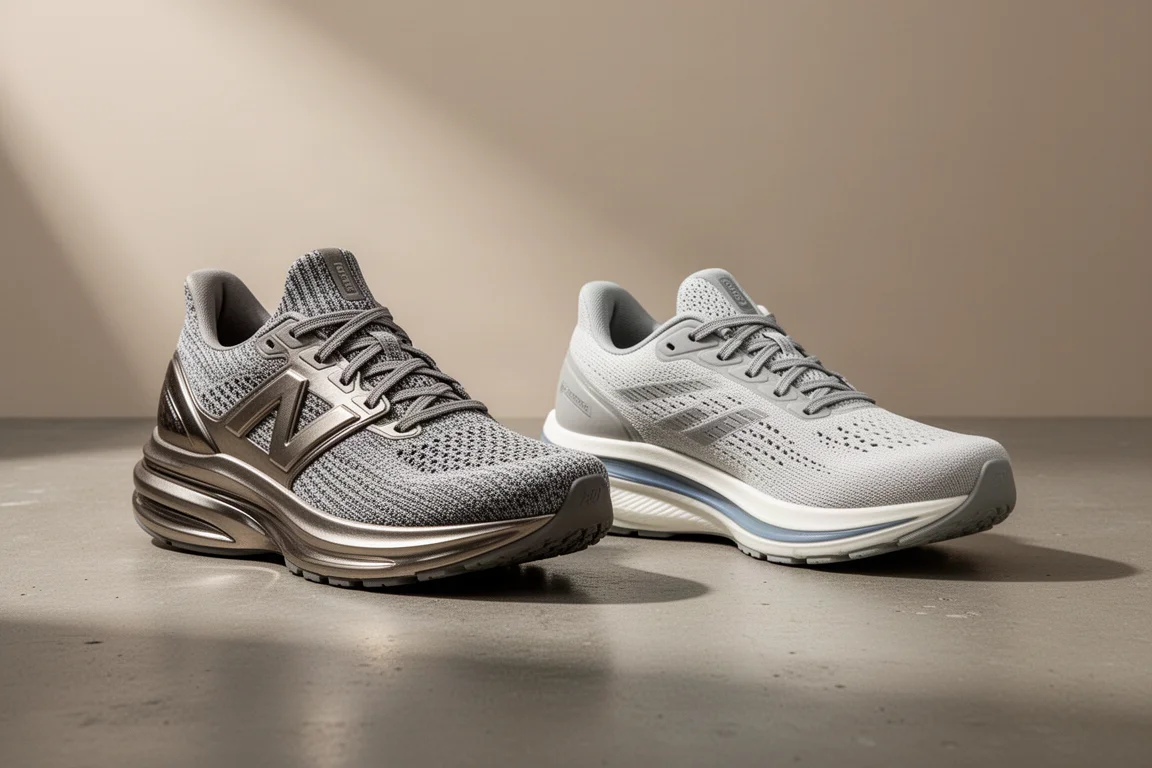
The New Balance SC Trainer V3 and the Asics SuperBlast 2 are two of the most talked-about super trainers right now, and both sit in the same practical space: highly cushioned daily trainers that can handle long runs, progression sessions, and marathon training blocks. They take noticeably different approaches, though, with a plated FuelCell midsole on one side and a plate-free dual-foam build on the other. Here is how they compare where it matters.
Specs and First Impressions
The Asics SuperBlast 2 packs 45mm of foam in the heel and 37mm in the forefoot for an 8mm drop. The New Balance SC Trainer V3 has a slightly smaller wedge with 40mm in the heel and 34mm in the forefoot for a 6mm drop. In a US men’s 9.5, the SuperBlast 2 weighs 254g (8.9oz), while the SC Trainer V3 comes in at 282g (9.9oz).
Pricing differs sharply by region. The SuperBlast 2 costs £200 in the UK and $200 in the US. The SC Trainer V3 lands at a hefty £230 in the UK, but in the US it is actually the cheaper of the two at $180.
Midsole and Construction
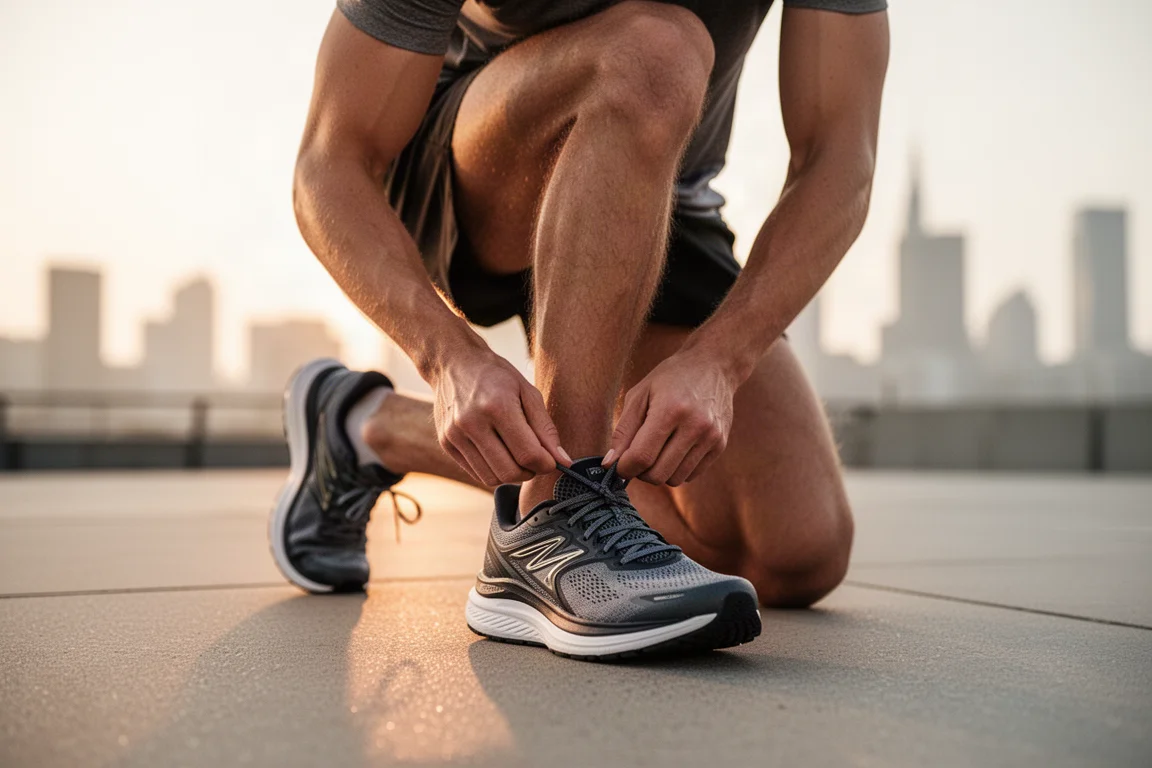
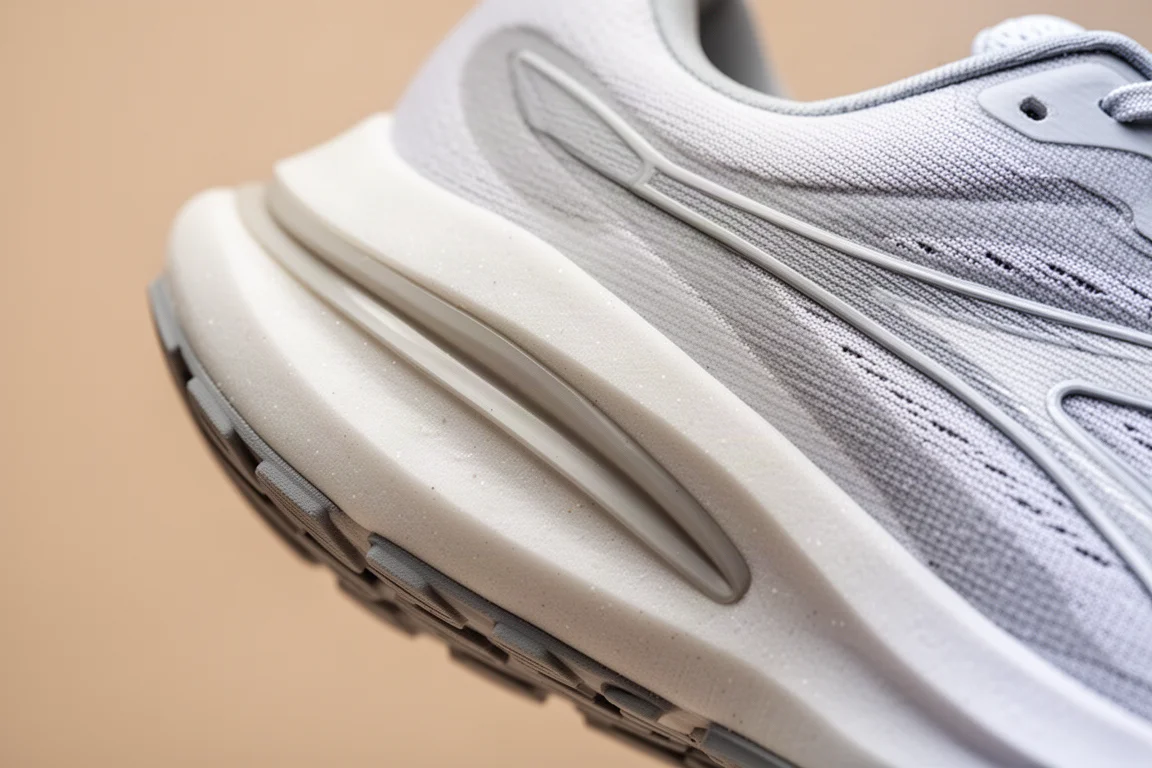
The two midsoles take very different routes. The SuperBlast 2 uses a dual-foam midsole combining the EVA-based FF Blast Plus Eco with PEBA-based FF Turbo Plus, and there is no carbon plate. The SC Trainer V3 uses a reformulated FuelCell EVA-PEBA blend that now carries 20% PEBA, the same foam family as the Rebel V4. It has a carbon plate, now forked to reduce weight and increase flexibility for a more natural feel, plus an Energy Arc groove down the middle of the midsole that lets the plate flatten on landings and spring back on toe-off.
Up top, both use engineered mesh uppers with good structure and generously padded heel collars. The New Balance collar has a more pronounced roll shape, while the Asics tongue wraps a little better across the top of the foot. Underfoot, the New Balance has more rubber coverage, while the Asics has moved to Asics Grip rubber from Ahar Plus, the compound used in Asics trail shoes. Grip is good on both. One practical difference: the Energy Arc groove on the New Balance doubles as a stone catcher, a problem Asics eliminated by dropping its version of the groove.
New Balance SC Trainer V3: Plated Versatility
The SC Trainer V3 is an accomplished daily trainer with a decent level of cushioning that never feels too soft. There is plenty of controlled energy for eating up miles on longer runs, and plenty of versatility, making it a strong weapon in any marathon training lineup.
Fit-wise, it can come up a bit short, so half a size up is a sensible move. That gives a roomy, airy fit with lots of toe wiggle room, though you may need to lock the laces down to avoid initial heel slip. It feels noticeably smaller and nimbler on the run than the SuperBlast 2, and despite being the heavier shoe, it offers a little more pop for faster sessions thanks to the plate.
Asics SuperBlast 2: Plate-Free Consistency
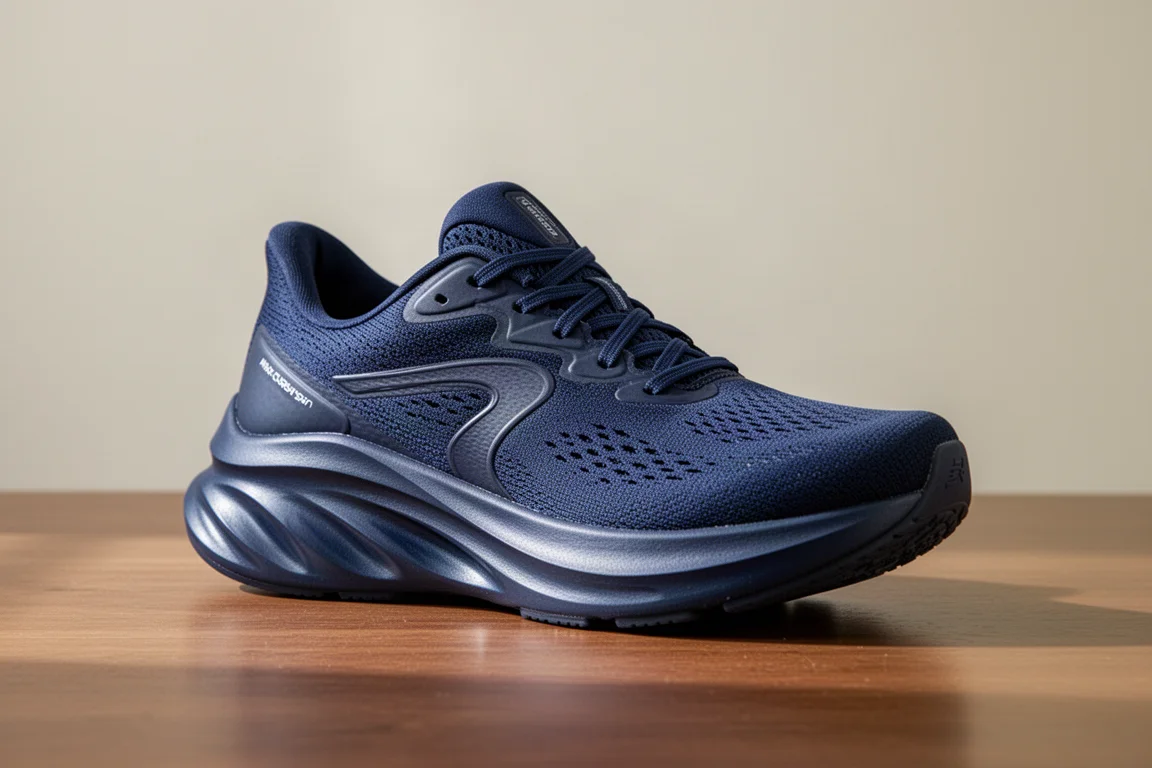
If one word sums up the SuperBlast 2, it is consistency. In a four-hour cruising marathon test, the ride stayed consistent throughout: great cushioning, a reliable platform, smooth transitions, energy on request, and comfortable road feel if you land heavier on your heels.
The shoe is long and boat-like, but that shape creates a gentle rocker, and the foam is bouncy and responsive without being over the top. It is impressively light for such a big shoe, noticeably lighter than the SC Trainer V3 despite the sizing. Fit is true to size with a nice amount of toe room, good midfoot lockdown from the laces, and a padded, wrapping tongue. It is probably the smoother of the two at slower paces, though its sheer size can take a little away when going all out.
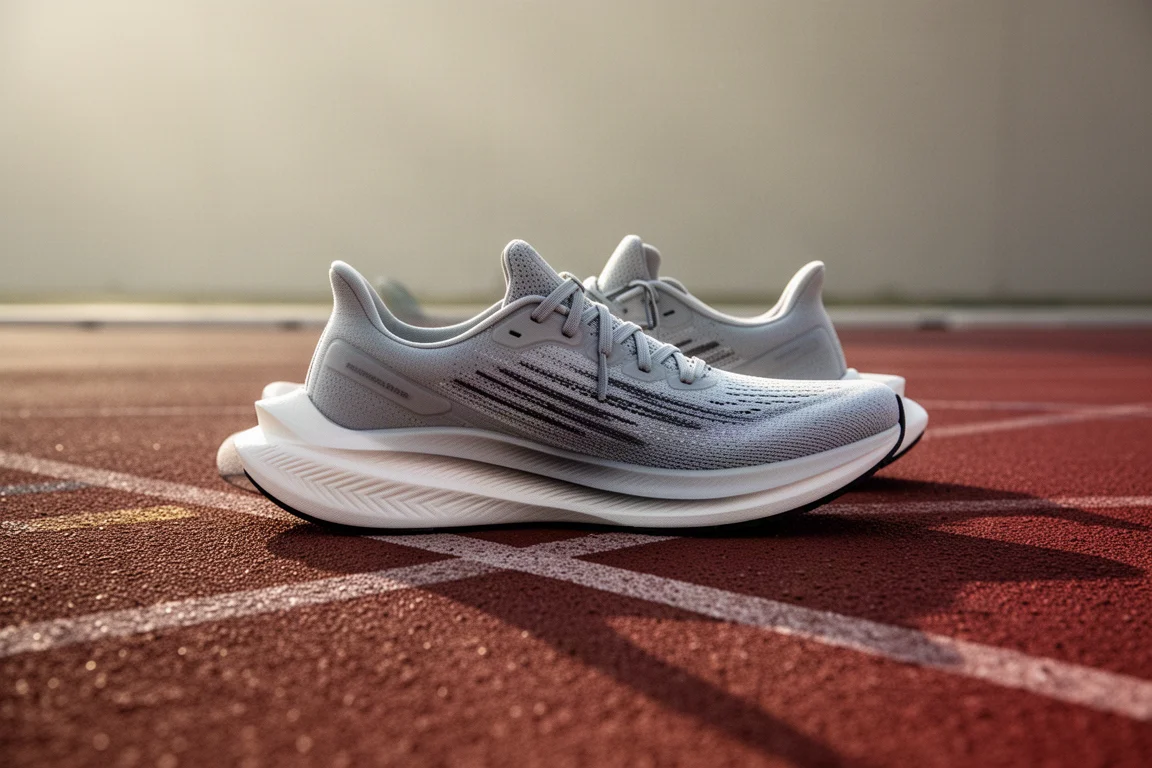
View more details for Asics Superblast 2
How They Perform Across Paces
Both shoes shine in the same middle band: long runs, progression runs, and steady miles slightly faster than easy pace. The SC Trainer V3 is marginally better at the faster paces, while the SuperBlast 2 is a bit more fluid at the slower end. Both are excellent in the middle, and both are close to being shoes that can do everything in a marathon training block.
Testers logged around 80 to 90km in the Asics and about 110km in the New Balance, including long easy-to-steady 15-mile runs with fast finishes in both. Both felt genuinely great on those runs. The SuperBlast 2 leans ahead for plate-free training, which many runners prefer for high mileage, while the New Balance earns its keep when the pace climbs.

Which One Should You Buy?
Region matters here. In the UK, the SC Trainer V3’s £230 price is hard to justify against a training shoe, and the cheaper SuperBlast 2 becomes the easy pick. In the US, the SC Trainer V3 is $180, undercutting the SuperBlast 2 by $20, which gives New Balance a real edge.
If you want one versatile fast super trainer for your rotation, the New Balance probably offers a bit more overall versatility and is the better choice for fast track runs. If your priority is long runs and progression sessions without a plate, the SuperBlast 2 is the one to lean toward.
Conclusion
These are both fantastic super trainers, and you cannot really go wrong with either. The SuperBlast 2 takes the pick for plate-free consistency on long runs and better UK value, while the SC Trainer V3 wins on fast-day pop and US pricing. Choose based on where you live and where your training miles actually land.
Further reading
Related Reviews

Running Shoes
Best Road-to-Trail Running Shoes: Three Versatile Options for Mixed Terrain
A practical guide to three road-to-trail running shoes that handle both pavement and mild trails, with clear strengths and trade-offs for different runner types.

Running Shoes
Best Running Shoes for Achilles Tendonitis: Three Options Explained
Three running shoes with different heel drops and support features designed to help reduce Achilles tendon pain during walking and running.

Running Shoes
Best Running Shoes for Women: Five Top Choices Ranked
A ranked guide to five women's running shoes, from versatile daily trainers to high-performance racing options, with real strengths and trade-offs for each.